
Peperomia Albovittata of the Piperaceae family is an attractive perennial succulent native to the rainforests of South America.

If you love plants with uniquely-patterned leaves, then this Peperomia genus plant is for you. Read all about its care requirements from this complete guide.
JUMP TO TOPIC
What Is a Peperomia Albovittata?
A Peperomia Albovittata is an epiphytic perennial plant belonging to the Piperaceae family and is native to Ecuador. The epithet albovittata means “with white stripes or bands.”

Some of its other names include Piccolo Banda and Ivy Leaf Peperomia.
Peperomia Albovittata Care
Peperomia Albovittata is easy to care for if you keep its basic growth requirements in mind. Read all about them in detail below.
 Water Requirements
Like other Peperomia varieties, Peperomia Albovittata also has low water needs. It does not need to be watered as frequently as the tropical houseplants. Water your plant only when the top two to three inches of the soil have dried.
Water the Ivy Leaf Peperomia every seven to ten days when the soil has dried out considerably.
However this is not like a routine, hence always check the soil before watering your succulents, since underwatering always works better than overwatering for this succulent.
 Light Requirements
Peperomia Albovittata needs bright, indirect light to grow well. It cannot tolerate direct sunlight, especially during the afternoon hours. An east or west-facing window works well for its growth.
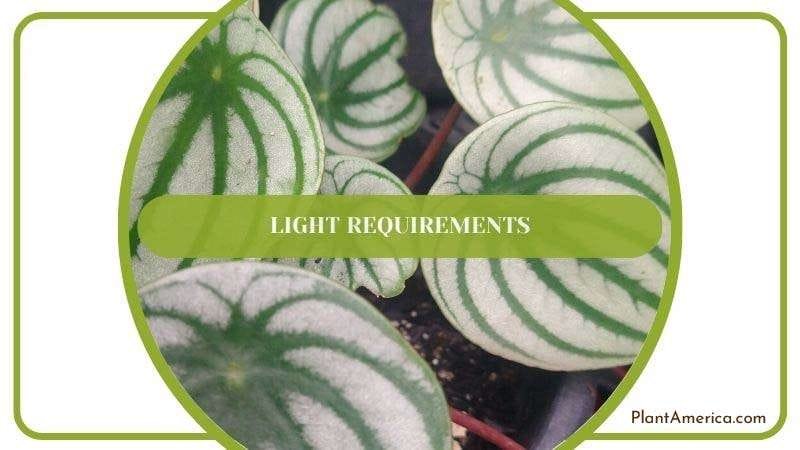
Low-light conditions can make your plant leggy and stretched out, additionally, it becomes prone to getting root rot due to overwatering which is why it is essential to choose a spot that receives an adequate amount of light.
The plant starts to stretch out towards the sun in search of light and shows stunted growth with fewer leaves. In this case, prune the stretched-out parts of the plant and move it to the right location to see healthier growth.
During the summer months, keep the plant away from direct sunlight as it is highly prone to getting sunburnt. Morning and evening sunlight is fine but do not expose it to the afternoon sun.
If you are growing Peperomia Albovittata indoors, move it away from the window when the temperatures go up. Shifting the plant to a cooler spot will prevent sunburn and heat shock.
 Soil Mix
Peperomia Albovittata soil should be loamy with good moisture retention, as it also grows quite well in a soilless medium. You can use commercially available succulent and cacti mixes and add some orchid bark, charcoal, compost, and coco fiber to make it rich and draining.
If you are using the regular potting mix to grow it, add equal parts of coco coir, perlite, and pumice to the soil.
 Temperature Requirements
Peperomia Albovittata grows well in the temperature range of 68 to 86 degrees Fahrenheit. It cannot tolerate freezing temperatures with frost outdoors. In that case, shift it indoors to a warm, bright spot.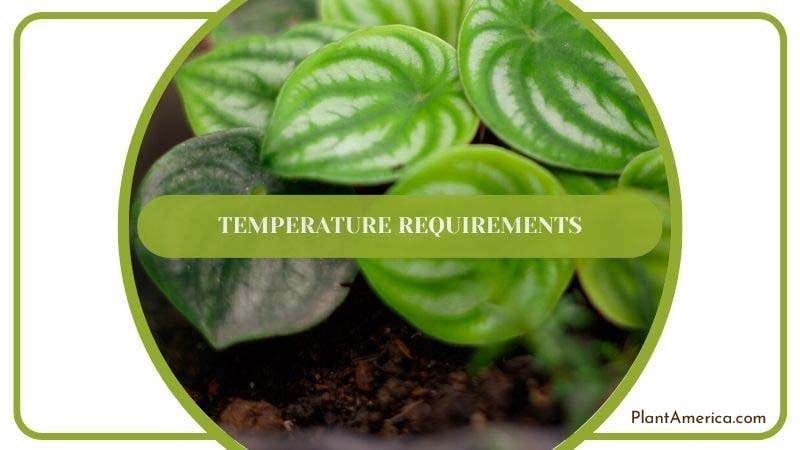
It can also tolerate temperatures as low as 60 degrees Fahrenheit in the winter months but anything lower than that puts your plant in danger. Therefore, move it indoors before it becomes difficult to save it.
Avoid exposing your plant to very hot temperatures as hot temperatures coupled with low humidity can make your plant susceptible to sunburn, wilting, and fertilizer burn. In such cases, misting helps in regulating the temperatures around the plant.
 Humidity Requirements
Peperomia Albovittata needs humidity levels between 40 and 50 percent to grow well. Its succulent leaves need slightly higher humidity levels than other succulents to retain moisture.
Household humidity levels are good enough to keep it healthy hence, you do not have to worry much about maintaining higher humidity levels. You can mist it occasionally to keep the levels between 40 and 50 percent.
Avoid misting too much as it can cause fungus growth on the plant. High humidity without much air movement can also cause fungus growth. However, do not worry about preparing humidity trays or keeping humidifiers.
 Fertilizer Requirements
The Ivy Leaf Peperomia does not need to be fertilized quite often, fertilize your succulent monthly during the active growing seasons of spring and summer. You can use any commercially available fertilizer for your plant but liquid fertilizers work the best out of all.

Do not fertilize your plant in the winter months as the plant does not show any active growth. Less exposure to light and cooler temperatures make the plant grow less vigorously. That is why if you overfeed the plant at this time, the nutrients of the fertilizer go unused and the chemicals accumulate in the soil.
Accumulation of salts or chemicals in the fertilizer burns the plant roots causing long-term damage and sometimes even killing the plant. To avoid salt build-up, do not fertilize the plant at all in winter and resume it once spring arrives.
 Pruning
Peperomia Albovittata is not too delicate which makes it easier to prune its leaves. Pruning helps the plant to grow healthy and encourages better and bushier leaf growth. Trim off the dead and damaged leaves regularly to keep the plant healthy.
Avoid too much pruning also because it damages the plant, prune it with a sharp pair of scissors when the plant becomes too tall and leggy. Pruning at the right time helps in keeping the plant bushier and healthier.
Peperomia Albovittata does not need frequent repotting, nonetheless, it only needs to be shifted every two to three years when it outgrows the pot or when its soil has begun to decompose. Repot it in a slightly bigger pot to keep it healthy.
Propagation
Peperomia Albovittata can be propagated easily from stem cuttings and leaf cuttings. If you are looking forward to increasing the number of Peperomias in your garden, try both propagation methods.
Both methods are easy to implement but it depends on your patience level to see which one you adopt. Let us take a look at both of them.
– The Ideal Time to Propagate
Always propagate your plant at warm temperatures, preferably between 72 and 85 degrees Fahrenheit. Try to take stem cuttings in the spring and summer months for propagation so that the cuttings root easily. 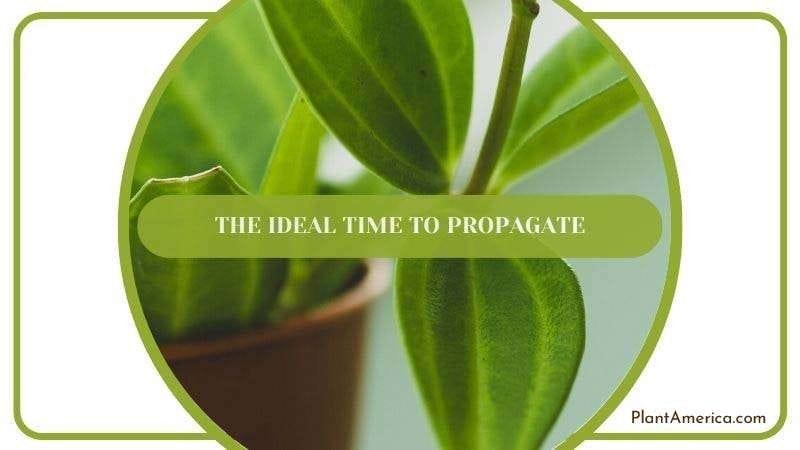
Avoid propagating the plant in autumn and winter because the cuttings will not root and the plant will struggle as there will be no new growth. Wait for spring to arrive before you propagate the plant.
– Stem Cuttings
Propagate Peperomia Albovittata from stem cuttings in spring as the plant enters the growth stage in spring. Hence, it becomes easier to root and the new growth emerges faster, in addition, fill a pot with a well-draining potting mixture.
Take a healthy cutting from the mother plant and make sure that it has at least two to three leaves on it. Use sterilized shears to make a cut and plant the cutting in a moist soil mix. Cover the pot with a plastic bag for faster rooting and keep it in partial shade.
To avoid mold and fungus growth, remove the plastic bag for an hour every day. The cuttings root in a couple of weeks and begin to show new growth.
– Leaf Cuttings
Fill a sanitized tray with compost and perlite and keep all your tools sterilized before beginning. Moreover, using sharp scissors, cut a leaf from a healthy-looking stem, and dip the cut edge in a rooting hormone to encourage faster root development.

Dipping the leaf in the rooting hormone is optional. Insert the leaf-cutting in the soil by making a tiny hole in the soil. Firm the potting soil around the leaf and water it properly. Cover the pot using a plastic bag for faster rooting.
Remove the plastic bag now and then to prevent excess humidity and within a few weeks, the leaves will root. Do not immediately move the leaf cuttings to a pot as they have very shallow roots.
Problems
Peperomia Albovittata is a care-free plant that needs minimal care. It faces some common problems such as overwatering, root rot, and pests. Let us explain them in detail.
– Pythium
Overwatering is the most common issue faced by most people growing Peperomia Albovittata. Pythium is a fungal disease that leads to root and stem rot. Discolored and drooping leaves and wilting. 
Prolonged water-logged soil conditions cause the problem of pythium causing the oxygen-starved roots to rot. If there are black spots on the stems, it might be too late to save your plant.
Maintain a water log and a regular watering schedule to avoid this issue. Check the leaves, roots and stems regularly and look for signs of overwatering, make sure to always check the soil before watering.
– Fungus Gnats
Fungus gnats are black flies that can severely damage your Peperomia Albovittata. These are caused when the plant is watered from the top.
To avoid the problem, always water the plant by directly watering the soil, it is advised to avoid watering the leaves and stems.
– Cercospora Leaf Spot
Cercospora Leaf Spot is a collection of gray, brown or purple lesions formed on the plant. They cause withering and wilted growth in the plant.

Remove all the infected parts of the plant when you spot such lesions. Pruning the plant aggressively helps in controlling the spread of this problem.
– Mealybugs
Mealybugs are small, white pests that are found on the undersides of the leaves. Mold on the leaves and stunted growth in the plant are signs of the presence of mealybugs.
Treat them by watering the plant aggressively and if the infestation is severe, try using insecticidal soaps and sprays. You can also rub an alcohol solution on the affected parts.