
Flowers to plant in July provide endless summer color until the first frosts, brightening up your garden when the days are longest and sunniest.

From heat-tolerant annuals like zinnias and marigolds to perennial stalwarts like Russian sage and coneflowers, the flowers we’ll discuss offer a range of colors, heights, and bloom times to keep your garden cheerful for months to come.
So whether you want a blaze of color or a more refined palette, these flowers to plant in July will have your garden glowing well into autumn!

Flowers You Can Plant in July for an Outstanding Garden
1. Zinnias

- Growing season: Summer, Fall.
- Leaf shape: Oval, Lanceolate.
- Specific needs: Full sun, Well-drained soil.
- Common pest: Aphids, Caterpillars.
Zinnias are the perfect summer blooming flowers to plant in July. Zinnias instantly brighten any garden with their cheerful daisy-like flowers in vivid colors, and they have large, showy blossoms in shades of yellow, orange, red, purple, and white.
The zinnia flowers attract beneficial pollinators like bees and butterflies to your garden bloom.
Zinnias are loved by many gardeners for their hardiness, low maintenance needs, and long blooming season from summer to fall.
These flowers are easy to grow from seed and germinate quickly after planting in the garden soil around April or May in most areas.
Once the seedlings emerge, thin them to around 8 to 12 inches apart. Regular deadheading of faded flowers will encourage continued blooming all season.
The plants require minimal watering, and few pest problems typically bother Zinnias.
Zinnias are a simple yet magnificent addition to any flower garden, providing months of colorful joy.
2. Marigolds
- Growing season: Summer, Fall.
- Leaf shape: Oblanceolate, Colorful.
- Specific needs: Full sun, Average soil.
- Common pest: None.
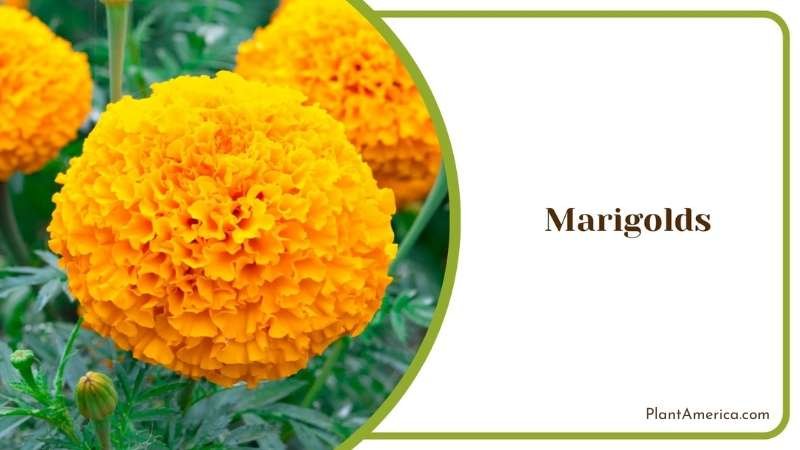
Marigolds are among the best summer annuals to plant in July for your summer garden bloom.
They come in many colors, from yellow to orange to gold, and produce loads of flowers nonstop from early summer through fall.
Gardeners love marigolds for their hardiness, ability to thrive with minimal care, and ability to help control pests naturally.
The pungent scent of marigold flowers helps repel insects, making them a natural pest deterrent in the garden.
Once planted and established, marigolds require little maintenance, making them a reliable choice for busy gardeners.
You can directly sow marigold seeds around late June to early July after threats of frost have passed or plant seedlings to get your summer garden bloom started sooner in July.
Marigolds thrive in full sun and average, well-drained soil. They bloom best in poor, sandy soil, requiring minimal fertilization.
Marigolds tend to be heat and drought-tolerant once established, needing watering only during extended dry spells.
Snip off faded flowers to encourage continued bloom all summer and into fall. The profusion of sunny marigold blooms will lift your spirits and attract beneficial pollinators to the garden for months.
3. Cosmos

- Growing season: Summer, Fall.
- Leaf shape: Nectar – rich, Linear.
- Specific needs: Full sun, Average soil.
- Common pest: Aphids.
Cosmos are cheerful, daisy-like flowers that bloom profusely from summer through fall.
Their delicate petals come in shades of pink, red, purple, white, and yellow, making quite a show in the summer garden.
Cosmos makes a great addition to plants in July for a continuous summer garden bloom full of color.
The nectar-rich cosmos flowers attract abundant beneficial insects like bees, butterflies, and even hummingbirds to the garden.
Cosmos are valued for their ability to thrive with minimal care once established. They are naturally heat and drought-tolerant, which helps ensure a reliable garden bloom throughout the summer months.
You can plant cosmos seeds directly in the garden soil around late May to early July or start seeds indoors six to eight weeks earlier for earlier summer bloom.
The seedlings grow rapidly and need little fertilizer. Pinch off faded flowers to encourage reblooming all summer and into fall.
Cosmos provides a long-lasting display of cheerful colors to brighten any garden bed, border, or patio container from July through the first frosts of fall. Come summer’s height, the cosmos will fill your garden with blooms, creating an uplifting aura of easygoing simple beauty.
4. Sunflowers
- Growing season: Summer.
- Leaf shape: Alternate, Ovate.
- Specific needs: Full sun, Rich soil.
- Common pest: Aphids, Sunflower moths.
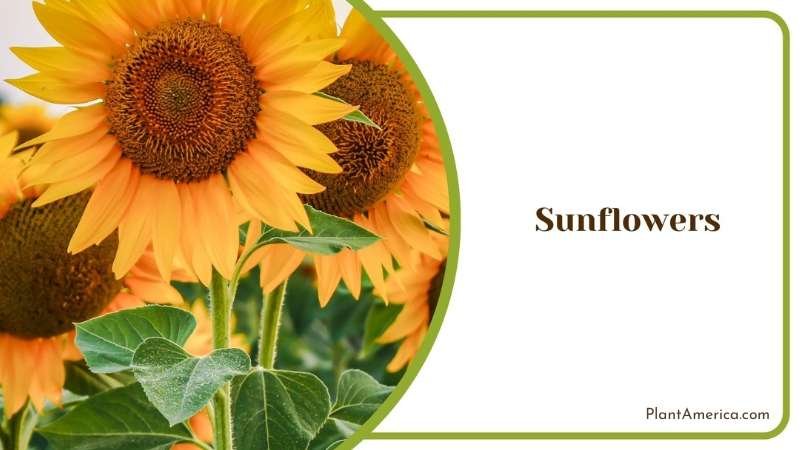
Sunflowers are a classic flower variant to plant in July for a show-stopping summer garden bloom.
Their huge, cheerful flowers in vibrant yellow shades tower over the landscape, bringing happiness to any garden and attracting plenty of pollinators with their abundant nectar and pollen.
Sunflowers come in various sizes, from only a foot tall to over 12 feet tall, providing different options to suit different garden spaces from small flower beds to larger fields.
Sunflowers are prized for their ease of cultivation, being easy to grow from seed, and thrive in hot weather once established.
Their strong woody stalks make them a nice cut or dried flower for fall decor and indoor arrangements.
Planting sunflower seeds directly in the garden in July after threats of frost have passed will ensure the best results with robust plants and large blooms.
The sunflowers will provide months of enjoyment from July through the first fall frosts.
The spectacular towering display of sunny blooms will draw attention from passersby and fill your garden with joy and wonder at the simple beauty of nature. Sunflowers are a crowd-pleaser and unmistakable symbol of summer that can elevate any outdoor space.
5. Petunias

- Growing season: Summer, Fall.
- Leaf shape: Linear, Opposite.
- Specific needs: Full sun, Moist soil.
- Common pest: Aphids, Caterpillars.
Petunias are classic annuals to plant in July for a colorful summer garden bloom that will provide months of enjoyment.
They come in various vibrant colors like purple, pink, red, blue, yellow, and white, producing abundant flowers nonstop all season.
Petunias quickly fill any bare spots in the landscape through their trailing or mounding growth habits, making them a good groundcover option for beds, borders, and containers. Petunias prefer full sun and rich, moist, but well-drained soil.
Removing faded, spent flowers through deadheading keeps the petunias flowering continuously through the summer and into early fall.
Petunias attract beneficial pollinators like bees, butterflies, and hummingbirds to the garden with their sweet fragrance and abundant nectar, creating a welcoming oasis.
You can start petunia seeds indoors around four to six weeks before the last spring frost to get a jump start on the season, or plant-purchased petunia transplants in the garden anytime in July after the danger of frost has passed.
Once planted, water petunias thoroughly and provide even moisture in the future to ensure a summer full of colorful blooms.
The sheer volume of vibrant, cheerful petunias flowers will brighten any outdoor space, walkway, or patio with their eye-catching beauty and euphoric charm.
6. Geraniums

- Growing season: Summer, Fall.
- Leaf shape: Palmate, Compound.
- Specific needs: Full sun to partial shade, Moist soil.
- Common pest: Aphids, Insects.
Geraniums or cranesbill are garden favorites to plant in July for a vivid summer garden bloom that provides bursts of color throughout the warmer months.
They come in many varieties, from ivy geraniums to zonal geraniums, but all produce abundant colorful flowers in vivid shades of red, pink, salmon, and even white and purple.
Geraniums prefer full sun to partial shade and moist, well-drained fertile soil to thrive. Regularly removing faded spent flowers through deadheading keeps the geraniums flowering continuously through the summer months and into early fall.
Geraniums are relatively low maintenance once established, requiring little care beyond occasional fertilizer and pruning of leggy growth.
Geraniums also readily reseed themselves for a self-sustaining summer and fall garden display year after year.
You can plant geranium seeds directly into the garden during the summer months or start seeds indoors earlier in spring for larger plant size. Purchased geranium nursery plants can also be planted anytime in July.
The versatility, hardiness, and bright blooms of geraniums make them an excellent choice to perk up flower beds, borders, containers, and hanging baskets from July through the start of fall.
The seemingly endless supply of dazzling geranium blooms will lift your spirits and evoke a carefree summer joy as long as they continue to flower.
7. Impatiens

- Growing season: Summer, Fall.
- Leaf shape: Simple, Alternate.
- Specific needs: Partial shade, Moist rich soil.
- Common pest: Aphids, Caterpillars.
Impatiens are among the best summer annuals to plant in July for a colorful summer garden bloom that thrives in partly shady spots where other flowers struggle.
They come in various cheerful pastel shades like pink, coral, purple, red, and white.
Impatiens grow upright or in a trailing habit based on variety. Impatiens prefer partial shade ranging from light to fairly deep shade and consistently moist, rich, well-draining soil.
Given these conditions, these plants will flower continuously throughout the summer and fall, given adequate water and occasional fertilizer.
Regularly removing faded, spent flowers through deadheading promotes renewed bloom and a longer flowering display.
Impatiens attract hummingbirds, bees, and other beneficial insects with their abundant nectar-rich flowers, providing food for pollinators all season long.
You can plant impatiens seeds directly into the garden during the summer months and keep them well-watered for best results or start seeds indoors six to eight weeks earlier for larger plants.
Purchasing impatiens bedding plants at a nursery or garden center and planting them in the ground or containers in July is also effective.
The nonstop colorful impatiens blooms will brighten up shaded garden beds, patios, and doorways from July through the first fall frosts, filling your summer days with joyful pastel hues.
8. Snapdragon

- Growing season: Summer, Fall.
- Leaf shape: Linear, Attractive.
- Specific needs: Full sun, Well-drained soil.
- Common pest: Aphids, Caterpillars.
Snapdragon is a classic summer flowering plant to include in your garden bloom when planting in July.
They come in many attractive colors, including purple, pink, coral, white, red, and yellow, making quite a stunning display.
Snapdragon prefers full sun and fertile, well-drained soil to thrive. The tubular snapdragon flowers attract beneficial insects like hummingbirds, bees, and butterflies, providing ample nectar and pollen all summer.
Snapdragon readily reseeds itself, ensuring a continuous summer and fall display of blooms year after year with little effort from the gardener.
The snapdragon flowers will last for months with regular deadheading and cutting of the stems as long-lasting cut flowers indoors.
You can start snapdragon seeds indoors around six to eight full weeks before the last spring frost in your area and transplant the snapdragon seedlings in your garden or yard outdoors after the danger of frost has passed.
This is done to get an earlier bloom. Alternatively, you can sow seeds directly into the garden in July through September for a later but more robust summer display.
The profusion of cheerful snapdragon blooms in the summer garden will flood your senses with joy and fill your days with delight through their vibrant colors, heavenly fragrance, and ability to attract pollinators and wildlife for a true oasis in your landscape.
9. Vinca
- Growing season: Summer, Fall.
- Leaf shape: Round, Oval.
- Specific needs: Partial shade, Moist soil.
- Common pest: None.
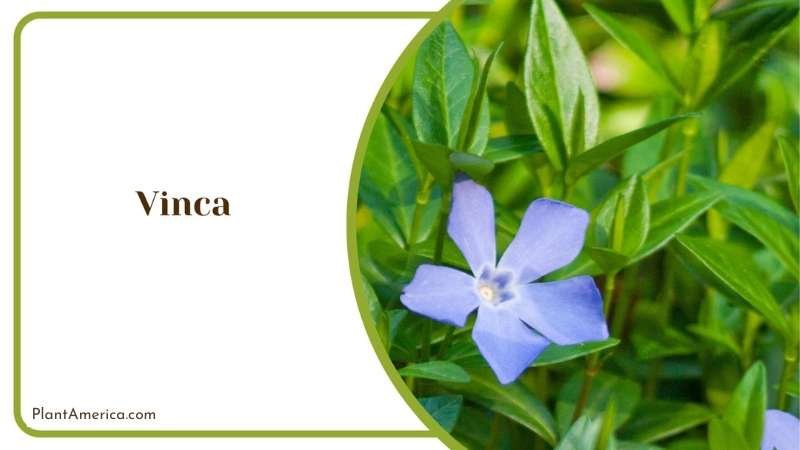
Vinca, or periwinkle, is a great groundcover flower to plant in July for continuous color throughout the summer and into fall.
The star-shaped flowers come in lovely shades ranging from reddish purple, vibrant pink to pure white.
Vinca thrives when planted in partial shade and provides consistently moist, well-draining, fertile soil. The vining stems spread rapidly by ground-creeping stolons to quickly cover large garden areas, creating an attractive blanket of color.
Vinca blooms nonstop from summer through the first fall frost with no deadheading needed, acting more or less like a perennial.
The glossy green leaves provide decorative contrast and interest in the garden even when the plant is not blooming.
You can start vinca from seed indoors 8 to 10 weeks before the last frost date and transplant the vinca seedlings outdoors once the danger of frost has passed for larger plants and more abundant blooms, or simply plant nursery-bought vinca plants directly in the garden in July.
The perpetual flowery display of graceful vinca blossoms will provide splashes of soothing color in shaded garden beds and beneath ornamental trees from July until the cold weather ends the growing season.
10. Liatris
- Growing season: Summer, Fall.
- Leaf shape: Bold, Linear.
- Specific needs: Full sun, Average soil.
- Common pest: None.
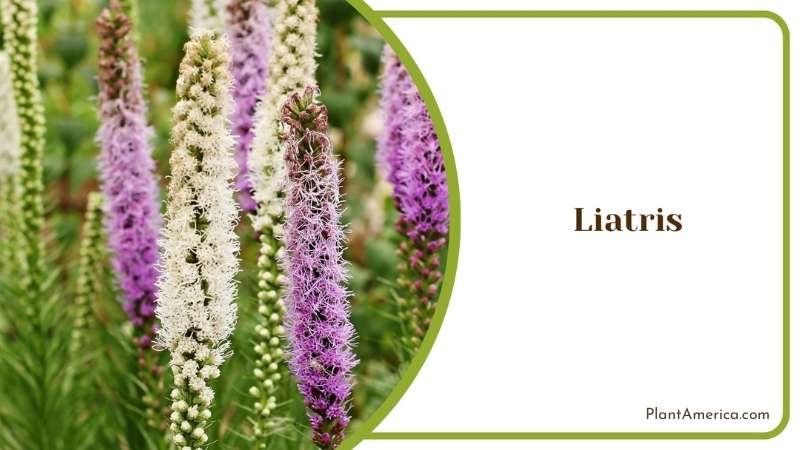
Liatris, a blazing star or gayfeather, is a bold perennial flower to include when planting in July for a spectacular summer garden bloom.
The spikes of tightly packed tiny button-like pink, purple, or white flowers bloom in succession on upright tall stems starting in mid to late summer and continuing into early fall.
Liatris prefers full sun and average to drier, well-draining soil, though it is somewhat drought tolerant once established.
The tall impressive flower spikes with their delicate blooms are perfect for drying and using in seasonal winter floral arrangements.
Liatris attracts many pollinators to the garden, including bees, butterflies, and hummingbirds drawn in by the abundant nectar.
You can divide existing clumps of liatris in early spring using a spade or shovel to generate more plants or plant newly purchased liatris seedlings and divide root clumps in July after any chance of frost has passed for the best results.
The statuesque spires of Liatris blooms rising high above other plants in the summer garden will stand out as a beacon of beauty, creating a vivid focal point that draws the eye and brings a mesmerizing luminosity to the landscape for several months at the tail end of the growing season.
11. Verbena

- Growing season: Summer, Fall.
- Leaf shape: Lanceolate, Linear.
- Specific needs: Full sun, Well-drained soil.
- Common pest: Aphids, Caterpillars.
Verbena is an excellent heat-tolerant annual flower to plant in July for vivid color throughout the remainder of the summer and well into fall.
In vivid shades of red, purple, pink, and white, verbena produces many tiny clustered flowers nonstop on spreading, mounded bushes.
Verbena prefers full sun and well-draining fertile soil to thrive. Regularly deadhead faded spent flowers to promote continuous blooming all season long.
Verbena attracts beneficial insects like butterflies and hummingbirds in droves with its bounty of nectar-rich tubular flowers, providing much-needed food sources at the height of summer.
For the most robust verbena plants and best flower display, start verbena seeds indoors six to eight weeks before the last average day of spring frost in your area and transplant the verbena seedlings outdoors after all danger of frost has passed, or simply plant nursery-bought verbena transplants in the garden anytime in July.
12. Lantana

- Growing season: Summer, Fall.
- Leaf shape: Simple, Colorful.
- Specific needs: Full sun, Sandy soil.
- Common pest: Aphids, Caterpillars.
Lantana is an excellent flower to plant in July for a tropical look and a long blooming season that will last through fall in the summer garden.
The colorful, fragrant flowers come in many combinations of red, orange, pink, yellow, cream, and purple on spreading, somewhat shrubby bushes.
Lantana prefers full sun and well-draining acidic soil, though it is somewhat tolerant of poor soils.
The showy flowers attract butterflies and hummingbirds in abundance. Once established, Lantana is extremely heat and drought-tolerant, requiring little care beyond an occasional fertilizer boost.
Start lantana seeds indoors 8 to 10 weeks before the last spring frost for the most prolific display.
Transplant Lantana seedlings outdoors after all danger of frost has passed or simply plant purchased lantana plants in the garden anytime in July. The continuous display of blooms on Lantana from July through fall will give your garden a Caribbean vibe and a vacation feeling for months.
13. Dianthus

- Growing season: Summer, Fall.
- Leaf shape: Linear, Clove-scented.
- Specific needs: Full sun, Well-drained soil.
- Common pest: None.
Dianthus or pinks are classic cottage garden flowers to plant in July for a colorful summer bloom that will provide a show from July right through the first fall frosts.
The clove-scented flowers appear in a wide range of soft shades ranging from pale pink, deep rose red, and hues in between, as well as white and purple variations.
Dianthus prefers full sun and well-draining, fertile soil. Regular deadheading of spent flowers promotes continuous blooming well into fall.
The cheerful dianthus flowers attract beneficial pollinators like bees, hoverflies, and butterflies drawn in by the abundant nectar.
Dianthus readily reseeds itself, ensuring the presence of future generations of flowers with minimum effort from the gardener.
You can start dianthus seeds indoors 8 to 10 weeks before the last average spring frost and transplant them outdoors after all chance of frost has passed, or sow seeds directly into the garden anytime in July through early August.
14. Ageratum
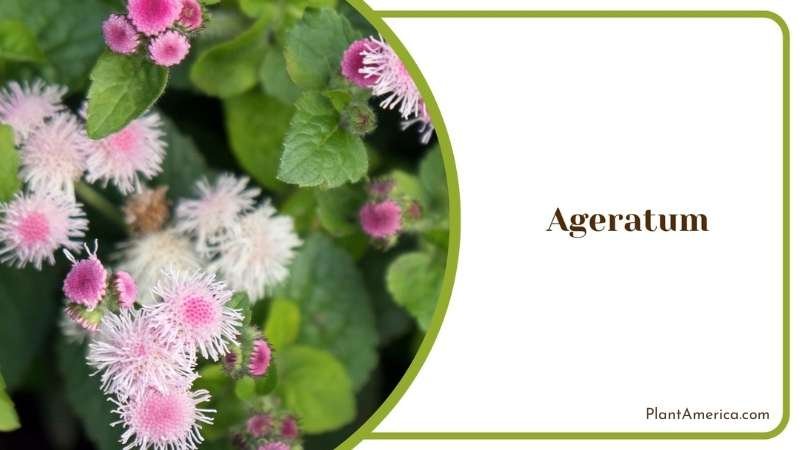
- Growing season: Summer, Fall.
- Leaf shape: Oppositely arranged, Compact blooms.
- Specific needs: Full sun, Well-drained soil.
- Common pest: Aphids, Caterpillars.
Ageratum is an excellent annual flower to plant in July for an abundance of colorful, compact blooms throughout the summer and fall.
The small fuzzy flower heads come in cheerful shades of pink, purple, sky blue, and white.
Ageratum prefers full sun and consistently moist, well-drained fertile soil. Shearing plants back heavily after transplanting will promote a more bushy, compact growth habit and yield even more abundant flowers.
Ageratum attracts butterflies and beneficial insects in droves, making it a valuable pollinator-friendly addition to the summer garden.
Regularly deadheading faded spent flowers promotes continuous bloom nonstop through the season.
You can start ageratum seeds indoors around six to eight weeks before the last spring frost in your location or area and transplant the seedlings outdoors after all danger of frost has passed for larger plants and fuller flowers earlier in the season. You can also sow seeds directly into the garden anytime in July for a later blooming display.
15. Salvia

- Growing season: Summer.
- Leaf shape: Opposite, Oval to Linear.
- Specific needs: Full sun, Well-drained soil.
- Common pest: None.
Salvia is a showy annual flower that provides vivid color in the summer garden from July through the first fall frosts when planted in July.
The long upright spikes of flowers come in vivid hues, including rich blues, purples, reds, and whites.
Salvias prefer full sun and well-draining fertile soil to thrive. The nectar-rich tubular salvia flowers attract hummingbirds and butterflies in droves all summer. Regular deadheading of spent flowers promotes continuous rebloom throughout the summer.
Shearing back the flower spikes after the first blooms fade will encourage a more bushy, compact growth habit and yield even more abundant blooms.
You can start salvia seeds indoors six to eight weeks before the last spring frost in your area and transplant the seedlings outdoors after all danger of frost has passed for larger plants and more flowers earlier in the season, or sow seeds directly in the garden anytime in July for a later summer display.
16. Alyssum

- Growing season: Summer, Fall.
- Leaf shape: Simple, Alternate.
- Specific needs: Full sun, Well-drained soil.
- Common pest: None.
Alyssum is an excellent choice of flower to plant in July for a colorful carpet of blooms covering the ground and providing months of enjoyment from July through the first fall frosts.
The clusters of tiny fragrant flowers appear in cheerful shades of white, pink, purple, and yellow.
Alyssum prefers full sun and well-draining, fertile soil. Shearing plants back regularly will help maintain a compact, mounding habit and encourage even more prolific flowering. The sweetly scented alyssum flowers attract beneficial pollinators like bees, hoverflies, and butterflies in droves.
Regular deadheading of faded spent flowers promotes dense continuous bloom all summer into fall.
Sowing alyssum seeds directly in the garden around July once soil temperatures have warmed is often the most effective method of growing bountiful alyssum with the biggest plants and largest blooms.
17. Dahlia
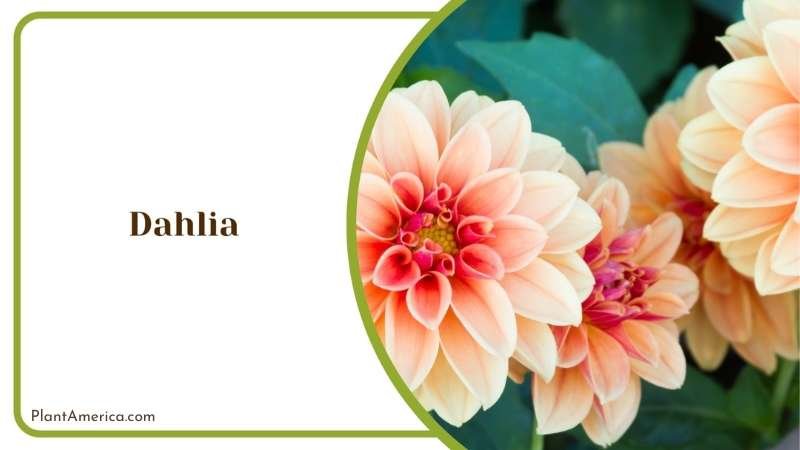
- Growing season: Summer, Fall.
- Leaf shape: Alternate, Palmately Lobed.
- Specific needs: Full sun, Rich moist soil.
- Common pest: Aphids, Slugs.
Dahlia is an excellent late summer and fall blooming flower to plant in July for a spectacular show of color that will dazzle the senses.
The blooms come in an extraordinary array of sizes, shapes, and vivid colors, including red, yellow, orange, purple, pink, white, and bi-colors.
Dahlias prefer full sun and rich, consistently moist, well-draining soil to thrive. Taller varieties may need staking to prevent damage from wind.
Regularly deadheading spent flowers promotes continual bloom well into the first fall frosts.
The large, vibrant dahlia blooms attract abundant pollinators, including bees, butterflies, and hummingbirds drawn in by the copious nectar.
You can start dahlia tubers indoors six to eight weeks before the last average day of spring frost and transplant the root sprouts outdoors after the danger of frost has passed, or plant the tubers directly into the garden anytime in July.
Conclusion
Planting flowers in July helps ensure your summer garden is filled to the brim with colorful blooms throughout the warmer months. The flowers above provide a great selection of options for full sun or part shade gardens, yielding a splendid summer bloom.
- Zinnias are heat-tolerant annuals that bloom profusely from July through fall.
- Petunias have vivid-hued flowers that thrive in the summer heat and attract beneficial insects.
- Dianthus are late-blooming perennials and annuals that provide lush color from mid-summer onward.
Fill your summer garden with cheerful flowers this July and focus on a mix of colors, heights, and bloom times to maintain visual interest throughout the season. With effort and care, your summer garden bloom will bring you much joy for months, so get planting now!