
Venus fly trap flowers early in the spring season after a six-long period of winter dormancy. Many people mistake the insect traps formed by this plant for its flowers. In this article, you will find that the traps are actually leaves lined by digestive glands.

In this extensive guide, we have discussed everything there is to know about this plant and its flowers.
What Does a Venus Flytrap’s Flower Look Like?
A Venus flytraps flower looks white or pink in color and is small in size. Once this plant fully matures, it produces a lot of these flowers at the tips of erect stems. The time period of blooming of these flowers is in the early to mid-spring season.
– Venus Fly Trap Description
This plant belongs to the sundew family of carnivorous plants and is known for producing flowers that trap and digest insects. This small plant grows at most eight to 12 inches long. The leaves have an average length of about three to five inches.
These leaves are unusually shaped with two lobes that are hinged along the midline. These two lobes are entirely circular, allowing the leaves to fall into a trap. Teeth line each lobe’s margins, enabling the venus fly traps to form an airtight seal.
– Origin of this Natural Fly Trapper
This plant belongs to the sundew family of carnivorous plants and is known by its scientific name, Dionaea muscipula. These plants natively belong to the nutrient-poor soils of tropic and temperate regions.
They are seen growing abundantly in Australia and in certain parts of Africa. In the United States, you can see these plants growing and flowering in the boggy plains of North and South Carolina.

– Flowering and Dormancy Period
The flowers of this plant are light pink or whitish in color and contain five petals each. The flowering period usually starts early in spring when temperatures start warming up. Only one flower is produced per stalk, and each plant might have multiple stalks with flowers on it. This plant needs to undergo at least six weeks of dormancy during winter to be able to flower during springtime.
How Does Venus Flytrap Trap Insects?
A venus flytrap traps insects by closing its bi-lobed leaves over the bugs and forming an airtight seal. These flowers are lined with sensitive hairs that send a signal to close the lids as soon as a bug lands on them.
– Learning Trapping Mechanism
As you learned above, this trap is lined by splendid hair extremely sensitive to touch. Whenever an insect or any other small bug lands on this trap, these hairs sense its presence. They trigger the trap’s protective mechanism, as a result of which it shuts down by closing its two lobes together.
On a chemical level, once these hairs are touched, an electric signal is generated, which travels all the way to the cells of the trap lobes. The cells then transport water out, which causes the lobes to shut together. This bug-trapping mechanism is super sensitive, fast, and takes less than one second.
The inner surface of the lobes is lined with digestive glands that secrete digestive enzymes. It doesn’t trap and digest just bugs but also slightly larger invertebrates, spiders, etc.
– Digesting Bugs
Once a venus fly flower shuts around its prey, it stays close until the entrapped bug is digested completely. Based on the size of the prey trapped, this process may take several hours to a couple of whole days. Venus flytrap flowers take their sweet time in absorbing all the nutrients from their prey.

Afterward, the flower opens up again to reveal the empty exoskeleton of the dead bug. The digestive enzymes secreted from the lining of this flower slowly dissolve the soft part of the insect’s body. These enzymes also kill harmful bacteria and fungi and protect the plant from potential infections.
The nutrients released are then absorbed into the cells lining the inner side of the flower. This entire process takes anywhere between five to 15 days. The flower opens its airtight seal again after absorbing all the nutrients completely.
– Frequency of Preying
This flower cannot keep trapping insects and digesting them all the time. It has limited time and energy to carry out this entrapment and eating, eventually falling off the plant. A single flower can trap four or five bugs, after which it undergoes three to four months of rest. During these months of break, the plant carries on and relies on photosynthesis for its nutrients.
After these months are over, this carnivorous flower ultimately falls off the plant. You can intentionally feed these plant bugs and insects as a food source, but try to avoid overfeeding them more than three or four times. This is because, after about ten unsuccessful trap closures, this flower stops responding to touch completely.
What Should You Feed Your Venus Flytrap Plant?
You should feed your Venus flytrap’s flowers with food they usually prey on in nature, too. Buy a tub of either blood worms or a blood meal and give it to these flowers once per week. A single dead and dried cricket given weekly is also recommended.
– Blood Worms
Bloodworms are also a popular food source for ornamental venus flytraps that are being grown at home. They are very nutritious, and this plant also seems to like them a lot. You can purchase them at reasonable prices online or in gardening shops alike.
They are usually sold in large quantities and stored in a tub. Instead of taking out the dried worms and using them as they are, it is better to rehydrate each worm with a few drops of water.
There should not be excessive water on the worms; soak the extra water using tissue paper. Sometimes, the flowers are not stimulated by these meals, and you will have to use a toothpick to help them trap the worms better.
– Mealworms
A mealworm is made of dead worms that have been dried and frozen. These dead worms make a rich food source for this plant and its carnivorous flowers. You can quickly get these worms in a tub for around five to eight dollars. One of these worm tubs contains enough worms to feed several dozen plants for many years to come.

Some of these worms can be too large to be trapped appropriately by the Venus flytraps. In this case, take a knife, break the larger worm into smaller pieces, and feed these to the flower. Don’t worry if the worms are too dry; sprinkle a few drops of water on them to rehydrate them. If the worm itself fails to stimulate the flower hairs, use a toothpick instead.
– Crickets
Crickets make a delicious meal for these plants after they have died and dried. Remember that they make a suitable food source but only for adult plants. You can look for and collect dried crickets, but that would be an uphill task.
A more accessible approach would be to order a bucket full of dried crickets online. Ensure that the seller there has good customer reviews so you don’t waste money on something else.
– General Feeding Tips
Sure, feeding venus flowers is fun, but it can only digest bugs and small animals of a specific size. They cannot be fed something they do not eat naturally in the wild. This means no chocolate, cookies, or other food for this flower.
These plants have evolved to survive by getting nutrients, especially nitrogen, through the bugs. They like to be grown in nutrition-poor soil and do not take kindly to being fertilized. Do not unnecessarily trigger these flowers because this process takes much of the plant’s energy.
Do not feed this plant with a food item that is larger than one-third the size of the trap. In such a case, the flower might not become shut ultimately and instead turn black. Just one meal per week is enough, and any more will cause the flower to lose its sense of touch.
What Are the Different Types of Venus Flytraps?
– Big Mouth
This variety is named Big Mouth because of its massive flowers that can also trap gigantic insects. It produces flower traps that are bright red in color and about two to five inches in length. These red-colored traps are fringed with green on their sides.
The flower stalks and the plant stems are bent because of the massive weight of these flowers. Often, these traps appear as if hugging the ground instead of being hung from the stems. This particular variety of Venus flytrap is native to US hardiness zones six to nine.
– B 54
This remarkable fly-trap insect-eating plant variety also produces large-sized flowers. Its traps are bright, blood-red in color, and measure about one and a half to two inches in length. The entire plant itself tends to clump together and measures barely five inches tall.
In most cases, the traps are seen to be resting on the ground instead of hanging by their stalks. Like the big mouth trap plant, it grows best in US hardiness zones six to nine.
– Gremlin
This variety of venus flytraps differs slightly from most other common varieties. For one, its traps are usually bright green in color instead of the usual blood red. Secondly, it produces a massive number of traps as compared to an average variety of flytraps.
The overall height of the gremlin variety is short and unassuming. It produces its traps in dense clumps that spread horizontally over the soil. If grown under the right conditions, a gremlin flytrap can fill a potting container of around 12 inches in just about a year.
– Red Dragon
This carnivorous plant is known as Dionaea muscipula, ‘adai ryu.’ This is because both its leaves and traps turn full-blooded red when kept under direct sunlight. This plant also undergoes a period of winter dormancy, during which it drops all of its leaves off. Don’t worry about those leaves because they usually return by the following spring.
This plant grows taller than most other varieties, reaching heights of about four inches. It can be grown safely in warmer US hardiness zones of around seven to nine. It can also be bred in colder regions but must be transported indoors during winter.
– King Henry
This is such a gorgeous variety of Venus and a must-have for all those who love carnivorous plants. It is large and grows faster than every other variety out there, making this a perfect flytrap for beginners. The maximum height it reaches is five inches, and it produces classic red traps.
How Do You Care For Venus Fly Trap at Home?
– Pick a Bright Spot
This plant requires at least six hours of bright and direct sunlight daily. That is why it is better suited for growth outdoors or on window sills. When given less than four hours of direct sunlight, its traps cannot carry out photosynthesis properly.
If the natural light indoors is lacking, use artificial grow lights to grow venus properly. Artificial fluorescent lights might cause burns to the traps, so they should be placed at least six inches away from them. One sign that the plants are receiving adequate light is that the interior of the leaf traps will be pink.
– Choose a Rich Soil Mix
This plant needs very acidic soil with a pH of around 4.0 to 5.5 to grow in. It will not grow successfully in regular plant potting soil, so you must make a unique potting mix of your own. Take one-third perlite and two-thirds sphagnum moss to make an acidic, well-draining potting mixture ideal for growing insect-eating plants.

You can substitute perlite with sand to make a better draining mix. The drainage of the soil and the potting container must be ideal. This is because this soil needs to stay moist and yet not runny with water at all times. Regularly check its undersides when growing in a pot because the drainage holes often get clogged.
– Fertilizing This Plant
This plant fulfills its nutritional needs by trapping and digesting insects. It prefers to grow in something other than soils that are very rich or nutritious. Giving it any fertilizer is strongly prohibited as it would only cause the roots to burn and the plant to die.
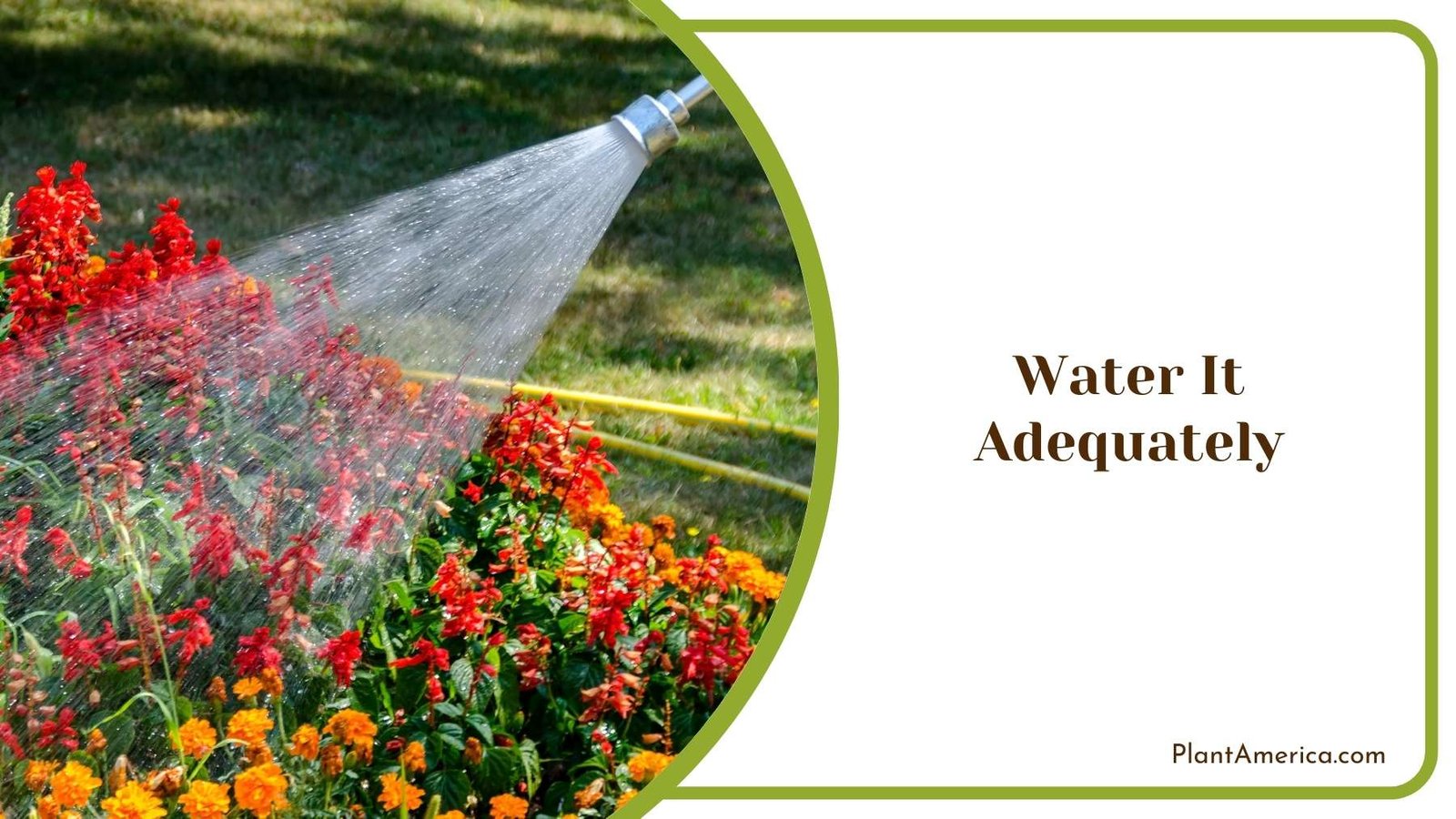
– Water It Adequately
This plant is super sensitive regarding chemicals and minerals. Forget all about using tap water for fly trap care. Instead, use reverse osmosis to use distilled water, rainwater, or filtered water.
This plant’s soil must always stay moist without being runny. The roots should not remain dry for extended periods; otherwise, the plant often dies. Keep checking its soil to see its dampness before watering every time.
– Give It Warm Temperatures
This is a warm-growing species that thrives in a temperature range between 70 to 95 degrees Fahrenheit. This is a relatively wide range of temperatures, and the plant will even survive temperatures as low as 50 degrees Fahrenheit. However, it will undergo dormancy at these temperatures and might drop its leaves off.
The humidity level for this plant should be around 50 percent and not too much or too little. When growing a plant under high humidity conditions, ensure that the air circulation around the plant is excellent.
Conclusion
Here is a brief recap of all that we have discussed in this flytrap guide so far:
- A Venus flytrap is a carnivorous type of plant that likes to trap insects in its leaves and then digest them.
- This plant undergoes a period of dormancy all winters, producing flowers.
- The flowers of this plant are often mistaken for its traps but are actually small-sized and white or pinkish.
This article discussed this plant, its flowers, and traps in great detail. From now on, this is going to be your one-stop guide when keeping this plant at home.