
How to transplant peonies as a procedure is worth learning because these Paeoniaceae family plants are generally more difficult to relocate when compared to others. The challenge in transplanting peonies emanates from the fact that they are sturdy perennials that can strongly establish themselves, especially if they are left to grow for long.

We compiled this article to help you transplant peonies with increased ease, by giving you relevant information.
Complete Steps for Transplanting Peonies
Complete steps for transplanting peonies begin with identifying the new site. Prepare your peony in preparation for digging it out. Divide the root ball if need be and plant your peony, making sure that its eyes are not deep under the soil. Mulching will also help to retain moisture.
1. Identify the Best Possible Site
First, ensure that you have the right spot that makes a good home for your peony. Make sure that the soil is well draining, and that your plant is more likely to access the sunlight and other parameters in the right amounts.

Please, note that the north area of your home is less likely to provide your plant with the amount of direct sunlight that it requires. The south and east sides will offer your peonies the recommended amounts of sunlight.
2. Prepare the Peony for Transplanting
In preparation for the transplantation procedure, thoroughly water your peony. Ideally, you can do this a day before the move.
If your peony has huge foliage, conservatively cut it down and retain a few inches. Doing so reduces the burden on the roots once you transplant your plant. The nutrient reserves in your peony will then be directed toward the establishment of roots, rather than supporting the canopy. This increases the chances of a successful transplant.
3. Dig Out Your Peony
Digging up your peony’s root ball will require much care, considering that any damage will attract pests and diseases to your plant. To begin, mark a distance of 18 inches from the crown. Start digging from there, being sure to go straight down. Do so all around the root ball until you are in a position to lift it up.
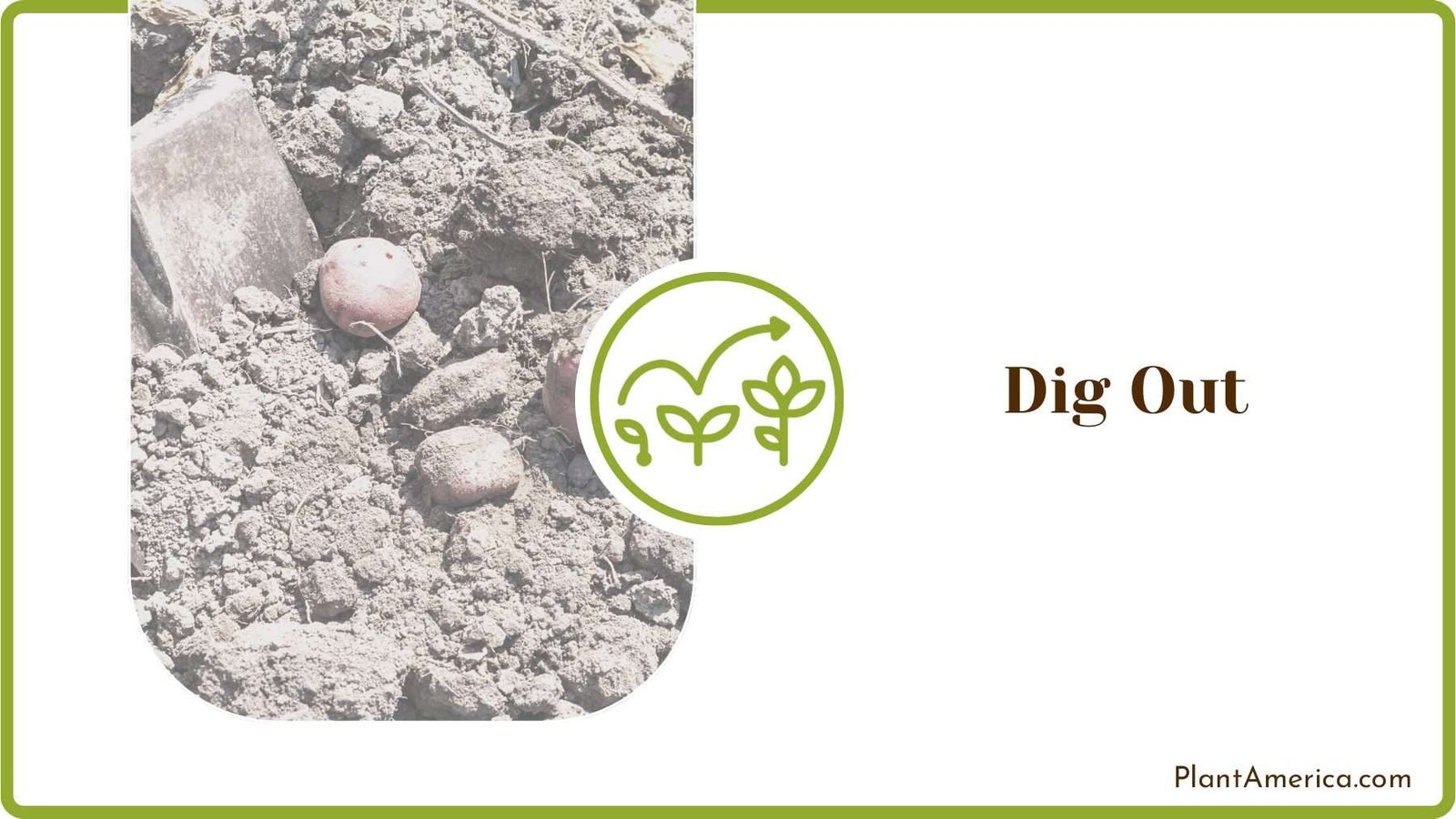
Please, avoid pulling the peony out of the soil using its stem. Doing this will only make your plant susceptible to damage, which may increase the severity of transplant shock. Ideally, we would recommend that you oft the rootball together with its soil. However, if the root ball is too heavy, removing the soil could reduce its weight. Gently shake off the soil and wash off the one clinging to the rootball.
4. Identify the Peony’s Eyes
What we are referring to as the “eyes” are buds that usually appear pinkish in color. Sometimes, they may be red or white. The eyes are located at the base of your peony’s crown. The eyes of your plant determine the depth at which you can plant your peony. Apparently, your peony’s eyes should be buried under the soil but at a depth that is shallow enough to allow them to emerge without difficulty.
Burying the eyes deep down the soil will completely nullify their chances of emerging. This also affects the ability of your peony to bloom in the long run, even for decades.
5. Divide Your Peony’s Rootball
You might choose to plant your peony’s root ball as it is. However, it’s also possible to divide the rootball if you prefer to transplant many plants from the original beauty. Dividing the rootball simply involves using a sharp knife to cut through the tuber of your peony.

Please note that each division should have about three eyes and a substantial amount of the roots. The roots will ensure that your plant is established in its new spot while the eyes guarantee its ability to bloom the following year. Of course, the latter depends on the depth at which you plant the eyes.
6. Prepare the New Hole for Planting Your Peony
Using a shovel, dig a hole that is large enough to hold the root ball of your peony, without it touching the walls. Pour water into the hole that you created until it is saturated. Allow the water to drain. The amount of time that this might take varies, depending on the drainage properties of the soil.
7. Plant Your Peony
Place the full root ball or divisions of your peony into the hole that you created in the previous step. Make sure that the “eyes” are within the upper 2 inches from the surface. This applies regardless of whether you are in cold or warm climates. Remember, the eye buds are dormant when you plant them so they are less likely to be affected by cold winters.
Use your hands to cover the root ball or divisions with soil, especially the one that contains organic matter. Tamp down the soil in a gentle manner to make sure that air pockets are closed. Gently water the soil around your plant, being careful not to oversaturate it. This will help the new soil to also get moist.
If there is no rainfall, keep watering your peony twice every week. Once spring comes, check if reddish-purplish stems are emerging. If yes, this is a sure sign that the transplanting procedure for your peony was successful.
8. Consider Mulching
Add some mulch over the area covering your peony’s rootball. The layer of mulch will help to retain the soil’s moisture by reducing the rate of evaporation.
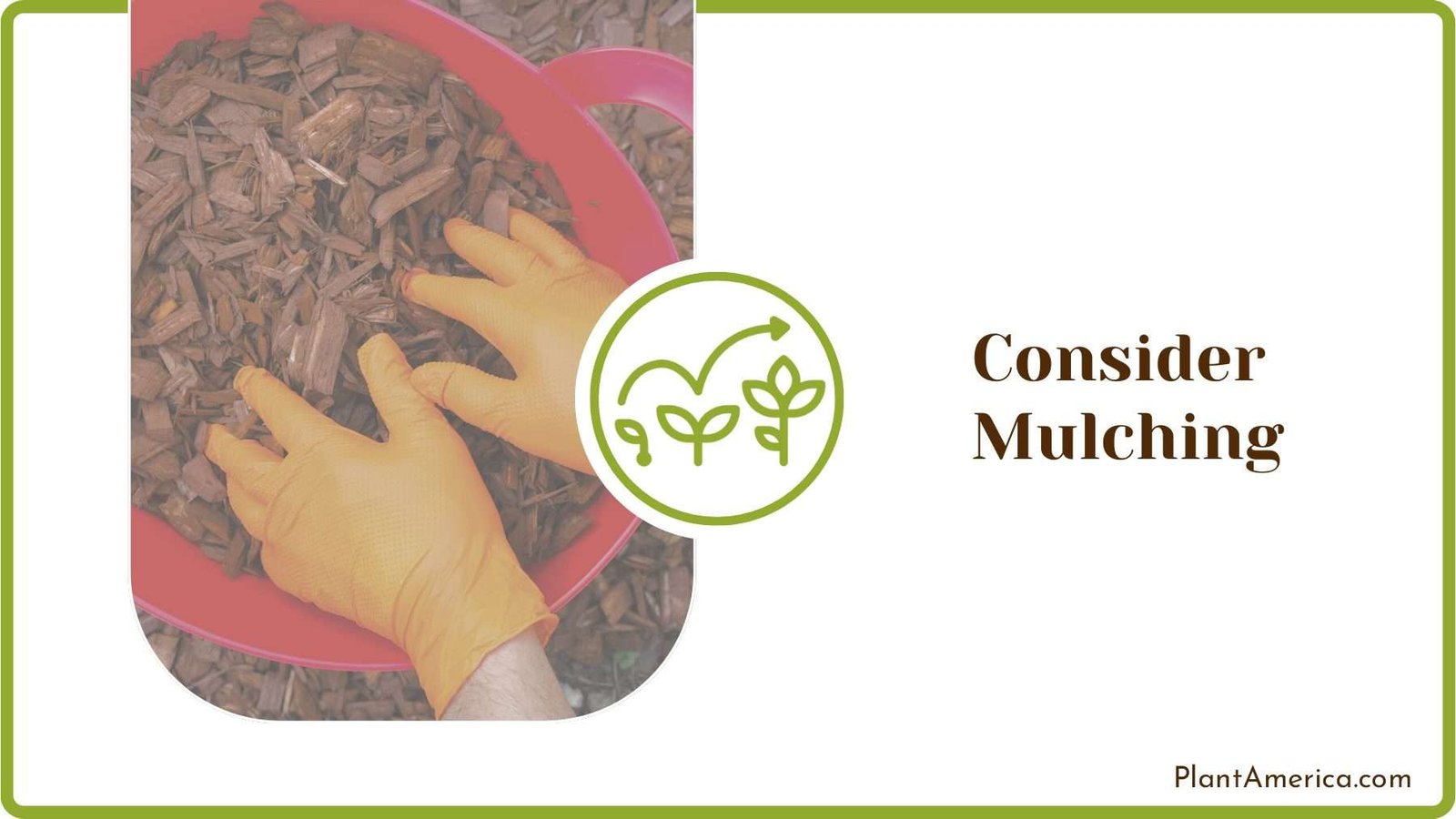
Please, ensure that the mulch does not touch the stem of your peony. This protects your “still vulnerable” plant from possible disease attacks.
Factors That Aid You in Successfully Transplanting Peonies
The factors that aid you in successfully transplanting peonies include good timing, availability of tools and materials, as well as environmental conditions like temperature, humidity, sunlight, and watering needs. You should also be sure of your reasons for transplanting the peony before you start.
– Knowing Your Reasons for Transplanting
Considering that the peonies can be difficult to move from one location to another, especially after they are established, be sure that it’s necessary to carry out the procedure. For instance, if the spot where your plant was growing deprives it of the relevant conditions that aid growth and survival, you can consider moving your beauty. This applies when there is inadequate light exposure or poorly draining soils, among other aspects.
If your peony begins to bloom less than it used to, this might also be a sign that it needs a new home. Peonies are vulnerable to diseases such as powdery mildew and Botrytis. If your plant has been severely affected by any of these infections, you might need to transplant it as an intervention. The same applies if the plants close to your peony are diseased; moving your beauty might be an effective prevention measure.
Let’s suppose that you want more of the peonies in your vicinity, dividing the root ball of the already-existing plant might be the way to go. In that case, you will have to carry out a transplanting procedure.
– Proper Timing
Ideally, you should transplant your peonies in the fall for guaranteed success. However, transplanting peonies in summer also works if you carry out the procedure during the later parts of the season. If you are in the Northern Hemisphere, transplanting peonies in October could be a relatively good idea.

Please, note that the exact months for transplanting peonies will vary depending on the region of the globe where you are. This is why we cannot give a straight yes or no to questions like “Can I transplant peonies in May?” “Can I transplant peonies in March?” “Can I transplant peonies in April?” or “Can I transplant peonies in June?” Kindly check the meteorological calendar of your region to confirm the months that are part of the fall season.
Fall is the time when your peony will be slipping into a period of dormancy. The plant will be resting from working in the previous season while rejuvenating itself in preparation for the next growing period. If you transplant the peony during this time, you increase its chances of establishing its root system before the growing season. You also significantly reduce the chances of peony transplant shock this way.
– Availability of Tools and Materials
The tools and materials that you need for your transplanting procedure are easy to get, most of which might be available in your home. You will need a knife if you decide to use the division method for transplanting your peony. Keep some pruning shears and a shovel handy. Organic matter is very important for amending your soil where necessary.
– Sunlight Requirements
Peonies perform best when they are exposed to about six to eight hours of full sunlight each day. However, if you are growing your plant in zone 8 or 9, the strong afternoon sun can burn it. Therefore, we recommend that you shield your peony from this harsh sunlight using a sunscreen that will reduce the amount of light reaching your beauty.
– Good Aeration
Your plant will need proper aeration so be sure to provide it with enough space. If this condition is not provided, your peonies become more susceptible to fungal infections.

While good aeration is a must, you should protect your plants from winds. When peonies produce their large blooms, they may become top-heavy so strong winds can be an issue.
– Soil Requirements
Moist, well-draining soils are ideal for growing your peonies. These plants cannot survive sitting in standing water. Leaving them under such conditions makes them easy targets for fungal infections such as root rot. Please note that it is not possible to transplant peonies that are severely affected by root rot because they won’t be able to establish themselves in the new location.
The soil should be fertile to ensure that your pants get the nutrients that they need as they acclimatize to their new environment. The pH of the soil should range from slightly acidic to neutral, with values of around 6.5 to 7.
If the soil that you have is clay, you can amend it by adding organic matter. Adding biochar also works equally well as it helps to loosen the structure of the soil. Organic matter is also a good remedy if your soil is sandy. Remember, you need soil that is not overly draining but that can retain some level of moisture for the plant to use.
Conclusion
You have just received expert knowledge on how to successfully transplant a peony beauty. Let’s sum everything up through the following points:
- Before transplanting your peony, consider factors such as proper timing, good aeration, as well as sunlight and soil requirements.
- Always water your peony in its original position, as well as before and after transplanting at the new site.
- You can transplant a peony with the full root ball or divide the ball into sections that have three or more eyes and some roots.
- When you plant your peony, make sure the eyes are within the first 2 inches of the topsoil.
- Adding a layer of mulch can help to retain the soil’s moisture.
With such knowledge at your disposal, what can stop you from transplanting your peony? Nothing… so you’d better get started!