
Monstera Obliqua of the Araceae family, the rare cottage cheese plant, is mistaken for Monstera Adansonii most of the time. It is hard to find, and even when you do find it, it will be costly.
The paper-thin leaves have more holes than the foliage, which means that this Monstera genus plant needs special care and some expertise to grow it.
What Is a Monstera Obliqua?
Monstera Obliqua is a slow-growing, pot-perfect ephemeral that will beautify any home garden. It is epiphytic and it grows on other plants and can be stalked with a moss pole, or trail from a pot. It needs basic care, like moderate moisture, and it will thrive in your garden.
Monstera Obliqua Care
Our care and problem-solving guide will inspire and assist you in making the Monstera Obliqua grow in optimal conditions.
- Soil: Rich, organic, rich, and well-drained
- Water: Distilled, up to three times a week
- Lighting: Bright filtered light
- Temperature: 59 to 77 degrees Fahrenheit
- Humidity: 80 to 90 percent
- Growth: Straight, climbing, slow
- Fertilizer: Diluted liquid feed applied weekly during the growing season
- Flower: Rare
- Toxicity: High
 Water
Water
Monstera Obliqua roots are sensitive to overwatering. Avoid soggy soil and keep the plant in it for long periods. This step can prevent root damage and save your plant.
Root rot is quite a common problem for all plants, but you do not want to risk it with this rare species. The best way to ensure perfect watering is to check the top two inches of the soil before each watering. If it is dry or slightly moist, water it. In case it is wet, wait for a few days before the next watering.
An under-watered plant will have slower growth and will wilt fast. In winter, slow down on watering Monstera Obliqua.
 Light
Light
The ideal spot for Monstera Obliqua is the observatory or a bathroom because of the high humidity and indirect light. This rare beauty needs extra care when it comes to its light requirements. 
Choose a bright area or room with plenty of indirect light, and make sure that you place it away from the direct sunlight.
Strong sunlight will immediately damage the delicate leaves. Less light can slow down Monstera Obliqua growth rate.
 Soil
Soil
Monstera Obliqua loves moist soil that is rich in organic matter and essential nutrients. Pick a peat-based potting mix that is light and airy to lessen the chances of overwatering the plant. The soil should be a mixture of bark and perlite too.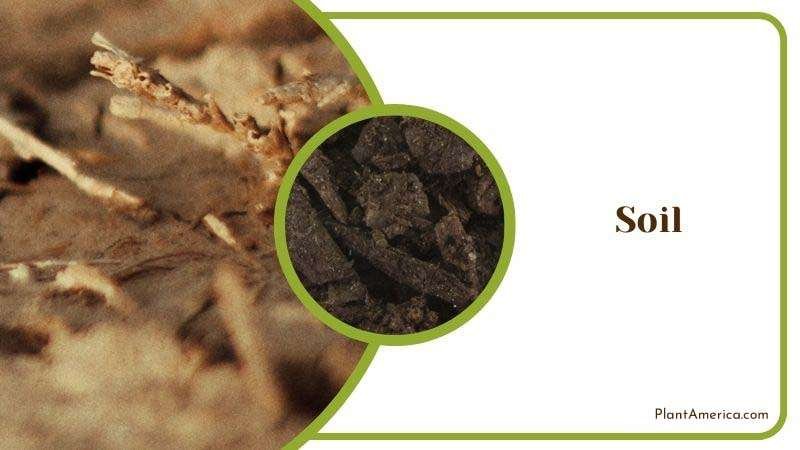
Monstera Obliqua soil needs to have a pH of 5 to 7.5. If the compost is excessively dry, the leaves start turning brown. In short, the soil should be kept moist in summer and slightly dry in winter.
 Temperature
The perfect temperature for the Monstera Obliqua plant is between 59 to 77 degrees Fahrenheit. For optimal growth, try to maintain the temperature at 68 degrees Fahrenheit throughout the year.
Install the grow lights in winter to keep temperatures warm. Remember, a temperature below 39 degrees Fahrenheit will kill the plant.
 Humidity
Monstera Obliqua loves very high humidity. Try to maintain humidity around 80 to 90 percent. These humidity levels will encourage a faster growth rate.
If the indoor humidity is too low, the plant will begin to show brown, and crisp Monstera Obliqua leaves. There are a few ways to increase moisture around the plant/
- Install a humidifier
- Mist your plants regularly
- Plant it close to other plants
- Install a pebble tray under the pot
Mist plants twice weekly in winter and more frequently in summer.
 Fertilizer
Monstera Obliqua likes diluted liquid fertilizer during the growing season. Slow-released feed is highly recommended for the plants. Organic fertilizers are always the best choice. Experts also advise treating your Monstera plants with vermicompost.
How do you know that the plant needs more fertilizer? Your Monstera Obliqua can show signs of deficiencies, for example:
- Pale foliage
- Yellow or brown patches
- Crispy leaves
- Wilting stems
You can easily avoid all these by maintaining its nutrients by organizing a fertilization schedule. Remember, little is more. Do not overfeed the plant.
 Pruning
Monstera Obliqua grows as a compact, bushy plant that can be grown as a climber too. In its native habitat, it climbs up on trees to look for the sun. The plant will not need regular pruning as they have a slow growth rate. Prune if there is damaged foliage.
- Foliage: Large, green two to six inches long. Leaf shapes vary. Matured leaves get perforated.
- Stems: Green and round, less than half an inch in diameter.
- Flowers: Tiny flowers grow on a green spathe. It turns bright yellow when it fruits.
- Fruits: Berry-like fruits are white and less than an inch big.
– Repotting
Monstera Obliqua can happily live in the same pot for a very long time as it has a slow growth rate. If it is necessary, you can repot it too. Here are some points to remember:
- Repotting is required every three years, usually.
- You know it’s the time to repot when the roots begin to peek from the bottom or top surface.
- Repot in a pot that is two inches bigger than the old one.
- Use the best potting mix.
Propagation
Monstera Obliqua propagation is done by stolon or stem cuttings. Let us guide you about the stem cutting method in the following sections.
- Take a cutting of the rare Monstera Obliqua in the growing season, which begins in spring and lasts till late summer
- The stem that you pick should be still nimble
- Take a five to seven inches long stem cutting with the help of sterilized scissors or a knife
- Make sure there are two nodes in each cutting (or follow the propagation method without any nodes). The new shoots will grow from here
- Plant each cutting in a ready-made potting mix
- Water generously and do not fertilize until the plant develops roots and shoots
- It may take up to a month as the plant is a slow grower
We hope this detailed step-by-step guide answers all your questions about Monstera Obliqua propagation. Remember a few things before picking up that knife:
- It must be the growing season. Spring or summer is the best time to propagate your plants
- Water plants a few hours before taking a cutting
- Take cuttings in the evening or early morning
- Place new cuttings sheltered location
- Do not overwater new cuttings
- Gradually introduce the plants to the bright light
You can always sell extra plants or gift them. I feel it is a great idea to sell some cuttings and donate money to a charity or towards the plantation of trees. Gardeners also use platforms like farmers’ markets or online stores to showcase their saplings.
Problems
Monstera Obliqua problems can vary from being related to overwatering, extremes of light conditions, and lack of moisture to pest attacks. Even with foliage with holes, the plant attracts pests. Here is what you can expect and how to avoid it.
– Whiteflies
They appear as a cluster of white, tiny flies on the undersides of the leaf. They may leave a sticky residue too. Spray the affected leaves with lukewarm, soap water or a natural pesticide such as neem oil.
You can prevent the attack by managing the humidity levels and by placing sticky traps near the plant.
– Spider Mites
They appear as almost transparent red or yellow mites on the backside of foliage and have sticky webs that look cloudy. You can use a wet cotton pad to dab the mites or spray with lukewarm water and soap mixture to get rid of the pests.
You can prevent it by misting plants regularly and replacing the topsoil if they have already infested the plant.
– Common Diseases
Improper care and unsanitary practices can lead to an ill Monstera Obliqua plant. A weak plant is prone to fungal disease and viruses.
Here are some common problems that your plant can face.
– Mosaic Virus
The mosaic virus will crease tiny pale lesions in a mosaic-like pattern on the foliage. The affected leaves are prunes with shears, and usually, the plant needs to be isolated.
Avoid using an old potting mix and unclean tools to prevent this from spreading.
– Root Rot
Decaying black roots, yellowing leaves, and stunted growth can all be a sign of root rot. Overwatering and poor drainage cause this problem, leaving the plant weak, and also causing death.
The only solution is to either repot the plant into fresh soil or take cuttings and restart the plant. It can be prevented by watering when it is needed and by having a well-drained soil mix.
– Brown Foliage
Brown tips of leaves indicate that the plant is getting too much sunlight or direct light. To prevent this problem, move it into soft or indirect light. Also, make sure that humidity is high and that you are watering the plant regularly.
– Yellow Foliage
Yellowing leaves are usually a sign of overwatering. After managing the watering pattern correctly, you can remove the yellow foliage. Let the topsoil dry out completely before watering.
- Whiteflies and spider mites: Treat with warm soap water or neem oil mixed in water
- Mosaic virus: Cut off infected areas
- Root rot: Change the pot and trim unhealthy roots
- Brown foliage: Prune leaves, and bring them into filtered light
- Yellow foliage: Prune affected stalks and avoid overwatering
Tips for Success with Growing Monstera Obliqua
- Be careful about the exposure to light for this plant. Make sure the light is not too low or too high. Indirect bright light is what it needs. Have a look at the best spot in your home, and then place it where you are certain it will not get direct light. Direct light will scorch the plant
- The plant needs high humidity levels that can be obtained by placing it correctly and being consistent with misting the plant. You can use one of the methods mentioned above to increase humidity too.
- The plant is a slow grower, so be patient as it matures. It may take several years for the lacy foliage to grow. The cottage cheese plant quickly shows the fenestration on leaves, while the Obliqua plant takes time.
- Do not over-fertilize the plant or repot before it outgrows the existing pot. Especially take care of it when it is in the dormant state