
Monstera lechleriana is a large evergreen plant of the Araceae family that is generally a rare species to find. But if you do get your hands on it, you will learn that it is very easy to grow, propagate, and take care of this Monstera genus plant.
In this article, we will explore all the aspects of raising a healthy and happy lechleriana plant at home.
Monstera Lechleriana Care
| Requirements | Monstera lechleriana |
| Light | Needs bright but indirect light |
| Water | Water when the top two inches of soil is dry |
| Soil | Needs well-aerated and rapidly draining soil |
| Temperature | Temperatures ranging from 55 to 80 degrees Fahrenheit |
| Humidity | Humidity levels of around 50 to 60 percent |
Caring for Monstera lechleriana plants is straightforward. Find out how to properly look after this unique plant in the guide below.
 Light Requirements
Monstera lechleriana plants are native to the rainforests of Central America. In their natural habitat, they are surrounded by tall trees and only receive bright, indirect light. This light is, therefore, ideal for these plants.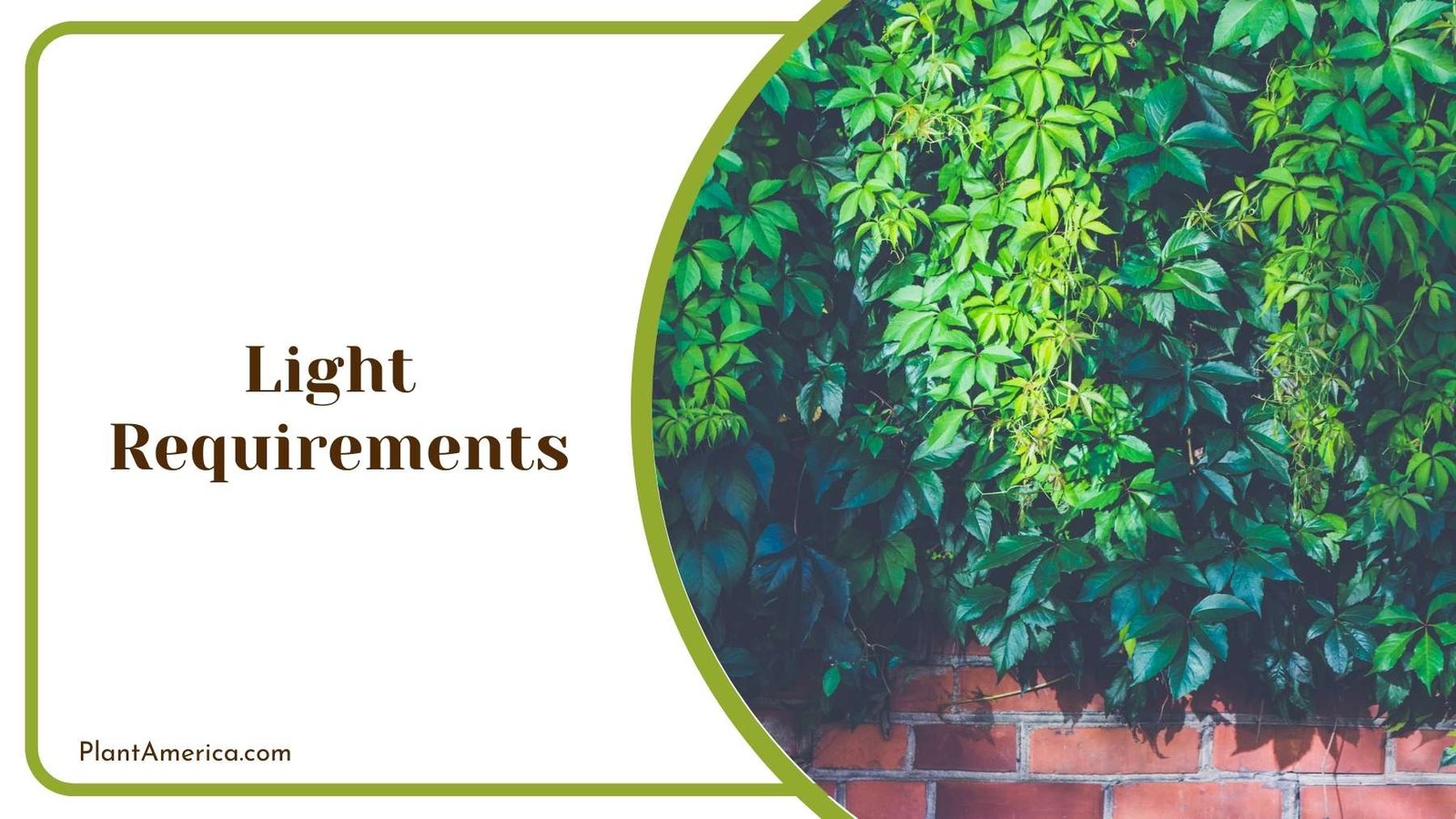
-
Outdoors
When growing this plant in an outdoor location such as a garden or lawn, you must always place them near larger plants or trees. Make sure that the light they receive is indirect and filtered by the neighboring plants.
-
Indoors
Monstera lechleriana plants make excellent indoor household plants. You can control the type of light they receive inside the house much better as compared to when they are placed outside.
You can place them anywhere indoors as long as they receive enough indirect light to carry out photosynthesis and produce food for themselves.
Refrain from placing these plants near an eastern-facing window or in a dark room with inadequate light. Also, remember that the farther your plant moves from the window, the light intensity also falls with the same proportion. Keep them as near to the windows as you can.
-
Eastern-facing Window
An eastern-facing window receives direct morning light for a short while in the morning. For the rest of the day, only indirect and partial light enters from this window. Keep your Monstera lechleriana near these windows for ideal growth.
-
Southern-facing Window
A southern-facing window receives direct and very bright sunlight for most of the day. Should you choose this window to keep lechleriana plants in, make sure there is a distance of at least 4 feet between the window and the plant. Alternatively, you can also hang a screen or a fabric on the window in order to filter out the direct light.
-
Western-facing Window
A western-facing window receives direct and bright evening sunlight only. For the rest of the day, only indirect light passes through. If you have placed your lechleriana plants near this window, don’t forget to put the curtains down during the evenings.
-
Grow Lights
Not everyone has enough windows or outdoor space to grow their plants in. Moreover, the very short duration of natural daylight in the winter also makes your plant suffer. Artificial grow lights are the perfect solution to this problem.
Buy and install LED grow lights at some distance from where you keep your lechleriana plants. Make sure to keep them turned on for the majority of the day. Luckily, the latest LED lights use very little electricity so you don’t have to worry about mounting electricity bills.
 Water Requirements
Now, this is a plant that loves water. It grows best when it is watered regularly and abundantly such that its soil stays moist but not soggy most of the time. You should try to stick to a vigorous watering schedule with this one.
Learn all about its watering needs by reading this section.
-
How To Water Monstera Lechleriana
Before watering, always check the soil to see if it has dried thoroughly. At the very least, the top two inches of the soil should be allowed to dry first before watering the plant.
You can use a pencil to check if the soil has dried by pushing it into the soil. If it comes out dry, this means you can go ahead with the watering. You can also use a water gauge meter or a simple stick for this. In the case of the Monstera guttation issue, measuring how dry the soil is might be misleading.
Direct the stream of water towards the base of the plant in the soil; there is no need to bathe the entire plant each time unless you want to clean it. Use copious amounts of water and pour it slowly, taking your time.
You can also use a garden house or a bucket to water your plants. Allow all the excess water to drain out of the drainage holes in your pot, but remember to remove the water collecting tray placed at the bottom of the pan once it’s filled with water.
-
How Often To Water Monstera Lechleriana
Monstera lechleriana growth rate is at its maximum from April until October each year. During this time, water your plant at least once per week by soaking the entire root ball with water. If you live in a region that experiences very hot and dry summers, then you can increase the frequency of watering your Monstera lechleriana plants twice each week.
The lechleriana plant undergoes a dormancy period during the winter season from November to March. Decrease the frequency of watering to about once every two weeks and only when the top two inches of soil come out dry.
 Temperature Requirements
As a species of tropical rainforest, the Monstera lechleriana plant likes to grow under warm temperature conditions almost throughout the year. The ideal temperature range for this plant is 55 to 80 degrees Fahrenheit.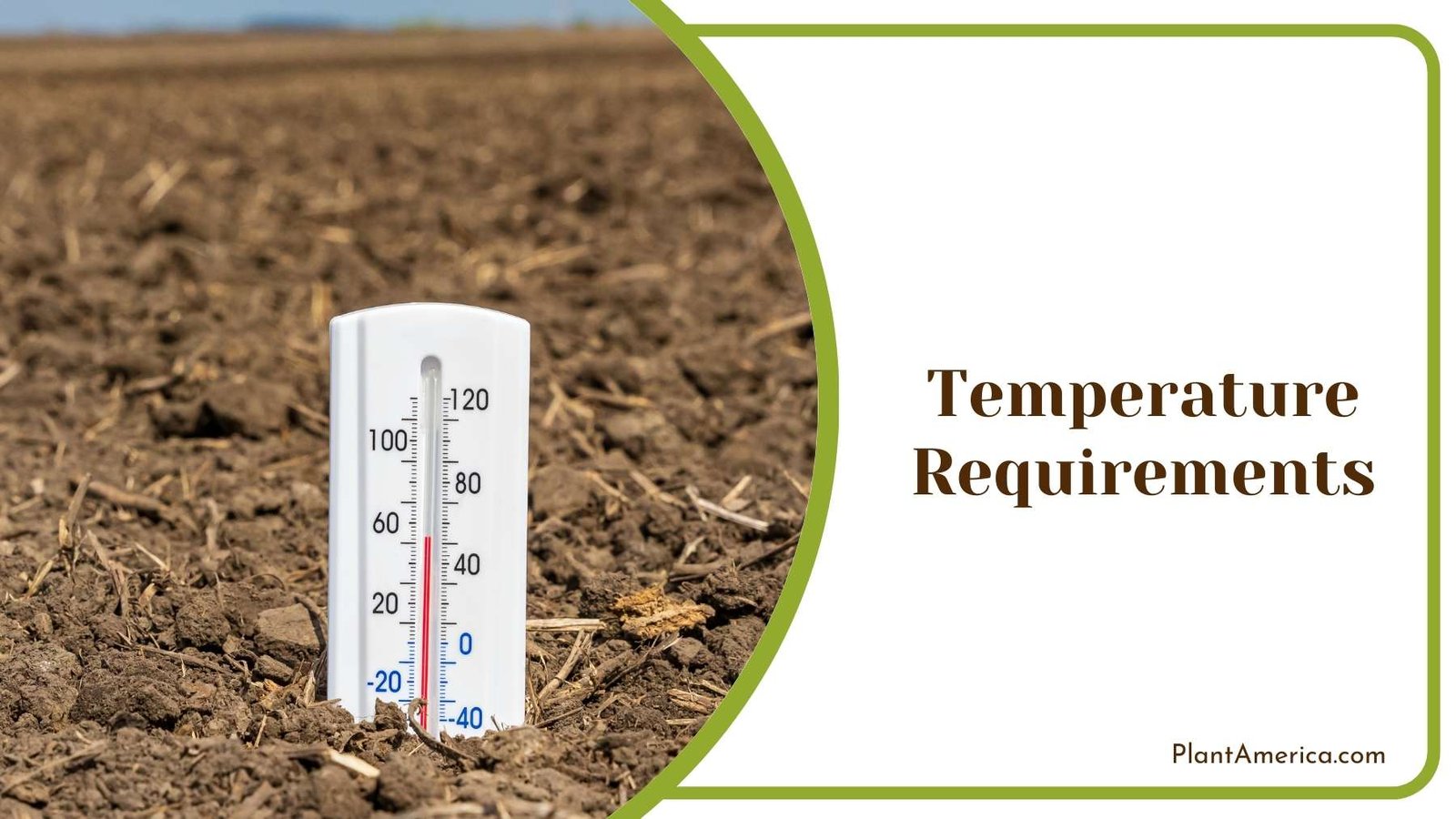
Growing this plant in summer is pretty straightforward as temperatures are usually elevated at this time of year. However, during the colder winter months, you will need to pay special attention to your plant’s temperature requirements.
Below are just some of the points you should keep in mind regarding temperature.
-
Grow It in a Pot
We always suggest growing the Monstera lechleriana plant in a pot so it can be transferred from one place to another when needed. When the temperature drops during winter, try covering your outdoor plants to protect them from the cold.
-
Move It Indoors and Away From Drafts
If the temperature falls below 10 degrees Fahrenheit, then you should definitely move your plants indoors. Even during summertime, if your indoor plants are placed in a room with constant air-conditioning, this could affect them negatively and they might stop growing.
Never place your plant near vents or cold drafts. Also, shut the windows at night so that the cold air doesn’t get in through them.
 Soil Requirements
Your Monstera lechleriana plant likes to grow in well-aerated and rapidly draining soil that doesn’t retain excess water but still keeps the roots moist.
-
Make Your Own Potting Mix
The commonly available commercial potting mix isn’t draining enough for this plant. Make your own Monstera lechleriana soil using the following steps given below.
After numerous trials and errors, we have concluded that you should mix potting soil with perlite in a ratio of 3:2 to make the ideal soil for lechleriana. The potting mix component of the soil aids in moisture retention.
You can use any regular potting mix such as cactus mix, orchid mix, etc. Many vendors tend to sell simple garden dirt as a potting mix, so beware of that and always purchase from a trusted and experienced vendor.
The second component that your soil should have is perlite. Perlite contributes to the drainage and aeration of the soil. Its large particles prevent the soil from clumping together, so your soil should ideally be made up of a 60 percent potting mix of your choice and 40 percent perlite.
As a bonus ingredient, you can place a piece of activated charcoal at the base of the pot to save your plant from the dreaded root rot.
-
Soil Ingredients To Stay Away From
– Peat Moss
Many gardeners also add peat moss to increase the organic content of the soil. We strongly advise against this because, first of all, peat moss tends to decay very quickly. This leaves behind much more compacted soil with poor drainage.
Secondly, when it becomes dry, peat moss has the tendency to repel water. Again, this is not a property you want the soil of a water-loving plant to have.
– Bark Pieces
Some people strongly advocate using large chunks of bark in your soil. However, we have found that bark pieces often deter root growth and therefore are best avoided.
 Humidity Requirements
As a typical rainforest species, the Monstera plants thrive under high humidity conditions. On average, they need 50 to 60 percent humidity levels in their surroundings to grow properly.
It is always best to invest in a good quality hygrometer to check if the humidity levels are adequate in your house. You can use a humidifier if the humidity seems less than ideal.
Propagation
Propagating Monstera lechleriana plants is extremely easy. We always recommend using stem cuttings for propagating this plant. Learn how to do this in a few simple steps given below.
For propagation, choose a stem branch that looks healthy enough with fresh, vigorous leaves. Cut at least 2 to 3 inches of this stem off using sharp, sterile scissors. Your stem cutting should have two to three healthy nodes in it. Keep in mind that there is a propagation method without the need for nodes.
Place this cutting on a piece of paper tissue for a few days to let it dry. Now take a new pot and fill it with the appropriate potting soil. Dig this cutting a few inches deep into the soil and place the pot in an appropriate location, watering it as required. In about two to three weeks, you will see new shoots emerging.
Problems
Problems are inevitable when growing plants at home. Apart from pests and diseases, your Monstera plant might encounter the deadly mosaic virus or a bacterial leaf spot. Learn about some of the common problems related to lechleriana and how to deal with them.
– Bugs and Pests
Like all other plants, Monstera lechleriana is also susceptible to a pest infestation when not taken good care of. Read below to learn what some of its common pests are.
-
Red Spider Mites
Red spider mites are very tiny insects that love attacking the lechleriana plant. They suck the sap of the plant, weakening it in the process.
Symptoms
Spider mites are known for weaving white woven webs on the leaves of the affected plants. The leaves start turning yellow at the edges and brown spots might appear on their surface later on.
Treatment
Spider mites are very small bugs. You won’t be able to see them unless you use a magnifying glass. However, their presence can usually be suspected just by their symptoms.
The first thing you should do to get rid of red spider mites is to wash your plant using soap and water. Any good disinfecting and non-toxic soap would do. Then wash them off using a spray jet.
You can also dab a piece of cotton in neem oil and apply it to areas where these pests are in abundance. Mixing water and milk and then applying it to these bugs is another effective DIY method we frequently use ourselves.
-
Scale Insects
Scale insects are another common bug species that usually attack the Monstera lechleriana plant.
Symptoms
When your plant has been infested by scale insects, a common symptom that usually manifests is the appearance of yellow spots on the leaves. In prolonged cases, the leaves will turn completely yellow and might even start falling off.
Treatment
First of all, the affected plant should be isolated from the rest of the plants so that these insects don’t spread. Look for their nesting spots among the thicker parts of your stem and leaf nodes.
Scale insects have thick shells that make them resistant to usual spraying techniques. You will have to manually remove them from the plant.
Dip a cotton swab in alcohol and use it to remove the scale insects. This will be a tedious task, but there is no other way around it.
– Root Rot Disease
The most common disease your Monstera plant might develop is root rot. It is a fungal infection that starts from the roots and spreads throughout the plant.
Root rot is caused by the retention of too much moisture in the soil. This can either be due to you overwatering your plant or improper drainage of water from the soil and the pot.
-
How To Treat Root Rot
Root rot is a dangerous disease that can wipe out your entire plant. If you see signs of overwatering like plump, swollen leaves or blackening of the stem and leaves, you should always suspect root rot.
Root rot needs radical management. Take the entire plant out of the pot and wash off the soil from the roots, inspecting them closely. Now take some sharp gardening shears and chop off all the infected parts of the plant. These gardening shears must then be disinfected properly before they can be used again on other plants.
Repot the plant in fresh soil and a new pot. You can also continue to spray it with a mild fungicide for about a week afterward.
– Leaves Turning Yellow
If the leaves of your Monstera lechleriana plant are turning yellow, then there can be a number of reasons behind this. Let’s go through three of the most common ones along with how to treat them.
-
Underwatering
Leaves that are turning yellow due to underwatering will appear dry and wrinkly. Your soil will also appear to be flaky and dry until the bottom of the pot. You can treat this by starting and then sticking to a strict watering regime.
-
Overwatering
Leaves that are turning yellow due to overwatering will appear swollen and mushy. In advanced cases, they might even start falling off. The soil will also appear wet and muddy. This is your cue to hold off on watering until the soil becomes thoroughly dry.
-
Sunburn
Sometimes your leaves start to turn yellow despite adequate watering and moisture levels of the soil. Always check whether the plant is being subjected to intense direct sunlight in such cases. If this is the cause, relocate the plant to a better location.
– Monstera Lechleriana Variegated
Variegation refers to the property of certain plants exhibiting a variety of colors in a single leaf. Monstera lechleriana is one of those unique plants. Its leaves can be di, tri or even quadri-colored — exhibiting a wide range of patterns.