
Plants that repel mosquitoes in Texas are in great need – they include citronella, sage and rosemary. They are needed because, currently, the mosquito situation in Texas is pretty severe. There is a whole season of mosquitoes in Texas.
That should be enough of an indicator of how bad the situation sometimes gets with the mosquitoes. In this article, you’ll read about plants that act as natural mosquito repellents.
Plants That Repel Mosquitoes in Texas
1. Citronella Grass
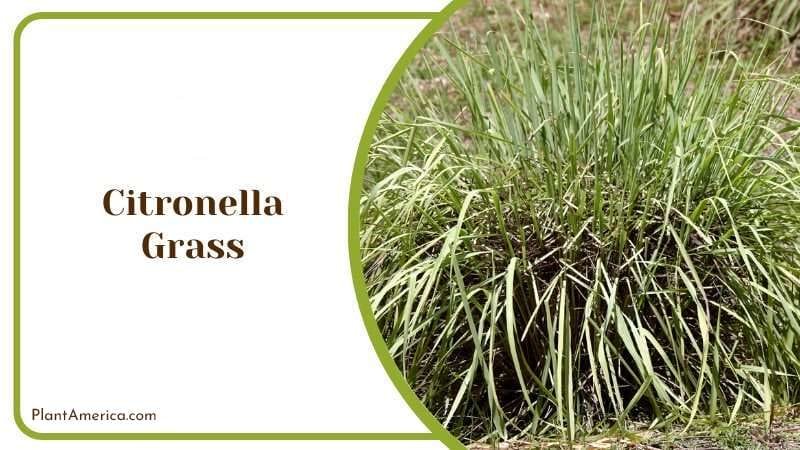
Citronella grass, or as it goes by its scientific name Cymbopogon Nardus is an aromatic perennial plant that is known to be an effective mosquito repellent.
This plant is from the family Poaceae, which originates from Tropical Asia. The well-known and famous citronella oil is also extracted and made from this plant.
– Benefits
More benefits to Citronella include improving the brain, cardiovascular and respiratory systems. Studies have shown that Citronella helps reduce high blood pressure, the respiratory rate, and the heart rate that follows inhalation. In some cases, Citronella has also been effective against body and head lice and as a fumigant agent against houseflies and red flour beetles.
– Uses
Moving on from the benefits of using Citronella, we see how this citronella plant can be used. Citronella oil is made from citronella grass which may be used for various purposes. For example, citronella oil is extensively used as a flavoring agent in the food and beverage industry as it enhances the taste of food and beverage items.
Coming towards the manufacturing side, citronella oil has been known to be used in soaps as well as cosmetic products because of the fragrance it gives off, which enhances the smell of soaps and attracts the customer to buy that product again. The same strategy is applied to cosmetic products in which citronella oil plays a role in customer satisfaction.
– Distinguishing Characteristics
To the untrained eye, it may be tricky to recognize this plant as it is similar to the lemongrass plant. But here are a few characteristics to know that will help differentiate between citronella grass and lemon grass.
Lemongrass has green base stems, whereas when we talk about citronella grass has either red or magenta base stems that differentiate it from lemongrass. The citronella grass plant grows up to a height of about 1.5 meters to 2.5 meters.
Talking about the width of this plant, it can grow from one meter to approximately 1.5 meters. This plant can thrive in drought and very dry areas, which is why it makes it perfect to use in Texas as a way to deter mosquitoes.
– Propagation
Once you have the plant and see its amazing properties you may want to have more! This plant is a perennial grass, but does not produce viable seeds. The plant can be propagated vegetatively by slips. You split well-grown clumps and one clump can have as many as 50 slips.
2. Sage
Sage or Salvia officinalis (or common sage) is a perennial plant native to the Mediterranean region that belongs to the famous mint family Lamiaceae. As of now, it has been naturalized in other parts of the world as well. This plant has many uses, but the most effective form of use is as a mosquito repellent. Let’s observe some of its benefits.
– Benefits
Other than mosquito-repellent properties, sage is beneficial as it is high in natural nutrients such as minerals and vitamins, instantly making it good for your body when consumed in a small amount.
Another benefit is that Sage, or Salvia Officinalis, however you may want to call it, is loaded with antioxidants that help reinforce and fortify your body’s defense against disease and other health-related threats.
One more benefit of Sage is that it may support your oral health. According to a study, mouthwashes based on sage effectively kill bacteria in your mouth, providing fresher breath.
– Uses
Sage has been used in folk medicine to treat many diseases and medical problems, such as different disorders. To name a few conditions, Sage has been known to aid in treating seizures, inflammation, signs of dizziness, tremors, diarrhea, ulcers, rheumatism, paralysis, and hyperglycemia.
– Distinguishing Characteristics
We’ve seen the benefits of common sage, and we’ve seen how it is used. But what does it look like? How do we recognize it? For someone who has yet to see how this plant looks, the following characteristics will help them recognize and distinguish it from others.
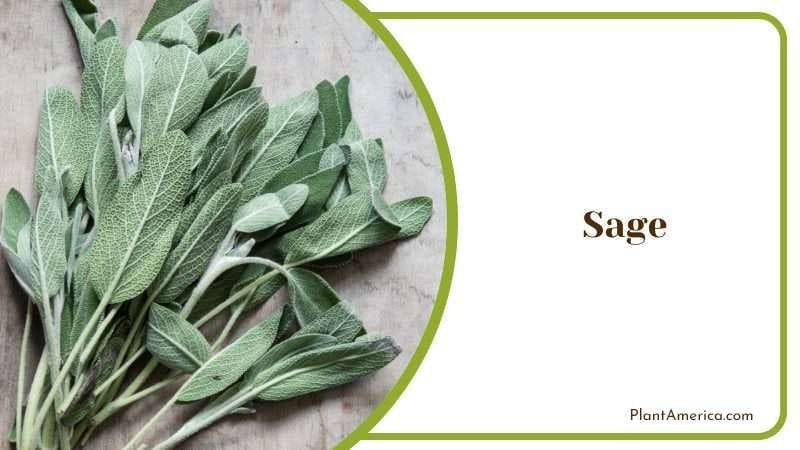
Common sage, or Salvia Officinalis, is a perennial herb. It belongs to the mint family Lamiaceae. It is 2 feet in height and a hardy plant. Its leaves are thick and in length, approximately 2 to 3 inches, opposite each other and pointed at the front. Regarding its color, they are a variant of grayish green leaves to varieties of green with white and purple or green and yellow.
– Propagation
These are easy to propagate using cuttings and can be done any time of the year. It is advised that you take a 4-inch softwood cutting after blooming ends in summer.
3. Rosemary
Rosemary, scientifically known as Salvia Rosmarinus, is a fragrant plant native to the Mediterranean region that belongs to the famous mint family Lamiaceae. Previously, until 2017, the scientific name for Rosemary was Rosmarinus Officinalis, but it was later changed to Salvia Rosmarinus.
Although this plant prefers cold areas, it can still thrive in dry and warm areas such as Texas, which makes it a good choice to categorize it under the mosquito repellent plants list (here is a specific list for Florida climate), as its fragrance drives away mosquitoes.
– Benefits
Rosemary or Salvia Rosmarinus has many health-related benefits to it. This plant contains antioxidants and anti-inflammatory compounds that aid in boosting the immune system of the human body and help in improving the circulation of blood throughout our body.
– Uses
Apart from the health benefits, Salvia rosmarinus or Rosemary is also often used in cooking. It is used as a spice, especially in Mediterranean dishes.
Moving towards other uses, Rosemary is often used in soaps. Many like the fragrance of Rosemary. This plant is also used in other cosmetic products, mainly, of course, for its fragrance.
– Distinguishing Characteristics
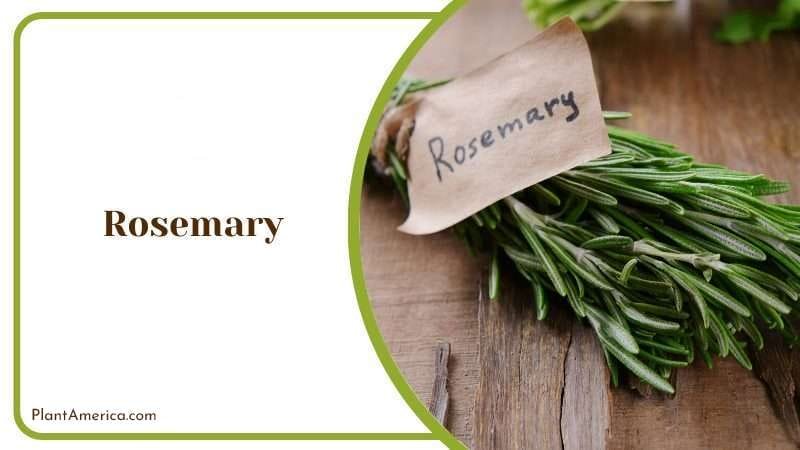
Dark and shiny above, having a white underside and curled leaf margins, the Salvia Rosmarinus (or Rosemary) is a perennial shrub that grows to a height of approximately 3 feet tall. At the same time, some Rosemary plants can grow to a height up to 6.6 feet tall.
– Propagation
This plant can be propagated using water propagation but since they are prone to root rot that is tricky. It’s better to use soil propagation.
4. Lemon Basil
Lemon Basil, Thai Basil, Hoary basil, or Lao basil is a hybrid plant between American basil and normal basil. Lemon basil is a fragrant plant that belongs to the famous mint family Lamiaceae. It is known for its famous lemon scent, primarily grown in Northeastern Africa and Southern Asia.
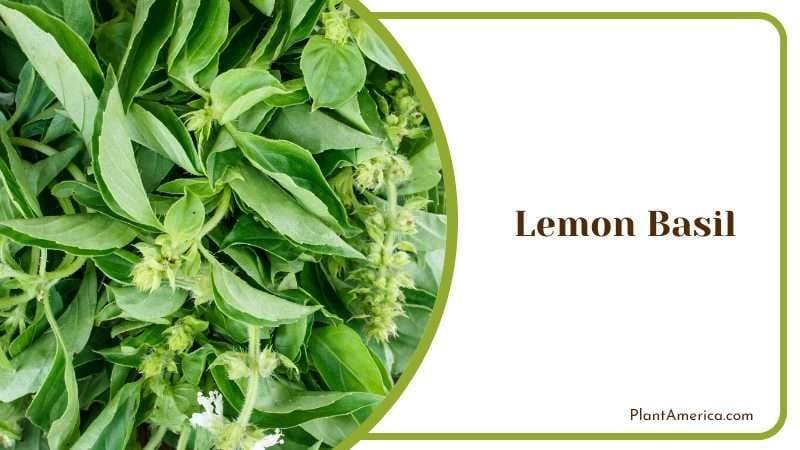
This is also very famous in Arabic, Lao, Malay, and Thai cuisines as a herb, but most importantly, it is a herb that is toxic to the larvae of mosquitoes which makes it a great option to grow in your homes if you live in Texas!
– Benefits
Lemon basil contains medium/moderate levels of beta-keratome alongside high levels of Vitamin K, which is infamous for its anti-inflammatory properties.
The vitamin K present in Lemon basil is beneficial for anti-inflammatory purposes. It also helps strengthen your bones and plays a decisive role in the production of clotting factors in human blood.
– Uses
Everyone has their taste and preferences when it comes to choosing their food. Lemon basil is an herb that is very famous in Arabic, Persian, Lao, Philippines, Malay, Indonesian and Thai cuisine.
But in what foods can it be used?
This herb is mild enough to season and flavor grilled fish or shrimp. It can even replace common basil if one wants to add extra taste or better fragrance to your food, be it for your delight or for improving the overall food experience in a formal setting.
– Distinguishing Characteristics
There are two techniques through which you can distinguish lemon basil from others. The first way is through the tasting. The taste of Lemon basil is a unique tangy, sweet and herbal flavor that has hints of lemon mixed with anise.
The leaves of Lemon basil are somewhat similar to the leaves of common basil, but these can be narrower compared to common basil and even have slightly serrated edges.
– Propagation
You can root this plant using either soil or water. Just remember when rooting in water to remove any bottom leaves so they are not submerged in the water.