
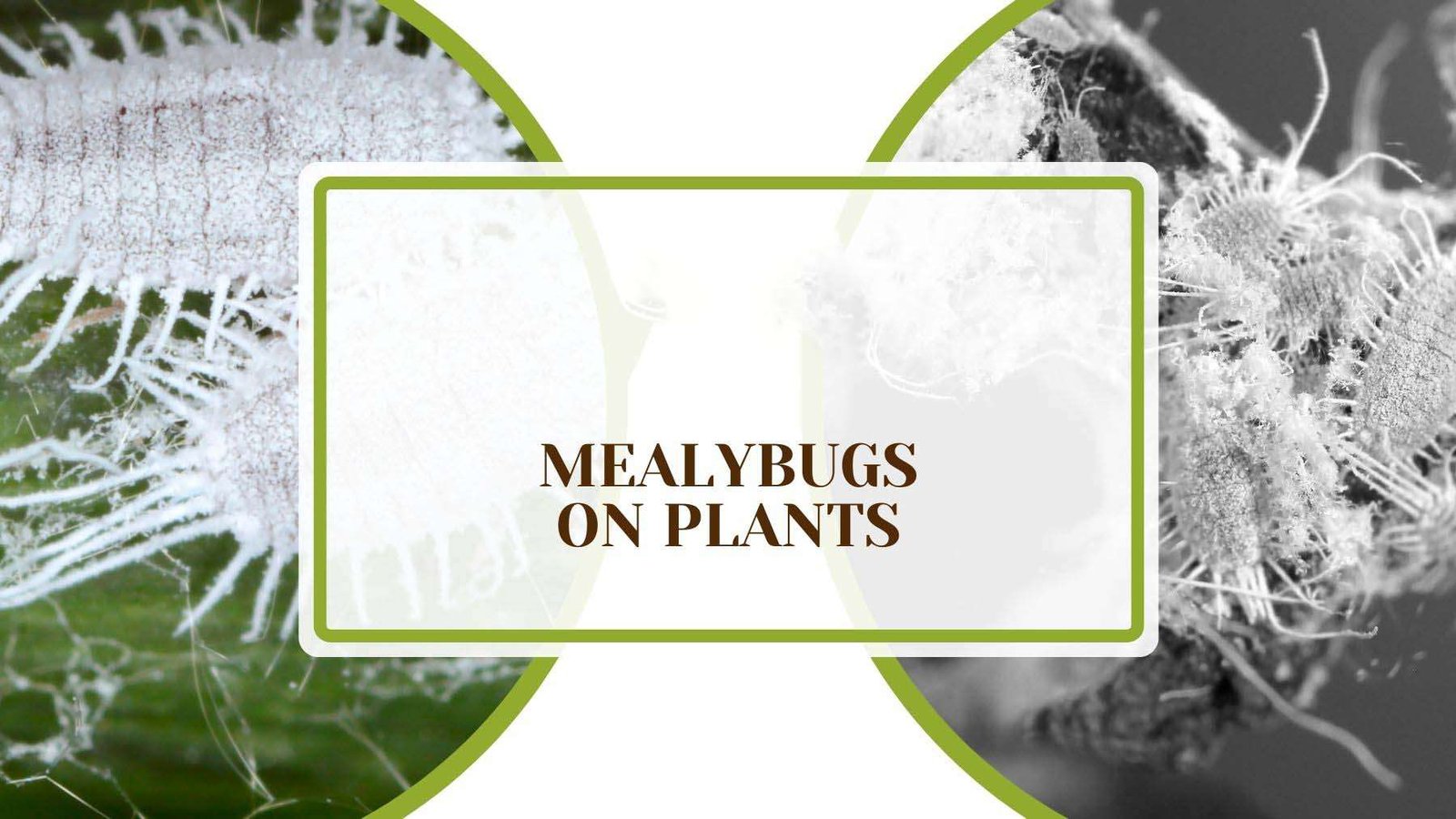
Mealybugs on Plants are frustrating for gardeners, and quite rightly so! These waxy insects can kill plants by sucking out their cell sap and introducing viral infections (that are impossible to cure).Don’t worry; keep reading to know the reasons behind mealybug infestations and how to quickly remove them from your plants. Let’s start.
What Causes Mealybugs on Plants (Know Every Reason)
Mealybugs on plants are caused by inadequate gardening care, such as overwatering, poor soil drainage, and insufficient light. Sometimes, not pruning the plants also makes it ideal for the bugs to infest. If your garden has no predatory bugs, you may also see a spike in the mealybug population.
– Inadequate Gardening Care: Ignoring the Basic Needs
There’s no denying that a plant garden needs proper care. People often ignore the watering requirements and overwater their garden plants. The thing is- Mealybugs thrive in moist environments, and one of the leading causes of infestation is overwatering.
The excess water leads to soil saturation, which mealybugs find highly favorable.
Like overwatering, plants placed in the soil with poor drainage can retain excessive moisture. Therefore, you will face a mealybug problem even if you add water in the correct amounts. Choosing the right soil type and using pots with adequate drainage holes can prevent water retention.
Moreover, we sometimes neglect to prune our plants regularly. This oversight can lead to dense foliage that bugs find “yummy.” Furthermore, mealybugs can easily hide when plants have many leaves.
In addition, plants kept in dark or overly shaded areas tend to be more prone to mealybugs. The reason is that mealybugs prefer protection from direct sunlight.
In a balanced ecosystem, natural predators like ladybugs keep mealybugs in check. But when we use harsh insecticides, we may kill these beneficial insects, leading to unchecked growth of mealybugs.
Therefore, you should avoid broad-spectrum insecticides and opt for targeted treatments that don’t harm helpful predatory bugs.
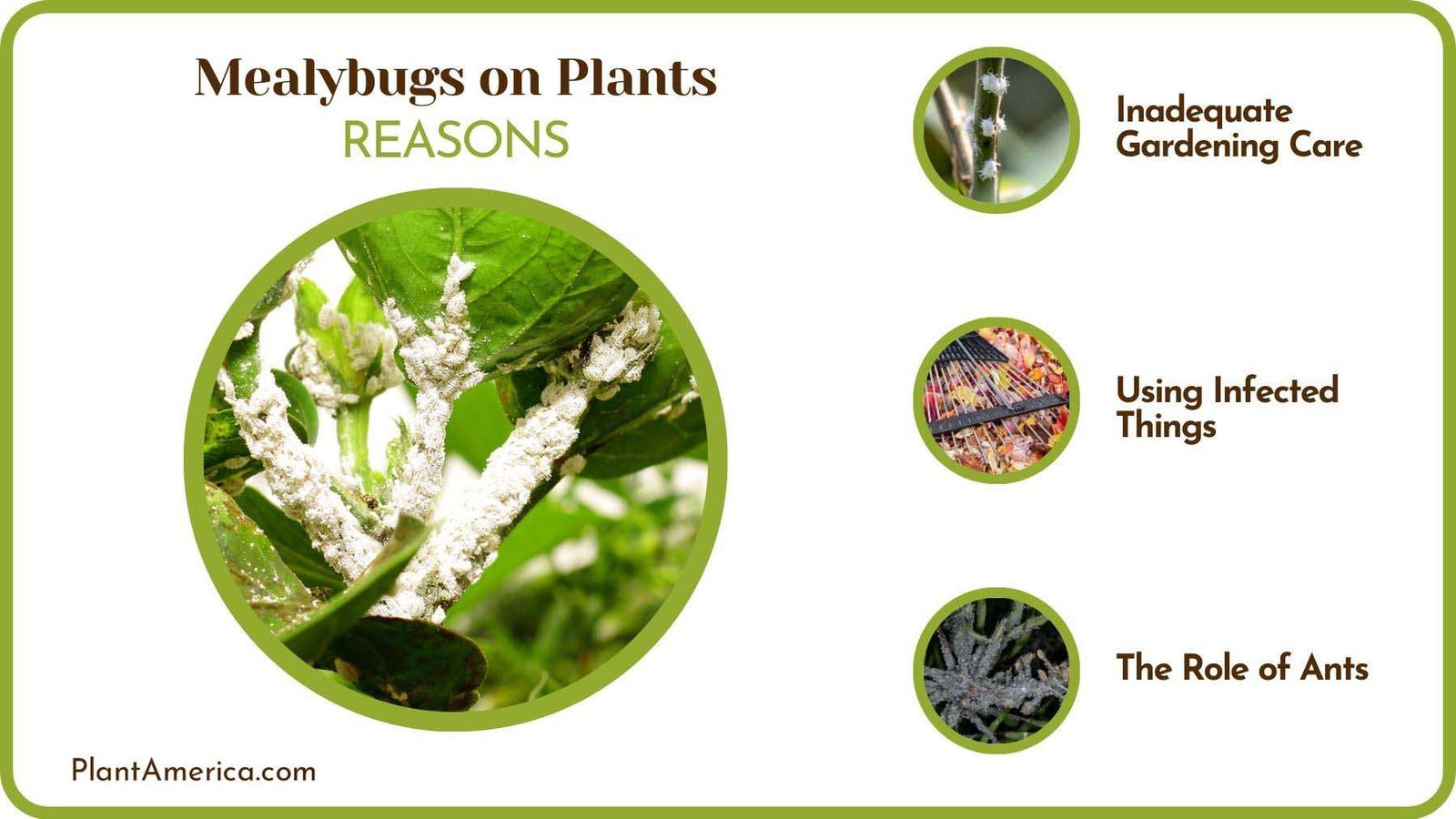
– Using Infected Things: A Direct Cause of Spread
People often wonder, “Where do mealy bugs come from” and the answer is fascinating. We risk transferring mealybugs if we use the same gardening tools on healthy plants previously used on infected ones without proper cleaning.
Sometimes, we might purchase a plant that’s already hosting mealybugs. Introducing this infected plant to our collection without inspection can also lead to an infestation.
Many people ask us, “Do mealybugs fly,” and the answer is no. Mealybugs only ride other things or crawl to reach a new location.
– The Role of Ants: An Unusual Partnership
Ants and mealybugs often form a symbiotic relationship. Ants protect mealybugs from predators by acting as their guard. Mealybugs return the favor by excreting sweet honeydew. If you notice increased ant activity around our plants, it might signal a mealybug infestation.
How To Remove Mealybugs From Plants Easily?
Removing mealybugs from plants easily can be done by isolating the infested plant, brushing and rinsing, and using neem oil. You can also do an essential oil soak, dip the plant in hot water, and apply hydrogen peroxide solution. Sprinkling cinnamon powder and utilizing commercial systemic insecticides also work.
– Isolate the Plant: Do It First
First and foremost, we must control mealybugs by isolating the infected plant from others. You should go for this whenever you spot mealybug damage on plants because mealybugs can quickly spread from one plant to another.
Look for the cottony substance on the undersides of the leaves and where the leaves join the stems. Once you confirm the mealybug attack, gently remove the infected plant from its location. Ensure it doesn’t come into contact with healthy plants.
Place the infected plant in a quarantine area away from other plants. It can be a separate room, balcony, or a designated part of your garden. Then, manually remove these pests and carefully dispose of them.
After this, we suggest you monitor every garden plant (including the isolated one) for about 14 days. It is essential to ensure the infestation doesn’t spread or worsen.
– Brush and Rinse: Works Against Smaller Infestations
Simply isolating the plant won’t entirely eradicate the mealybugs. You should go for the “brushing and rinsing” technique. Using a soft brush (like a toothbrush), gently scrub away the mealybugs. Doing this will disrupt the life routine of these pests. Plus, it won’t harm the plant itself (only if you do it correctly).
A solution made with rubbing alcohol/isopropyl alcohol can also be very effective. Dipping the brush in this solution can enhance the removal success rate. Remember- you must be gentle to avoid damaging the plant. Also, focus on the known infested areas, and be patient, as this process might need repetition.
After brushing, rinse the plant with a gentle spray of water to remove the remaining mealybugs and the alcohol solution. However, if you are dealing with outdoor plants, it is better to be more vigorous with the water pressure.

– Apply Neem Seed Oil Spray: An Effective Mealybug Treatment
Neem seed oil isn’t just another remedy. Many gardeners consider it a formidable weapon against mealybugs (and so do we).
It works because it is filled with compounds that mealybugs despise.
- Start by blending neem oil with a mild soap. The soap helps the oil to stick to the plant leaves.
- Add water (the quantity will be mentioned on the oil bottle).
- Applying the solution generously to all parts of the plant using a spray bottle. Your focus should be on the undersides of the leaves, as mealybugs love to hide there.
- Apply the solution again after 7 to 10 days.
Neem oil is powerful, and while it’s generally considered safe, following instructions on the packaging is vital.
– Essential Oil Soak: An Easy Mealybug Control Solution
Sometimes, the battle isn’t just on the surface. These pests can infiltrate into the soil and feed on roots. Mealybugs in soil is a unique challenge, as these creatures can hide and multiply where we can’t see them. Luckily, we have essential oils!
Note that these oils don’t just disrupt the mealybugs’ life cycle. We’ve noticed that they also create an environment where the bugs (and other pests) can’t survive.
The top choices for mealybugs are:
- Peppermint
- Rosemary
- Cedarwood
Remember- different oils can have various effects. Experimenting and finding what works for your situation is part of the journey.
Here’s how you can defeat mealybugs using essential oil soak:
- Mixing the chosen essential oils with lukewarm water and a little dish soap (to help the oils mix) creates your soak.
- Pour or spray the solution onto the soil, ensuring it reaches the roots where mealybugs may hide.
- Keep an eye on the plant and soil, and repeat the process if needed.
– Try the Hot Water Dips
Hot water is a natural and chemical-free method to eradicate mealybugs. By immersing the affected parts of the plant in hot water, you essentially cook the mealybugs, killing them instantly. The best part? There is no need for any specialized equipment or costly ingredients.

Do these steps to perform a “Hot Water Dip”:
- Heat the water to around 110 degrees Fahrenheit, as it needs to be hot enough to kill the mealybugs.
- Carefully dip the infested parts of the plant into the hot water. Hold them there for a few seconds, ensuring that all affected areas are immersed.
- After dipping, rinse the plant with room-temperature water and inspect it for any remaining mealybugs.
- Then, keep an eye on the plant for a few days to ensure no mealybugs survived the treatment.
However, not all plants can withstand a hot water dip, so this method is best used on hardier species.
– Get Help From Hydrogen Peroxide Solution
Hydrogen peroxide is more than just a first-aid supply. Many seasoned gardeners prefer it over other solutions because it kills different bug species and helps oxygenate the soil (which promotes healthy root growth).
- Combine a 3 percent hydrogen peroxide solution with water in a bottle/bowl (in a 1:1 ratio).
- Mix in a little insecticidal soap to help the solution stick to the plant and increase its effectiveness.
- Using a spray bottle, apply the solution to the bug-infested areas. Be sure to cover all surfaces where mealybugs may be hiding.
- After a few hours, rinse the plant with clean water.
Please keep in mind that while hydrogen peroxide can be highly effective, you must use it cautiously. The concentration should not exceed 3 percent, as potent ones can harm the plant. Also, like with all treatments, monitor the plant afterward the application.
– Use the Scent of Cinnamon Powder
Cinnamon is another natural repellent that mealybugs hate due to its natural antifungal properties. Furthermore, they also dislike the powder’s strong scent. In fact, it deters mealybugs from laying eggs on indoor plants.
Do these steps to use cinnamon powder against mealybugs:
- Locate the areas where mealybugs are present and where they might lay their eggs.
- Lightly sprinkle cinnamon powder on the affected parts of the plant.
- Dust powder again after watering.
While cinnamon can deter egg-laying, it may not be enough to handle a large infestation. Therefore, it is better to follow other strategies with it for quick control.
– Apply Commercially Manufactured Systemic Insecticides
Sometimes, you should go for a more potent approach to kill mealybugs. Commercially manufactured systemic insecticides can provide a robust solution. These chemical pesticides work by being absorbed into the plant’s system. When bugs eat such plants, they get poisoned and die in a few minutes.
It is better to use products designed to target mealybugs specifically. The reason is that such insecticides don’t harm beneficial predatory insects. The popular systemic insecticides for mealybugs are:
- Bonide systemic insect control
- Sns 209 systemic pest control concentrate
- Bonide systemic houseplant insect control
- Bonide insect control systemic granules
- Hi-yield systemic insect granules
- Syngenta 64749 demand duo pesticide
After getting a systemic insecticide, read the precautions and application instructions printed on it. Systemic pesticides must be used according to the manufacturer’s guidelines. If you over apply them, you may hurt your garden plants.
– Never Overfertilize and Overwater
When pondering how to prevent mealybugs, a great starting point is understanding what attracts them in the first place. Over fertilizing and overwatering are standard practices that can inadvertently invite these pests into your garden.
Let’s discuss overfertilization first. We all know that mealybugs are attracted to soft, succulent growth. Sadly, such growth is the result of excess “nutrient feeding.”
It occurs due to nitrogen-based fertilizers most of the time. These fertilizers enhance the green color of plants, which is hard for mealybugs to resist. Similarly, overly moist soil is a perfect breeding ground for mealybugs. These pests like humidity, so they will enter your garden and infest the overwatered plants.
Similarly, adding more water leads to fungal problems, making plants weak. Sadly, they are more susceptible to bug attacks. That’s why mealybug invasion becomes inevitable if you are not careful with water and fertilizer application.
You might be wondering- “Are Mealybugs Harmful to Humans?” They don’t direct harm/bite us. However, they affect us indirectly by hurting our plants.
Therefore, you should pour water according to your plant’s needs. Those species that require more water need to be hydrated more often than those that like dryness. Similarly, follow the fertilization applications whenever you feed nutrients to the plants.
Remember- Proper care keeps plants healthy and makes them less attractive to mealybugs. That’s everything on how to get rid of mealybugs.
Conclusion
In a nutshell, mealybugs on plants require careful attention. Luckily, you can effectively eradicate these pests with many simple treatments. We recommend you always take these essential steps whenever dealing with mealybugs:
- Isolate the affected plants first to prevent further spread of mealybugs.
- Utilize different removal methods, such as neem seed oil, essential oil soaks, or even hot water dips.
- Consider using commercial insecticides or natural solutions like cinnamon powder.
- Please pay attention to the plant’s basic needs: proper lighting, pruning, and watering.
- Avoid overwatering and overfertilizing your plants, as these can create ideal conditions for mealybugs.
Now, you know it’s easy to defeat mealybugs.