
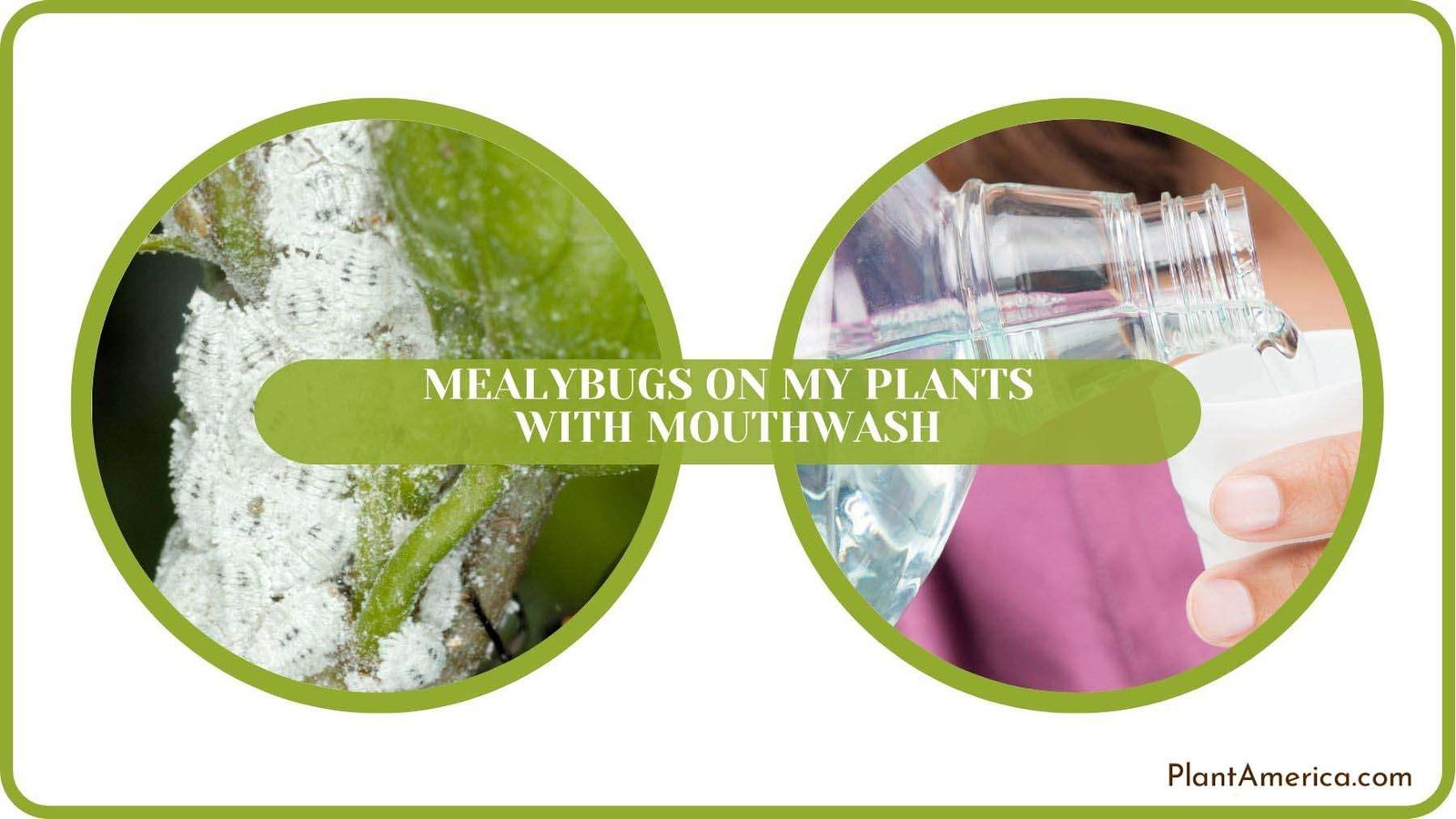
“Mealybugs on my plants mouthwash.” It might initially sound odd, but this common household item has shown remarkable effectiveness in combating pests. However, it is crucial to use it correctly, or else it won’t work or cause harm to plants.
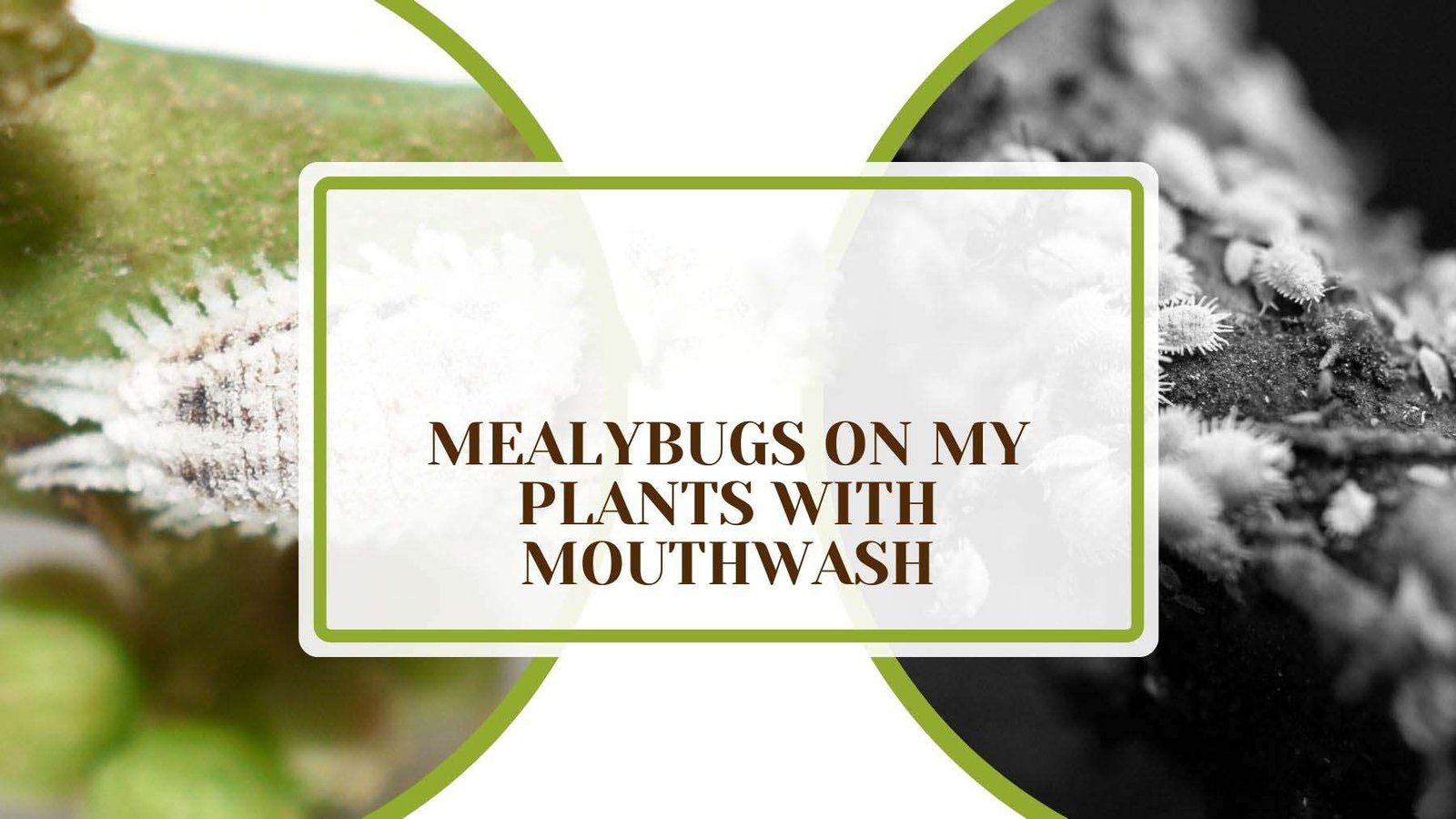
Here, we’ve discussed different pest-controlling “mouthwash” strategies that can hurt mealybugs and protect your garden. Keep reading!
What Are the Reasons Behind Mealybug Infestations on Plants?
The reasons behind the mealybugs infestations on plants are over-watering and high nitrogen levels. These pests like to attack plants in warm and humid conditions. Additionally, they may be introduced through infested plants or tools and poor hygiene practices in garden maintenance.
– Environmental Conditions Favoring Mealybugs
Mealybugs thrive in certain environmental conditions, and understanding these can help us identify why they might be infesting our plants. Note that mealybugs prefer warm and humid conditions.
Furthermore, if there is no air movement, mealybugs will “pile up.” The infestation worsens when natural enemies like ladybugs are lacking.
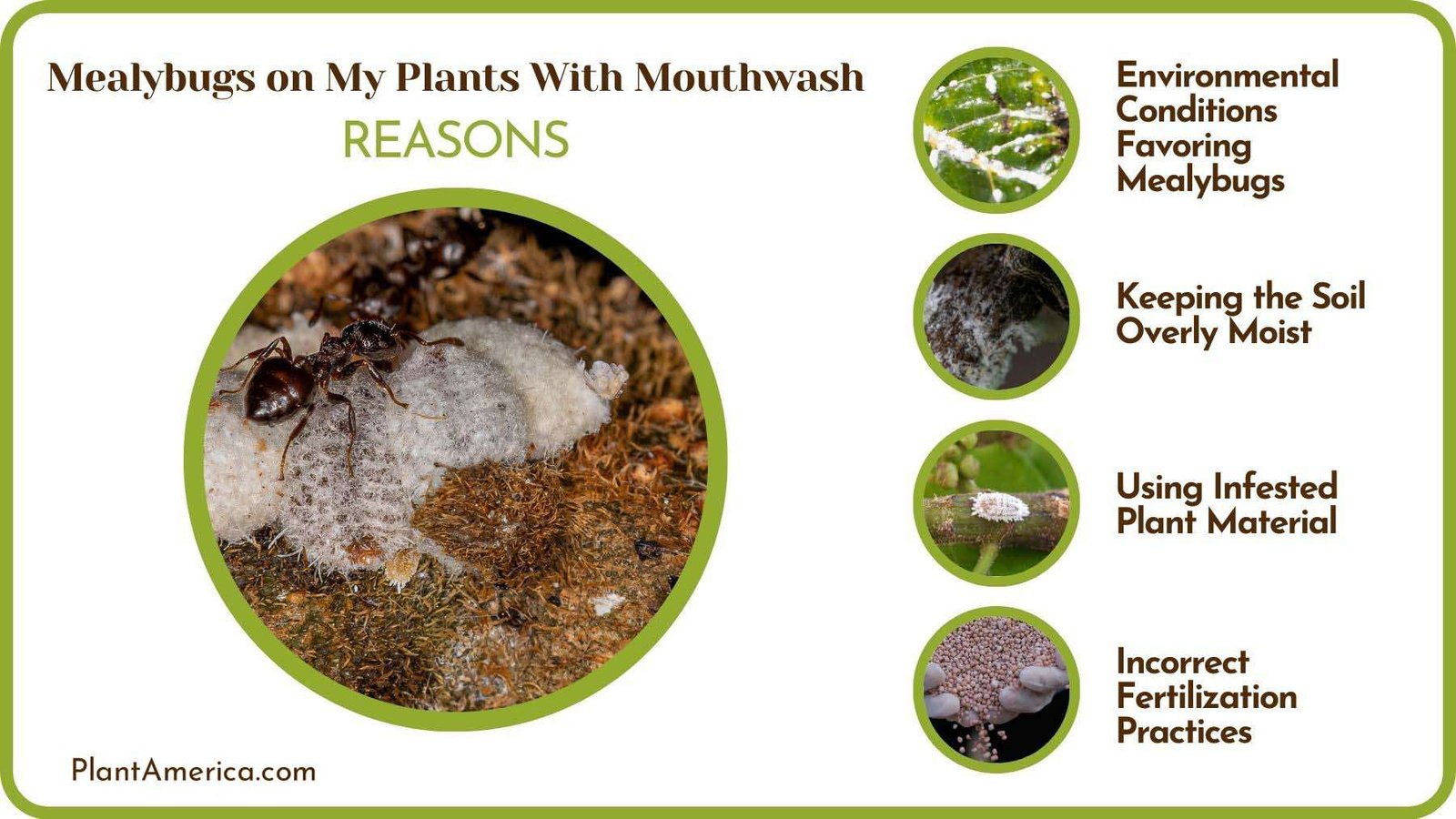
– Keeping the Soil Overly Moist
Overwatering creates a moist environment that mealybugs love. They like humidity and lay eggs in areas with high amounts of water/moisture. Moreover, poor soil drainage can support mealybug infestation even if you don’t overwater. Water stays in the soil longer, becoming the breeding ground of mealybugs.
Similarly, chances of mealybug infestations will be more if you have a habit of misting the leaves. The reason is that water droplets will stay longer on the underside of the leaves. Since there is no air movement in this area, mealybugs will be tempted to come and reside there.
– Using Infested Plant Material
Sometimes, the problem begins with what we bring into our garden. If we introduce an already-infested plant, it can spread the bugs to other plants. Even soil or pots that have previously housed infested plants can harbor mealybugs.
In some cases, your garden can get infested with mealybugs if your neighbor does this negligence. The reason is that mealybugs are lightweight and can be easily carried away by winds.
– Incorrect Fertilization Practices
Over-feeding nitrogen-rich fertilizers can make plants more attractive to mealybugs. The reason is that extra Nitrogen will make the leaves greener, tempting the bugs to invade. Furthermore, failing to provide the right balance of nutrients can weaken plants, making them more susceptible.
– Lack of Regular Inspection and Maintenance
Regular care and attention can prevent an infestation. But if we overlook the initial appearance of mealybugs, they can quickly get out of control. Similarly, not cleaning the garden and avoiding pruning can also lead to mealybug infestation.
How to Treat Mealybug Infestations with Mouthwash
To treat mealybug infestations with mouthwash, start by mixing mouthwash with water, neem seed oil, and soap. Mouthwash, especially those containing alcohol or ethanol helps in killing and repelling mealybugs instantly and consistently. It can also strengthen plants and prevent further infestation.
– Mix Mouthwash With Water
Dealing with mealybugs can sometimes feel like a never-ending battle. But don’t worry; we’ve found some solutions that might be right in your bathroom cabinet. You heard it right; we’re talking about mouthwash, specifically Listerine.
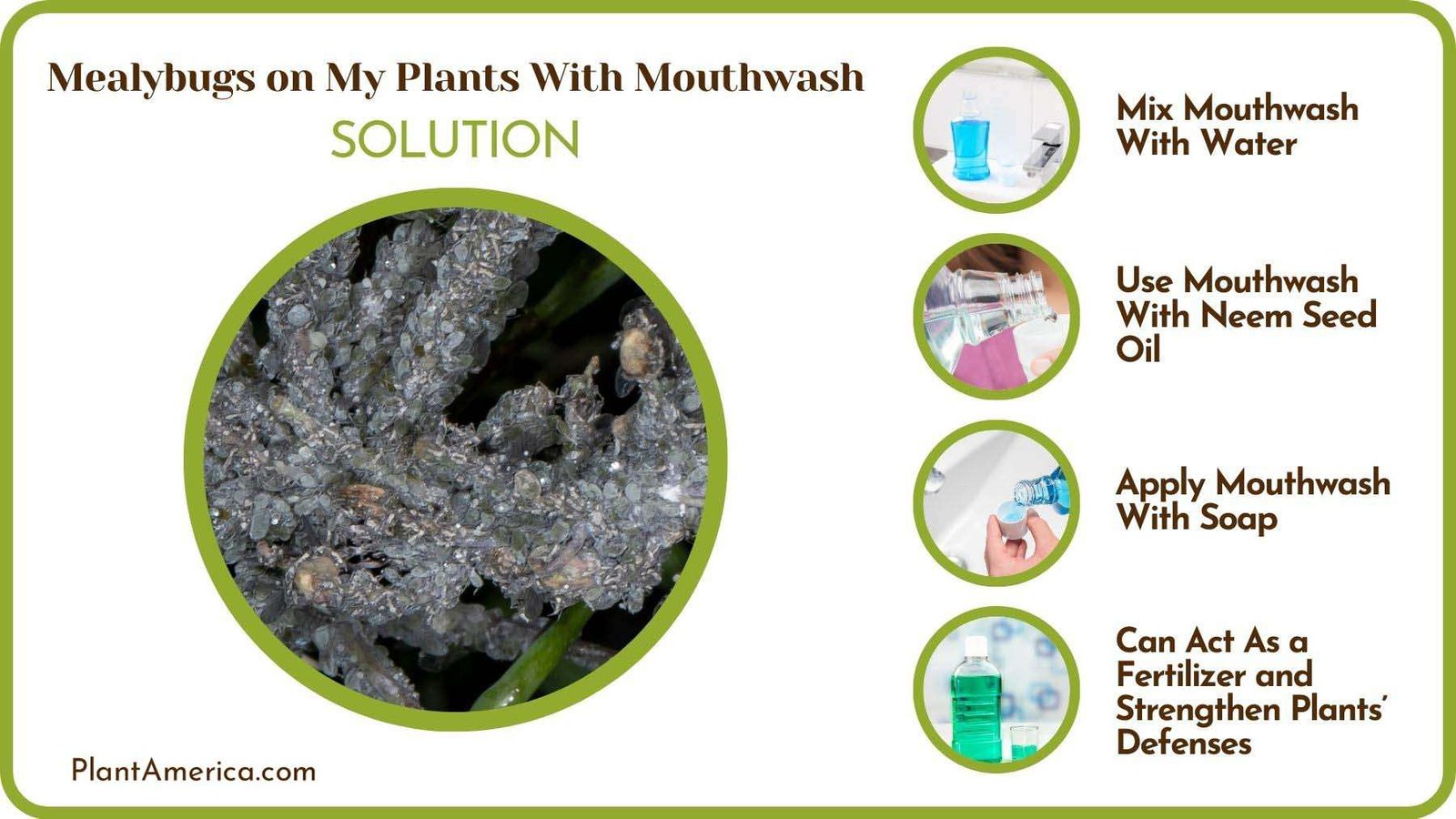
Check out the steps:
- Get a strong one like Listerine mouthwash (it is known for its antimicrobial properties).
- Mix the mouthwash with water. A good ratio is one part mouthwash to three parts water.
- Including rubbing alcohol can increase the solution’s efficacy. It helps to dissolve the waxy coating that protects mealybugs.
- Always spray your plants thoroughly, covering all surfaces where mealybugs might hide.
- Monitor your plants and repeat the treatment if you notice more mealybugs.
By using this simple solution, we’re not just combating mealybugs but other plant pests as well. It’s an affordable and non-toxic way to keep our garden healthy.
– Use Mouthwash With Neem Seed Oil
Another fantastic method to deal with mealybugs is to combine mouthwash with neem oil. In this context, we specifically mean using Listerine as an insecticide.
Here’s how we can use this combination to protect our plants:
- Understand the Ingredients first. Neem seed oil is a natural insect repellent, and Listerine as a pesticide adds an extra layer of protection. The combination can be powerful in warding off mealybugs.
- Combine one part Listerine with three parts water, as before. Then add a teaspoon of neem oil for every quart of the mixture.
- Spray it on. Like with the mouthwash and water mix, you’ll want to spray this solution on all affected areas of your plants.
Neem oil adds a potent punch to the mouthwash, enhancing its ability to ward off mealybugs. It’s a natural and easy way to handle this common problem.
– Apply Mouthwash With Soap
Mealybugs and other garden pests can be pretty persistent, but did you know that something as simple as ethanol based mouthwash and soap can help control them? It’s true. This unlikely duo can create an insecticidal soap that effectively combats various pests.
- Choose the Right Mouthwash: Listerine is suitable as an insecticide, as the ethanol in it helps break down the waxy layer on mealybugs, making them more vulnerable.
- Select a Soap: You’ll want to choose a mild liquid dish soap. It acts as a surfactant, helping the mixture stick to the plant’s surface.
- Create the Mix: Add a cup of mouthwash to a bottle. Then, pour two cups of water into it.
- Add Soap: Next, mix a few drops of soap.
- Spray It: Cover your plants thoroughly, reaching even the hidden areas where mealybugs might hide.
- Wait and Rinse: Let the solution sit for a few hours. Then, rinse it off with water. It is crucial to prevent any potential damage to the plant.
Now, you might be wondering, “Can Listerine kill weeds?” While this solution primarily targets pests like mealybugs, it may have some effect on weeds as well. The mouthwash could harm some weaker weeds, but it’s generally less effective than specialized weed killers. So, if you see mealybugs hiding under weeds, you should manually pull them or spray weedicide.
– Can Act As a Fertilizer and Strengthen Plants’ Defenses
Now that we’ve discussed various ways to combat mealybugs using mouthwash, it’s now time to explore something unexpected: is mouthwash good for plants in other ways? Surprisingly, certain types of mouthwash can act as a fertilizer. They help plants grow strong and resilient against pests like mealybugs.
- Understand the connection first. It’s no secret that strong plants are naturally more resistant to pests. They are better equipped to fend off mealybugs and other unwanted insects by enhancing their growth.
- Next, get the right mouthwash. Not all mouthwashes are suitable for this purpose. You’ll want to avoid any artificial colors or strong chemicals.
- After this, mix a small amount of mouthwash with water to create a mild solution that can be used to water plants.
- Apply the Mixture. Like any new treatment, you’ll want to monitor your plants closely to ensure they respond well to the mouthwash mixture.
This method is interesting because it’s not about directly combating the pests but rather about enhancing the plant’s natural defenses. Strong, healthy plants are less appealing to pests, and they have the vigor to withstand occasional attacks.
– Prevents Fungal Infections and Keep Plants Thriving
Mouthwash can prevent fungal infections in plants. Fungal diseases can weaken plants, making them more susceptible to bug attacks.
Here’s how we can use mouthwash to strengthen plants against these threats:
- Look for a mouthwash that contains alcohol or essential oils. The reason is that they are rich in antifungal properties.
- Mix the mouthwash with water in a spray bottle at a ratio gentle enough for the plants but still effective against fungi. A 1:3 ratio works well in most cases.
- Apply the mixture to the affected areas, ensuring that you cover all infected parts.
- Keep an eye on your plants to ensure the fungal infection is receding. Also, check how well the plants are responding to the treatment.
Remember- healthy, thriving plants are far less likely to fall victim to mealybugs.
– Repels Pets- An Effective Bug Prevention Measure
Another unique and valuable way that mouthwash can protect your plants from mealybugs is by repelling pets that might harbor or spread these pests. Pets, especially outdoor cats and dogs, can inadvertently carry mealybugs from one place to another. Here’s how mouthwash can be used as a repellent:
- Identifying the Problem Areas: Find out where pets are most likely to come into contact with your plants.
- Creating a Pet-Safe Solution: Mix mouthwash with water in a ratio that will deter pets without harming them. We suggest a 1:5 ratio.
- Applying the Solution: Spray or pour the solution around the plants or the areas where pets are most likely to roam.
- Observe and Adjust: Watch how pets react to the solution. Then, adjust the ratio or application method as needed.
Keeping pets away from certain plants effectively creates a barrier against mealybugs. It keeps the plants safe and helps maintain a healthier environment for both plants and pets.
– Can Disinfect Gardening Tools With It
Tools not correctly cleaned and disinfected can carry mealybugs from one plant to another. Fortunately, mouthwash can be used to disinfect these tools effectively.
Here’s how:
- Opt for a mouthwash with a high alcohol content, which will have the best disinfecting properties.
- You can use the mouthwash undiluted or mix it with a small amount of water.
- Submerge your tools in the mouthwash solution and let them soak for several hours or overnight.
- Rinse the tools thoroughly with water.
- After this, allow them to dry completely before using them again.
Make this a common practice, especially if you’ve been working with plants affected by mealybugs or other pests. Disinfecting your gardening tools with mouthwash ensures they are free of mealybugs and helps prevent the spreading of other diseases and pests. It’s that easy to deter mealybugs.
Conclusion
All in all, by embracing the multi-faceted applications of mouthwash, we can effectively protect our plants from mealybugs in various ways:
- Utilize Mouthwash to Prevent Fungal Infections: By treating and preventing fungal infections, you strengthen plants against mealybugs.
- Repel Pets with a Mouthwash Solution: Keep pets away from plants to create a barrier against mealybugs without harming your furry friends.
- Disinfect Gardening Tools Using Mouthwash: Ensure that tools are free of mealybugs and other pests by regularly soaking them in a mouthwash solution.
- Explore the Additional Benefits of Mouthwash in Gardening: Recognize that mouthwash can act as a fertilizer and has other applications in maintaining plant health.
By following these strategies, you can take control of the mealybug problem using simple, eco-friendly solutions. Use mouthwash carefully, as over or underuse will cause further frustration. That’s all about removing mealybugs with mouthwash!