
How to plant boxwood shrubs is a drill you need to learn so you can ensure this evergreen shrub grows perfectly, start by choosing a location, measuring the correct spacing, and preparing the planting site for this Buxaceae family shrub.
For the complete guide on planting boxwood plants or how to plant boxwood shrubs directly in the garden read on!
How to Plant Boxwood Shrubs Using These Simple Steps
To plant boxwood shrubs in simple steps, start by choosing an ideal location; before digging holes, measure out the correct spacing as they need adequate space. Go ahead to prepare the planting area, dig holes, add manure, ready the plant, and finally plant it.
1. Choose a Planting Location
Boxwood bushes thrive under full sun and partial shade, so consider that as you choose your location. If you allow them to reach mature size, give them adequate space from one tree to another. Plant them away from the house or your neighbor’s fence so you have enough space to trim them all around.
When growing them as a hedge, plant them a couple of feet away from the property line so your neighbor can trim them if they spread into their property. In general, choose a location where your shrub will thrive and you will have enough space to prune it.
2. Measure the Correct Spacing
Spacing is ideal when growing boxwood, whatever variety you choose. Most varieties, including the dwarf, require at least two to three feet between holes. You could be tempted to crowd them for instant hedge effect, but it pays to be patient enough to see the adequately spaced ones grow thick with time.
For small English Boxwoods, allow at least 12 inches from plant to plant. If you want it to grow to about four feet tall, allow at least 18 inches between plants. For larger American Boxwood hedges, allow at least three to four feet between plants.
For wintergreen boxwoods that grow to 3 to 5 feet wide, plant them at least 2 feet apart. Dwarf varieties should be spaced up to 2 to 3 feet apart for a grouping or 5 to 7 feet apart for a row of individual plants.
Use a tape measure, string, and paint to mark the line of the hedge. Measure from the previous hole’s center to the next’s start. Once the line is marked, start preparing the planting site.
3. Prepare the Planting Site
Once you have your ideal location, it’s time to prepare the site. Good soil is vital to growing the best boxwoods. Though it adapts to many kinds of soil, adding plenty of organic material is vital. Ensure the soil is not permanently moist but drains properly all year round.
Using the soil in your holes is recommended instead of bringing foreign ones. Adjust it by adding organic matter like compost manure or well-rotted sheep, cow, goat, and horse manure to make it more fertile and provide the shrubs with enough nutrients.
You can fertilize along the way as the plant needs it. Loosen the soil around the holes to allow the roots to penetrate easily, thus establishing quickly. Remove all weeds around the area to keep them from eating up the nutrients the shrubs need.
4. Dig Proper Holes
Dig holes that are large enough to hold the root ball of this plant at least six inches minimum in width and depth. Add a bucket of manure per hole and mix it with the soil ready for planting. Ensure the mix reaches at least a quarter of your hole to leave space for the root ball before adding more soil. Add some water to the soil mix in the hole to prep it for planting.
5. Prepare the Boxwood for Planting
If you have brought your plants from the nursery, remove them from the box and unwrap them, removing all wrapping materials. Ensure the roots are not root-bound; if they are, use a pruning saw to loosen them, creating space between the roots. Be careful not to injure the large roots.
6. Plant the Shrub
Gently pick the boxwood shrub and place it in the hole while holding it upright. Add the soil mix around the sides to anchor it in place. Ensure the shrub is upright and has a reasonable depth, with all the roots covered deeply in the soil mix.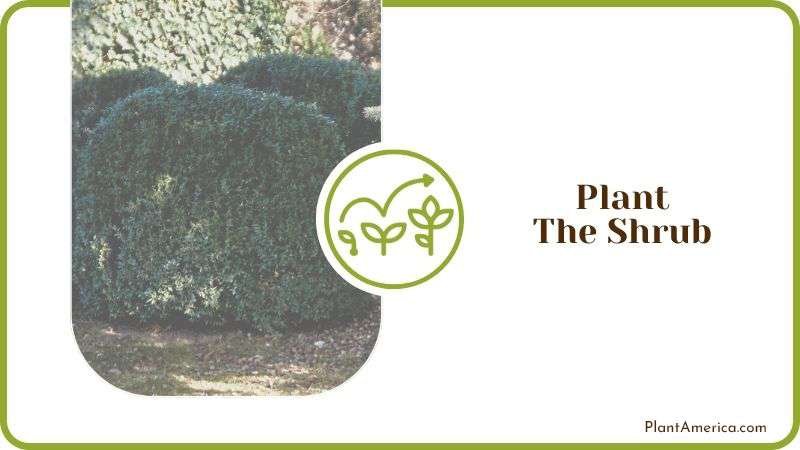
7. Firm up the Soil and Water the Boxwood
Once your plant is in place, firm up the soil gently but firmly on all sides. You can use a spade or trowel to help you get the soil in all those spaces. Water the plant around the soil area, giving it a good soak but don’t overdo it. As part of boxwood care, continue to water it every day for three days and every other one for the first two weeks if the weather is dry.
How to Plant Boxwood Trees in Containers?
To plant boxwood trees in containers, you will need to choose the best container for them, prepare the potting soil mix, plant the boxwoods, water them, and leave them outdoors to thrive before and then bring them indoors during winter.
1. Select the Right Container
It is best to grow dwarf-sized boxwoods as they perfectly fit the containers. Choose a good-sized container allowing adequate space for the plant’s root system. Ensure the containers allow proper drainage without holding excess water, which can cause root rot.
2. Prepare the Potting Soil Mix
Prepare well-draining soil using peat moss and organic manure or fertilizer, just like planting beds. Ensure it drains well to help release excess water so as not to kill the roots due to constant watering. Container plants dry out faster than the garden and will need constant watering.
3. Plant the Boxwoods
Once the soil is in place, it’s time to plant the boxwood in the middle of the pot. Make large enough hole for the root ball and replace the soil once planted. Firm up the soil all around gently but firmly to keep the shrub in place.
4. Water the Plants
Once the plant is firmly planted, water it thoroughly to soak the soil mix until it overflows through the draining holes. Remember to place a saucer underneath the pot to hold the water before pouring the excess. Too much water might attract mealybugs.
5. Leave your Plants Outdoors
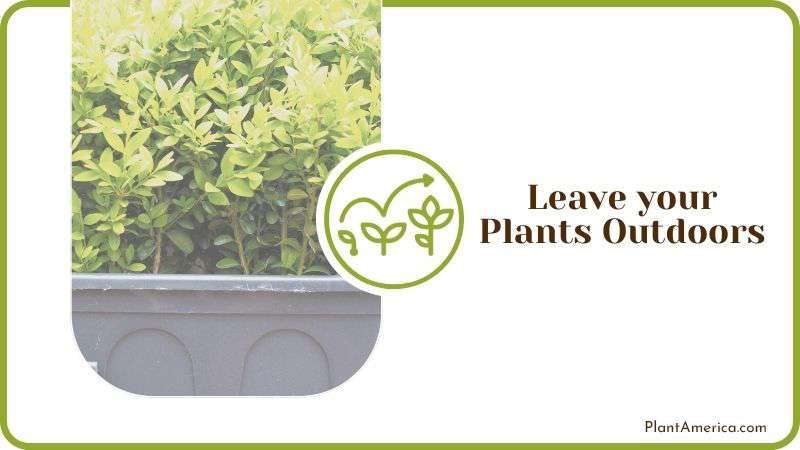
Your plants will thrive under sun or shade, so leaving them outdoors will do them justice. Let them thrive outside during spring, summer, and autumn. However, you can shield them from the tough snow during the cold winter season as it may hurt them, especially when still young.
Final note:
This guide is clear on how to plant boxwood shrubs both in the garden and in containers so you can grow them where you want. Consider boxwood if you are looking for an ornamental shrub that can grow into a small tree that looks like a small green mountain. These shrubs do not flower, so their beauty is the well-manicured green velvety foliage that stands out from the perfect trimming.