
How to transplant seedlings after germination? We don’t blame you; caring for baby plants and seedlings is a delicate act.
The process is quite straightforward and includes simple steps like waiting for the ideal time and choosing the right position. Everything is discussed in detail so stay tuned till the end.
How to Transplant Seedlings After They Germinate?
Transplanting your seedlings right after germination requires waiting for the right time after the seeds sprout and picking the correct location or container. After that, what plays an important role includes preparing the seedlings, transplanting them, and caring for them afterward.
1. Wait for the Ideal Time
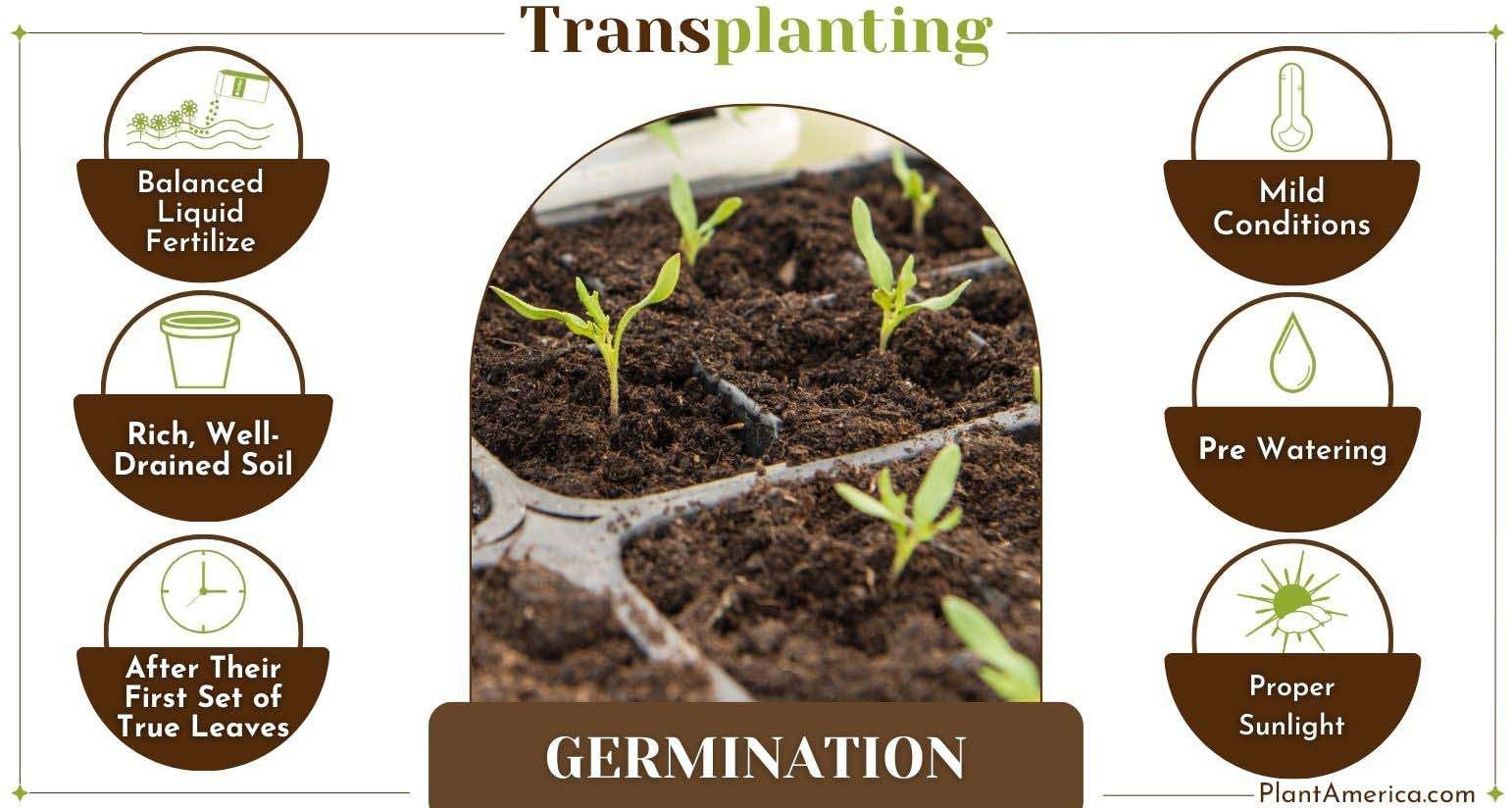
Transplanting seedlings too early can be detrimental to them. It’s all about choosing the right moment to let them venture beyond their nursery. To give them the best shot at thriving, wait until they have their first true leaves, including indoor seedlings. These leaves look more like the mature ones of the plant and come after the initial seed leaves.

Typically, seedlings will be about two to three inches tall at this stage, but remember, it may vary by plant species. Waiting for the true leaves ensures the seedlings have a robust root system that can handle the stress of uprooting and moving to a new home. This way, they’ll adapt better and grow successfully in larger containers or in your garden.
2. Choose the Right Location
Plants have their own preferences for living conditions that are vital to their existence. Starting methods include meeting sunlight needs for your specific plant species. Some plants crave full sunlight, while others thrive in partial shade or shady spots.
Next, focus on your soil quality. It needs to be both well-draining and nutrient-rich to support the root system effectively. In case the soil lacks nutrients or is compacted, consider adding compost or organic matter before planting to enhance its condition.
When transplanting seedlings outdoors, consider your region’s climate. Some plants love warmth, while others prefer cooler environments. Check local weather patterns to match your seedlings’ temperature preferences.
Ensuring your seedlings are safe from harsh weather is vital. How can you do this? Simple! Employ windbreaks like fences, walls, or nearby shrubs to shield them from strong winds. For regions with heavy rainfall, make sure to have proper drainage to prevent waterlogging and root rot.
Oh, and spacing matters too! Give your seedlings enough room to grow freely. Avoid crowding, as it leads to resource competition and stunts their growth. Keep them thriving and growing happily!
3. Prepare the New Container or Planting Area
When it’s time to transplant your seedlings, giving them a nurturing home becomes crucial. How can you ensure you do it right? Let’s start by finding the perfect spot that meets your plant’s needs. Consider your area’s sunlight, temperature, and soil conditions.

A location with proper sunlight and good drainage provides the best start for your seedlings. Invest in high-quality potting or garden soil to give them a strong foundation, depending on where you’ll transplant them. Get nutrient-rich soil that drains well.
If you’re using larger containers, use ones that offer ample space for your seedlings to grow and develop their roots. Before transplanting, make sure the container or planting area is clean and free of debris or weeds.
If you’re transplanting directly into the ground, gently loosen the soil and clear any old plant remnants. Remember to moisten the soil beforehand to reduce transplant shock. This step helps your seedlings adjust to their new home, but be cautious not to overwater them.
4. Water the Seedlings
Watering your seedlings is crucial for successful transplantation. To minimize stress before transplanting, water them a few hours in advance. When watering, use a gentle approach by avoiding strong jets that could harm delicate seedlings.
To promote healthy root development, ensure thorough watering of the root ball and surrounding soil. Let any excess water drain through the pot’s drainage holes. Striking a balance is key here, so avoid overwatering to prevent fungal growth and other issues.
To keep track of moisture levels, regularly check the soil’s moisture by sticking your index finger about an inch deep. For delicate or tiny seedlings, a spray bottle gently keeps them hydrated without causing any damage.
5. Gently Remove the Seedlings
Now, it’s time to handle your seedlings as we transplant them. It’s best to have the seedlings watered a few hours earlier, keeping the soil moist for easy extraction. As you take each seedling in your hands, handle them with great care to avoid damaging their delicate parts.

Hold them gently by one of their true leaves near the base to minimize stress. Now, coax the seedlings out of their original container. Place your hand on the soil, turn the container upside down, and gently tap the bottom. Remember, avoid holding them by their delicate stems, as they are tender. Instead, focus on holding them by the leaves or root ball for protection.
6. Transplant the Seedlings
Your little seedlings are ready for new homes, and it’s essential to transplant them with care for healthy growth. Considering larger containers or planting them directly into the ground?
If you’re going for a more enormous container, use one that offers enough space for comfortable root growth. Loosen the soil gently around the seedling’s roots in its original container, taking care not to harm those delicate roots.

Hold the seedling by one of its true leaves near the base. Be careful, as the stem is fragile. Lift it out of the original container carefully. If needed, tap the bottom of the container for a smooth slide-out. Create a hole in the center of the new container that’s deep enough for the seedling’s roots and stem base.
Place the seedling in the hole, ensuring well-spread roots. Fill the space around it with potting soil gently, pressing lightly to avoid air pockets without compacting the ground too much for proper water drainage.
Transplanting directly into the ground? Find a suitable spot with the proper sunlight for your plant species first. Ensure you have well-draining soil enriched with compost or organic matter if necessary.
Use a small gardening tool like a trowel, dibber, or spoon. Create a deep and wide hole for the seedling’s roots to fit comfortably. Now, carefully lift the seedling from its original container, holding it by one of its true leaves near the base.
Lower the seedling into the hole at the same depth as before. Gently fill the empty spots with soil, being mindful of the delicate roots and stem. Lightly press down the soil to remove air pockets. Ensure the plant stands upright and stable in its new home.
7. Water the Seedlings
Ensuring the success of your young plants in their new homes is very important, and the key to success lies in proper watering. Take it easy and avoid overwhelming them. Instead, use a watering can or a gentle spray on your hose. Direct the water towards the soil, right at the base of the seedlings.
This way, the water will reach the roots, promoting strong development. Now, balance is essential. So, keep the soil consistently moist but not saturated. To know when it’s time to water, check the soil’s moisture by inserting your finger about an inch into the soil. If it’s dry on the topmost inch, it’s the right time to water.
It’s best to consider choosing the right time for watering your seedlings. Early mornings or late afternoons, when temperatures are more relaxed, are better options. This reduces water loss through evaporation and helps them recover from transplanting stress.
Next, observe your seedlings closely to see how they respond to watering. Wilting or drooping leaves might mean they need more water. On the other hand, yellowing or limp growth could indicate overwatering. Once you notice these signs, adjust your watering routine accordingly.
You can prevent fungal diseases by avoiding direct watering of the leaves, especially during the hottest parts of the day. Instead, water them at the base of the plant. Aim for a consistent watering schedule to establish a healthy routine. This promotes strong and resilient root systems for your seedlings. With a bit of care, your plants will flourish!
8. Provide Adequate Care
After transplanting, ensure they get consistent moisture. Remember to avoid extremes like total dryness or overwatering to prevent root rot. In line with this, keep a close eye on the soil in the coming days.
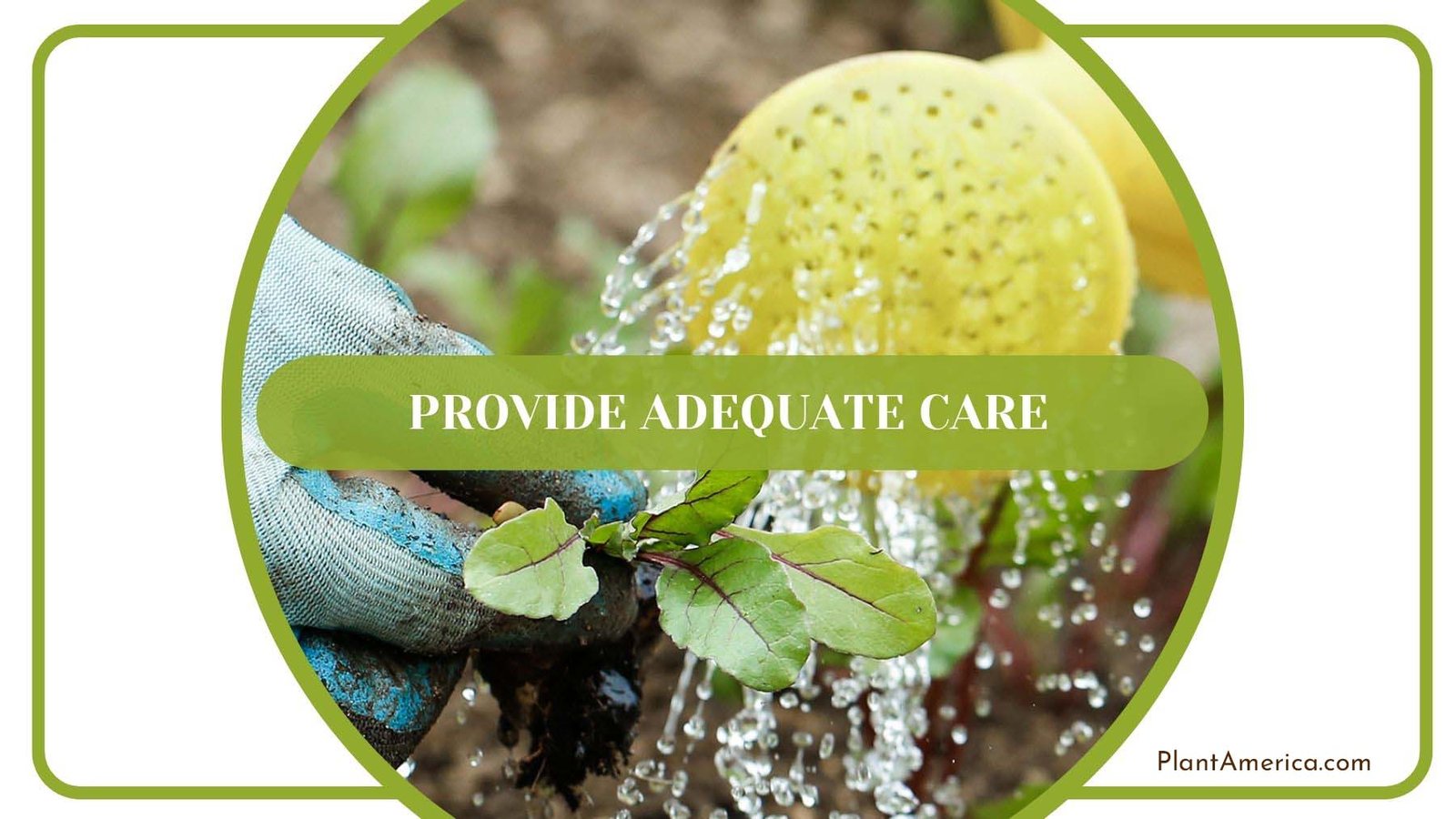
Now, let’s check the leaves for any signs of distress or nutrient deficiencies. Wilting or yellowing might indicate issues, and you can adjust watering or use fertilizer accordingly. Remember to consider your plant species and location.
For seedlings previously indoors or shaded, gradually introduce them to direct sunlight. Begin with a few hours of shade and then slowly increase sun exposure. Protect them with shade cloths or makeshift structures in extreme weather until they grow stronger.
Keep the area weed-free to avoid competition for nutrients and water, but be gentle while weeding to avoid disturbing the roots. Pay attention to temperature conditions and use cloths or mulch to shield seedlings during unusual heat or cold.
Consider using a balanced liquid fertilizer sparingly if your soil lacks essential nutrients. Should your seedlings grow leggy or weak, trim away excessive or unhealthy parts to encourage sturdier growth. To maintain soil moisture and prevent weed growth, add some organic mulch around the seedlings, leaving space around the stem to avoid stem rot.
Conclusion
Let’s wrap things up by taking note of the most important takeaways we’ve covered:
- Transplant seedlings after they have grown their first set of true leaves, even if they’re grown from starting seeds.
- Choose a suitable location with proper sunlight and well-draining soil.
- Be gentle when removing seedlings from their original containers to avoid damage.
- Provide adequate care, including proper watering, monitoring, and gradual exposure to outdoor conditions.
With these techniques, you’ll be transplanting seedlings like a garden guru in no time!