How to transplant an amaryllis involves techniques like undertaking the procedure during the right time, selecting the amaryllis bulbs, cleaning them, preparing the new place to plant them, planting them and watering adequately. Dancing Queen and Rosalie are some of the common Amaryllis varieties.
Growing amaryllis involves choosing healthy disease-free bulbs to transplant. This article will shed more light on how you can transplant amaryllis plants!
How to Best Transplant Amaryllis? Crucial Hints
Amaryllis plants are best transplanted from amaryllis bulbs. Be sure to put in place important considerations like choosing the right time for transplanting the plants. Select the bulb and clean them, before preparing the new place, planting and then watering. You should transplant amaryllis after the dormant phase.
1. Transplant During the Right Time
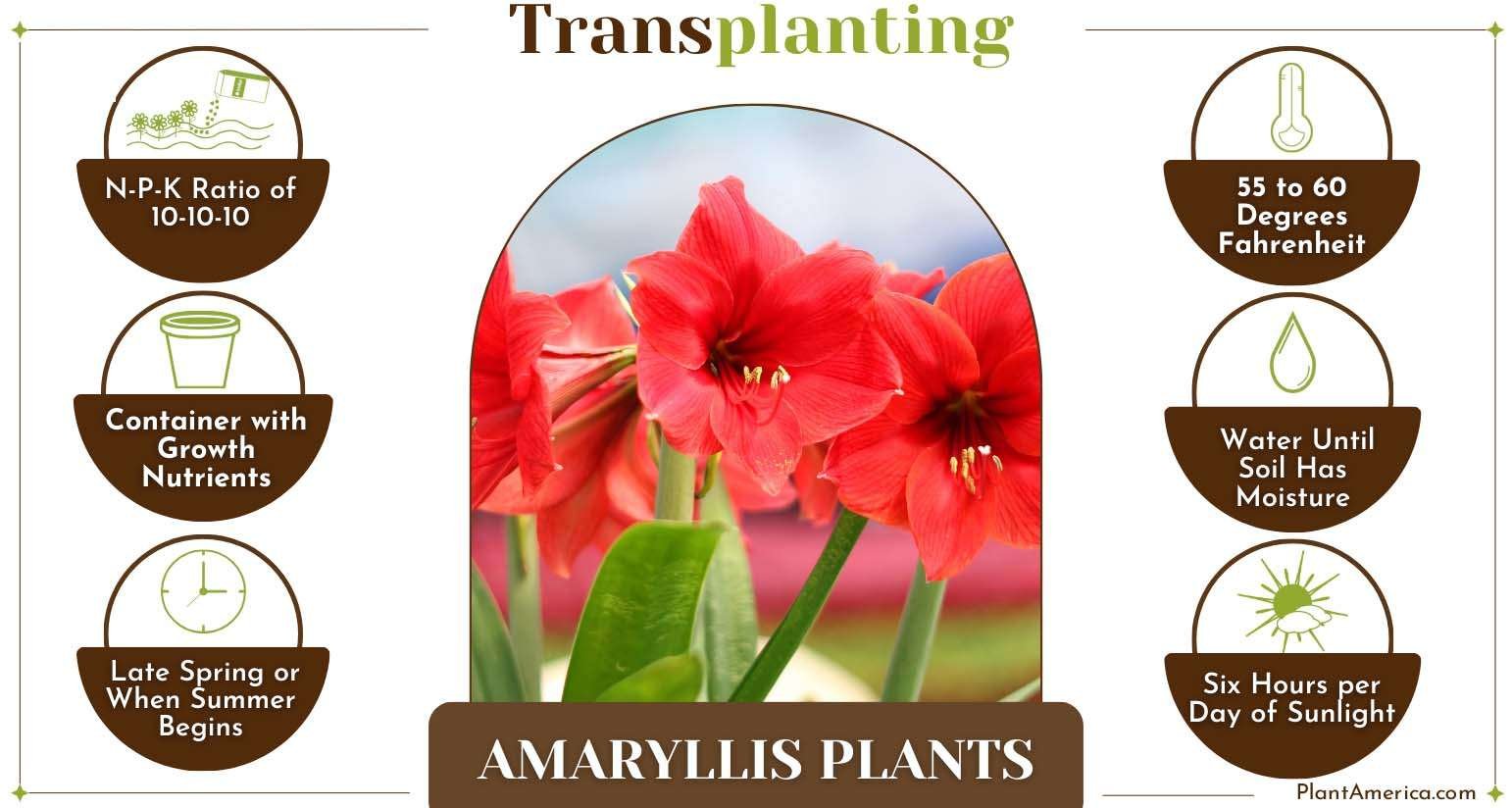
The health and growth of a transplanted Amaryllis plant depend on the time you carry out the process. Ideally, transplant your plant after the dormancy phase in late spring or when summer begins. During this time, the plant is less susceptible to injury and its roots will easily adapt to a new soil environment.
Your Amaryllis plant’s future growth becomes viable and robust if you transplant it at the correct time. The plant will have some time to adapt to its new place, establish itself there, and become comfortable in its new place. You will increase your chances of success and improve the long-term prospects for your Amaryllis plant by adhering to a good planting schedule.
2. Select the Amaryllis Bulbs
Try to select the larger Amaryllis bulbs from the pots when planting Amaryllis. Large amaryllis bulbs have better stores of nutrients and energy so they increase the chances of having a successful propagation session. Look for bulbs that are firm and heavy and avoid the ones that feel light and papery. Poor bulbs tend to affect the plant’s bloom when a plant reaches the flowering stage.
When preparing your bulbs, it is vital to look for ones that are free from disease. Check for signs like soft, black, and dark brown spots on your bulbs. Consider avoiding bulbs that contain visible signs of disease or other types of blemishes. Take time to inspect the roots of the Amaryllis bulb as well, and check for symptoms of rotting – black or brown color. The roots should be a healthy white.
The bulbs with bright green fresh growth are more likely to provide you with excellent results after transplanting them. If the bulbs are older, it might be difficult for them to bloom. An amaryllis bulb has to produce more stalks though this sometimes differs with varieties.
3. Clean Your Amaryllis Bulb
After you have removed any dead or diseased roots by using a clean pair of scissors or pruning shears, proceed by gently cleaning the bulb. Remove any soil or debris that may have accumulated on it. Be sure to handle the bulbs carefully to avoid damaging the sensitive roots, otherwise your plant will find it difficult to recuperate after transplanting it.

Once the bulb is clean, you can allow it to dry for a few hours. This will help to prevent rotting once it is transplanted into the soil. Examining your bulbs can prepare them for proper transplanting and give them the best possible start to their new life in a new soil.
4. Preparing the New Place
The place where you will put your plants should provide the adequate growth nutrients as required. You can dig a hole that is approximately one to two inches deep so that it will accommodate your bulb. Proper depth usually allows efficient growth of your beautiful Amaryllis. I f you are planting it in the garden just make sure that it has the correct soil. If planting in a new container it must be slightly larger than the previous one and must have drainage holes at the bottom.

Make sure your soil for repotting Amaryllis is well-draining, with a pH between 6 and 6.5. You can add perlite, vermiculite, or sand to your soil to improve aeration and drainage capacities. We recommend that you mix your potting soil with compost or manure to enrich it with nutrients. You should put your pots or beds in an area with maximum sunlight.
Amaryllis transplanted seedlings need sunlight for approximately six hours per day. Soak Amaryllis bulbs before planting to help rehydrate them and kick-start the growing process. If you have been wondering when to transplant amaryllis in Florida, consider doing so in the early days of spring or after the plant’s blooming period has passed.
5. Planting
Your pots should have drainage holes that are at least six inches in diameter to ensure that the amaryllis bulb does not sit in water. Add the potting mix to the pot until it is about two-thirds full, then poke a small hole in the middle. Plant Amaryllis bulbs with the pointy end up, with about two-thirds of the bulb buried in the soil.
Before you put your fertilizer, try to again, place your transplanting bulbs with the pointed end facing up, six inches under the soil. To get rid of any pockets of air, firmly press the soil against the bulb.
Regardless of whether you are planting amaryllis bulbs in a pot or garden bed, be mindful of the depth at which you are planting them. Planting them too deep might inhibit flowering. Planting them too shallow can cause them to dry out or become waterlogged.
6. Watering
After you have just transplanted your Amaryllis, make sure you follow good plant care procedures as usual. Water your newly transplanted plants until your soil has adequate moisture. You should also allow the excess water to drain completely. Amaryllis like moist but not waterlogged soil, so make sure you do not overwater it.
The top inch of the soil should feel dry to the touch before you water your newly transplanted Amaryllis a second time. Amaryllis are South American natives and they favor conditions that tend to be a little bit on the humid side. You might add humidity to the container by putting a tray of stones and water underneath it. Make sure the pot is not in contact with the water as it will suck it up.
Once the bulbs have formed roots, Amaryllis maintenance is required. The optimum environment for amaryllis growth is outdoors, where they thrive relatively well. You can grow Amaryllis outdoors. Repotting your Amaryllis often occurs three to four years after you notice that its flowers are being harmed by overcrowding.
How to Help Initiate Blooming of Amaryllis After Transplant?
In late summer, bring your amaryllis inside and place it in a sunny spot. Stop watering and feeding. The leaves, flowers, and stems will begin to fade. Once they have yellowed, cut them off and move the plant to a cool, dark place with temperatures between 55-60 degrees.
Good places include a cellar, unheated garage, attic, shed or even a big refrigerator. If the weather allows you can also chill them outdoors. Amaryllis needs eight weeks of chilling time in an approximate 55 degrees Fahrenheit temperature. You only need to chill bulbs that you have had for a few years.