
How to transplant moss is something some plant owners worry about. Moss is a non-flowered and seedless plant, and the growing of moss is effortless. This plant of the Bryophytes division is eco-friendly and plays a vital role in reducing air pollution.
Mosses are easy to grow in areas where other plants struggle to grow. In this guide, we will discuss how to transplant moss in a short time successfully.
What Are the Steps to Transplanting Moss Successfully?
The steps to transplanting moss successfully in your garden or landscape depend on location, timing, soil preparation, regular maintenance, watering, etc. Remember, different species of moss have different transplanting requirements. Transplanting moss is an excellent activity to keep the environment clean and healthy.
It is a rewarding and sure shot way to add beauty to your landscape. We will discuss every essential step individually and fill a garden with this ecstatic plant.
1. Required Material
Different tools are required for planting it, such as a pitchfork, Rake, Hose, and sprinkle garden hose and towel. These tools will make your work easy and perfect; be careful when you use these tools.

Regarding materials, you will need pH test strips, Moss pieces, landscaping pins, and spray bottles.
2. Time for Moss Transplantation
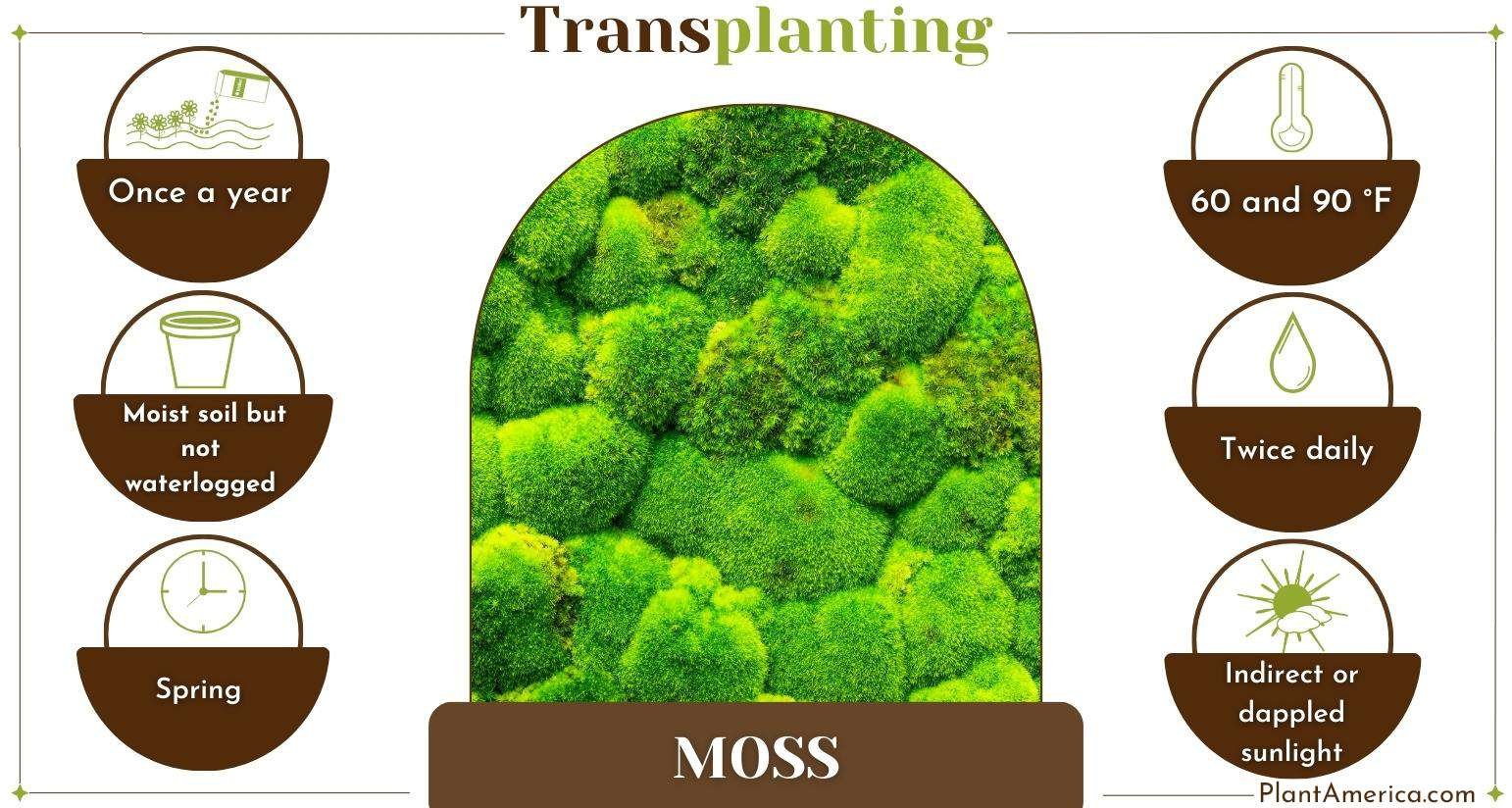
Mid-spring is the ideal time to plant moss in your ecstatic garden. This timing allows moss to show exceptional growth without any delay. Transplanting moss during spring promises luscious blooms in summer. It is when roots settle and grow without extra stress or excessive heat.
3. Find Perfect Location
Location matters a lot while planting it. They prefer an area with indirect or dappled sunlight. In addition, moss also thrives in the humidity and moisture area. Always select a suitable location if you want to grow your plants properly.

Moss has different species, and every species has additional requirements. Before choosing the location, find a suitable moss for your garden. It will help you understand what location is best for your plants.
4. Gather the Moss
You can collect moss from your backyard. If it is unavailable there, you can buy it from a gardening store. Thousands of moss varieties are available in the market, so always select according to your needs and desires.
If you are taking moss from public land, then always get permission from local authorities because picking moss illegally is not a good thing, so get permission before harvesting. It’s essential to obtain legal permission from officials.
5. Examine the Soil Conditions
Moss can be grown in various types of soils, but generally, they are ecstatic to grow in acidic and well-drained soil. A soil pH test is essential when you want to transplant moss. If the result is too high, you should add sulfur or peat moss to adjust it.

In addition, always check the soil’s moisture level because mosses require consistently moist soil but not waterlogged condition. Ensure the site where you want to transplant the moss receives adequate moisture. Proper drainage is essential to prevent root rot.
6. Prepare the Soil
Moss does not have real roots like other plants. It attaches to the substrate, such as rocks, soil, and other surfaces. Clean the area properly and remove all kinds of weeds and debris from the surface. If you plan to transplant moss on earth, ensure it is well drained and free from all types of waste.
7. Wet the Planting Area
Wet the planting area properly for growing moss; use a spray bottle or gardening hose. Moss prefers to grow in moisturized places, so wet the planting area before planting moss. Allow water to soak in for 30 to 45 minutes until the soil is moist, but standing water should not exist.
8. Lay the Moss
Lay your transplanted moss or sheets onto the soil and press them with gentle hands. These plants are very delicate. By pressing hard, it can be damaged. In addition, you can use the flat board or hand to planting moss.
9. Water the Laying Moss
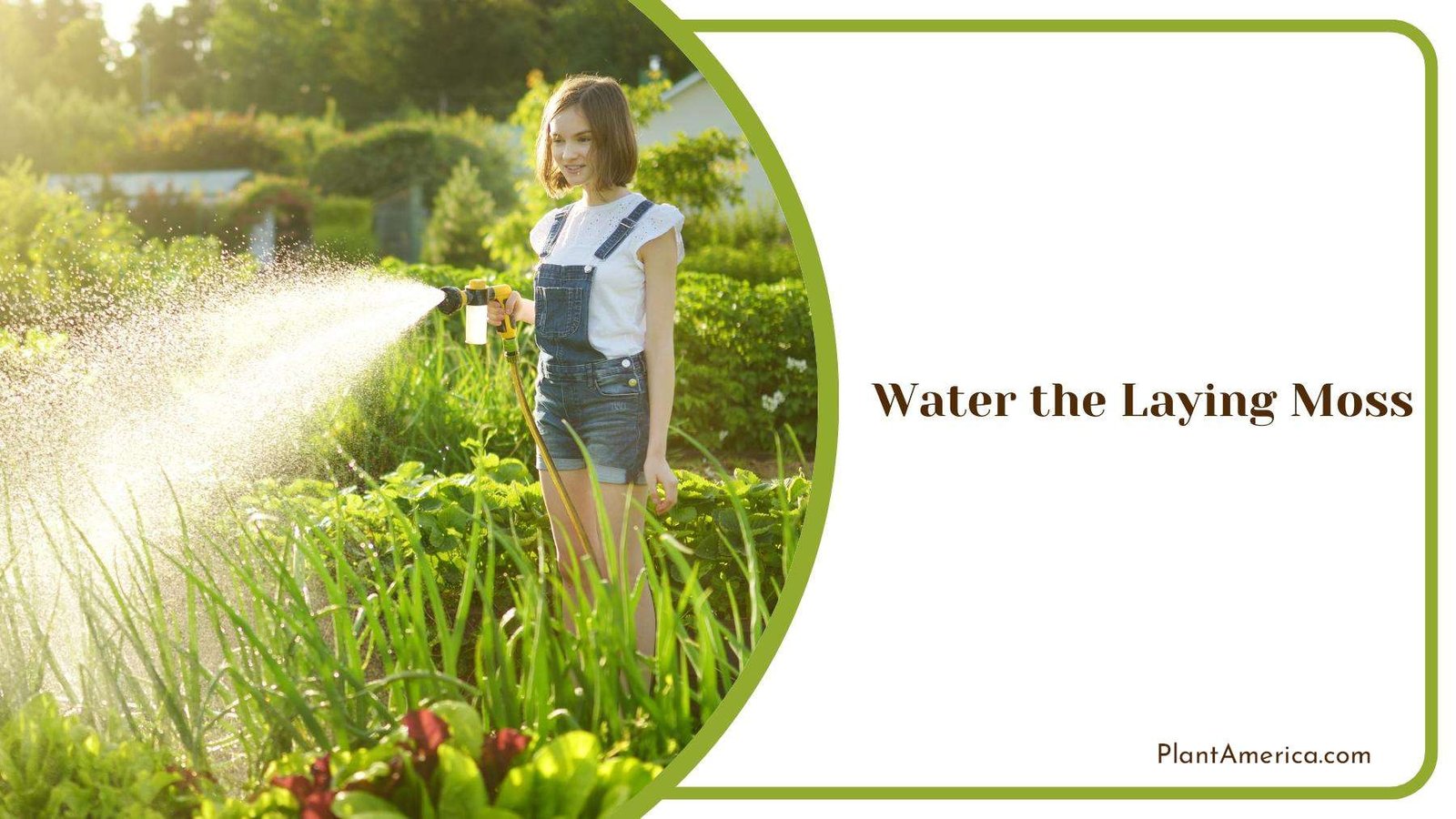
Keep your newly transplanted moss mist for at least the first few months until it has fully established, but avoid over-watering that can lead to rot. In sweltering weather conditions, you may need to water moss twice daily.
10. Limit Foot Traffic
Moss is very delicate and cannot survive in heavy foot traffic. So, avoid walking in a moss-covered area to keep it healthy. Once it is established, you can walk. If you walk too much on these delicate plants, they will wilt and eventually die if left unchecked. So, it is essential to remember these tiny things when you transplant moss into your landscape.
11. Regular Maintenance
If you want to propagate moss, then proper maintenance is vital. In the first few weeks, you must visit the garden and check everything is going well. If you notice anything, consult a proper gardener to fix your issues.
12. Fertilizing
Most species of mosses do not need fertilization because they obtain nutrients from the air. Once a year, moss requires fertilization, but according to experts’ recommendations, you can fertilize your plant because over-fertilization is difficult for plants’ health.
Moss is an essential plant in many ecosystems, vital to soil stabilization and water retention. So, we must protect these eco-friendly plants from all kinds of damage. That’s why we don’t over-fertilize them.
13. Patience
Moss will not give you results in a week because they take time to establish and propagate. It should cover the area and create a lush, green carpet. If you give them proper time and monitor their overall progress, give them fresh water as needed.

So, the moss will start growing in 3 weeks. If you don’t see any growth now, don’t panic. After some time, you will be amazed by moss transplanting.
14. Pruning and Thinning
It benefits sphagnum moss in many situations, particularly in gardening and landscape. Moss is a delicate, non-flowered plant, so always touch them nicely and use the proper tools for pruning and thinning.
The best time to do this is when the plant grows actively because it will help it grow quickly and healthily. In addition, dispose of the waste adequately, such as damaged leaves, weeds, etc. Pruning allows you to maintain the moss’s health and appearance while preventing it from overwhelming the surrounding landscape.
15. Mulch and Ground Cover
The mulch layer plays a vital role in moss growth. It assists to retain moisture in the soil by reducing evaporation. It helps moss to thrive in the moist conditions. In addition, mulch helps to maintain the soil temperature and keep it more relaxed in hot and warm conditions because moss prefers to grow in cooler temperatures.
Another significant advantage of mulch is it prevents our beautiful little mosses from weeds and other pests. Mulch has a thick layer, so pests and weeds cannot enter into this layer. Keep an eye on the moss in the mulched area. If you notice anything wrong, adjust your mulch and water accordingly.
16. Pest Control
If you want to keep your moss garden healthy for a long time, then pest control is essential. Different aphids and pests damage the plant’s roots and stems and can cause root rot.

If you notice them, you can use these actions: Handpick pests when you see them, use natural predators such as ladybugs, and Apply organic insecticidal soap or neem oil if necessary.
We have mentioned some remedies to protect moss plants from pests and weed attacks. So, if you notice any problems, you can use them to protect your plants. You can consult with a professional gardener to correctly use these remedies.
Conclusion
Moss is a plant that can add a stunning look to your garden or landscape. Growing moss is effortless, and the results are aesthetic.
- Choose the ideal location to transplant it and perform some soil tests to check the soil condition.
- Place the moss nicely because they are very delicate. Hold them from the bottom. You can use a flat board if you don’t know how to save.
- Last, give them fresh water, the right soil, and light requirements, and keep an eye on it. Monitoring their daily progress will keep them maintained.
It’s time to make your garden aesthetic by following these instructions. Implement all these steps and get amazing results.