
Types of cedar trees offer a wide variety of options for homeowners and landscapers seeking to incorporate the benefits of these evergreen conifers into their properties. Their varying characteristics related to foliage texture, branching habit, and growth rate make different cedar types suitable for different landscape needs.

This article covers over 12 distinct cedar types to suit any respective property, which includes, species that are in tall columnar forms like deodar and atlas, medium-sized spreading types like eastern red and western red, and compact shrubs like hiba and Christmas.
For each cedar, key details are provided on size at maturity to match available space, appearance attributes such as foliage color and texture, growth rate factoring maintenance needs, hardiness zones where the cedar thrives best, and special traits highlighting fruit, fragrance, or fall color.
Types of Cedar Trees to Consider for Your Landscape
1. Western Red Cedar

| Growing Season |
|
| Leaf Shape |
|
| Specific Needs |
|
| Common Pests |
|
Western red cedar is a towering evergreen native to western North America. Reaching heights over 150 feet, its flat red needles, stringy brown bark, and strongly scented wood make it a striking addition to any landscape.
These trees grow best in cooler climates where precipitation is abundant and consistent moisture is present in the soil. indigenous peoples of the Pacific Northwest have utilized western red cedar’s rot-resistant, aromatic wood for a variety of purposes, including totem poles, masks, decorative carvings, baskets, and finely crafted cedar chests due to its natural fragrance that repels insects.
2. Eastern White Cedar
| Growing Season |
|
| Leaf Shape |
|
| Specific Needs |
|
| Common Pests |
|
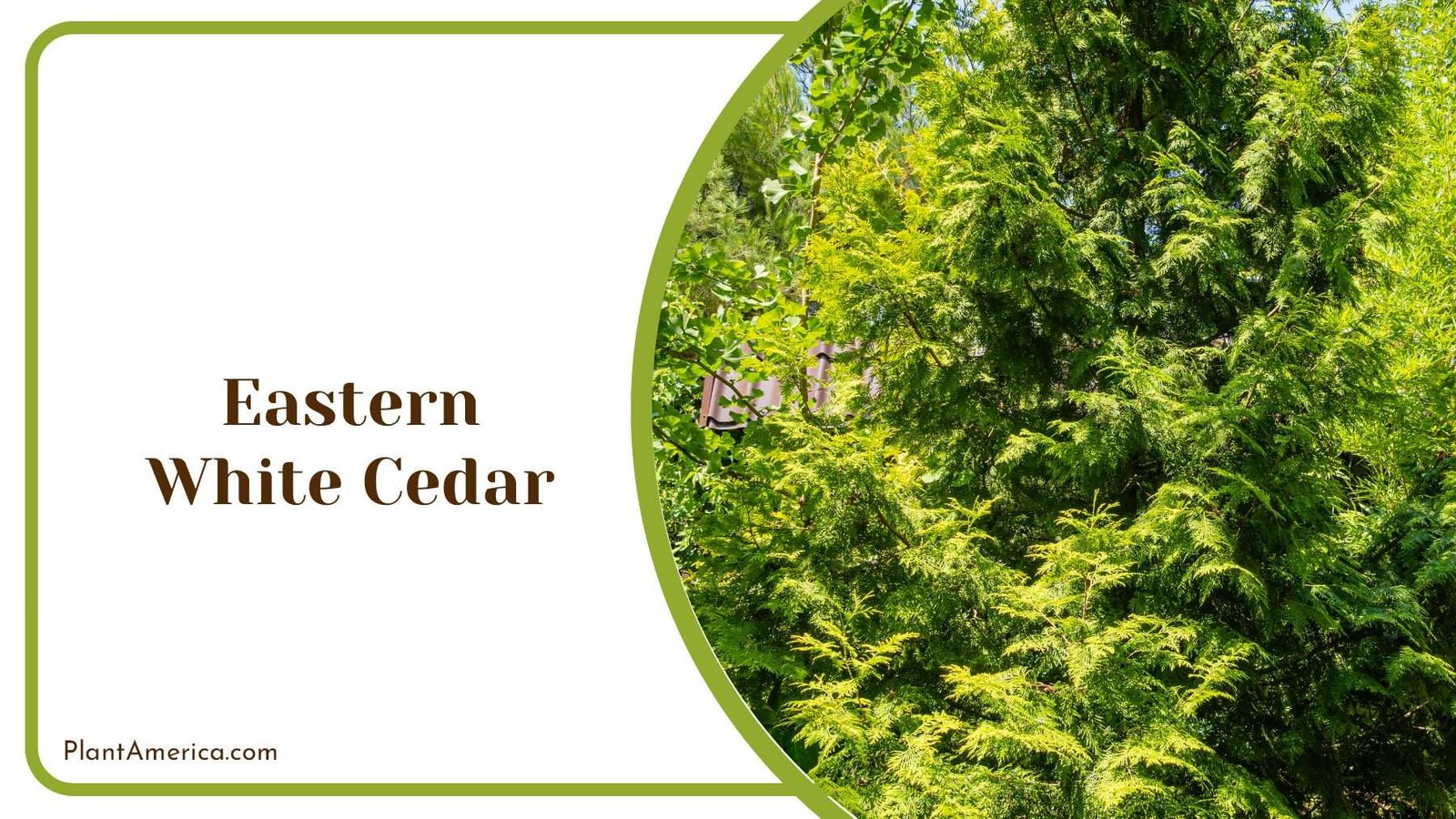
Eastern white cedar is a small to medium-sized evergreen tree native to eastern North America. Typically growing between 30 to 100 feet in height when mature, it is commonly grown as an ornamental plant for its decorative scale-like gray-green leaves and fragrant branches filled with cedar-scented foliage. This hardy tree thrives in full sun to partial shade and requires well-drained, acidic soil rich in organic material.
When left unmanaged, bagworm infestations caused by the larvae of the bagworm moth can cause excess defoliation and stunt the growth of eastern white cedar trees. For centuries, Native American tribes have utilized various parts of the eastern white cedar, including its fibrous bark and needles, for teas, medicines, herbal remedies, and ceremonial purposes. The aromatic, reddish-brown wood of the tree is resistant to rot and insect damage making it a desirable material for outdoor items like fence posts, outdoor furniture, outdoor buildings, siding, and cabinetry due to its durability and natural insect-repelling properties.
3. Atlantic White Cedar
| Growing Season |
|
| Leaf Shape |
|
| Specific Needs |
|
| Common Pests |
|
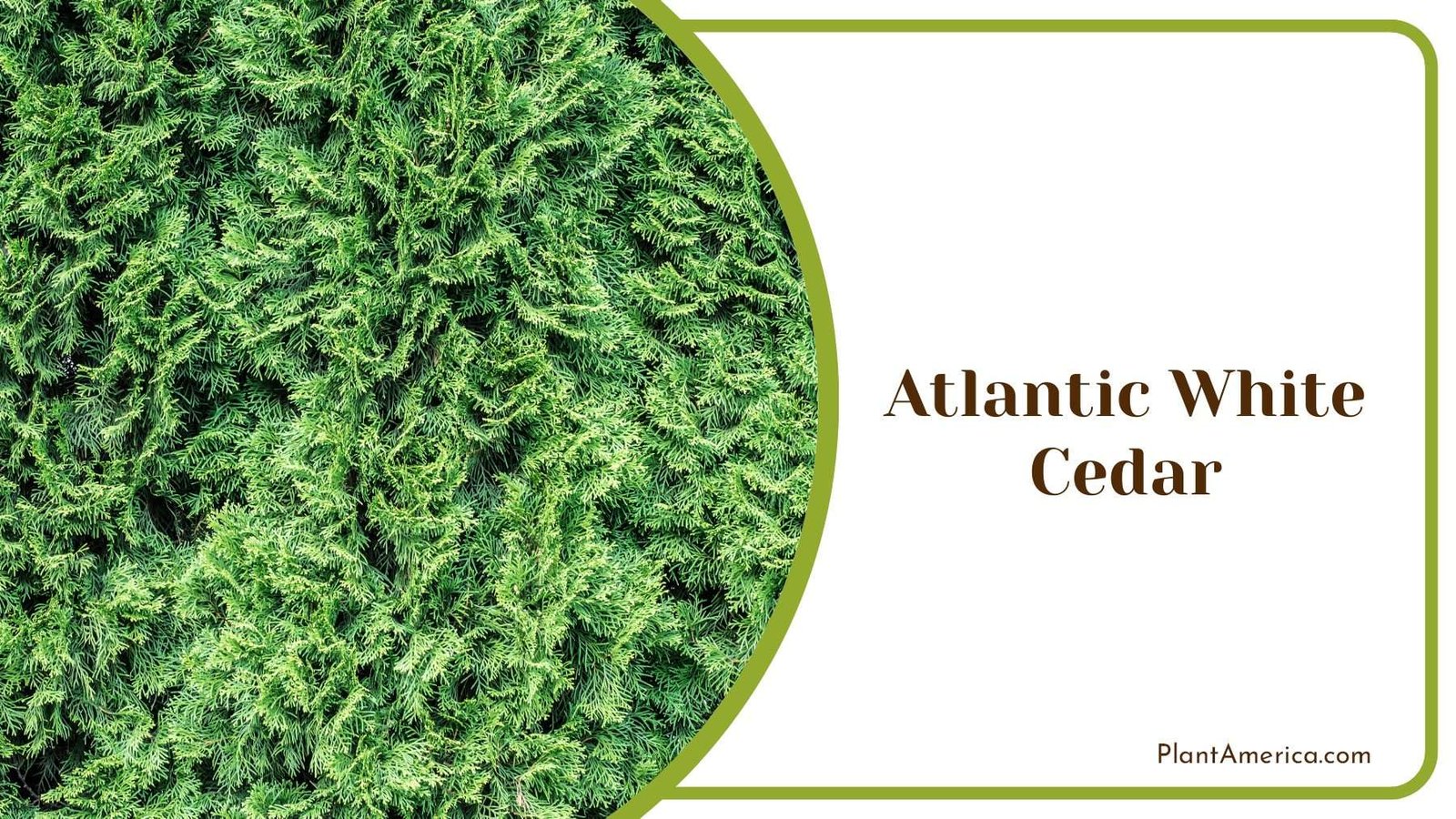
Atlantic white cedar is a medium-sized evergreen tree that typically grows between 30 to 50 feet in height when mature. Native to the southeastern United States, this unique species of cedar favors wet, boggy conditions that mimic its natural habitat in swamps and wetlands along the Atlantic Coast. The dense foliage consists of overlapping, linear scale-like leaves that are a bluish-green color and emits a pleasant aromatic scent when crushed.
To thrive and prosper, Atlantic white cedar trees require consistently moist, highly acidic soil that is rich in organic material and regular moisture from either rainfall, flooding, or irrigation. When left unmanaged, infestations of bagworms caused by the larvae of the bagworm moth can cause severe defoliation and negatively impact the health of Atlantic white cedar trees.
The light pinkish-brown wood of the Atlantic white cedar is resistant to rot, making it suitable for uses like shingles, posts, pallets, and outdoor furniture. In the past, Atlantic white cedar groves once covered vast coastal areas of the southeast providing critical habitat for myriad wildlife species, including birds, small mammals, and numerous insect species that relied on this unique ecosystem for survival.
4. Deodar Cedar
| Growing Season |
|
| Leaf Shape |
|
| Specific Needs |
|
| Common Pests |
|
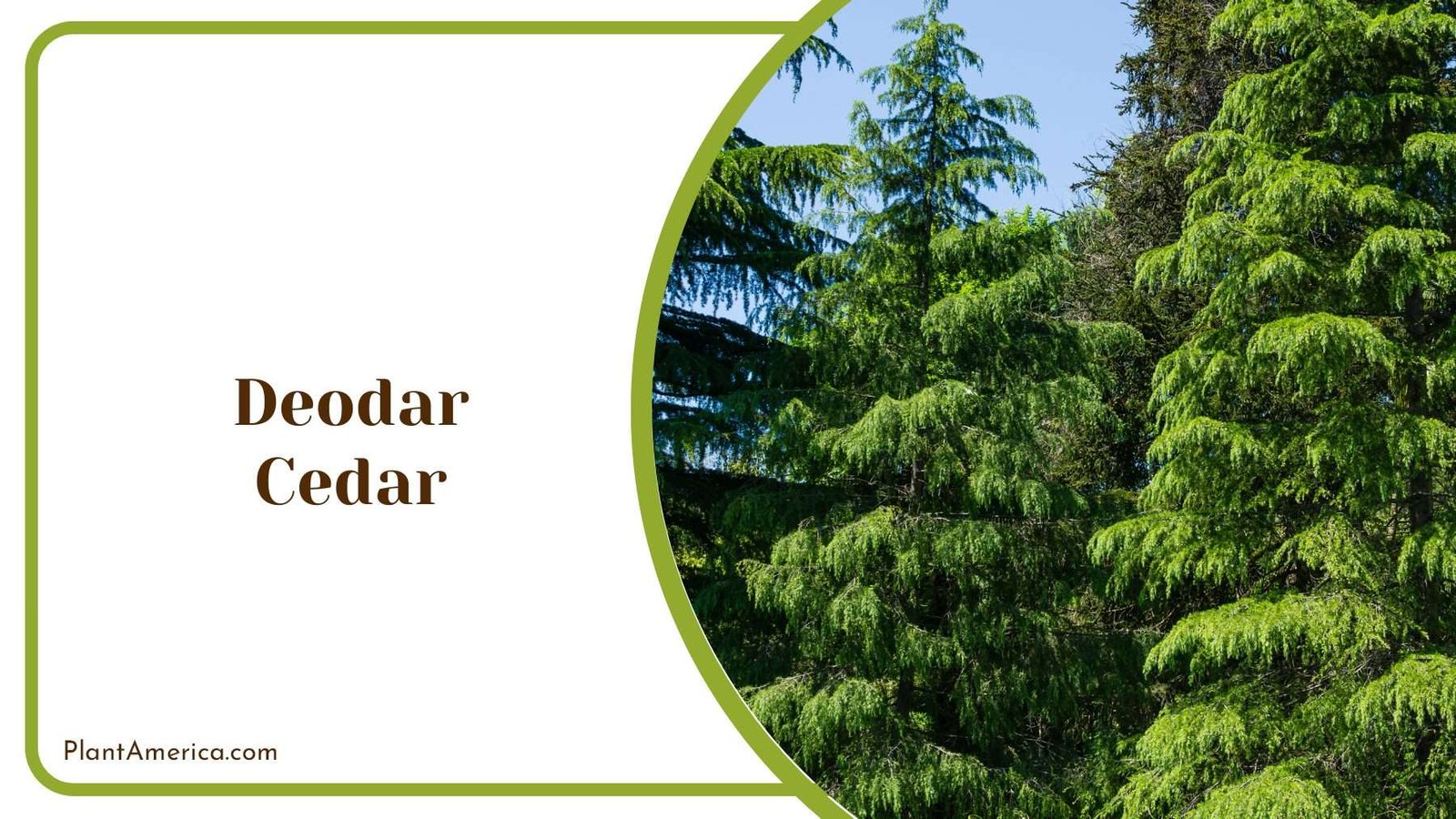
Deodar cedar is an evergreen conifer native to the eastern Himalayan mountain range of western Asia. When mature, deodar cedar trees can grow upwards of 120 feet tall, featuring soft blue-green needles and tightly whorled branch patterns that give them a majestic and stately appearance.
This striking species of cedar thrives when planted in locations that provide full sun exposure and receive regular moisture from either rainfall or irrigation, along with well-draining soil conditions that allow for good water permeability.
Mealybugs, small, scale-like insects, can colonize the twigs and bases of deodar cedar needles causing harm by consuming sap and weakening the growth of new shoots. The durable and naturally rot-resistant wood of deodar cedar is highly valued for uses like construction, cabinetry, wood carvings, and furniture making due to its ability to retain shape and withstand elements over time.
The fragrant foliage of deodar cedar releases a pleasant and slightly resinous scent when crushed underfoot, evoking images of its native Himalayan habitat. Large deodar cedar trees planted as specimen accent trees can provide a majestic, tall evergreen presence within landscapes and gardens.
5. Incense Cedar
| Growing Season |
|
| Leaf Shape |
|
| Specific Needs |
|
| Common Pests |
|
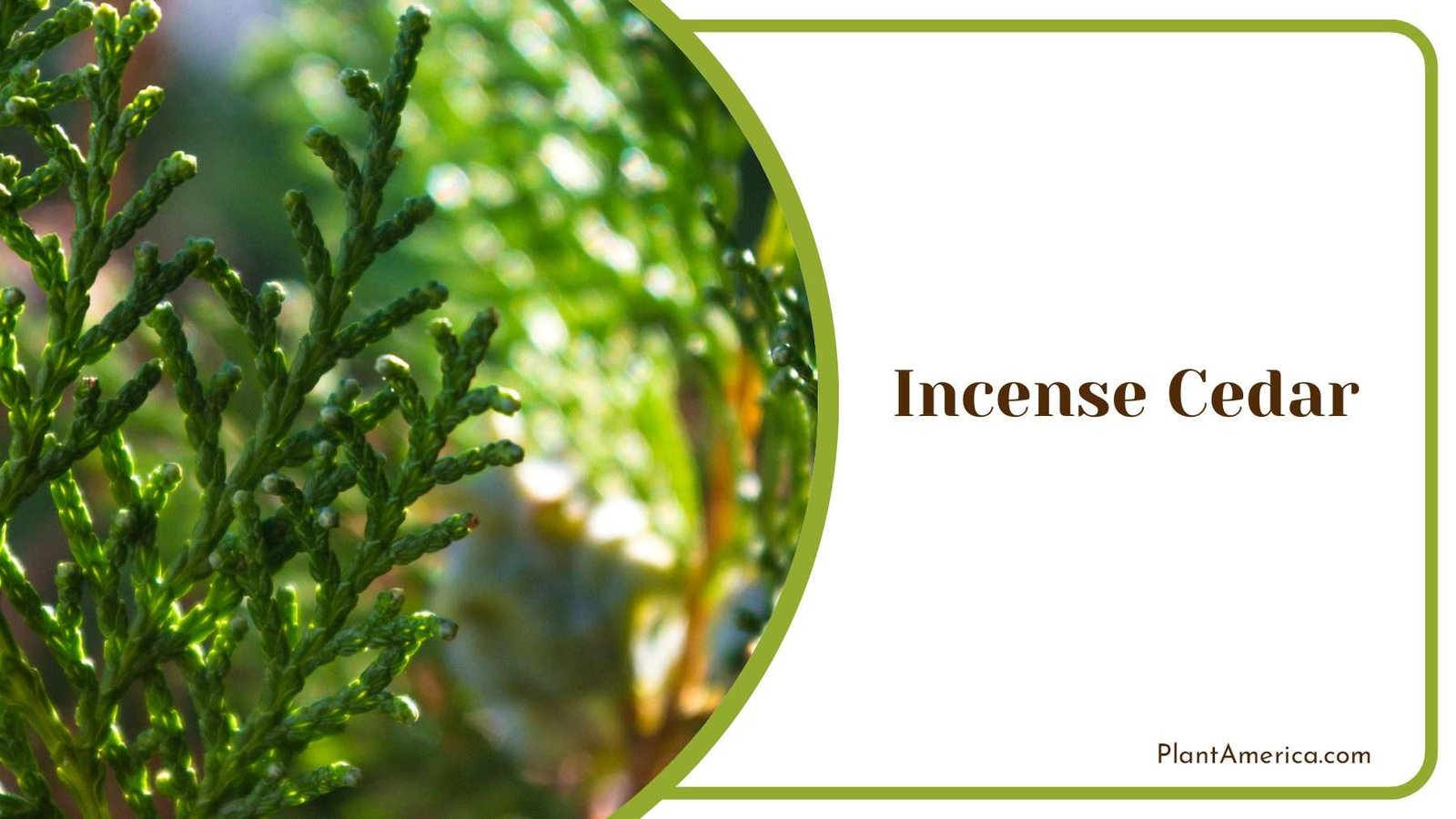
Incense cedar is an attractive and straight-trunked species of evergreen conifer that is native to western North America ranging from southern Oregon down to central Mexico. When mature, incense cedar trees can reach heights upwards of 150 feet tall featuring distinctive blue-green scale-like foliage and fibrous reddish-brown bark that peels away from the trunk in long strips exposing the younger orangish-brown bark underneath.
When young, incense cedar trees grow relatively quickly in size requiring full sun exposure and well-draining soil conditions for optimal growth and development.
However, once established, incense cedars are fairly low-maintenance evergreens requiring minimal upkeep. The wood of incense cedar is notably resistant to insect damage and decay, making it a desirable material for uses like exterior construction, outdoor decking, outdoor fencing, and outdoor furniture due to its ability to withstand exposure to the elements over time.
When burned, incense cedar wood produces an aromatic yet pleasantly smokey fragrance similar in scent to a forest after rainfall. As a pest-resistant and low-allergen tree species, incense cedar makes for an attractive and hardy choice for landscaping when planted as single specimen trees or in groves to provide a towering vertical presence within the landscape.
6. Cyprus Cedar
| Growing Season |
|
| Leaf Shape |
|
| Specific Needs |
|
| Common Pests |
|
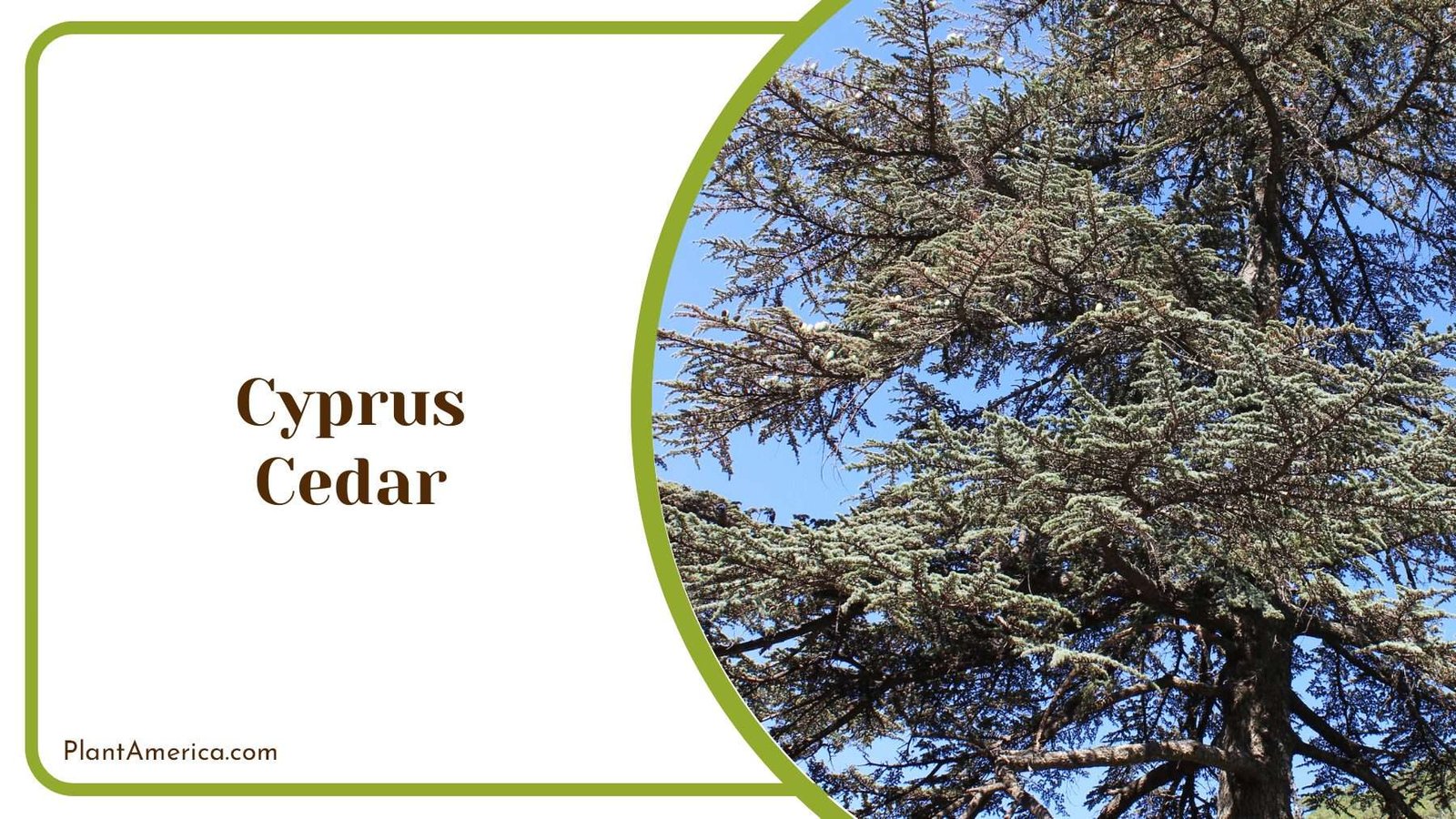
Cyprus cedar is a medium-sized evergreen conifer native to the Eastern Mediterranean region ranging from Cyprus to Southern Turkey and Lebanon. When mature, Cyprus cedar trees typically reach heights between 30 to 50 feet, featuring dusty gray-green linear scale-like foliage and peeling reddish-brown bark that flakes away from the trunk in thin layers.
This adaptable species of cedar thrives when planted in locations that provide full sun exposure and well-draining soils with moderate watering, especially when young. Once established, Cyprus cedar trees can tolerate poor soil conditions and alkaline soils with higher pH levels. Cypress scale insects, tiny sap-sucking bugs, can colonize the branches of Cyprus cedar trees in large numbers secreting sticky honeydew that coats the foliage and weakens new growth.
The durable and naturally rot-resistant wood of Cyprus cedar has been utilized and prized for millennia for architecture, shipbuilding, furniture, and woodworking due to its ability to retain shape and strength over time when exposed to elements. Planting Cypress cedar trees can provide an elegant evergreen presence within the landscape that evokes the beautiful Mediterranean region where this species originated.
7. Alaska Cedar
| Growing Season |
|
| Leaf Shape |
|
| Specific Needs |
|
| Common Pests |
|
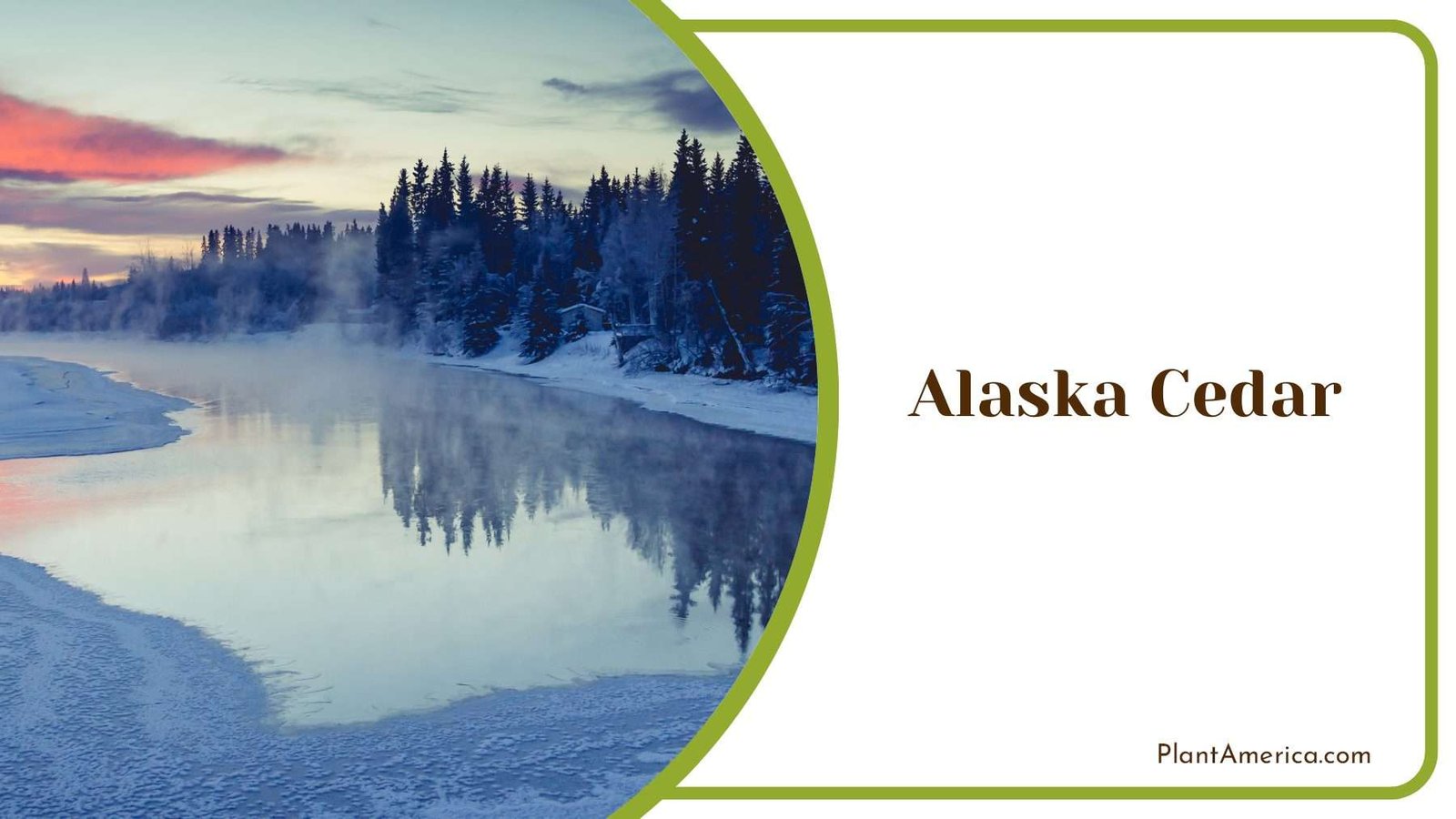
Alaska cedar is an attractive and pyramidal-shaped evergreen conifer native to Alaska, western Canada, and the Pacific Northwest region of North America. When mature, Alaska cedar trees typically grow between 50 to 80 feet tall, featuring distinctive dark reddish-brown bark, scale-like gray-green needle-like foliage, and pendulous branch habits that curve downward.
This cold hardy species of cedar prefers growing conditions that include consistently moist, acidic soil rich in organic material and partial shade from other trees. Western cedar borer beetles, that bore into the trunks of Alaska cedar trees, can eventually girdle and kill them if left uncontrolled.
The durable, fragrant, and naturally rot-resistant wood of Alaska cedar has been valued for centuries by indigenous peoples like Native Alaskan tribes, who have utilized it extensively for items like totem poles, canoes, wooden utensils, masks, and artwork due to its ability to withstand exposure to the elements over time.
Planting Alaska cedar trees can provide an elegant evergreen accent within the landscape that can endure harsh northern climates conditions while also offering habitat and cover for wildlife.
8. Northern White Cedar
| Growing Season |
|
| Leaf Shape |
|
| Specific Needs |
|
| Common Pests |
|
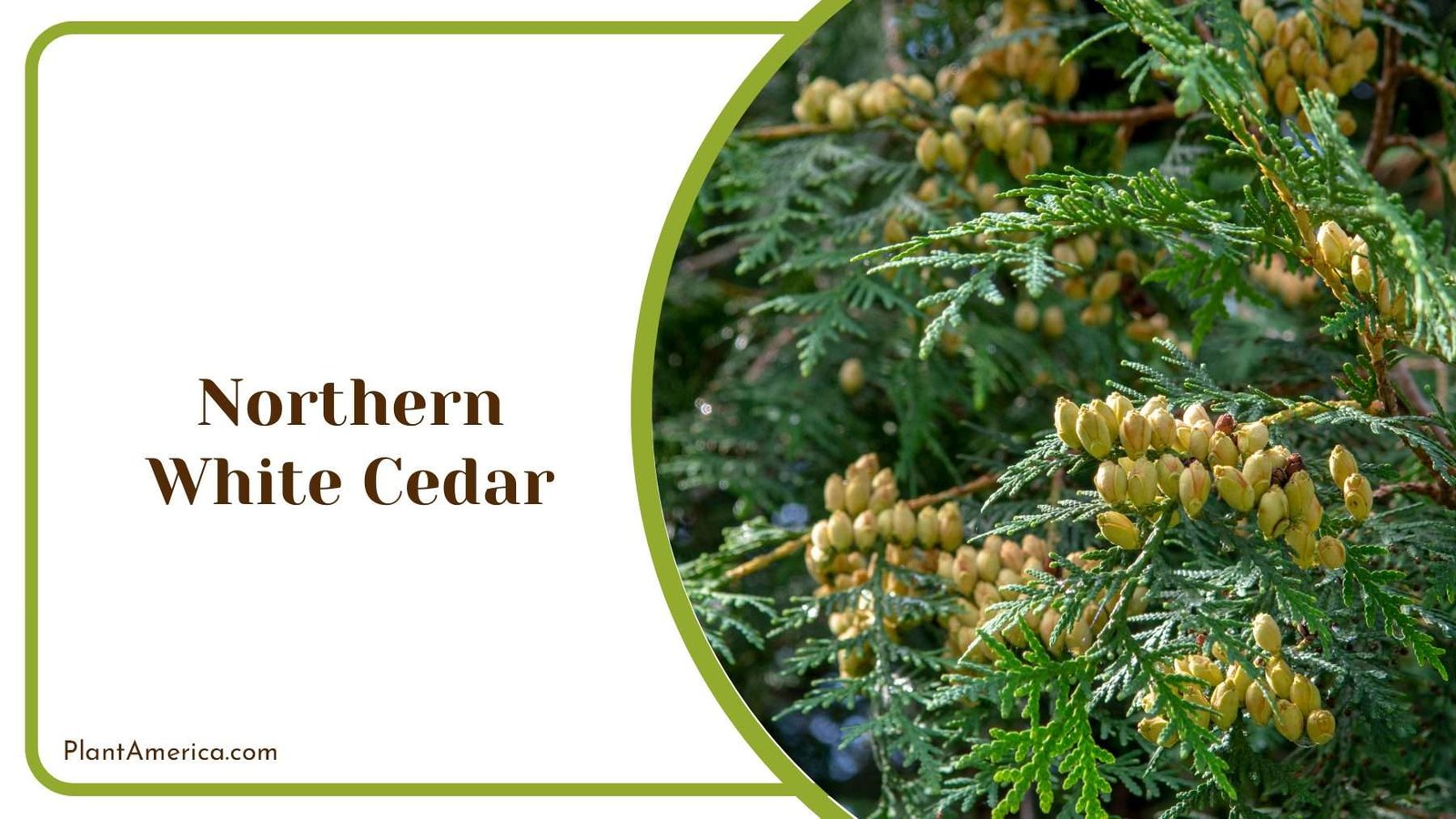
Northern white cedar is a medium-sized evergreen tree native to northern parts of North America ranging from the Great Lakes region to the Maritime provinces of Canada. When mature, northern white cedar trees typically grow between 60 to 80 feet tall, featuring flat scale-like blue-green leaves, reddish-brown fibrous bark that flakes away in long strips revealing orangish inner bark, and a distinctive pyramidal to oval-shaped crown.
This adaptive tree species thrive when planted in locations that provide partial shade and access to consistently moist soil conditions but can also tolerate periods of drought once established. Bagworm infestations caused by the larvae of the bagworm moth can heavily defoliate and damage northern white cedar trees if left unmanaged.
The naturally rot-resistant light brown color wood of northern white cedar is valued for various applications and uses, including shakes and shingles for roofing, fencing, outdoor furniture, woodenware, and boatbuilding due to its durability and ability to withstand weathering over time when exposed to the elements.
Planting northern white cedar trees can provide seasonal fragrant foliage, cover, and habitat for wildlife species while also offering greenery, privacy screening, and visual buffering within the landscape.
9. Port Orford Cedar
| Growing Season |
|
| Leaf Shape |
|
| Specific Needs |
|
| Common Pests |
|
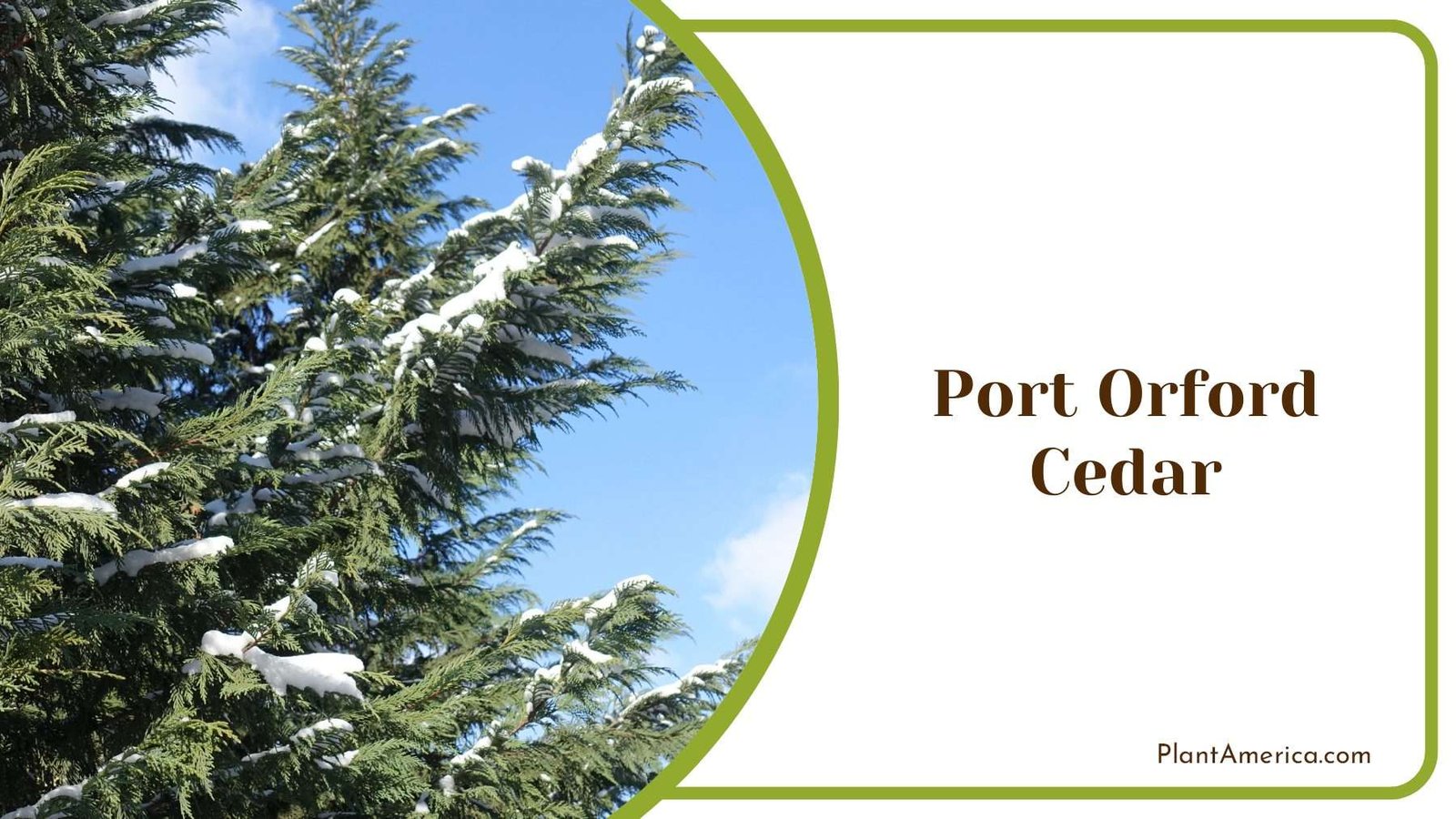
Port Orford cedar is an attractive species of evergreen conifer native to the mountainous regions of southwestern Oregon along the Pacific Coast. When mature, port Orford cedar trees typically grow between 80 to 100 feet tall, featuring thin, bluish awl-like needles and a distinctive branching pattern of tight horizontal whorls. This slow-growing tree species of cedar prefers cooler, humid climates and requires evenly moist, acidic soil rich in organic material to thrive and prosper.
Root rot fungi can attack the roots of Port Orford cedar trees weakened by factors like drought, injuries, or root disturbances, eventually killing the trees. The naturally rot-resistant and pest-resistant red-brown color wood of Port Orford cedar is valued for various applications and uses, including shakes and shingles for roofing, poles, interior paneling, and decorative carvings due to its durability and ability to resist decay when exposed to moisture over time.
Planting port Orford cedar trees as specimen accent plants within the landscape can provide an elegant vertical evergreen presence reminiscent of sculptural forms showcasing their symmetrical branching structures and exposed branch patterns that often form naturally.
10. Atlas Cedar
| Growing Season |
|
| Leaf Shape |
|
| Specific Needs |
|
| Common Pests |
|
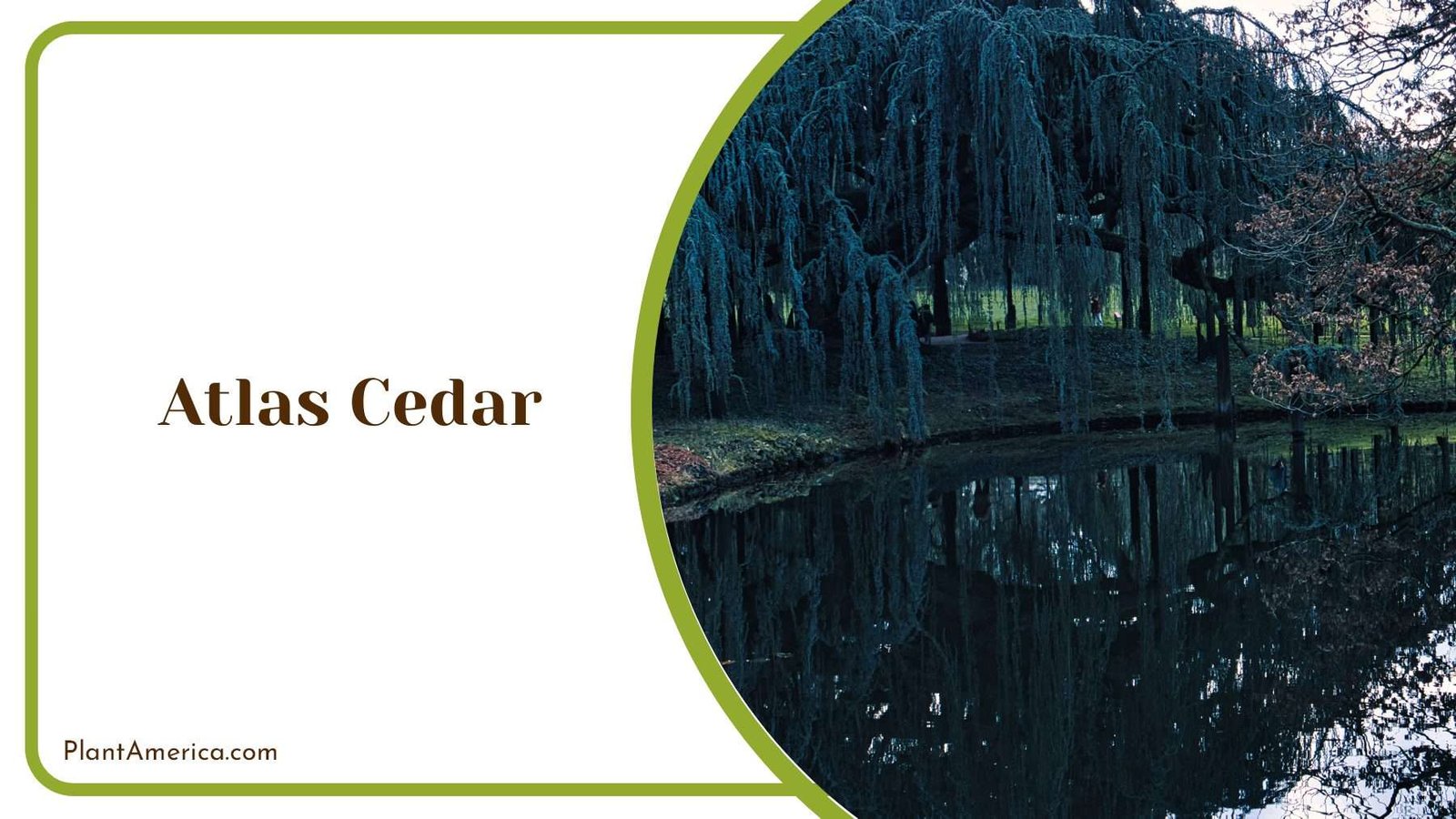
Atlas cedar is an attractive species of evergreen conifer native to the Middle Atlas and High Atlas mountain ranges of Morocco and Algeria in North Africa. When mature, atlas cedar trees typically grow between 60 to 80 feet tall, featuring soft blue-green awl-shaped needles and reddish-brown fissured bark that cracks and splits into irregular plates as the tree ages.
This slow-growing tree species of cedar prefers cooler, humid climates and requires evenly moist, slightly acidic soil rich in organic material to thrive. Atlas cedar trees are resistant to most common pests and diseases affecting other species of cedars due to natural compounds present in their foliage and wood.
The aromatic reddish-brown wood of atlas cedar is naturally rot-resistant, making it a suitable material for uses like external constructions, boatbuilding, cabinetry, and woodworking due to its ability to withstand exposure to the outdoor environment for prolonged periods of time. Planting atlas cedar trees as tall, slender specimen accent plants within the landscape can provide an evergreen presence with rich texture and an exotic appeal that evokes its native North African origin high in the Atlas Mountains.
11. Japanese Cedar
| Growing Season |
|
| Leaf Shape |
|
| Specific Needs |
|
| Common Pests |
|
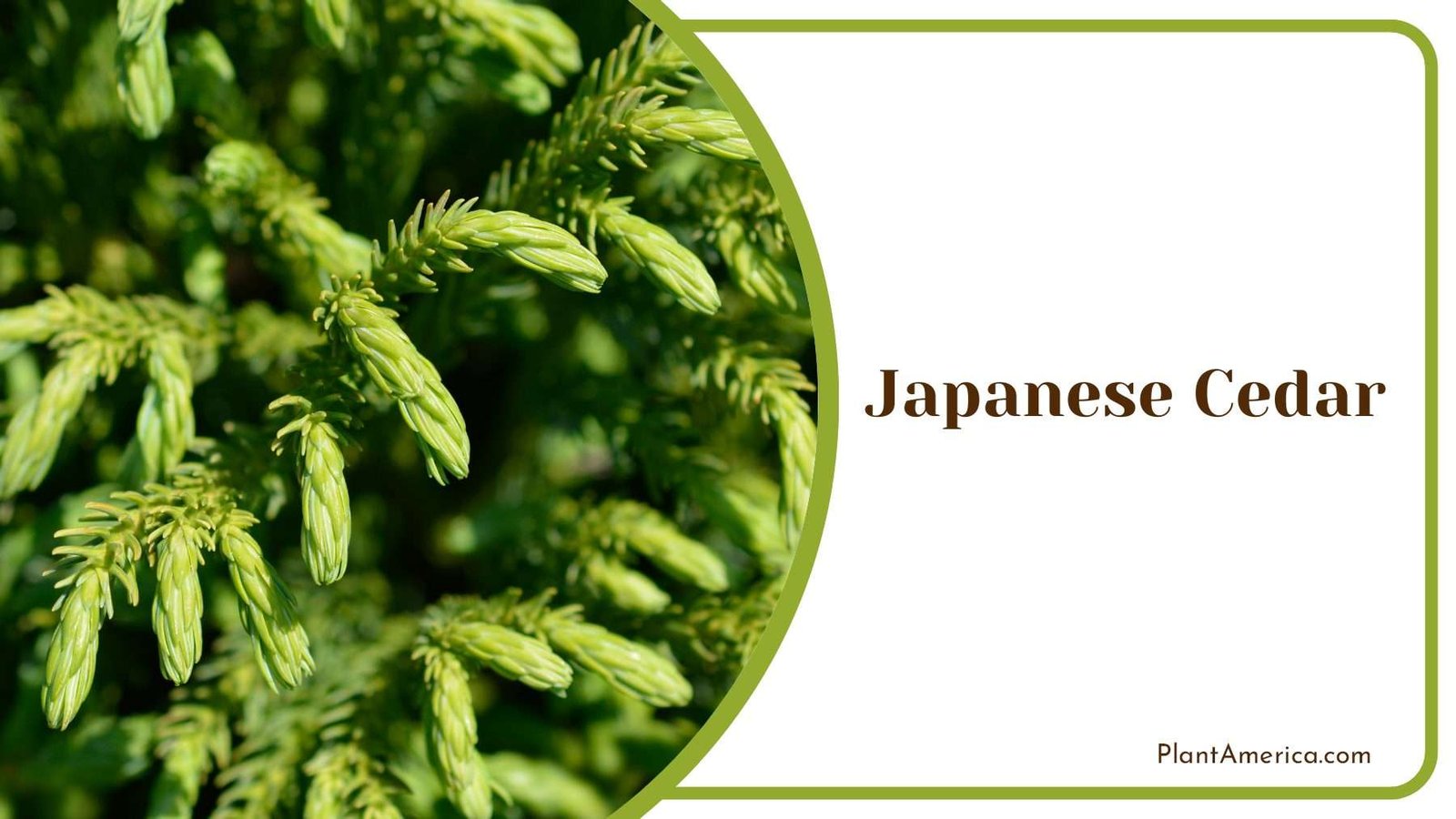
Japanese cedar is an attractive species of evergreen conifer native to Japan and Taiwan. When mature, Japanese cedar trees typically grow between 40 to 80 feet tall, featuring flat dark green scale-like foliage and reddish-brown furrowed bark with vertical fibrous ridges that run down the length of the trunk. This adaptable tree species of cedar thrives when planted in locations that provide full sun exposure to partial shade along with evenly moist yet well-draining soil conditions.
Infestations of the Japanese cedar long-horned beetle, a type of wood-boring beetle, can heavily defoliate and kill off branches of Japanese cedar trees. The aromatic reddish-brown color wood of Japanese cedar is valued for various applications and uses, including lightweight yet sturdy cabinetry, interior wooden paneling, and furniture due to its natural strength and rot-resistant properties.
The foliage of Japanese cedar trees produces a pleasant herbal fragrance when crushed underfoot. Planting Japanese cedar trees can provide year-round evergreen greenery, vertical structure, and a fragrant element within gardens and landscapes
12. Himalayan Cedar
| Growing Season |
|
| Leaf Shape |
|
| Specific Needs |
|
| Common Pests |
|
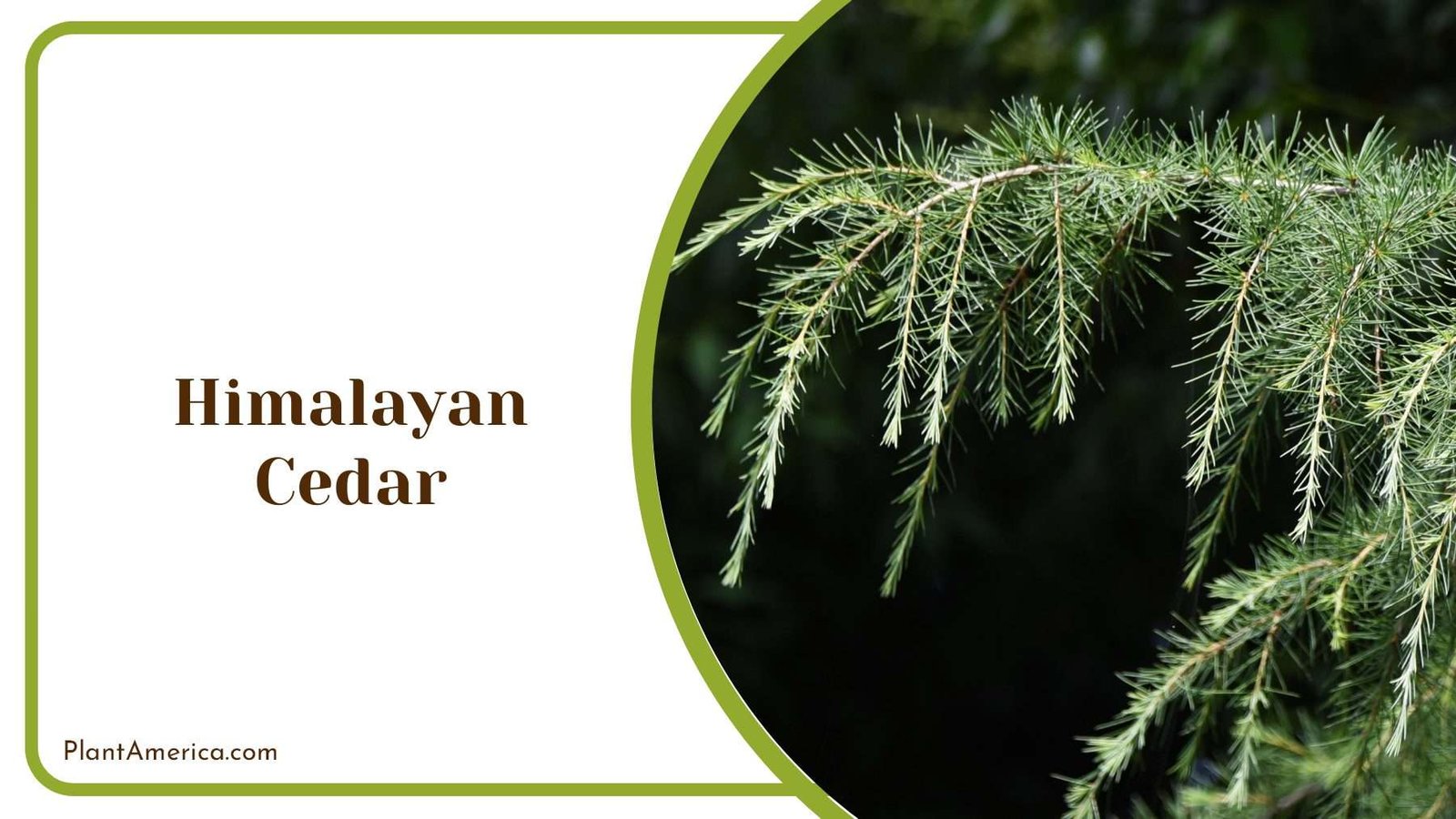
Himalayan cedar is an evergreen conifer native to the high elevation mountain ranges of the Himalayas in Nepal and northern India. When mature, Himalayan cedar trees typically grow well over 100 feet tall featuring soft blue-green needle-like leaves and lightly fissured reddish-brown bark that cracks and flakes away in thin plates as the tree ages.
This towering species of cedar prefers cooler, humid climates and requires consistently moist yet well-draining soil conditions to thrive and prosper. Infestations of sawfly larvae, the immature caterpillar stage of wood-boring sawflies, can cause the needles of Himalayan cedar trees to turn brown and prematurely drop off weakening growth.
The aromatic and naturally durable reddish-brown color wood of Himalayan cedar is valued by local people for various purposes and uses including shakes and shingles for roofing, posts, and decorative carvings due to its ability to resist decay when exposed to moisture over long periods of time. The foliage of Himalayan cedar trees emits a refreshing and slightly spicy fragrance when crushed underfoot that evokes its native Himalayan mountain habitat.
Planting Himalayan cedar trees can provide a majestic vertical accent within the landscape with a rich, cool evergreen texture and cover for wildlife species.
13. Yellow Cedar
| Growing Season |
|
| Leaf Shape |
|
| Specific Needs |
|
| Common Pests |
|
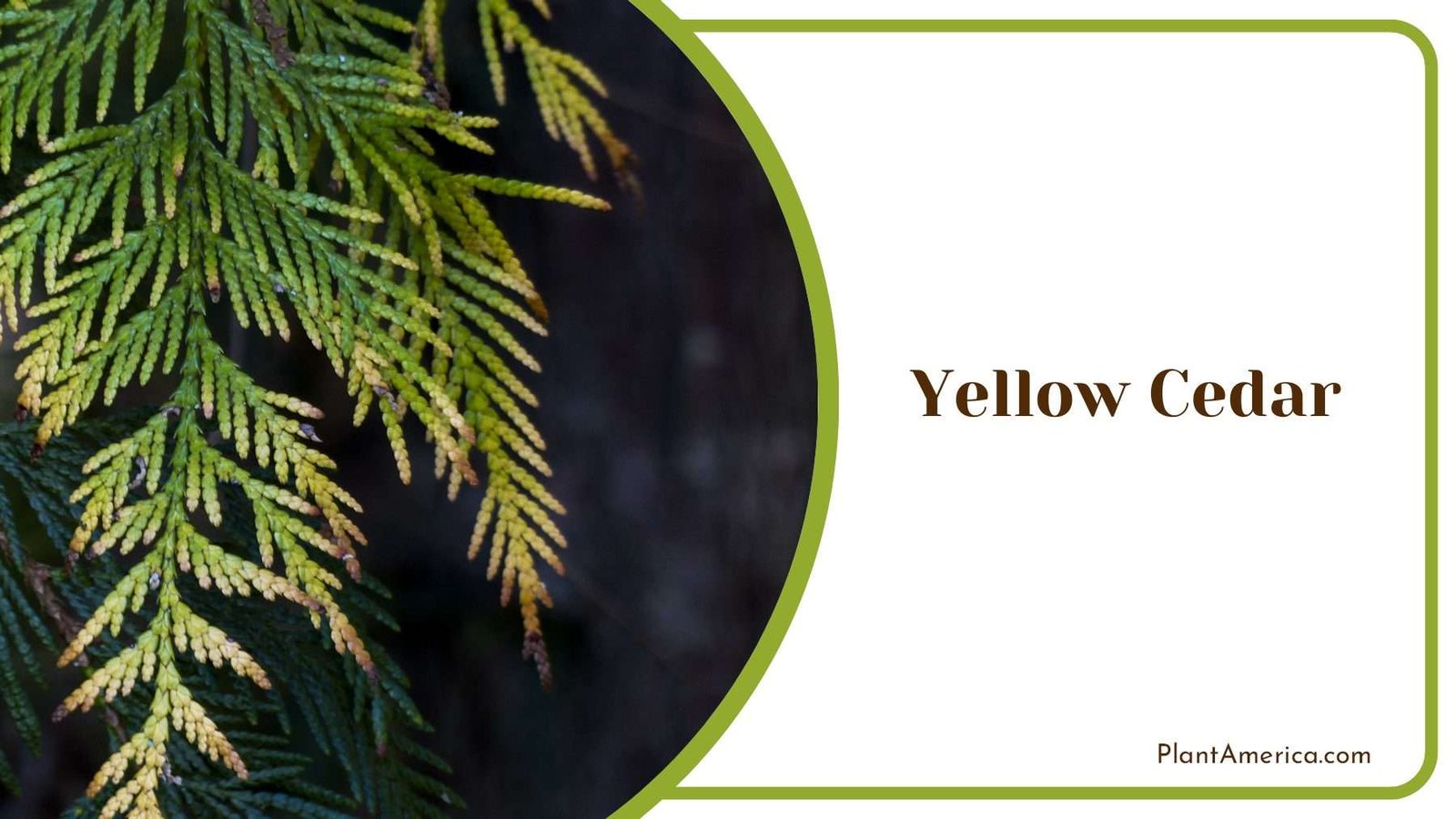
Yellow cedar is an attractive species of evergreen conifer native to coastal regions of Alaska and northwestern Canada. When mature, yellow cedar trees typically grow between 50 to 80 feet tall, featuring scale-like grayish-green needles and thin cinnamon-colored bark that flakes away in strips as the tree ages. This shade-tolerant species of cedar requires growing conditions that include consistently moist soil conditions and protection from harsh desiccating coastal winds through the placement within more sheltered sites.
Fungal root rot infections can attack the weakened roots of yellow cedar trees, eventually causing crown decline, needle yellowing, and tree death. The naturally rot-resistant and pest-resistant wood of yellow cedar is valued by indigenous peoples like Native Alaskans for various purposes and uses, including totem poles, dugout canoes, and woodenware due to its ability to withstand exposure to the elements over long periods of time.
Planting yellow cedar trees in more sheltered locations within the landscape can provide a graceful conical crown shape and rich evergreen texture that evokes its coastal habitat in Alaska and British Columbia.
14. Bermuda Cedar
| Growing Season |
|
| Leaf Shape |
|
| Specific Needs |
|
| Common Pests |
|
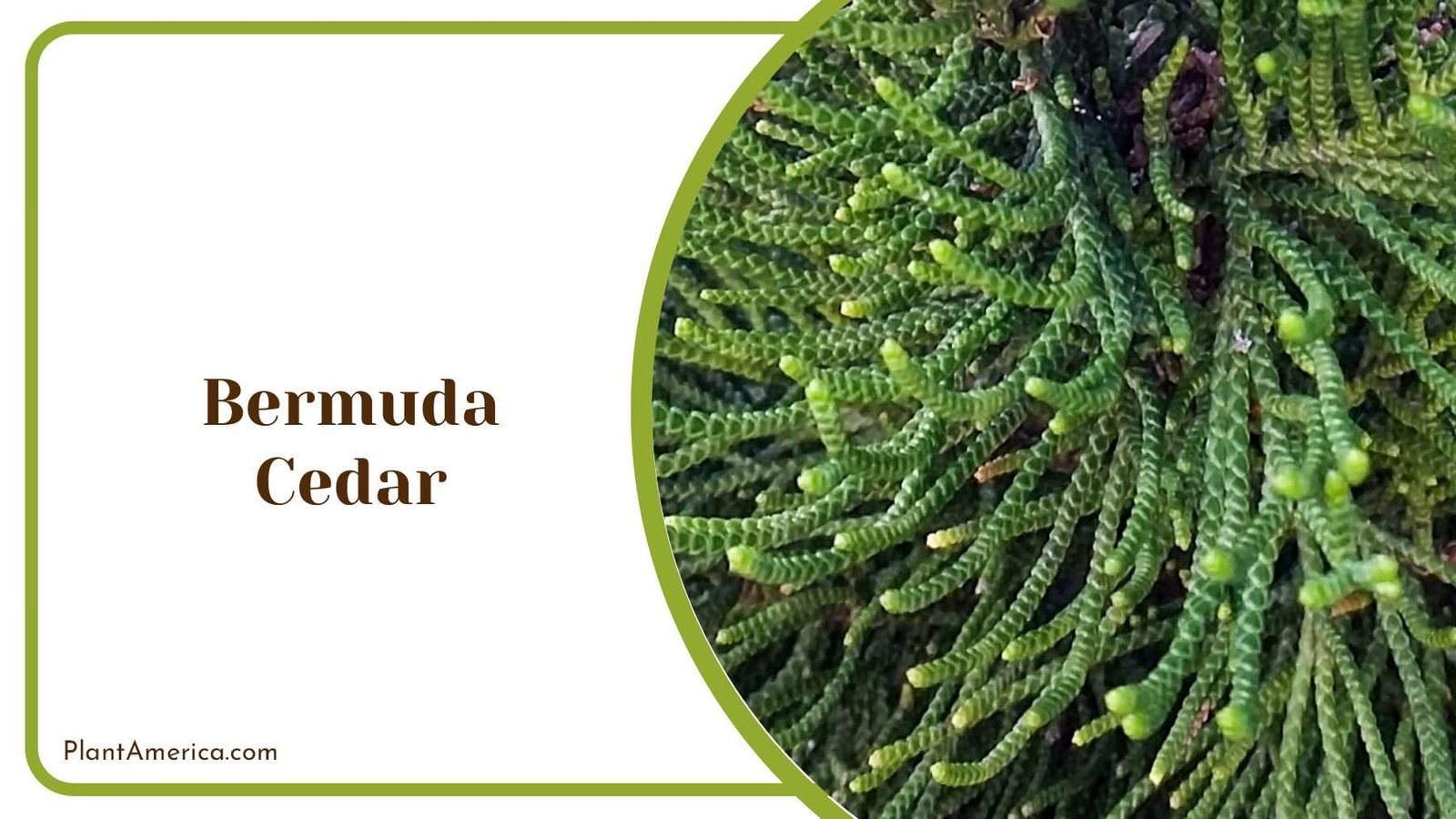
Bermuda cedar is an evergreen conifer tree native to the islands of Bermuda and the Bahamas within the Atlantic Ocean. When mature, Bermuda cedar trees typically grow between 20 to 40 feet tall, featuring gray-green scale-like foliage and peeling cinnamon-brown bark that flakes away from the trunk in long strips as the tree ages. This drought-tolerant species of cedar thrives when planted in locations that provide full sun exposure and alkaline soil conditions with regular sources of moisture through either rainfall or irrigation.
Cypress root weevils, small beetle larvae, can tunnel into the roots of Bermuda cedar trees, stunting their growth and weakening vigor over time if left unmanaged. The naturally resilient and rot-resistant wood of Bermuda cedar is favored for various uses and applications, including building posts, cabanas, fishing implements, and decking, due to its ability to withstand exposure to harsh coastal environments over long periods of time.
Planting Bermuda cedar trees can provide rich evergreen texture, visual screening, and vertical structure within coastal landscapes that is capable of enduring the harsh conditions typical of island locales like Bermuda and the Bahamas.
15. Lebanon Cedar
| Growing Season |
|
| Leaf Shape |
|
| Specific Needs |
|
| Common Pests |
|
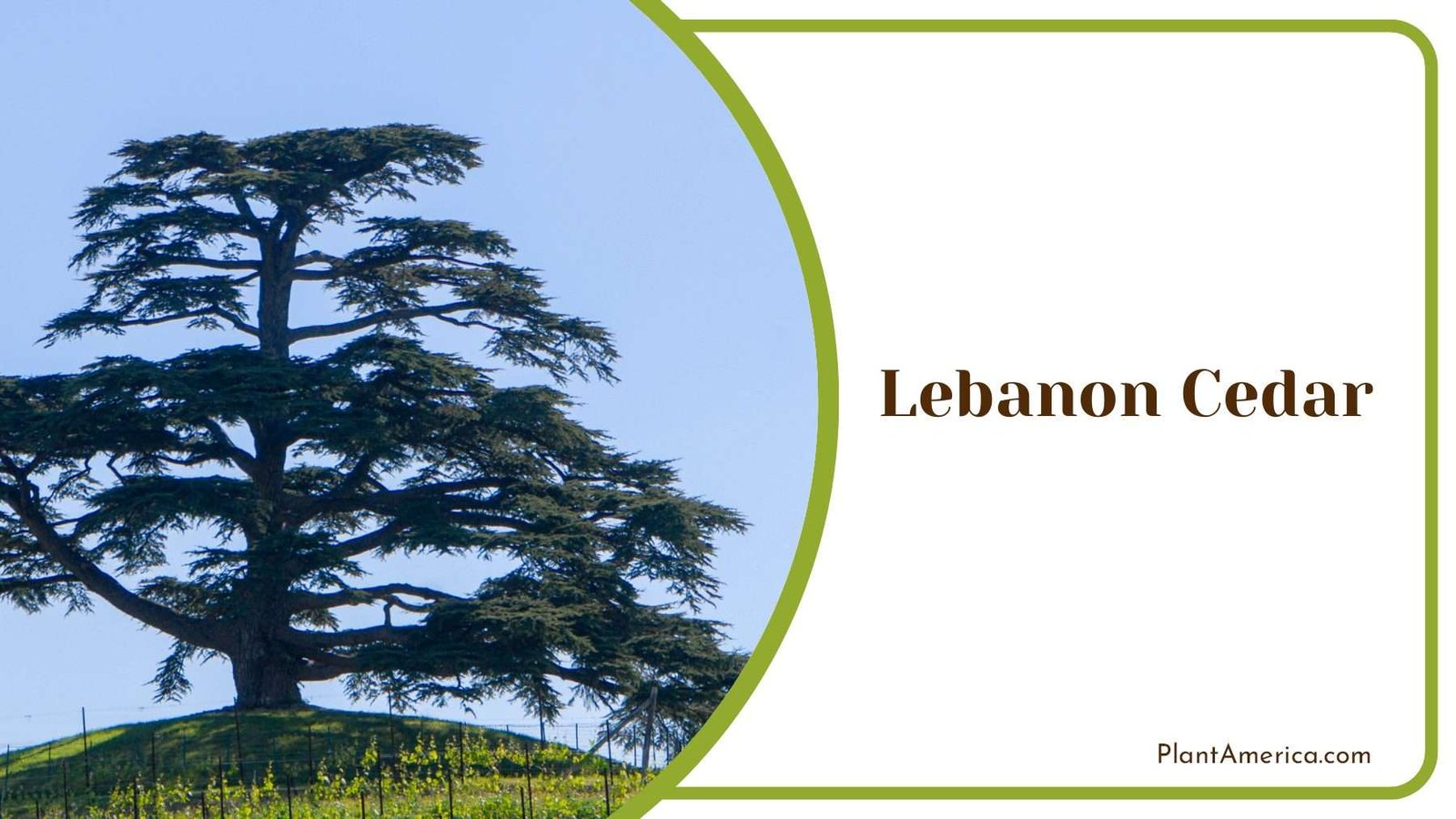
Lebanon cedar is an evergreen coniferous tree native to the eastern Mediterranean region, primarily Lebanon. When mature, Lebanon cedar trees typically grow between 100 to 130 feet in height, featuring blue-green needle-like foliage and reddish-brown furrowed bark that flakes away in thin strips revealing orangish inner bark. This majestic species of cedar prefers cooler, humid climates and requires evenly moist, slightly acidic soil rich in organic material to thrive.
Lebanon cedar trees are resistant to most common pests and diseases affecting other species of cedars due to natural compounds present in their foliage and wood. For millennia, the aromatic reddish-brown color wood of the Lebanon cedar has been treasured and valued highly for numerous purposes, including the construction of ships, palaces, and temples due to its durability, rot resistance, and naturally beautiful grain.
Crushing the needle-like foliage of the Lebanon cedar releases a pleasantly soothing aromatic scent that can evoke feelings of meditative calm. Planting Lebanon cedar trees as specimen trees within the landscape can provide a majestic vertical evergreen presence symbolic of nobility, grandeur, and cooling shade reminiscent of the ancient cedar forests that once covered much of the eastern Mediterranean region.
16. Red Cedar
| Growing Season |
|
| Leaf Shape |
|
| Specific Needs |
|
| Common Pests |
|
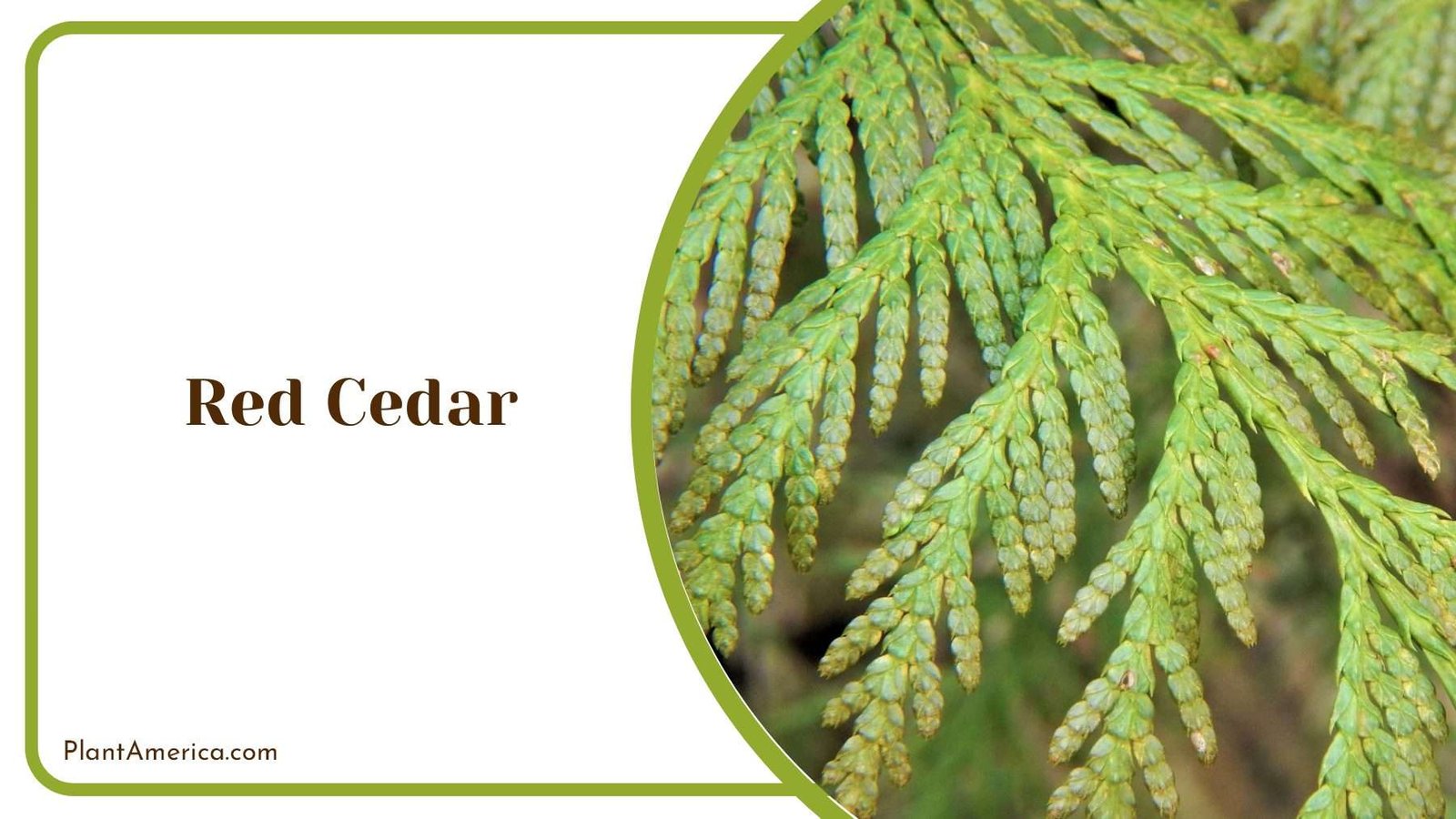
Red cedar is an attractive medium-sized evergreen tree native to eastern North America. When mature, red cedar trees typically grow between 20 to 40 feet tall, featuring dark green scale-like foliage which emits a distinctive woody fragrance when crushed underfoot and reddish-brown fibrous bark with shallow ridges that run vertically up the trunk.
This drought-tolerant tree species thrive when planted in locations that provide full sun exposure and dry, well-draining soil conditions that allow for good water runoff. Bagworm infestations caused by the larvae of the bagworm moth can heavily defoliate and damage red cedar trees if left unmanaged.
The naturally rot-resistant reddish-brown color wood of red cedar is valued for various uses and purposes, including fence posts, outdoor constructions, carvings, and woodworking due to its ability to withstand exposure to elements over long periods of time.
The aromatic and naturally rot-resistant reddish-brown color wood of false cedar is favored for various applications and uses, including cabinetry and wooden implements, due to its ability to withstand exposure to elements over long periods of time. The fragrant foliage of these trees releases a pleasant and slightly resinous scent when crushed underfoot.
Planting red cedar trees can provide year-round evergreen greenery, color, and textural contrast within the landscape, along with aromatherapy benefits from its fragrant foliage reminiscent of forested areas where this native species originated.
Conclusion
There are numerous cedar tree species suitable for landscaping, ranging from towering evergreens that can reach heights over 100 feet to smaller ornamental varieties suited for smaller gardens. Here are some of the most important points to remember:
- Lebanon cedar trees are resistant to most common pests and diseases affecting other species of cedars due to natural compounds present in its foliage and wood.
- Himalayan cedar trees typically grow well over 100 feet tall featuring soft blue-green needle-like leaves and lightly fissured reddish-brown bark.
- port Orford cedar trees typically grow between 80 to 100 feet tall, featuring thin, bluish awl-like needles and a distinctive branching pattern of tight horizontal whorls.
Incorporating cedars into your outdoor space can help attract wildlife like birds, offer cooling shade from the sun, and imbue your surroundings with their stately architectural forms and spiritual qualities. Experimenting with different cedar species can help you discover the perfect match for your particular space needs, aesthetic preferences, and environmental goals.