
Knowing how to transplant gladiolus is important for these beautiful flowers of the Iridaceae family. Transplanting gladiolus bulbs to a new location promotes their growth and development.

This guide consists of simple steps to help you transplant gladiolus. Learn how to care for gladiolus in our informative guide.
How To Transplant Gladiolus in Simple Ways?
To transplant gladiolus in simple ways, you must choose the right time, select the new location, prepare the soil, dig up the bulbs, clean and trim the bulbs, and finally plant the bulbs. You should start digging the bulbs in the fall but before the first frost.
1. Choose the Right Time
Choosing the right time to transplant gladiolus bulbs is important to ensure their successful growth and development in their new location. When to transplant iris? We’d recommend that you transplant gladiolus bulbs during the fall season after the foliage has naturally died back. Depending on your location, this period usually ranges from late September to early October.

The main reason to transplant gladiolus bulbs during the fall is that the plant goes dormant as the temperatures drop. Its energy is concentrated in the bulb to help it survive the winter, and transplanting the bulbs during this time allows them to focus on establishing roots in their new location without being distracted by flowering or producing new foliage.
This way, they can become established and ready to grow again in the spring once the temperatures warm up. Transplanting gladiolus in summer is not recommended, as the intense heat can stress the plant and hinder its growth.
It’s important to avoid transplanting gladiolus bulbs during the season of growth, as they will have to compete for resources like sunlight and water with other plants in the area. Transplanting during the growing season can also interrupt the plant’s growth cycle and cause stress that can affect the bulb’s overall health and ability to bloom. Therefore, fall is the optimal time to transplant gladiolus bulbs for the best results.
2. Dig up the Bulbs
Digging up the gladiolus bulbs is a critical step in the transplanting process. However, before digging up the bulbs, you must wait until the foliage naturally dies back, which usually occurs in the fall. Transplanting gladiolus in fall is completely fine after the danger of frost has passed. At this point, the bulbs have stored enough energy for the winter and are ready for transplanting.
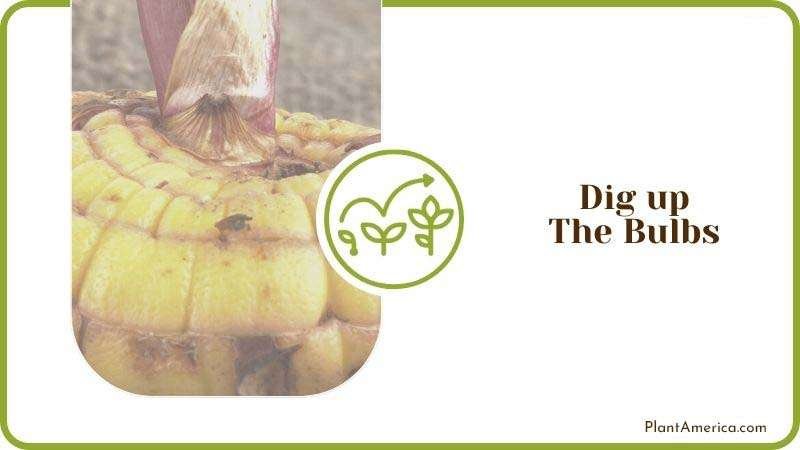
Furthermore, to prevent damage to the bulbs, use a garden fork to slacken the soil around them carefully. Once you have loosened the soil, gently lift the bulbs out of the ground while being careful not to damage them. When to divide gladiolus? You can separate them from their offsets during this stage.
You might wonder, “Can I leave gladiolus bulbs in the ground?” Yes, you can leave gladiolus bulbs in the ground in warmer climates, but they should be dug up and stored in colder climates.
3. Clean and Trim the Bulbs
Cleaning and trimming the bulbs is an important step in preparing them for transplanting to a new location. First, you need to use a soft brush or your hands to gently remove any loose soil from the bulbs, which will help prevent the bulbs from rotting during storage.
Moreover, you need to use a clean, sharp knife to cut off the bulb’s stem close to the base, as this will help prevent any disease or rot from spreading to the bulb during storage or replanting. If you notice that the bulbs have formed new corms, remove the old corms by gently pulling them away from the new ones, which will help ensure that the new gladiolus corms have enough room to grow.
Check each bulb for any signs of damage or disease, such as soft spots or mold, and discard any damaged or diseased bulbs to prevent them from spreading to the other bulbs.
How to store gladiolus bulbs? Place the cleaned and trimmed bulbs in a warm, dry, and well-aerated area for a few days to allow any remaining soil to dry completely before storing or replanting. Choose a cool, dry place with good air circulation, such as a paper bag or mesh bag.
4. Select the New Location
Choosing the right location for your gladiolus bulbs is essential to their growth and development. When selecting a new location, the first thing you need to consider is that gladiolus bulbs thrive. Gladiolus also requires well-draining soil. This prevents waterlogging, which can cause the bulbs to rot.
If the soil in your chosen location could be better draining, you can improve it by adding organic material such as compost, peat moss, or sand.
Furthermore, gladiolus bulbs should be planted in an area free from weeds and other competing plants, as these plants can steal nutrients and water from the bulbs, reducing their growth and bloom potential. You should also avoid planting gladiolus bulbs in areas prone to flooding or waterlogging, which can lead to root rot.
Another consideration when selecting a new location for your gladiolus bulbs is the hardiness zone. Knowing that gladiolus bulbs are typically hardy in zones 7-10, make sure your location is within this range. Considering these factors when selecting a new location can help ensure that your gladiolus bulbs have the best possible growing conditions and will thrive in their new home.
5. Prepare the Soil
Preparing the soil is essential in transplanting gladiolus bulbs, as it will provide the bulbs with the required nutrients and growing conditions to thrive in their new location. The first step for preparing the soil is to remove any weeds, rocks, or other debris from the planting site, as this will help prevent any obstacles that could interfere with the growth of the gladiolus bulbs.

You also need to test the soil in the planting site to determine its pH level and nutrient content, which will help you identify any deficiencies that need to be addressed before planting. You also need to improve the soil’s fertility and drainage, add organic matter like compost, peat moss, or well-rotted manure and then mix the organic matter into the soil to a depth of at least 12 inches.
Furthermore, depending on your soil test results, you may need to add fertilizer to provide the nutrients for the gladiolus bulbs and make sure to use an all-purpose balanced fertilizer, such as a 10:10:10, following the package instructions for application rates.
Once you have added the necessary amendments, level the soil to create a smooth, even surface for planting. By taking the time to prepare the soil properly, you can provide your gladiolus bulbs with the best possible growing conditions and set them up for healthy growth in their new location.
6. Plant the Bulbs
Planting the bulbs is the last and most crucial step in transplanting gladiolus. This can be done in the spring, as soon as the weather warms up. First, you need to dig holes for the bulbs that are at least 6 inches deep and 4 to 6 inches apart from each other, and if you are planting multiple rows, space the rows at least 2 feet apart.

Before planting, add the already-mentioned layer of compost or well-rotted manure to the bottom of each hole, providing the bulbs with the nutrients they need to grow. Finally, place each bulb in the hole with the pointed end facing skyward and the flat end facing down while covering the bulbs with soil, not damaging the bulbs or their roots.