
Flowering trees in California provide instant beauty and function in any landscape. We’ll walk you through stunning flowering trees native to California gardens that bloom beautifully every season.

From small evergreen trees dripping in fragrant blossoms to large shade trees painted in pastels come springtime, these flowering trees bring color, scent, and habitat for wildlife to your outdoor space. Whether you have a big yard or a small patio, there’s a perfect flowering tree on this list just waiting to brighten your life with its petals.
16 Flowering Trees in California Gardens for Landscaping
1. Crape Myrtle

- Growing Season: Spring, Summer
- Leaf Shape: Oval, Lanced shaped
- Specific Needs: Full sun, Even moisture
- Common Pests: Scale insects, Aphids
Crape myrtles are beloved flowering trees in California gardens due to their vibrant blooms and year-round appeal. Come late spring and summer, crape myrtles burst into colorful clouds of fragrant pink, red, or purple blooms that brighten up the landscape for months.
The sweet shade that crape myrtles provide during the hot southern California summers serves as a welcome sanctuary in any backyard or patio garden. Their arching branches form a lacy canopy that filters harsh sunlight while still allowing dappled rays to illuminate the space below. Even through the peak heat, crape myrtles maintain decorative deep green foliage.
In autumn, the architectural appeal of crape myrtles emerges with their sculptural trunks and branches as leaves slowly change hues and drop, revealing an intricately branched framework. Throughout the winter, the bare branches stand dormant until new foliage emerges the following spring, bringing the seasonal cycle full circle.
The manageable size and low maintenance needs of crape myrtles, ranging from eight to over 30 feet tall depending on variety, make them an ideal flowering tree addition for small gardens and patios. Most varieties have a vase-shaped form and spread slightly less than their height at maturity. Their proportionate size and tolerance for pruning enables crape myrtles to fit into compact spaces.
Once established, crape myrtles demand minimal upkeep beyond periodic pruning, fertilizing, and pest management. Their remarkable drought tolerance means less watering is needed once the root system is developed.
As a result, crape myrtles offer California gardeners flowering trees that provide visual appeal every season while making a few demands. Their vibrant blooms, multi-seasonal foliage, and non-intrusive dimensions encapsulate the perfect flowering shade tree for small gardens and patios.
2. Western Redbud
<
- Growing Season: Spring, Summer
- Leaf Shape: Palmate, Lobed
- Specific Needs: Well drained, Even moisture
- Common Pests: Spider mite, Aphids
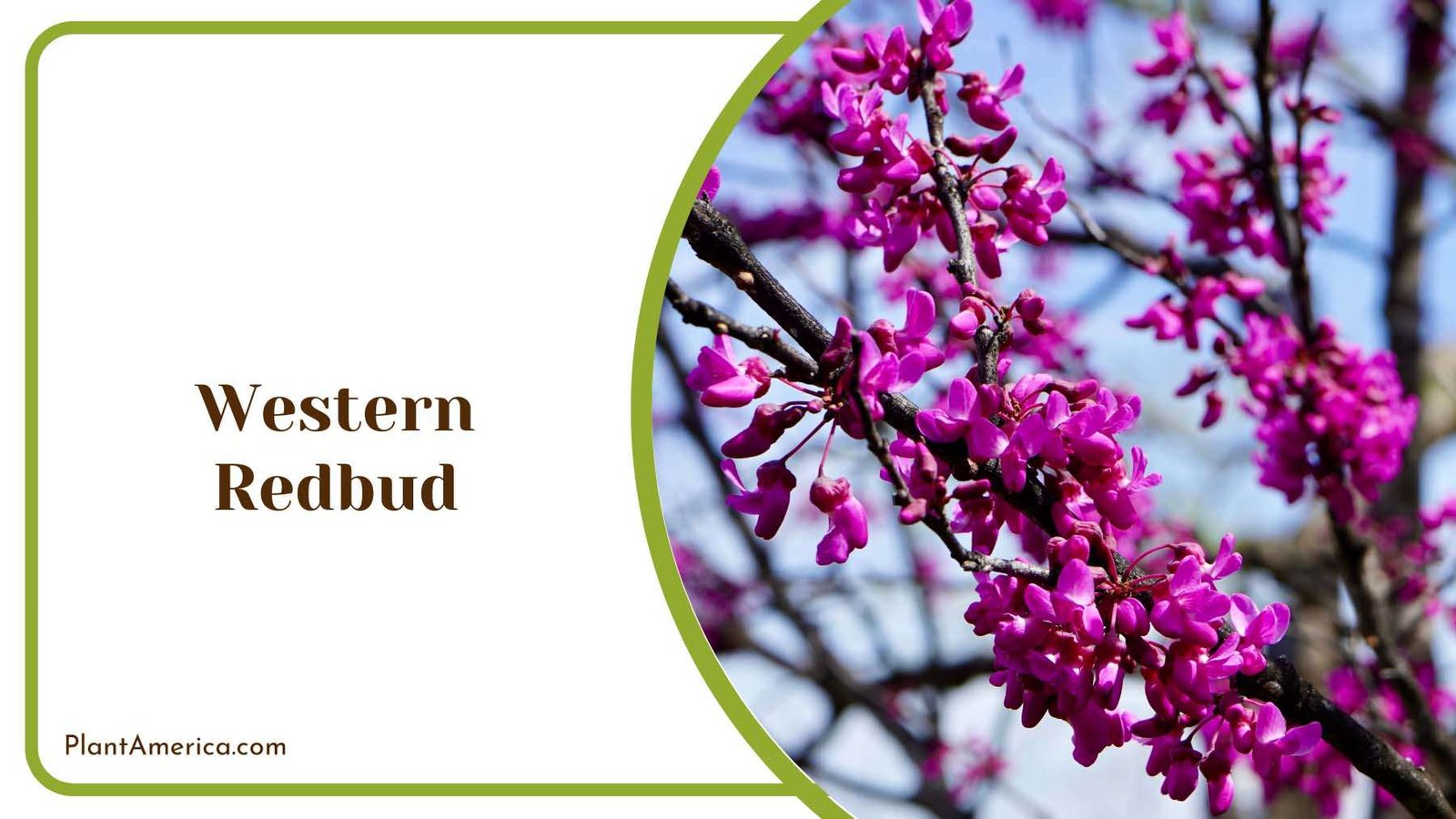
The western redbud is a native California flowering tree that is a beauty to behold. In early spring, well before its leaves emerge, the western redbud puts on a showy display of delicate pink buds that gradually open into fragrant peach-colored blossoms. These flowers cover the bare branches and serve as a welcome sign of spring.
The pale green palmate leaves that eventually follow provide a golden shade during warmer months. These foliage fans have seven to 11 leaflets and form a rounded canopy. In autumn, the leaves turn yellow before dropping to reveal decorative seed pods that persist through winter.
Western redbuds thrive when planted in part sun and regular water, making them one of the easier flowering trees for beginning gardeners in California. The sweet fragrance of the springtime blooms attracts hummingbirds, native bees, and butterflies that rely on the flower’s nectar. Come autumn, the marina strawberry-scented flowers give way to seed pods that feed birds through the rest of the year.
With a mature height ranging from 15 to 20 feet depending on variety, the humble western redbud delivers maximum flowering tree impact in minimum space. The tree typically spreads just as wide or wider than it grows tall, forming a rounded profile. The naturally shallow root system prefers well-draining soil and favors sites that are slightly sheltered from harsh wind and sun.
Despite its diminutive size compared to other flowering trees, the western redbud brings beauty to the garden in every season. When adorned with delicate pink blossoms in spring, delicious shade in summer, golden autumn foliage, and interesting seed pods through winter, this truly multi-seasonal native flowering tree offers maximum impact from minimum dimensions.
3. Evergreen Pear
<
- Growing Season: Year-round
- Leaf Shape: Oval, Elliptic
- Specific Needs: Full sun, Well-drained soil
- Common Pests: Spider mites, Scale insects
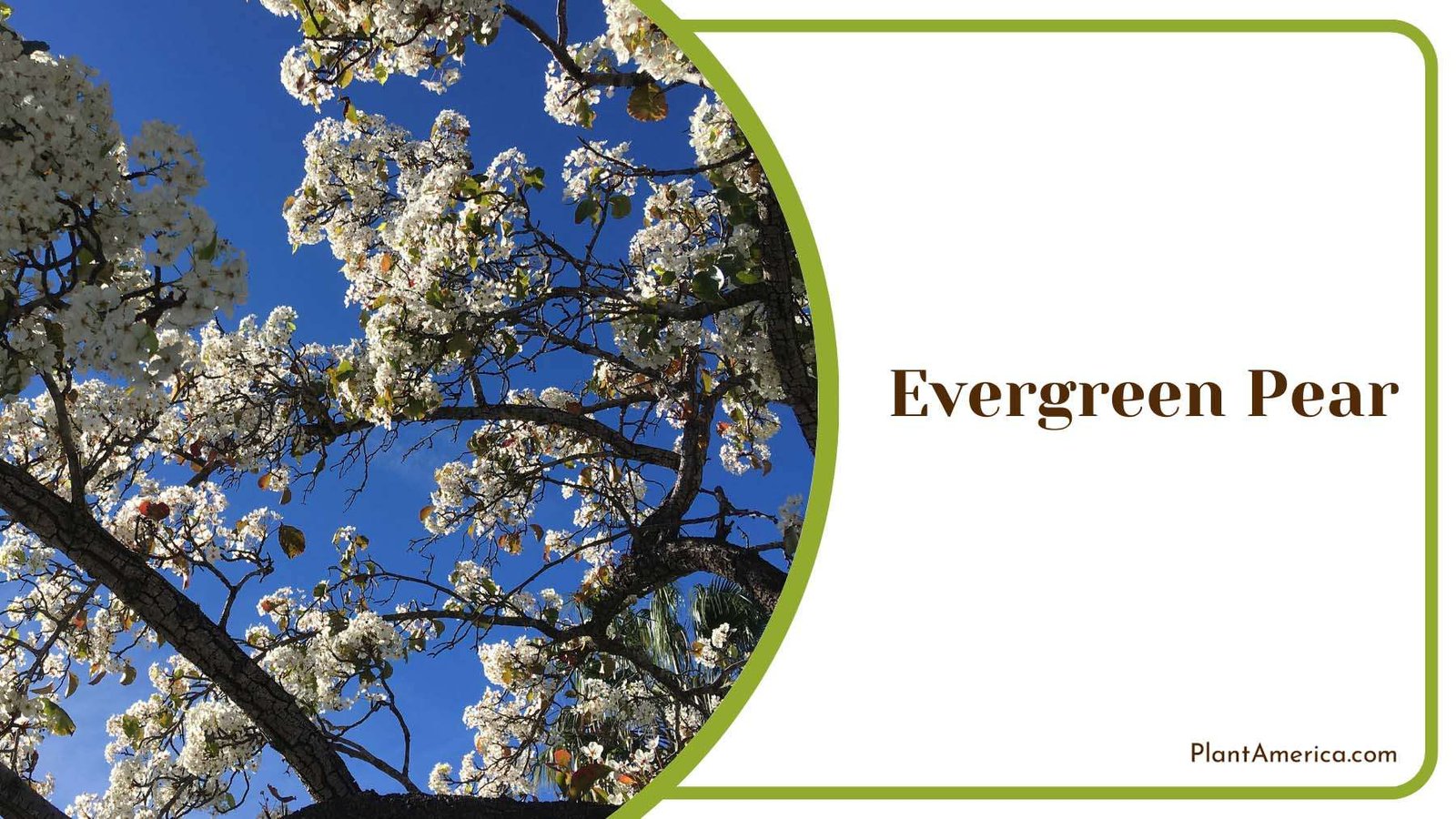
The evergreen pear, also known by its botanical name Pyrus kawakami, is a stunning small flowering tree for California gardens. Come springtime, clusters of white blossoms decorate the graceful branches of this evergreen pear tree, adding a touch of floral beauty.
The sweet fragrance of the white flowers fills the air, occupying the senses and attracting honey bees and other beneficial insects. These pollinators feed on the nectar of the blossoms, helping to produce small green pear fruit later in the season. Though inedible to humans, the pear fruit provides food for birds and wildlife through late summer and early fall.
The evergreen pear tree thrives when planted in full sunlight with moist, well-drained soil. It prefers locations that receive at least six hours of direct sun daily. The evergreen pear tolerates drought conditions once established but produces more profuse flowers when watered regularly during flowering. Pruning the tree lightly after bloom helps to shape its form and encourages additional blossoms the following spring.
At maturity, the evergreen pear tree typically grows between 15 and 20 feet tall, depending on variety, making it a good choice for smaller gardens and California landscapes where space is limited. The tree develops a rounded, vase-shaped canopy of glossy green foliage that remains on the branches year-round. Its narrow profile makes the evergreen pear a good option for use as a screen or hedge.
Despite its diminutive stature compared to other flowering trees, the evergreen pear makes a big impact when adorned with clusters of snowy white blossoms in spring. Its evergreen foliage provides texture and visual interest even when not in bloom, and the pear fruit sustains wildlife through the end of the growing season.
Though minimal in size, the evergreen pear tree has maximum appeal for California gardens, offering floral beauty, nectar for pollinators, food for wildlife, year-round greenery, and the special charm of a native small flowering tree.
4. Palo Verde
<
- Growing Season: Spring, Summer
- Leaf Shape: Palmately, Compound
- Specific Needs: Little water, Alkaline
- Common Pests: None
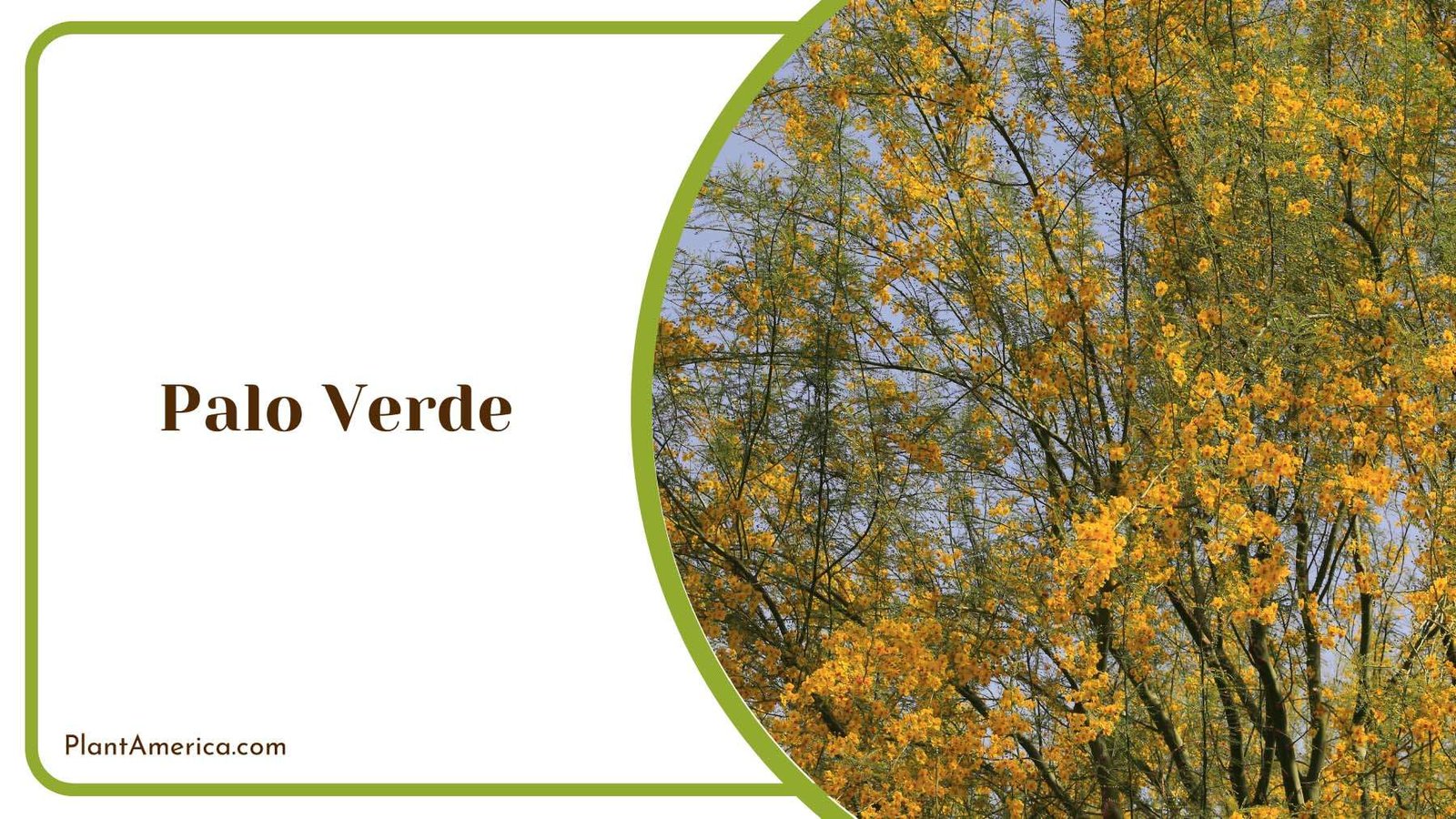
The palo verde or mesquite tree is one of the iconic flowering trees in California and the American Southwest. The bright yellow and pink flowers appear before the palo verde leaflets emerge in early spring. The fragrant blooms produce a honey scent attracting pollinators like bees and hummingbirds.
The Palo Verde’s unique leaf structure allows it to thrive in areas with little rainfall. The oval leaflets drop off when not needed, conserving moisture for the palo verde tree. Being naturally adapted to desert conditions makes the palo verde one of the hardiest flowering trees for San Diego gardens and California landscapes.
The yellow wood trunks and branches develop a gnarled, sculptural shape with age, adding aesthetic value to native California gardens. Mature palo verdes can grow 30 to 50 feet high and just as wide.
5. Blue Elderberry
<
- Growing Season: Spring, Summer
- Leaf Shape: Oval, Compound
- Specific Needs: Moist sun, Well-drained soil
- Common Pests: Japanese beetles, Scale insects
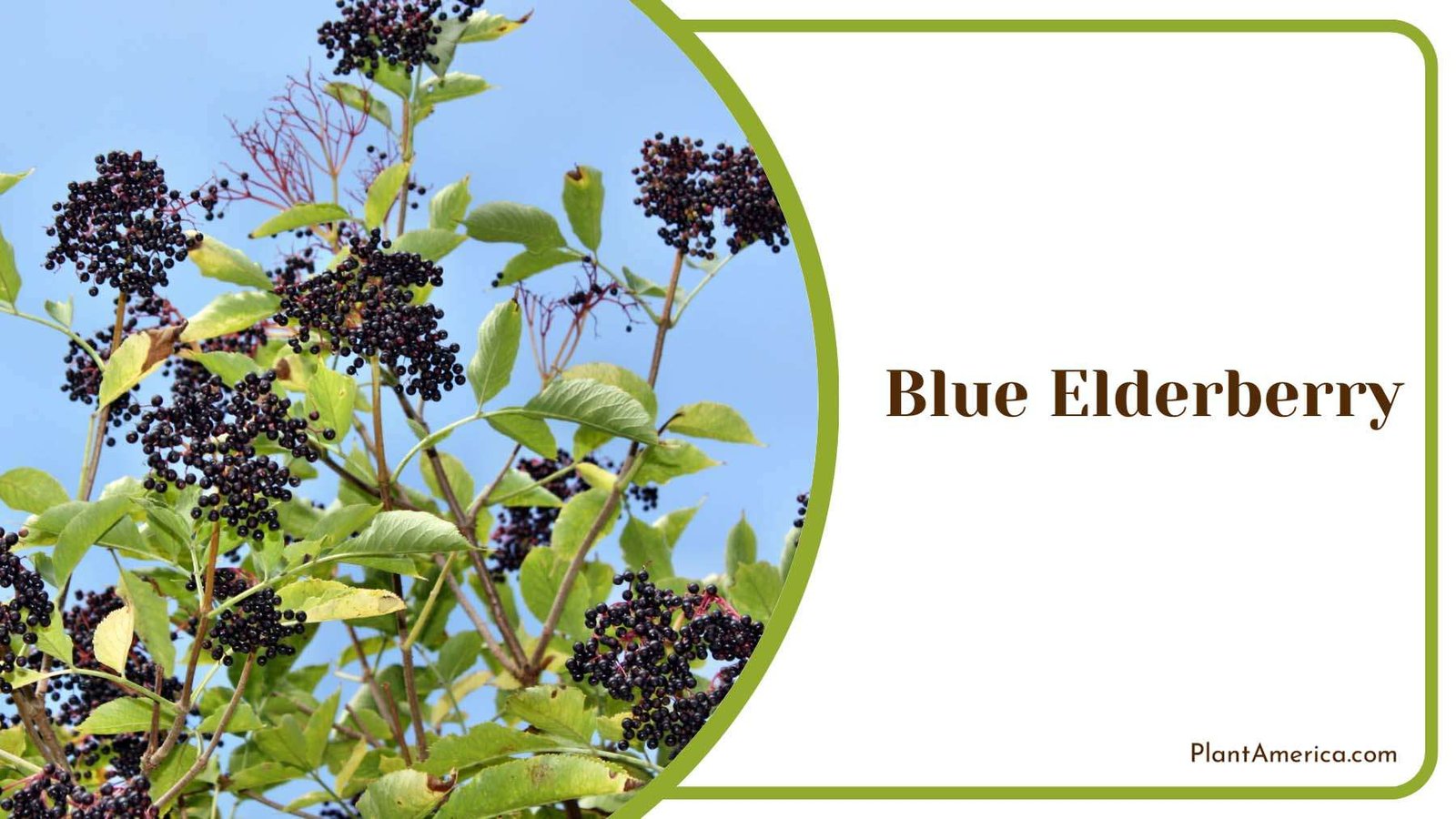
The stunning blue elderberry shrub is a must-have flowering tree for California gardens. The showy white flower clusters of the blue elderberry appear in early summer, adorning the branches like snowflakes. As the season progresses, the fragrant white flowers develop into clusters of dark purple elderberries, which persist into fall.
The glossy, compound leaves take on rich golden hues in autumn, adding visual interest to the native California landscape long after birds have gobbled up the colorful berries. Blue elderberries thrive in partial shade with regularly moist but well-drained soil.
The symbiotic relationship between elderberry roots and nitrogen-fixing bacteria makes the blue elderberry an ideal flowering tree to enhance soil health in the garden. Mature blue elderberry shrubs can grow up to 15 feet tall, bringing vertical sculptural form and four-season appeal to any backyard garden.
6. California Lilac
<
- Growing Season: Spring
- Leaf Shape: Linear, Straight
- Specific Needs: Full sun, Well-drained soil
- Common Pests: None
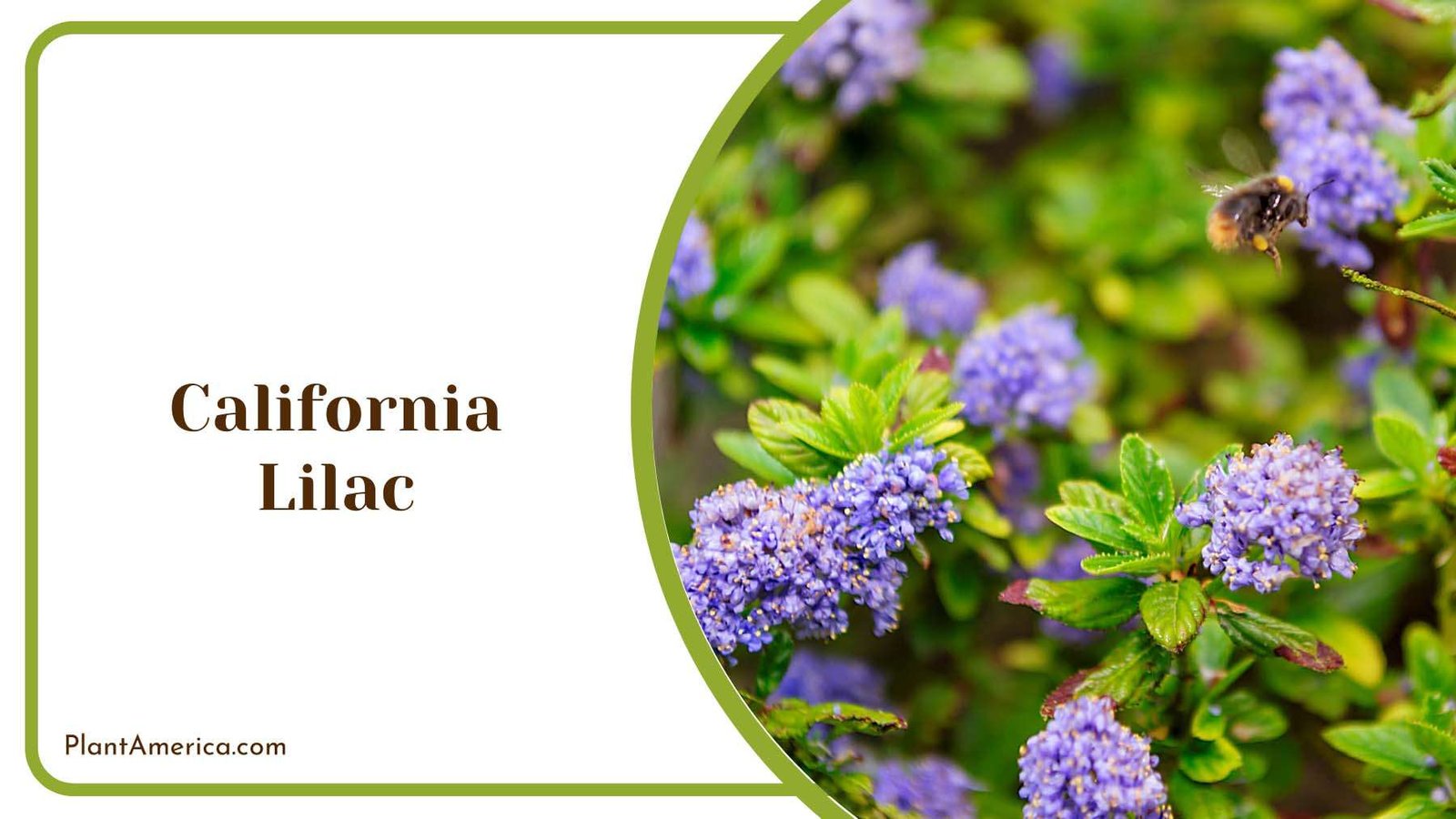
The fragrant California lilac shrub brings beautiful simplicity to any native California garden. The California lilac erupts in showy clusters of purple flowers from late winter through early summer. Interesting seed pods form as the sweet-scented blooms fade, providing textural interest after the flowers have passed.
The slender, linear leaves give this flowering shrub a fine-textured appearance year-round. While native to the American southwest, the California lilac adapts well to most garden conditions. Plant this stunning flowering tree in full sun with well-drained soil for optimum growth and flowering.
Regular watering during establishment and spring bloom encourages a strong root system allowing the California lilac to thrive with summer drought. Mature California lilac shrubs typically grow 10 to 15 feet high, adding vertical elements and four seasons of visual interest to all gardens – large or small.
7. Golden Rain
<
- Growing Season: Spring
- Leaf Shape: Pinnate, Needle-like
- Specific Needs: Full sun, Well-drained soil
- Common Pests: Japanese beetles, Aphids
The beloved golden rain tree, also known by its botanical name Koelreuteria paniculata, is a spectacular and poetic flowering tree that has become an iconic symbol of the American West. Native to eastern Asia, it has proven remarkably well-adapted for California and other western landscapes with hot, dry summers.
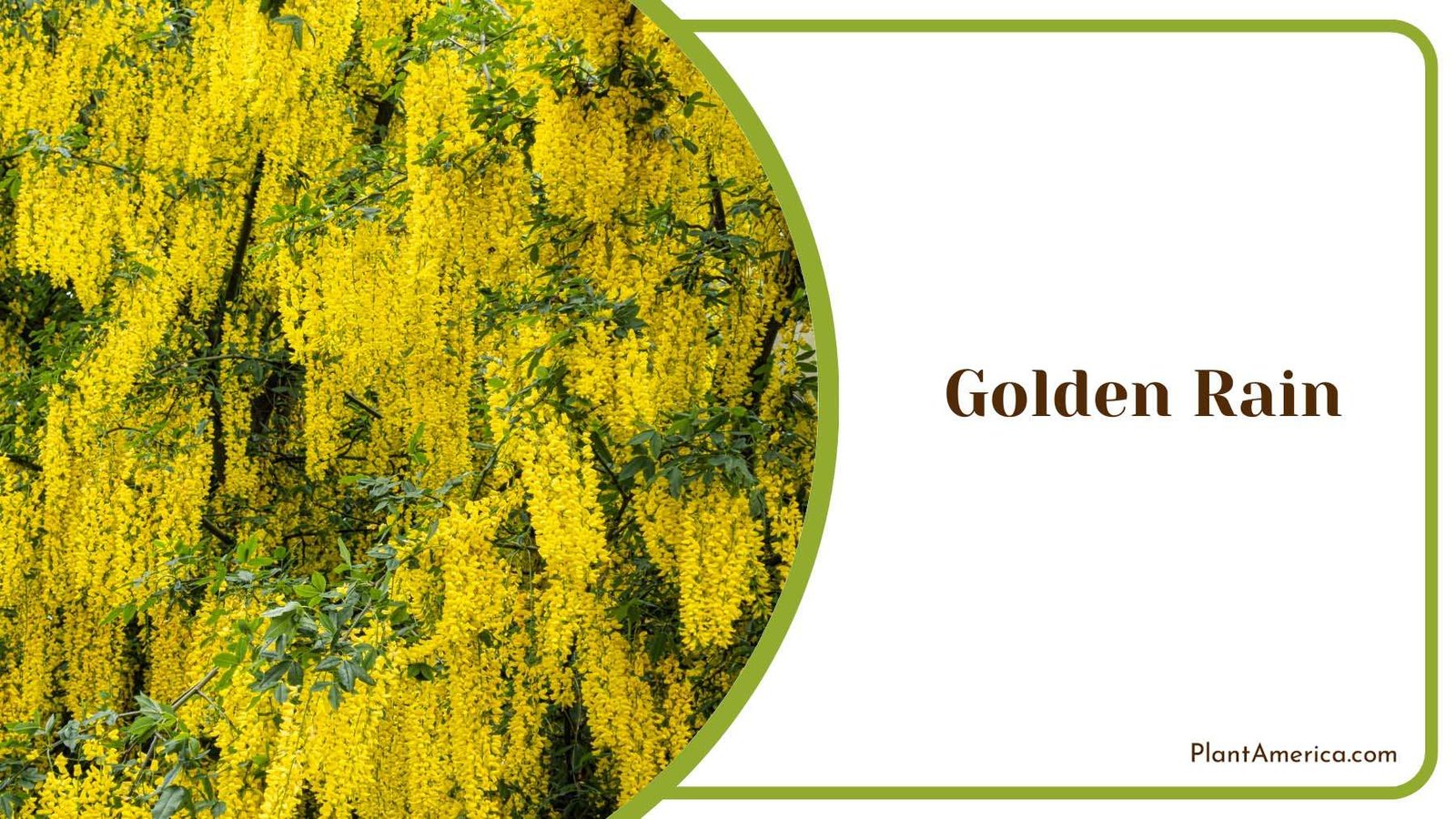
Beginning in March and peaking during April, a single golden rain tree can erupt in a breathtaking shower of thousands of bright lemon-yellow blooms. The fragrant flowers reflex backward on long stalks, swaying gently in the breeze and filling the air with a sweet scent. Clouds of golden blossoms attract myriad pollinators like bees, butterflies, and hummingbirds that feast on the abundance of nectar.
Once the flowers fade away in late spring, small green legume pods form in their place on branching panicles. By mid-summer, these pods transform into interesting seedpods called “golden rain,” popping open to scatter seeds carried on the wind, giving the tree its common name.
While usually pest-free and drought tolerant once established, young golden rain trees benefit from careful shaping and formative pruning when young to develop a strong branching structure that can support their large spreading canopy at maturity.
Reaching heights of 30 to 40 feet tall with an equal spread, their graceful crown becomes draped in lovely triangular-pinnate leaves providing lush deep green foliage. The golden rain tree is a splendid accent for any California or native garden, especially when it erupts in its springtime display of buttery-yellow blossoms.
8. Strawberry Tree
<
- Growing Season: Spring, Winter
- Leaf Shape: Alternate, Simple
- Specific Needs: Full sun, Regular water
- Common Pests: None
The strawberry tree, also called Arbutus unedo, is an evergreen flowering tree that makes a spectacular ornamental addition to gardens throughout California and other areas with a Mediterranean climate. Native to southwest Europe and northwest Africa, it has adapted well for cultivation along the Pacific coast.
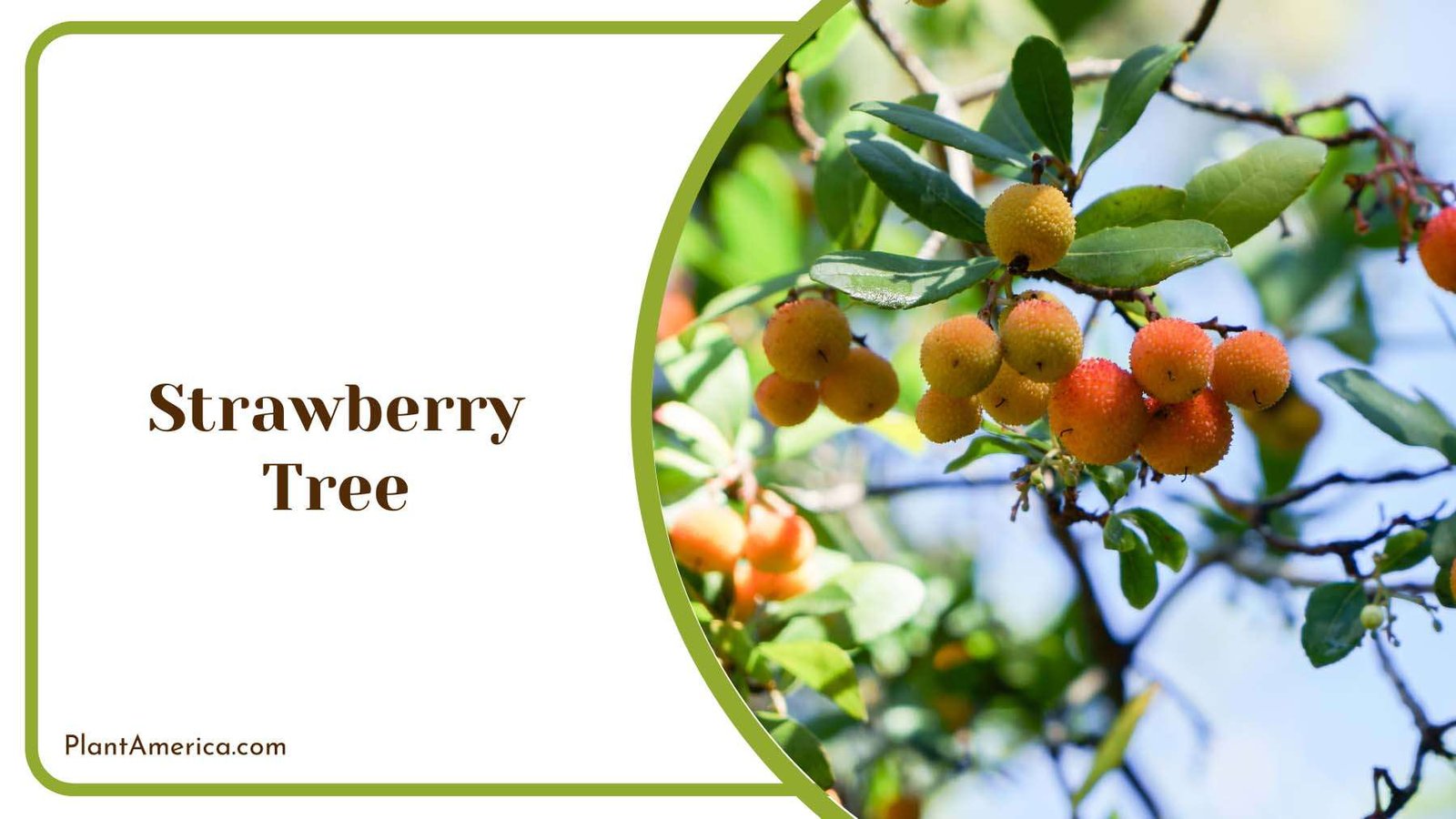
Strawberry trees typically begin blooming as early as December, dazzling gardens with clusters of pristine white, star-shaped flowers. The fragrant blooms can persist into early spring. Then in fall, ornamental red fruit resembling miniature strawberries appear, providing an important winter food source for birds and small wildlife despite being inedible to humans.
The tree’s slender branches bear thick, glossy green leaves that remain vibrant all year, adding visual texture and foliage layering of interest throughout the seasons. Ideal growing conditions include full sun exposure and well-draining soil with regular watering for maximum flowering performance. Strawberry trees thrive in coastal California from Los Angeles to San Diego as well as other similar climates.
When mature at 15 to 20 feet tall and wide, the strawberry tree forms a naturally elegant, sculptural canopy. Its striking evergreen character makes it an invaluable addition to add vertical elements and seasonal touches of flowers and fruit color. Smaller growing cultivars are also suitable for smaller residential gardens. Combined with its low maintenance needs, the strawberry tree is worthy of widespread use in contemporary California landscape designs.
9. California Buckeye
<
- Growing Season: Spring
- Leaf Shape: Palmately, Compound
- Specific Needs: Full sun, Well-drained soil
- Common Pests: None
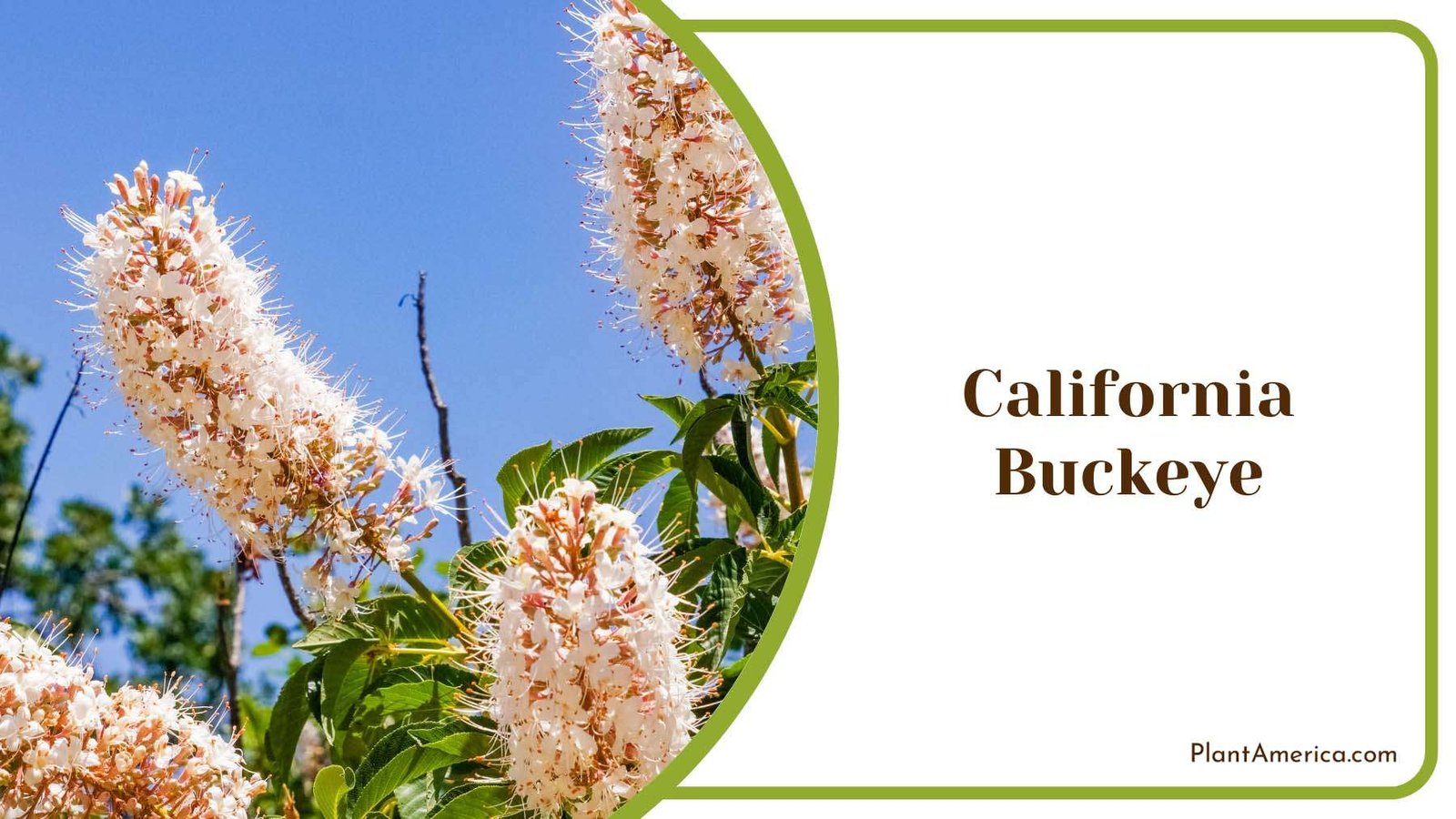
The California buckeye is a native flowering tree that adds beauty and charm to gardens throughout its namesake state. Beginning in spring and continuing into early summer, the California buckeye erupts in showy clusters of white to pink flowers. After the flowers fade, interesting green seed pods form that hang on the branches through fall and winter.
The California buckeye’s pale green palmate leaves make an attractive backdrop for the fragrant blooms. When established, this native California tree requires little water and thrives with regular pruning. Plant the California buckeye in full sun with well-draining soil and protection from the strong wind for the best growth.
Due to toxins in all plant parts, the California buckeye is generally avoided by insect pests. The California buckeye typically grows 20 to 30 feet tall when mature, making it ideal for small and medium-sized golden shade gardens.
10. Flowering Cherry
<
- Growing Season: Spring
- Leaf Shape: Oval, Elliptical
- Specific Needs: Full sun, Well-drained soil
- Common Pests: Japanese beetles, Borers
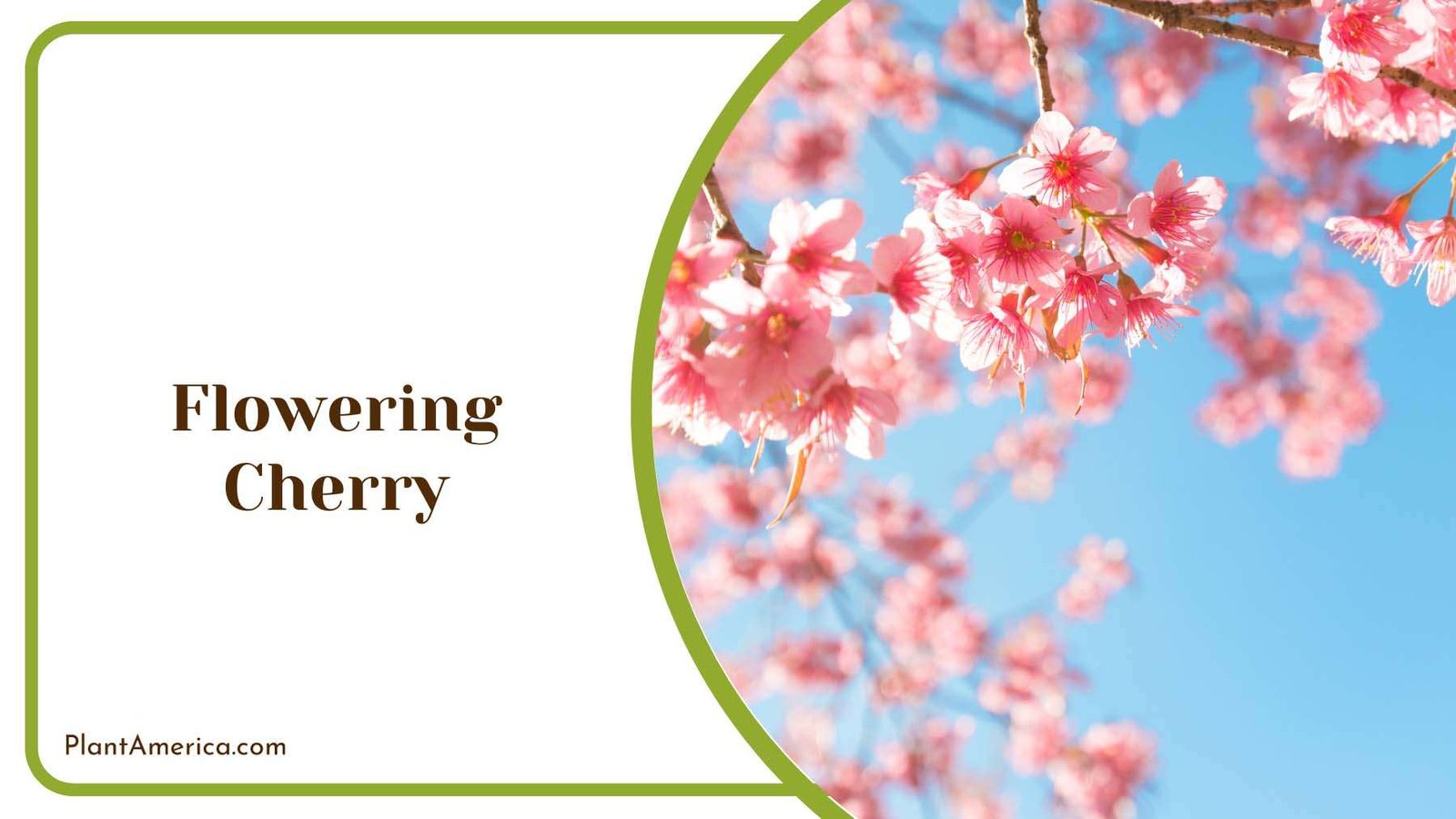
The flowering cherry is a beloved small flowering tree for California gardens. Come springtime, the ornamental cherry explodes in clusters of pink, white, or red cherry blossoms. As the cherry flowers fade, interesting fruit forms, providing food for birds through late summer and fall.
The deep green, almond-shaped leaves take on coppery-red hues in autumn, adding color long after the delicate cherry petals have fallen. Flowering cherries grow best in full sun with evenly moist but well-drained soil conditions.
The ornamental cherry flowering tree’s manageable size and tolerance of urban pollution make it an excellent flowering tree choice for coastal California climates and native California gardens alike. With a mature height of 20-30 feet, the flowering cherry provides gently spreading shade and all-season visual interest in limited space. Regular pruning is needed early on to develop a strong structure for maximum flowering of this gem among flowering trees in California.
11. Magnolia
<
- Growing Season: Spring
- Leaf Shape: Alternate, Simple
- Specific Needs: Full sun, Even moisture
- Common Pests: Japanese beetles, Borers
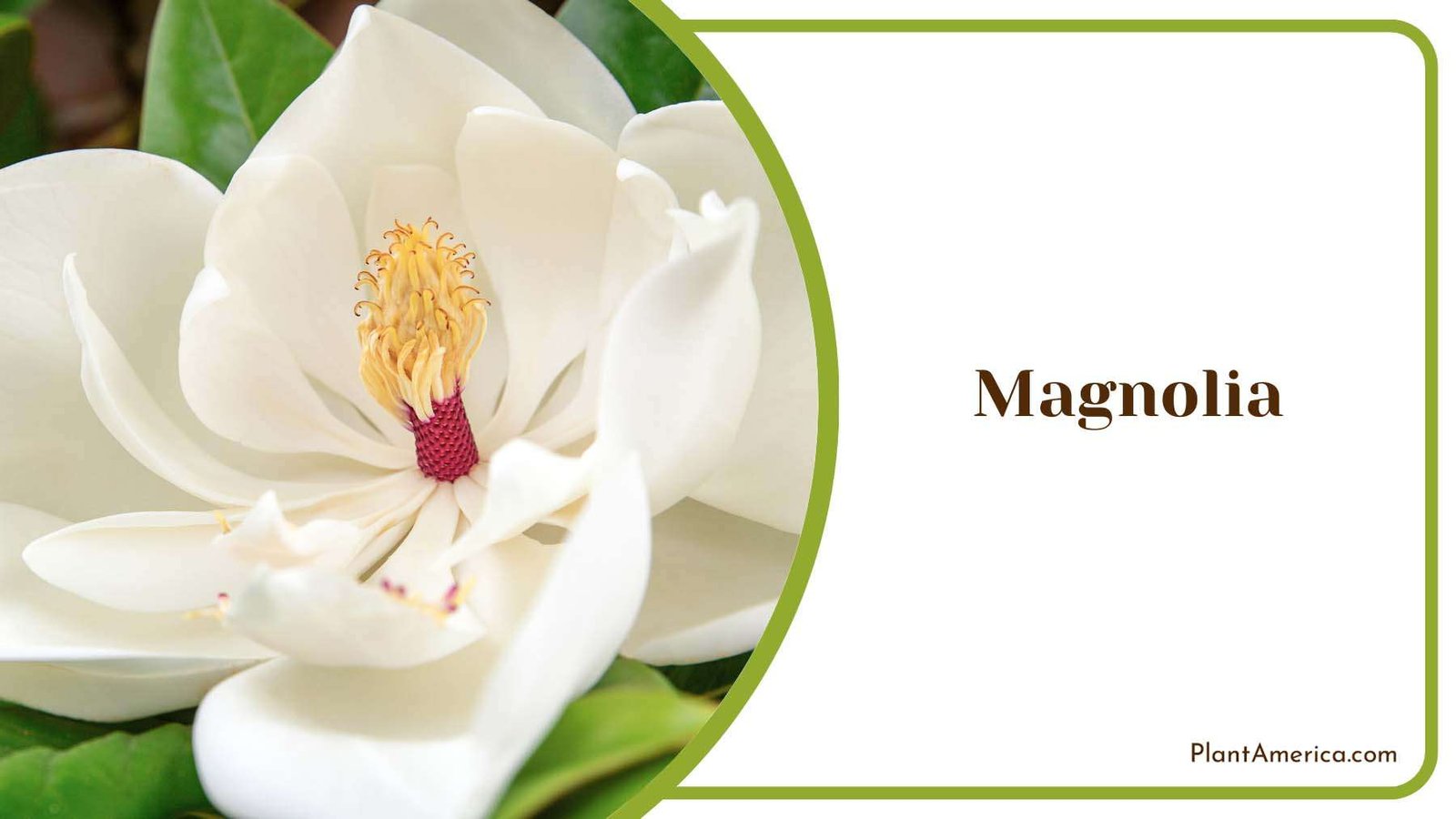
The magnolia tree is a classic flowering tree for gardens throughout California and the southern United States. In spring and early summer, magnolia trees erupt in showy tulip-like flowers in shades of white, pink, and purple. The shiny, simple leaves are dark green above and lighter below, adding visual interest year-round.
Come fall, the foliage turns beautiful shades of gold, russet, and orange before dropping to the ground. Though native further south, the magnolia tree adapts well to most well-drained garden conditions with regular summer water. Plant magnolia trees in full sun and evenly moist but well-drained soil to encourage heavy flowering.
In late winter, prune off any dead or damaged branches to promote strong new growth and maximum flowering come springtime. Mature magnolia trees can grow to 50 feet tall and 25 feet wide, providing cooling shade and architectural form in private gardens and large landscape settings.
12. Jacaranda
<
- Growing Season: Spring, Summer
- Leaf Shape: Alternate, Compound
- Specific Needs: Full sun, Well-drained soil
- Common Pests: Scale, Aphids
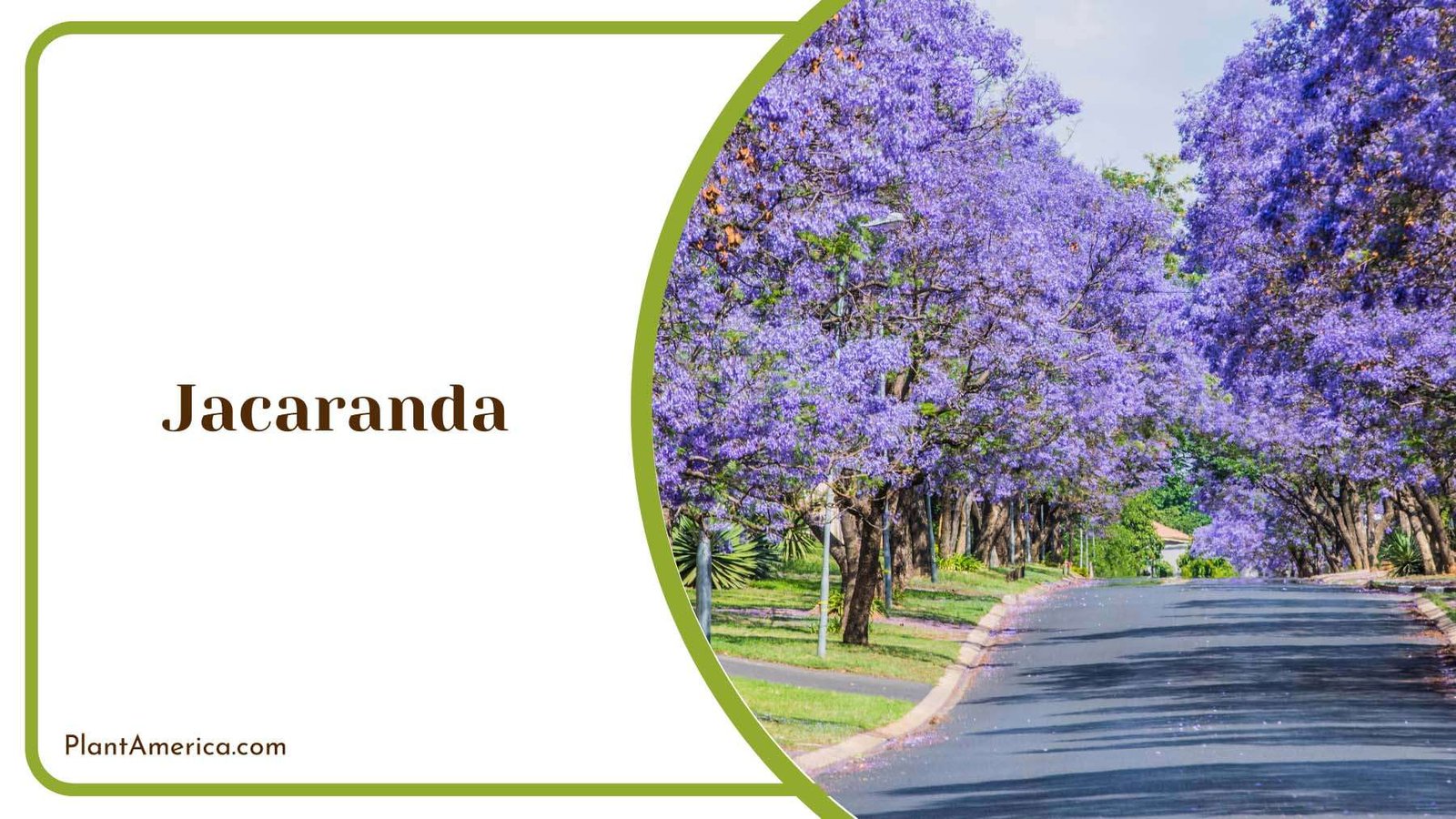
The stunning jacaranda tree blooms in spectacular fashion in California gardens each spring. Starting in late spring and into early summer, the jacaranda erupts in lavender-blue clusters of fragrant flowers that carpet the ground. Interesting seed pods form as the delicate bloom fades, providing visual interest for late summer.
The soft, pale green leaflets on the branches create dappled shade year-round. Plant the jacaranda tree in full sun for the best growth and bloom production. This flowering tree thrives in coastal California climates with regular irrigation and well-drained soil. The jacaranda tree’s naturally spreading canopy allows it to thrive in small or medium-sized urban gardens with space restrictions.
With maturity, jacaranda trees can reach 40 to 60 feet, producing loads of blooms and sculptural forms ideal for large California landscapes and public green spaces. Regular pruning is required early on to develop a strong branching structure and maximize flowering for this queen among flowering trees in California.
13. Tipu Tree
<
- Growing Season: Year-round
- Leaf Shape: Alternate, Compound
- Specific Needs: Full sun, Well-drained soil
- Common Pests: None
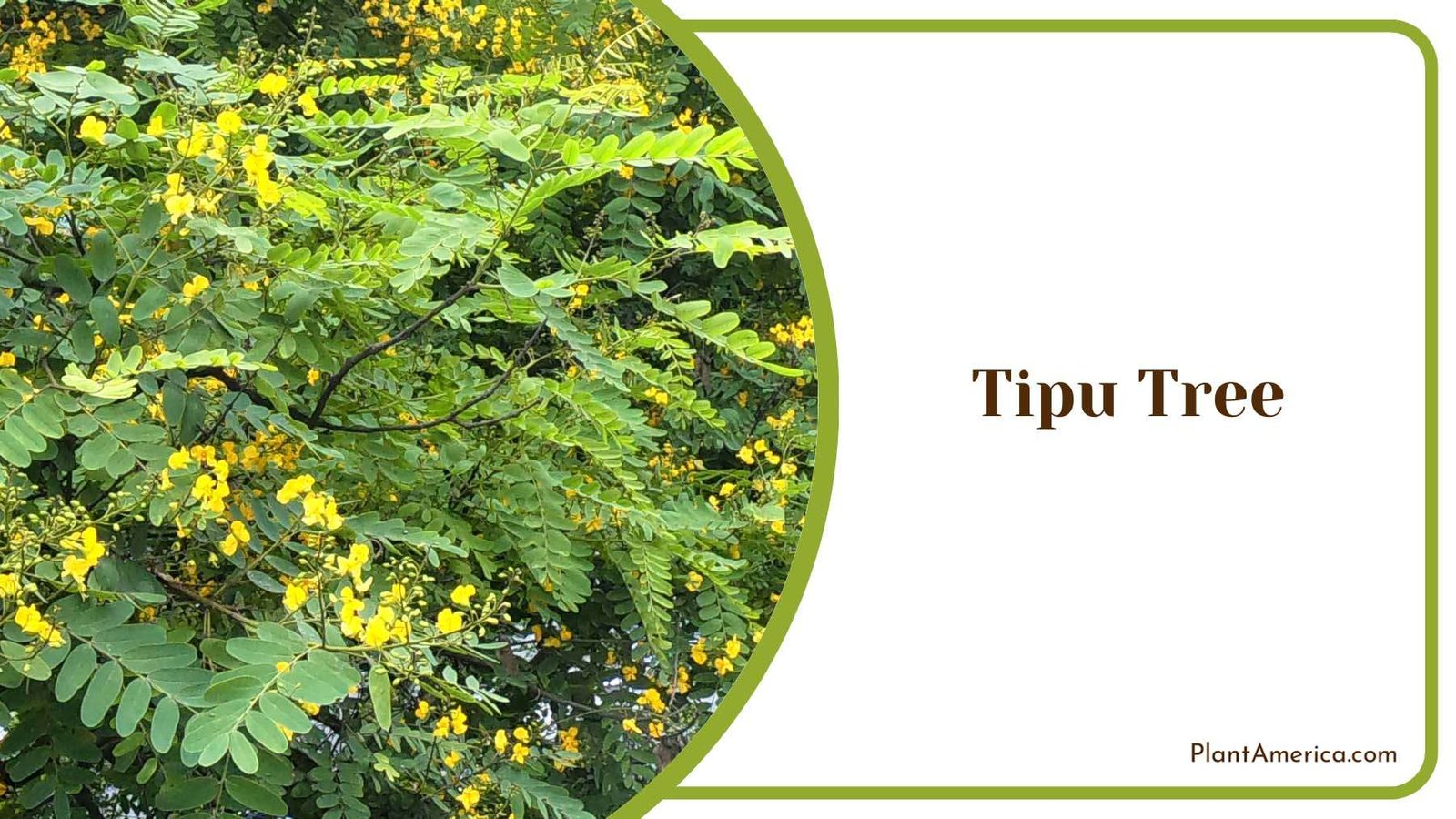
The magnificent tipu tree stands out as an iconic flowering tree of California and coastal climates. Displaying colorful blooms year-round, the tipu tree provides aesthetic value in the garden during all seasons. Clusters of red and yellow flowers appear at branch tips throughout the year, delighting the senses.
The dark green compound leaves remain on the tree all year, adding visual texture. While native to Central America, the tipu tree thrives in California’s Mediterranean climates with protection from strong winds and regular irrigation. Plant this showy flowering tree where it can receive maximum sunlight for the heaviest flowering.
The tipu tree’s ever-present blooms, bold form, and sculptural trunk provide visual interest and aesthetic appeal in any California garden. When mature, tipu trees typically grow 30 – 40 feet tall, making them ideal additions for medium to large landscapes where they provide sculptural form, colorful blooms, and shade all year round.
14. Hymenosporum Flavum
<
- Growing Season: Spring
- Leaf Shape: Alternate, Compound
- Specific Needs: Full sun, Well-drained soil
- Common Pests: None
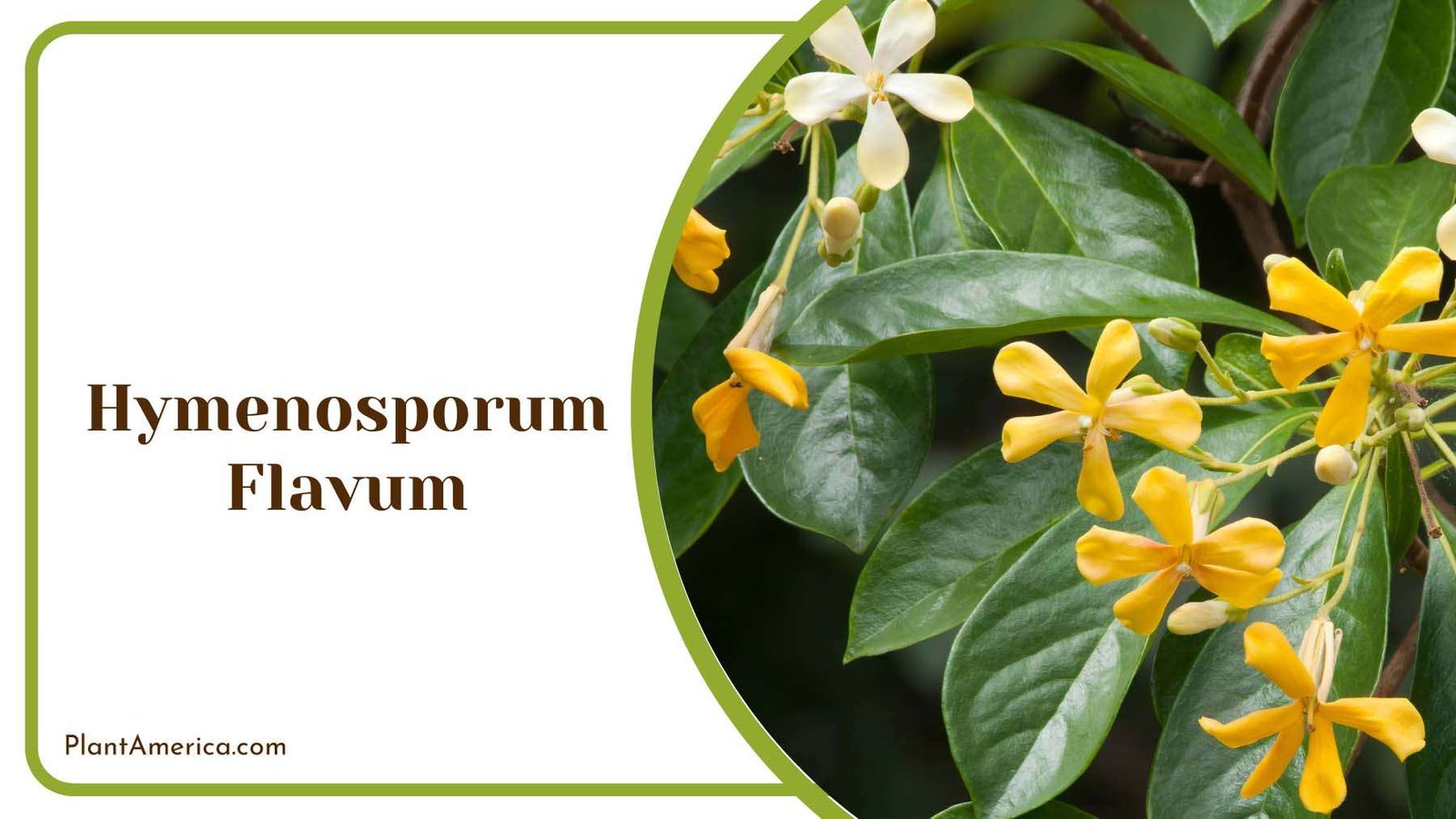
The hymenosporum flavum stands out as an iconic small flowering tree of California and coastal climates. Measuring only 30 feet tall at maturity, the hymenosporum flavum produces an abundance of fragrant yellow flowers over a long bloom period. Beginning as early as February, the sweet shade blankets itself in golden blossoms that fill the air with a heavenly perfume.
The compound leaves emerge after flowering, contributing textural depth and foliage interest. Glossy green above and paler beneath, the leaflets turn coppery in autumn. Sweetshade trees thrive in full sun and well-drained soil with little need for summer water once established. With age, sweet shade stems develop a distinctly twisted character that adds aesthetic appeal to any California landscape.
The sweet perfume of its flowers during bloom time and architectural structure all year long make the sweet shade a valuable small flowering tree choice for medium and large coastal gardens.
15. Tea Tree
<
- Growing Season: Spring
- Leaf Shape: Elliptic, Lanceolate
- Specific Needs: Full sun, Well-drained soil
- Common Pests: None
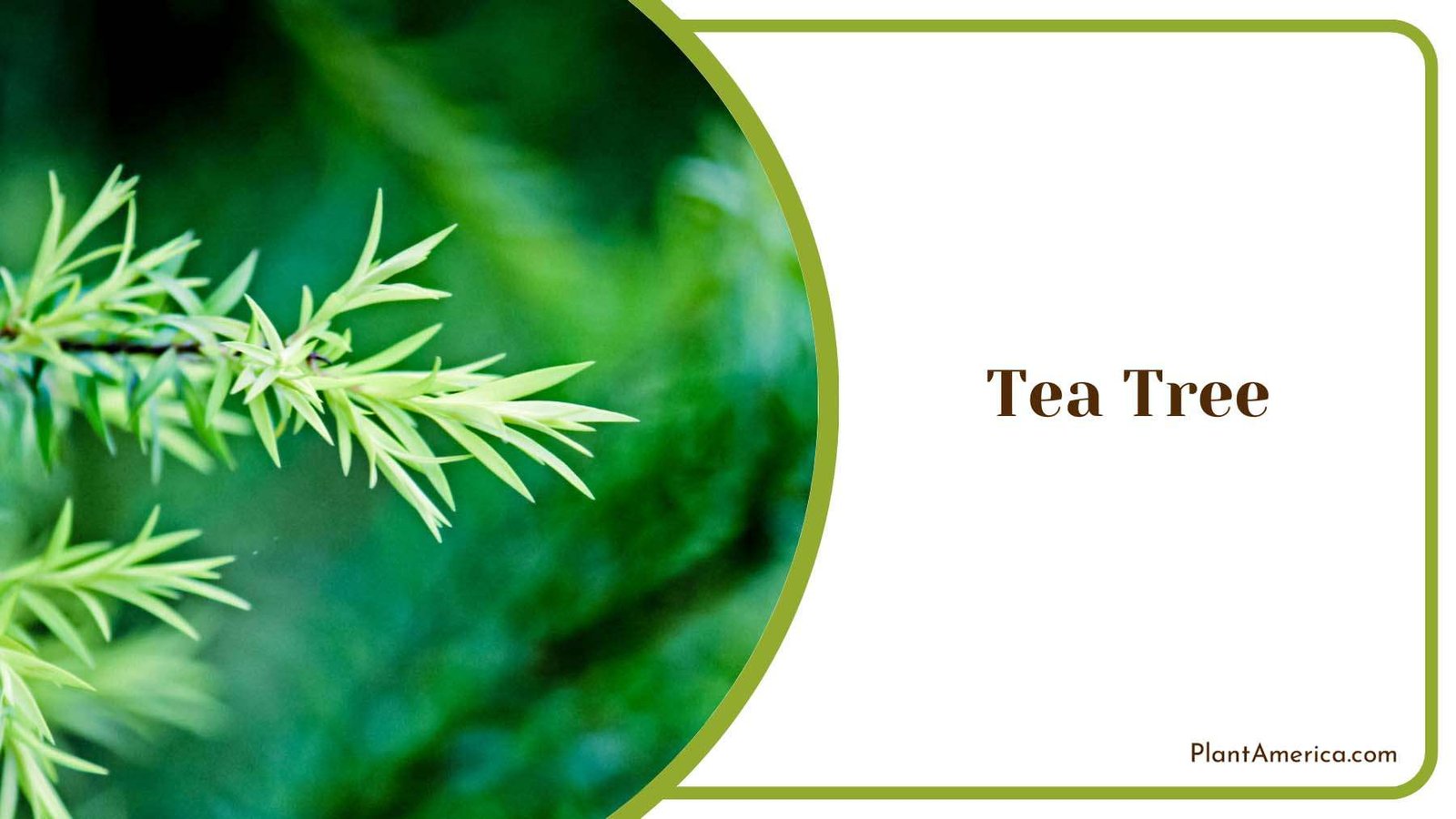
The tea tree, or Leptospermum, stands out as an iconic small tree for California and Mediterranean climate gardens. Beginning in late spring and early summer, the tea tree blankets itself in clouds of tiny white flowers. The fragrant blossoms attract bees and beneficial insects, providing naturally occurring pest control.
Once established, tea trees require very little irrigation and thrive in full sun with good soil drainage. As they age, stems of the tea tree develop gnarled, twisted shapes that give them sculptural presence year-round. The dark olive-green, elliptic leaves remain on the tree throughout the year, adding textural depth.
Tea trees typically grow 20 to 30 feet tall at maturity with a similar spread – making them perfect for medium and large California gardens where they offer visual interest and fragrance during flowering time. Tea trees develop best with regular pruning and shaping early in life to establish a strong branching structure for maximum flowering and naturally contorted form.
16. Chilopsis
<
- Growing Season: Spring
- Leaf Shape: Alternate, Pinnate
- Specific Needs: Full sun, Tolerates heat
- Common Pests: None
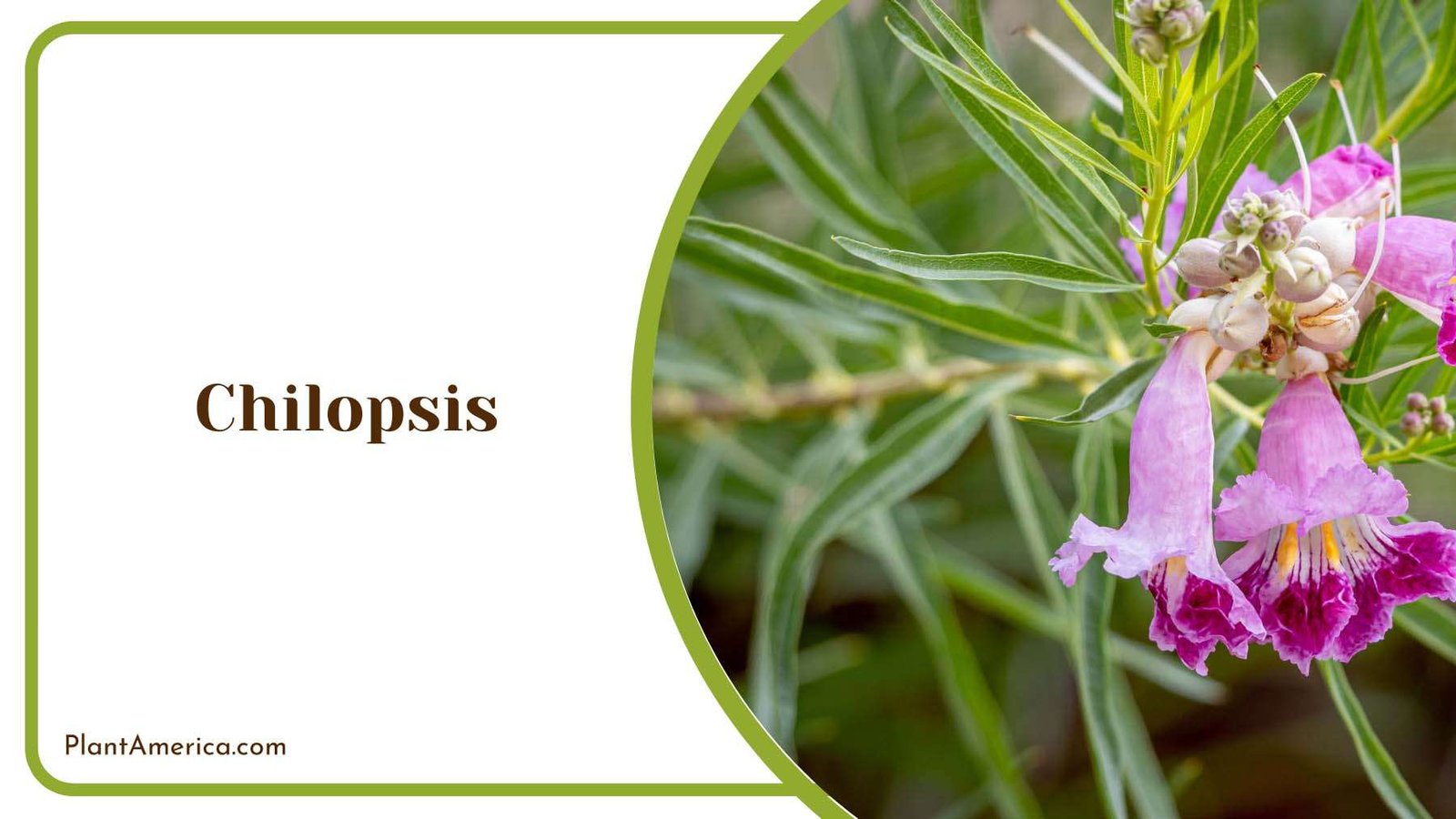
The spectacular desert willow shines as an iconic small flowering tree for native California and coastal gardens. Beginning in spring and continuing into early summer, the desert willow erupts in showy hanging clusters of pink to white flowers. The delicate blossoms attract hummingbirds and beneficial insects.
Once established, desert willows require very little summer irrigation and thrive in full sun and heat. As they age, the stems and trunks of desert willow trees develop dry twisted shapes that enhance their sculptural presence. The deep green, pinnate leaves remain on the tree throughout the year, adding foliage depth and texture.
Desert willows grow 20 to 30 feet tall at maturity with a similar spread – making them perfect for medium and large coastal gardens. With regular pruning and early shaping to establish a strong structure, desert willows maximize flowering and show off their gracefully contorted forms to optimum effect in any California landscape.