
Mealybugs on hibiscus are quite invasive pests that can bring a lot of danger to your flowery plant. However, there’s a way to proactively address them, and it begins with early detection.

How to Identify Mealybug Infestations on Hibiscus
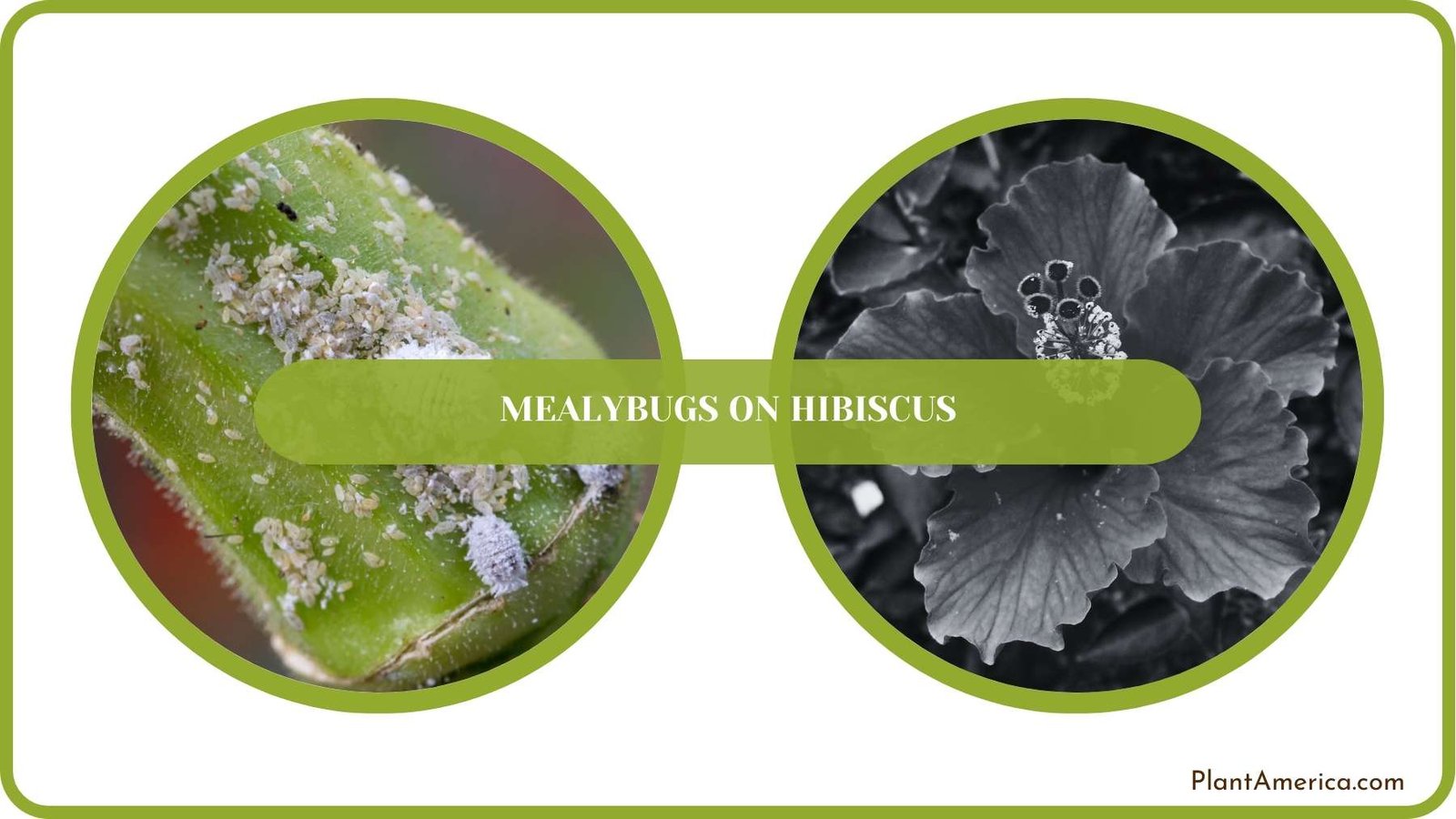
To identify mealybug infestations on hibiscus, start looking for obvious signs such as a mature mealybug reaching a size of about three millimeters. Their pink bodies are covered in a protective white waxy coating. In comparison, adult male mealybugs are smaller than the females, possessing two distinctively long waxy tails.
Although the entire life cycle of these bugs spans approximately a month, the reproductive rate of adult females is staggering, with each one laying approximately 600 eggs! This propensity explains why Pink Hibiscus Mealybugs rarely confine themselves to individual plants.
Pink Mealybugs are not mere tiny tree-dwelling insects — when they feed on a plant’s sap, they inject toxic saliva into it. This saliva wreaks havoc on the plants, leading to stunted growth and the development of misshapen or deformed leaves.
Leaves may start to curl, and a layer of black sooty mold and honeydew can cover them. Eventually, if left unchecked, the entire plant succumbs to the infestation. It’s this exact damage that makes them easily detectable, so let’s break it all down!

– White Cottony Growth
Identifying the presence of hibiscus mealybugs on your hibiscus plants requires a keen eye for their unique white cotton-like colonies. These clusters appear as small, white patches and often inhabit concealed nooks and crannies of the plant.
– Plant Deformities
When you observe your hibiscus is displaying slower growth, smaller leaves, and a lack of new shoots, it’s worth investigating an underlying problem.
Mealybugs, through drinking the plant’s sap, can induce nutrient deficiencies. A prevalent indicator of this is the yellowing of leaves. Individual leaves might also exhibit curling or deformation.
– Sticky Residue and Ants
Gardeners often spot a conspicuous sign that helps identify mealybugs — the presence of a sticky residue on their hibiscus plants. This substance, known as honeydew, essentially represents unprocessed plant sap.
Honeydew, in turn, creates an ideal breeding ground for sooty mold, a type of fungi. This sticky residue provides the perfect surface for mold to adhere to, thrive on, and envelop various parts of the plant, including leaves, branches, and even blossoms.
Ants are frequently lured to mealybugs because of this sweet honeydew. This sugary substance serves as a favored food source for them. Ants not only gather around mealybug colonies but may also actively protect these pests from natural predators.
Therefore, if you observe an unusually high level of ant activity around your hibiscus plant, it strongly suggests the possible presence of hibiscus mealybugs.
This connection between ants and mealybugs should prompt you to conduct a closer examination and implement effective mealybug prevention measures!
How To Get Rid of Mealybugs on Your Hibiscus?
To get rid of mealybugs on your Hibiscus, you can start by using neem oil or insecticidal soap. Rubbing alcohol, which is widely available, can also be used. If these methods don’t work, go hard on these pests using wooden ash and diatomaceous earth.
– Neem Oil
Prepare a potent mixture by blending neem tree oil with a gentle dish detergent and warm water (typically, use a few tablespoons of neem, one teaspoon of dish detergent, and a gallon of warm water, or adhere to the instructions on the product label).
Apply this oily solution to your hibiscus plants either in the morning or evening, times when beneficial insects are less active. The natural properties of the oil impact an insect’s feeding, growth, and development while also acting as a repellent.

The effects of this oil extend beyond pest control. The Environmental Protection Agency has endorsed neem tree oil as safe for use on edible plants, including vegetables, as well as ornamental plants like bougainvilleas and hibiscus.
– Insecticidal Soap
When facing a substantial Maconellicoccus hirsutus infestation, you have two practical options — relying on established commercial products or preparing your own DIY solution using readily available household ingredients.
When applying this solution, ensure thorough and even coverage across all affected areas of your plants.
– Rubbing Alcohol
Take a cotton ball and saturate it with isopropyl alcohol, ensuring it’s not of too high a concentration (otherwise you can dilute in water).
Now, gently rub the hibiscus mealybugs with the soaked cotton ball — this method quickly eliminates them. Continue this treatment on a weekly basis until the infestation is entirely eradicated.
To avoid leaf burns and potential damage, refrain from alcohol rubs during the peak of midday! Also, a patch test on a single leaf before application should be performed to confirm the alcohol won’t cause any harm.
– Wooden Ash
Now, here’s something for all you barbecue lovers out there! Wooden ash is remarkably effective against hibiscus mealybugs.
Take a few pinches of wood ash and mix it with a few cups of water, ensuring thorough mixing. You can then apply this solution directly to mealybugs or use it in powdered form to lightly dust affected plants.
The wood ash application will dehydrate the mealybugs and effectively rid your plant of these pests.
– Diatomaceous Earth
Diatomaceous earth, a finely ground powder made from fossilized diatoms, poses a unique challenge to the exoskeletons of insects due to its abrasive texture. When mealybugs come into contact with it, the powder adheres to their bodies and transforms into tiny shards that pierce through their protective waxy coatings.
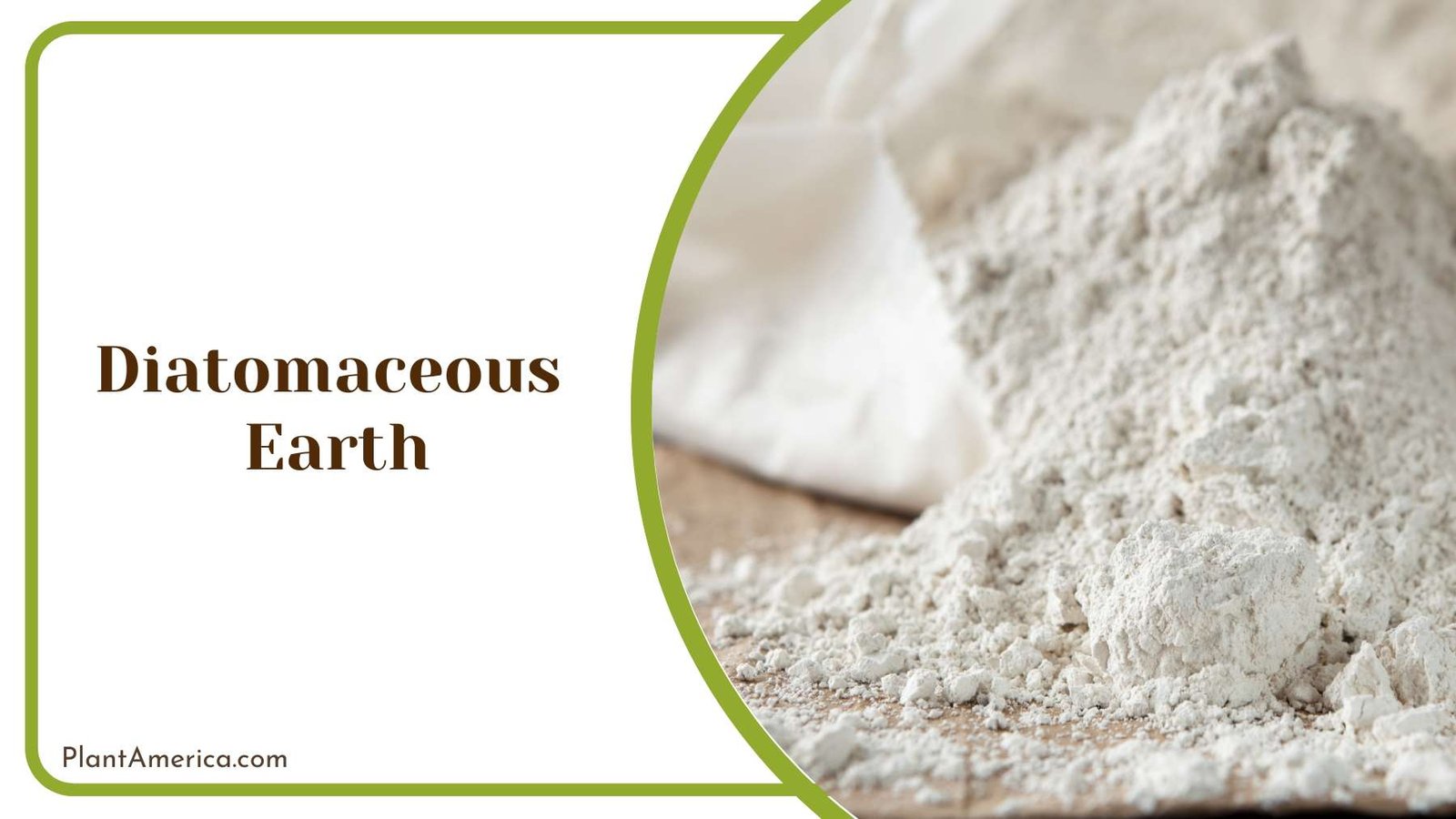
To apply diatomaceous earth, it’s essential to wear gloves and a mask to avoid inhaling the fine particles. Hibiscus mealybugs tend to have reduced activity under dry and well-ventilated conditions, enhancing the effectiveness of this application.
Carefully and evenly sprinkle a thin layer of diatomaceous earth onto the areas of your plants affected by mealybugs. It’s important to monitor the results as occasional reapplication may be needed.
– Essential Oils
Oils such as peppermint, citrus, and thyme work amazingly well as pest repellents. And you can prepare the solution at home too — simply mix a teaspoon of each essential oil with one tablespoon of mild liquid soap in a gallon of lukewarm water. Shake the mixture thoroughly, transmit it to a spraying bottle, and then apply directly onto the mealybugs.
Alternatively, you can create an organic pesticide using coconut oil to combat mealybugs. In a spray bottle, mix two cups of coconut oil with half a teaspoon of liquid soap and, optionally, half a teaspoon of neem oil, all in two liters of water. Apply this solution directly to the mealybugs.
– Friendly Insects
Biological control offers a fascinating solution for managing mealybugs on your hibiscus plants. Hibiscus naturally attracts a range of natural predators that specifically target these pests.
You can either purchase some of these beneficial insects from garden supply stores or take steps to naturally attract them to your garden, especially when hibiscus mealybugs are present.

One of the most prominent natural predators is the mealybug destroyer. These insects have a robust appetite for hibiscus mealybugs, starting from their larval stage. They are remarkably effective and can consume several hundred mealybugs per week, making them invaluable in severe infestations.
Interestingly, certain spider species and small birds also contribute to managing mealybugs on hibiscus plants. To make the most of these natural allies, it’s crucial to exercise caution and refrain from using pesticides or insecticides that could unintentionally harm these helpful organisms.
– Keep Your Hibiscus Healthy
Healthy plants are more resilient and better equipped to fend off pests. Let’s see some recommended tips on keeping your hibiscus healthy to minimize the risk of mealybug issues.
Ensure that you water your plants appropriately. They prefer consistently moist but well-drained soil. Avoid overwatering, as this can lead to root rot, weakening the plant’s overall health. Plant your hibiscus in well-drained soil to prevent waterlogged roots. Root health is vital for the plant’s overall vigor.
Provide the plants with balanced, slow-release fertilizer during the growing season. Well-fed plants are more resilient against pests and recover faster from infestations.
Consider isolating any new garden additions for a few weeks to ensure they are free of pests before placing them near your other plants. If you’re growing the hibiscus outside, keep your garden clean and remove fallen leaves and debris often. Hibiscus mealybugs can hide in leaf litter, so cleanliness can deter infestations.
By following these practices and maintaining the overall health of your hibiscus plants, you can create an environment that is less hospitable to mealybugs and better equipped to resist their infestations.
Conclusion
Pink mealybugs can wreak havoc on your beloved floral companions. However, armed with knowledge and the right strategies, you can effectively identify, prevent, and eliminate mealybugs.
- Early detection is the key to success. Mealybugs leave telltale signs such as white cottony growth, plant deformities, and the presence of a sticky residue known as honeydew.
- A range of methods are at your disposal to combat mealybugs. These include natural remedies like neem oil, insecticidal soap, rubbing alcohol, wood ash, diatomaceous earth, and essential oil solutions.
- Additionally, nature itself provides allies in the form of beneficial insects like mealybug destroyers, ladybugs, lacewing larvae, and parasitic wasps.
- Maintaining the overall health of your hibiscus plants is a crucial aspect of mealybug prevention. Proper watering, well-drained soil, adequate sunlight, pruning, fertilization, and pest monitoring all contribute to plant vigor and resilience.
By implementing these strategies and staying proactive, you can enjoy thriving hibiscus plants free from the threat of infestations, allowing their vibrant beauty to flourish in your garden.