
“Why is my aloe plant turning yellow?” is a common question many plant enthusiasts ask when their once-vibrant aloe vera shows signs of distress. The causes include choosing an inappropriate pot, keeping the soil too moist, exposure to unsuitable lighting, and sudden temperature changes.

Not doing something correctly can hurt plants even more, so you should follow every suggestion discussed in this guide.
Why Are Your Aloe Plants Turning Yellow?
Your Aloe plants are turning yellow because of being in the wrong pot, having excessively moist soil, and being exposed to unsuitable light conditions. When there’s a sudden dip or rise in temperature, it can also stress out plants. Not adding nutrients can also cause yellow spots to appear.
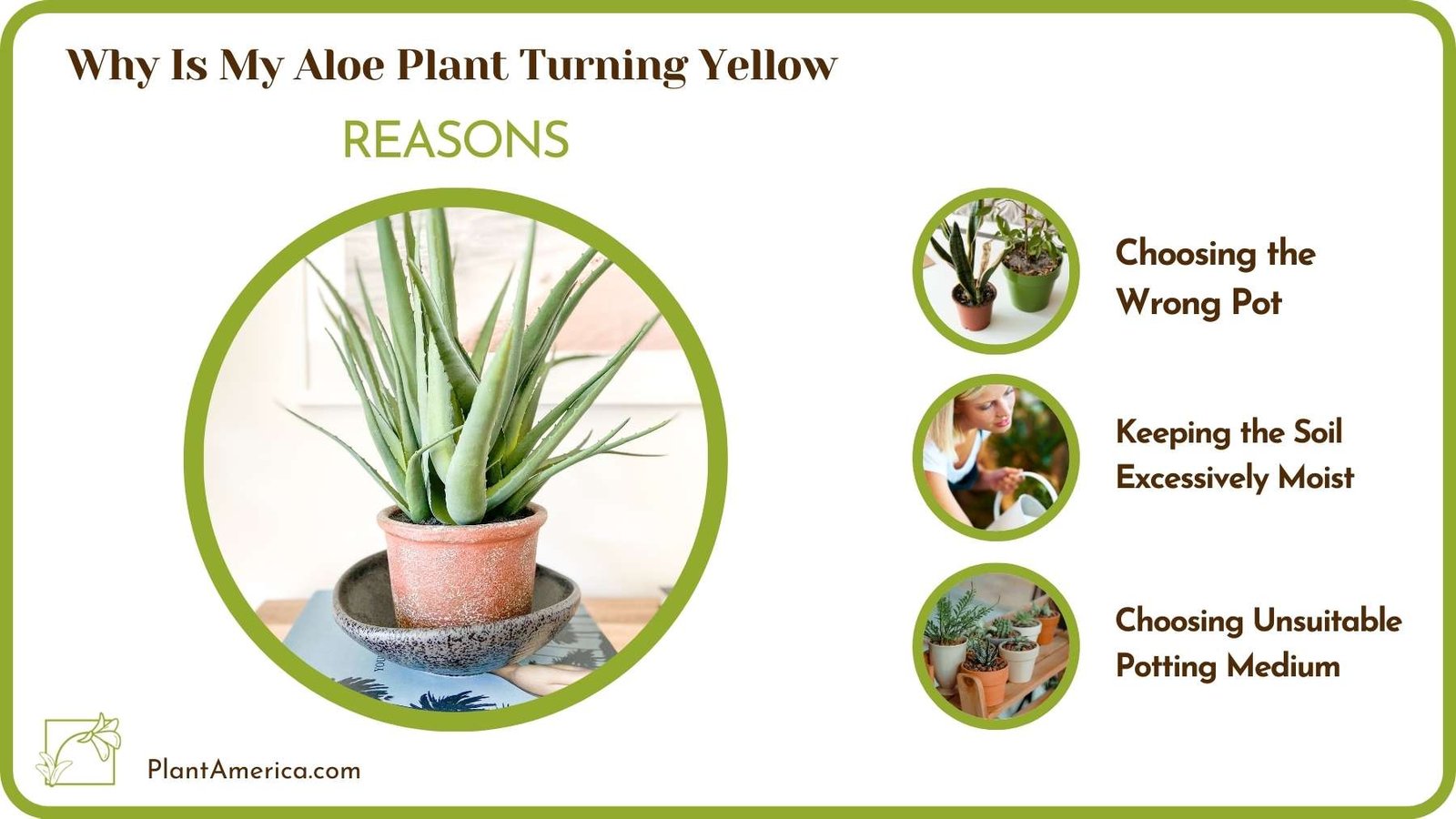
– Choosing the Wrong Pot
If you’ve observed your aloe plant turning yellow and soft, one potential reason could be the container it’s residing in. Firstly, pot size matters. If the pot is too large, it holds excess moisture that the plant cannot absorb quickly, leading to stagnation and potential root issues. On the other hand, a very tight pot can cause the plant to become root-bound, restricting its growth and causing stress.
Material is the next consideration. Plastic pots retain moisture longer than terracotta or clay pots.
Lastly, drainage is essential. Water at the bottom can suffocate the roots and create an environment conducive to fungal and bacterial growth. When these pathogens attack, the plant’s overall health deteriorates, often causing it to become yellow and soft.
– Keeping the Soil Excessively Moist
When aloe vera turns yellow, it’s also a time to assess your watering habits and the moisture content of the soil. Overwatering or letting the plant sit in overly damp soil can lead to various problems.
Root rot is one of the most common issues from overly wet soil. It’s a condition where the roots of the plant decay and die due to prolonged exposure to excess moisture. As the roots rot, they become incapable of absorbing nutrients and water, leading to the “yellowing aloe” problem.
– Choosing Unsuitable Potting Medium
Aloe vera plants thrive in well-draining soil that mimics their natural desert habitat. A dense potting mix might cause water retention, leading to yellow aloe leaves.
Another factor to consider is the soil’s pH (acidity/alkalinity) level. Aloes prefer slightly acidic to neutral pH levels (around 6 to 7.5). If the soil is too alkaline or acidic, the plant can struggle to absorb essential nutrients, resulting in the yellowing of leaves.
– Low or Too Much Light Conditions
If you’ve been wondering, “Why is my aloe plant turning yellow and brown,” the answer might be right outside your window. Note that Aloe are sun-loving succulents. But if this plant doesn’t receive enough light, it can stretch out, becoming leggy with space between the leaves.
Conversely, too much direct sunlight, especially during peak hours, can be harmful. The intense rays can cause the Aloe leaves to turn brown or show sunburn spots (yellow to brown).

– Sudden Fluctuation in Temperature
When you notice your aloe plant turning yellow at tips, one possible reason could be the unexpected temperature fluctuations. These plants are not designed to cope with abrupt changes in the environment.
Aloes typically thrive in temperatures ranging from 55 to 80 degrees Fahrenheit. However, sudden drops can shock the plant, especially in cold temperatures. When this happens, the internal processes stop for some time. As a result, you’ll see yellow leaves.
– Deficiency of Nutrients
If you’ve been asking yourself, “Why is my aloe plant turning brown and yellow, “ a close look at its nutrients might answer. Aloes derive most of their essential nutrients from the soil.
Over time, however, the soil’s nutrient content can deplete, especially if the plant hasn’t been repotted or if the soil hasn’t been refreshed.
Specifically, a magnesium deficiency can lead to yellowing leaves. Potassium deficiency might cause the leaf margins to turn brown. It’s not a nutrient deficiency but an imbalance that can harm the plant. Too much fertilizer, for instance, can lead to salt buildup, which can cause the plant’s roots to burn, leading to yellowing leaves.
– Pest Feeding
Despite its hardy nature, Aloe is not immune to pest attacks. When you observe your plant leaves turning yellow, it’s worth inspecting the aloe leaf closely for potential pests.
Scale insects are among the most common culprits among the pests that target aloes. These tiny insects latch onto the Aloe, feeding on the plant’s sap. This feeding drains the plant’s essential nutrients and introduces toxins that can lead to yellowing.
Another concern many aloe owners have is, can I use yellow aloe vera that pests have attacked? It’s recommended first to address the pest issue and allow the plant to recover before extracting any gel.
How to Fix Aloes With Yellow Leaves
To fix aloes with yellow leaves, repot it to an appropriate pot and manage the soil moisture. Ensuring proper light exposure, maintaining optimal temperature, and feeding nutrients adequately can also help the plants to become green again. Furthermore, if you see pests, eradicate them quickly to protect the aloes.
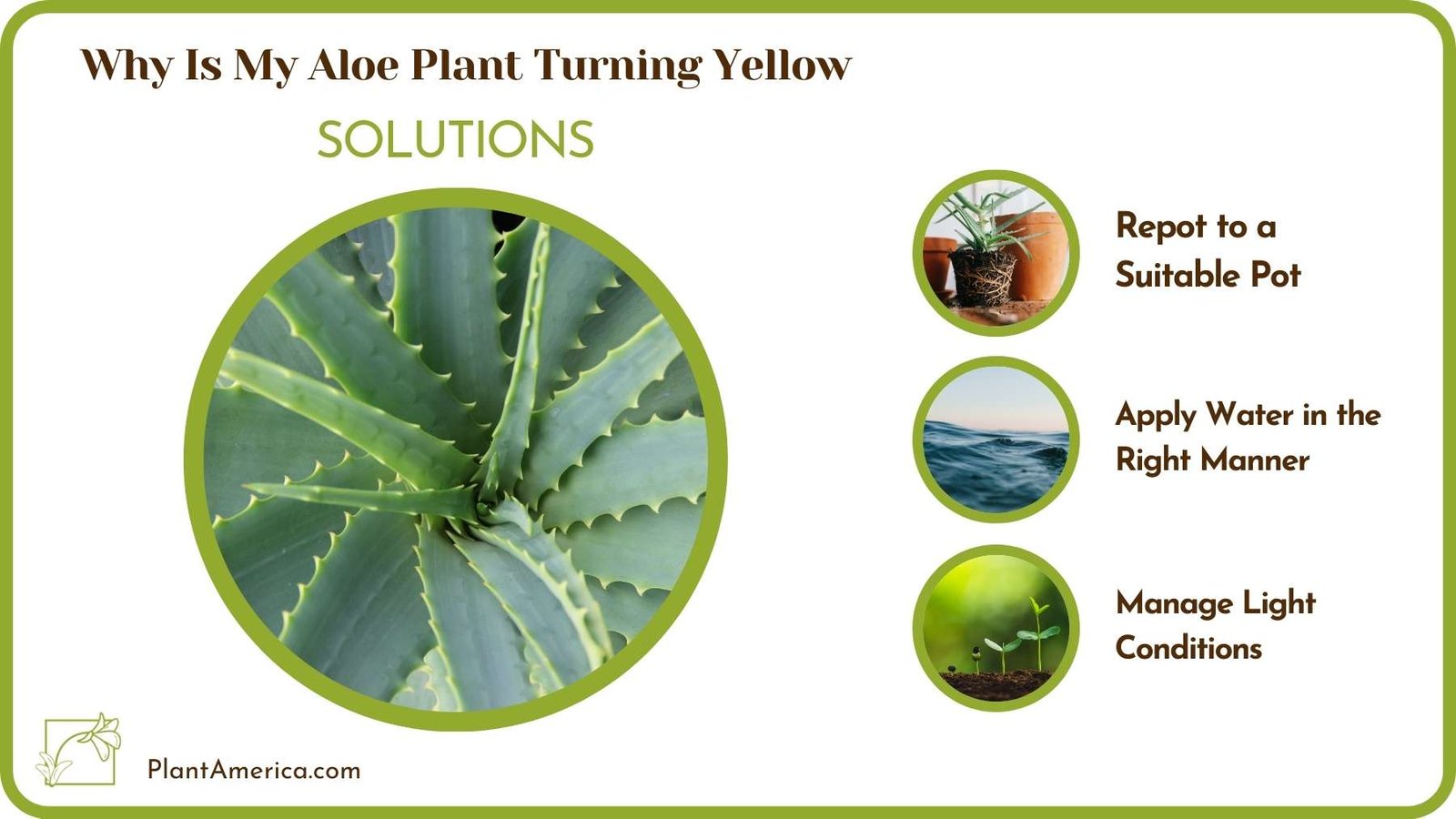
– Repot to a Suitable Pot
If you’ve recently moved your Aloe to a new pot and observed, “Why is my aloe plant turning yellow after repotting?” there’s a good chance that the container might not be suitable for your plant.
Here’s how to repot correctly:
- Choose the Right Pot Size: An overly large pot will retain more moisture, which isn’t ideal for aloe vera. Pick a container just a couple of inches larger in diameter than the old pot.
- Ensure Proper Drainage: Always select a pot with adequate drainage holes. This ensures any excess water drains away, preventing root rot.
- Trim away: It’s better to prune the discolored leaves before repotting. So, how to remove yellow from aloe vera? You can use sharp scissors.
- Gentle Handling: When repotting, handle the Aloe gently to avoid damaging its roots. If any roots appear rotted or damaged, trim them before repotting.
- Use Appropriate Soil: Cactus or succulent mix is ideal for aloe vera. This type of soil drains well, ensuring the roots aren’t sitting in water.
- Position Correctly: After repotting, place the Aloe in its preferred location, considering its light requirements.
– Apply Water in the Right Manner
Understanding how to water Aloe is crucial to keep it healthy and green.
- Deep, Infrequent Watering: Give your Aloe a good soak instead of frequent light watering. Then, let the soil dry out completely to mimic the natural environment of the aloe vera.
- Use the Right Amount: Watering should be done sparingly. A general rule is to water the plant every 3-4 weeks in the summer and even less frequently during winter.
- Check Soil Moisture: Checking the soil’s moisture is a good habit before watering. If the top two inches of the soil feels bone dry, it’s time to water. If it’s still moist, wait a few days and check again.
- Ensure Proper Drainage: After watering, any excess water should be able to drain away quickly.
- Avoid Water on Leaves: When watering your Aloe, aim to pour water directly into the soil and avoid getting the leaves wet. Water on the leaves can promote fungal growth.
Remember, as with most succulents, it’s better to under-water than over-water when in doubt.
– Manage Light Conditions
For your aloe vera to thrive and turn green, you must ensure it’s getting the right amount of light. These plants prefer bright, indirect light. While they appreciate some direct sunlight, prolonged exposure can cause their leaves to turn brownish yellow.
If the leaves start to turn pale green or show signs of yellowing, it may indicate that the plant is getting too much sunlight. On the other hand, if the leaves begin thinning, it might be due to insufficient light.

– Maintain Temperature if You Have Unhealthy Aloes
The growing conditions of an aloe vera plant, especially the temperature, play a significant role in its overall health. It prefers temperatures between 55 to 80 degrees Fahrenheit. While aloe vera can tolerate cool temperatures for short periods, protecting them from freezing conditions is essential.
- Keep Away from Drafts: Ensure your vera plant is not placed near drafty windows or doors, especially during the colder months.
- Indoor vs. Outdoor: If you’re growing your aloe vera outdoors, consider bringing it inside during colder nights. Ensure indoor plants are not placed near heating vents or radiators, which can dry them out.
Remember, Aloe is a hardy plant that requires some care and attention. You can ensure your Aloe remains healthy and vibrant by managing its light exposure and maintaining an appropriate temperature.
– Feed Nutrients Properly When Leaves Turn Yellow
Even the most resilient plants, like aloe vera, can become unhealthy if deprived of essential nutrients.
Here’s how to ensure your Aloe gets the nutrients it needs:
- Use a Balanced Fertilizer: Opt for a water-soluble or liquid fertilizer designed for succulents or cacti. These usually have the right nutrient balance for aloes.
- Frequency: A vera plant doesn’t need frequent feeding. Apply fertilizer only during the growing season (spring and early summer), roughly every 4-6 weeks.
- Don’t Overfeed: Too much fertilizer can harm the plant, so follow package instructions carefully.
– Deal with Pest Invasions
Pests can severely damage the Aloe vera leaves, causing them to become yellow or brown.
Here’s how to manage them:
- Inspect Regularly: Check the leaves top and undersides for any signs of pests like scale bugs or aphids.
- Neem Oil: This is a natural remedy that works against various pests. Apply it as a spray to the affected parts.
- Keep Plant Dry: Pests thrive in damp conditions. Ensure your Aloe’s leaves and soil surface stay dry.
- Isolate Infected Plants: If you notice an infected plant, keep it away from others to prevent the pests from spreading.
That’s all. Doing these things will keep your aloes green and happy!
Conclusion
Aloe vera plants can turn yellow if they face problems like inappropriate pot selection, excessive moisture, and wrong light conditions. Luckily, you can keep your aloes vibrant and healthy if you follow the main points of this guide, which are:
- Choose the right pot and well-draining soil for optimal growth.
- Ensure proper watering techniques, as these plants don’t like to sit in water for too long.
- Position the plant in appropriate lighting conditions to get light for more than six hours.
- Regularly feed it with suitable nutrients to keep it fresh.
- Address pest invasions with neem oil and keep plants dry.
By diligently following these steps, your aloe vera plant will flourish and showcase its natural green luster. It’s that simple!