
Purple annual flowers add vibrant bursts of color to brighten your garden all season. If you want to fill your flower beds and containers with gorgeous blooms of lavender, violet, and fuchsia shades, purple annuals are some of the easiest flowers to grow.

We’ll explore some of the best purple annual flowers that thrive in heat and provide a continuous display from spring through fall, helping you transform your outdoor space into a joyful, eye-catching oasis.
22 Best Purple Annual Flowers You Need to Plant this Spring
1. Lobelia

- Growing Season: Spring to fall
- Leaf Shape: Oval, Lanceolate
- Specific Needs: Prefers moist, Well-drained soil
- Common Pests: Aphids, Slugs
Lobelia adds a splash of vivid color to the garden with its small flowers in shades of purple, blue, and white. The flowers are clustered on spikes rising above the foliage, attracting beneficial insects like butterflies and bees. You can easily grow lobelias in masses along borders or containers for an eye-catching display all season long. They only need partial shade and regularly moist but well-drained soil to thrive.
2. Alyssum

- Growing Season: Spring to fall
- Leaf Shape: Linear, Petite
- Specific Needs: Full Sun, Well-drained soil
- Common Pests: Aphids, Whiteflies
Alyssum creates a beautiful carpet of color with its petite purple, white, or pink flowers that completely cover the foliage. The clusters of tiny blossoms attract beneficial insects and fill the air with a sweet honey fragrance.
You can plant alyssum in rock gardens, walkways, and containers for an easy-care, long-lasting display. All they require is full sun and infrequent watering once established. Sweet alyssum flowers spread cheer without demanding much care during the growing season.
Alyssum is a wonderful choice for urban flower beds due to its resistance to diseases common flowers fall prey to. These sweet annuals grow beautifully in poor soils and harsh conditions and make stunning ground covers that require little to no maintenance.
3. Petunia

- Growing Season: Spring to Fall
- Leaf Shape: Oval, Simple
- Specific Needs: Full Sun, Rich soil
- Common Pests: Aphids, Snails
Petunias offer abundant color throughout the summer and fall months with their large fragrant blooms in shades of purple, pink, red, and white. The flowers bloom nonstop if you provide the right growing conditions, like nutrient-rich soil, consistent moisture, and at least six hours of direct sunlight daily. The blossoms of petunias attract butterflies and hummingbirds with their sweet nectar.
These purple annual flowers do very well planted around patios, walkways, and hanging baskets because they trail and cascade beautifully. Petunias are easy to grow and maintain as long as you deadhead the faded blooms regularly to encourage continuous flowering throughout the season. They make a stunning annual flower bed border that requires infrequent annual flower plants to grow.
4. Pansy

- Growing Season: Spring to fall
- Leaf Shape: Simple, Lobed
- Specific Needs: Partial shade, Regular watering
- Common Pests: Aphids, Slugs
Pansies offer a carpet of color in cool weather with their round cheerful faces in shades of purple, yellow, blue, and white. The three-petaled blooms emerge above the foliage and have a dark purple flower center.
Pansies thrive in mild or cold temperatures and can continue blooming perennial flowers in autumn and winter with proper care. You can grow them in containers, hanging baskets, window boxes, and cottage gardens for a splash of brilliance.
They only need partial shade, consistently moist soil, and protection from strong winds. Deadheading faded blossoms will keep the pansies blooming well into fall. Pansies tend to sprawl and cascade beautifully over garden edges, making them perfect for adding visual interest to upper levels or rockeries. Their unique viola tricolor annual flowers give rise to patterns and unusual color combinations within their petals.
5. African Daisy
- Growing Season: Spring to summer
- Leaf Shape: Alternate, Lance-shaped
- Specific Needs: Full Sun, Average soil
- Common Pests: Aphids, Spider mites
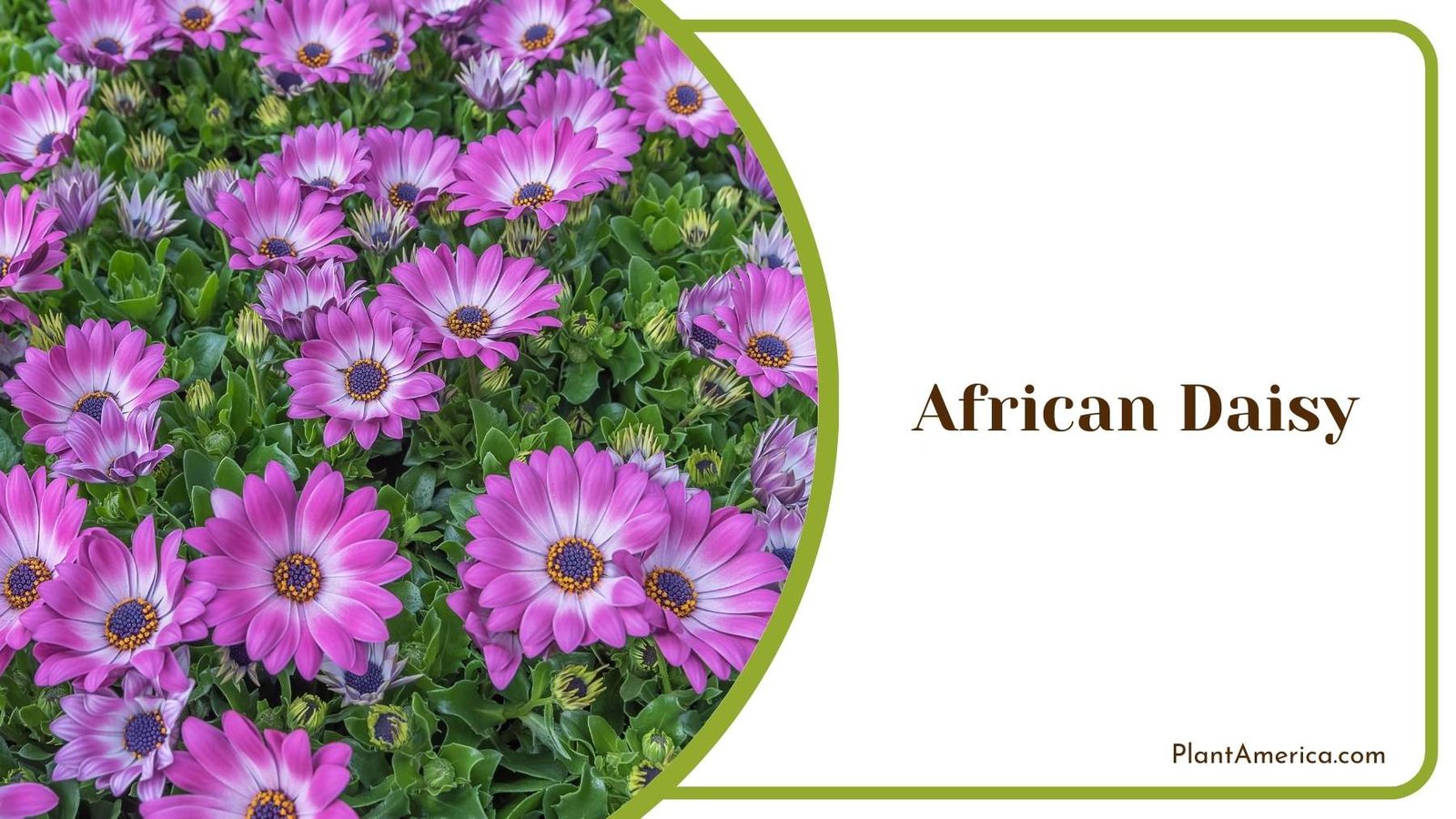
African daisies produce masses of daisy-like blooms in shades of violet, purple, pink, and white atop branches that grow eight to 24 inches tall. The cheery flowers ranging from one to three inches in diameter appear all summer long if provided with consistent moisture and well-draining soil.
These hardy annual flowers grow beautiful flowers that thrive in hot, sunny locations and tend to spread out to form an attractive ground cover. You can grow purple annual flowers and African daisies in rock gardens, between pavers, and containers on a deck or patio for a profusion of color.
They require minimal care once established and tolerate drought conditions well with occasional watering. Deadheading the spent blossoms regularly encourages continuous flowering and keeps the plant bushy. The daisy-like blooms attract butterflies, hummingbirds, and bees to the garden with their nectar.
6. New Guinea Impatiens

- Growing Season: Spring to fall
- Leaf Shape: Oval to oblong, Simple
- Specific Needs: Partial shade, Consistently moist soil
- Common Pests: Aphids, Spider mites
New Guinea impatiens continuously display large beautiful flowers in bright, beautiful shades of purple, pink, red, and white from spring through fall. The funnel-shaped blooms emerge almost continuously with the right conditions, like partial shade, consistent moisture, and rich organic-matter amended soil.
The plants can grow eight to 24 inches tall with upright mounded habits. These popular annuals prefer cooler temperatures and more humidity than other impatiens. You can grow New Guinea impatiens in containers on a deck, in shade gardens, or used as bedding plants.
The large flowers attract hummingbirds, bees, and butterflies to the garden with their nectar. Regular deadheading of the faded blossoms will promote fuller plant growth and keep the impatiens blooming prolifically until the first hard frost of fall. New Guinea impatiens require consistently moist, well-draining soil to thrive and perform best with occasional applications of all-purpose organic fertilizer during the growing season.
7. Browallia
- Growing Season: Spring to fall
- Leaf Shape: Simple, Oval to oblong
- Specific Needs: Full Sun, Consistently moist soil
- Common Pests: Aphids, Spider mites
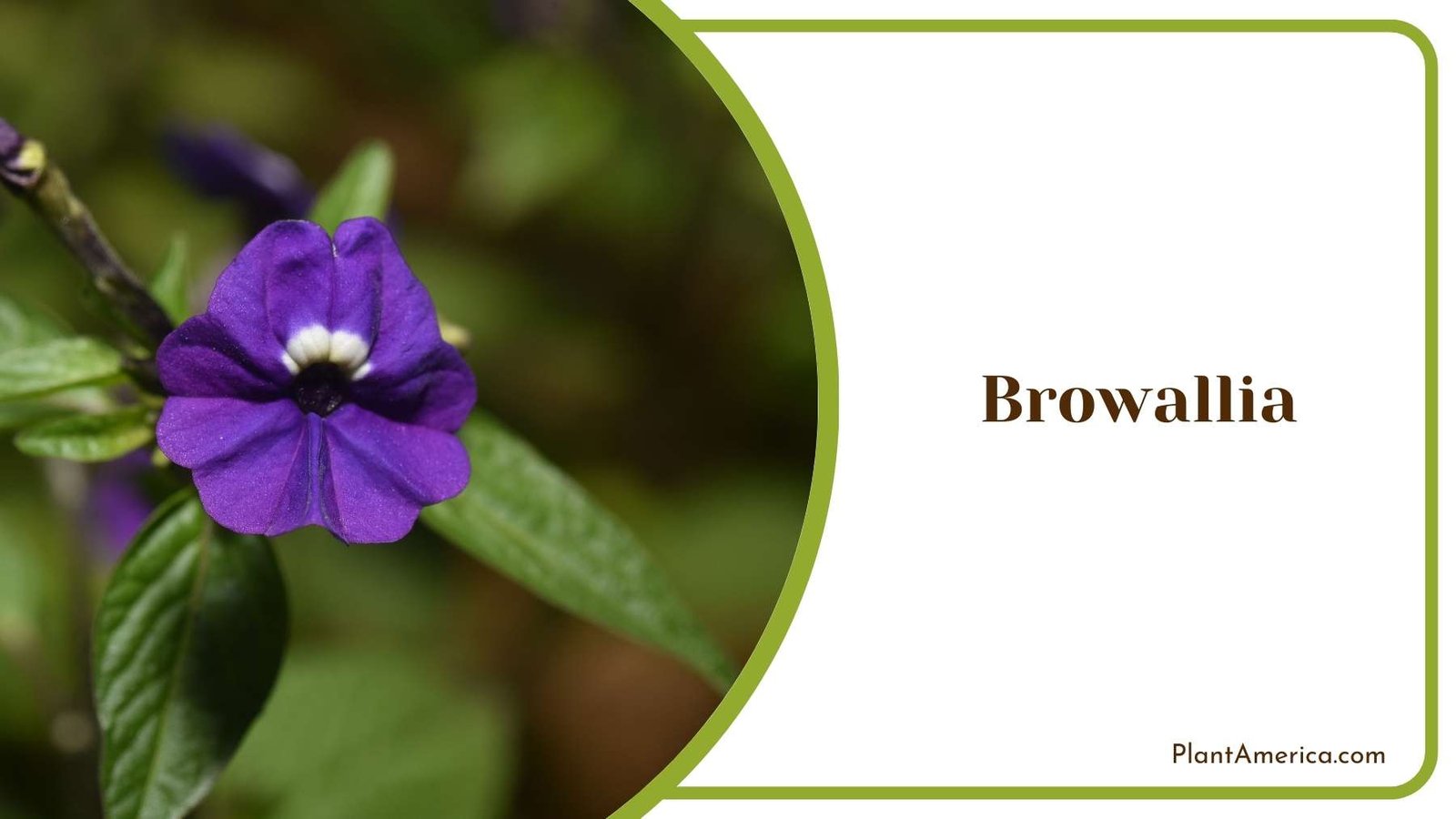
Browallia plants produce abundant funnel-shaped blooms in lavender, blue, and white shades all summer. The large flowers arise from the upper leaf axils on spreading bushy plants that grow six to 12 inches tall.
Browallia prefers full sun and consistently moist, well-drained soil to flourish. The blossoms attract butterflies and hummingbirds to the garden with their tubular shape and nectar. Deadheading the spent flowers will keep the plants producing new blooms well into autumn. You can grow browallia in flower beds, edges, and as spillers in containers.
Browallia tolerates hot and humid conditions well and spreads out to form an attractive ground cover. These eye-catching annual flowers offer an excellent display of color all season long with little effort.
8. Sweet Pea

- Growing Season: Spring to summer
- Leaf Shape: Alternately arranged, Pinnately compound
- Specific Needs: Full Sun, Trellises for support
- Common Pests: Aphids, Slugs
Sweet peas produce fragrant blossoms in shades of purple, pink, white, and deep red on vines that twine and climb vigorously on trellises or fences. The pea-like flowers begin blooming in early spring and continue all summer if provided with consistent moisture and cool temperatures. Sweet peas prefer full sun but require support for their climbing habit.
The flowers attract bees and butterflies with their intense perfume and nectar. You can grow sweet peas in the vegetable garden, at the base of wall-mounted trellises, or used as fillers for shade pergolas.
These showy sweet annual flowers do best in slightly acidic, loamy soil that is evenly moist. Regular deadheading of the spent flowers will encourage continued flowering and keep the vines growing at a controlled rate. Sweet peas require support from a grid or netting for their tendrils to wind around to climb upward and produce an abundance of colorful trumpet-shaped blooms.
9. Primrose

- Growing Season: Spring to fall
- Leaf Shape: Alternate Oval, Elliptic
- Specific Needs: Full Sun, Consistently moist soil
- Common Pests: Aphids, Spider mites
Primroses fill the spring garden with colorful blooms of reds, purples, pinks, and whites that create a breathtaking display. As the weather warms, they continue blooming through summer and into fall if provided with rich, evenly moist soil.
The cheerful flowers atop thin stalks appear one at a time and range in size from one to three inches across. Planting primroses in borders, containers, and rock gardens adds early color and interest.
They prefer cool temperatures and consistently moist, well-draining soil conditions to thrive and perform best. Regular deadheading of flowers will keep plants bushier and encourage repeat blooming. The mildly fragrant blooms of purple annual flowers attract friendly insects and hummingbirds to the garden with their nectar.
Primroses multiply over time, forming large clumps that spread aggressively in the right growing conditions. Adding plenty of organic matter before planting and providing adequate spacing between plants will discourage overcrowding. Primroses are typically long-lived perennials that require little care once established, making them a great choice for a beautiful, low-maintenance spring display.
10. Ageratum

- Growing Season: Spring to fall
- Leaf Shape: Simple, Narrow
- Specific Needs: Full Sun, Average soil
- Common Pests: Aphids, Spider mites
Ageratum produces dense spikes of small flowers in lovely shades of purple, blue, and white throughout the summer and fall. The fluffy blooms resemble balls of fuzz atop eight to 24-inch tall plants, creating a beautiful scene in mass plantings and containers.
Ageratum thrives in full sun and average garden soil with adequate moisture. The plant’s fine, gray-green foliage and linear flowers create elegant textures in the garden. You can grow ageratum as a groundcover, use it to fill in perennial borders, and cascade in hanging baskets for beautiful flowers that require minimal effort. Regular deadheading will encourage repeat blooming throughout the season.
The flower spikes of ageratum attract a variety of beneficial insects to the garden with their sweet nectar. Ageratum tends to be heat and drought-tolerant once established, which makes them excellent easy-care choices for urban flower beds and containers.
These handsome purple annual flowers make a nice filler or portfolio plant among other summertime blooms, providing beauty and color without demanding much from the gardener. They only ask for occasional watering, light fertilizing, and an occasional trim to keep them looking their best.
11. Verbena

- Growing Season: Spring to fall
- Leaf Shape: Oval to oblong, Opposite
- Specific Needs: Full Sun, Average to dry soil
- Common Pests: Aphids, Spider mites
Verbena produces many small, colorful blooms in shades of purple, pink, red, and white from spring to fall. The clusters of tiny trumpet-shaped flowers smother the succulent green foliage and attract beneficial insects like bees and butterflies to the garden with their sweet nectar. Verbena prefers warm temperatures, full sun, and average to dry soil conditions to thrive.
With little effort, you can plant verbena in beds, borders, and containers for beautiful color all season long. Verbena tends to be drought and heat tolerant once established, making it ideal for hot, sunny spaces where other flowers struggle.
Regular pruning and deadheading of spent blooms throughout the summer will maintain plant form and encourage new flower production. The trailing stems of verbena can also be trained to climb trellises and decorate walls for additional visual impact.
These quick and easy purple annual flowers create stunning garden vignettes that require infrequent watering and minimal care. All verbena need is ample sun, occasional shearing and deadheading, and infrequent irrigation to deliver months of bloom and texture. Consider incorporating verbena into your landscape for long-lasting color and ease of maintenance.
12. Larkspur

- Growing Season: Late Spring to fall
- Leaf Shape: Alternate, Finely divided
- Specific Needs: Full Sun, Well-drained soil
- Common Pests: Aphids, Snails
Larkspurs produce tall spikes of colorful blooms in shades of purple, pink, white, and blue throughout summer. The pretty flowers resemble small butterfly wings and attract pollinators with their nectar. Larkspur prefers full sun and cool temperatures with consistent soil moisture to flourish.
You can plant larkspur in borders, cottage gardens, and among perennial plants to add eye-catching spikes of color. They thrive in cooler zones where they tend to self-sow annually, ensuring successive years of beautiful blooms.
The narrow, finely dissected leaves of larkspur form an attractive backdrop to accentuate the showy flowers. Regular deadheading of spent flowers will keep the plants bushy and promote re-blooming. Larkspur tends to be short-lived perennials, often reseeding themselves for subsequent seasons of dense spikes and delicate nectar flowers.
These graceful purple annual flowers offer stunning vertical accents, architectural interest, and cottage garden charm with little work from the gardener. They only need cool temperatures, regular water, and periodic deadheading to thrive and create a visual impact.
13. Portulaca

- Growing Season: Spring to fall
- Leaf Shape: Oval, Kidney-shaped
- Specific Needs: Full Sun, Average to dry soil
- Common Pests: Aphids, Spider mites
Portulaca or moss rose, produces beautiful single- and double-blooms in shades of yellow, orange, red, purple, and white all summer. The petite flowers open upwards from prostrate stems forming dense ground cover. Once established, Portulaca thrives in hot, sunny conditions with average to dry garden soils and very little irrigation.
With little effort, you can grow portulaca in rock gardens, flower beds, stepping stones, and containers for beautiful color and texture. Portulaca will grow readily each year, ensuring successive seasons of pretty flowers.
The tiny gray-green succulent leaves and vibrant blooms produce a stunning contrast on the garden bed or in a hanging basket. These easy-care purple annual flowers require infrequent watering, almost no fertilizing, and very little deadheading.
The simple circular flowers attract beneficial insects, including bees, hoverflies, and lacewings, with their nectar. Consider incorporating portulaca into your landscape for low maintenance color, outstanding heat tolerance, and ability to grow in harsh conditions with little intervention from the gardener. Portulaca asks for adequate drainage, full sun, and occasional shearing to maintain their dense, mounding forms.
14. Dianthus

- Growing Season: Spring to fall
- Leaf Shape: Alternate, Linear
- Specific Needs: Full Sun, Well-drained soil
- Common Pests: Aphids, Spider mites
Dianthus produces many beautiful fringed and clove pink blooms in brilliant shades of purple, pink, white, and red. The small colorful flowers emit a sweet fragrance and attract beneficial insects like honey bees and butterflies to the garden.
Dianthus prefer full sun, well-draining soil, and cool temperatures to flourish and perform their best. To add vertical interest and long-lasting color, you can plant dianthus in borders, rock gardens, and among perennials.
Dianthus tend to be very long-lived perennials, regularly reseeding themselves for subsequent seasons of fragrant flowers. Regular shearing and deadheading spent blooms will maintain plant density and encourage re-blooming throughout summer. The fine, gray-green dianthus foliage forms an airy backdrop highlighting the showy blooms.
These easy-care annual flowers require little water, fertilizer, or attention besides pruning back spent flowers. Dianthus relies on good drainage and air circulation to remain healthy year after year. You can grow dianthus in rock gardens or above pavers where their tendency to remain small and compact will be an asset rather than a liability.
15. Lantana

- Growing Season: Spring to fall
- Leaf Shape: Opposite, Oval to elliptic
- Specific Needs: Full Sun, Average to dry soil
- Common Pests: Aphids, Spider mites
Lantana shrubs produce colorful clusters of flowers in hues ranging from yellow, orange, pink, red, and purple. The showy blooms appear continuously all summer and into fall on spreading deciduous plants that grow two to four feet tall.
Lantana thrives in hot, sunny conditions with evenly moist but well-draining soil. Once established, the main requirements for success with lantana include full sun, sharp drainage, and infrequent watering.
You can grow lantana in beds, borders, and containers to attract hummingbirds, bees, and butterflies with their nectar. Regular pruning throughout the growing season will maintain plant shape and encourage new growth and flowers.
These easy-care plants resist most pests and diseases while thriving in adverse growing conditions. Lantana plants grow densely and mound attractively, spilling over walls and cascading from containers.
The numerous blossoms change color as they mature, giving the plants a multi-hued appearance. Consider incorporating lantana into your landscape for long-lasting color, heat tolerance, and drought resistance with little maintenance and all they ask is ample sunshine, sharp drainage, and occasional shaping and shearing to keep them looking their best.
16. Pentas

- Growing Season: Spring to fall
- Leaf Shape: Opposite, Oval to broadly lance-shaped
- Specific Needs: Full Sun, Consistently moist soil
- Common Pests: Aphids, Spider mites
Pentas produce eye-catching star-shaped flowers in red, pink, purple, and white shades. The long-blooming plants grow one to three feet tall and wide with slender upright, or mounded habits. Pentas thrive in hot, humid environments like the subtropics with full sun and consistent soil moisture. The trumpet-shaped flowers attract hummingbirds, bees, and butterflies with their nectar.
You can grow pentas in beds, borders, and containers for long-lasting color all season. Regular deadheading and shearing will maintain plant shape and encourage new growth. Pentas respond well to grooming, giving gardeners a means to keep them looking their best with minimal effort. The glossy dark green foliage provides an attractive backdrop for purple annual flowers pentas blooms all summer and into fall.
Pentas tend to be heat and drought-tolerant once established, which makes them excellent summer performers in urban landscapes. These beautiful annual flowers offer abundant blooms, outstanding heat endurance, and disease resistance without demanding much from the gardener. They only ask for regular pruning, occasional fertilizing, and consistent soil moisture to get off to a strong start and bloom nonstop until frost.
17. Cornflower

- Growing Season: Spring to fall
- Leaf Shape: Alternate, Narrow
- Specific Needs: Full Sun, Well-drained soil
- Common Pests: Aphids, Slugs
Cornflower produces beautiful single blooms in shades of blue, pink, and white atop airy wiry stems that reach two to three feet tall. The colorful flowers resemble daisies with bright yellow centers and long soft petals. Cornflower prefers consistently moist, well-draining soils and cool temperatures to thrive.
You can grow cornflowers in borders, cottage gardens, and among perennials to add spikes of color and texture. The finely divided gray-green foliage provides an airy backdrop to set off the pretty blossoms. Cornflower tends to self-sow readily, ensuring successive years of blooms with little effort from the gardener.
These charming annual flowers attract beneficial insects like honeybees and hoverflies with their nectar. Cornflower only requires occasional watering, minimal fertilizing, and periodic deadheading of spent flowers.
Consider incorporating cornflower into your landscape for its grace, simplicity, and ability to produce stunning blooms with little maintenance. Just provide consistently moist soil, adequate spacing and remove faded blooms to enjoy weeks of color and texture from these resilient beauties.
18. Salvias

- Growing Season: Spring to fall
- Leaf Shape: Opposite, Oval to oblong
- Specific Needs: Full Sun, Well-drained soil
- Common Pests: Aphids, Spider mites
Salvias produce spikes of brightly colored flowers that attract hummingbirds, bees, and butterflies all season. The tubular blooms appear in shades of red, blue, purple, and sometimes white. Salvias thrive in hot, sunny gardens with moist, well-draining soil conditions.
The flower colors, long bloom times, and ease of care make salvias excellent garden performers and trouble-free additions to any landscape. The lush foliage forms an attractive backdrop for the vertical spikes of color. You can plant salvias in beds, borders, and containers for stunning garden color all summer.
Regular pruning and deadheading spent blooms will maintain salvia shape and encourage repeat flowering. Consider incorporating salvias into your garden for months of vibrant vertical color and trouble-free growing.
The only maintenance these salvia beauties require is occasional fertilizing, consistent irrigation, and periodic shaping and trimming to promote new growth. These heat-tolerant purple annual flowers reward gardeners for minimal effort with striking color displays.
19. Chinese Forget Me Nots

- Growing Season: Spring to summer
- Leaf Shape: Alternate, Lance-shaped
- Specific Needs: Partial shade, Consistently moist soil
- Common Pests: Aphids, Spider mites
Chinese forget-me-nots produce delicate clusters of tiny blue flowers atop 12 to 24-inch tall plants. The petite blooms resemble true forget-me-nots in shape and color but appear continuously throughout the growing season. Chinese forget-me-nots thrive in partial shade and consistently moist, well-draining soil conditions.
You can grow Chinese forget-me-nots in borders, among perennials, and in rock gardens for beauty that belies their easy-care nature. These beautiful annual flowers only require moderate water, minimal fertilizing, and occasional deadheading to reward gardeners with wall-to-wall color. The fine foliage provides an attractive backdrop for the petite flowers.
Chinese forget-me-nots spread via self-sown seeds, ensuring successive generations carpet empty spaces with their carpet of color. Consider incorporating Chinese forget-me-nots into shaded areas of your landscape that need some flowering pizzazz.
These beautiful blooms offer delicate flower power, durable spreading habits, and stunning color displays with little effort from the gardener. They only need partial shade and regular moisture to thrive and reward you with weeks of hummingbird-pleasing purple annual flowers.
20. Mosquito Plant

- Growing Season: Spring to fall
- Leaf Shape: Lance-shaped, Spoon-shaped
- Specific Needs: Full Sun, Consistent moisture
- Common Pests: Aphids, Spider mites
The mosquito, or citronella, produces masses of bright purple and white fragrant blooms atop three to four-foot tall stalks. The pretty flowers appear in dense spikes and clusters all summer long. Mosquito plants thrive in hot, humid conditions with full sun and consistently moist, well-draining soil.
The common name comes from folklore, claiming the strong aroma of the foliage helps repel mosquitos. You can grow mosquito plants in borders or containers for their colorful blooms and sweet fragrance. Regular pruning will shape the plant and encourage re-blooming throughout the season.
The versatile narrow foliage is as useful to the gardeners as the showy flower spikes. The lemon-scented leaves can be brewed to make a pest-repellent tea, used as potpourri, or enjoyed for their refreshing aroma.
Consider incorporating mosquito plants into your landscape for striking color, subtle fragrance, and folkloric benefits with little maintenance. All these resilient beauties need is sunshine, consistent moisture, and occasional pruning to thrive and reward you with weeks of nectar and color.
21. Nicotiana

- Growing Season: Spring to fall
- Leaf Shape: Alternate, Narrow to lance-shaped
- Specific Needs: Full Sun, Average to dry soil
- Common Pests: Aphids, Spider mites
Nicotiana produces trumpet-shaped flowers from white to pink, purple, red, and yellow. The trumpet-like blooms appear in clusters atop airy two to five-foot-tall stems. Nicotiana prefers full sun, well-draining soils, and nighttime temperatures above 50 degrees for satisfactory growth and blooms.
You can grow nicotiana in borders, among perennials, and in patio containers for their showy blooms and ability to thrive in hot conditions. Regular deadheading will maintain the bushy form of nicotiana and encourage repeat flowering. The funnel-shaped flowers attract hummingbirds, moths, and bees with their sweet nectar.
Once established, nicotiana tolerates heat, drought, and harsh growing conditions, making them reliable performers in low-maintenance landscapes. These colorful plants offer ornamental value and earthy fragrance with very little care.
22. Morning Glory

- Growing Season: Spring to fall
- Leaf Shape: Alternately arranged, Heart-shaped
- Specific Needs: Full Sun, Well-drained soil
- Common Pests: Aphids, Spider mites
Morning glories produce trumpet-shaped flowers in shades of purple, blue, pink, red, and white. The pretty blossoms appear throughout the summer on climbing vines that twine themselves around trellises, arbors, and fences. Morning glories thrive in full sun and consistently moist, well-draining garden soils.
You can plant morning glories at the base of walls and fences for them to scramble up and cover entirely in colorful blooms. These fast-growing vines require regular pruning and trellising to keep them climbing upward and producing flowers instead of sprawling on the ground. Regular deadheading of faded blossoms will maintain vigor and promote continuous blooming.
The trumpet-shaped blooms that open up just before dawn give morning glories their name. They attract a variety of pollinators with their funnel shape and sweet nectar. Consider morning glories for areas where a splash of color, vertical accent, and sense of drama is needed. Provide a structure for them to climb, occasional trimming, and irrigation for the morning glory to reward gardeners with fragrant purple annual flowers all summer.
Conclusion
The hues from blue to violet to deep plum provide stunning accents in the spring, summer, and fall gardens.
- Nicotiana provides an easy way to add color to gardens for one season.
- Alyssum creates a beautiful carpet of color with its petite purple, white, or pink flowers that completely cover the foliage.
- The mosquito, or citronella, produces masses of bright purple and white fragrant blooms atop three to four-foot tall stalks.
Most purple annuals require little care besides sunshine, soil, and occasional watering to thrive and produce beautiful color displays. Purple flowers bursting with color and life can elevate your mood and instantly fill your spirit with joy. Add some to your garden this year – even just a few potted plants on your porch or windowsill.