
Brown tips on Alberta spruce trees could likely indicate issues with the trunk or roots. Damaged trunks may stem from inappropriate pruning techniques, animal-related harm, or encounters with weed whackers.
 Additionally, if the dwarf Alberta spruce was situated in an inadequately watered area, its roots might struggle to absorb sufficient water for optimal growth. Join us as we uncover all of the problems that have your spruce turning an unfavorable color!
Why Is My Alberta Spruce Turning Brown
Native to North America, these compact and symmetrical conifers are prized for their pyramid-like shape, dense foliage, and vibrant green needles. Often used as ornamental trees, dwarf spruces thrive in well-drained soil and are cherished for their resilience, making them a popular landscapers’ choice.
If the needles of your Picea glauca turn brown, this points to several possible issues with your needle plant. Excessive watering is often to blame, however, you should also investigate your plant thoroughly for any other signs, such as pest infestations for example. Those mites feed on spruce needles, inducing a brownish discoloration.
Initiate your investigative process and try to determine what’s really bothering your trees, as this will greatly improve your chances of success. Let’s get behind some of the most common problems of browning spruces and their symptoms.
– Sun and Wind Issues
Is your spruce being hit by too much sunshine and drying winds? The initial occurrence of browning in the Dwarf Alberta Spruce is typically a result of needle burn caused by intense winter sunlight or dry, frosty winds. This browning tends to manifest predominantly on the south side of the tree.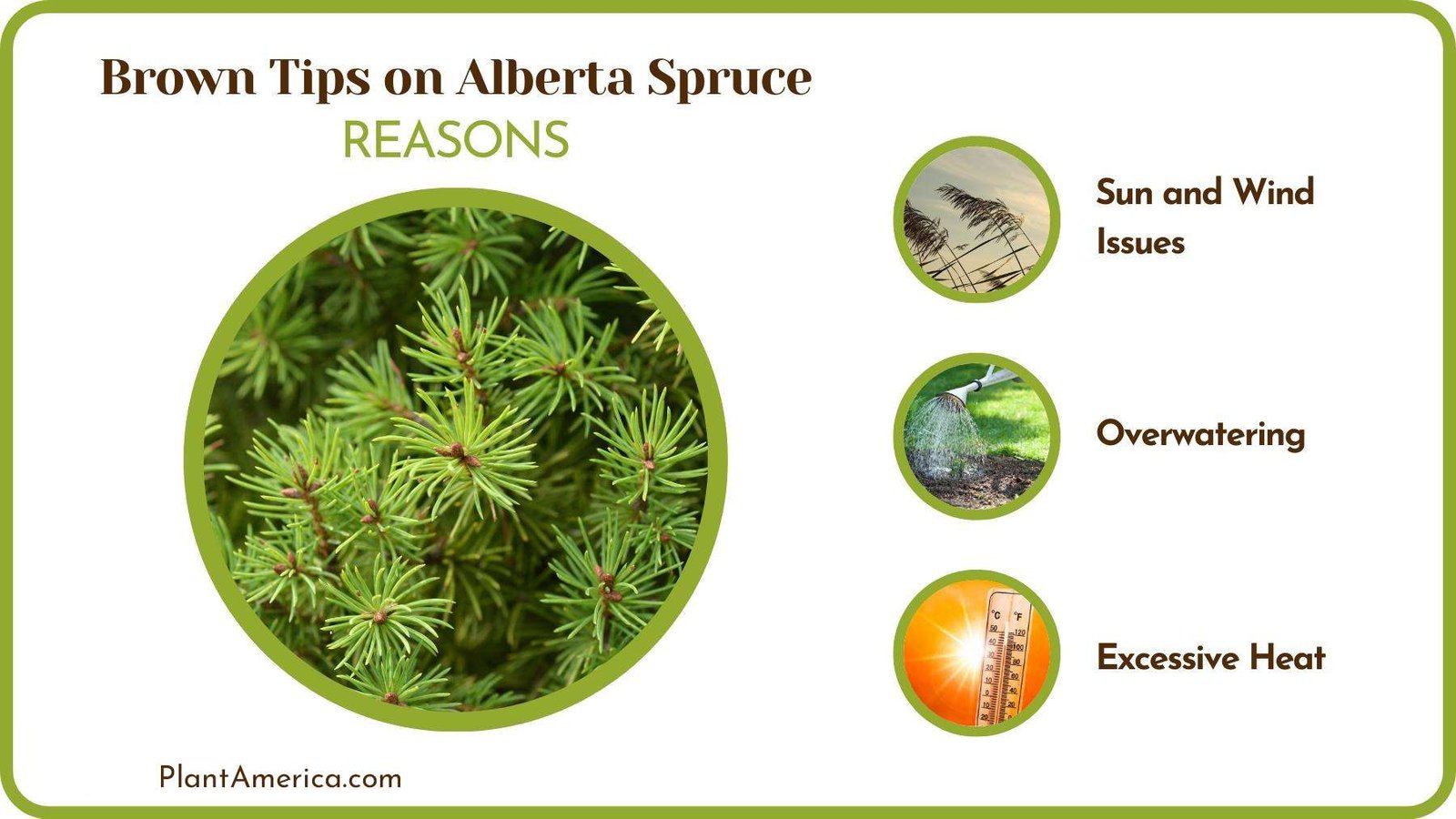
The phenomenon arises due to the tree’s inadequate root system, which stores minimal water in its tissues for the winter season. During winter, the root system is inactive, and the spruce relies on its stored reserves. If exposed to excessively sunny or windy conditions during this period, the needles can desiccate and start turning brown.
– Overwatering
Another potential issue that trees may encounter is excessive watering. This leads to the roots becoming saturated and soft, diminishing their ability to resist rot.
When the root system of the Dwarf Alberta Spruce starts to decay, the needles suffer from a lack of water, causing them to wither and adopt a brown hue. This is a common outcome when watering occurs too frequently or when the watering system is misconfigured.
– Excessive Heat
This condition is commonly observed in the aftermath of prolonged periods of dry, windy weather or intense sunshine. During such conditions, the roots struggle to supply water to the foliage at a pace equivalent to the rate of water loss through transpiration from the leaves.
Unfavorable environmental factors, such as being situated in sandy or gravelly soil, near obstructions or pavement that limits root expansion, or on exposed windy slopes, often contribute to the occurrence of scorch in spruce trees. Any factor that hampers the plant’s ability to absorb water can lead to the manifestation of leaf scorch.
– Sap-Sucking Pests
Spider mites might also be the culprit behind the browning phenomenon.
These tiny arachnids parasitize your trees by extracting the juices from their needles, causing the foliage to lose its color and eventually dry up, resulting in a brown appearance. These pests thrive in low-humidity conditions, proliferating most actively during dry periods.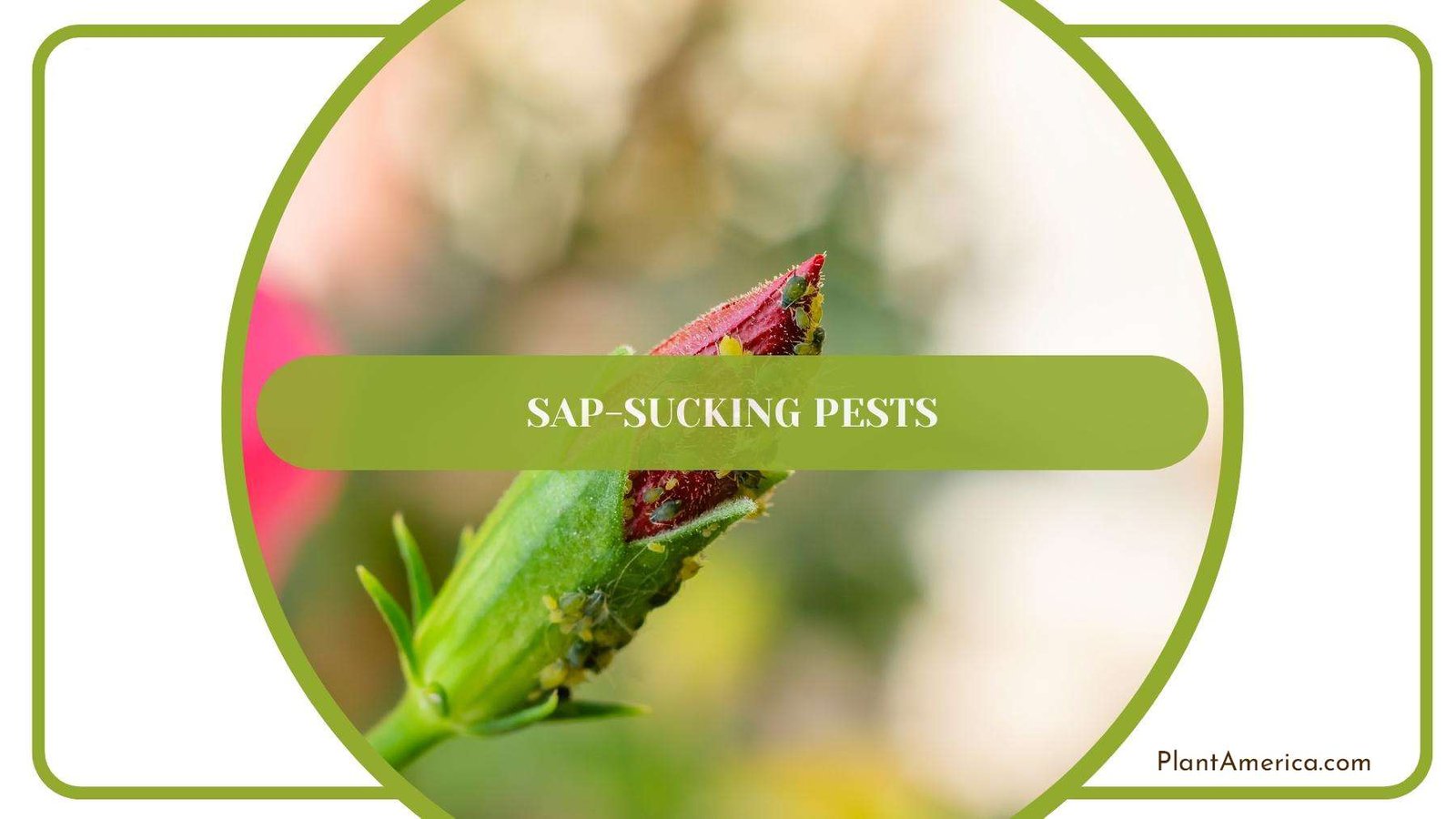
To identify a spider mite infestation, closely inspect the needles. If you observe thin cobwebs with white dots between the needles, it is a clear indication of mite presence.
– Underwatering
Another factor leading to the browning of needles is dehydration. During summer droughts, spruces frequently experience water scarcity, causing the needles to lose their color.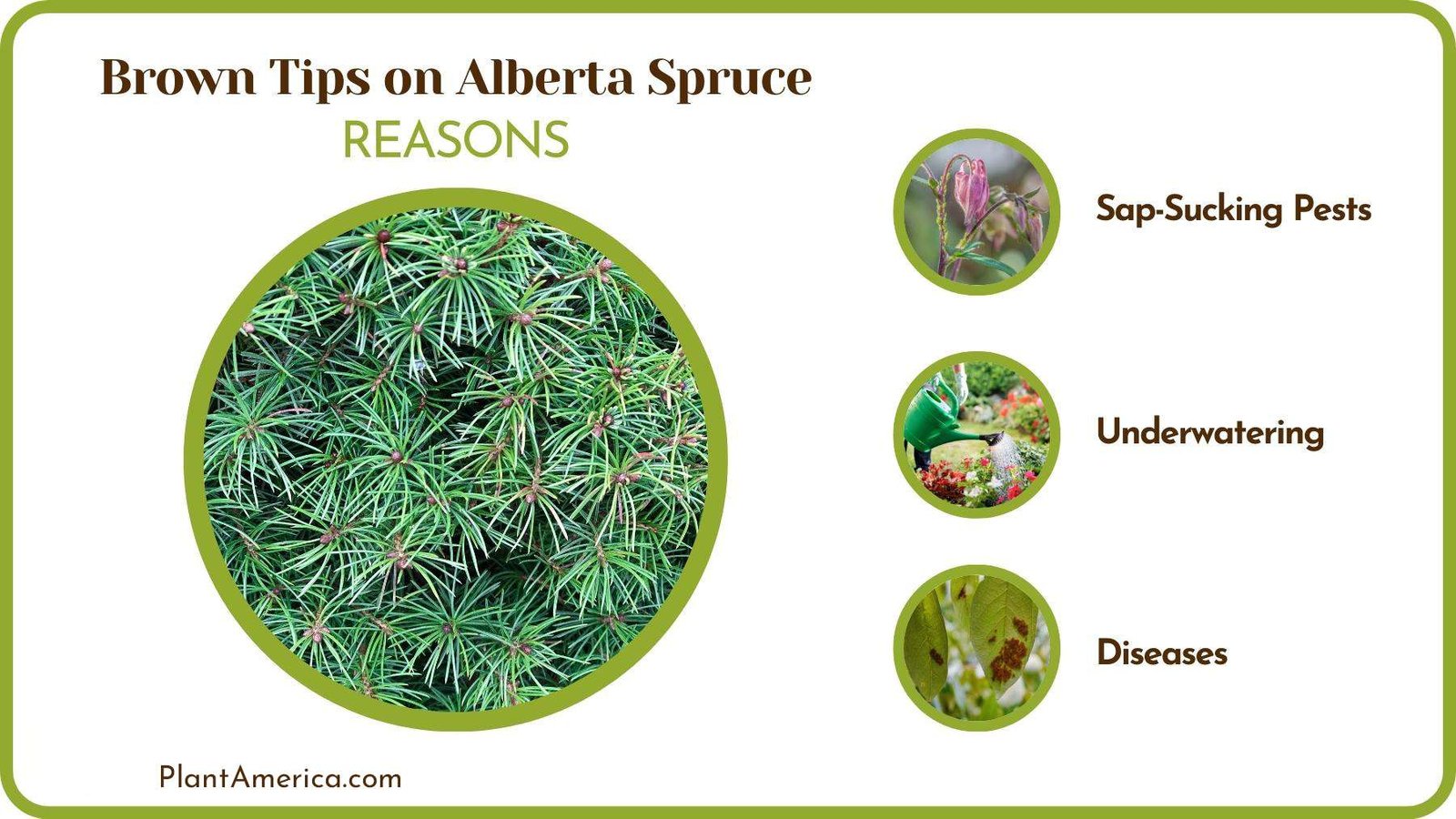
This phenomenon is particularly prevalent in the first few years following planting. In some cases, the Dwarf Alberta Spruce tree may struggle to establish its roots, especially under the influence of summer heat. Consequently, insufficient water reaches the needles, resulting in their browning.
– Diseases
With various pathogens known to induce spruce diseases, it’s no wonder that you can come to the world of trouble overnight. When affected, small black dots emerge on the needles, eventually leading to the drying out and alteration of their color.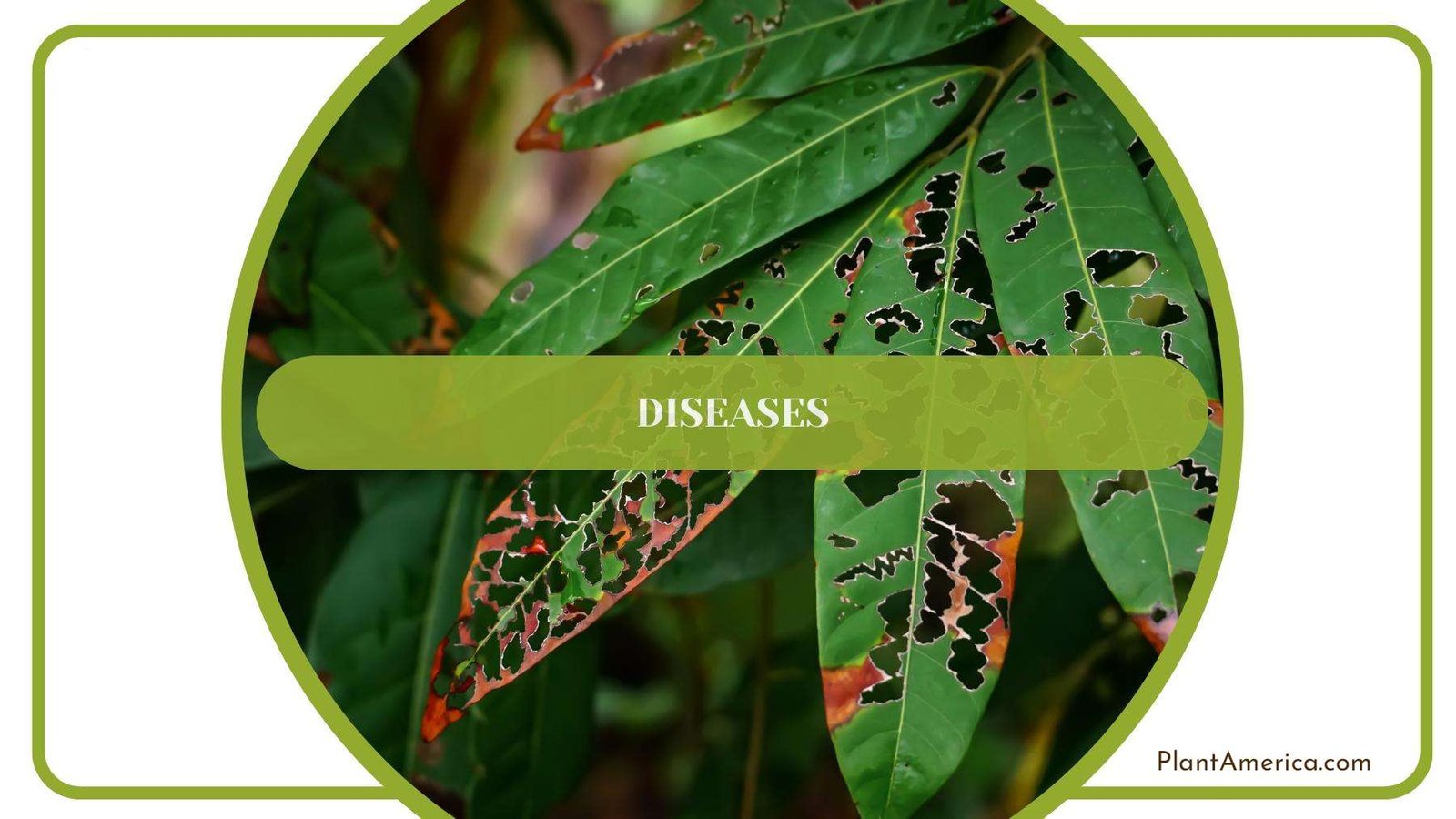
The widespread occurrence of such diseases is often linked to factors like insufficient sunlight, inadequate air circulation around the crown, and excessively high humidity connected to overwatering.
Don’t despair, in almost all cases you can save your tree, and it all comes down to proper plant care!
How To Fight Back the Causes of Brown Alberta Spruces
There are many methods you can do to revert this unfavorable situation. Spruces aren’t too fussy, and as long as you can give them optimal conditions they should revive and thrive!
Let’s see how to do it.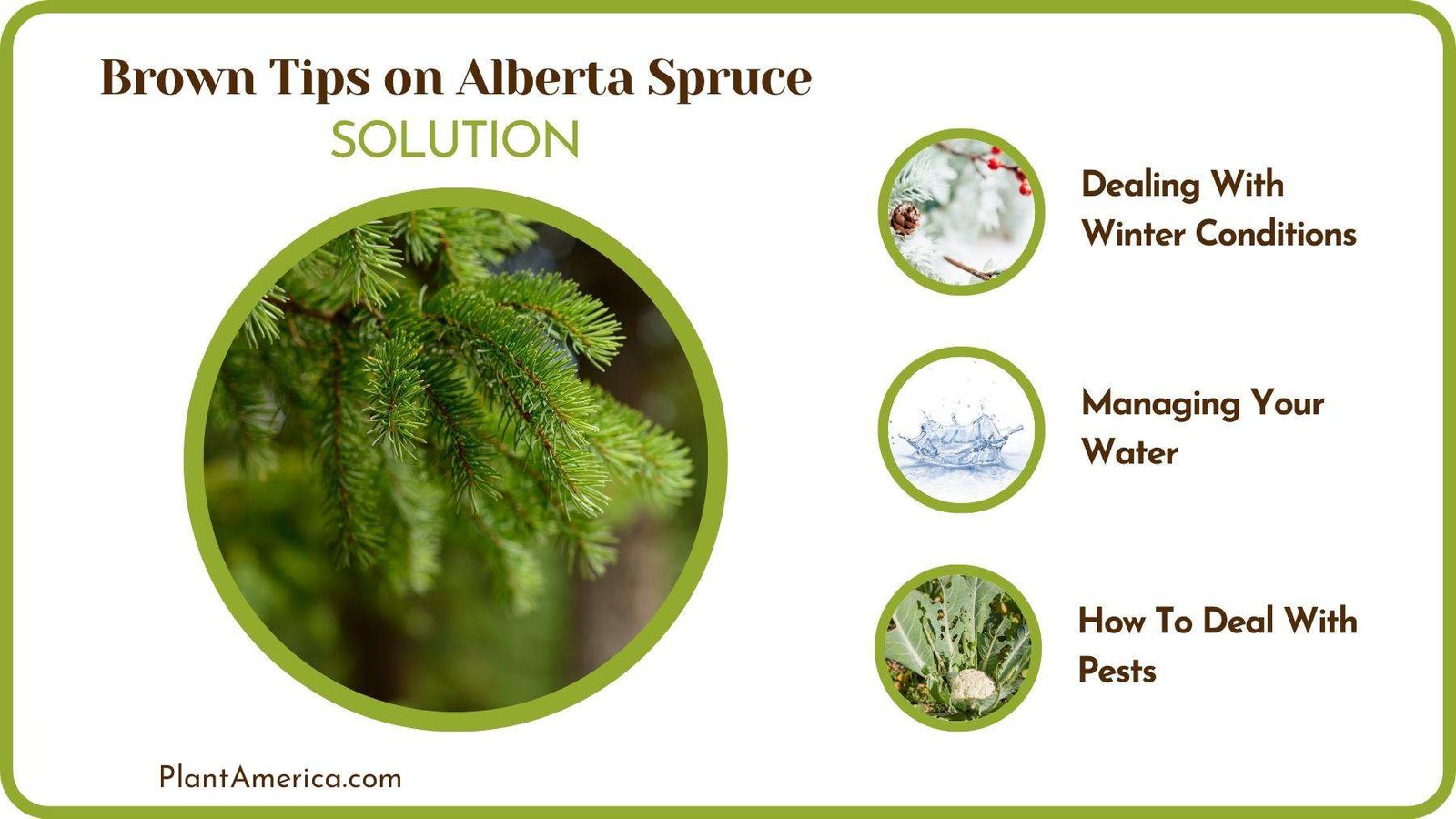
– Dealing With Winter Conditions
Plant your spruce in a location where it receives direct sunlight for only half of the day. Choose a spot that is sheltered from drafts, with some objects positioned at a distance to shield the spruce from strong winds.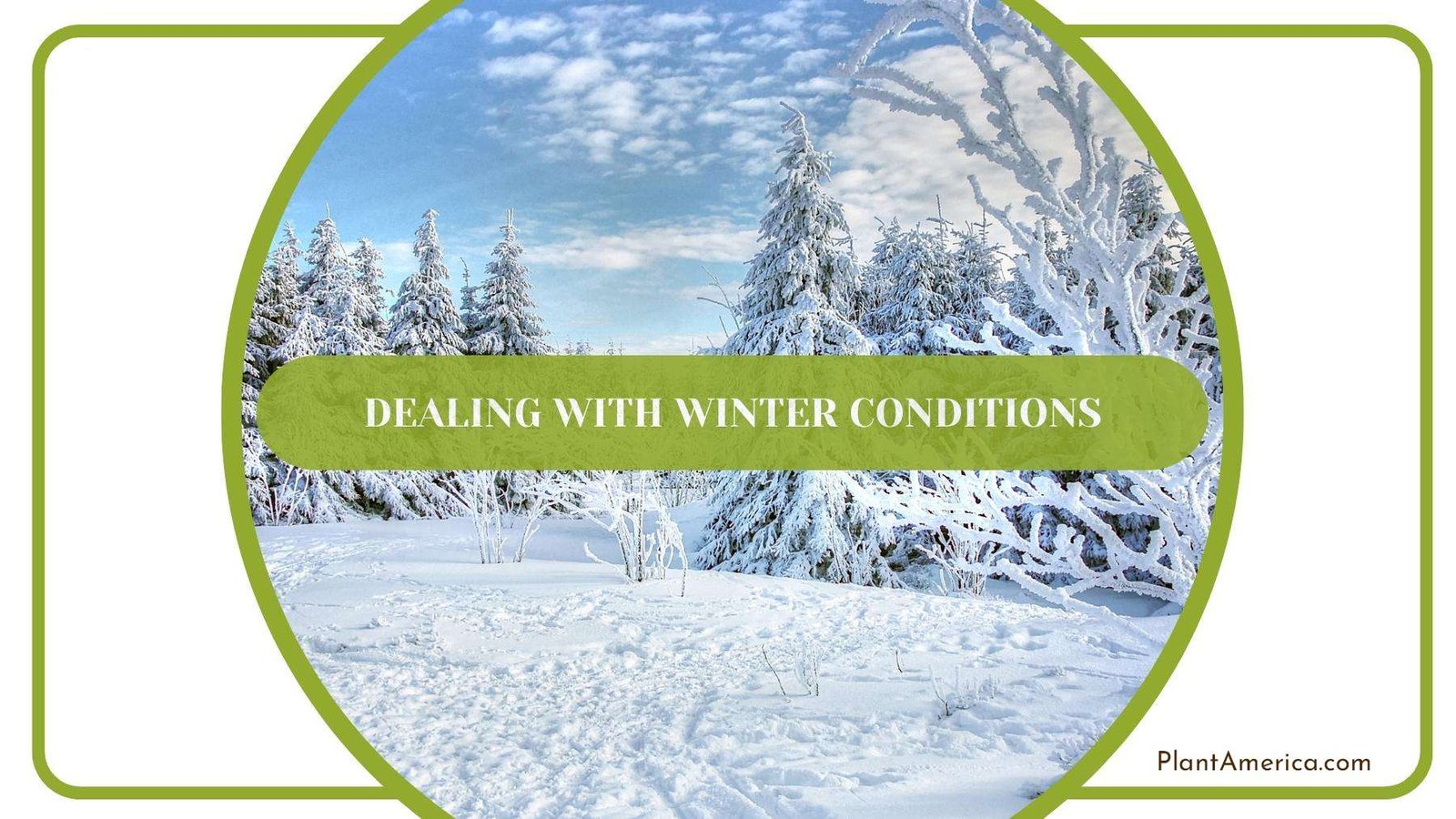
During winter, wrap a frost blanket around the tree, ensuring the material allows for adequate air circulation so that the needles can breathe. Remember to remove this protective covering in spring.
To enhance the spruce’s well-being, apply a layer of organic mulch around the tree, making it at least two inches thick.
– Managing Your Water
We’ve all been there, giving our plants a bit too much loving. But sometimes, the overcare gets us into trouble, and it almost always includes poor water management. Cease that frequent watering routine. Only water when the soil around the tree trunk has dried to a depth of two inches.
If overwatering is attributed to a misconfigured automatic watering system, rectify the settings. In general, it is advisable to avoid using automatic watering for conifers, so relocate sprinklers away from the tree.
If the tree retains some needles and the buds are still viable inside, there is a considerable likelihood that the spruce will naturally recover from root rot.
– How To Deal With Pests
Eliminate these pests by rinsing them off with a strong stream of water from a hose. After the spruce has dried, apply an insecticide solution by spraying. If the mites persist, treat the needles with acaricide (miticide).
Another popular and natural option is the use of the neem oil. Derived from the seeds of the neem tree (Azadirachta indica), the oil is known for its natural insecticidal properties and can be effective in controlling mites on plants.
To use neem oil against pests, dilute it according to the product label instructions, typically using a few teaspoons of the oil per gallon of water. Spray the solution onto affected plants, ensuring comprehensive coverage, especially on the undersides of leaves where spider mites tend to congregate. Repeat this application every week or as directed on the product label until the spider mite infestation is effectively managed.
– Dealing With Heat
Consider providing temporary shading for the tree during peak heat hours, especially if it is a newly planted or young spruce. Use shade cloth or other materials to protect the tree from direct sunlight.
Avoid pruning during periods of extreme heat, as this can exacerbate stress. Prune the tree in cooler seasons to minimize additional stress on the spruce.
Your soil plays a big part too. Ensure the soil around the spruce is well-draining and rich in organic matter. Improving soil quality can enhance the tree’s resilience to environmental stressors.
Monitoring the tree’s health, promptly addressing signs of stress, and implementing these measures can help mitigate the impact of excessive heat on spruces and reduce the likelihood of browning.
– Integrated Picea Management
To ensure optimal growth, plant the trees in well-drained, fertile soil, maintaining moisture at a depth of 10 to 12 inches through weekly watering. This is especially crucial for broadleaf and needled evergreens as they enter the winter season.
If seasonal rains are insufficient or during frozen winter periods, additional watering is essential. In early spring, fertilize based on a soil test, avoiding nitrogen application in late fall to prevent vulnerable new growth. Utilize organic mulch like pine needles or wood chips for moisture retention and temperature control throughout the seasons.
Screens can be employed to shield plants from harsh wind and sun exposure, while precautions should be taken to avoid physical hazards such as root injuries during digging and damage from lawnmowers or other tools.
– Is Trimming Browned Alberta Spruce a Good Idea?
Yes and no. Pruning a dwarf Alberta spruce aims to rectify its pyramid shape and should only be done during the colder months (before spring). This practice is particularly beneficial in smaller areas when you need to give your tree room to grow. Additionally, the use of loppers enables the removal of thicker branches near the trunk without causing harm to the tree.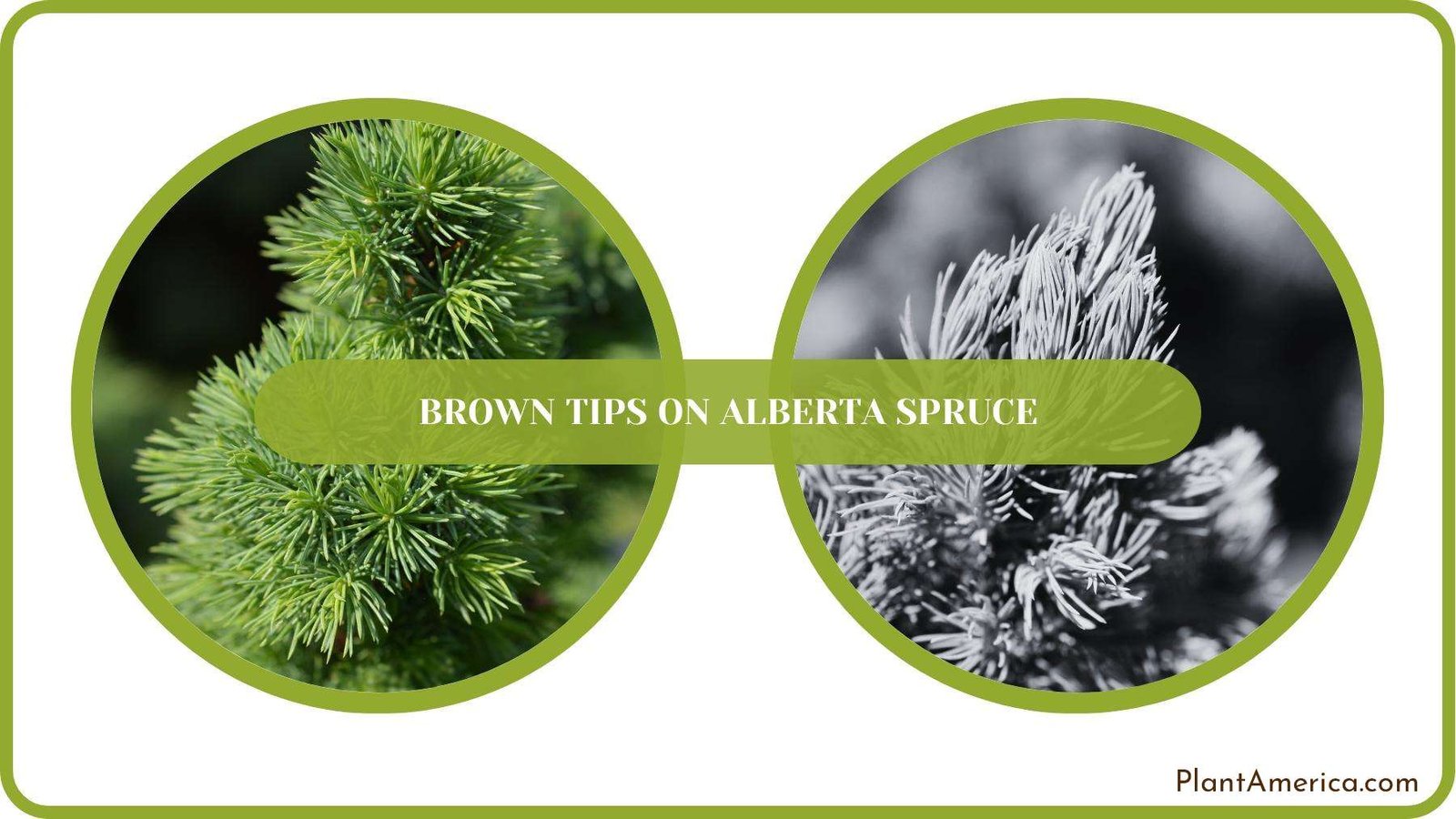
However, trimming to get rid of brown tips and branches may be counterproductive and can even speed up the tree’s decline.
Conclusion
Brown tips on spruce can serve as indicators of various issues related to their health, ranging from environmental stressors to pests and diseases. It’s a tough situation to get out of, but there are cures! Let’s recap.
- Identifying the specific cause is crucial for implementing effective solutions. Likely you’re dealing with some kind of weather burn, watering issues, and maybe even pest infestation! A close-up look is necessary.
- Whether it’s adjusting watering practices, providing shade in extreme heat, or combating pests with natural remedies like neem oil, proactive measures can significantly improve the health of the spruce.
- Proper care, including optimal planting conditions, judicious watering, and strategic pruning, plays a vital role in preventing and addressing browning.
By addressing the root causes and following recommended treatments, you can revive and maintain the vitality of your small spruce, ensuring a thriving and resilient tree in your landscape.