
Shrubs with yellow foliage are the type of plants that give your home a significant touch and are best for your landscapes. They brighten and add so much vibrancy to a space that it would be almost criminal not to add them to your home.

Today, we list our top choices for yellow shrubs with vibrant foliage to help complement your garden structures or hide unsightly features. Keep reading to learn more!
List of Shrubs That Have Yellow Foliage
1. Golden Mop Cypress

| Needs |
|
| Appearance |
|
| Zones |
|
| Best for |
|
The tiny ‘Golden Mop’ cypress, with its vivid yellow leaf, grows into a conical or rounded mound of evergreen foliage. The resistant coniferous shrub’s slow growth and vivid golden-yellow thread-like leaves are seen in the winter and spring. Even in the summer, the tiny yellow conifer shrub keeps its lovely yellowish-green hues, and this is what makes them so unique as plants that you can keep around your house.
After ten years, the ‘Golden Mop’ cypress can reach five feet tall, as opposed to its beginning years when it would only grow two to three feet. The little yellow shrub eventually reaches a height of five and a width of four feet.
In addition to this, you must also know that it grows well in USDA zones four to eight and does well in either full sun or light shade. The drought-tolerant shrub thrives as a foundation planting, specimen plant, or container shrub, so it is best for beginner gardeners because you shouldn’t be too detailed in its irrigation.
Although this shrub grows slowly, it is an evergreen yellow shrub that continues to develop for many years. They produce several branches; within those branches are numerous more sub-branches with pointed leaves. Since the greenery hides them, branches won’t be visible when viewed from a distance, and you should know that due to this reason, it’s critical to prune the dead leaves of the shrubs to prevent further spread.
The plant prefers complete shade in the morning and afternoon, but it also enjoys bright, direct sunlight. If you don’t expose the plant to enough sunlight throughout the day, you might not be able to notice the golden glow of the leaves.
In addition, it may also thrive in soils that are either clay, loam, or sand, and on this notion, the soil must also have fulfilled the right characteristics, such as the need for nutrient-retentive, well-drained soil. In short, it is not likely to thrive under conditions that involve excessive watering or prolonged submersion. Although they have a reputation for being drought-tolerant shrubs, they cannot withstand extended dryness.
2. Wintercreeper
| Needs |
|
| Appearance |
|
| Zones |
|
| Best for |
|
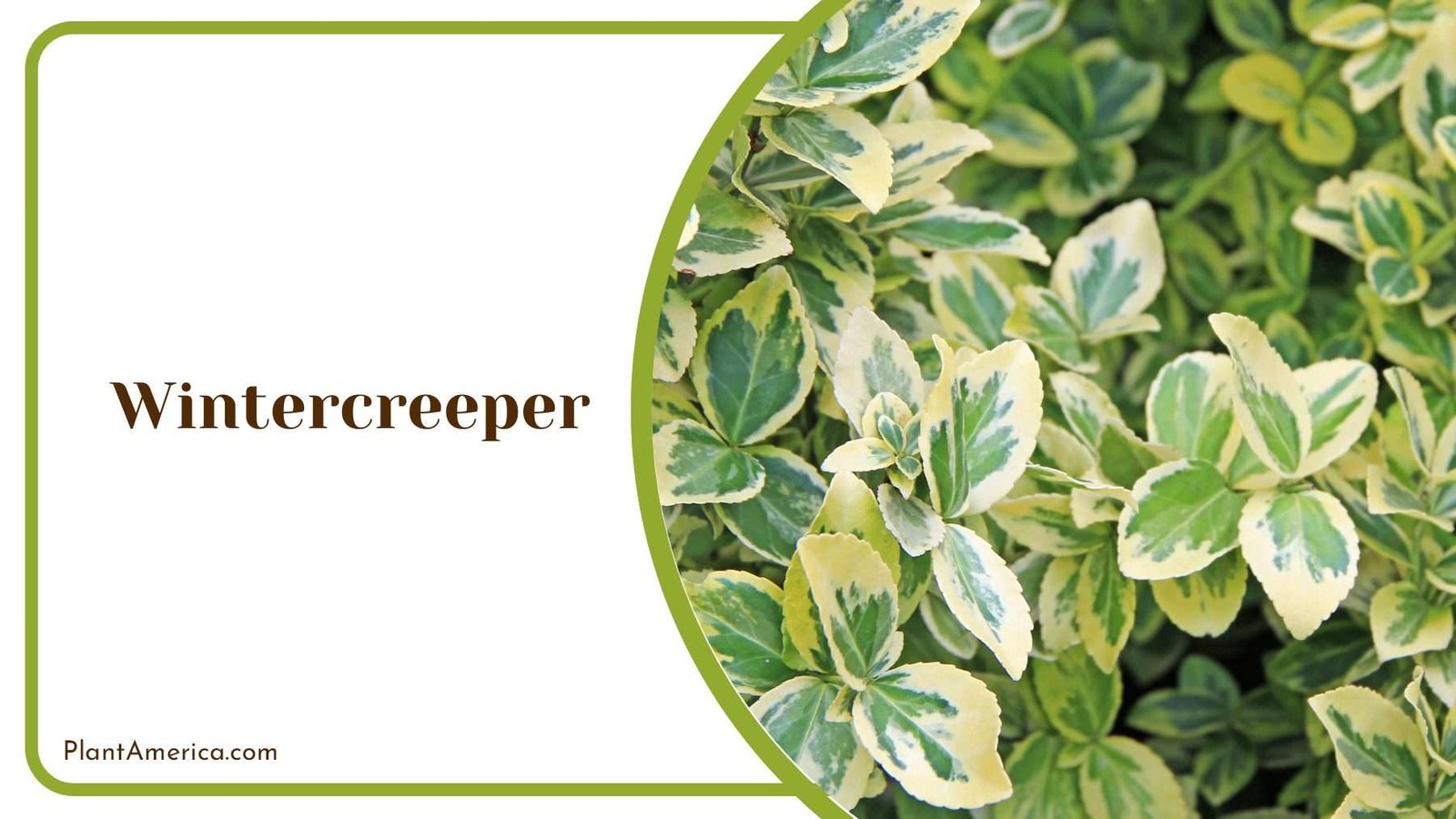
Wintercreeper’ Emerald ‘n’ Gold is a low-growing evergreen shrub with variegated golden evergreen and yellow leaves, which are significant when growing in a healthy way. The circular, green leaves with gold edges brighten the shadowed sections of a garden scene, and they add such a beautiful touch of color and hues.
USDA zones five through nine are where wintercreeper thrives, and the bright yellow shrub is an excellent ground cover plant for the shadow because it does well there.
Additionally, due to its slow growth rate, it is perfect for front-of-house planting, driveway edging, and trimming hedges, and when it does, it would not be more than one to two feet tall and three to four feet wide. Wintercreepers can be planted in the spring or early autumn, and once they reach the dormant phase, some may start to lose their small yellow leaves.
It will spread out as ground cover if left unsupported, but it can also be kept pruned to remain a shrub about two feet tall. You may grow wintercreeper euonymus almost anywhere except in wet, soggy soil, but not too much of it.
It can tolerate the majority of soil and sunlight conditions well. It is suitable for urban locations because it is typically simple to grow and tolerates unfavorable conditions, including poor soil, salt, drought, and pollution.
Moreover, you must also know that this plant is also called the fortune’s spindle and it can experience some winter damage from ice and sharp temperature changes in regions with brutal winters. As luck would have it, this yellow shrub plant does a great job of recovering from winter damage.
3. Sambucus Nigra ‘Aurea’
| Needs |
|
| Appearance |
|
| Zones |
|
| Best for |
|
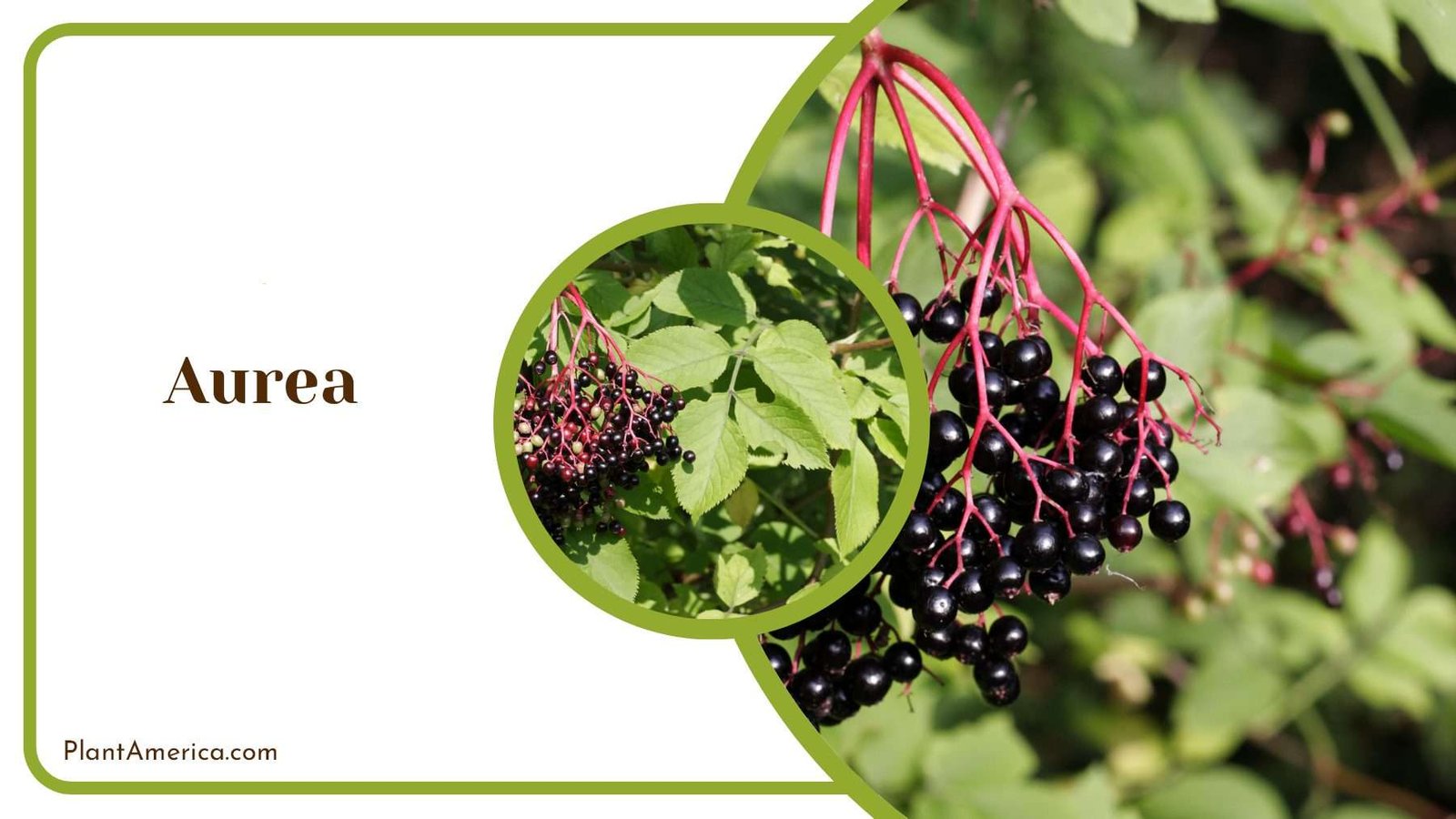
A genus of deciduous blooming shrubs in the olive family is called Sambucus nigra ‘Aurea,’ which is commonly also known as the golden elder. These low-maintenance, quick-growing shrubs’ erect, arching appearance is distinguished by their beautiful branches, which are covered in vivid yellow foliage.
Their tiny flowers appear in spring on the top of the branch, and the foliage spreads by the sides. This plant is a cheery backdrop, border, or centerpiece for any yard and attracts bees and butterflies. While many of the larger types can grow to a height and spread over 15 feet, several smaller varieties only attain a height and spread of a few feet.
The growth rate is neither very fast nor slow because, on average, it would take around 10 to 20 years for it to reach the right maturity level. Gardeners in frost-free regions can plant them in the winter as well. They should be planted when the plants are still dormant, which is best in late autumn or early spring.
When these yellow bushes are completely leafed out in the summer and autumn, they are frequently employed as a live privacy wall. They can also be utilized as foundation plantings and for slope erosion management.
Once planted, the ‘Aurea’ plant may tolerate moderate drought and have a reasonable tolerance for poor garden soil. It should grow nicely as long as you place it somewhere that receives partial sunshine and full sun in the morning.
The largest challenge in cultivating the golden-colored shrub is by maintaining the ideal shape and size by regularly pruning these quickly expanding plants. However, even this can be disregarded if, like many people, you enjoy a shrub with a slightly untamed appearance. Shrub borders next to woodland regions might be completely acceptable with a natural appearance.
4. Spiraea Japonica ‘Golden Princess’
| Needs |
|
| Appearance |
|
| Zones |
|
| Best for |
|
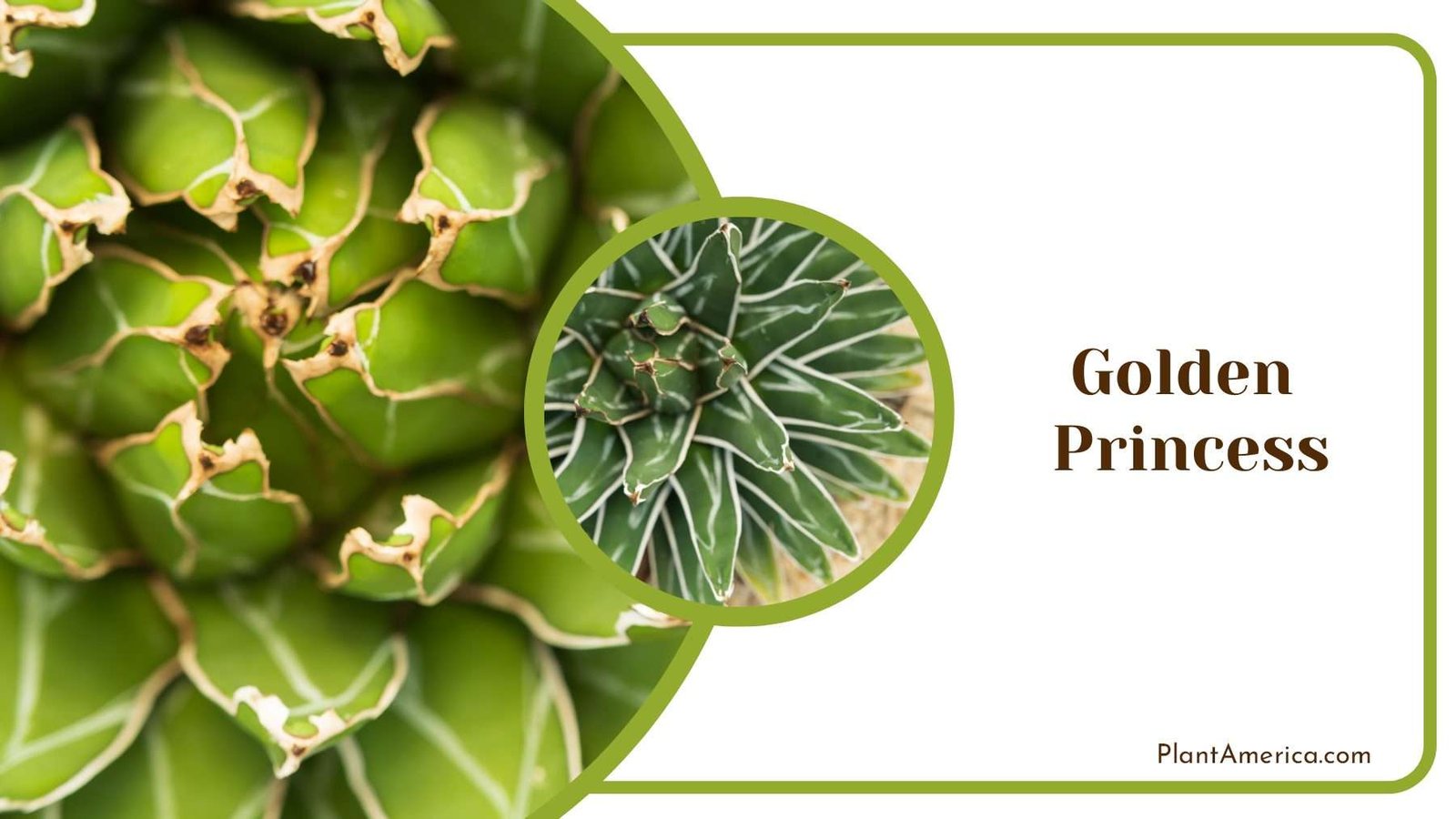
Spiraea japonica ‘Golden Princess’ is a resilient shrub that needs chilly temperatures to blossom with entrancing, fragrant, spidery golden blooms in the wintertime landscape. It should have wet but well-draining soil that is somewhat on the acidic side.
However, they are adaptive to somewhat loamy textured soil. It grows best in full sun, though partial sun is ideal in a hot weather region. In areas with scorching summers, choose a position for this beautiful shrub that receives full sun or some shadow protection.
As their entire growth spread is approximately that wide, they need to be spaced apart as they would grow three to four feet wide. In short, you would see that the plant would be a great choice if you wish to plant it as a broader shrub along your driveway.
As mentioned, to see these shrubs thriving, they need to be placed under full to partial sun. Although they enjoy full sun, hot regions with strong afternoon sun are ideal for partial shade.
The plants prefer moist, loamy, rich soil but are highly resilient and may adapt to several types of soil. Even though acidic to slightly alkaline soil is ideal, these plants can adapt to both alkaline and acidic soil pH levels.
For this shrub, the soil shouldn’t be too wet because it likes constant hydration. Young, developing plants need irrigation on a frequent basis. These shrubs should receive enough water from natural rainfall after they are established, as they can thrive for a long period of time.
However, be careful to water these plants if there is a drought. If the top of the soil feels too dehydrated to the touch, it may be time to water it again.
5. Sunshine Ligustrum
| Needs |
|
| Appearance |
|
| Zones |
|
| Best for |
|
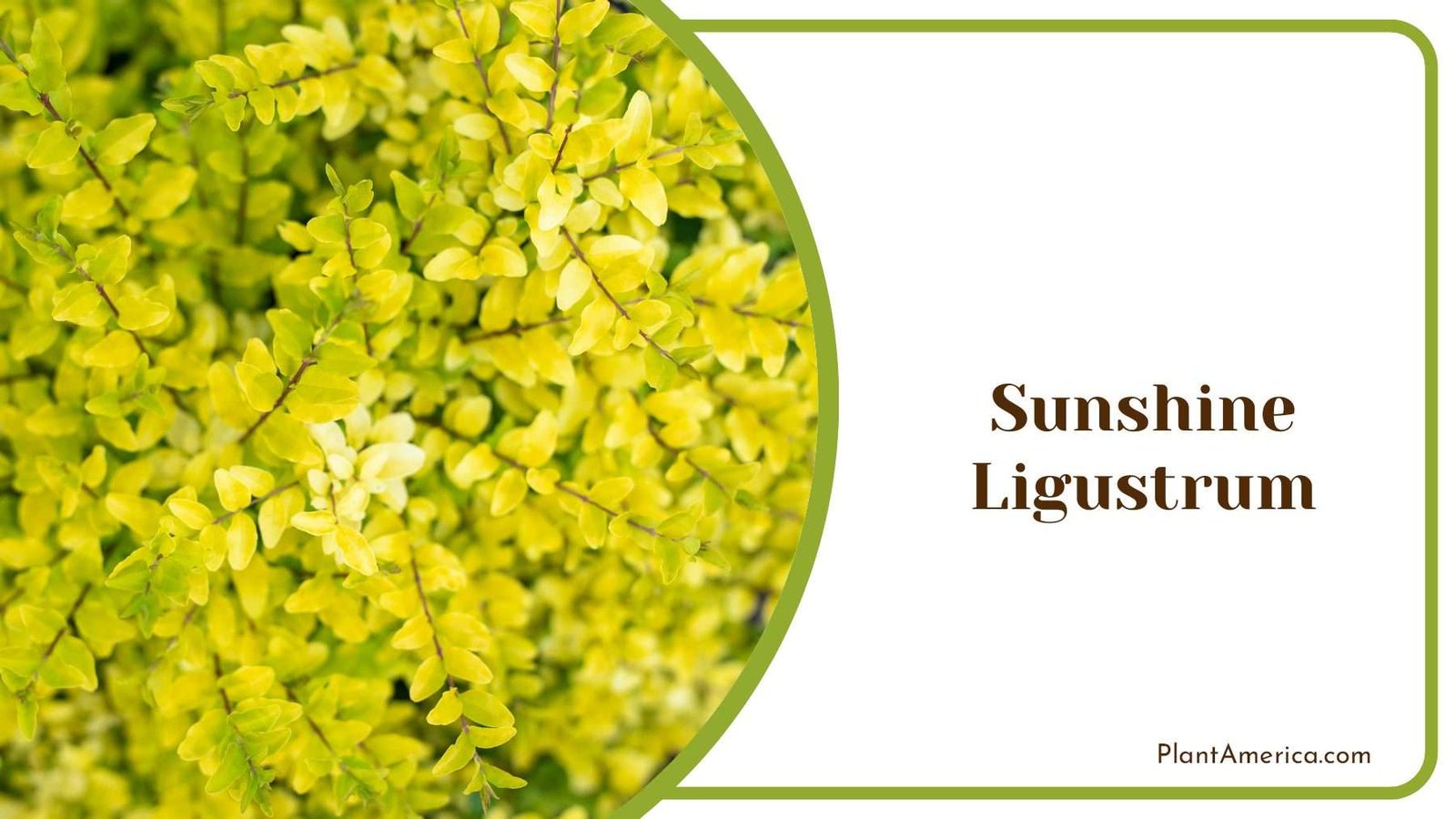
The sunshine ligustrum is a type of shrub that has beautiful leaves that appear yellow and small shades of light green. They add significant beauty to the area where they are located.
The lovely sunshine ligustrum species grows rather quickly and will grow to almost five feet wide in a year. The elliptical-shaped leaves range in length and have a clustered form when growing on the branches. It is a highly sought-after shrub with a unique color that is rather compact, which makes it such a beautiful feature.
This is the type of shrub that needs full sun when it is growing, and it would be best to fertilize it with slow-releasing fertilizers, which you must place in early spring. The reason for the latter is that this is the time when the roots will have the strength to grow.
Moreover, when it comes to watering needs, remember that it doesn’t like it when the soil feels soggy, and at the same time, you must water it when it feels dry. Lastly, you must also know that the soil should be a well-draining type that also has mulch covered to keep the roots properly moist.
6. Bonanza Gold Shrub

| Needs |
|
| Appearance |
|
| Zones |
|
| Best for |
|
The Bonanza gold shrub is a sprawling, broadleaf evergreen shrub. It must be planted in such a way that its brilliant orange winter foliage adds yellow color. This is a shrub that is best for gardening and adding to the edges of your yard.
This is such a beautiful shrub that would get the attention of your garden because of its golden color, especially if it is planted in the zones 4 to 9, that is when you will get the best out of it. The soft-edged, beautiful leaves on this simple-to-grow shrub have different clusters of oval-shaped leaflets that sometimes look like little yellow flowers.
Moreover, this slow-growing yellow-leaved shrub grows two feet tall and three to four feet wide. In short, if you lack space or want to keep the plant at a more effortless size, you can grow it in a container.
Although this plant is often trouble-free when it comes to frost, it can harm its leaves and branches if you cultivate it in a frosty climate, and it may also lose its leaves. Too few or too many nutrients could cause issues for the plant, which are typically most noticeable in weak or sparse leaves.
Like leaf scorch, there could be additional environmental issues. Overall, though, with minimal care, this shrub ought to live a long and happy life.
This is the type of shrub that you should locate in full. You must also keep in mind that they are drought-tolerant, so you must water them whenever the soil is in need.
Make sure that you don’t irrigate it too much, just as the soil feels dry. So, if you keep the soil consistently hydrated and provide good drainage, this plant thrives in nearly any type of soil, and it would also thrive when the soil is moist as well.