
“How long does it take for a plant to recover from transplant shock?” is a question that surely brings a lot of you here.

Plant recovery time varies daily to week depending on plant type, care, and environment. This guide will cover whether plants can recover from transplant shock and how.
What Is the Recovery Time for Plants After Transplant Shock?
🔥 The recovery time for plants after transplant shock can differ significantly, ranging from a few days to several weeks and sometimes up to a year or more. For example, annuals and small herbaceous perennials may recover within a week or two.
– Average Time for Plant Recovery
Annuals and small herbaceous perennial plants often recover within a week or two. With the proper care, they can be recovered quickly. On the other hand, larger plants take several weeks to a few months to fully recover. However, some improvement should be noticeable within the first month.
Mature trees require several months to a year or more to recover fully. You should be patient and provide proper care during this time. However, the recovery time can be a variable and sometimes unpredictable process. Several factors contribute to this variability, making it essential for gardeners to understand the range of recovery time.
– Plant Species and Size
Different types of plants have different recovery rates. Small herbaceous have smaller root systems and adapt rapidly to their new environment. Conversely, larger trees may take longer due to their larger size and extensive root system. They need more time to reestablish themselves.
– Environmental Conditions
The recovery time also depends on the conditions in the new planting environment. Recovery will expedite if conditions are favorable, such as mild weather, consistent moisture, and suitable light exposure. Conversely, if the plant is exposed to harsh weather, such as extreme temperatures or inadequate sunlight, it will make the recovery process slower.
– Root Health
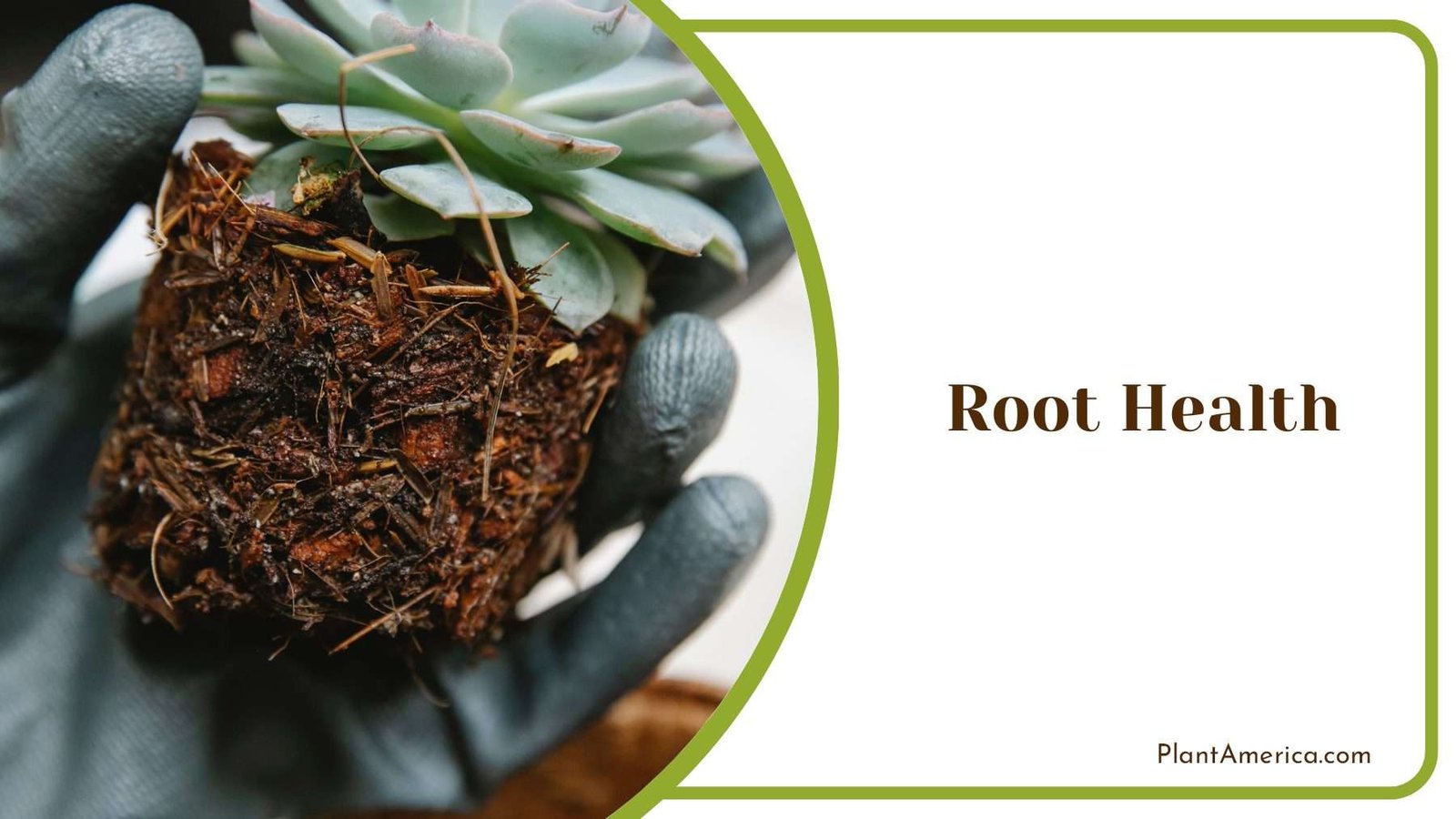
Root’s health plays an essential role at the time of transplanting. Plants with healthy, undamaged roots are more likely to recover quickly. Proper care during the transplant process should be crucial, such as minimizing root disturbance and ensuring good soil contact. It should help in promoting faster recovery after transplant shock.
– Season of Transplanting
Besides other factors, the season of transplanting highly impacts recovery time. Transplanting during a plant’s dormant season, when it is not actively growing, reduces stress and promotes quicker recovery. In contrast, transplanting during the growing season slows recovery, as the plant must allocate energy to adaptation and growth.
– Maintenance and Care
The care and attention given to the transplanted plant also affect recovery. Providing adequate water, transplant shock fertilizer, and protection from adverse conditions is essential. If you want to speed up the recovery process, you must regularly monitor the plant’s progress.
What Factors Contribute to the Occurrence of Transplant Shock?
The factors contributing to transplant shock are root disturbance, environmental changes, improper timing, inadequate soil preparation, insufficient watering, rough handling, and extreme weather conditions. Transplant shock can stunt growth and even lead to the demise of your carefully nurtured seedlings.

– Root Disturbance
Roots are vital to a plant’s anatomy, serving multiple essential functions. Roots are sometimes disturbed when plants extract from their original container or separate from the surrounding soil. Even small injuries can disrupt the plant’s ability to take up water and nutrients effectively.
In cases where seedlings are grown close together in trays or containers, the roots may become intertwined. Untangling them during transplantation can damage or stress the roots. Moreover, the delicate hair-like structures on the roots, called root hairs, are lost during transplantation, reducing the plant’s ability to take up essential resources.
– Environmental Changes
Environmental factors such as humidity, light, temperature, and wind play a vital role in the development of seedlings. Sudden and extreme changes in temperature are harmful to seedlings. For instance, moving seedlings from the warm indoor environment to the chilly outdoor garden can shock the plants. Likewise, exposing seedlings to scorching sunlight can lead to heat stress.
Usually, seedlings grow indoors with artificial lights, which differ from natural daylight hours. This shift in day length disturbs their growth pattern. Similarly, seedlings raised indoors are exposed to stable humidity levels, but transplanting them to an outdoor environment with lower humidity can cause moisture stress.
– Improper Timing
Timing is everything in transplanting seedlings. Transplanting them too early, when they are too young and fragile, can expose them to the risk of shock. Conversely, waiting too long can result in root-bound seedlings that have outgrown their containers, making the transplant process more challenging and stressful for the plants.
– Inadequate Soil Preparation
Inadequate soil preparation is a critical factor that contributes to plant transplantation shock. Consider that the transplant area’s soil serves as your plants’ new home. If it lacks essential nutrients, it can lead to a host of problems.

Poor water drainage can be a significant issue if the soil needs to allow water to drain away correctly. This can result in waterlogged soil, where excessive roots suffocate them, leading to root rot and triggering plant shock.
– Preventing Transplant Shock in Seedling
Thinking about how to avoid transplant shock in seedlings? Choosing the right time to prevent transplant shock in seedlings is better. Transplant seedlings are at the right stage of development when they have a few true leaves but are not overly large.
Make sure that the soil in the transplant area is well-prepared, such as it should be loose, well-drained, and enriched with organic matter. Water the seedlings or well-hydrate them thoroughly a day or two before transplanting. A pro tip to prevent shock is digging deep and wide holes to accommodate the seedling’s roots without bending or crowding them.
Is Plant Recovery Possible After Transplant Shock?
Yes, plant recovery is possible after transplant shock, but it depends on the severity of the shock and the immediate and long-term care provided afterward. Primary care includes watering, shade, and pruning, and long-term care includes fertilization, mulching, regular monitoring, and patience.
– Immediate Aftercare
Proper watering is crucial because transplanting can stress a plant’s roots, making it harder for them to absorb water. To help the plant recover, water it thoroughly at the base. Keep the soil frequently moist, but avoid overwatering, which can cause root rot. This balance ensures your plant gets its hydration without drowning its roots.
Transplanting can expose the plant to abrupt changes in environmental conditions, including intense sunlight. Reduce transplant shock on the plant by providing temporary shade for a few days after transplanting. This can be achieved using shade, cloth, a temporary cover, or simply by placing the plant in a location with indirect sunlight.
Another essential step in immediate aftercare is pruning to promote the plant’s recovery. Remove any damaged or wilted leaves and branches. These parts of the plant are unlikely to recover and can even drain resources that could be used for new growth. You can also use sugar water for transplant shock and Epsom salt.
– Long-Term Care
Fertilization helps plants to minimize transplant shock. Providing supplemental fertilization gives it a much-needed boost. Use a balanced, slow-release fertilizer or an organic option to avoid overwhelming the plant with excessive nutrients. Apply the fertilizer according to the suggested dosage on the product label, typically in early spring or late spring when the plant is in growth phase.

Mulching is another valuable practice to aid plant recovery. Apply a layer of organic mulch, likewood chips, straw, or compost, around the plant’s base, leaving some space around the stem to avoid rot. Mulch serves several purposes: it helps to retain soil moisture, suppresses weed growth, and regulates soil temperature.
Continue to observe the plant’s progress closely after transplanting. Look for signs of improvement, such as the emergence of new growth, healthy foliage, and improved coloration. Conversely, watch for any signs of transplant shock, such as continued wilting and yellowing leaves.
Patience is the most critical aspect of long-term care for plants recovering from long transplant shock. Recovery times can vary widely; some plants may recover within a few weeks; others might take several months to regain their vigor fully.
How Can You Use Epsom Salt to Treat Plant Shock Effectively?
You can use Epsom salt to treat plant shock effectively, so dissolve 1-2 tbsp in a gallon of water, and apply a foliar spray or root drench every four to six weeks for healthier, vibrant plants. Whether you’re dealing with wilting leaves or yellowing foliage, Epsom salt should work.
– What is Epsom Salt?
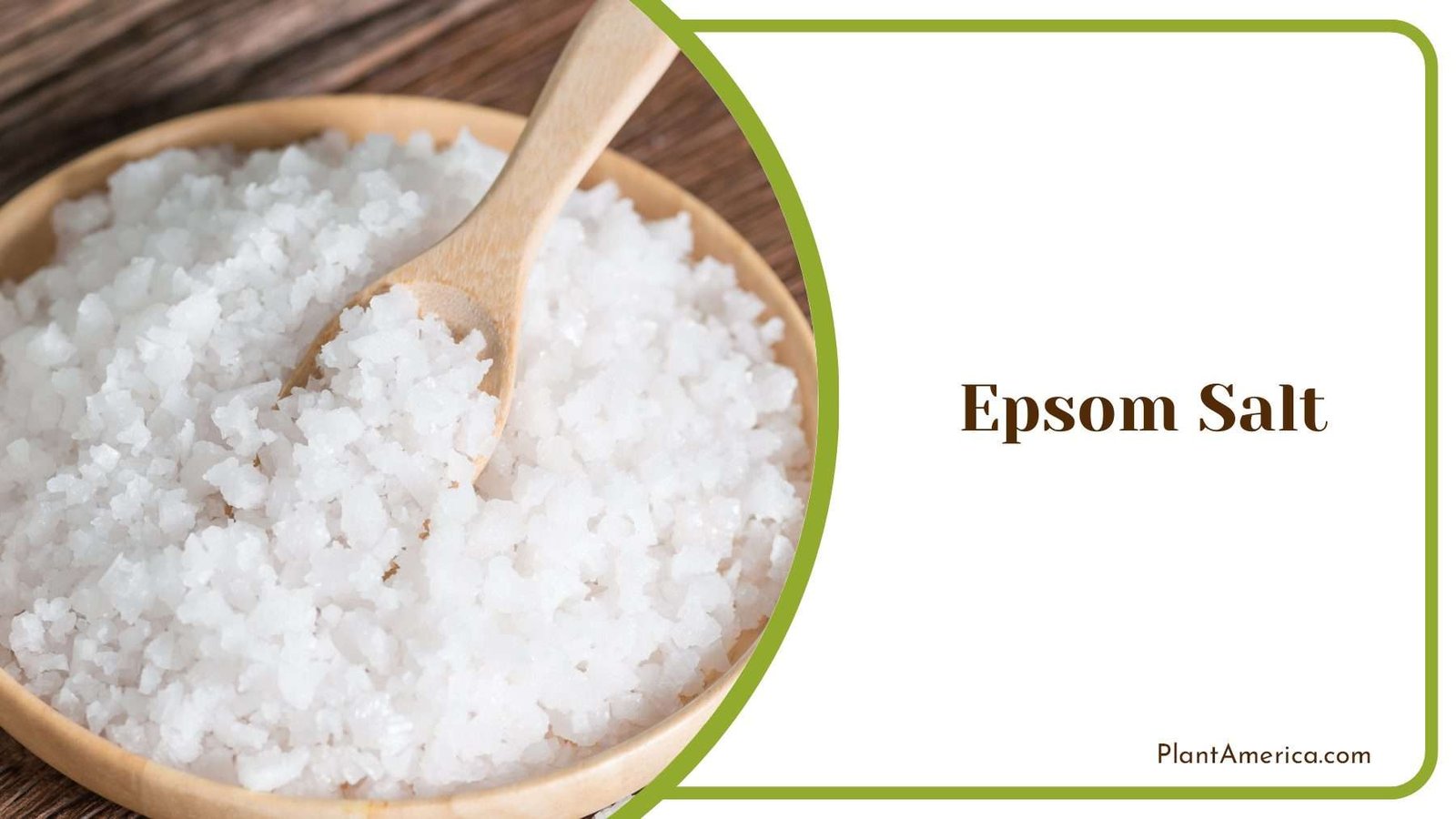
Epsom salt is a naturally occurring magnesium, sulfur, and oxygen compound. It is readily available and has various applications, including horticulture. Epsom salt, or magnesium sulfate, is a favored remedy for treating plant shock and improving overall plant health.
– Choosing the Right Epsom Salt
Choosing the suitable Epsom salt for transplant shock ensures effectiveness and avoids potential issues. Here are a few things to keep in mind while choosing Epsom salt. Look for pure, unscented Epsom salt without any additives or perfumes. The purity of the salt ensures that you’re providing your plants with magnesium sulfate without any unwanted chemicals.
Epsom salt typically comes in a crystalline form. Choose a product with well-formed, consistent crystals. Avoid any clumped together, as this could indicate moisture or impurities. Opt for Epsom salt packaged in a secure, airtight container or bag. This helps maintain the salt’s quality and prevents moisture from affecting its composition.
– Mix the Epsom Salt Solution
For most applications, you’ll need to use one to two tablespoons of Epsom salt per gallon of water. Add the appropriate amount of Epsom salt to a clean container. Fill the container with warm water. Warm water can help liquefy the Epsom salt more quickly, but avoid using boiling water, which can lead to root damage.
Now, stir the water and Epsom salt mixture vigorously using a stirring stick or utensil until the Epsom salt is completely dissolved. Ensuring that no salt granules remain undissolved in the solution is crucial.
– Application Methods
Spray the Epsom salt solution directly onto the leaves, ensuring complete coverage. This is a quick way to deliver magnesium to the plant. Another method is to water the plant with the Epsom salt solution, soaking the root zone thoroughly. This method allows the roots to absorb magnesium gradually.
– Proper Care
Apply the Epsom salt solution every four to six weeks during the growing season. Avoid over-application, as excessive magnesium can lead to other nutrient imbalances. Monitor your plant’s progress.

You should see improvements in leaf color and overall growth within a few weeks. Adjust the treatment frequency if necessary. Consider conducting a soil test to assess nutrient levels in your soil. This can help you fine-tune your Epsom salt application.
Conclusion
Understanding the recovery time for plants after transplant shock is essential for successful gardening. It varies depending on various factors and the season of transplanting.
- Small herbaceous perennials and annuals typically recovered within a week or two.
- Larger plants may take several weeks to a few months to fully recover, with noticeable improvement within the first month.
- Mature trees require complete recovery for several months to a year or more, requiring patience and proper care.
Remember, numerous factors influence a plant’s recovery, but with the proper care, most plants can recover from transplant shock.