
Southern trees can bring so much character, beauty, and shade to your garden yearly. If you want to add vibrant greenery that thrives in the Southern heat, consider planting some of these tough and stunning trees.

We’ll cover fast-growing trees like tulip poplar and bald cypress, showstoppers like magnolia, and many flowering options. If that tickles your fancy, then read on!
Southern Trees Perfect for Your Heat-Loving Landscape
1. Southern Magnolia
- Growing season: Year-round.
- Leaf shape: Oval, Glossy.
- Specific needs: Prefers acidic soil, Regular watering.
- Common pest: Scale insects, Japanese beetles.
The southern magnolia (Magnolia grandiflora) is an evergreen tree native to the Southeastern United States. It can grow to heights over 100 feet tall in the wild, with large leaves that are dark green in color, leathery in texture, and 6-12 inches long. Southern magnolias are known for their large, fragrant white flowers that bloom from spring through summer. Individual flowers can reach 10-15 inches in diameter, making them one of the largest flowers of any tree species.

The waxy white flowers of the southern magnolia are its most distinctive and recognizable characteristic. Their appealing fragrance can be noticed from a distance as it wafts through the air. After flowering, elongated seed pods form that eventually split open to release brown seeds with feathery extensions, allowing them to disperse on the wind. The Southern Magnolia prefers warm, humid climates and moist, acidic soil. It thrives in USDA plant hardiness zones 7-9.
This stately evergreen tree has many landscape and ornamental uses. It is commonly planted as a specimen plant around homes and in gardens due to its large stature, lush foliage, and fragrant blooms.
Its sturdiness also makes it a good choice for screening unwanted views or for privacy. The dense canopy provides shade and the Southern Magnolia can tolerate both sun and partial shade exposures. Its natural beauty and relatively pest-free nature have made it a popular landscaping plant for centuries.
2. Live Oak
- Growing season: Year-round.
- Leaf shape: Small, Leathery.
- Specific needs: Moist soil, Drought tolerant.
- Common pest: Scale insects, Oakworms.
This majestic evergreen oak tree is a familiar sight along the Southern coasts of the United States. Known by the name Quercus virginiana, the live oak derives its name from its ability to retain its foliage year-round. Its dark green, leathery leaves seems to come alive, waving gently even without wind. Often spreading outward into an expansive, wide canopy, the live oak can take on intriguing, gnarled shapes over its centuries of growth.

Under the sheltering branches of the live oak, you may glimpse an assortment of birds and other animals seeking refuge. This tree is practically an entire self-contained ecosystem. Spanish moss drapes from the boughs, nourishing insects and small mammals. Acorns from past years lay scattered, providing sustenance for wildlife. The thick, twisting trunk appears rugged enough to withstand coastal storms for ages to come.
Highly resistant to salt spray and wind damage, live oaks are frequently found closer to beaches and shores than other trees. Their deep, complex root systems anchor firmly into the earth. Despite enduring the punishing elements, live oaks exude a sense of peaceful endurance and longevity. Prized for their handsome foliage and statement-making forms, these stately trees are commonly planted throughout the Southeast for landscaping and to commemorate history.
3. Tulip Poplar
- Growing season: Spring, Fall.
- Leaf shape: Palmate, Tulip Shaped.
- Specific needs: Moist soil, Well-drained soil.
- Common pest: Aphids, Japanese beetles, Leaf miners.
Also known as the yellow poplar or tulip tree, Liriodendron tulipifera grows rapidly into a towering tree reaching heights of over 150 feet. Its imposing trunk tapers into the sky, crowned by verdant branches swaying in agile dance. Earlier in spring, delicate tulip-shaped flowers bring vibrant color, with green and yellow tones ornamenting the foliage. These bell-shaped blooms give reason to the tree’s poetic name.
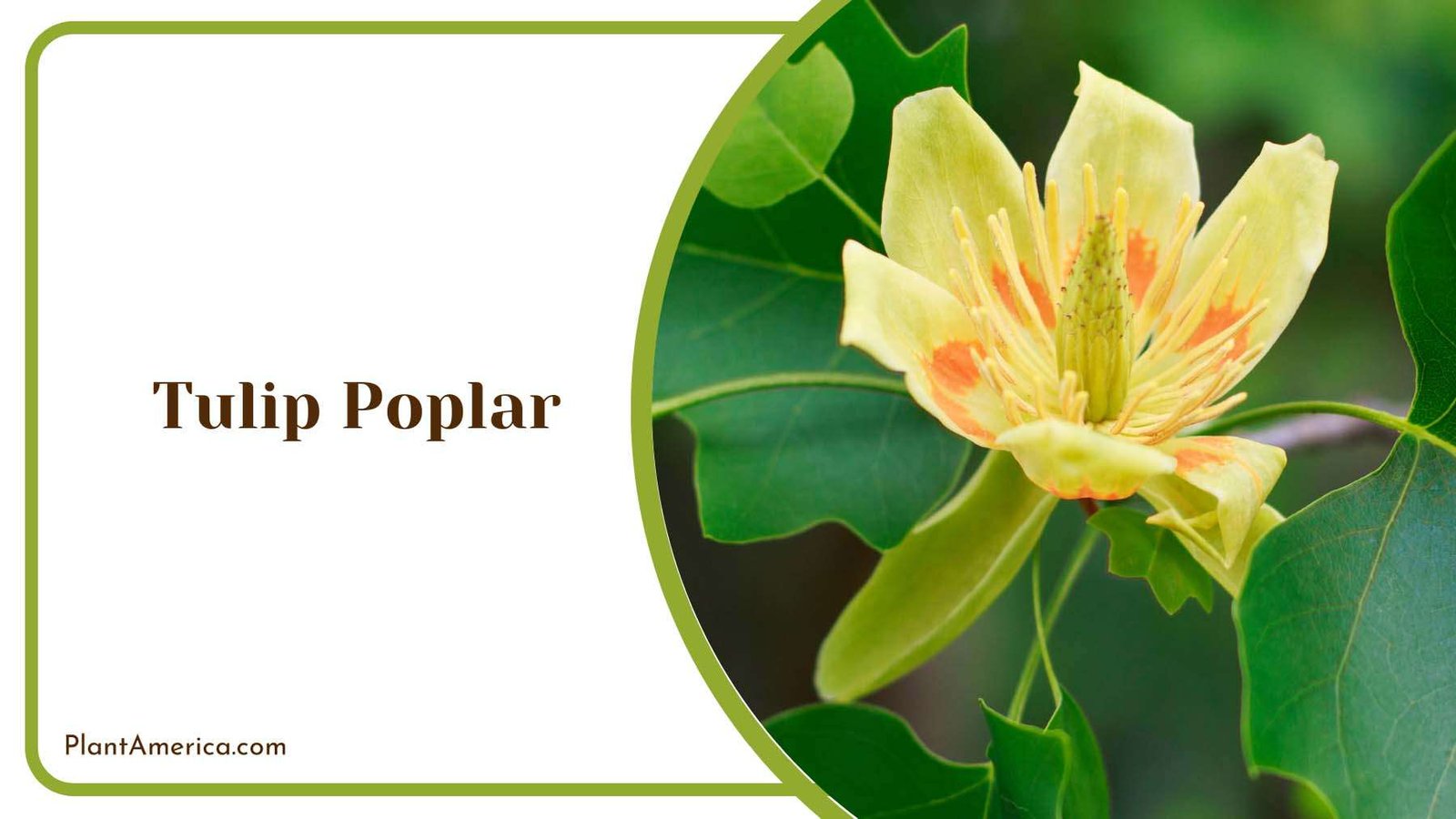
Later, the tree yields oval-shaped samaras that spin gracefully on fluttering lines, imparting foliage with flecks of gold. Under humid conditions, fringed samaras become wedged among leaves, appearing as nature’s seamstress embellishments.
Come fall, a change envelops the tulip poplar, as leaves dress themselves in warm touches of amber, scarlet and citrine. A spectacle of splendid shades covers hillsides, carpeting the ground in crumpled patches of former greenery.
Enjoying moist soils, the tulip poplar flourishes, growing rapidly to offer versatile lumber. Its pale cream-colored, close-grained wood brings utility and beauty, used for furniture, flooring and more. Offering shelter and traits befitting an archetypal shade tree, the tulip poplar spreads blessings of bounty and natural aesthetic across much of eastern North America.
4. Bald Cypress
- Growing season: Year-round.
- Leaf shape: Scale-like, Conical.
- Specific needs: Tolerates flooded soil, Full sun, at least eight hours per day.
- Common pest: Webworms, Tent caterpillars.
Scientifically known as Taxodium distichum, this uncommon tree appears to defy nature with its ability to thrive in oxygen-deprived soil. Its trunk and arching knee-like roots emerge from murky depths, pillars of stability in an uncertain landscape.
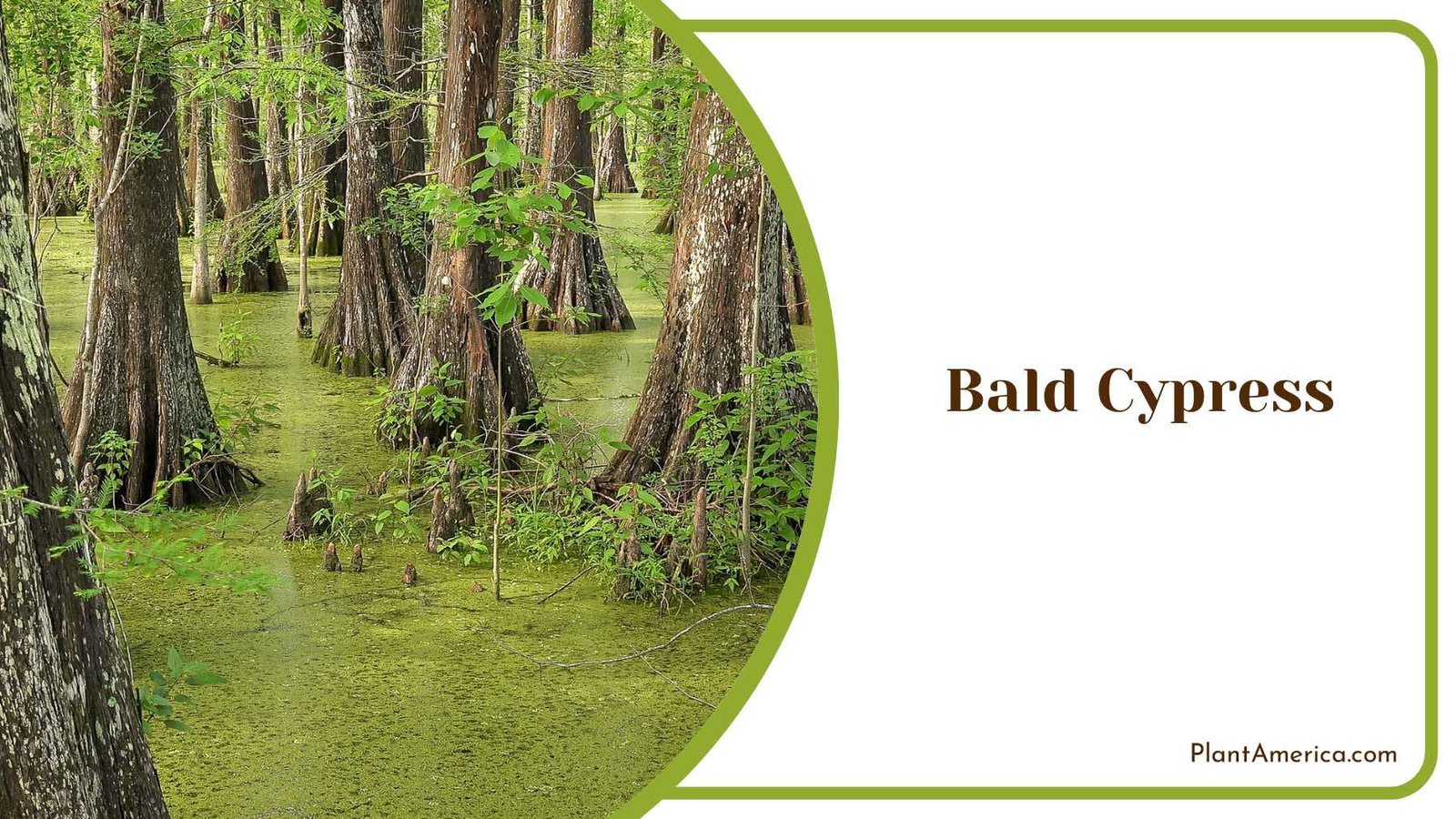
Over time, bald cypress can develop an intriguing appearance as their bark transforms from a deciduous light brown to a dramatic shed of scales resembling alligator skin. This armored exterior fortifies against elements while also lending character and distinction.
As winter loosens its grip, the cypress adorns itself anew with lush foliage reminiscent of feather plumes. Cones and seeds mature through the seasons, completing life cycles which have endured for eons.
Though often surrounded by solitude, the bald cypress is not alone. Its realm serves as a vital refuge, crucial filters for polluted waters and fertile grounds for countless species both small and great. If you are looking for a great addition to your garden or landscape, the bald cypress is ever a perfect choice thanks to its stunning foliage and low maintenance needs even in adverse temperatures.
Even in death, the bald cypress continues its contributions — as centuries-old treasures sink into bogs, their decay nourishes intricate webs of flora and fauna. A single cypress possesses tales which volumes could not contain, as it has stood witness to empires of mans’ and nature’s making.
5. Loblolly Bay
- Growing season: Year-round.
- Leaf shape: Oval, Oblong.
- Specific needs: Consistent moist soil, High humidity.
- Common pest: Aphids, Oakworm.
The loblolly bay tree grows in wet areas like swamps, rivers and coasts near the ocean. It has the scientific name Gordonia lasianthus. This tree can get very tall, sometimes reaching over 100 feet high! Its leaves are dark green and very tough, almost feeling like thick leather. This helps protect the leaves from strong winds and salty air/water where it lives close to the sea.
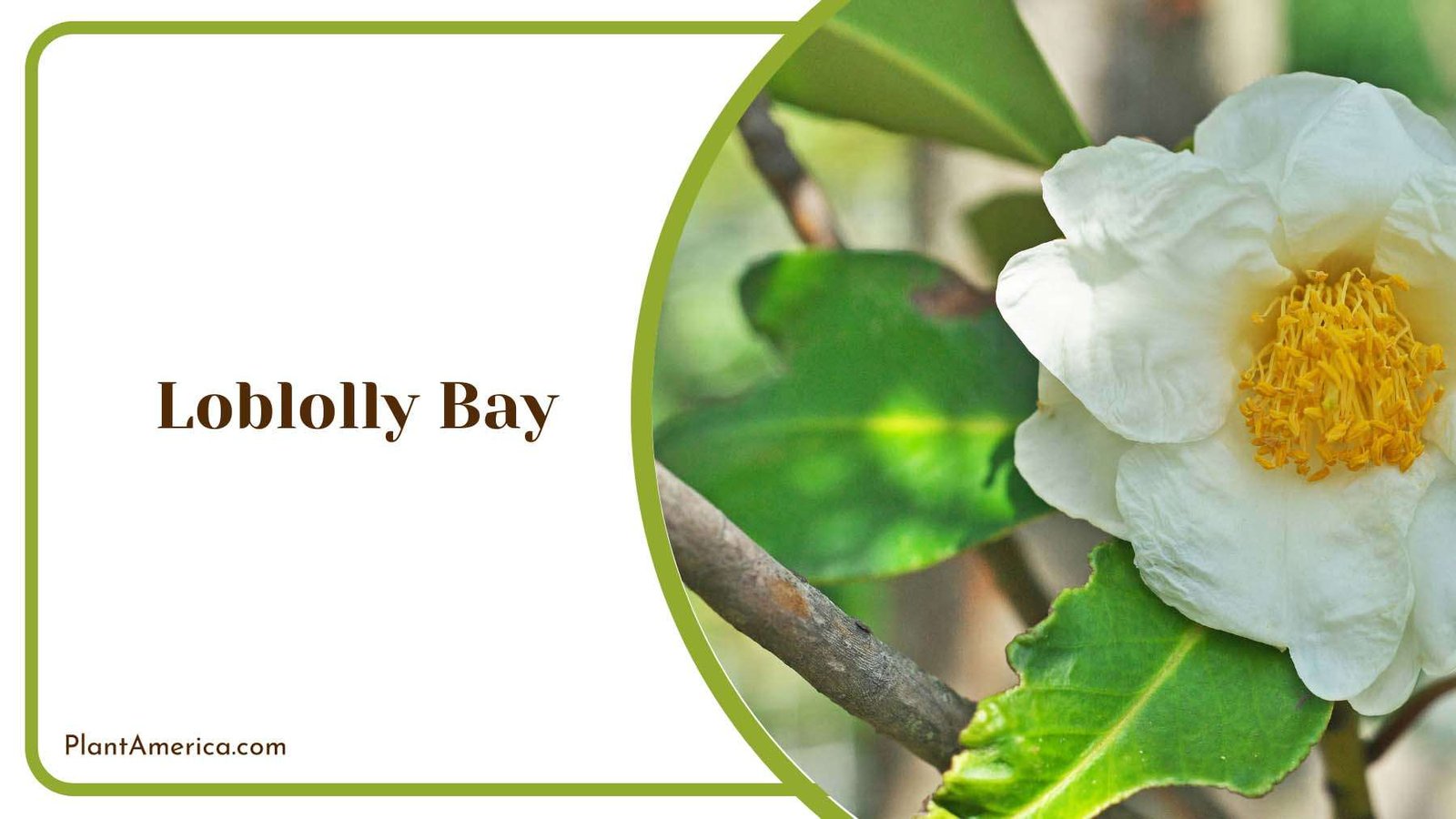
The loblolly bay has gnarly, twisty branches that form because of how old the tree can get living in tough conditions. Its bark looks bumpy and wrinkled too from weathering storms for many years. In late summer, tiny white flowers bloom in clusters.
They don’t look like much but their faint sweet smell can be smelled from far away when winds blow over the trees. Small bees and bugs really like the nectar in the flowers. Later, hard seed pods that are also white take the place of the flowers. Birds will eat the seeds in fall/winter for food.
Even in colder winter months when other trees lose their leaves, loblolly bays stay green all year with their thick needles. The waxy coating on the leaves helps collect raindrops that then drain down and provide moisture in the soil underneath the tree.
This soil is rich for plants like Spanish moss, ferns and others that grow there because it’s very acid-like from the tree. The loblolly bay tree is strong and can handle harsh ocean weather, so it often lives a very long time — maybe even hundreds of years! Its twisted shape acts like an anchor in the wet landscape by the water.
6. Redbay
- Growing season: Year-round.
- Leaf shape: Oblong, Leathery.
- Specific needs: Moist soil, Acidic soil.
- Common pest: Few pest problems.
The red bay is an evergreen laurel tree native to the southeastern coastal plain. This southern tree grows 20 to 40 feet tall when mature. Redbays have leathery, oblong leaves that are pale green above and shiny green beneath. The trees also feature smooth gray bark that becomes fissured with age.

In spring, red bays produce a showy display of fragrant white flowers that attract beneficial insects. These are followed by purple-black berries in fall and winter that birds enjoy. The berries and foliage of Redbays provide food and cover for wildlife.
The red bay thrives in acidic, wet soil and prefers partial shade to light sun. It is pest-free and can withstand hot, humid conditions and moderate salt spray. The fragrant foliage of Redbays makes them popular for naturalistic landscapes, providing evergreen structure and interest. Redbays are nesting sites for birds and small wildlife seeking cover.
With proper care, red bays can live for 75 years or longer and grow into medium-sized trees defining the understory. Their tolerance for wet soils and versatility for landscape uses makes them an easy option for gardeners seeking native plants in coastal gardens. The multiple seasons of ornamental features further enhance the beauty of red bays in Southern landscapes.
7. Eastern Redbud
- Growing season: Spring.
- Leaf shape: Heart-shaped, Alternate.
- Specific needs: Tolerates most soil, Full sun, Partial shade.
- Common pest: None.
Eastern redbuds grace temperate forests from New England to central Florida and eastern Texas with clusters of rosy blooms. With peeling coppery bark and heart-shaped leaves emerging buttery gold, these small understory trees thrive as far north as Zone 5 within moist coves and alluvial floodplains.

Redbuds optimize limited sun exposures through seasonal shifts, blooming profusely before foliage fully expands then resting through summer under leafy canopies above. Come milder months, bright swollen seedpods follow blooms, decorating bare branches like papery lanterns. Small black seeds within ripen, sustaining woodland birds throughout dormancy until light rains summon germination anew.
Beyond aesthetic delights lifting spirits with swift seasonal transformations, redbuds impart meaningful ecological roles. Nectar-rich blooms nourish early foraging pollinators when few flora flower, their foliage providing sustenance into autumn.
Roots fix nitrogen enriching soils as leaves decay, facilitating regeneration amongst oaks established above. Sheltered microclimates beneath arching branches enable ephemeral wildflowers that are reliant on moist leaf litter.
Whether standing alone adorning hillsides or mingling anonymously amid layered forests, eastern redbuds uplift all with harbingers of renewal following the barren months that have passed. Their gifts flow freely, uplifting environments and inhabitants alike with reminders of circular balance intrinsic to wild places graced by nature’s subtle annual rhythms.
8. Flowering Dogwood
- Growing season: Spring.
- Leaf shape: Oval, Elliptical.
- Specific needs: Acidic soil, Evenly moist soil.
- Common pest: Dogwood borer, Anthracnose.
The flowering dogwood is a petite deciduous tree beloved for its gorgeous pink or white spring blooms. Also known as Cornus florida, this small tree typically reaches heights between 20 and 30 feet at maturity. Flowering dogwoods feature small leaves that turn a vibrant crimson red in autumn.

The dogwood tree blooms in early spring before the leaves emerge, producing large clusters of bracts reaching four to six inches in diameter. Depending on the variety, the bracts are available in white, pink, or red. These Southern trees grow best in partly shaded, moist but well-drained soil.
However, dogwoods require good air circulation to reduce susceptibility to fungal diseases. While normally pest-free, dogwoods can be prone to diseases like powdery mildew, leaf spots, and canker if soil drainage is poor or humidity stays high for too long. Proper pruning, mulching, and fungicide applications at the right times can help keep diseases at bay.
The magnificent spring flowers, small stature, and fall foliage make the flowering dogwood a beloved small landscape tree, especially for those with limited space.
9. Sweetbay Magnolia
- Growing season: Year-round.
- Leaf shape: Oblong, Elliptical.
- Specific needs: Acidic soil, Moist soil.
- Common pest: Insignificant.
This tree has dark green leaves that are wavy on the edges. Its leaves smell very sweet, like flowers.
In the summer, small white flowers bloom in groups. The flowers are cup-shaped and have a really good smell. Bees and butterflies like to visit the flowers for the sweet nectar inside. After the flowers, seed pods form that open up when ripe. Inside these seed pods are brown seeds with fluffy edges to fly away in the wind.

The Sweetbay Magnolia likes wet soil that may get flooded with water sometimes, so it grows near the edges of bodies of water. Its thick leaves and ability to handle water help it survive. Even in winter when leaves fall off, it keeps its gray bark shape. Birds eat the seeds and use the branches for shelter too. This tree can live a long time and its sweet smelling flowers make it pretty.
10. Longleaf Pine
- Growing season: Year-round.
- Leaf shape: Long, Narrow needles.
- Specific needs: Well drained soil, Sandy soil.
- Common pest: Insignificant.
Standing sentinel over red clay flats and longleaf pine savannas across the southeastern Coastal Plain, the longleaf pine embodies natural grace amid changing conditions. With open, air-pruning branches forming narrow conical crowns draped in clambering chaparral shrubs, these evergreens thrive where periodic controlled burns sweep open prairies, enriching sandy soils.

Preferred by endangered red-cockaded woodpeckers establishing communal clusters within decaying heartwood, longleaf pines maximize sun exposure, minimizing moisture transpiration through deep taproots that absorb groundwater year-round.
Resinous boughs withstand seasonal fires across shifting landscapes originating in the Mesozoic era. Seed cones take up nourishment during dormancy, releasing seeds beneath sheltering canopies the following spring.
Beyond the picturesque ornament, longleaf pines form foundational keystone species sustaining rare groundcover floras that are reliant on infrequent glade openings. Butterfly larvae utilize the tree’s foliage while quail chicks shelter within grasses they perpetuate through regenerative flames.
Whether they stand as solitary patriarchs veiled in golden needles or mingle anonymously within diverse old-growth associations, longleaf pines embody steadfast resilience and principle that are crucial to sustaining vulnerable pine savanna. Their gifts flow freely, permeating environments near and far and instilling hope that balance may yet return through humankind’s awakened willingness to embrace nature’s subtle rhythms.
Conclusion
Planting southern trees in your garden can provide countless benefits, from shade and beauty to wildlife habitat and carbon sequestration.
- The tulip tree is a majestic North American hardwood known for its rapid growth rate and eye-catching spring flowers.
- The flowering dogwood is a petite deciduous tree beloved for its gorgeous pink or white spring blooms.
- The longleaf pine is an indigenous evergreen tree well-adapted to fire and drought.
- The southern magnolia (Magnolia grandiflora) is an evergreen tree that can grow to heights over 100 feet tall in the wild, with large leaves that are dark green in color.
- Eastern redbuds grace temperate forests from New England to central Florida and eastern Texas with clusters of rosy blooms.
Choosing the right trees for your landscape can transform your yard into an oasis you and your loved ones can enjoy for years. So select a few that speak to your sense of style and get planting — you won’t regret adding some vibrant southern trees!