
Helicopter seeds are some of the coolest seeds you’ll find in the garden, taking flight and twirling as they fall to spread far and wide. Whether you want to grow trees with helicopter seeds for your enjoyment or to attract wildlife, this guides your options and highlights which tree species offer the most showy displays and impressive seed architecture.

So get ready for an up-close look at some genuinely innovative adaptations for seed dispersal in nature, starting with those twirling helicopter seeds.
Amazing Tree Species with Whirlybird Helicopter Seeds
1. Sycamore Maple
- Growing Season: Spring, Summer
- Leaf Shape: Palmate, Lobes
- Specific Needs: Moist soil, Well draining
- Common Pests: Scale insects, Aphids
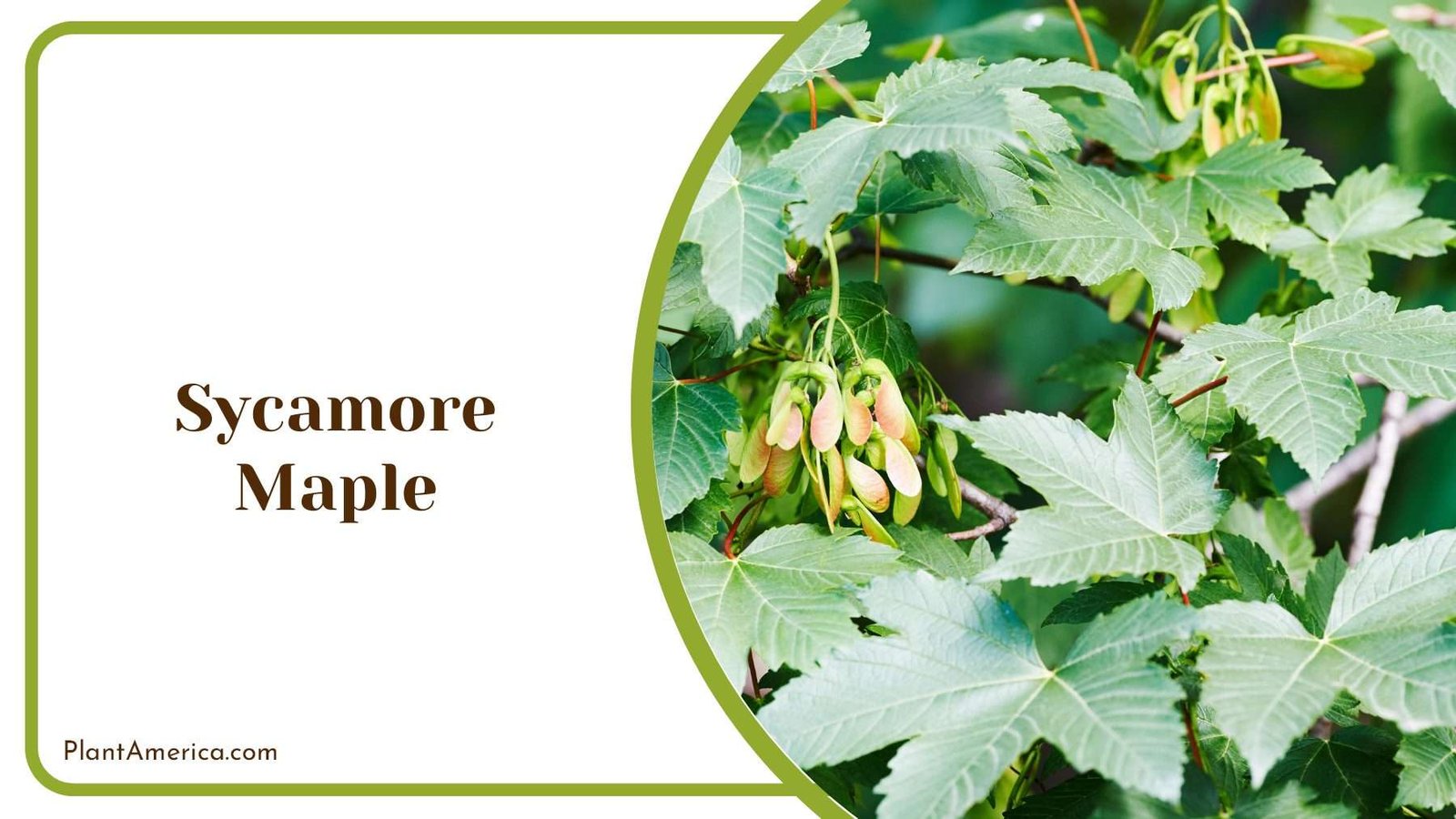
The sycamore maple is known for its large, helicopter-like seeds that spin gracefully to the ground in the fall. The sycamore maple leaf is palmately lobed with five broad, rounded lobes and the tree produces clusters of small green flowers in the spring.
The sycamore maple thrives in moist, well-draining soil and prefers full sun or partial shade. While relatively pest-free, sycamore maples can be prone to issues with scale insects and aphids that feed on the sap. With its showy seeds and bold foliage, the sycamore maple is a graceful specimen tree for yards and parks.
The whirlybird helicopter seeds of the sycamore maple provide a true spectacle in the fall season. The one to two-inch seeds form in pairs within thick pods that dry and split open to release the winged seeds.
As they flutter to the ground, the flat, blade-like seeds spin like flying saucers, traveling considerable distances on the wind. Many homeowners and landscapers plant sycamore maples specifically for the amusement value of watching these unique seeds in action.
2. Ash Leaf Maple

- Growing Season: Spring, Summer
- Leaf Shape: Palmate, Lobes
- Specific Needs: Moist soil, Acidic soil
- Common Pests: Scale insects, Aphids
The ash leaf maple is a distinctive tree, notable for its leaves that bear a striking resemblance to those of ash trees—thus earning its name. These leaves are palmate with five to seven lobes, giving them a distinguished appearance. Another eye-catching feature of this maple is its helicopter-like seeds, which put on a spectacular display as they fall during the autumn months.
Thriving in moist, acidic soil, the ash leaf maple prefers locations with partial shade. It’s a resilient species, with a notable resistance to various pests. However, it isn’t entirely immune; one should keep an eye out for scale insects that have a penchant for the tree’s sap. A notable benefit of planting the ash leaf maple, especially in city settings, is its commendable tolerance for compacted soils and moderate pollution. This makes it an ideal choice for urban landscapes.
One cannot discuss the ash leaf maple without emphasizing its extraordinary seeds. When mature, their pods burst open to release one to two-inch-long winged seeds. With their long flattened wings and rounded bodies, these seeds are designed to glide and spiral through the air, covering significant distances.
The sight of numerous seeds twirling and dancing in the wind, especially in large open spaces, is truly enchanting. It’s no wonder that many landscapers and gardeners are drawn to this tree, valuing it for the added spectacle its seeds bring to parks and extensive gardens.
3. Poplar Trees

- Growing Season: Spring, Summer
- Leaf Shape: Palmate, Lobes
- Specific Needs: Moist soil, Acidic soil
- Common Pests: Scale insects, Aphids
Poplar trees are deciduous trees that thrive in desert riparian zones where moisture is present. Their towering trunks can reach heights over 100 feet, providing critical shade.
Poplars are dioecious, with male and female reproductive structures on separate trees. Their catkins are an early spring bloom, producing vast quantities of lightweight seeds encased in wispy cotton-like fibers. Wind easily carries seeds downstream to colonize suitable banks and floodplains.
A deep, widespread root system allows poplars to tap underground water sources unavailable to other desert species. Transpiration draws this water up to support their towering stature.
Providing canopy cover, nesting sites, and seasonal food, poplar forests lining waterways form crucially productive oases amid the parched desert landscape. Their propagation ensures the continued availability of life-sustaining resources along shrinking desert streams
The spectacular seed display of poplar trees has made them a good choice for many gardeners and property owners. As the round seed pods dry and split open, multitudes of spinning seeds are released at once, dancing in the air currents for minutes or even hours before settling to the ground making an adorable sight to see.
The winged seeds can spin a complete 360-degree rotation as they float, offering a mesmerizing and eye-catching show of aerial acrobatics. Some of the most well-known poplar species for their helicopter seeds include the White Poplar, Lombardy Poplar, and Balsam Poplar. All provide a feast for the eyes in late summer when the seeds start to swirl.
4. American Elm
- Growing Season: Spring, Summer
- Leaf Shape: Palmate, Lobes
- Specific Needs: Moist soil, Full sun
- Common Pests: Scale insects, Aphids
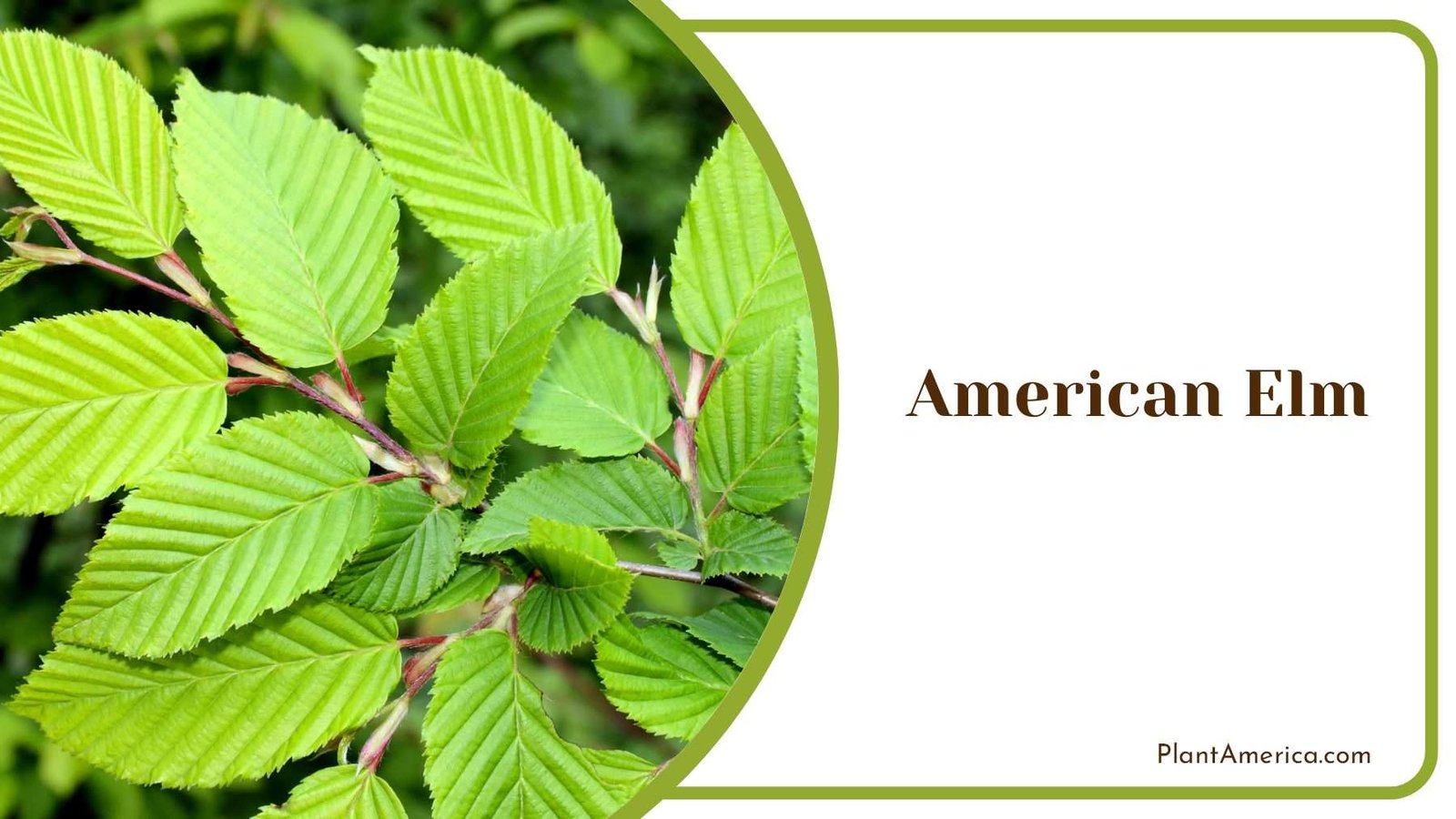
In spring, the elm tree gets full of thin, pointy leaves. They grow in an alternating pattern up the twisted branches.
Male and female elm trees have separate tiny flowers on different trees. At the end of the summer season, the elm grow seeds with little wings, commonly known as helicopter seeds. These seeds fly through the air on feather-light wings. The wind easily blows the winged seeds far from the parent tree. This helps elm trees spread to new areas with water in the soil. The seeds can land far away and still sprout new baby elm trees.
This “helicopter” method lets elm trees expand their range without any external factor’s help. Spring winds carry elm seeds to colonize wet areas near creeks so the trees can find water deep in the ground. Their helicopter seeds make American Elms a good choice for home landscapes with moisture around streams.
Watching the helicopter seeds of the American elm tree spin and spiral to the ground is truly remarkable sight. As the wind picks up, pods burst open, releasing a flood of winged seeds that immediately catch the breeze and begin twisting and twirling. Some seeds spin smoothly while others gyrate erratically, floating and looping over dozens of feet before landing.
On windy autumn days, the air is filled with a swirling cloud of whirling seeds, providing an entertaining display of nature’s ingenuity. The American elm’s ability to withstand harsh conditions and resist disease has made it a popular choice for street trees where its aerial acrobatic seeds can really shine.
5. Japanese Zelkova
- Growing Season: Spring, Summer
- Leaf Shape: Palmate, Lobes
- Specific Needs: Moist soil, Full sun
- Common Pests: Scale insects, Aphids
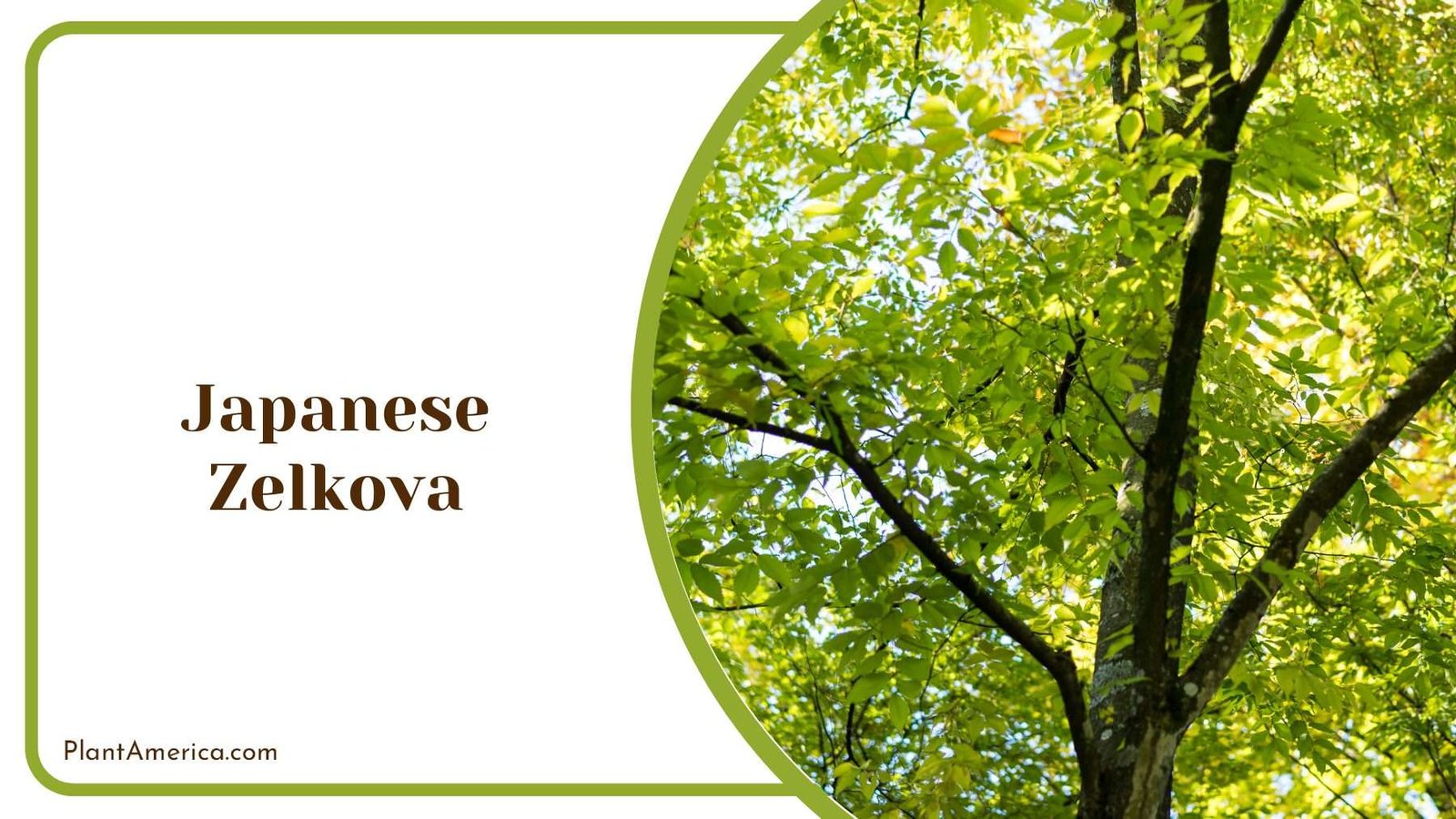
The Japanese zelkova tree produces winged seeds that spin like helicopter rotors as they flutter to the ground. The seeds are contained within fuzzy, globe-shaped pods which split open when ripe to unleash the winged seeds. Caught up in the wind, the flattened, blade-like seeds begin to spin rapidly while descending.
The leaves of the Japanese zelkova are asymmetrically lobed with one straight side and one curved side. This tree prefers full sun, acidic soil, and ample space to develop. Common pests include scale insects that feed on bark and aphids that suck sap from new growth.
Watching the whirling helicopter seeds of the Japanese zelkova tree float to the ground is simply mesmerizing. Once released from the pods, the seeds immediately catch the breeze and start spinning rapidly, rotating clockwise or counterclockwise at varying speeds.
Some seeds glide and twirl in graceful arcs, while others tumble erratically like flying missiles based on the shape mother nature grants them. On windy autumn days, the air is filled with a storm of whirling seeds, providing an awe-inspiring display of nature’s ingenuity. Many gardeners and landscapers choose Japanese zelkovas for their whimsical helicopter seeds, which really come into their own in large spaces where they have room to dance and spin.
6. Ginkgo
- Growing Season: Spring, Summer
- Leaf Shape: Keep soil consistently moist; avoid soggy conditions.
- Specific Needs: Provide bright, indirect sunlight.
- Common Pests: Maintain 65-72°F for optimal growth.
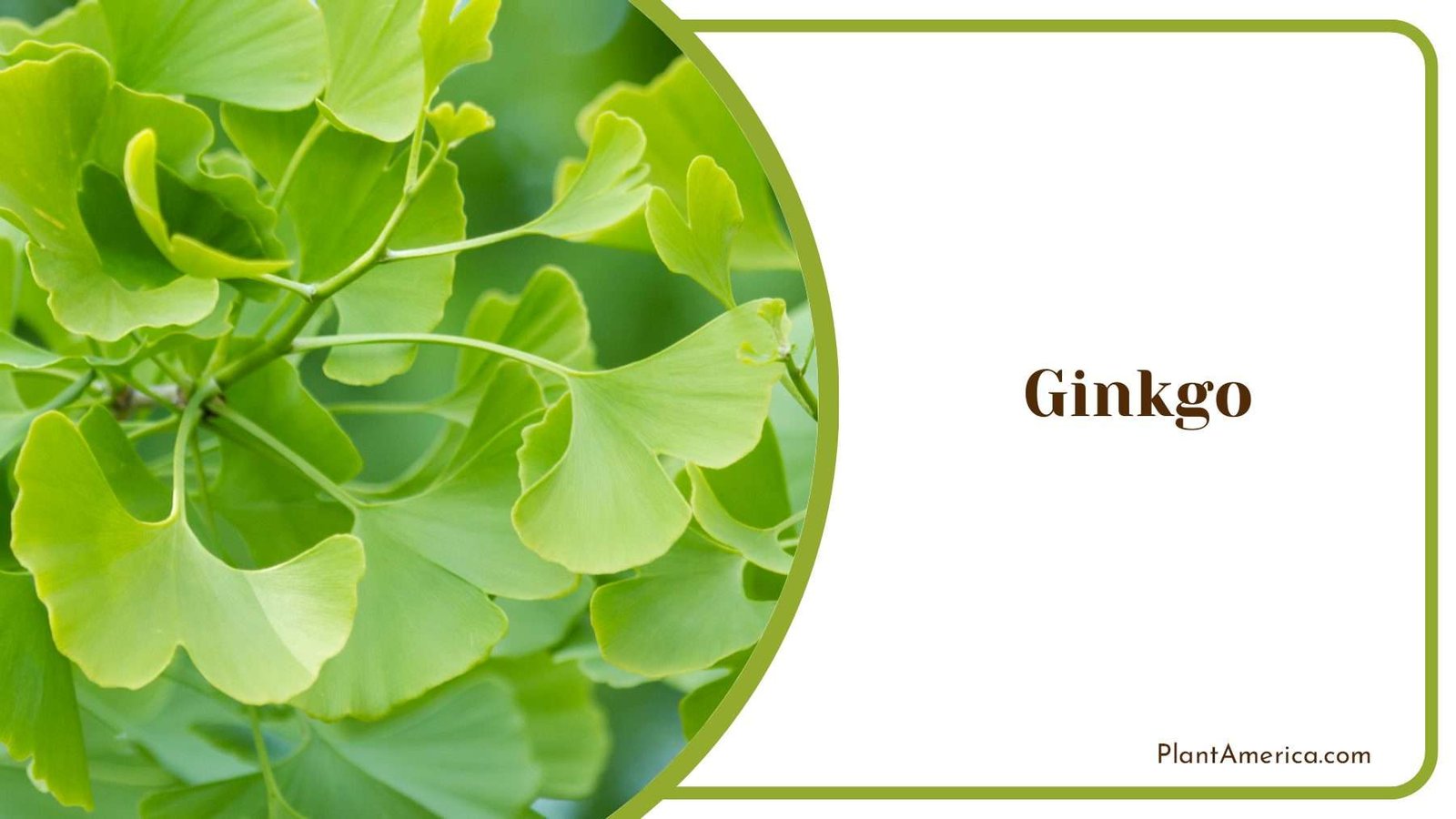
The Ginkgo tree has uniquely shaped leaves and fruit that set it apart from other species. At the end of summer, the female Ginkgo trees produce olive-sized fruit pods with a soft, fleshy outer layer and a hard nut inside. As the fruit ripens in the fall, the outer layer turns yellow and emits a foul odor like rancid butter.
This scent attracts flies and other insects that help disperse the seeds by eating the fleshy part. Contained within the putrid-smelling pods are seeds with a fan-like structure designed for optimum wind dispersal. When the pods open, the seeds are released, and their fans begin fluttering like small helicopters.
On breezy autumn days, the ground under Ginkgo trees becomes carpeted with thousands of seeds, their blade-like fans rotating swiftly as they drift down from the branches above. Witnessing their innovative means of distribution by wind is truly a sight to behold.
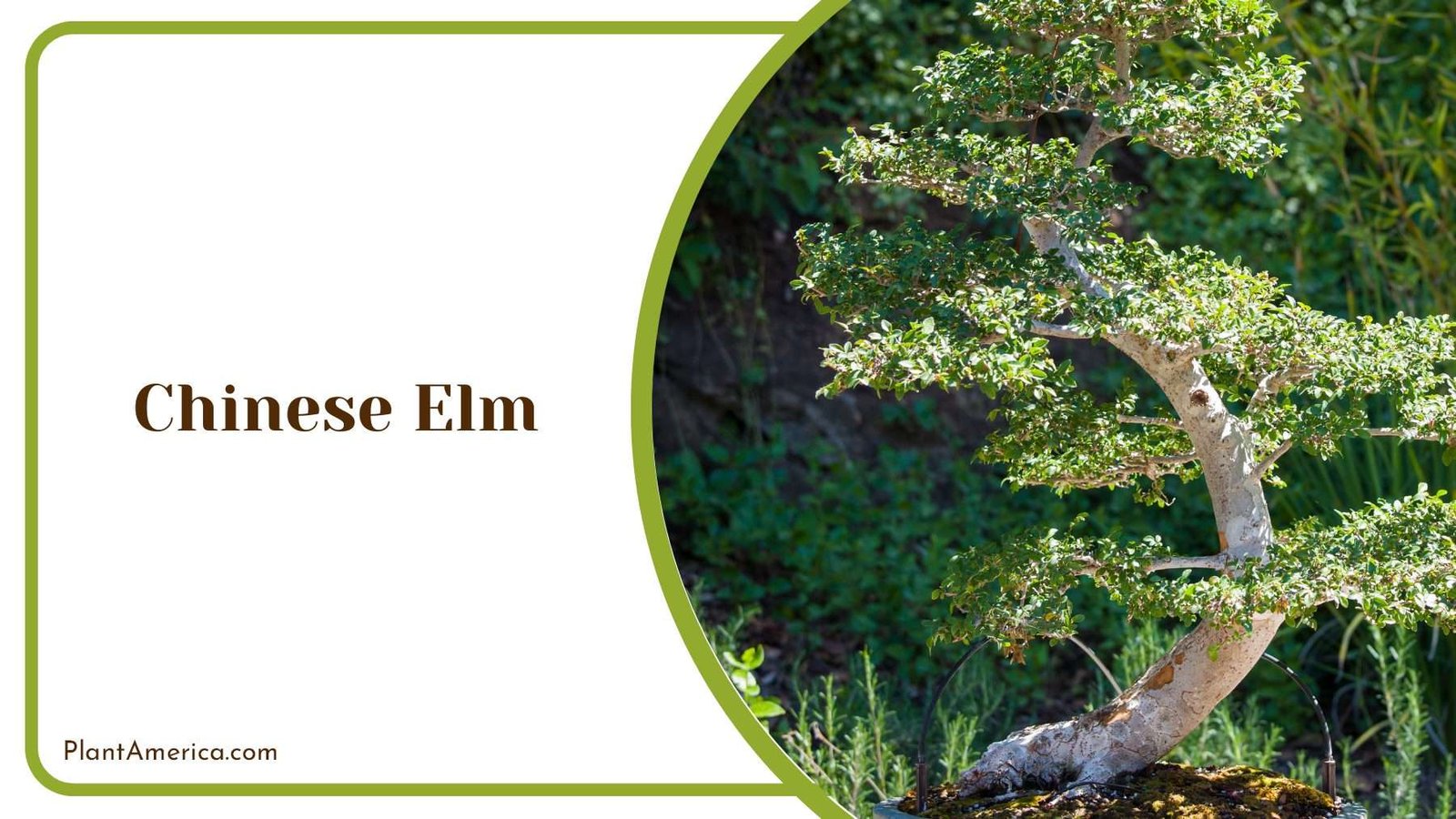
7. Chinese Elm
- Growing Season: Spring, Summer
- Leaf Shape: Palmate, Lobes
- Specific Needs: Moist soil, Full sun
- Common Pests: Scale insects, Aphids
The Maidenhair Tree is frequently grown as an ornamental due to its unusual fern-like leaves and seeds that float through the air by means of miniature helicopter rotors. In late summer, small green pods containing the seeds form among the wispy foliage. As autumn arrives, these pods split open to release the seeds.
Each seed features a pair of long, thin white structures that twist together forming an elegant spiral shape. When caught in brisk winds, the seeds begin spinning rapidly, rotating the spiral rotor blades upwards of 20 times per second. Their aerodynamic design allows the seeds to catch upward drafts and glide farther from the parent tree with each revolution.
Watching clumps of the seeds drifting and twirling upon the breeze is just like to observing flocks of whirligigs taking flight. Those near the tree sway gracefully, while more far-flung seeds tumble adventurously. Their advanced means of wind dissemination ensures progeny will colonize new grounds. The display of helicopter seeds put on by the Maidenhair offers delightful botanical entertainment for anyone lucky enough to witness its airborne ballet.
8. Sweetgum
- Growing Season: Spring, Summer
- Leaf Shape: Palmate, Lobes
- Specific Needs: Moist soil, Acidic soil
- Common Pests: Scale insects, Aphids
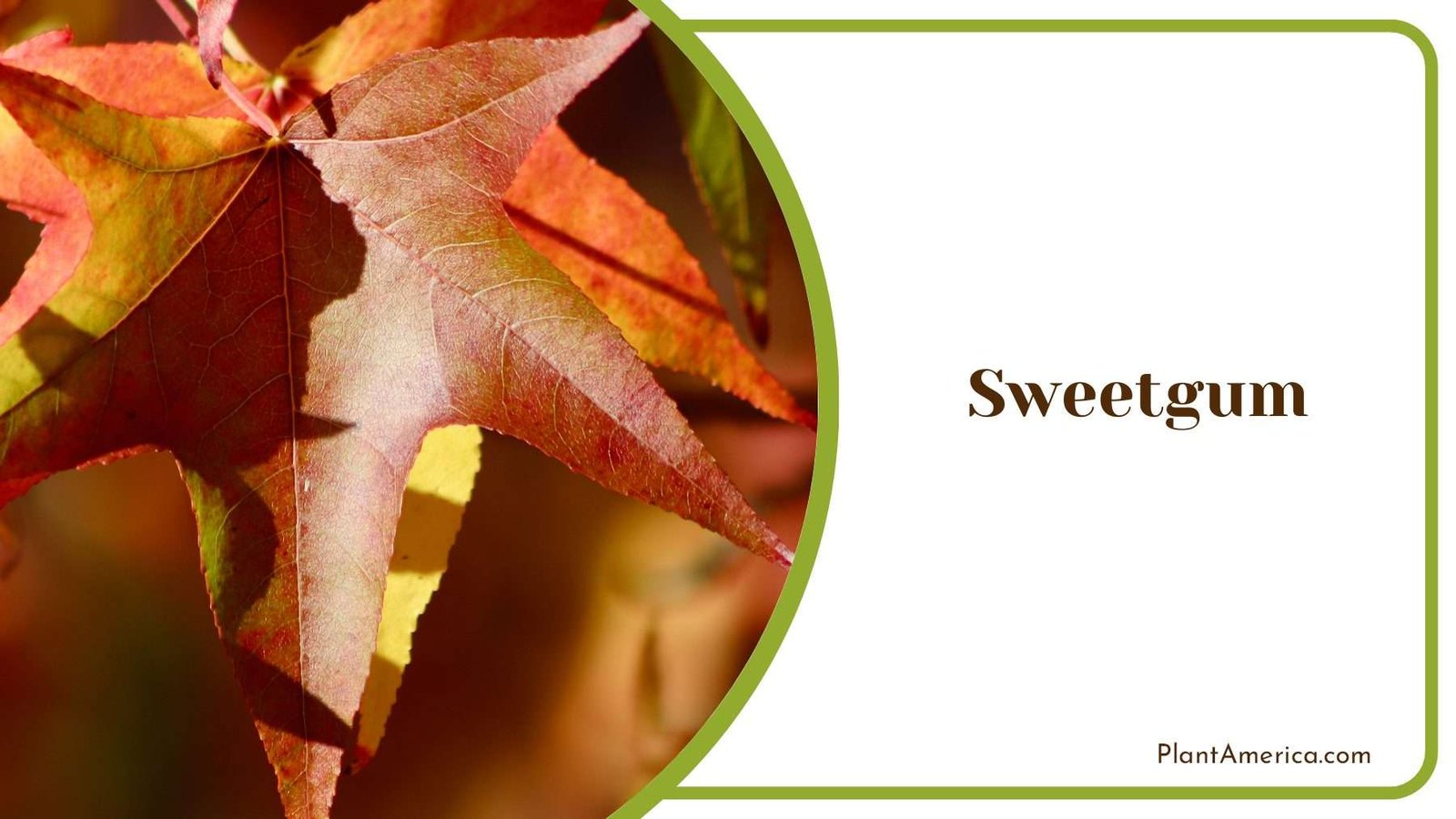
The Sweetgum tree grows 60-80 feet tall with an equal spread. Its bark is gray and scaly looking. In fall, its leaves turn bright shades of red, purple, and yellow. Sweetgum also produces seed balls that hang from the branches after leaves fall off.
The seed balls are spiky green spheres about one to two inches wide. Each sphere contains individual seeds fused together. As they dry out in autumn, the seed balls turn brown and break apart. Inside are tiny reddish-brown seeds with pairs of papery wings. Even a light breeze catches these wings to carry the seeds far from the parent tree.
Sweetgum’s “helicopter seeds” spin and glide through the air, scattering widely across the ground. Their long flight lets the trees spread to new locations without help. If seeds land in moist soil, they can take root and grow into new Sweetgum saplings. The trees’ effective aerial dispersal helps them colonize available space quickly.
Sweetgum’s windborne seeds make it a good choice for home landscapes with room for seedlings. Their fall colors and the leaves spread also provide nice shade. The ability of these beautiful trees to thrive in tough urban environments makes them ideal for displaying their whirling seeds, which truly shine when given room to dance.
9. Nettle Tree

- Growing Season: Spring, Summer
- Leaf Shape: Palmate, Lobes
- Specific Needs: Moist soil, Well-drained soil
- Common Pests: Scale insects, Aphids
In late summer and early fall, the nettle tree releases its seeds. Spiky seed pods held in the branches open up at this time. Many flat, wing-like seeds are released into the air. Catching the wind, the seeds begin spinning very fast. Their wings act like helicopter blades. Some seeds float down slowly, twisting and turning gracefully.
Others spin wildly in all directions on unpredictable paths. No matter how they fly, the spinning helps the seeds travel far from the parent tree. On windy days, seeds can be seen whirling all around the tree. Their aerial dancing scatters them far and wide.
The helicopter-style wings ensure the nettle tree’s seeds will spread to new locations. It’s easy to get lost watching the aerial ballet of the spinning seeds in the breeze. Their clever design lets the wind carry each one to a distant landing spot.
10. Afzelia
- Growing Season: Spring, Summer
- Leaf Shape: Palmate, Lobes
- Specific Needs: Moist soil, Well-draining soil
- Common Pests: Scale insects, Aphids
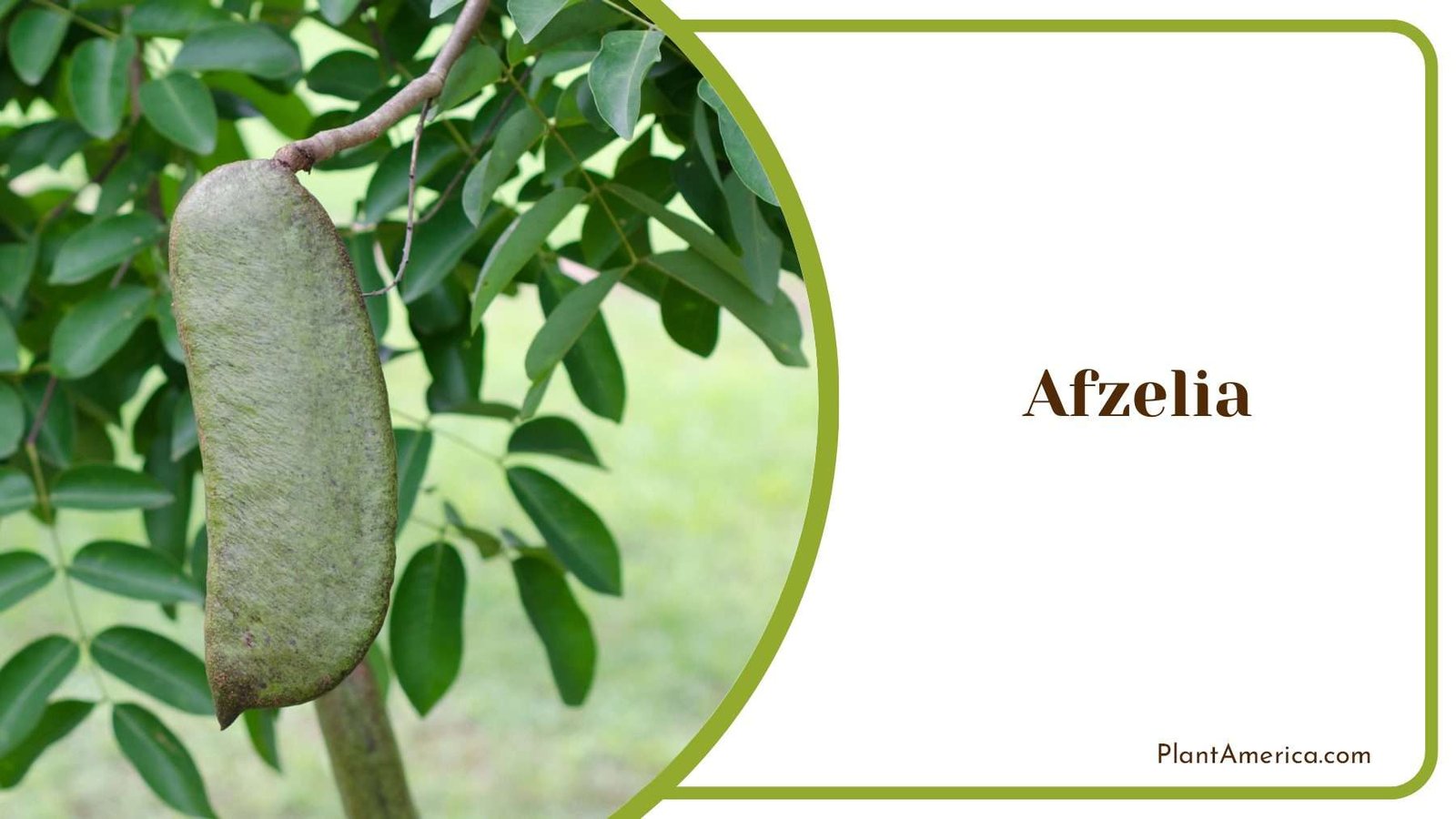
The Afzelia tree produces winged seeds that spin like helicopter blades as they float to the ground during autumn. The seeds are contained within flat pods, which split open when ripe to release the winged seeds.
Catching the wind currents, the flattened, blade-like seeds begin to rotate rapidly during their downward drift. The leaves of the Afzelia tree are pinnately compound with 11 to 25 leaflets. This tree prefers well-draining soil and ample space to develop a broad spread. Common pests include scale insects that feed on new bark growth.
Watching the helicopter seeds of the Afzelia revolve and glide to the ground is fascinating. As the flat seed pods split open, hordes of winged seeds spill out, where they immediately catch the breeze and begin spinning at varying speeds. Some seeds revolve in smooth arcs, while others tumble erratically.
The aerial acrobatics of the Afzelia’s seeds ensure maximum distance from the parent. On windy autumn days, the air fills with whirling seeds on windy autumn days, creating quite a spectacle. The afzelia’s ability to withstand harsh conditions makes it ideal for displaying its aerial ballet, where its ‘helicopter’ seeds can really shine in areas with ample space for their winged performance.