
Varieties of ginkgo trees are unique species of trees that have remained unchanged for nearly 200 million years and are said to be known as living fossils. What makes this species even more unique is its attractive foliage known to elevate all sorts of landscapes.

Today, we’re listing some of the top ginkgo tree varieties, what makes each of them special, and the different kinds of care needed to grow them.
List of Different Gingko Trees
1. Autumn Ginkgo Biloba

| Zones |
|
| Care |
|
| Pros |
|
| Cons |
|
The broadleaf, deciduous ginkgo biloba tree, often known as maidenhair, autumn gold ginkgo tree, has a sculptural pyramid shape. This old tree is a conifer, losing its leaves in the winter, and is dioecious, meaning that some trees are male and some are female. As they grow, one would help the other in the pollination process during their growing period.
Ginkgo biloba trees, which are slow-growing and native to China, will often thrive in USDA hardiness zones four through nine. You must also know that the distinctively fan-shaped leaves of the ginkgo biloba begin green and turn golden-yellow in the autumn, similar to the ‘Beijing gold’ ginko variety.
Sometimes the leaf goes through a stage where it has distinct bands of gold and green before turning completely golden. Due to the leaves’ fan-like structure, which is reminiscent of the maidenhair fern, or the Adiantum spp, its common name “maidenhair tree” was given to the plant.
Ginkgo biloba trees have ornamental enough foliage in the autumn to make them suitable as specimen plants in your landscaping. The cultivars have medium water requirements, grow best in full sun in the North, and are resistant to smog and salt from roads. They are actually wise selections for individuals who landscape near the seaside because they are salt-tolerant plants.
2. Chase Manhattan Tree
| Zones |
|
| Care |
|
| Pros |
|
| Cons |
|
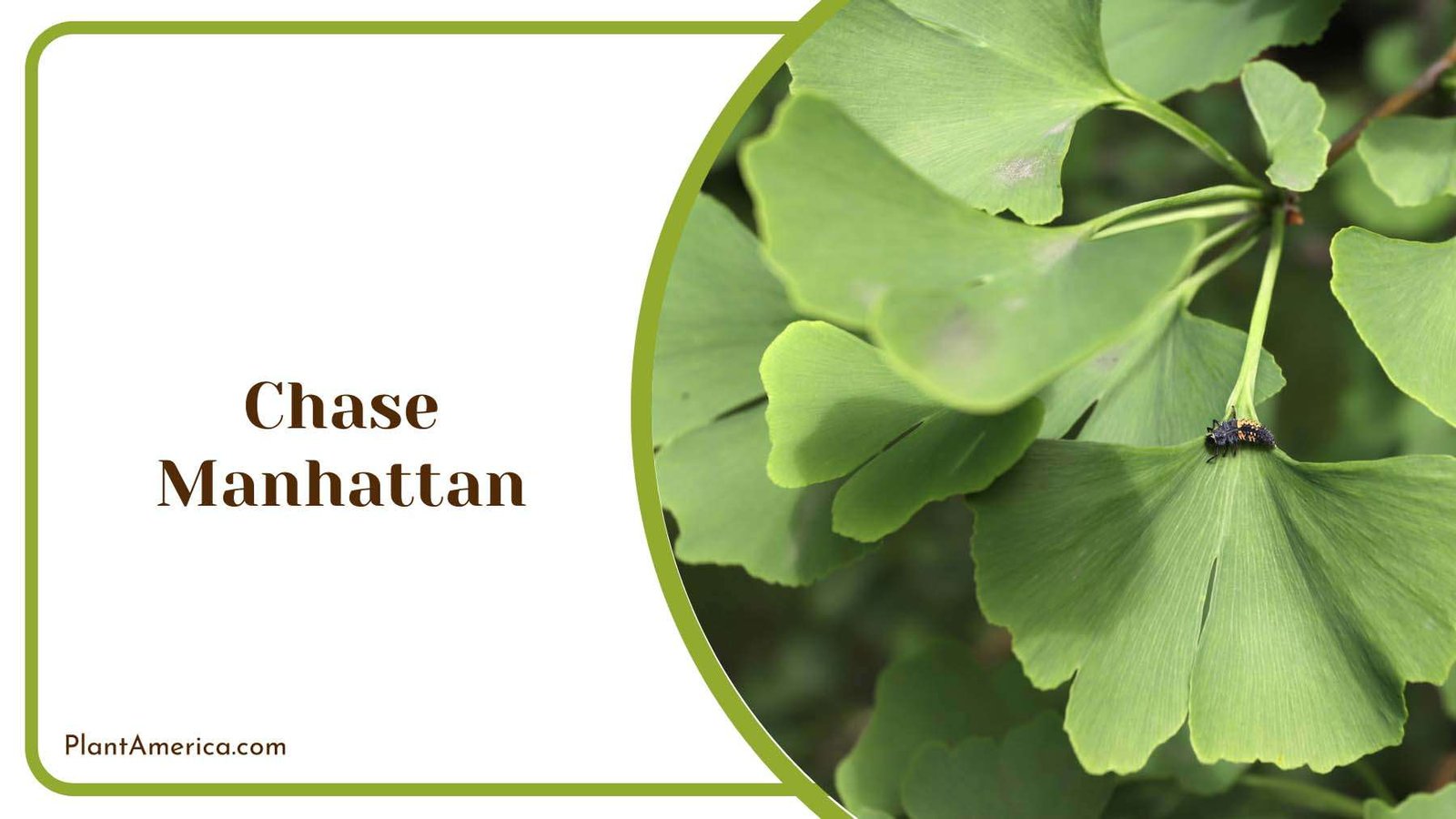
A dwarf ginkgo variant called the Chase tree with an upright, spreading crown. This slow-growing, low-maintenance shrub has small, cupped, upright emerald green leaves that grow on closely spaced branches. In the autumn, the foliage turns a deep yellow-gold. The ideal fit for a rock garden is this incredibly decorative tree. It grows well in soils with good drainage and full light.
3. Majestic Butterfly Tree
| Zones |
|
| Care |
|
| Pros |
|
| Cons |
|
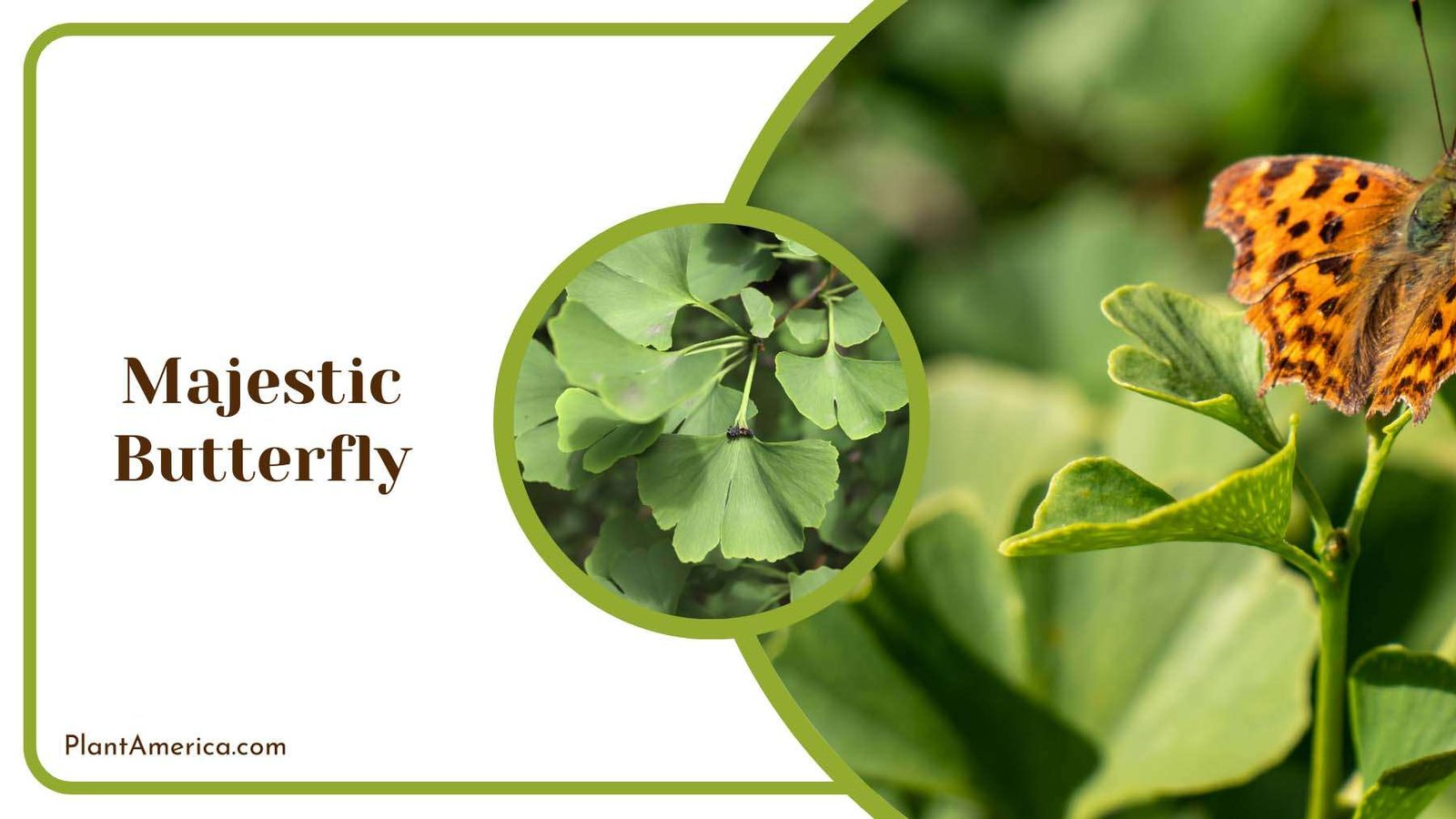
Majestic Butterfly Maidenhair is a deciduous ginkgo tree with an erect, vase-like crown. This tree has fan-shaped, variegated leaves that are cream, green, and butter-yellow in the summer and turn gold-yellow in the autumn.
This specimen tree thrives in full sun, medium moisture, and well-drained soil. You can grow the resistant to pollution Majestic Butterfly Maidenhair Tree as a decorative plant.
4. Saratoga Ginkgo Tree
| Zones |
|
| Care |
|
| Pros |
|
| Height |
|
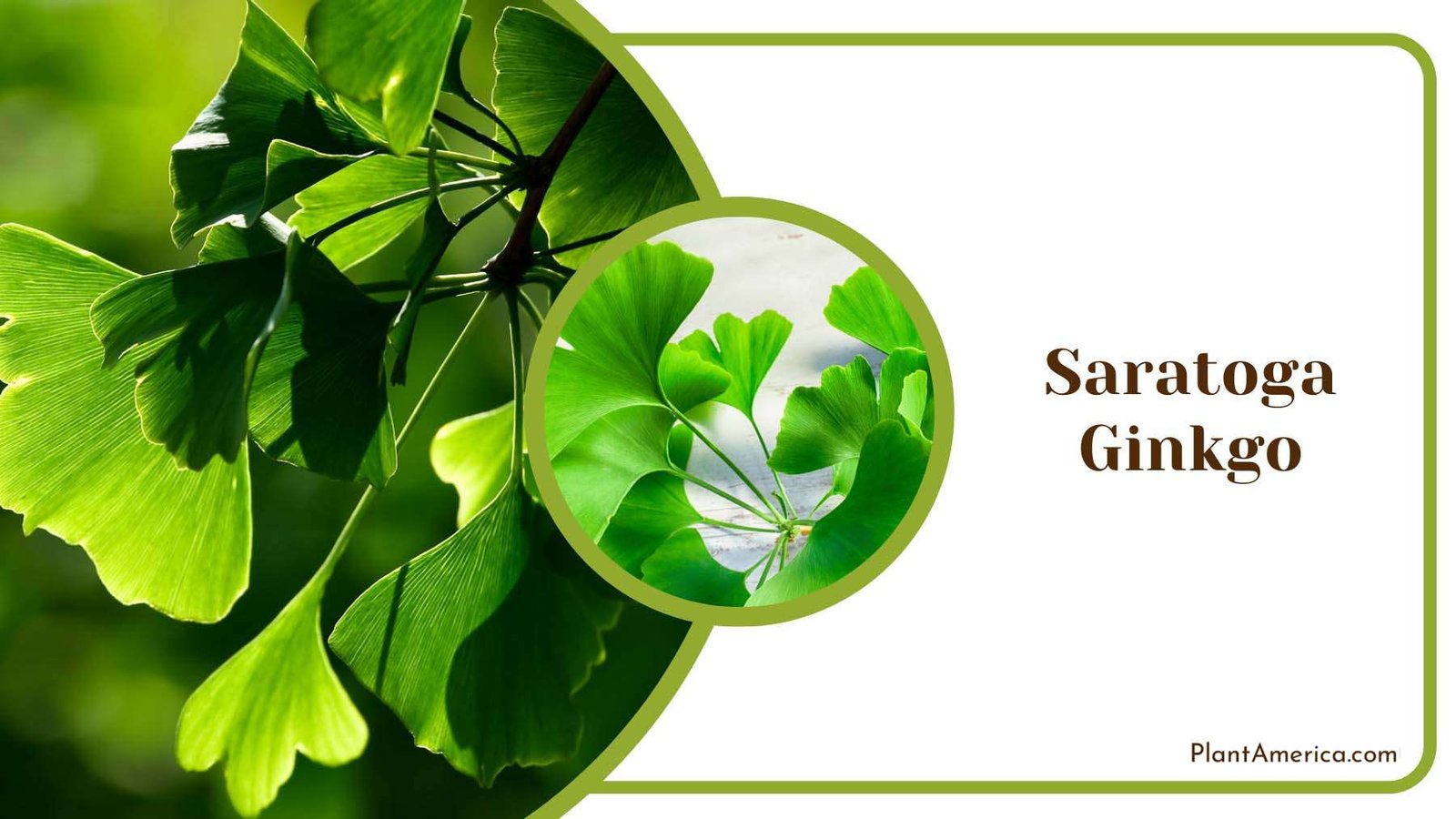
The male Ginkgo clone Saratoga, in San Martin, California, has deeply divided, extraordinarily big, pendulous leaves with a lacy look. The Saratoga Ginkgo has symmetrical branches and a full, dense, pyramidal crown.
Due to its amazing golden-yellow fall color and tolerance for pollution, this tree works well as a street or specimen tree. It thrives in mild, well-draining soil with full sun to partial shade, and it tolerates different growing conditions.
5. Upright Ginkgo Tree
| Zones |
|
| Care |
|
| Pros |
|
| Cons |
|
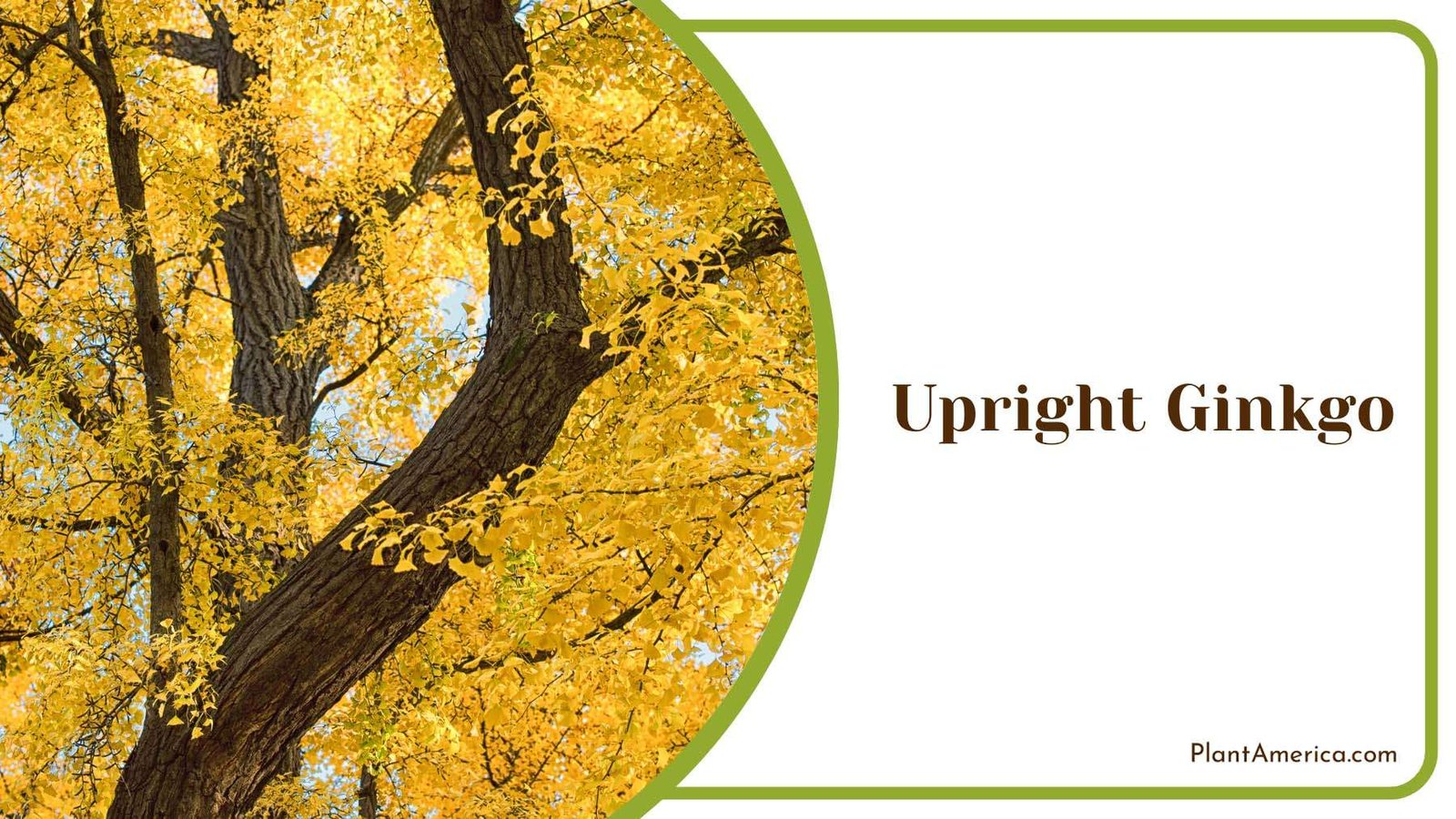
A columnar Ginkgo tree that has been sold commercially for more than a century is upright. The fan-shaped leaves on the classical crown of this male cultivar grow straight and narrow in the autumn, turning a consistent gold-yellow color.
In full sun, sandy soils with a medium level of moisture, and well-drained soil, upright maidenhair trees thrive. Because of its outstanding vertical form and capacity to fit into small areas, it is preferred, when it is watered excessively, it can face fungal diseases.
6. Elmwood Ginkgo Tree
| Zones |
|
| Care |
|
| Pros |
|
| Cons |
|
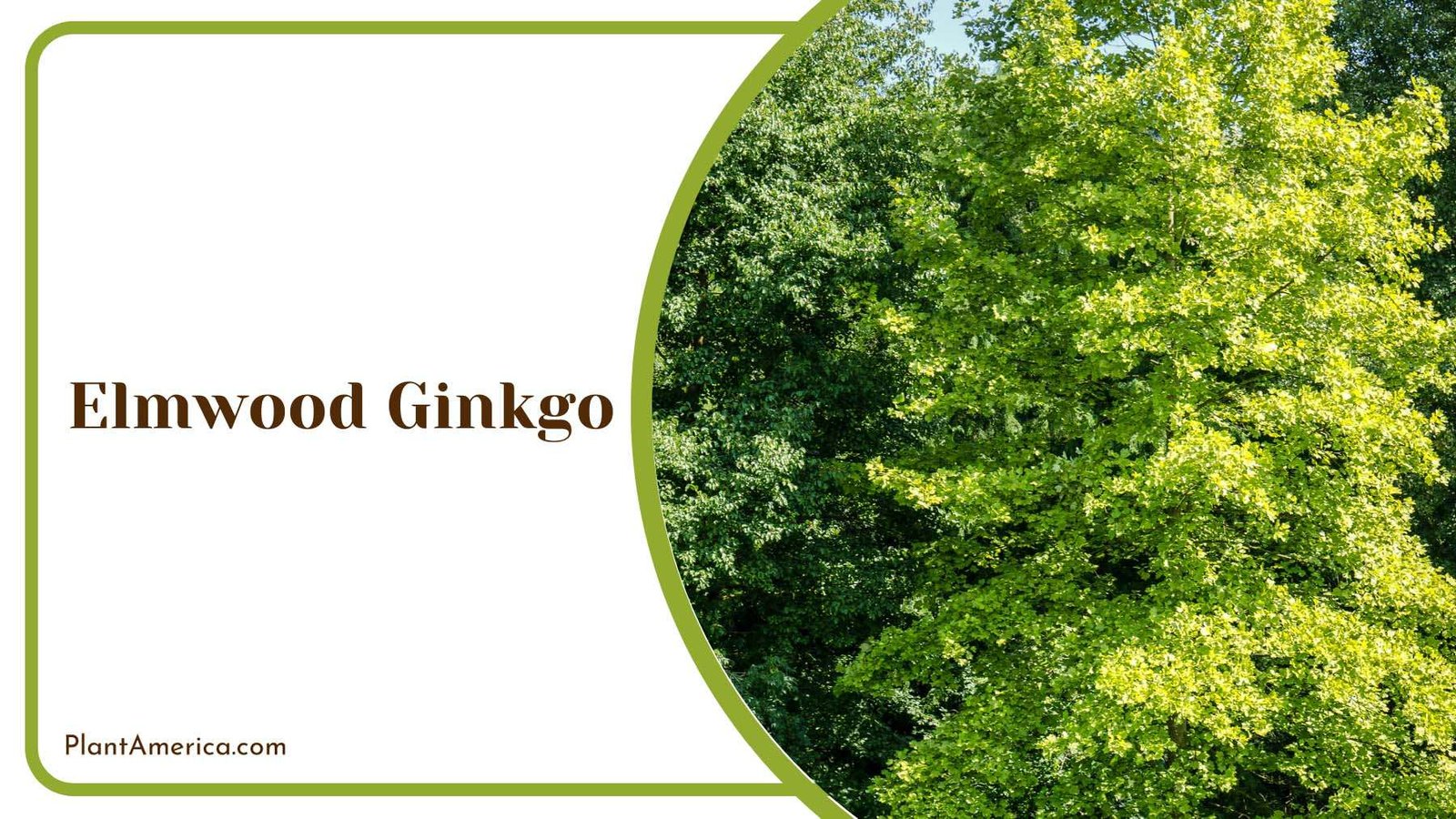
Elmwood trees are slow-growing, hardy, deciduous trees with characteristic, fan-shaped, emerald-green leaves that change to yellow in the autumn. This low-maintenance tree can be grown as a vertical tree, a shade tree, or an accent plant. It is a tree that resists disease and pests, grows well in full sunlight, and can survive up to 150 years and beyond.
7. Potter Pete Ginkgo Tree
| Zones |
|
| Care |
|
| Pros |
|
| Height |
|
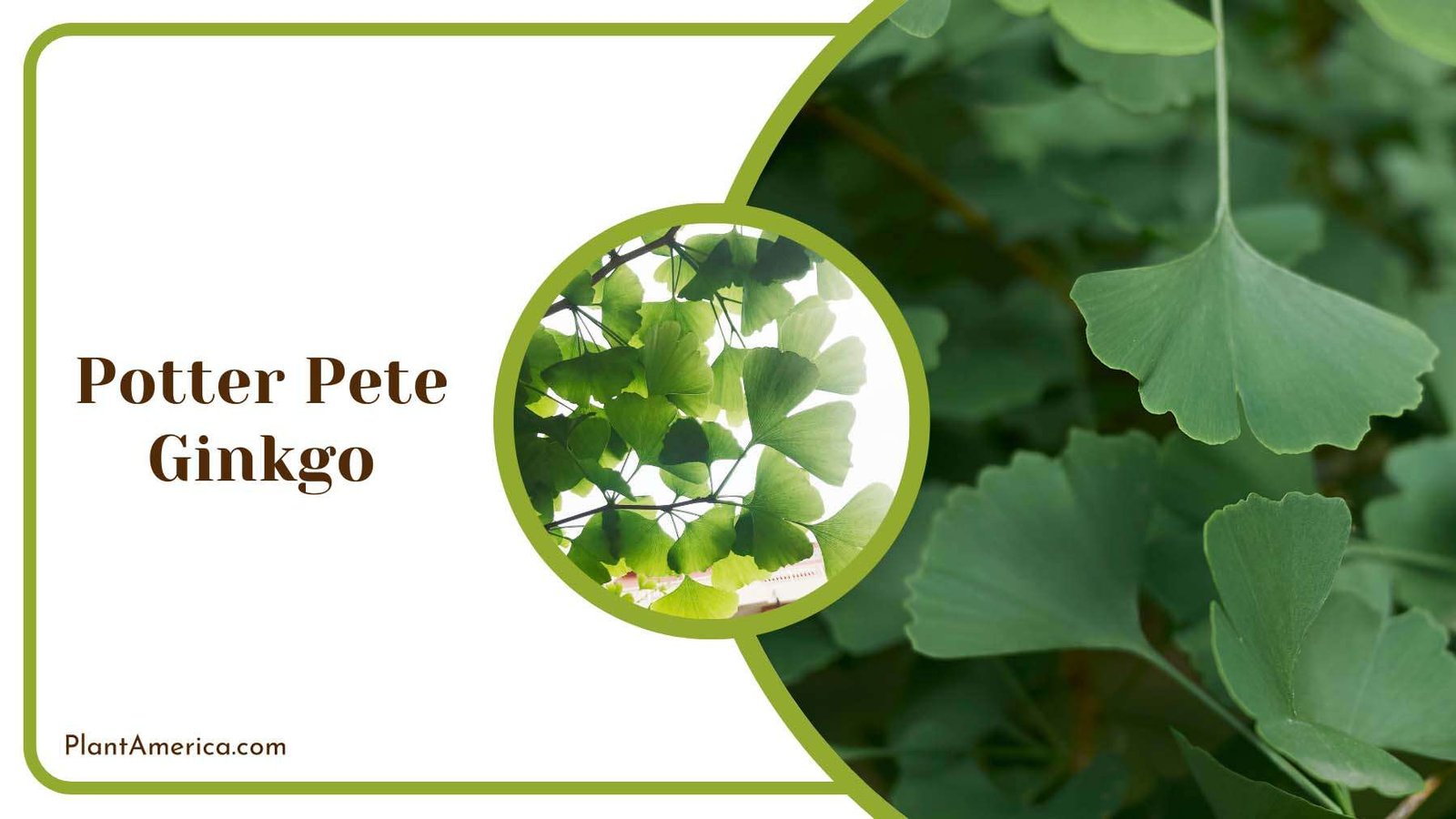
Potter Pete tree is a deciduous dwarf conifer with a columnar form. This tree is adorned with green, broad, fan-shaped, curved, lobed leaves. Potter Pete Maidenhair Tree grows well in full sun to lightly shaded locations and a wide variety of free-draining soils. It needs to be watered regularly for excellent growth.
8. Jade Butterfly Ginkgo Tree
| Zones |
|
| Care |
|
| Pros |
|
| Cons |
|
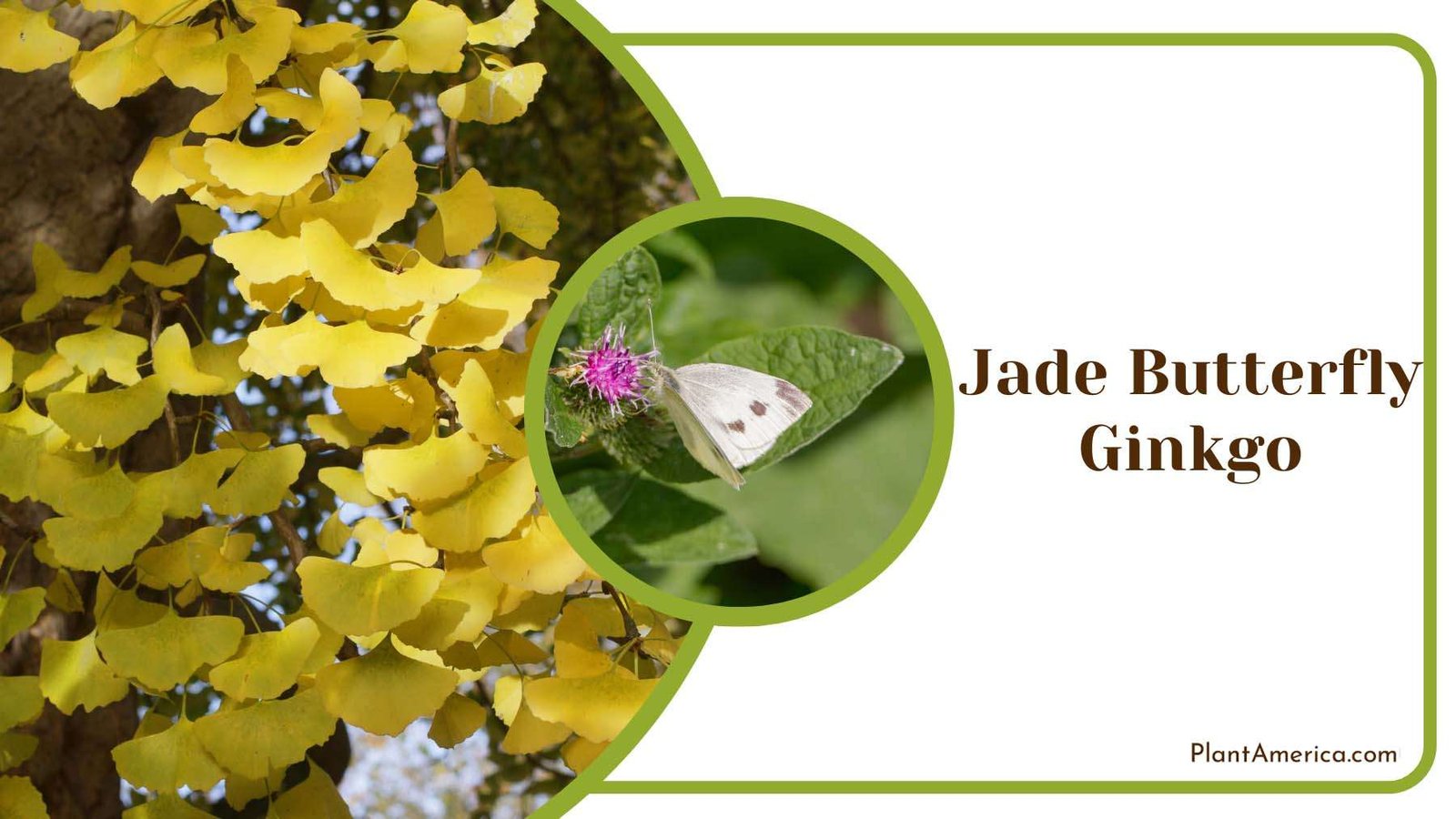
Jade butterflies are a dwarf ginkgo tree type that only attains heights and widths of six to eight feet. Tall These trees have a distinctive appearance because their leaves are smaller and more fragile than those of other ginkgo species. This tree is a focal point in a mixed border or smaller gardens.
The Jade Butterfly has small, delicate leaves, one of its most unique features. Like other ginkgo species, these ones have fan-shaped leaves but are smaller and look more delicate.
However, when the spring and summer seasons come, you will start to see the leaves are a vibrant green color, and in the autumn, they become a stunning golden yellow. These ginkgo trees grow pretty slowly, so maintenance in terms of pruning is relatively easy as well, but b careful how you irrigate the plant.
9. Shangri-La Ginkgo
| Zones |
|
| Care |
|
| Pros |
|
| Cons |
|
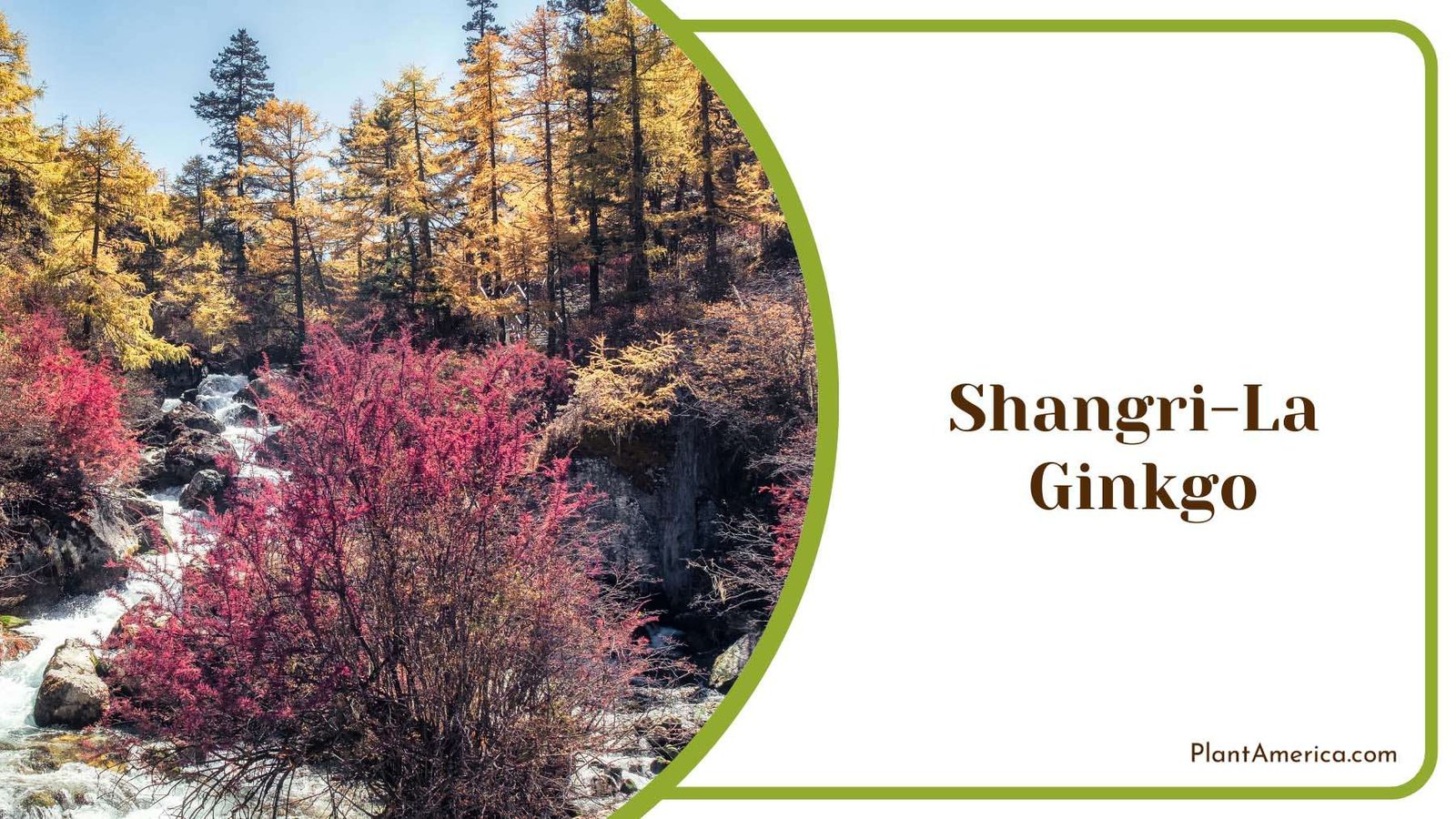
The Shangri-La Maidenhair Tree has a symmetrical, dense crown and is a compact, well-branched tree. It has fan-shaped, rich green to blue-green leaves that turn bright yellow in the autumn. Additionally, it produces drooping catkins of unassuming spring blossoms.
The fall colors in the foliage are what make the Shangri-la so unique. It looks stunning and can quickly be a focal point in a large landscape. From all of the ginkgo varieties, this tree is definitely on top as far as aesthetics go, however, part of its characteristics is that it has slow growth.
10. Umbrella Santa Cruz Ginkgo
| Zones |
|
| Care |
|
| Pros |
|
| Cons |
|
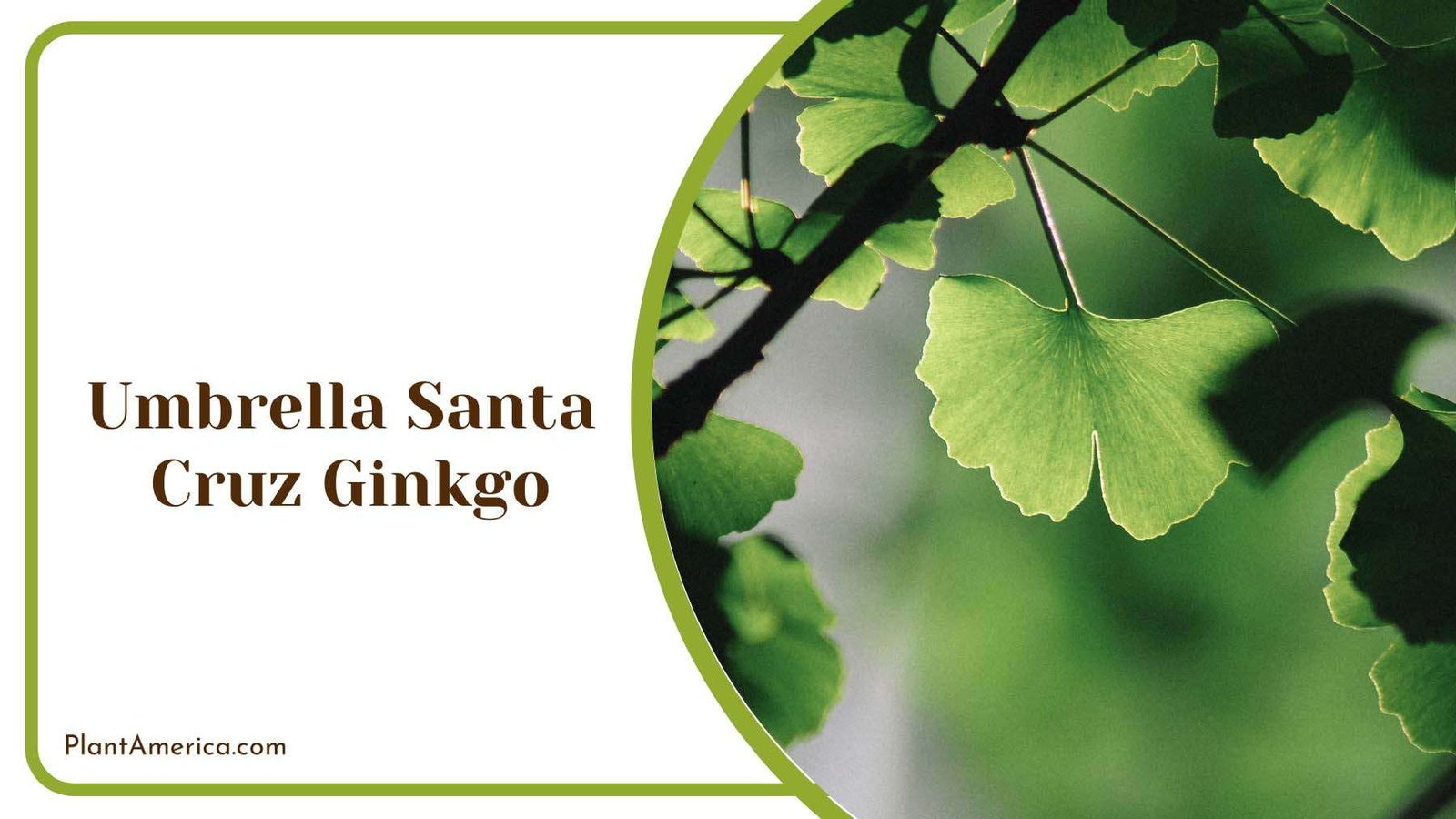
Santa Cruz Maidenhair Tree is a male deciduous tree with an expansive, umbrella-shaped crown that is native to China. Its large, flat leaves have a pronounced parallel venation.
In the autumn, the foliage turns a golden yellow. This tree’s aged bark develops dark furrows and gray-brown ridges. It grows well in soils that drain well and receive direct sunlight, and make sure that it doesn’t receive too much sunlight.
11. Fastagiata Ginkgo
| Zones |
|
| Care |
|
| Pros |
|
| Cons |
|
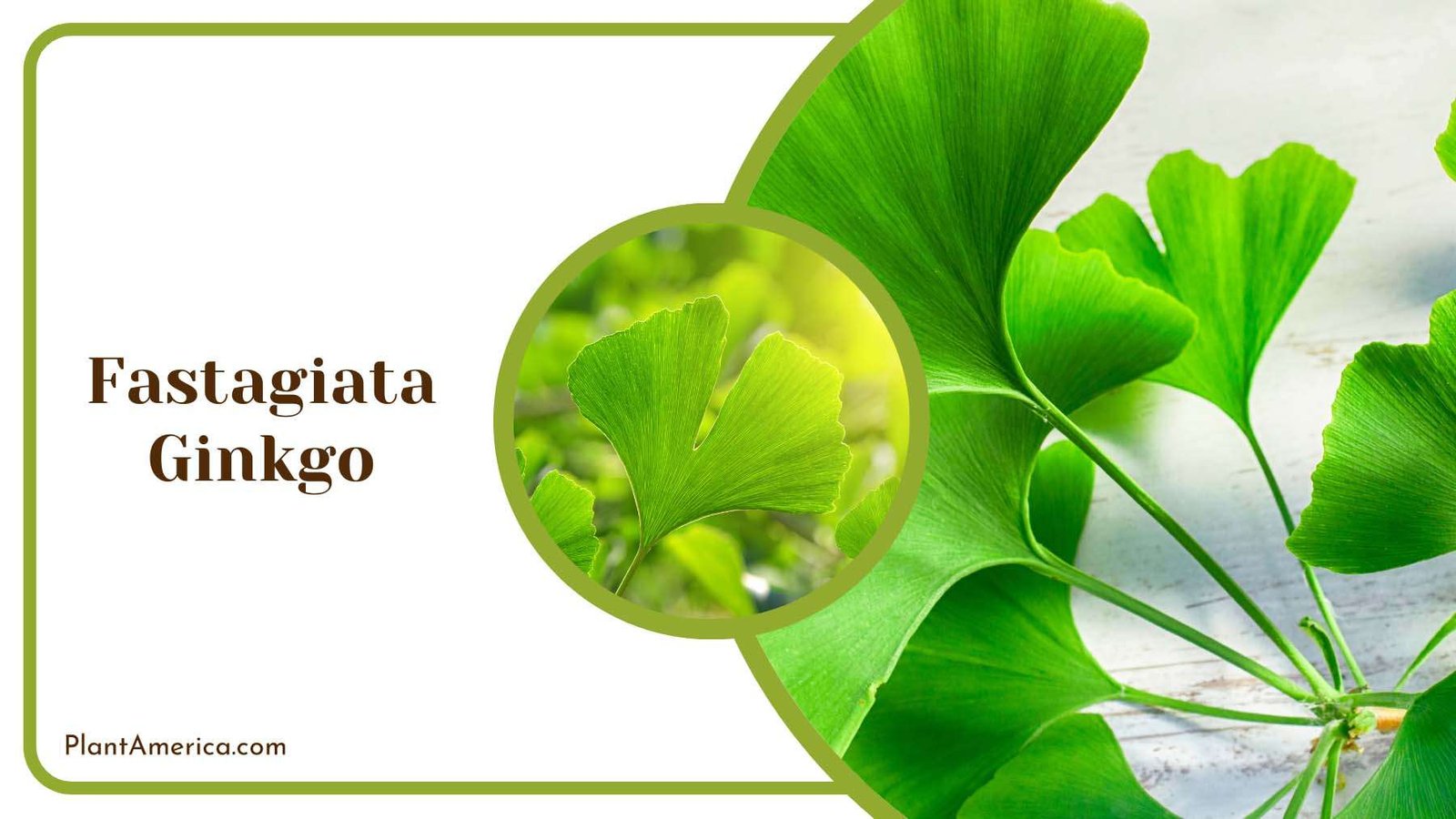
Ginkgo biloba ‘Fastagiata’ is one of the sole surviving species of ancient plants and is thought to have existed on Earth as recently as 150 million years ago. It can withstand heat, drought, and poor soils, making it a valuable tree for urban areas or even neighborhoods.
It grows extremely slowly but eventually picks up speed, especially when given enough water and fertilizer. Fastigiate trees are deciduous conifers ranging from 30 to 50 feet. They have very distinctive leaves with fan-shaped veins, and when they start to grow weaker, it may be due to aphid infestations taking place.
Moreover, you must also keep in mind how the fastigiate trees come in both male and female varieties. The male trees are much more desirable in the autumn since the female trees’ seeds and fallen leaves don’t emit a foul odor.
12. Kohout Weeping Ginkgo Biloba Trees
| Zones |
|
| Care |
|
| Pros |
|
| Cons |
|
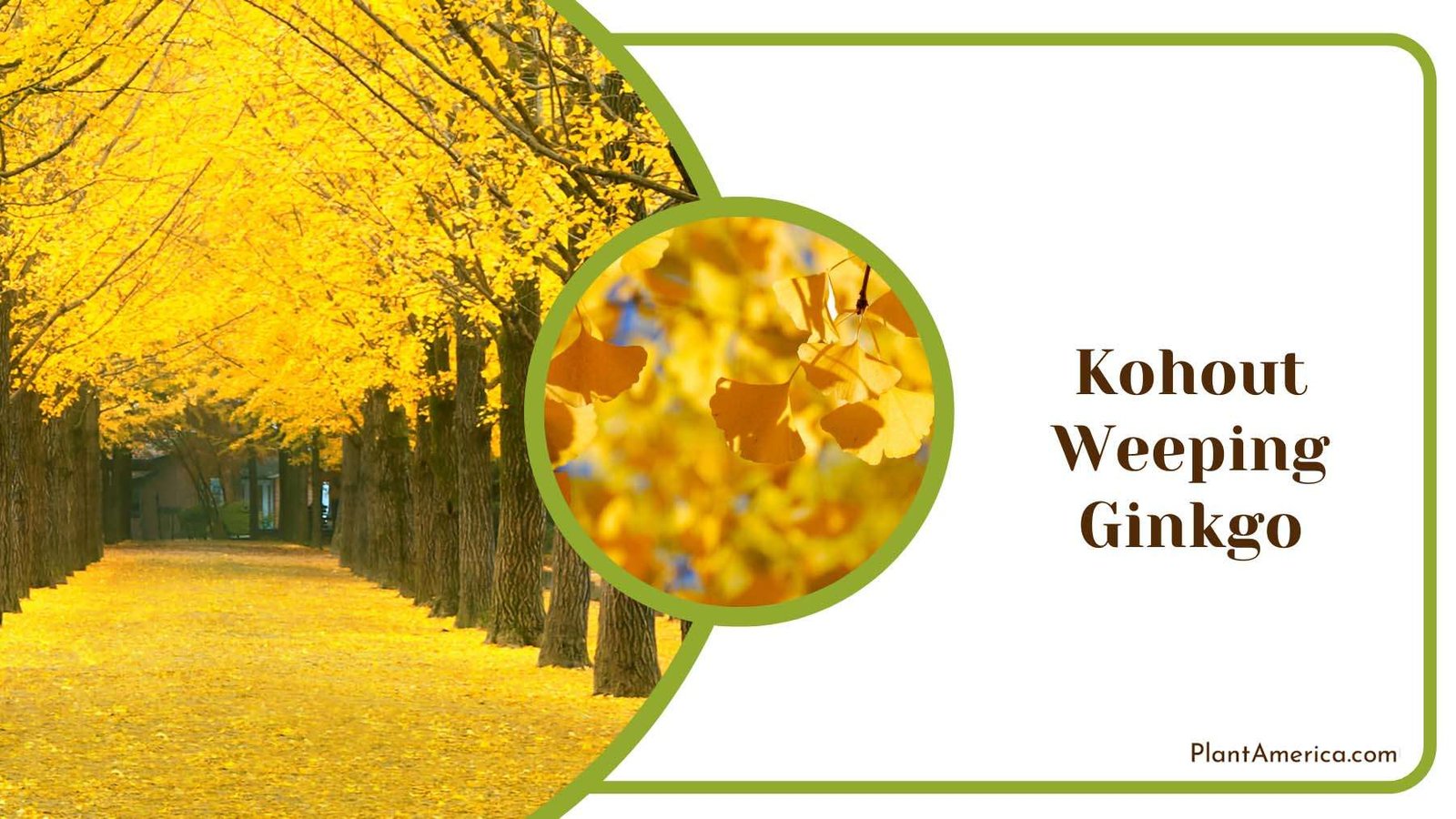
A pendulous, top-grafted male ginkgo with a varied form and horizontal drooping branching in the shape of an umbrella is known as the Kohout Weeping Tree. It has a mixture of tube leaves that turn bright yellow-gold in the autumn and deeply split, lace-like, light to medium green leaves. The Kohout Weeping Tree grows well in a range of free-draining soils and in direct sunlight.
13. Boleslaw Chrobry Ginkgo Biloba Trees
| Zones |
|
| Care |
|
| Pros |
|
| Cons |
|
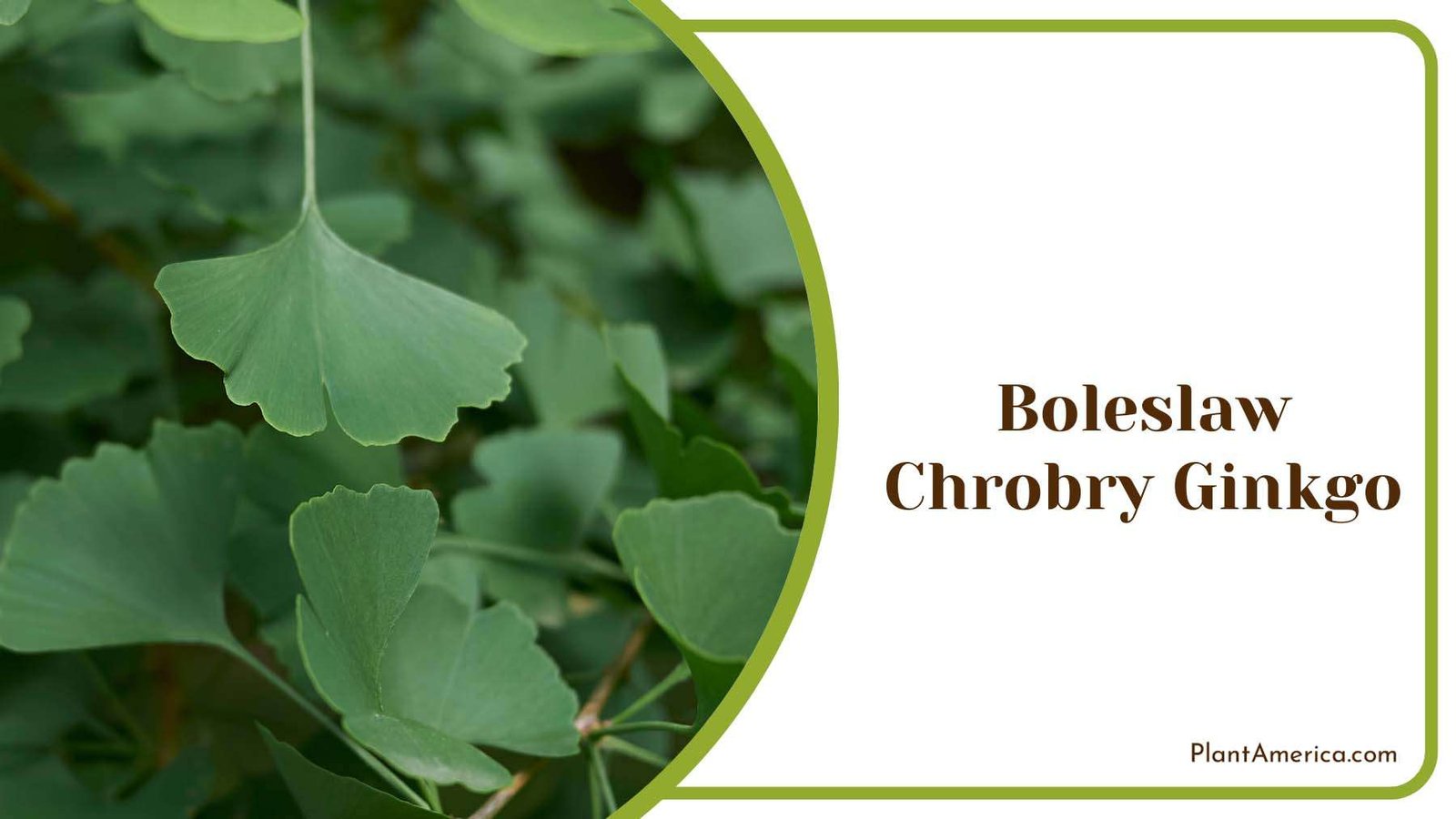
This deciduous tree has an uneven, graceful, weeping crown covered in broad, fringed, green leaves that, in the autumn, turn a brilliant yellow. This small specimen can be planted in a rock garden, and the leaves can curl if the supplied water is too much.
These ginkgo trees thrive in soils with good drainage and full light. In the US, Boleslaw ginkgo trees are not that commonly found, which is why this tree is one that has been considered as a rare type of tree.
14. Princeton Sentry
| Zones |
|
| Care |
|
| Pros |
|
| Cons |
|
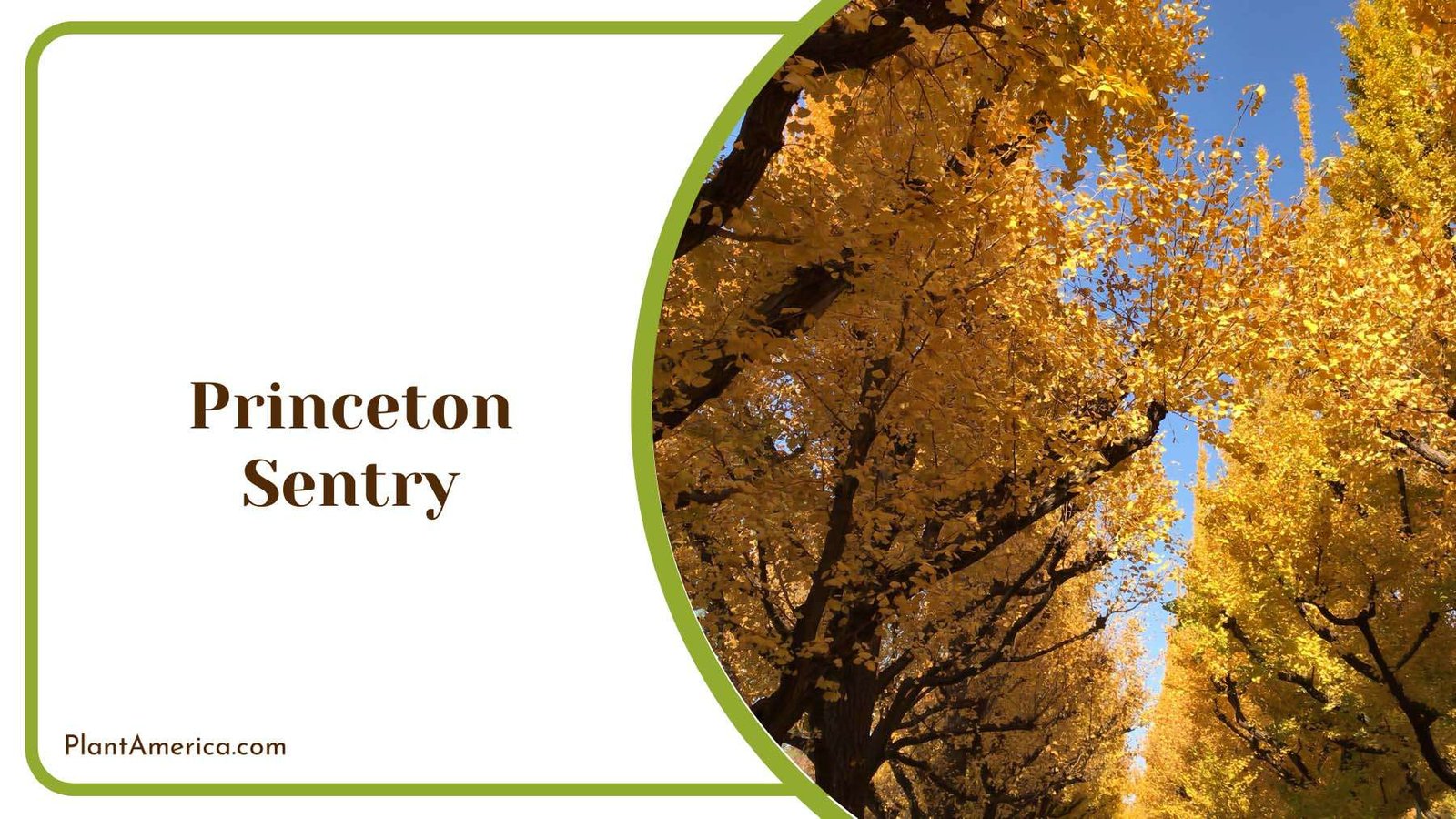
The Princeton Sentry Ginkgo is prized for its strongly columnar shape in the environment. Emerald-green deciduous foliage covers it, and you can also notice that autumn brings out a stunning yellow in the fan-shaped leaves.
Although its average texture fades into the landscape, it can be effectively adjusted by one or two trees or bushes that are finer or coarser. Morreovere, the tree is quite tolerant to different conditions such has strong winds, and it will stand strong.
It is advisable to prune this tree in late winter after the risk of really cold weather has gone because it requires relatively little upkeep. This plant doesn’t appeal to deer much, and they usually ignore it in favor of more flavorful foods, and with this, it doesn’t possess any notable drawbacks as well.
15. Halka Ginkgo
| Zones |
|
| Care |
|
| Pros |
|
| Cons |
|
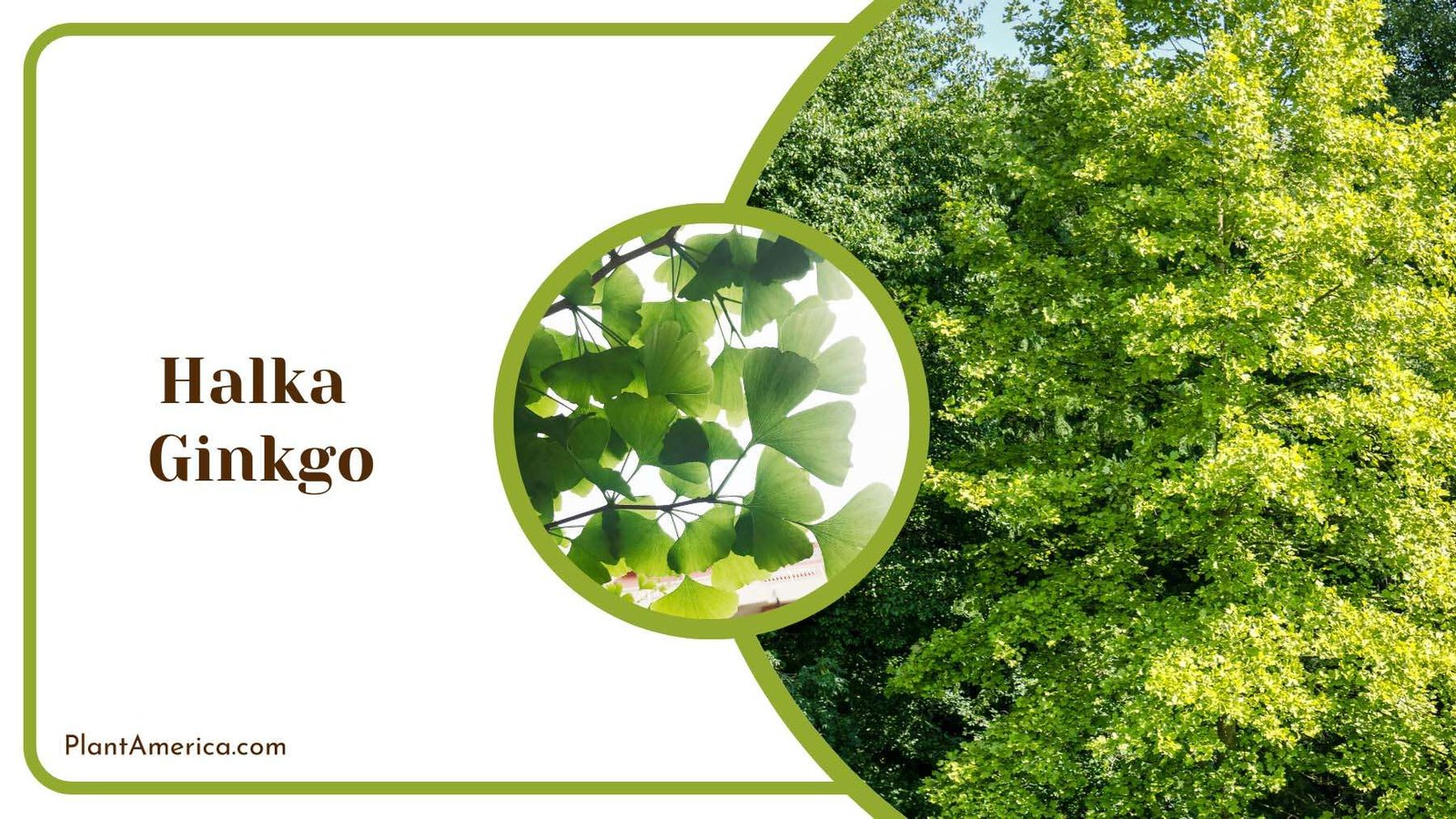
Durable and versatile, the Halka Ginkgo thrives in full sun and moist, well-draining soils. This disease-resistant, slow-growing ginkgo is well-known for its spectacular, vivid, gold-yellow fall leaf.
It has dense, uniform branches that produce a symmetrical canopy. Age causes the habitat’s pyramidal shape to change to oval. The resilient tree in question is a male specimen with no flowers.
16. Golden Globe Ginkgo
| Zones |
|
| Care |
|
| Pros |
|
| Cons |
|
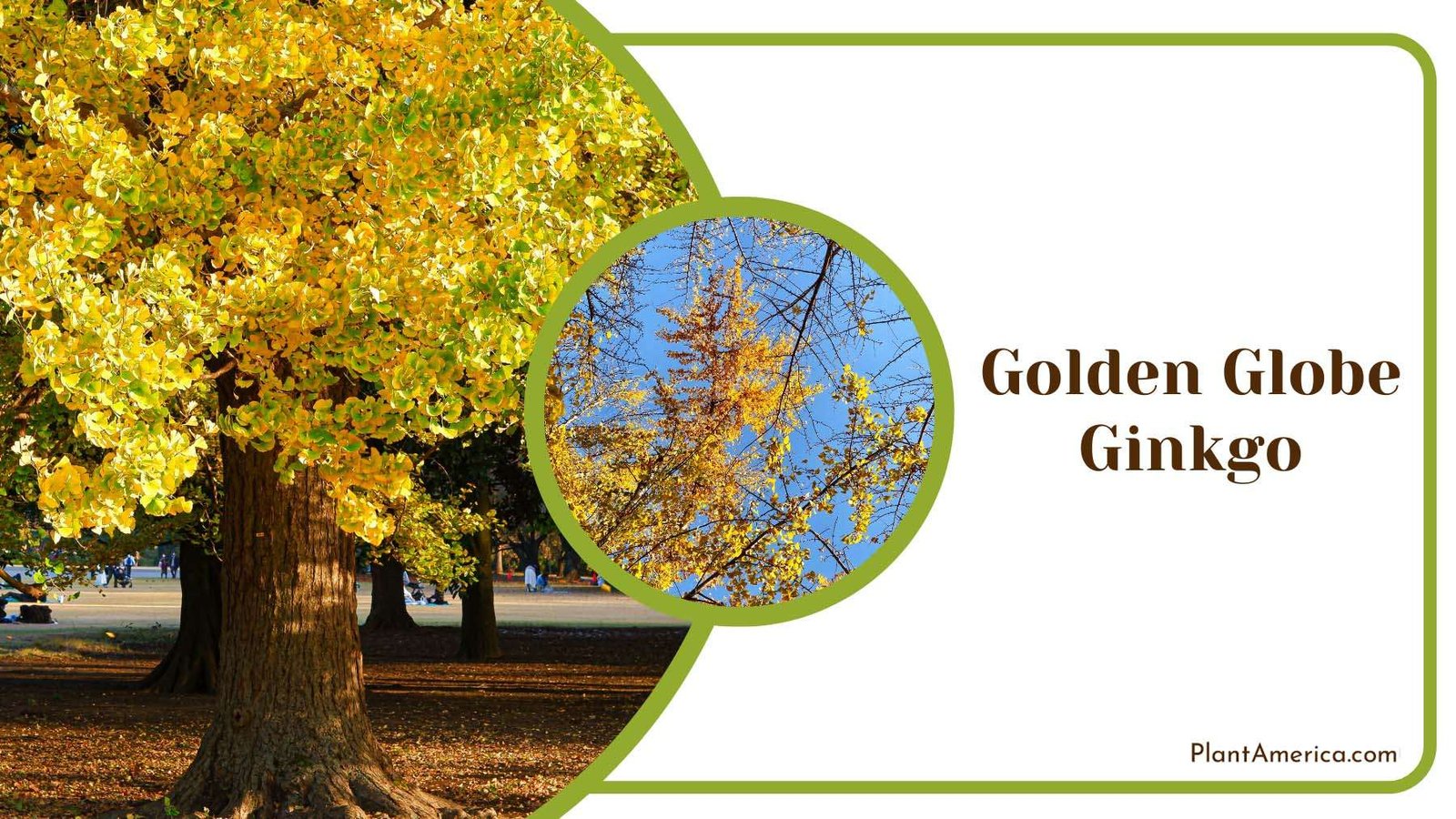
An exceptional Ginkgo tree, the Gold Globe tree has a spherical crown and light to dark green leaves that regularly turn gold-yellow in the autumn. This gold tree is all male. This means it does not bear any fruit.
Full sunlight, sufficient moisture, and well-draining soils are ideal for these robust, slow-growing trees. On the other hand, you must be cautious as well, because when you water it excessively, the plant can grow weaker in the long run.
Conclusion
This list of ginkgo shrubs is all you need to distinguish between each of their features and care guides. Keep in mind:
- Gold varieties, like Jade Butterfly and Autumn Ginkgo, make for excellent centerpieces in lawns and larger landscapes.
- Dwarf varieties often have a slow growth rate and will be the ideal choice for those looking to put in less work in maintenance.
- You can use orange-gold varieties in rock gardens and desert themes for a completely warm aesthetic!
Now, have you decided which variety you’re most drawn to?