
Hanging basket flowers that attract hummingbirds are the perfect way to create an oasis for these colorful creatures while enjoying their acrobatic aerial displays. This article discusses 23 of the best hummingbird-friendly options for your hanging baskets – from classic fuchsias and impatiens to less common choices like nasturtiums and moss roses.

Whether you want a splash of red, orange, or pink, we’ve got hanging basket flower recommendations to attract these joyful winged jewels into your garden all season long. So read on to discover easy-care flowering plants that will bring hummingbirds swooping close for a show you won’t want to miss!
Must-have Hanging Basket Flowers For Hummingbird Haven
1. Petunias

- Growing season: Spring, Summer, Fall
- Leaf shape: Broad, Ovate
- Specific needs: Full sun, Regular watering
- Common pest: Aphids, Spider mites
Showy petunias in shades of red, pink, purple, and white are a classic choice for hanging baskets that attract hummingbirds. Petunia genus plants thrive in hot summer weather and produce an abundance of trumpet-shaped blooms from early summer until the first frost. When grown as a cascade from baskets, petunia flowers hang down, making them easily accessible for hummingbirds to feed on the nectar.
For optimal performance in hanging baskets, look for trailing petunia varieties specifically bred for this purpose. Ask for tips from your local nursery for the best-trailing petunias in your climate. Deadhead spent blooms regularly to encourage new flower production and the longest blooming period. Water petunias daily and fertilize weekly with liquid fertilizer specifically formulated for flowering annuals during the growing season.
Petunias grow well in USDA plant hardiness zones three to 10 and bring splashes of color to shady areas or in full sun. The more sunshine your hanging basket receives, the more petunias will bloom, but they still produce ample blossoms in partial shade.
Use petunias in bright combinations with other flowers like lobelia, alyssum, or calibrachoa in hanging baskets to create an irresistible flower display for hummingbirds all season long.
2. Fuchsias

- Growing season: Summer, Spring
- Leaf shape: Oval, Lance-shaped
- Specific needs: Full sun, Partial shade, Regular watering
- Common pest: Aphids, Spider mites
Fuchsias grown in hanging baskets are magnets for hummingbirds, drawing them in with their tubular flowers and nearby nectar source. The trumpet-shaped bloom comes in pretty red, purple, pink, and white shades. Fuchsias prefer slightly cooler temperatures and will thrive from summer through early fall when grown in a hanging basket.
Place fuchsia hanging baskets for optimal bloom in the morning sun and afternoon shade. Water fuchsias daily and fertilize monthly with a general-purpose fertilizer. Deadhead faded flowers to encourage new blooms. The hanging position allows easy pruning and deadheading of fuchsia flowers to keep them in peak bloom all season.
3. Impatiens
- Growing season: Spring, Summer, Fall
- Leaf shape: Oval, Round
- Specific needs: Partial shade, Regular watering
- Common pest: Fungus gnats, Spider mites
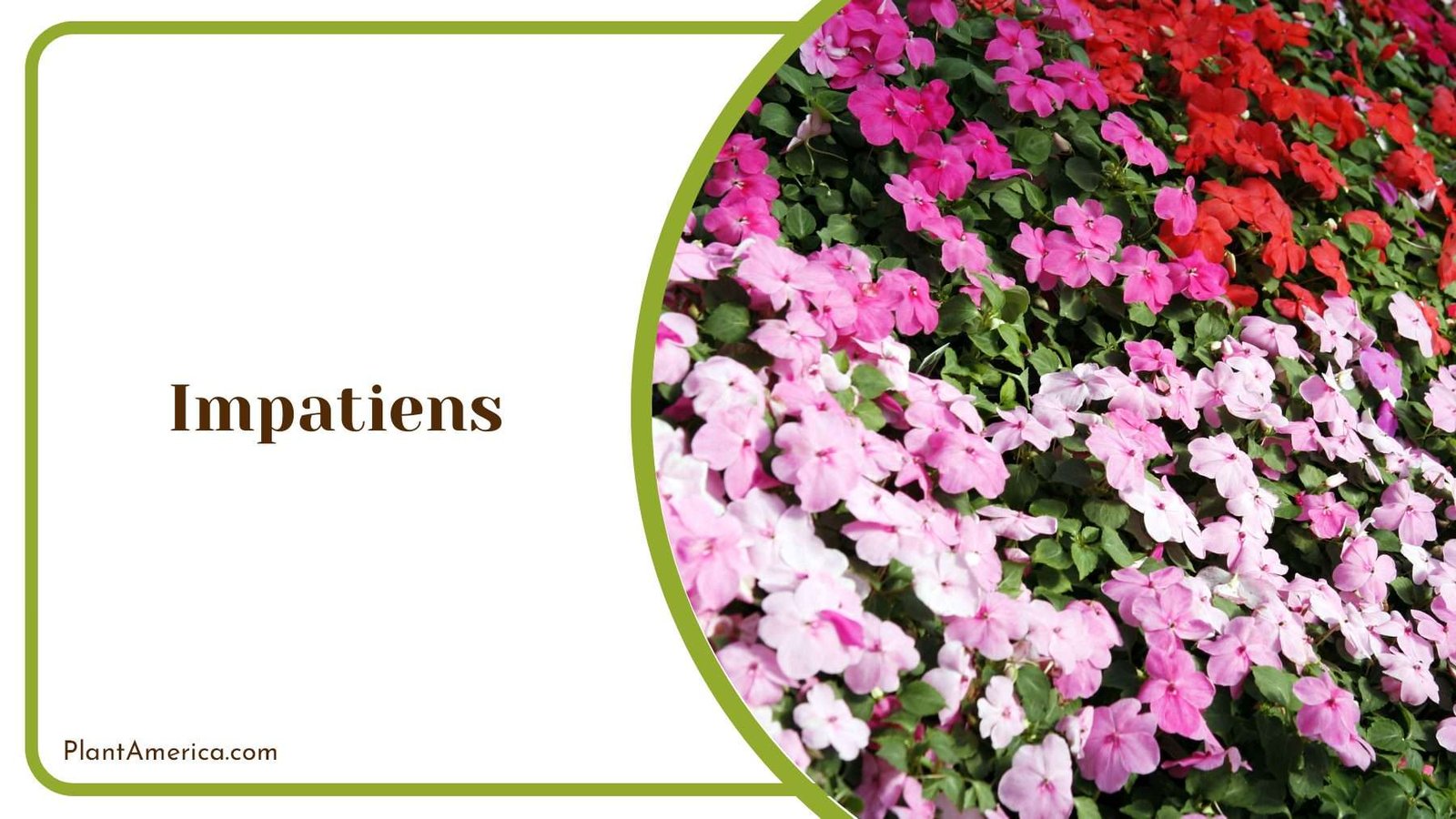
Impatiens are one of the best choices for creating a hummingbird-friendly haven. Their bright colors, long blooming season, and tubular flowers packed with nectar draw nectar-hungry hummingbirds all season long.
When grown as a cascade from hanging baskets, impatiens create the perfect feeding station for hummingbirds. Their low-growing habit and flowing foliage allow hummingbirds to access the tubular flowers easily. The profuse blooms come in sunny shades of orange, red, and pink.
New Guinea and modern hybrid impatiens make better selections for hanging baskets, as they tolerate more sun and humidity. Deadhead spent flowers to extend bloom time into fall. Keep impatiens well watered, especially in hot weather, and fertilize monthly.
4. Lobelia

- Growing season: Summer, Fall
- Leaf shape: Linear, Flat
- Specific needs: Partial shade, Consistently moist soil
- Common pest: Aphids, Spider mites
Lobelia is a great choice for hanging baskets to attract hummingbirds. The tubular flowers, produced on cascading stems, provide an abundance of nectar that hummingbirds find irresistible.
Lobelia blooms heavily from summer into fall in shades of blue, purple, pink, and white. The small flowers are clustered together in upright spikes. Lobelia’s long trailing stems allow it to cascade over the edge when grown in a hanging basket – making it the perfect hummingbird feeder.
Water lobelia daily to moisten the soil, especially in hot summer weather. Fertilize monthly with a bloom-boosting fertilizer for best results. Cutting lobelia back by one-third in early summer will encourage a second flush of blooms. Newer varieties of compact lobelia, like the ‘Compacta’ series, are better adapted for container gardening.
5. Begonias

- Growing season: Summer, Fall
- Leaf shape: Oval, Heart-shaped
- Specific needs: Partial shade, Moist soil
- Common pest: Spider mites, Mealybugs
Cascading begonia hanging baskets provide the ideal environment for attracting hummingbirds with colorful tubular flowers and easy access to nearby nectar. Begonias grown in hanging baskets produce many single or double blooms in red, pink, orange, and white shades. The long branches of begonia flowers dangle down when grown as a cascade, making them perfect for hummingbird feeding.
Place begonia baskets in the morning sun and afternoon shade for optimal bloom. Keep soil continuously moist but never soggy. Feed begonias once a month with a liquid fertilizer specifically formulated for blooming plants. Prune faded flowers often to encourage new growth – giving hummingbirds a perpetually replenished food source.
Plant begonia hanging baskets at the edge of a deck or patio for prime hummingbird viewing opportunities while the birds feed on the abundant blossoms.
6. Geraniums
- Growing season: Spring, Summer, Fall
- Leaf shape: Palmate, Simple
- Specific needs: Full sun, Consistently moist soil
- Common pest: Aphids, Spider mites
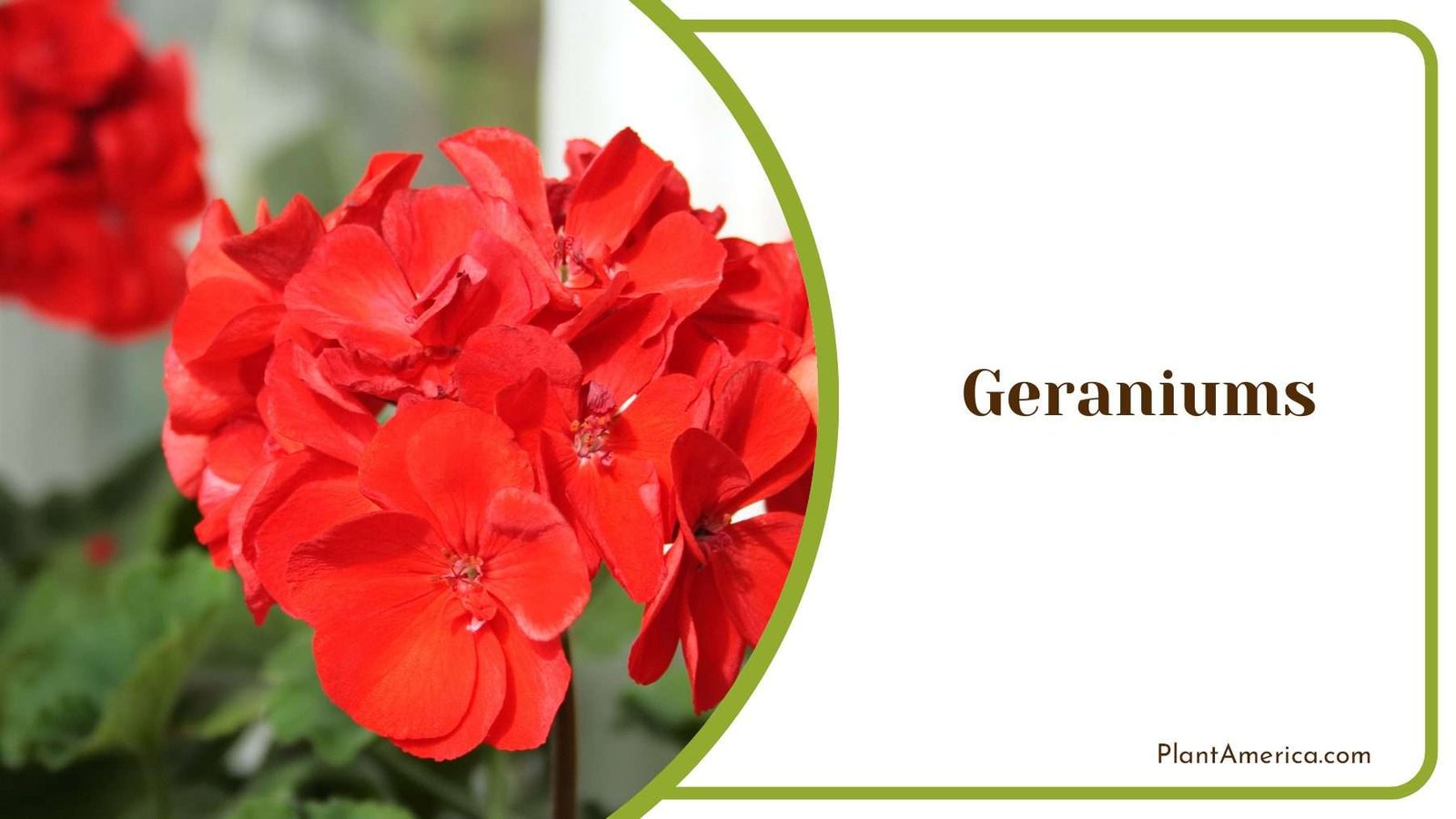
Geraniums grown in hanging baskets offer an abundant source of nectar for hummingbirds throughout the spring, summer, and fall. Their colorful flowers, trailing habit, and ability to bloom for months make them a favorite choice.
Zonal geraniums produce large, colorful flowers in shades of red, pink, orange, and white over a long bloom time. When grown as a cascade, their long trailing stems allow the tubular flowers to dangle easily within reach of hummingbirds seeking nectar.
For the best bloom, geranium baskets require full sun and consistently moist soil. When the top one to two inches of soil water are thoroughly dry. Add a balanced liquid fertilizer every two weeks during the growing season. Deadhead spent flowers regularly to stimulate new growth and flowers.
Pinching back zonal geraniums in early summer produces bushier plants with more flowering stems, maximizing their potential to attract hummingbirds all season. The abundant bright flowers and cascading habit of geraniums in hanging baskets create an irresistible oasis for hummingbirds.
7. Nasturtiums
- Growing season: Spring, Summer
- Leaf shape: Palmate, Flat
- Specific needs: Full sun, Dry soil
- Common pest: Aphids, Flea beetles
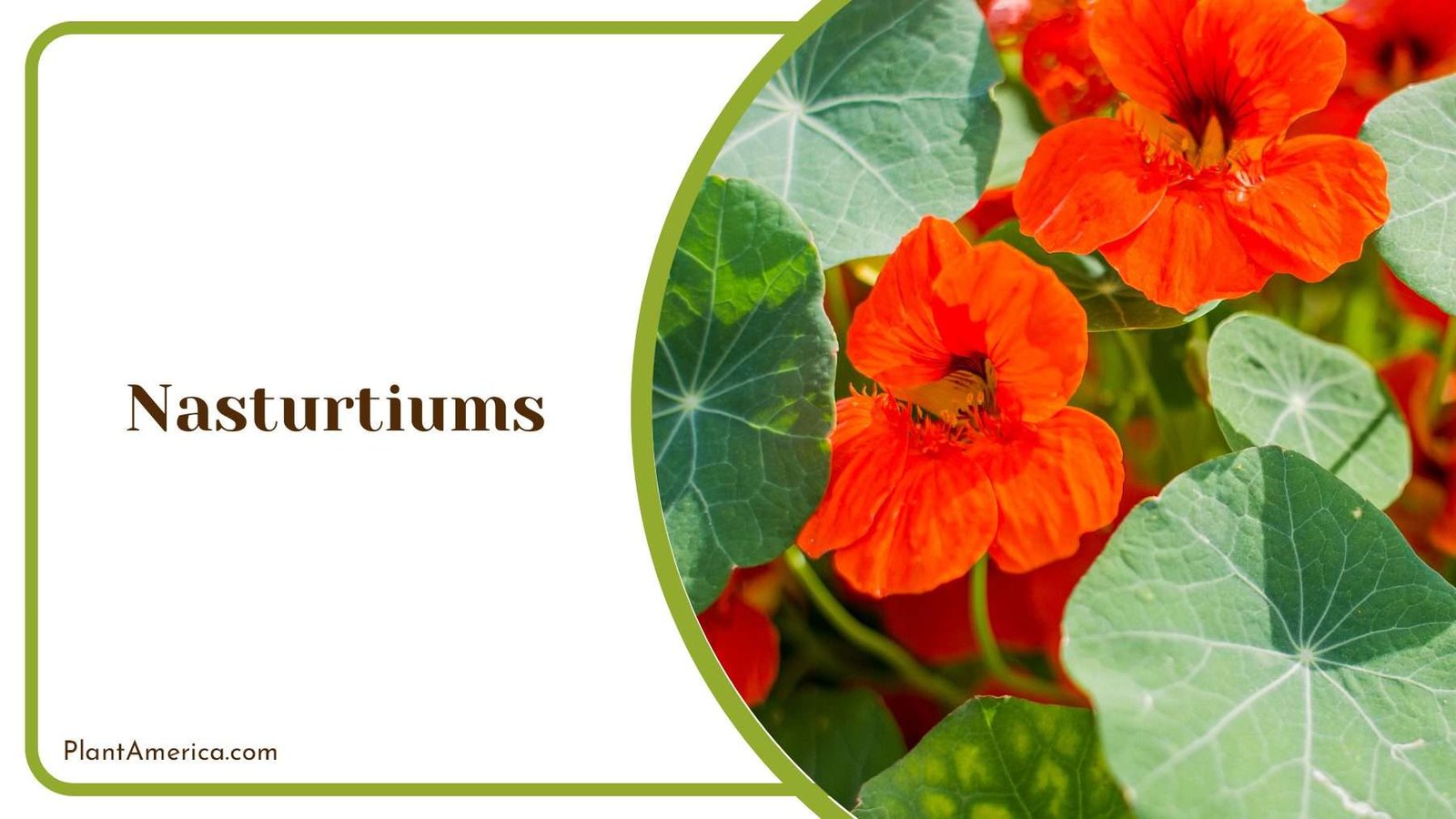
Nasturtiums are an unconventional yet effective option for attracting hummingbirds with hanging basket gardens. Their bright orange, red and yellow flowers provide abundant nectar in a convenient location for hummingbirds to access.
Nasturtiums grown in hanging baskets produce abundant saucer-shaped flowers in sunny shades. The long trailing stems allow the colorful blooms to cascade over the edge of the container, providing easy access for hummingbirds in search of nectar.
Nasturtiums thrive in hot, dry conditions and full sun. Water only when the top few inches of soil are dry. Infrequent, deep watering encourages larger, showier blooms. Minimal fertilizing is needed since nasturtiums tend to be heavy feeders.
Because of their bright colors, nasturtiums draw hummingbirds in for nectar and insects. Their abundant, accessible flowers and low-maintenance requirements make nasturtiums an effective option for creating a hummingbird haven in hanging basket gardens. Also, you can add many companion plants to your Nasturtiums.
8. Bacopa

- Growing season: Spring, Summer, Fall
- Leaf shape: Succulent, Cylindrical
- Specific needs: Full sun, Partial shade, Constantly moist soil
- Common pest: Whiteflies, Spider mites
With its trailing stems, succulent foliage, and small white or purple flower clusters, bacopa is ideal for hanging baskets to attract hummingbirds. Bacopa features short stems covered in small fleshy leaves. When grown cascading from a hanging basket, the stems reach three feet long. The small tubular flowers in white or lavender shades bloom nonstop from spring through fall.
To thrive, bacopa plants need moist but well-drained soil and regulated moisture. Water the plant daily and monitor the soil – allowing it to become somewhat dry between watering. Fertilize bacopa every four to six weeks throughout the growing season.
The succulent foliage and constant display of small tubular flowers of bacopa grown in hanging baskets create an ideal place for hummingbirds to feed without disturbance. Its long trailing stems cascade over the edges of containers, bringing floral nectar within easy reach of hummingbirds year-round.
9. New Guinea Impatiens

- Growing season: Spring, Summer
- Leaf shape: Rounded, Oval
- Specific needs: Partial shade, Constantly moist soil
- Common pest: Spider mites, Thrips, and Mealybugs
New Guinea impatiens bring vibrant color and versatility to hanging basket gardens designed to attract hummingbirds. Their tubular flowers produce abundant nectar that hummingbirds find irresistible.
As a flowering annual, New Guinea impatiens produce brightly colored blooms in shades of red, pink, orange, lavender, and white all season long. Their long trailing stems allow them to cascade easily over the edge of a hanging basket, bringing flowers within direct access of hummingbirds.
New Guinea impatiens thrive in partial shade and moist soil like regular impatiens. Water the soil daily to moisten it, especially during hotter months. Add a balanced liquid fertilizer every two weeks to encourage continued bloom.
Remove faded flowers to stimulate additional bloom. The long-blooming display, shade tolerance, and easy care of New Guinea impatiens make them perfect for creating a reliable seasonal nectar source in a hummingbird-friendly hanging basket garden.
10. Dusty Miller

- Growing season: Spring, Summer, Fall
- Leaf shape: Broad, Oval
- Specific needs: Full sun, Moderate watering
- Common pest: Spider mites, Aphids
Bringing silver to the garden, dusty miller is an attractive and low-maintenance choice for hummingbird-friendly hanging baskets. At the same time, not a flowering plant itself, dusty miller’s foliage and cascading habit make it a nice complement to other blooming plants in mixed baskets.
Dusty Miller’s distinct gray-green foliage resembles powdered sugar, giving the plant its common name. The oval leaves cover the cascading stems, reaching two feet long when grown in a hanging basket. Dusty Miller thrives in full sun and requires only occasional watering. Let the top inch of soil dry slightly between waterings. Pinching plants back periodically encourages fuller, bushier growth. Dusty Miller is drought and heat tolerant, making it a great choice for arid climates.
While dusty miller itself does not bloom, its attractive silvery foliage makes a beautiful backdrop for other cascading flowers in mixed baskets. When combined with colorful blooms like petunias, impatiens, or lobelia, dusty miller’s foliage adds visual and textural contrast that attracts hummingbirds to feed on the nectar-rich flowers.
11. Sweet Alyssum
- Growing season: Spring, Summer
- Leaf shape: Elliptic, Robust
- Specific needs: Full sun, Average watering
- Common pest: Spider mites, Aphids
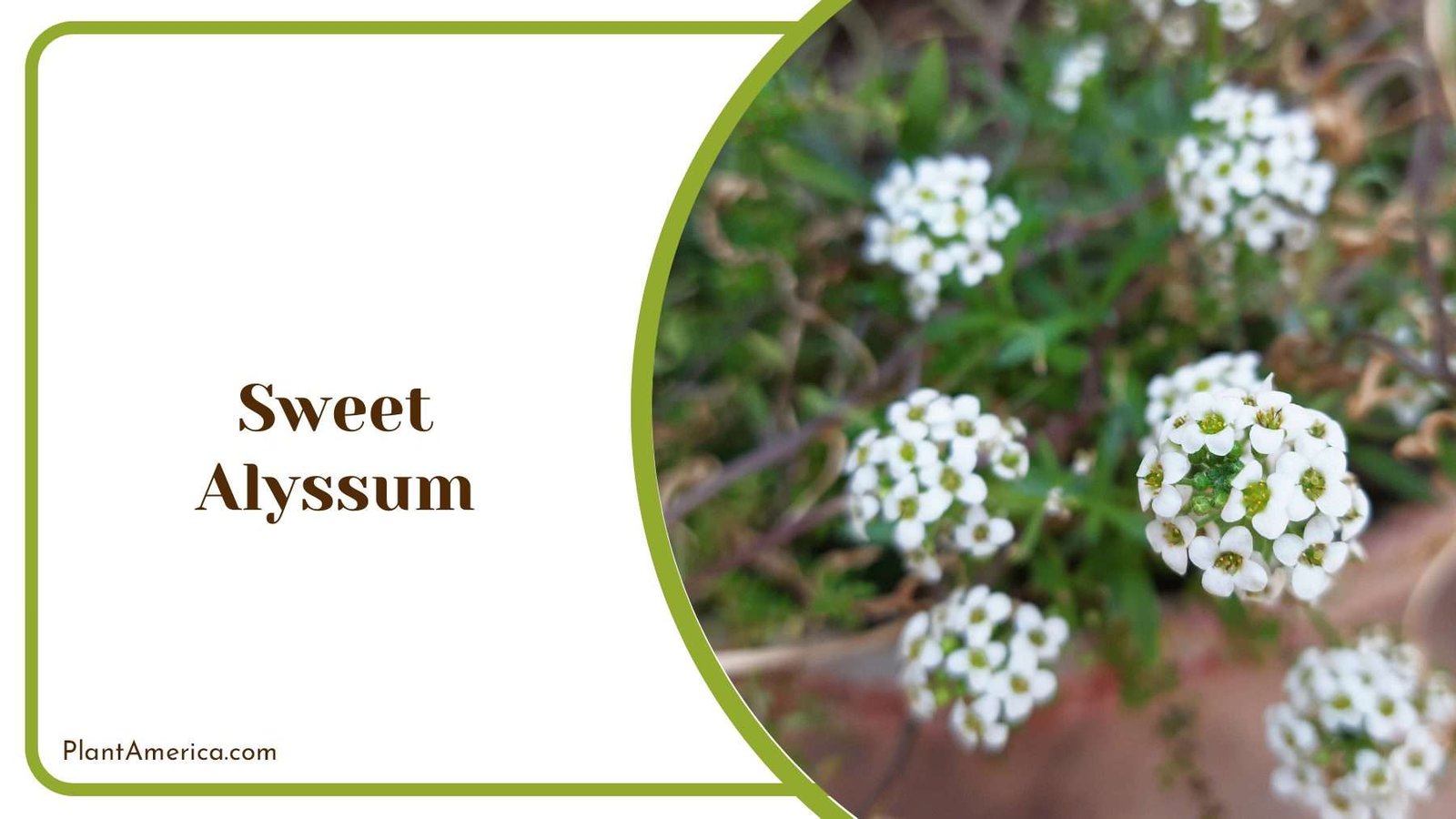
With its tiny fragrant blooms and ability to thrive in hanging baskets, sweet alyssum is an excellent choice for creating a garden oasis that entices hummingbirds. Sweet alyssum grows in cascading mounds of tiny white, pink, or purple flowers from spring through summer. When grown in hanging baskets, the stems can reach up to two feet long, allowing the small blooms to dangle over the edge within easy reach of hummingbirds.
Sweet alyssum thrives in full sun and slightly alkaline soil with average moisture. Water daily to keep the soil consistently moist. Fertilize monthly for best bloom production. Deadhead spent flowers regularly to encourage additional blooms well into fall.
The profuse clusters of tiny tubular flowers provide ample nectar for hummingbirds, and their sweet fragrance attracts the birds from a distance. When combined with other showy blooms in cascading mixed baskets, sweet alyssum is a reliable nectar source that encourages repeat visits from hungry hummingbirds all season.
12. Ivy Geranium

- Growing season: Spring, Summer, Fall
- Leaf shape: Palmate, Flat
- Specific needs: Full sun, Consistently moist soil
- Common pest: Spider mites, Aphids
An elegant option for hummingbird-friendly hanging baskets, ivy geraniums produce cascading stems covered in colorful blooms for months. Their low-maintenance and ability to thrive in various conditions make them an ideal choice.
Ivy geraniums feature vining stems that grow up to two feet long when cultivated in hanging containers. Their clustered blooms come in shades of red, pink, white, and salmon, attracting hummingbirds with their tubular shape and plentiful nectar.
For maximum bloom, ivy geranium baskets require full sun and consistently moist soil. Water daily, allowing the top inch of soil to dry out between watering. Fertilize plants every two weeks with a balanced, bloom-boosting formula. Pinching back stems in spring encourages branching and additional flowers.
The trailing habit and abundance of tubular flowers on ivy geraniums cultivated in hanging baskets create an irresistible food source for hummingbirds. Bright blooms and easy care make them a versatile, reliable option for creating an oasis in containers that entices hungry hummingbirds regularly.
13. Pentas

- Growing season: Summer, Fall
- Leaf shape: Opposite, Triangular, Diamond
- Specific needs: Full sun, Well-draining soil
- Common pest: Spider mites, Fungal disease
Pentas grown in hanging baskets provide nectar and pollen for hummingbirds – attracting them with the vibrant colors and copious quantity of their trumpet-shaped blooms. Pentas cultivated in hanging containers produces colorful star-shaped blooms in shades of red, pink, and white nearly nonstop from summer into fall.
The stems, which can grow up to two feet long, cascade and bend easily over the sides of the container, allowing hummingbirds quick access to nectar.
For optimal bloom, pentas require full sun and well-draining soil. Water pentas whenever the top inch or two of soil feels dry.
Add a balanced liquid fertilizer monthly throughout the active growing season. Deadhead faded blooms to encourage additional flower production. The cascading stems, tube-shaped blooms, and nectar-rich flowers make pentas grown in hanging baskets an ideal choice for attracting hummingbirds regularly. Their abundance, vivid colors, and lush foliage also contribute to a lush, colorful display that welcomes the winged visitors to feed.
14. Ivy

- Growing season: Spring, Summer, Fall
- Leaf shape: Palmate, Lobed
- Specific needs: Full sun to shade, Consistently moist soil
- Common pest: Mealybugs, Spider mites
While not a true flowering plant, English ivy grown in hanging baskets creates an appealing habitat for hummingbirds thanks to its foliage, cascading habit, and ability to thrive in various conditions.
Ivy features thin stems that grow several feet long when cultivated as a hanging plant. Its leathery dark green leaves grow in compound palmate clusters along the branching stems. English ivy thrives in full sun to shade and requires moist, well-draining soil.
Water ivy plants weekly and apply a balanced liquid fertilizer every few months. Pruning ivy in spring helps promote a full shape with lush greenery. When grown as a cascade in hanging baskets, English ivy’s lush foliage and small creeping stems create perches and cover where hummingbirds can find refuge, especially in urban areas with few trees. Its ability to thrive with minimal care makes ivy an easy-to-maintain option for creating a habitat that attracts and shelters hungry hummingbirds year-round.
15. Vernonia

- Growing season: Summer, Fall
- Leaf shape: Oval, Lance-shaped
- Specific needs: Full sun, Regular watering
- Common pest: Japanese beetles, Spider mites
Vernonia features showy, daisy-like purple blooms that appear en masse and produce abundant nectar – making it an ideal perennial for attracting hummingbirds with cascading hanging baskets.
In containers, vernonia plants produce clusters of three to four-inch composite flower heads in purple shades. Their long trailing stems allow the blooms to cascade well over the edge of hanging baskets and pots. Provide vernonia plants in hanging containers with full sun and consistently moist, well-draining soil—water vernonia plants thoroughly at least once per week.
Insect netting over plants can help prevent damage from Japanese beetles attracted to the blooms. The combination of densely clustered daisy blooms, plentiful nectar production, and ability to thrive in cascading containers make vernonia an ideal choice for hummingbird bathing gardens. When planted en masse in mixed hanging baskets, vernonia is a reliable seasonal nectar source that encourages repeat visits from hungry hummingbirds.
16. Million Bells
- Growing season: Spring, Summer, Fall
- Leaf shape: Shovel-shaped, Robust
- Specific needs: Full sun, Consistently moist soil
- Common pest: Spider mites, Aphids
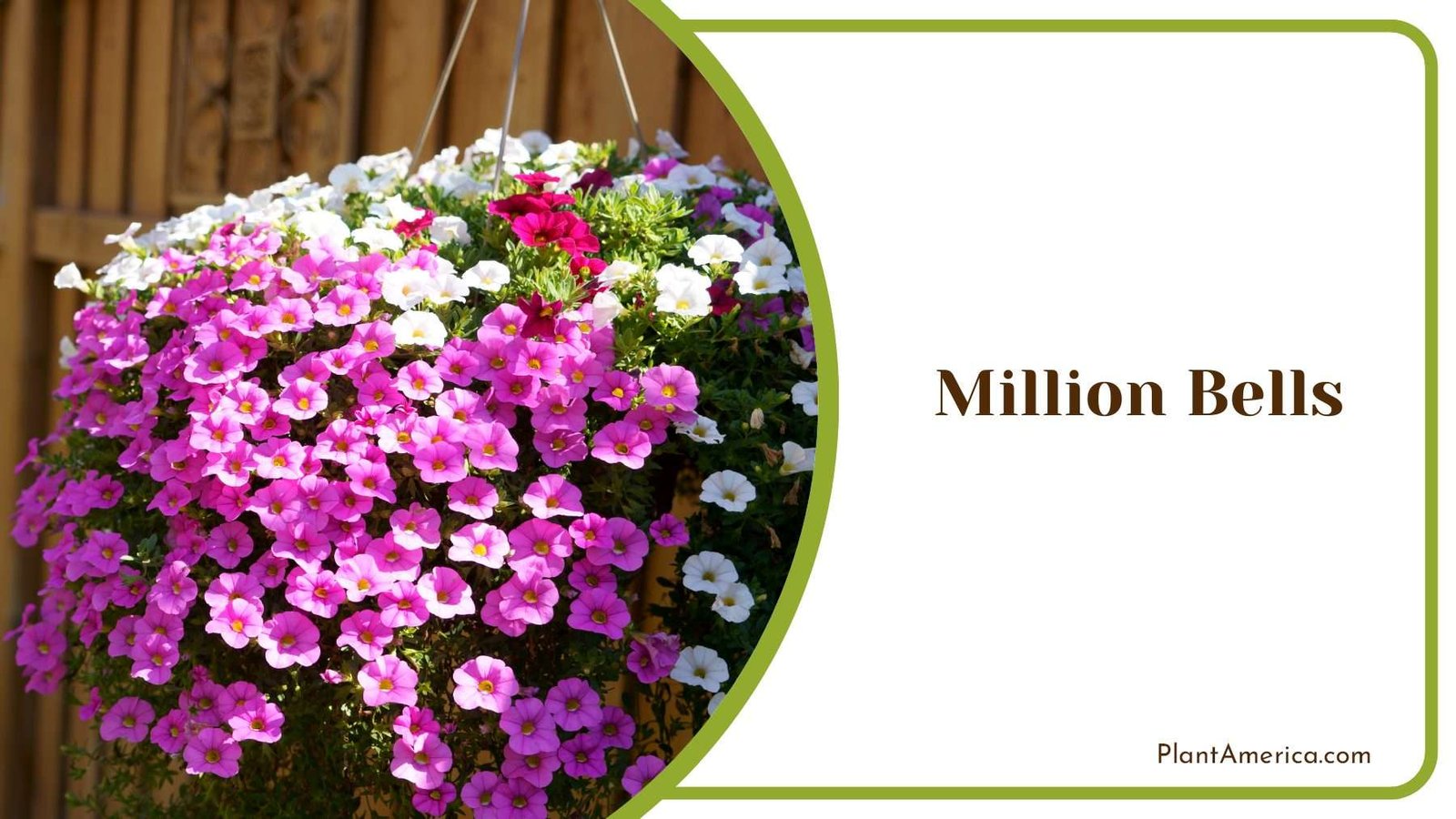
Ideal for larger cascading containers, a million bells produce an abundance of tiny bell-shaped flowers that serve as a dependable nectar source for hummingbirds all season long.
A million bells plants grow upright stems that can reach three to four feet tall when cultivated in hanging baskets and pots. The stems are covered in opposite oval leaves and clusters of tiny pink, purple, and white bell-shaped flowers.
In containers, a million bells require full sun and consistently moist, well-draining soil. Water twice weekly and apply a balanced liquid fertilizer monthly during spring and summer. Regular pruning helps promote dense, bushy growth and repeat blooms.
The profusion of tiny tubular flowers and the million bells’ ability to thrive in large hanging containers make this plant a top choice for attracting hummingbirds with a perpetual nectar source. The long blooming period and ornamental foliage also contribute to an attractive display that draws in nectar-seeking winged visitors nearly year-round.
17. Moss Rose

- Growing season: Spring, Summer
- Leaf shape: Oval, Elliptic
- Specific needs: Full sun, Partial shade, Regular watering
- Common pest: Mealybugs, Mites
Moss rose offers beautiful cascading blooms, a trailing habit, and hardiness in hanging containers – making it an ideal plant for attracting hummingbirds with an abundant nectar source at exactly the right height.
Moss rose plants produce arching stems that reach three feet long when used as a hanging plant. The stems are covered in lush deep green leaves and trumpet-shaped blooms in pink, red, and white colors. Provide moss rose plants in hanging containers with full sun and consistently moist, well-draining soil.
Water often, especially during the hot summer months. Feed plants monthly with a balanced bloom booster formula. The cascading stems with showy tubular blooms, plentiful nectar, and ease of cultivation make moss rose an excellent choice for creating hummingbird havens in hanging baskets. When combined with other flowering plants in mixed containers, moss rose is a reliable seasonal nectar source encouraging repeat visits from hungry hummingbirds.
18. Lisianthus

- Growing season: Summer, Fall
- Leaf shape: Linear, Lance-shaped
- Specific needs: Full sun, Partial shade, Well-draining soil
- Common pest: Aphids, Thrips
Lisianthus produces large colorful blooms that form an abundance of nectar, allowing hummingbirds to easily feast on its prolific flowers when grown in cascading hanging baskets.
Lisianthus plants feature sturdy stems that can reach three feet tall when grown in hanging containers. The stems are covered in narrow leaves and topped with rosette-shaped blooms in white, pink, lavender, and purple shades.
In containers, lisianthus thrives in full sun and moist, well-draining soil. Water the plants thoroughly once weekly and apply balanced liquid fertilizer every two weeks. Deadheading spent flowers encourages other bloom.
When grown in hanging baskets, the upward-facing rosette blooms of lisianthus and its long-blooming nature make it a reliable and attractive nectar source for hummingbirds. Its large, showy flowers also contribute to an elegant visual display that welcomes hungry hummingbirds with an abundance of accessible nectar nearly year-round.
19. Browallia
- Growing season: Summer, Fall
- Leaf shape: Rounded, Egg-shaped
- Specific needs: Full sun, Partial shade, Average watering
- Common pest: Spider mites, Aphids
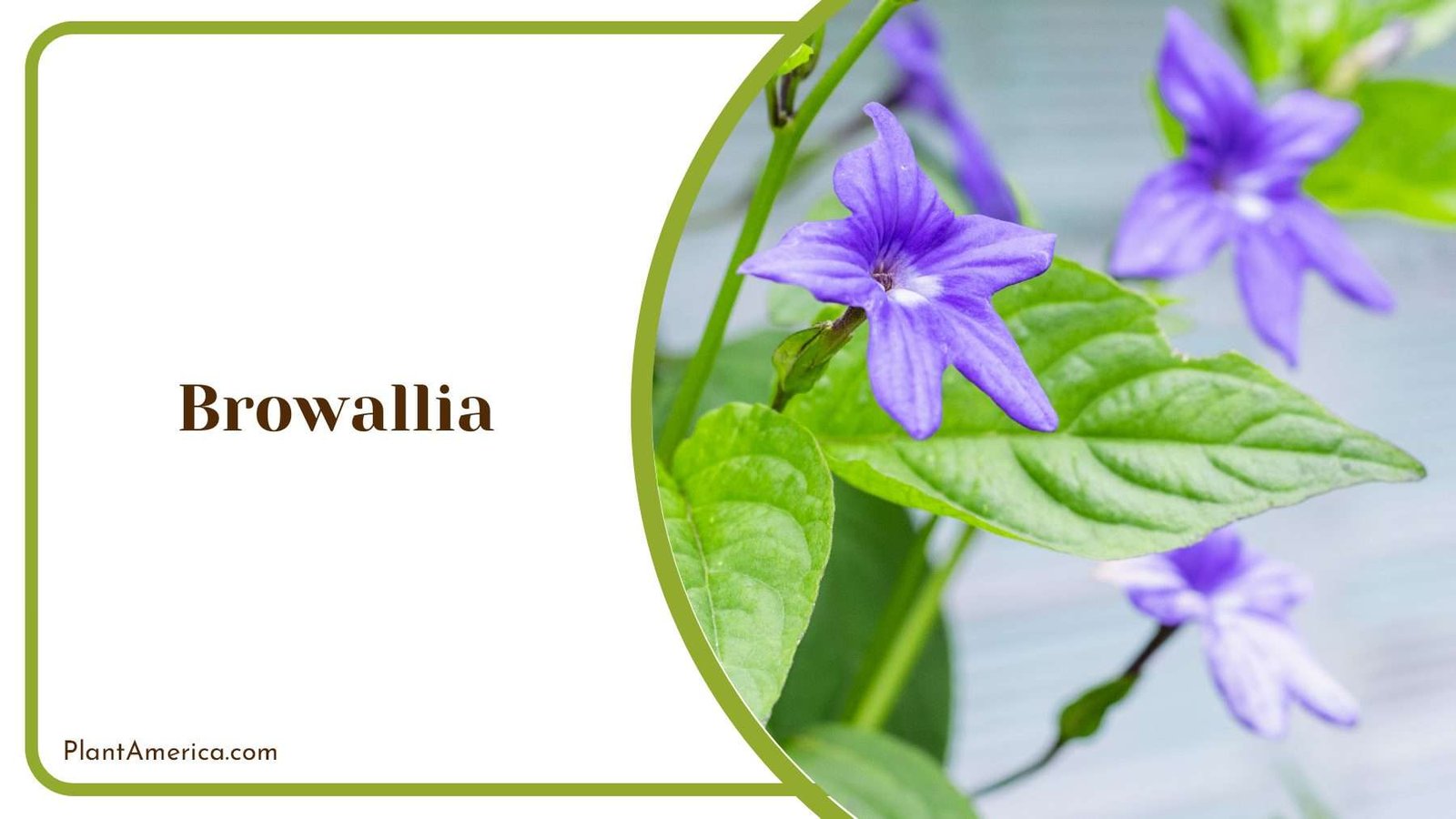
Plants in hanging baskets feature trailing stems that can grow more than two feet long. The stems are covered with rounded evergreen leaves and topped with clusters of blue, violet, or white trumpet-shaped blooms.
Provide browallia plants with full sun to partial shade and average moisture in containers. Water thoroughly twice weekly and fertilize monthly with a balanced formula during the growing season. Prune back leggy stems to create a fuller shape and encourage more blooms.
The combination of tubular flowers that appear in profusion, trailing stems that cascade over edges, and the ability to thrive in hanging containers for full bloom make browallia an excellent choice for attracting hummingbirds with a reliable nectar source at the perfect height for easy access. The deep hues of their flowers also contribute to an eye-catching display that entices hungry hummingbirds to feast.
20. Lavender

- Growing season: Spring, Summer
- Leaf shape: Linear, Aromatic
- Specific needs: Full sun, Well-draining soil
- Common pest: Spider mites, Aphids
When grown as a cascading plant in hanging baskets, lavender’s irresistible fragrance and profuse abundance of small purple flowers make it an ideal choice for attracting hummingbirds with an abundant nectar source.
Lavender plants grown in containers produce arching stems over two feet long. The stems are covered in gray-green aromatic leaves and topped with spikes of purple tube-shaped flowers.
Provide lavender plants in hanging containers with full sun, regular watering, and excellent drainage. Water regularly during the spring and summer months when plants are actively growing. Prune back spent flower stalks to encourage additional blooms.
The culmination of lavender’s scented flowers, long bloom time, and trailing habit when grown as a hanging plant make it an excellent choice for enticing hummingbirds with a nourishing and fragrant nectar source. Its small tubular flowers appear in clusters, allowing hummingbirds plenty of options for feasting – encouraging repeat visits throughout the spring and summer months.
21. Coleus
- Growing season: Spring, Summer, Fall
- Leaf shape: Variable, Long
- Specific needs: Partial shade, Regularly moist soil
- Common pest: Mexican bean beetles, Spider mites
Technically, it is not a flowering plant. Coleus cultivated in hanging baskets offers hummingbirds cover, foraging opportunities, and a visual feast thanks to its colorful foliage and low-maintenance requirements.
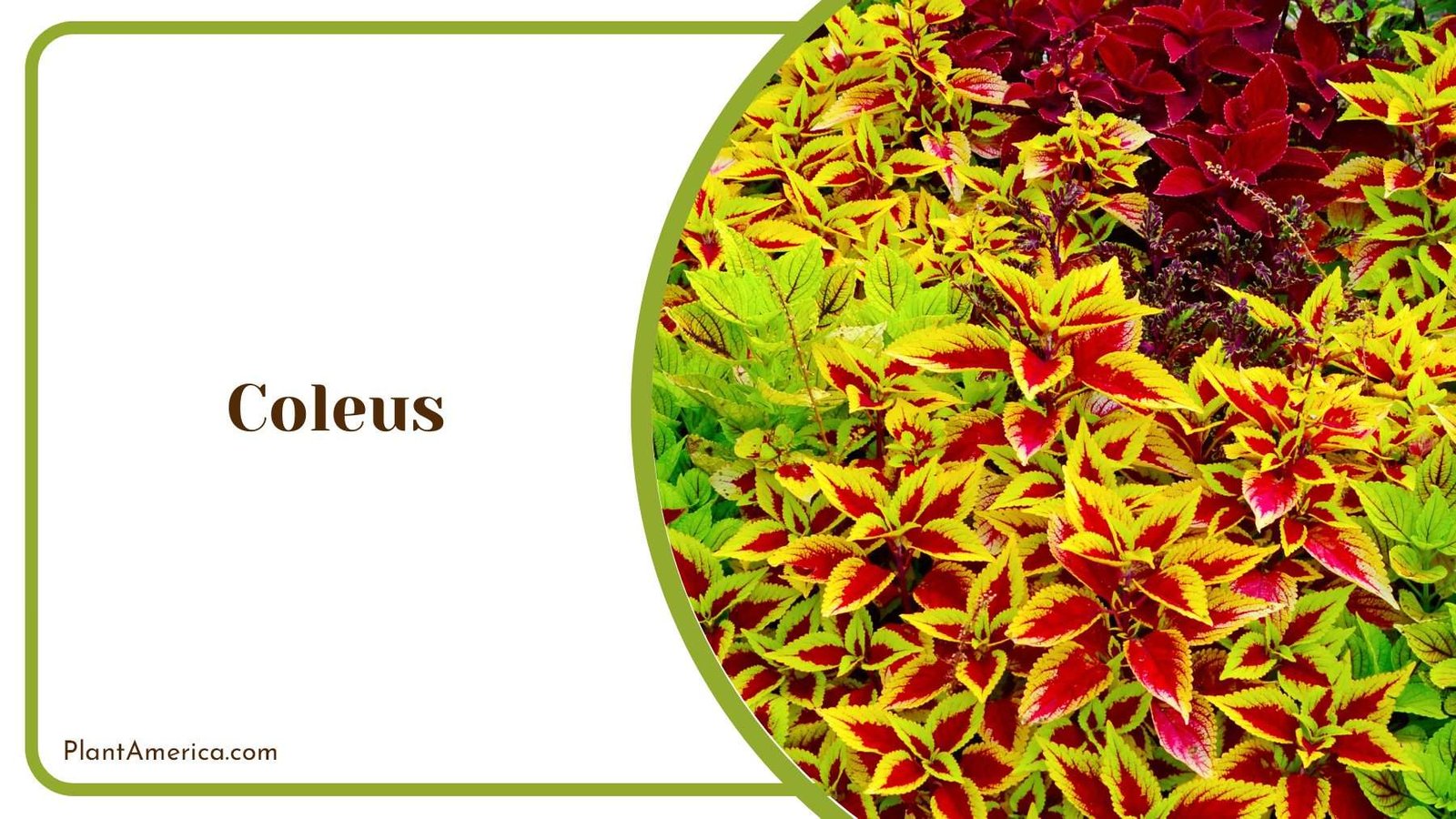
Coleus grown in hanging containers feature branching stems over two feet long. The stems are covered in beautifully colored leaves ranging from green to solid reds, purples, and everything in between.
Provide coleus plants in containers with partial shade and consistently moist soil. Water thoroughly once a week and apply a balanced liquid fertilizer every two to four weeks. Prune stems periodically to promote denser growth and vibrant foliage.
Though not a nectar source, coleus’ ornamental foliage creates an appealing refuge and centerpiece for mixed hanging baskets. When combined with flowering plants like petunias, lobelia, or fuchsias, colorful coleus foliage provides striking visual contrast that attracts hummingbirds to feed on the nearby nectar-rich blooms.
22. Lavender Cotton

- Growing season: Spring, Summer
- Leaf shape: Linear, Fragrant
- Specific needs: Full sun, Well-draining soil
- Common pest: Spider mites, Aphids
With their profuse purple blooms and irresistibly sweet fragrance, lavender cotton plants thrive in hanging baskets and draw hummingbirds in with an abundance of nectar.
Lavender cotton features sturdy upright stems reaching two to three feet tall in containers. The stems are covered in fragrant dark green leaves and topped with purple flowers resembling cotton balls.
Provide lavender cotton plants in hanging containers with full sun, regular watering, and nutrient-rich, well-draining soil. Reduce watering slightly in fall and winter. Prune back stems after flowering to maintain a compact shape and allows for rebloom the following spring.
The culmination of lavender cotton’s sweet fragrance, abundance of tubular flowers, and upright growing habit make it a top pick for cultivating as a cascading plant in containers to attract hummingbirds. Its flowers appear in profusion for months, providing a reliable source of nourishment that encourages repeat visits from hungry hummingbirds all season long.
23. Lemon Verbena

- Growing season: Spring, Summer
- Leaf shape: Linear, Aromatic
- Specific needs: Full sun, Well-draining soil
- Common pest: Spider mites, Aphids
Since it is not a true flowering plant, lemon verbena grown in hanging baskets attracts hummingbirds with its fragrant foliage, airy canopy, and ability to thrive in containers.
Lemon verbena features erect stems that can reach two to three feet tall when grown as a cascading plant.
The stems are covered in thin aromatic grayish-green leaves that release a potent lemony fragrance when brushed. Provide lemon verbena plants in hanging containers with full sun, regular watering, and sharp drainage. Prune regularly throughout the growing season to maintain a bushy shape. In winter, cut stems back to the base and overwinter indoors.
Though not a direct source of nectar, lemon verbena’s irresistibly scented foliage creates an aromatic sanctuary and backdrop for flowering plants in mixed baskets. When combined with nectar-rich blooms like petunias or impatiens, lemon verbena’s aromatic canopy helps attract hummingbirds – who are drawn in by the fragrance only to discover an abundance of accessible flowers providing nourishment.
Conclusion
While not all hanging basket plants flower, their foliage, form, and flowering companions add visual appeal, texture, and cover that help attract and sustain hummingbirds throughout the year.
- Browallia produces clusters of vibrant tubular flowers that provide ample nectar for visiting hummingbirds, especially when cultivated in cascading containers for easy access.
- New Guinea impatiens produce brightly colored blooms in shades of red, pink, orange, lavender, and white all season long
- Zonal geraniums produce large, colorful flowers in shades of red, pink, orange, and white over a long bloom time
With a little care and planning, you can create your hummingbird oasis with cascading hanging basket gardens featuring many of the flowers mentioned. Experiment with different combinations and observe as your winged guests discover colorful nourishment directly outside your door.