
Petunia colors will pop your summer garden like no other, so we’ll cover some of the most stunning petunia flower colors you need this year to take your outdoor space to the next level. From classic purples and reds to new varieties in waves of color, we’ve got you covered on what petunia blooms and varieties, and what Petunia companion plants, will bring you the most beautiful bang for your buck this season.

So if you’re looking to instantly amp up your flower beds, porch planters, or hanging baskets with a twist of color this summer, read on! We’ve got the full lowdown on which vibrant and affordable petunia colors you need now.
Gorgeous Petunia Colors Taking Gardens by Storm
1. Supertunia Really Red Petunia

- Growing Season: Early, Mid Spring.
- Leaf Type: Oval, Textured leaves.
- Specific Needs: Full sun, Moderate watering.
- Common Pests: Aphids, Slugs and snails.
Supertunia Really Red petunias of the Solanaceae family can completely transform a garden from drab to fab in early spring, exploding with brilliant scarlet blooms from March to June. Their oval to heart-shaped leaves contrast their vivid blooms, adding some textural purple vein interest. Supertunia Really Red petunias thrive in full sun and prefer evenly moist, well-draining soil enriched with organic matter.
Deadhead regularly encourages continuous production of flowers and more bushy growth throughout their growing season. Keep an eye out for common pest problems, including aphid and whitefly infestations, which can sap the vigor of red petunias.
2. Surfinia Purple Petunia

- Growing Season: Early, Mid Spring.
- Leaf Type: Oval, Heart-shaped.
- Specific Needs: Full sun, Moderate watering.
- Common Pests: Whiteflies, Fungal diseases.
Surfinia Purple petunias steal the spotlight from spring into summer with their elegant oval to heart-shaped leaves and abundant loose clusters of light to vivid purple flowers. These shade lovers prefer full sun and well-drained soil kept evenly moist during their growing season from April through June.
Surfinia Purple petunias’ medium height makes them excellent choices for garden beds, borders, and containers where they can cascade over the sides in colorful waves. Common challenges include whitefly infestations, which can cluster on the undersides of leaves and sap vigor. In rainy or excessively humid conditions, fungal leaf spot diseases can also attack purple petunias.
3. Pink Petunia

- Growing Season: Spring, Summer.
- Leaf Type: Heart-shaped, Lobed.
- Specific Needs: Full sun, Well-drained soil.
- Common Pests: Beetles, Aphids, Spider mites.
Pretty as a picture, pink petunias brighten spring and summer gardens with their vibrant hues. They produce heart-shaped to lobed leaves that form a backdrop for cheerful clusters of pink flowers.
Pink petunias thrive in full sun and require regular moisture in well-draining soil. Pruning spent blossoms and pinching leggy stems leads to the continued production of more compact, floriferous plants. Common pests to watch include Japanese beetles, which feed voraciously on petunia flowers at dusk, aphids that cluster on new growth, and spider mites that can spin webs between leaves and flower buds.
4. Easy Wave Yellow Petunia

- Growing Season: Spring, Fall.
- Leaf Type: Heart-shaped, Jagged.
- Specific Needs: Full sun, Well-draining soil.
- Common Pests: Thrips, Aphids, Gray mold.
Easy Wave Yellow petunias bring happiness and sunshine to the spring, summer, and fall gardens. They form compact, mounded bushes laden with ragged, heart-shaped leaves topped with bright yellow, lemon yellow, or canary yellow blooms.
As great trailing plants, they cascade beautifully from window boxes, hanging baskets, and over the edges of raised garden beds. Pruning spent blossoms and pinching back growing tips during active growth leads to more compact, branching plants with multiple flushes of colorful flowers. Common pests include aphids that suck sap from leaves and stems, thrips, and tiny insects that feed on flowers, causing twisting and deformed blooms.
5. Orange Petunia

- Growing Season: Spring, Fall.
- Leaf Type: Oval, Rounded.
- Specific Needs: Full sun, Well-draining soil.
- Common Pests: Aphids, Leaf miners, Fungal diseases.
Orange petunias bring liveliness and warmth to the spring, summer, and fall gardens. Their oval to rounded leaves forms a backdrop for prolific clusters of vivid orange, coral, or apricot blooms. They make lovely additions to hanging baskets, patio containers, and garden beds.
Common challenges include aphids, which can feed on leaves and flowers, sucking out plant juices and spreading diseases. Leaf miners lay eggs within leaf tissue, hatching larvae that tunnel through the leaves, causing browning and damage. In wet conditions, fungal diseases like botrytis and mildew can quickly take hold, defoliating orange petunias and ruining their overall health.
6. Supertunia Mini Vista Scarlet Petunia

- Growing Season: Spring, Early Fall.
- Leaf Type: Rounded, Notched.
- Specific Needs: Full sun, Well-draining soil.
- Common Pests: Spider mites, Fungal diseases.
Supertunia Mini Vista Scarlet petunias shine vividly from spring to early fall, lighting up gardens with rounded to notched leaves and brilliant displays of crimson-red blooms. They thrive in full sun and require evenly moist, well-draining soil for optimal growth. Deadheading spent blossoms and pinching out growing tips encourage bushier plants throughout their long season.
Supertunia Mini Vista Scarlet petunias grow well in patio containers, garden beds, and hanging baskets, where their medium height and trailing habit create a dazzling crimson color. In wet conditions, gray mold and leaf spots caused by fungal diseases can quickly take hold, defoliating scarlet petunias and ruining their overall health.
7. Deep Salmon Petunia

- Growing Season: Spring, Fall.
- Leaf Type: Rounded, Lobed.
- Specific Needs: Full sun, Well-draining soil.
- Common Pests: Beetles, Thrips, Fungal diseases.
Deep Salmon petunias bring warm blooms from spring into fall. Their rounded to lobed leaves provide a backdrop for prolific light clusters to vivid coral, apricot, or peachy-orange flowers. These medium-height beauties thrive in full sun and require well-draining soil that is consistently moist with ample organic matter for best growth.
Regular deadheading promotes more bountiful blooms through their long season. With regular care like pruning away damaged leaves, applying organic pest controls at the first sign of problems, and offering optimal growing conditions, salmon petunias reward gardeners with a glorious show of apricot blooms from spring until frost.
8. Crimson Star Petunia

- Growing Season: Spring, Autumn.
- Leaf Type: Rounded, Lobed.
- Specific Needs: Full sun, Fertile soil.
- Common Pests: Aphids, Fungal diseases.
Crimson Star petunias wow the spring, summer, and even early autumn garden with their vivid display of red-bloomed rounded to lobed leaves. They thrive in full sun and require fertile, free-draining soil kept evenly moist during their long season.
An abundance of organic matter and a yearly application of compost or fertilizer promotes lush growth and extended blossoming from early spring until frost. Pruning back leggy stems after the first flush of blooms encourages bushier plants that produce repeat crops of crimson flowers. Common threats include aphid infestations and fungal diseases like powdery mildew on leaves and stems.
9. Lavender Spreading Petunia

- Growing Season: Spring, Early Fall.
- Leaf Type: Oval, Heart-shaped.
- Specific Needs: Full sun, Moderate watering.
- Common Pests: Aphids, Fungal diseases.
Lavender Spreading petunias fill the garden with beautiful blooms from spring through early fall. Their loose mounds of oval to heart-shaped leaves provide a base for clusters of pale to dark lavender flowers on medium-height bushes.
Lavender Spreading petunias prefer full sun and evenly moist, well-draining soil. They thrive in garden beds, borders, and hanging baskets where their long blooming season and cascading habit make a stunning display. Home gardeners can enjoy fresh crops of flowers for months by pinching back stems after the first flush of blossoms. Keeping foliage dry when watering and removing faded blossoms helps prevent fungal diseases.
10. Supercascade Burgundy Petunia

- Growing Season: Spring, Fall.
- Leaf Type: Rounded, Heart-shaped.
- Specific Needs: Full sun, Fertile soil.
- Common Pests: Spider mites, Fungal diseases.
Supercascade Burgundy petunias fill the garden with vibrant colors from spring to fall. Their rounded to heart-shaped leaves provide a backdrop for an abundance of medium to dark burgundy blooms. These medium-height beauties thrive in full sun and require fertile, free-draining soil kept evenly moist during their long season.
Pruning Supercascade Burgundy petunia’s leggy stems after the first flush of blooms encourages bushier plants that produce repeat crops of flowers. Burgundy petunias grow well in pots, window boxes, and hanging planters, where their medium height and trailing habits create a dramatic display.
11. Easy Wave Rosy Dawn Petunia

- Growing Season: Early Spring, Fall.
- Leaf Type: Rounded, Heart-shaped.
- Specific Needs: Full sun, Evenly moist soil.
- Common Pests: Thrips, Spider mites, Aphids.
Easy Wave Rosy Dawn petunias brighten the spring, summer, and fall garden with cheery blooms. Their rounded to heart-shaped leaves form a base for showy clusters of pale to vivid pink flowers. These medium-height beauties thrive in full sun and require evenly moist, well-draining soil ideally enriched with organic matter.
Pruning leggy stems and removing spent blossoms after the first flowering encourages the production of more compact floriferous plants with continuous blooms through their long season. When properly pampered, Easy Wave Rosy Dawn petunias reward gardeners with an abundance of soft color and pure delight throughout the year.
12. Shock Wave Coral Crush Petunia

- Growing Season: Spring, Early Fall.
- Leaf Type: Rounded, Heart-shaped.
- Specific Needs: Full sun, Well-draining soil.
- Common Pests: Slugs, Aphids, Fungal diseases.
Shock Wave Coral Crush petunias are one of the most vibrant and eye-catching varieties you can add to your garden this summer. Their bright pinkish-red blooms pop against the green backdrop of leaves and grass.
What’s great about coral petunias is that they thrive in full sun and tolerate warm weather extremely well. You’ll get an explosion of color starting in early summer right through to the first frost.
Not only are Shock Wave Coral Crush petunias beautiful, but they are also very low-maintenance. Give them plenty of sunlight each day and water during dry spells. The blooms last for months on end. Shock Wave Coral Crush flowers add a sophisticated yet playful touch to cottage gardens and more formal landscapes.
13. Supertunia Vista Fuchsia Petunia

- Growing Season: Spring, Fall.
- Leaf Type: Rounded, Heart-shaped.
- Specific Needs: Full sun, Well-draining soil.
- Common Pests: Fungus gnats, Aphids.
Supertunia Vista Fuchsia petunias offer a vivid pop of color to gardens from summer into early fall. Their delicate flowers emerge in shades of deep pinks and purples with a subtle sparkle. The clustered blooms practically glow against the dark emerald foliage.
As heat lovers, fuchsia petunias shine during the warmest months, blanketing beds and containers with beautiful color from June through September. Their frilly, dangling flowers constantly attract butterflies and hummingbirds to the garden.
These petunias perform best in full sun but can tolerate some afternoon shade. They prefer soil that is well-draining and slightly acidic. Give them consistent moisture, especially during hot, dry spells.
14. White Petunia
- Growing Season: Early Spring, Fall.
- Leaf Type: Rounded, Heart-shaped.
- Specific Needs: Full sun, Well-draining soil.
- Common Pests: Slugs, Aphids.
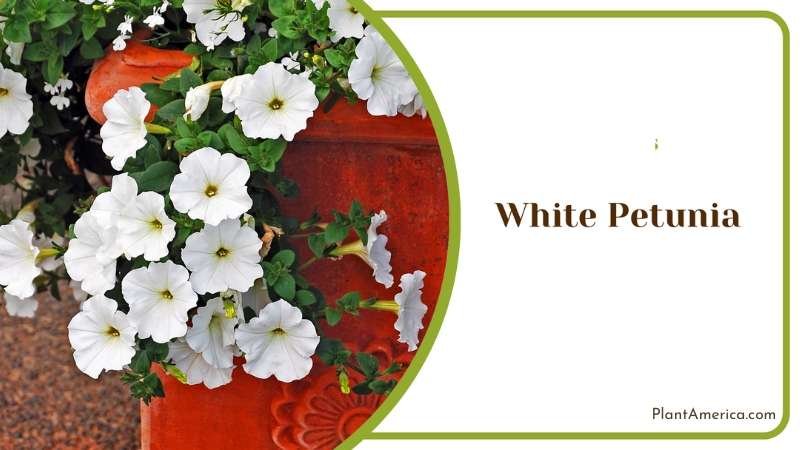
White petunias are a classic staple of many summer gardens, providing a soft pop of color. Their clean, bright blooms stand out amongst other florals and foliage. Petunias with white flowers tend to have more subtle veining or hints of pinkish-purple stripes. They offer gardeners lovely blooms from early summer until the first fall frost.
White petunias thrive when planted in full sun and given fertile, well-draining soil. They need ample water, around an inch per week, to flourish during the heat of the growing season. The cascading habit of white petunias makes them perfect for hanging baskets, spillers in mixed containers, or softening the edges of garden beds.
15. Blue Petunia

- Growing Season: Spring, Early Fall.
- Leaf Type: Rounded, Heart-shaped.
- Specific Needs: Full sun, Well-draining soil.
- Common Pests: Slugs, Aphids.
Blue petunias offer a sense of tranquility in the garden with their relaxing shade of pale periwinkle flowers. Their light, dreamy color contrasts them to more intense reds and pinks. Blue petunias tend to have a soft, powdery appearance and bloom profusely from early summer until fall frost arrives.
Like other petunias, they thrive best in full sun and light, well-draining soil. Blue petunias require consistent moisture during hot weather to prevent the delicate blooms from wilting. Deadheading spent blooms encourage re-blooming, so the waves of calming color continue all season long. In addition to their lovely flowers, blue petunias attract pollinators to the garden oasis they help create.
16. Easy Wave Violet Petunia

- Growing Season: Early Spring, Fall.
- Leaf Type: Rounded, Heart-shaped.
- Specific Needs: Full sun, Well-draining soil.
- Common Pests: Slugs, Spider mites.
Easy Wave Violet petunias offer a soft, dusty rose tone to brighten gardens throughout summer. Their pale lavender blooms have a subtle vintage feel that adds romance and sophistication. Starting in early summer and continuing until fall, Easy Wave Violet petunias envelope beds and containers with their lovely color and frilly flowers.
These petunias thrive in full sun and well-draining soil. As the temperatures rise, they require consistent moisture through watering to prevent wilting. Their trailing habit makes them perfect for hanging baskets, spilling over walls, or softening the edges of beds alongside walkways. They stay compact and continue flowering reliably even during hot, dry spells with occasional watering.
17. Wave Rose Petunia

- Growing Season: Early Spring, Fall.
- Leaf Shape: Rounded, Heart-shaped.
- Specific Needs: Full sun, Well-draining soil.
- Common Pests: Slugs, Spider mites.
Wave Rose petunias deliver an elegant pop of color to gardens in summer. Their soft pink blooms have a romantic, vintage feel that adds warmth and charm. Well-suited for full sun, they spread their beautiful blooms in cascading blankets. These flowers thrive in light, well-draining soil and require consistent moisture during hot spells.
In addition to their cheery appearance, these petunias attract butterflies and hummingbirds to the garden oasis they create. Low-maintenance and reliable, their gentle charm brings a sense of nostalgia and delight all summer long. Wave Rose petunias make a wonderful euphoric addition to any space.
18. Electric Apricot Petunia

- Growing Season: Spring, Fall.
- Leaf Shape: Rounded, Heart-shaped.
- Specific Needs: Full sun, Well-draining soil.
- Common Pests: Slugs, Thrips.
Electric Apricot petunias are such a delightful splash of color for the garden in those summer months. Their blooms have this lovely peachy-orange hue that immediately makes you smile. It’s akin to the color of a sun-ripened apricot, so warm and summery.
Electric Apricot petunias start flowering early on and keep those cheery blooms going until the first frost. They thrive with full sun and decently drained soil. Of course, you’ll want to give them good water during especially hot spells so they don’t falter. And be sure to deadhead any spent flowers to encourage continuous re-blooming all season long. Overall, Electric Apricot petunias are a carefree and vibrant way to revitalize your garden throughout the summer months.
19. Foto Finish Salmon Petunia

- Growing Season: Spring, Fall.
- Leaf Shape: Rounded, Heart-shaped.
- Specific Needs: Full sun, Well-draining soil.
- Common Pests: Slugs, Thrips.
FotoFinish Salmon pink petunias lend a subtle yet vivid color to the summer garden. Their blooms have this soft coral tone, almost like a blush of pink salmon. It’s quite romantic.
These beauties start flowering early and keep those clustered blooms coming until the first frost hits. They thrive with full sun and good drainage. Give them a good drink on hot afternoons so they don’t get too droopy. Their habit trails so nicely from baskets or tumbling over walls.
Overall, FotoFinish Salmon petunias are a carefree addition that lends a lovely pop of color through those summer months. They brighten up any space in the house.
20. Black Velvet Petunia
- Growing Season: Early Spring, Autumn.
- Leaf Type: Rounded, Heart-shaped.
- Specific Needs: Full sun, Well-draining soil.
- Common Pests: None.
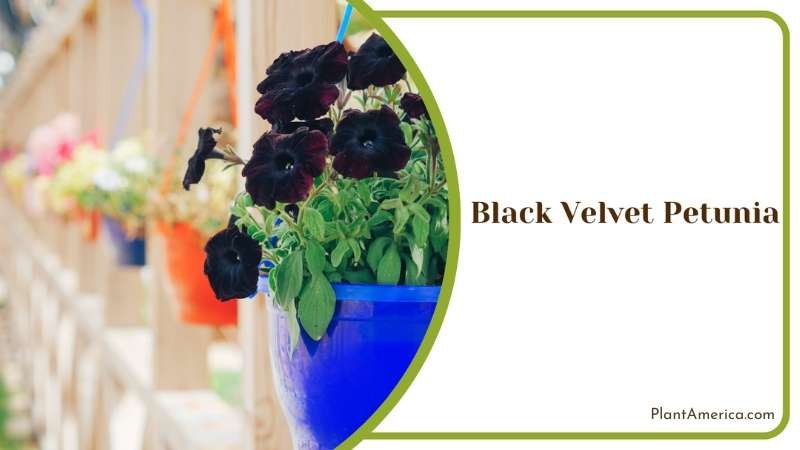
Black Velvet petunias fill the spring, summer, and fall garden with rounded to heart-shaped leaves laden with deep maroon-black flowers. They require full sun and consistently moist, well-draining soil rich in organic matter for optimal growth.
Given proper care to thrive, they face very few pest problems. However, in heavy spring rains, extended overcast, and high humidity conditions, their blooms may fade faster than other types of petunia. Regular deadheading, optimal conditions, and weathering wet periods allow Black Velvet petunias to reward gardeners with stunning, rich shades of black velvet blooms for months. Check out the Black Magic Petunia too!
21. Spellbound White Blush Petunia

- Growing Season: Spring, Fall.
- Leaf Type: Rounded, Heart-shaped.
- Specific Needs: Full sun, Well-draining soil.
- Common Pests: Slugs, Fungal diseases.
Spellbound White Blush petunias add such a lovely, soft floral touch to the garden in summertime. Their delicate blooms emerge with a white and pale pink hue, much like the subtle blush of a rose. They require full sun and consistently moist, well-draining soil rich in organic matter for optimal growth.
Regular inspections for damage, application of organic controls at first signs of infestation, and providing optimum care will help Spellbound White Blush petunias flourish. When offered perfect conditions and tender loving care, these blush petunias reward gardeners with months of delicate blooms in lovely shades of white and soft pink from spring until frost.
22. Peppy Cerise Petunia

- Growing Season: Spring, Fall.
- Leaf Type: Rounded, Heart-shaped.
- Specific Needs: Full sun, Well-draining soil.
- Common Pests: Aphids, Slugs.
Peppy Cerise petunias deliver a bright pop of color to gardens with their vivid white and pink blooms in a peppermint pattern. The pink shade resembles the deep, rosy-pink hue of cherries but with a subtler sweetness. They love warm sun and well-draining nourishment. And though they appreciate occasional thirst-quenching, Peppy Cerise petunias are resilient through drier spells.
Peppy Cerise petunias grow well in patio containers, hanging baskets, and as spillover plants in raised beds. Common threats include aphids, which cluster on new foliage and flower buds, sucking plant juices and weakening growth. Slugs and snails also feed on soft leaves and stems, causing damage.
23. Tangerine Punch Petunia

- Growing Season: Spring, Early Autumn.
- Leaf Type: Rounded, Heart-shaped.
- Specific Needs: Full sun, Well-draining soil.
- Common Pests: Fungal diseases, Aphids.
Tangerine Punch petunias add such a lovely sunny glow to the garden throughout summer. Their cheerful blooms emerge in a vibrant orange hue reminiscent of a bite into a fresh tangerine. They thrive with exposure to full sun and laugh off warmer spells when given occasional watering. Deadheading spent blooms allow the vivid display to explode until frost.
Tangerine Punch petunias grow well in patio containers, hanging baskets, and garden beds, where their medium height and mounded shape create lively displays. Common threats include fungal diseases like powdery mildew, which spreads white spots and patches across leaves, weakening blooms. Aphids also feed on new foliage and flower buds, reducing vigor while spreading viruses.
Conclusion
Any of the following stunning petunia colors would make a great addition to your summer garden:
- Supertunia Really Red petunias produce vibrant red flowers that attract hummingbirds and pollinators.
- Surfinia Purple petunias bloom with deep purple flowers that cover compact plants.
- Pink petunias offer non-stop color, and their pink flowers bloom all season long.
- Easy Wave Yellow petunias display cheerful yellow blossoms, and their mounded habit makes them perfect for containers.
- Lavender Spreading petunias feature vivid and gorgeous lavender blooms.
By adding some of these colorful petunias with their wide array of shades and hues, you can transform your garden into a palette of beauty that brings you and others joy all summer. Choose your favorites based on the color, shape, and size of flowers that suit your style and the layout of your garden. Then sit back, relax, and enjoy the uplifting splash of color that petunias are sure to provide! If your Petunia’s leaves start to turn yellow, it might be a watering issue or aphid infestation.