
Front yard flowers add colorful appeal, cheerful vibrancy, and a sense of welcome to any home. This article will showcase beautiful flowering plants to fill your entryway garden with color and joy. Whether you want a low-maintenance blanket of color under oak trees or a border garden overflowing with blooms, we’ll discuss easy-care options perfect for welcoming guests with a smile.
So, read on to discover front yard flowers to fill your walkways and driveway borders with cheerful sensations, bringing delight to passersby and residents alike for months.
Front Yard Beauties to Brighten Up Your Yard and Gardens
1. Tulips
- Growing season: Spring
- Leaf shape: Linear, Narrow
- Specific needs: Full sun, Well-drained soil
- Common pests: Aphids, Spider mites
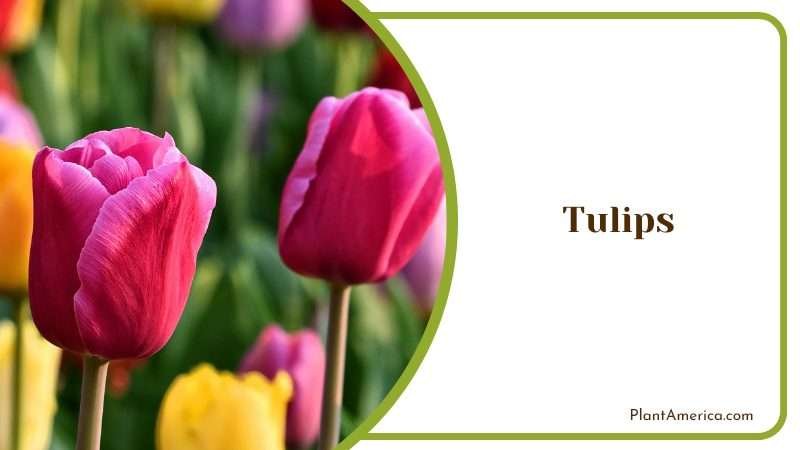
Tulips are one of the most popular bulbs planted in home gardens each spring. Originating from Central Asia, tulips were introduced to Western Europe in the 16th century, and their vibrantly colored blooms quickly became a sign of spring. Over 110 species and innumerable cultivars of tulips are available, so gardeners have a vast variety to choose from.
Tulips come in a rainbow of colors, including red, yellow, pink, orange, purple, and bi-colors. Their blooms range from classic cup shapes to ruffled and lace-like fringed varieties. Flower sizes vary significantly from some species producing blooms as small as a dime up to golf ball-sized blooms on some cultivars. Beyond color and form, tulips also differ in bloom time, from early varieties blooming in late winter to very late varieties flowering in early summer.
In spring, tulips will reward gardeners with their showy blooms. Make sure not to cut the foliage prematurely, as the leaves are still busy fueling energy back into the bulb for next year’s flowers. Once the foliage dies back on its own, gardeners can dig and separate bulbs to share or plant in new spots in the garden. Storing leftover bulbs in a cool, dry place over the summer will ensure another fantastic spring display.
With so many varieties to choose from in terms of blooming time, flower color, size, and form, tulips are a must-have bulb for any gardener looking to add vibrant color and beauty to their spring garden landscape. Their reliability and ease of care make them a popular perennial favorite worldwide.
2. Daffodils
- Growing season: Spring
- Leaf shape: Linear, Narrow
- Specific needs: Full sun, Well-drained soil
- Common pests: Aphids, Spider mites
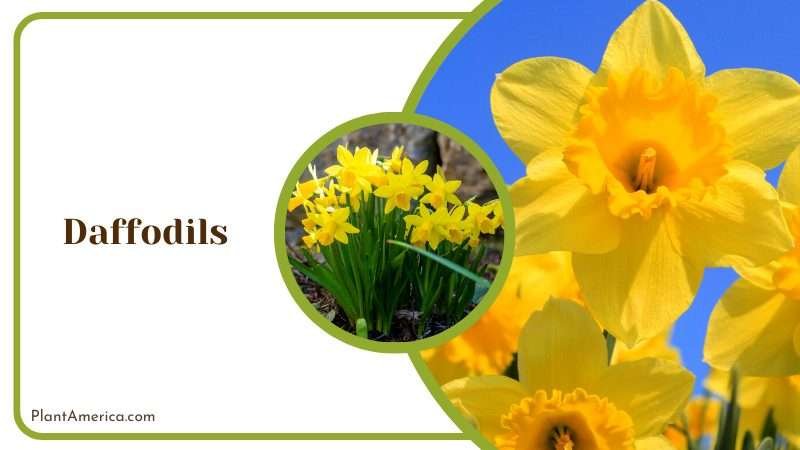
Daffodils are among the most beloved harbingers of springtime. The genus Narcissus contains numerous perennial bulb varieties cultivated for centuries, prized for their prolific yellow, white, or bi-colored trumpet and cup-shaped blooms.
Most daffodils emerge from underground bulbs in early spring when cooler weather still lingers. Before flowering, strap-like basal leaves unfold. Upright, unbranched scapes then bear clusters of one to six open-funneled or star-shaped blooms at their tips. Individual blooms last seven to 14 days, but plants may remain in flower for several weeks.
Common types include trumpet daffodils with central coronas as long as the petals and smaller-cupped varieties. Other varieties have double, miniature, or species forms. Colors range from solid yellow to bicolor combinations of yellow with white or orange-red.
The garden’s daffodils naturalize beautifully in lawns, meadows, and woodland edges. They also add bright clumps to beds, borders, and containers. As early harbingers, they lift the spirits, while multiple bloom cycles allow long enjoyment.
With their superb hardiness, ease of growth from bulbs, and ability to reliably return year after year with cheerful faces, daffodils have rightfully earned a place in gardens worldwide as beloved symbols of rebirth and hope amid the springtime flowers.
3. Hyacinth
- Growing season: Spring
- Leaf shape: Linear, Bell-shaped
- Specific needs: Full sun, Well-drained soil
- Common pests: Aphids, Spider mites
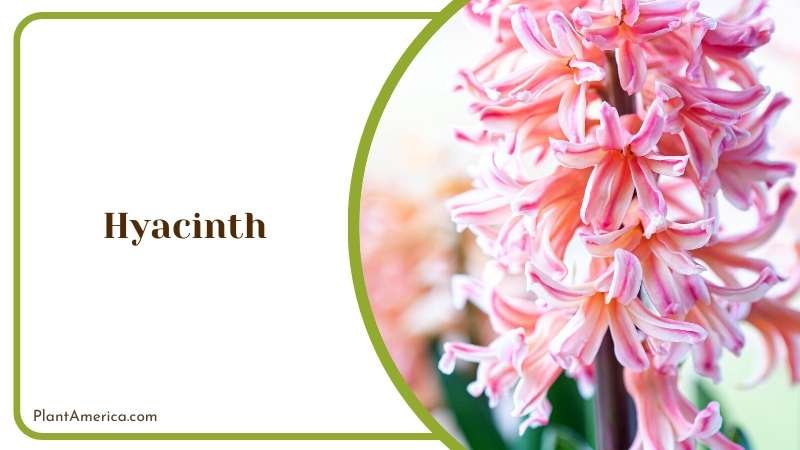
Hyacinths are a popular spring bulb flower. They come in many colors, like red, pink, white, purple, and blue. Hyacinth bulbs are easy to grow and provide an excellent display of colorful blooms early in the season.
Plant hyacinth bulbs in the fall for flowers the following spring. Place them in the garden about 6 inches deep and six inches apart. Hyacinths like full sun but will grow in partial shade. The soil should drain well.
In spring, short stalks called spikes emerge from the bulbs. The spikes have overlapping clusters of flowers, all facing upwards. Each bell-shaped flower has 6 petals. The bulbs can increase over the years to make larger clumps.
Hyacinths need little care after planting. They grow back reliably from the same bulbs year after year. Their spring display lasts about three weeks before the flowers fade. Enjoy the pleasant smell too. After blooming, let the leaves on the spikes die back on their own. Avoid cutting them off so the bulbs can store energy for next year. In summer, the leaves will turn yellow and dry out.
Hyacinth bulbs can stay in the ground indefinitely if cared for. Or dig them up after foliage dies to divide and propagate more bulbs. Replant in the fall for more colorful flowers each spring. Hyacinths are low-maintenance bulbs that make any garden shine in early spring. Their dependability and range of colors bring beauty back each year.
4. Hosta

- Growing season: Summer
- Leaf shape: Ovate, Oblong
- Specific needs: Part shade, Moist soil
- Common pests: Slugs, Fungal diseases
Hostas are beloved perennial foliage plants prized for their stunning architectural leaves. Native to eastern Asia, their immense variety of sizes, colors, and textures have made them a garden staple worldwide.
Thick dagger-like leaves provide dignified structure to shaded gardens from summer unto fall. Small bell-shaped flowers in purple, white, or yellow tones arise on tall stalks but are secondary to hostas’ incomparable foliage.
Adaptable to most soils and light conditions, hostas revel in woodland shade and forest borders where their large size creates verdant oases. Come winter, annual dormancy decaying leaves nourish the soil.
With unparalleled hardiness, diversity, and palette of stunning leaf accents, hostas elevate any shady landscape. Their natural grace adorns interiors too, in containers on patios and porches. Few garden plants impart both quiet beauty and longevity like hostas. Through the architecture of myriad leaf colors and forms, hostas impart lush natural delight, transforming shaded spaces into oasis gardens admired for generations.
5. Hydrangea

- Growing season: Summer
- Leaf shape: Simple, Ovate, Orbicular
- Specific needs: Acidic soil, Part shade to full sun
- Common pests: Slugs, Fungal diseases
Hydrangeas produce large clusters of showy flower heads in blues, pinks, purples, or whites. The simple, ovate to orbicular leaves emerge with the blooms. Hydrangeas thrive with part shade and consistently moist, acidic soil. These deciduous shrubs and small trees are winter hardy in zones five through nine.
The pleasing colors and mophead or lace-cap flower forms of hydrangeas add beauty, graceful form, and visual interest to front gardens throughout the summer season. Plant hydrangeas as specimen shrubs near entrances where the profusion of blooms impart a sense of welcome and delight to guests and passersby.
6. Daylily

- Growing season: Summer
- Leaf shape: Long, Narrow
- Specific needs: Full sun, Well-drained soil
- Common pests: Slugs, Fungal diseases
Daylilies are a staple perennial flower found in home gardens across North America. As their name suggests, each flower only blooms for a single day, but daylily, plants will produce non-stop blooms throughout the summer months. Ideal for adding long-lasting color to borders or masses in the landscape, daylilies thrive in full sun and are nearly foolproof to grow.
There are over 28,000 different cultivars of daylilies bred for an incredible range of flower colors, including shades of yellow, orange, red, pink, purple, and bi-colors. Bloom sizes also vary in type, from the classic open trumpets to smaller pom-pom-shaped blooms. Gardeners can also find daylily cultivars that flower mid to late season, extending the blooming display for much of the summer.
Daylilies are very easy to grow and care for. Their sturdy fans of green, sword-like foliage provide an attractive backdrop for the blooms. Daylily flowers rise up on naked stems above the foliage in mid to late summer. Individual blooms only last for a single day, but plants will continuously push out blooms for four to six consecutive weeks.
Deadhead spent flowers to encourage reblooming throughout summer. The strappy leaves will die back in autumn, leaving ornamental seed pods behind. The roots remain dormant over winter and resprout in spring, reliably returning each summer.
With their vibrant colors, low maintenance needs, and long bloom time, daylilies are a top pick for beautifying home gardens from June through August. Their longevity and versatility make them a mainstay perennial.
7. Lavender
- Growing season: Summer
- Leaf shape: Simple, Narrow
- Specific needs: Full sun, Well-drained soil
- Common pests: Slugs, Fungal diseases
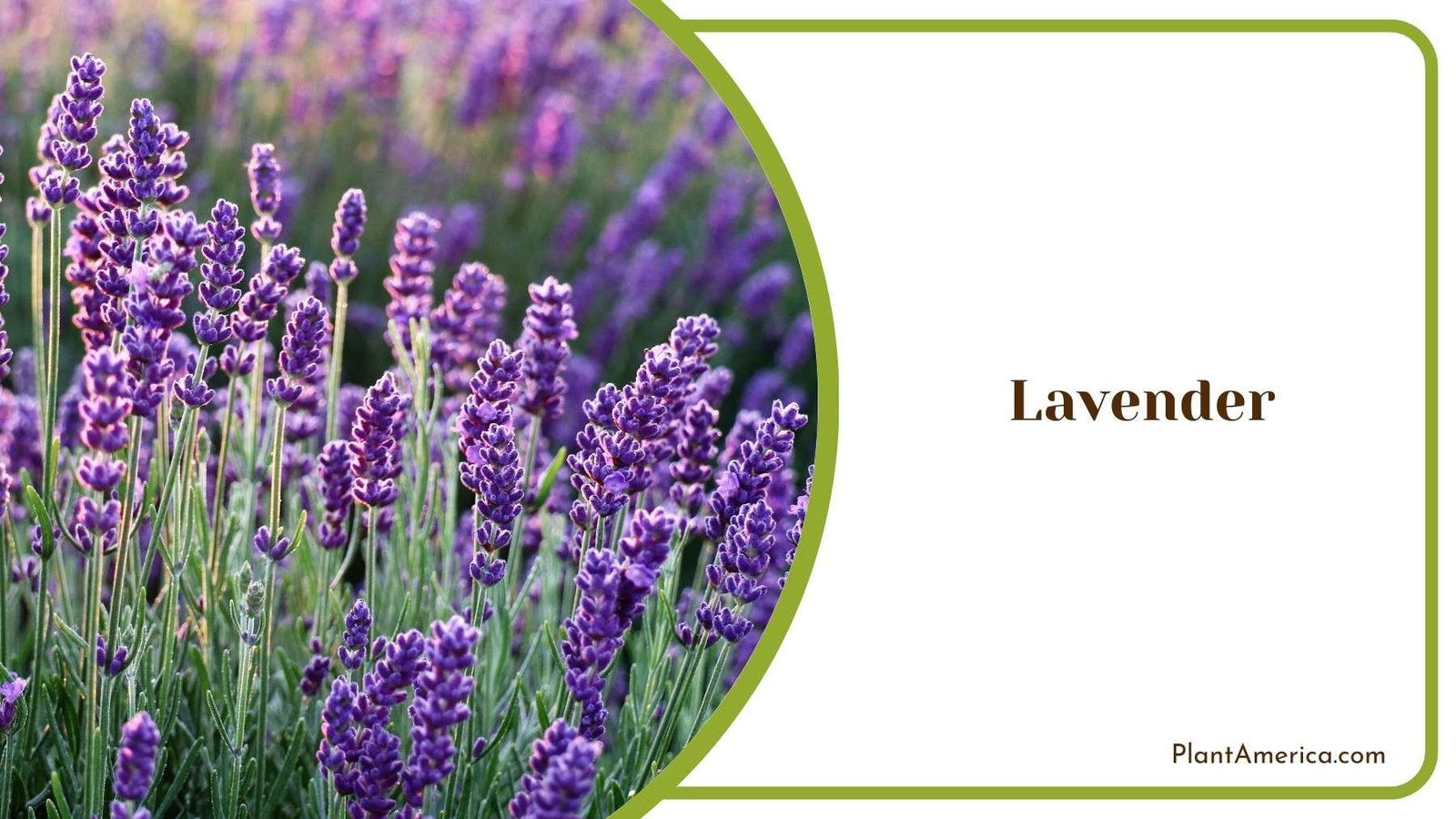
Lavender is a genus of 47 species of fragrant, evergreen herbs native to the Mediterranean region of Europe, North Africa, and Western Asia. The most commonly cultivated species is English lavender (Lavandula angustifolia), prized for its aromatic flowers and versatility in the garden.
In summer, slender spikes of flowers emerge atop stems rising above the foliage. Individual blooms comprise a tiny calyx enclosing a tubular corolla with protruding stamens. Standard flower colors are shades of lavender-purple but also include white.
The strongly scented flowers and herbal foliage contain volatile essential oils with medicinal and culinary uses. Fresh or dried lavender bundles are commonly used to scent linens, and the dried blooms add aroma to potpourri, sachets, and teas. In the garden, lavender attracts beneficial insects and has few pest or disease issues.
Inland or along the coast, lavender provides edging interest, fragrant bouquets, and a restorative atmosphere. Its aromatic foliage and flowers add color, craft inspiration, and festive flair to any landscape across warm temperate regions. With minimal inputs, lavender is a versatile and adaptively hardy perennial staple for soothing sensory gardens worldwide.
8. Black Eyed Susan
- Growing season: Summer
- Leaf shape: Alternate, Compound
- Specific needs: Full sun, Moist soil
- Common pests: Slugs, Aphids
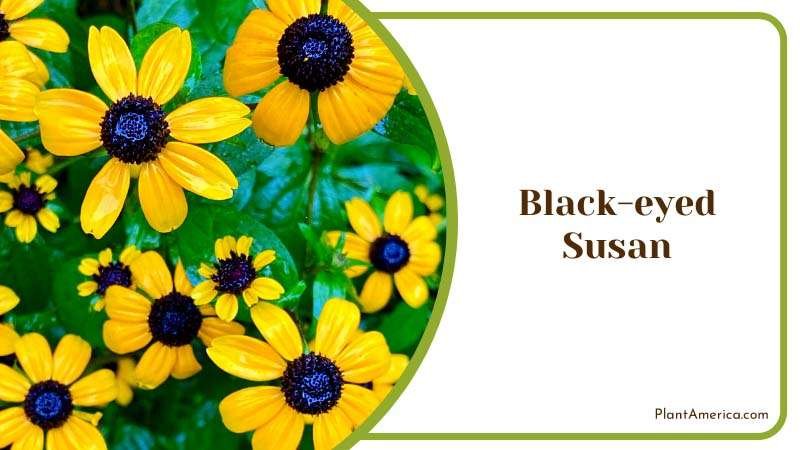
Black Eyed Susans are cheerful yellow daisy-like flowers that bloom in summer. They get their name from the dark brown center that resembles a person’s eye. These flowers will add color to your garden from June through September.
Plant Black Eyed Susan seeds directly in the garden in spring after the last frost. They grow well in full sun and most soil types as long as it drains well. You can also buy starts at your local nursery. No deadheading is needed – the flowers will self-seed and return yearly.
These perennial flowers are low maintenance. They don’t need much water or fertilizer once established. Black Eyed Susans attract pollinators like bees, butterflies, and hummingbirds to your garden all summer long.
In fall, the flower stems hold fluffy white seeds that drift on the breeze. Birds and small mammals eat the seeds through winter. The dried flowers also add interest after blooming ends. With their cheerful yellow color and long bloom time, Black Eyed Susans are a great plant for brightening up beds and borders in your garden all summer.
9. Pansy
- Growing season: Spring, Fall
- Leaf shape: Basal, Simple
- Specific needs: Part shade, Moist soil
- Common pests: Slugs, Aphids
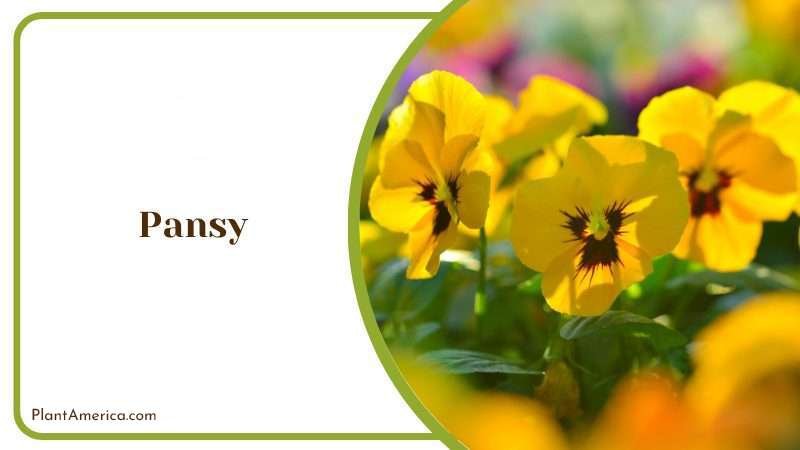
Pansies are beloved cool-season annuals loved for their cheerful-faced blooms. Native to mountainous regions in Europe and Asia, these “flowers with faces” add lively pops of color during spring and fall. Three lower petals are enlarged with darker streaks resembling eyes; two side petals form cheeks, and the top forms a smiling nose.
Pansies thrive in partial shade with cooler temperatures between 45-70 degrees Fahrenheit. Deadheading spent flowers encourages continuous blooms until the first frosts. Their delicate tricolor faces bring joy to beds, borders, and containers from early spring until late fall.
Modern hybrids have enlarged petals on stronger stems, with new varieties blooming even in heat. Some boast attractive foliage colors like ‘Madness Rose’ with burgundy leaves. With their cheerful smiles lighting up gardens for months, pansies’ abundant charm has made them a favorite of home gardens worldwide. Few flowers match their ability to lift spirits on gray days with beams of vibrant color.
10. Petunia
- Growing season: Spring, Fall
- Leaf shape: Alternate, Simple
- Specific needs: Full sun, Well-drained soil
- Common pests: Slugs, Aphids
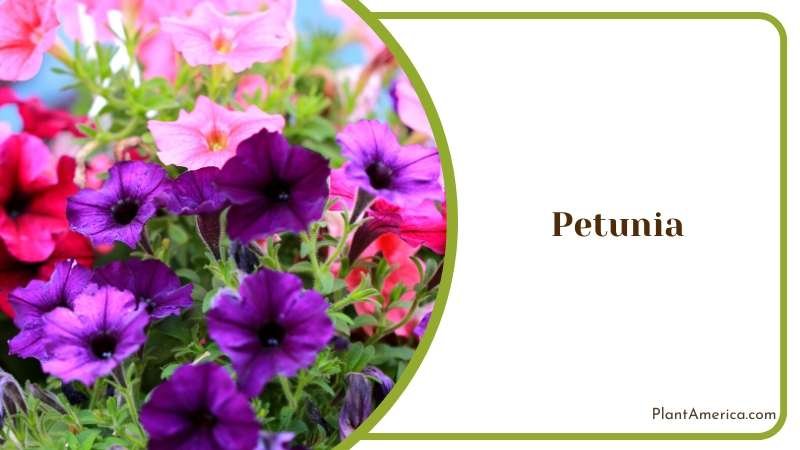
Petunias produce showy trumpet-shaped flowers in blue, purple, pink, and white hues. The leaves are alternate and simple. They range in size from trailing six to 24 inches tall, depending on variety and conditions. These herbaceous perennials can be grown annually and are winter hardy only in zones 10 through 11.
The abundance of blooms and long flowering season of petunias make them ideal front yard flowers, filling gardens with waves of color throughout the year. Plant petunias in masses along borders and beds where their profusion of blooms will create a welcoming display for residents and passersby alike.
11. Marigold

- Growing season: Summer
- Leaf shape: Alternate, Palmately, Lobed
- Specific needs: Full sun, Well-drained soil
- Common pests: Slugs, Aphids
Marigolds are a cheerful and familiar sight in home gardens from summer through fall. Their bright blooms in yellow, gold, and orange shades provide a nice pop of color. Quickly grown from seed, marigolds are low-maintenance perennials that attract beneficial pollinators and repel nuisance pests.
The African and French varieties are the two main types of marigolds commonly found in gardens. African marigolds have larger blooms on compact plants and are the type most often grown. French marigolds have a more delicate, finely cut leaf and smaller bloom. Both thrive in sunny locations and average garden soil.
In addition to their cheerful color display, marigolds offer other benefits to the home garden. Their pungent scent helps repel insects like aphids, tomato hornworms, and flea beetles without using chemicals. This makes them helpful companion plants. Pollinators are also drawn to their nectar-rich blooms.
Come fall, deadhead spent flowers to tidy plants and allow for potential reblooming if temperatures remain warm. Foliage may start turning brown, but plants can often remain standing through several light frosts. Clipping off faded tops in late fall provides a clean look through winter.
With minimal care needs and resistance to most pests and diseases, marigolds are a top pick for any gardener looking to add summer cheer while enjoying a pest-deterring companion plant. Their bright colors and longevity make these annuals a worthwhile investment.
12. Zinnia

- Growing season: Summer, Fall
- Leaf shape: Alternate, Palmately, Lobed
- Specific needs: Full sun, Well-drained soil
- Common pests: Slugs, Aphids
Zinnias are vibrant annual flowers renowned for their long blooming period and easy cultivation. Native to Mexico and Central America, zinnias have been hybridized into various sizes, shapes, and colors that brighten any summer garden.
From mid-summer until frost, clusters of single or double blooms arise directly from the stems. Flowers resemble dahlias, coming in pompom, star, cactus, or blanket shapes up to 6 inches across. Vibrant hues include reds, oranges, yellows, pinks, purples, and whites.
Zinnias thrive in full sun with average, well-draining soil. They require minimal care beyond watering during dry spells. Deadheading spent blooms encourage further flowering until the first frost. Because they are annuals, zinnias must be regrown from seed sown directly outdoors in spring after the last frost.
Within formal beds or informal borders, zinnias provide cheerful seasonal color. Their long flowering season and sculptural blooms in myriad jewel tones bring visual delight. Cutting zinnias for bouquets extends their indoor enjoyment. Pollinators swarm their nectar-rich flowers as well.
With their durability, diversity, and dazzling displays from mid-summer on, zinnias should be considered essential components of any garden striving to attract beneficial insects or requiring minimal fuss. A staple of children’s gardens, zinnias instill an early love of growing beauty from seed.
13. Coneflower
- Growing season: Summer
- Leaf shape: Alternate, Compound
- Specific needs: Full sun, Moist soil
- Common pests: Slugs, Aphids
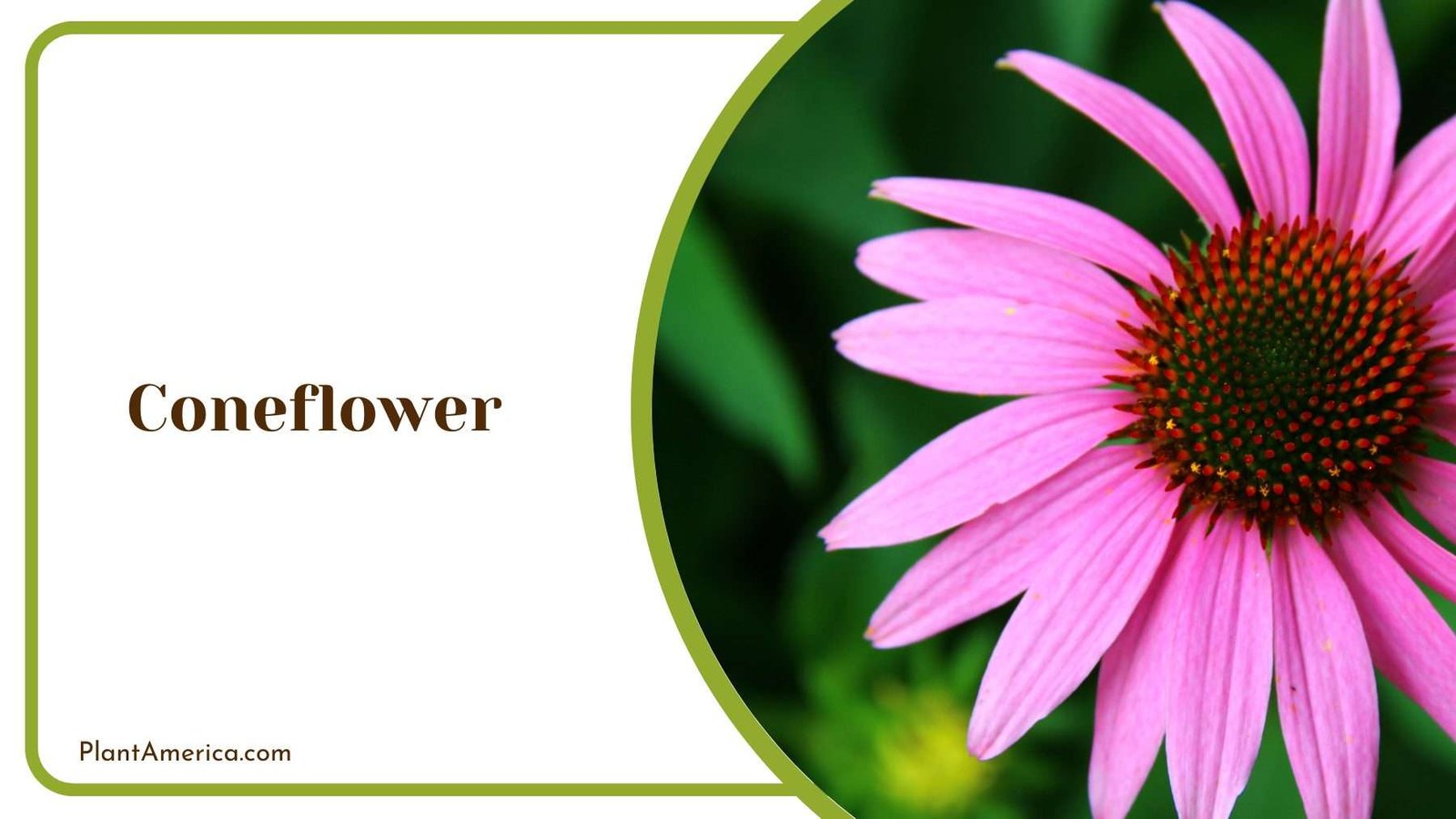
Coneflowers, called Echinacea, are popular perennial flowers known for their drooping petals shaped like cones or domes. They come in shades of pink, purple, and white and bloom from summer through fall. Coneflowers attract lots of pollinators to the garden with their plentiful nectar.
Plant coneflower seeds or divided roots in spring or fall in a spot with full sun. They prefer average, well-draining soil. No deadheading needed – the remaining seed heads look nice and feed birds in winter.
These hardy flowers are drought tolerant once established and don’t need much care apart from occasional dividing every few years. They come back reliably each summer for an extended display. Native Americans also used coneflowers medicinally for centuries.
With their attractive bloom shape, range of colors, pollinator appeal, and no-fuss nature, coneflowers make a great perennial addition to brighten any sunny garden bed or border for months.
14. Cosmos
- Growing season: Summer, Fall
- Leaf shape: Alternate, Compound
- Specific needs: Full sun, Moist soil
- Common pests: Slugs, Aphids
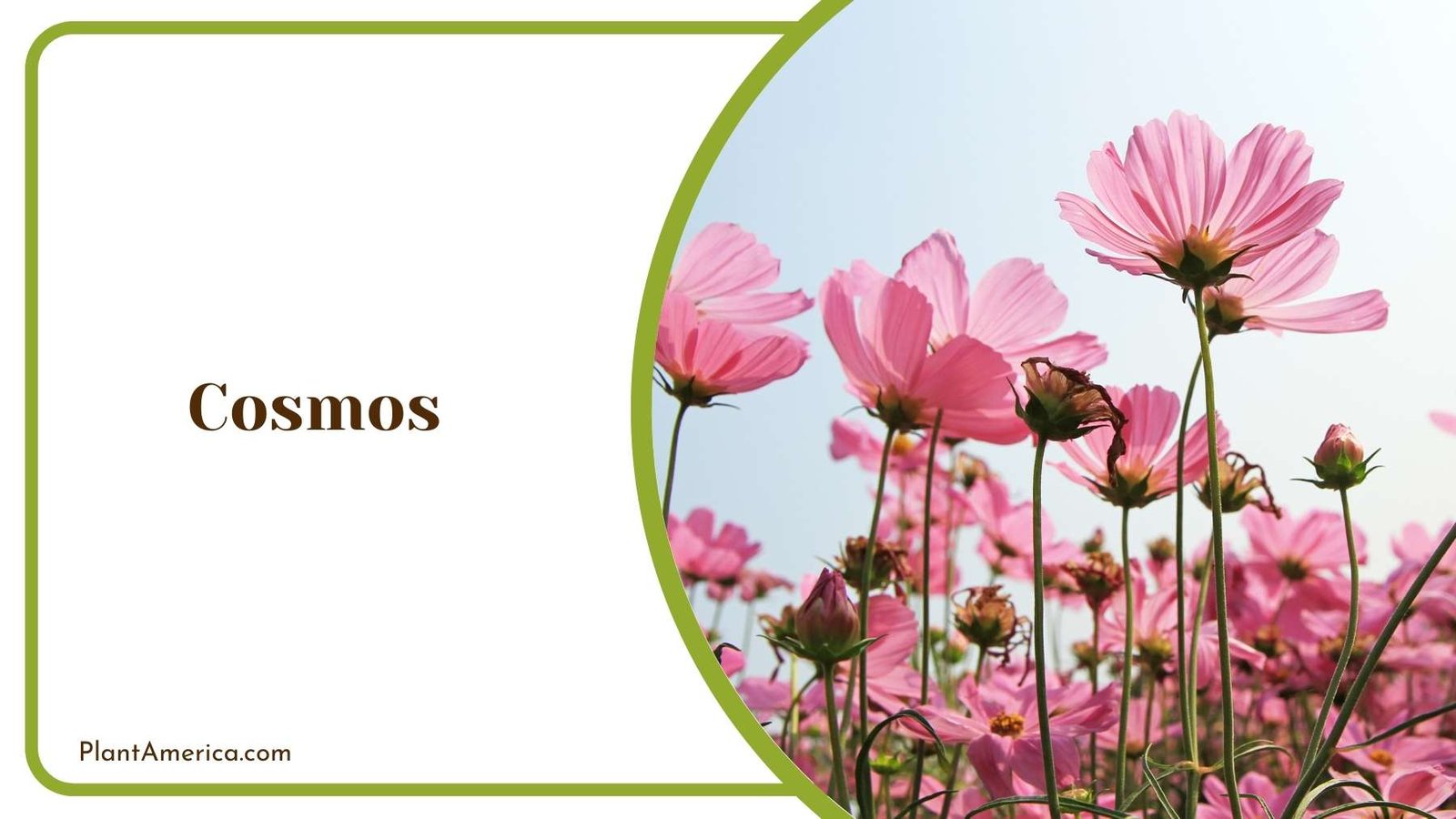
Cosmos are beloved annuals known for their delicate fern-like foliage and airy blooms, uplifting gardens in summer and fall. Native to Mexico and South America, over 200 species adapt well to varying climates worldwide.
Cosmos thrive in most well-draining soils under full sun, blooming continuously with deadheading. Their informal, wispy habit features feathery palmate leaves, providing an herbal aroma. Taller varieties like the ‘Sonata’ series produce spectacular floral spires atop their foliage.
Attracting beneficial pollinators, the cosmos’ extended blooms feed butterflies, bees, and hummingbirds. As the winter arrives, seed heads follow suit, fascinating children and adding winter decorations interest when dried.
With non-stop color, gracefulness, and ease of culture, the cosmos imparts uplifting sunshine to gardens for months. Their naturalized habit naturalizes borders beautifully. Few flowers ensure more weekends spent admiring bouquets indoors too. Cosmos remain garden staples guaranteeing smiles all summer long.
15. Salvia
- Growing season: Summer
- Leaf shape: Opposite, Simple
- Specific needs: Full sun, Well-drained soil
- Common pests: Slugs, Aphids
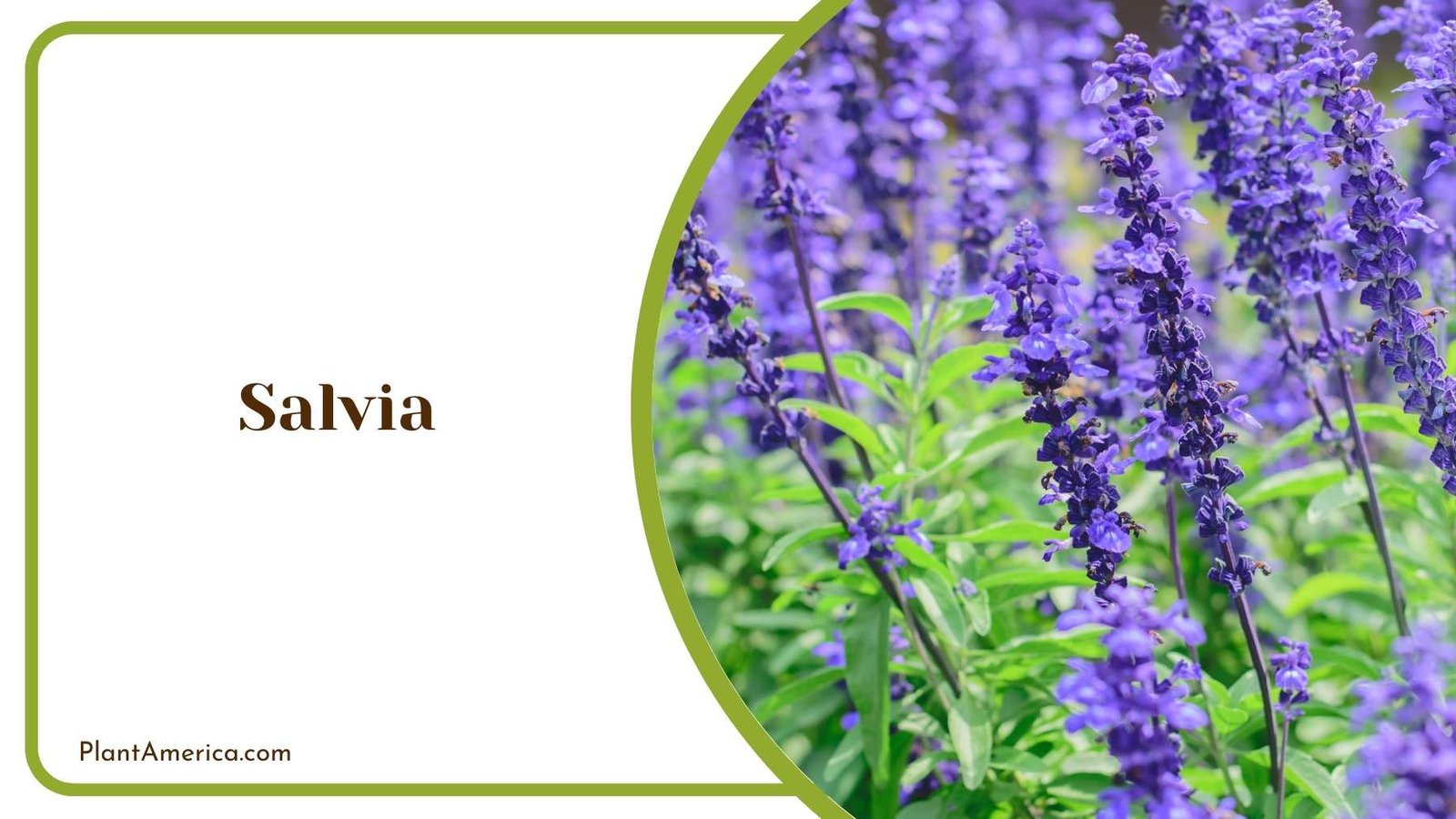
Sages produce spikes of tubular flowers in red, purple, pink, and blue hues. The leaves are opposite and straightforward, remaining on the plant all season. Sages thrive in full sun and fast-draining soil. They range from one to four feet tall, depending on the variety. These perennials are winter hardy zones six through nine with protection.
The cheerful flower spikes, long bloom time, and gray-green foliage of sages make them ideal front yard flowers, adding vertical interest and pops of color from summer to fall. Plant sages in groups near entrances where the abundance of bright blooms will welcome and delight residents and passersby.
16. Yarrow
- Growing season: Summer
- Leaf shape: Fern-like, Compound
- Specific needs: Full sun, Well-drained soil
- Common pests: Slugs, Aphids
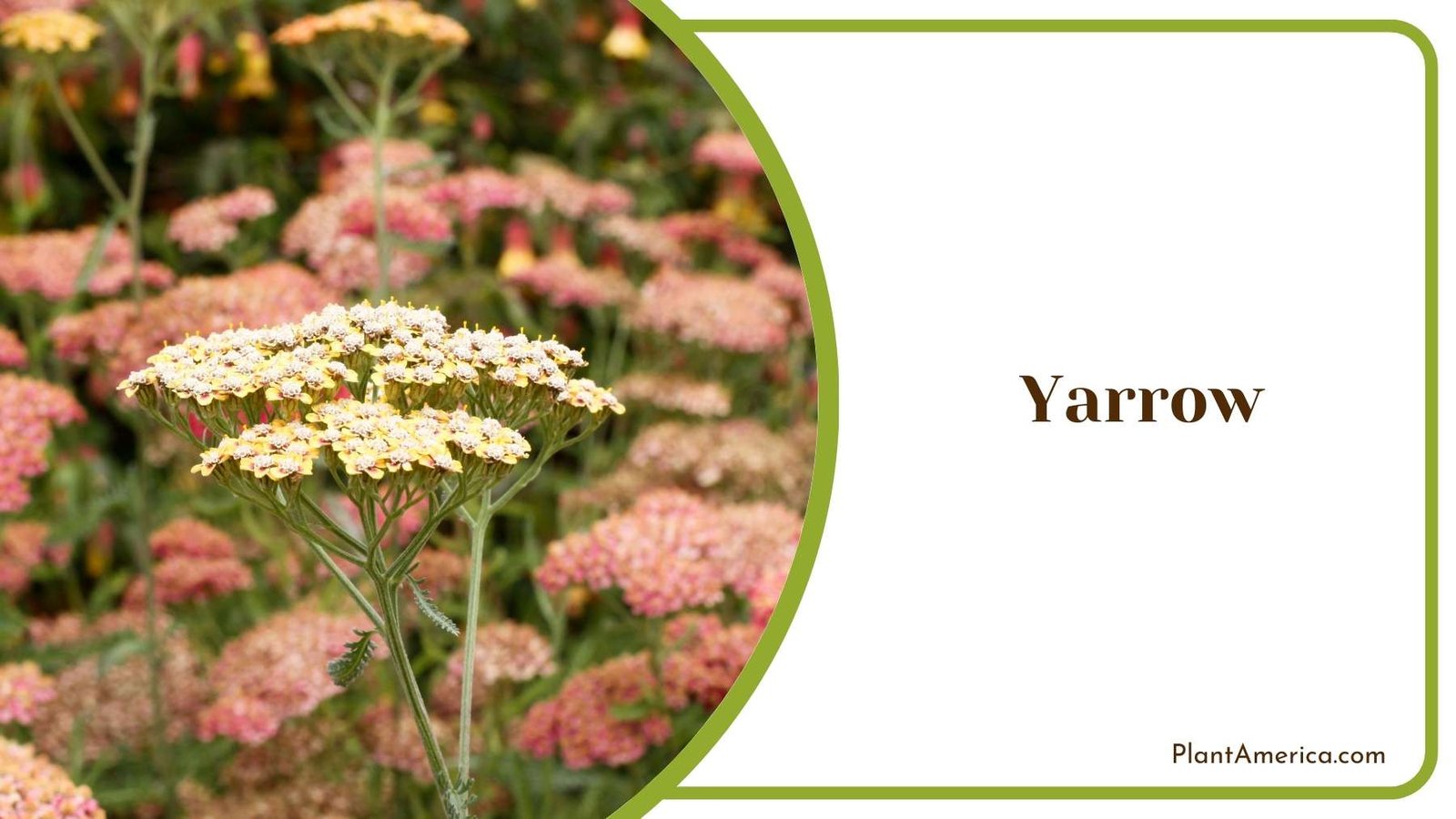
Yarrow is a resilient yet delicate-looking perennial flower recognizable by its feathery fronds of small white or pink flowers. Native to temperate regions of Europe, Asia, and North America, yarrows are remarkably hardy and low-maintenance plants that thrive in well-draining soils and full sun. They add an architectural, airy element to borders or naturalized areas and provide weeks of color from summer into fall.
Over 200 species of yarrow vary in flower color, height, and bloom time. Common garden yarrows include ‘Moonshine’ with bright yellow flowers; ‘Paprikash’ bearing red blooms; and ‘Coronation Gold’ which flowers bright yellow.
Yarrows erupt from summer through early fall in constant blooms attractive to beneficial pollinators like bees, butterflies, and birds. Individual flowers only last a day, but new buds continuously form to prolong the visual impact. Leaving seed heads intact through winter also provides food and habitat for birds.
Yarrows mix well into natural plantings, meadow gardens, wildlife habitats and xeriscaping for their low care needs. Their fluffy white, pink, or yellow flowers add lovely texture, drought tolerance, and benefits for pollinators. Deadheading is not necessary since it promotes re-blooming.
These adaptable perennials are low allergens once mature, used throughout history for medicinal purposes, and lend a soft, feathery presence to mixed borders, patios, and container gardens too. Yarrows offer enduring beauty with minimal effort required on the gardener’s part. Their resilient nature makes them a valuable addition to any landscape.
17. Butterfly Bush
- Growing season: Summer
- Leaf shape: Opposite, Simple
- Specific needs: Full sun, Well-drained soil
- Common pests: Slugs, Aphids
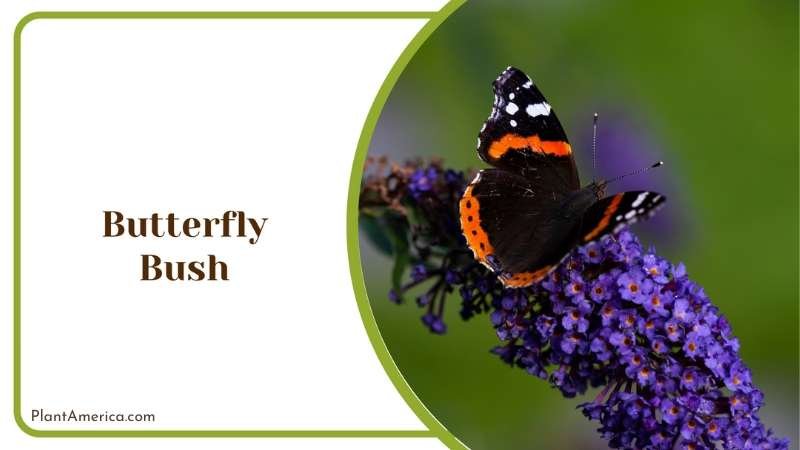
Butterfly bush is a fast-growing, summer-blooming shrub beloved by pollinators. Native to China, it was introduced to Europe and North America as an ornamental. The species Buddleja davidii and its many cultivars have since naturalized throughout warm temperate regions.
Butterfly bushes thrive in full sun with average soil that drains well. They tolerate heat, drought, wind, and pollution once established. Pruning after flowering encourages bushy regrowth and repeated blooming. Plants may be cut back hard in late winter. Propagation is by seed, stem cuttings, or division in spring.
Covered with nectar-rich blooms, butterfly bushes attract swarms of pollinators. Birds also feed on the seeds. They serve as bold high-summer accents, screenings, or hedges in the landscape. Their carefree nature is well-suited to complex sites with inhospitable conditions.
While not long-lived, butterfly bushes deliver crowded seasons of fragrant blooms with negligible maintenance needs in exchange. Their hardworking nature has secured butterfly bush a revered role among warm-season bloomers worldwide for creating bee-friendly habitats or adding seasonal drama to gardens on a budget.
18. Sunflower
- Growing season: Summer
- Leaf shape: Alternate, Compound
- Specific needs: Full sun, Moist soil
- Common pests: Slugs, Spider mites
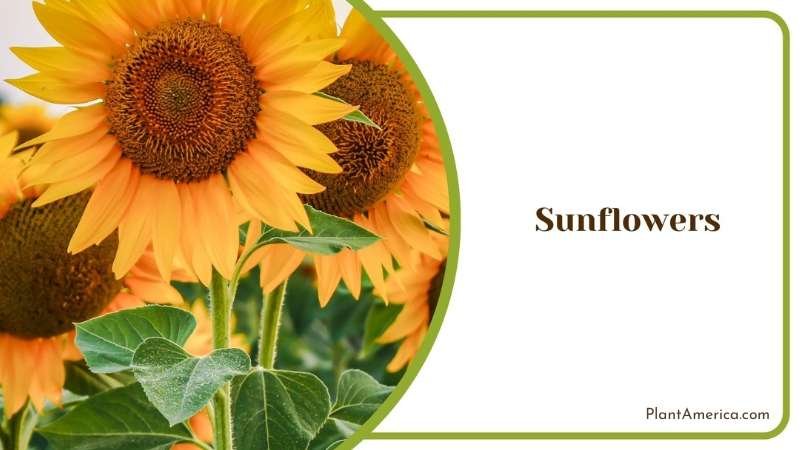
Sunflowers add cheerful height and color to any garden from summer into fall. Known for their giant flower heads that track the sun, sunflowers come in various sizes, from dwarf to over 12 feet tall.
Sunflowers thrive in most soil as long as it drains well. A single sunflower head can contain hundreds of seeds. Birds love the seeds in fall. Leave heads on the stalks for wildlife, or cut them to enjoy indoors.
Sunflowers require little care beyond regular watering for best growth. Their statuesque forms provide height in backgrounds or borders for months. Some reseed for next year if seeds spread. With so many sizes, sunflowers will fit any space. Their cheerful smiles brighten up your days all summer long for beautiful, low-maintenance blooms..
19. Peony
- Growing season: Spring
- Leaf shape: Alternate, Compound
- Specific needs: Part shade, Moist soil
- Common pests: Slugs, Spider mites
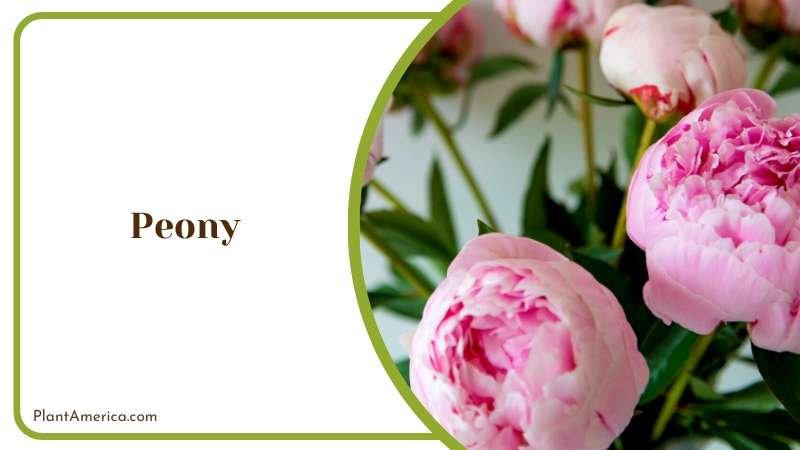
Peonies produce large bowl-shaped flowers in hues of pink, white, red, and coral. The large, alternate leaves are palmately compound. Peonies thrive in part shade and consistently moist, well-draining soil. They grow two to four feet tall. These perennials are winter hardy in zones three through eight.
The cheerful, showy blooms, distinctive foliage, and fruity fragrance of peonies make them ideal front yard flowers, adding visual impact and cheer to gardens in spring. Plant peonies in groups where their abundance of blooms will uplift spirits and delight residents and passersby with their exuberant display.
Conclusion
The flowers highlighted bring cheerful colors, fragrances, and textures to greet visitors and lift residents’ spirits season after season.
- Coneflowers thrive with little maintenance once established, filling planters and beds with abundant color.
- Sunflowers create dynamic and welcoming curb appeal, drawing praise from passersby.
- Daffodils produce cheerful trumpet-shaped blooms in hues of yellow, orange, pink, and white.
Fill your entryway gardens with the cheerful burst of color, the welcome vibrancy, and the soothing fragrances of beautiful front yard flowers. With new sights to discover daily and the spirits of loved ones lifted, your home’s front verge will become a space of happiness and comfort for family and friends.