
Florida vines can transform your outdoor space from drab to fab; and with the right twisty climber, you can turn bare walls, fences, and pergolas into living works of art. We have rounded up some stunning varieties of Florida vines that will bring your exterior oasis to life with lush greenery, colorful blooms, and intoxicating fragrances.

Whether you want fast-climbing vines for privacy, flowering vines for fragrance, or evergreen vines for year-round appeal, there’s a perfect choice here to suit your space and sense of style. So if you are ready to say goodbye to boring fences and blank walls, welcome the task of transforming your outdoor area into an enchanting garden getaway!
Florida Vines That Will Revitalize Your Outdoor Gardens
1. Trumpet Vine
- Growing Season: Deciduous
- Leaf Shape: Alternate, Palmately Compound
- Specific Needs: Full sun, Consistently moist, Well-draining soil
- Common Pests: Aphids, Japanese beetles
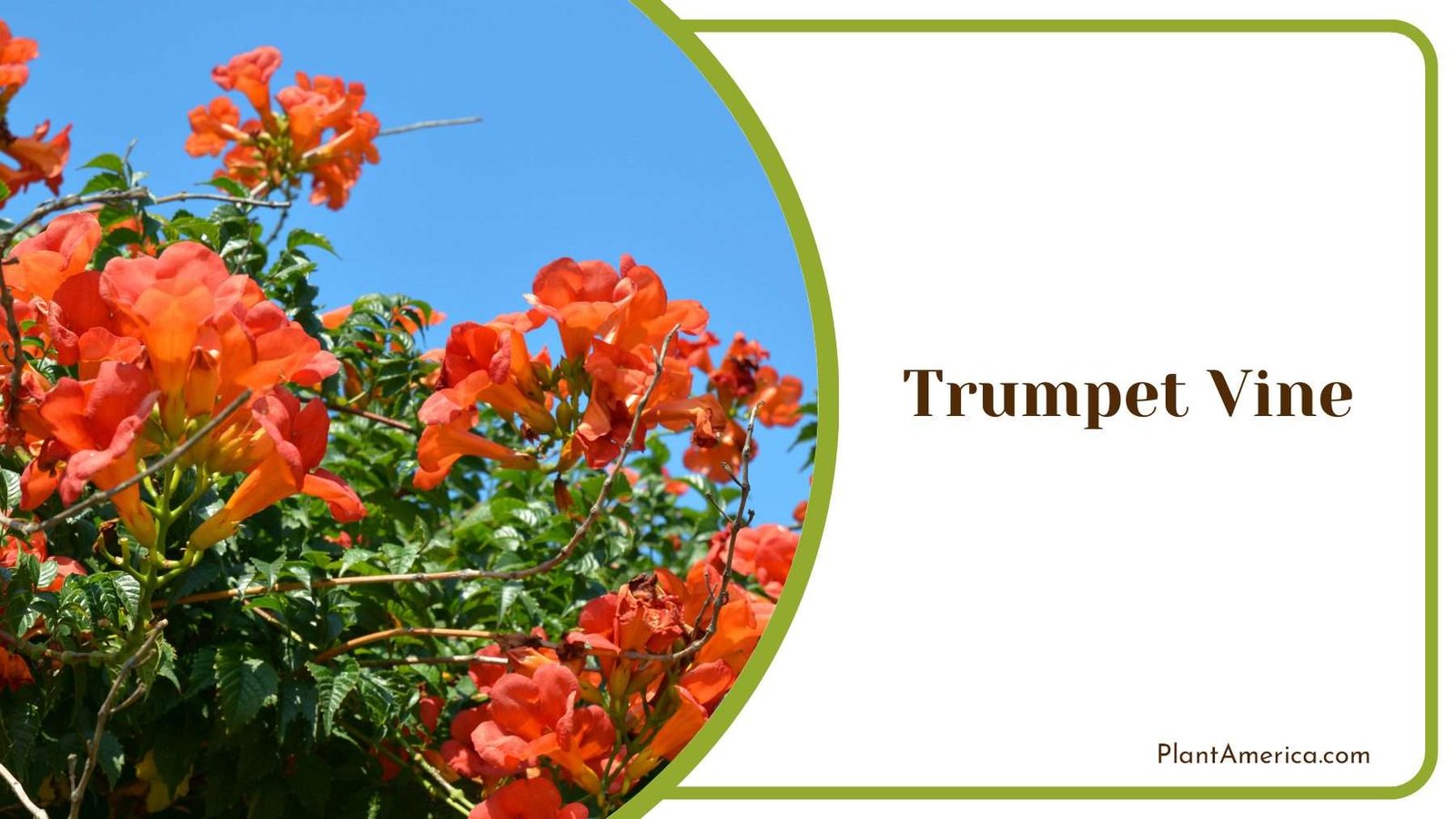
The trumpet vine is named from the pendulous tubular flowers that bloom from early summer through fall. The fragrant orange-red blossoms resemble miniature trumpets dangling from the vines.
Trumpet vine (Campsis radicans) climbs 20 to 30 feet using strong tendrils. The vine requires consistent moisture and plenty of direct sunshine to thrive and produce copious blooms. Fertilize annually in spring. Prune immediately after flowering to maintain shape, remove dead or damaged growth, and improve air circulation. Avoid heavy pruning that removes too much foliage at once.
Aphids cluster on new growth, sucking sap and reducing vigor. Control with insecticidal soap spray. The Japanese beetles chew on leaves in summer. You can hand-pick them or spray plants with neem oil.
Overall, the trumpet vine makes an excellent choice for Florida vines that are fast-growing and spectacular in bloom. The dense cover and screening they provide and their tolerance for harsh conditions make them a reliable addition to any landscape. With patience, time, and proper pruning, trumpet vines develop a magnificent blossom display that transforms any outdoor space into an oasis of fragrance and natural beauty.
2. Confederate Jasmine

- Growing Season: Evergreen
- Leaf Shape: Alternate, Oblong pointed
- Specific Needs: Full sun, Consistently moist soil
- Common Pests: Scale insects, Caterpillars
Confederate jasmine has fragrant star-shaped white flowers that bloom from spring through fall, covering the vine with an intoxicating perfume. Confederate jasmine (Trachelospermum jasminoides) climbs 10 to 20 feet using twining stems. The vine requires moist, well draining soil and full sun exposure for maximum bloom production.
Prune directly after flowering in spring to maintain shape and size. New growth typically appears on last year’s wood, so avoid heavy pruning that removes large amounts of old growth. Scale insects and mealybugs feed on sap and reproduce rapidly, damaging foliage and reducing bloom. Control with horticultural oil sprays in mid-winter and mid-summer.
Caterpillars also chew on leaves. Hand-pick caterpillars and remove heavily damaged foliage. Their reliability and responsiveness to training and ability to thrive with limited care make Confederate jasmine vines an ideal option for transforming fences, walls, and pergolas year-round in any Florida landscape.
3. Lady Bank’s Rose
- Growing Season: Evergreen
- Leaf Shape: Alternate, Deeply lobed
- Specific Needs: Full sun, Consistently moist, Well-draining soil
- Common Pests: Scale insects, Caterpillars
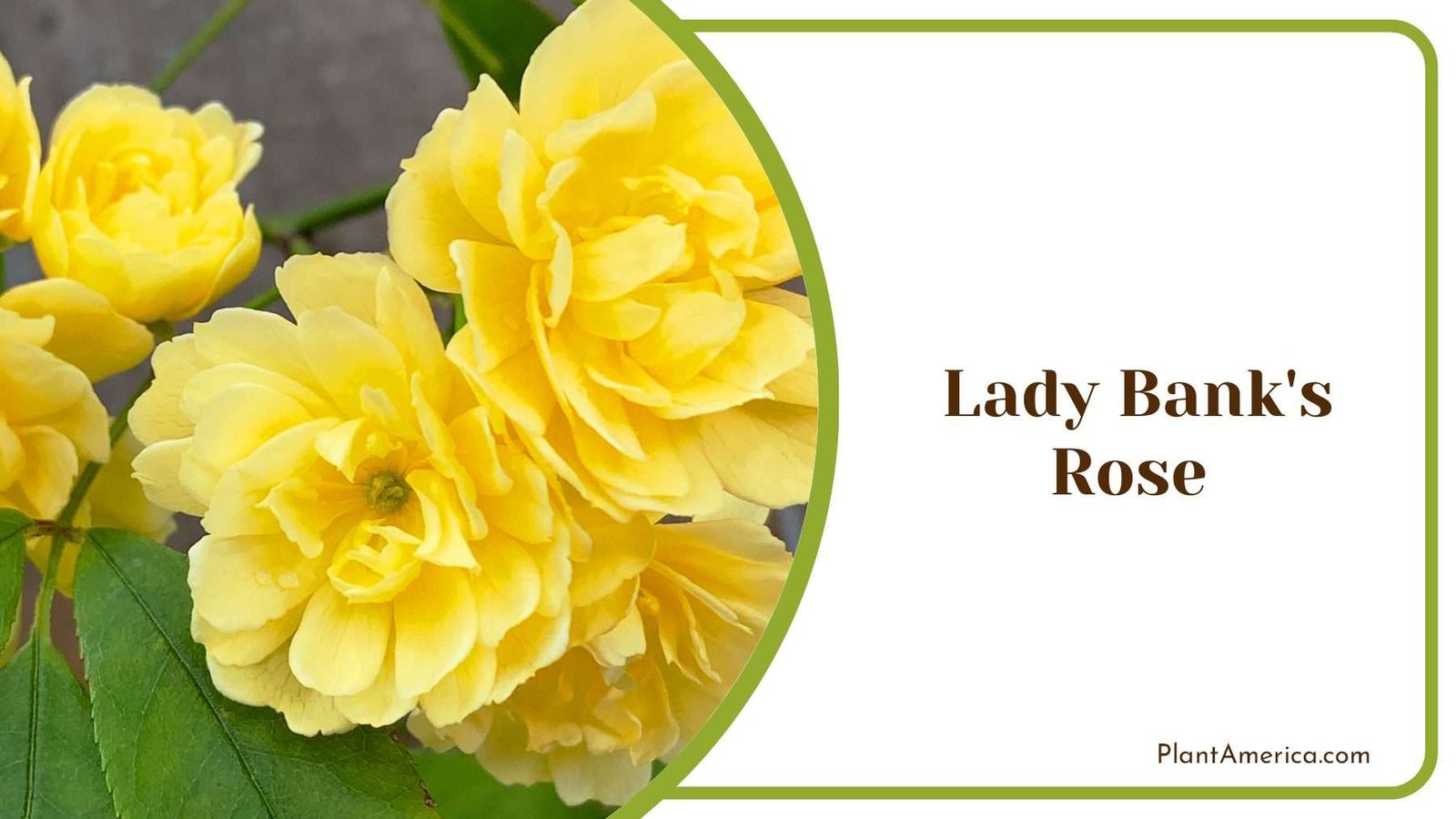
Lady Bank’s rose produces clusters of fragrant double pink buds that attract pollinators yearly. Lady Bank’s rose (Rosa banksiae ‘Lutea’) climbs 20 to 30 feet using recurved thorns as anchors. The vine thrives in full sun and requires consistently moist, well draining soil to bloom prolifically.
Prune directly after flowering in spring by removing dead or damaged stems. New growth initiates from lower buds so avoid heavy pruning that removes too much foliage at once. Scale insects feed on new growth, causing branch dieback. Control with horticultural oil sprays applied directly to stems and undersides of leaves in late winter and mid-summer.
4. Passion Flower Vine
- Growing Season: Deciduous (Evergreen vine)
- Leaf Shape: Alternate, Palmately Compound
- Specific Needs: Full sun, Consistently moist soil
- Common Pests: Scale insects, Spider mites
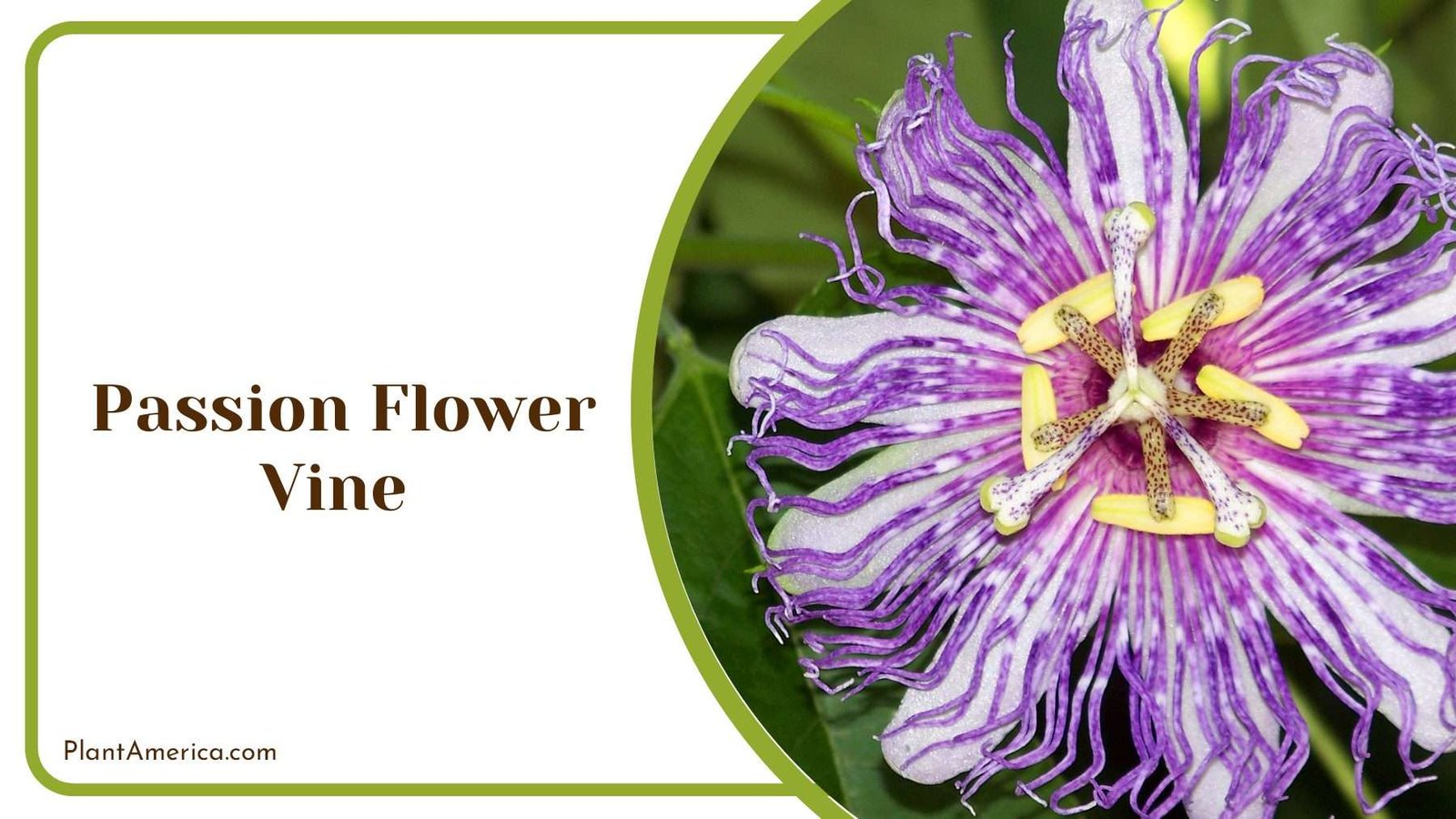
The showy blooms of passion flower vines feature elaborate structures in shades of purple, blue and white, attracting bees, flies, and hummingbirds to their nectar. Passion flower vines (Passiflora species) climb by twining and can grow 20 to 60 feet long, destroying their supports if left unchecked. They require consistently moist but well draining soil and plenty of sunshine.
Prune passion flowers directly after flowering by removing dead growth and crossing or rubbing stems. New growth initiates from the base so avoid removing too much older wood at once. Spider mites feed on the backside of leaves, causing yellow spotting and leaf drop. Horticultural oil sprays in spring and summer help control infestations, especially during dry periods.
5. Purple Moonflower
- Growing Season: Deciduous vine
- Leaf Shape: Alternate, Heart-shaped leaves
- Specific Needs: Full sun, Consistently moist soil
- Common Pests: None
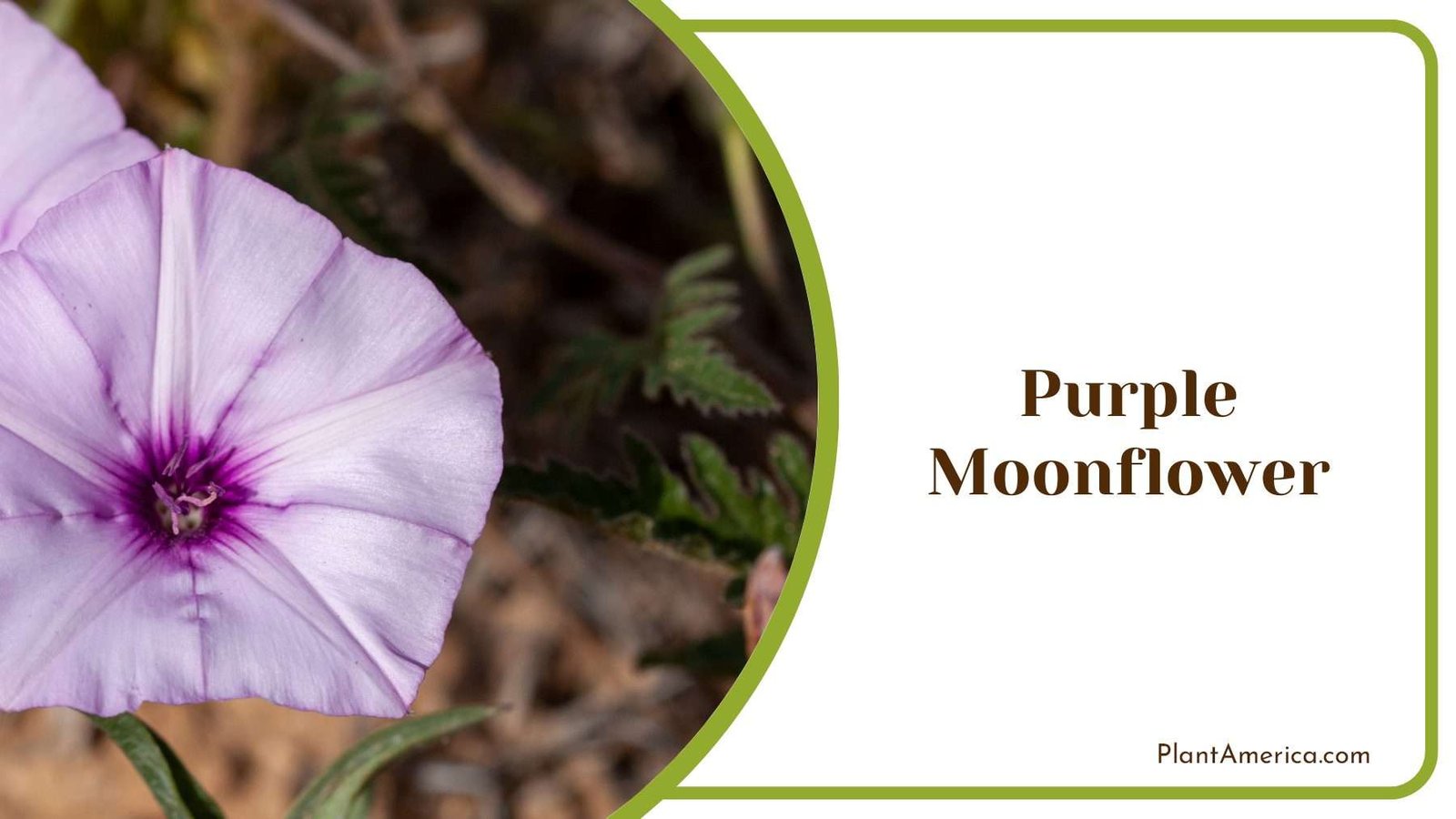
Significant Purple moonflower produces clusters of urn-shaped fragrant white flowers that open at dusk and wither by morning, attracting night-flying pollinators. Purple moonflower (Ipomoea purpurea) vines grow up to 20 feet long using tendrils. They require consistently moist but well-draining soil and full sun exposure to bloom prolifically.
Prune directly after spring flowering by removing dead or damaged stems. New flowering occurs on the current season’s growth so avoid heavy pruning that removes too much foliage at once. Moonflowers are generally trouble-free vines with no significant insect pests. Apply a balanced, organic fertilizer in spring to boost new growth and flowering.
Their fast growth rate, ability to thrive in average soils, and minimal pest problems make them a sound option for adding dramatic flair to any landscape with minimal care requirements beyond regular pruning.
6. Coral Honeysuckle
- Growing Season: Deciduous vine
- Leaf Shape: Alternate, Oval
- Specific Needs: Full sun, Consistently moist soil
- Common Pests: Aphids
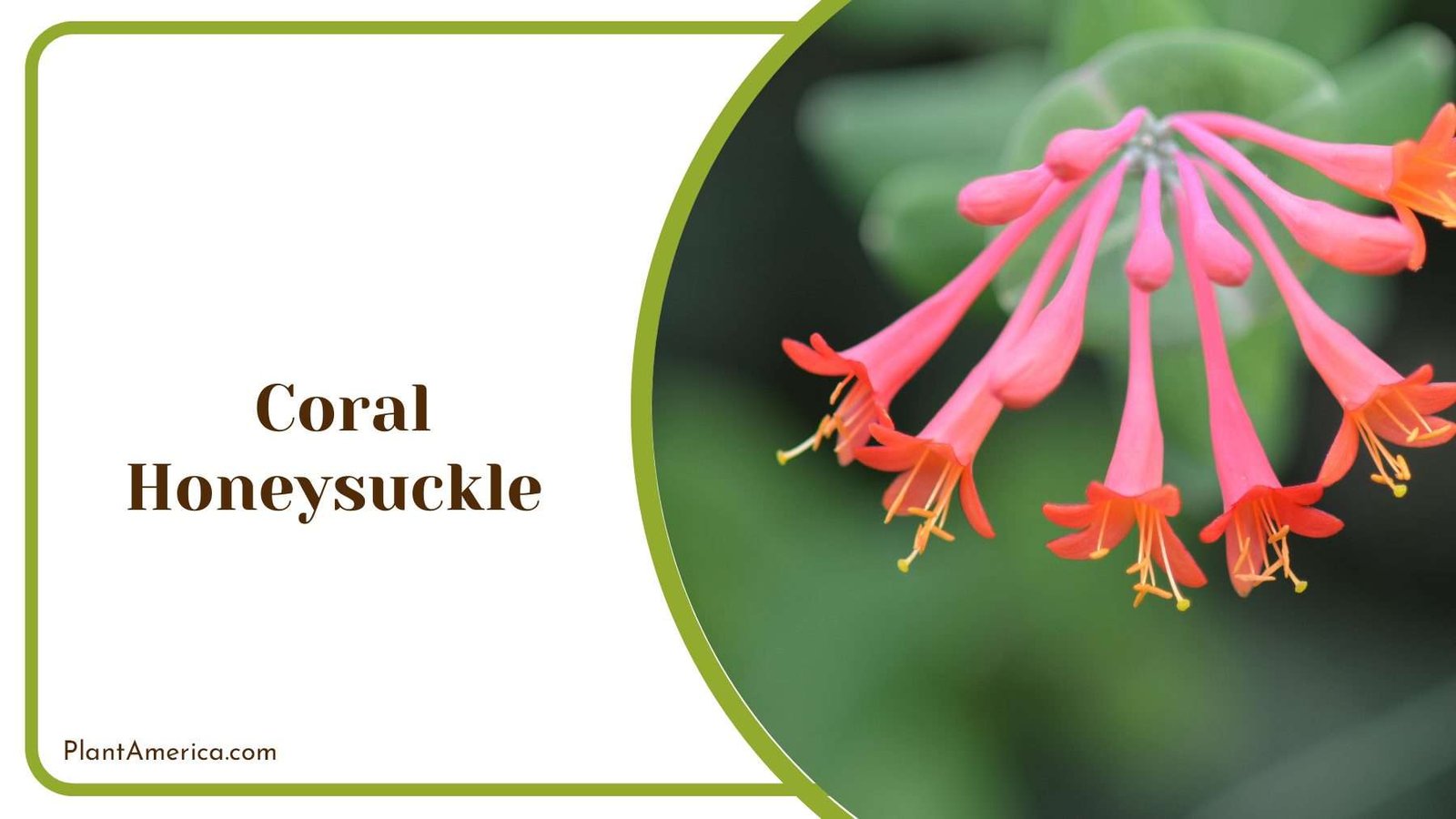
Coral honeysuckle produces dangling clusters of tubular coral-pink flowers that attract hummingbirds, bees, and butterflies to their nectar throughout summer. Coral honeysuckle (Lonicera sempervirens) vines climb by twining and can grow 20 to 30 feet long.
They require consistently moist but well draining soil and plenty of sunshine for maximum bloom production. Prune directly after flowering in late summer to maintain size and shape. New growth and flowering occur on the current season’s stems so avoid heavy pruning during the growing season. Also, it is easy to transplant your honeysuckle vine.
Coral honeysuckle generally has no significant insect pest issues. An application of balanced organic fertilizer in spring stimulates bud formation for an abundant floral display. Overall, coral honeysuckle makes an excellent choice for Florida vines that offer dependable summer bloom color combined with adaptability and easy care requirements.
Their reliability, minimal pest problems, and tolerance for harsh conditions make coral honeysuckle vines a practical option for transforming any fence, wall, or arbor into an oasis of seasonal color with minimal effort.
7. Cross Vine
- Growing Season: Evergreen
- Leaf Shape: Alternate, Glossy
- Specific Needs: Sheltered site, Consistently moist soil
- Common Pests: Leaf spot fungus, Aphids
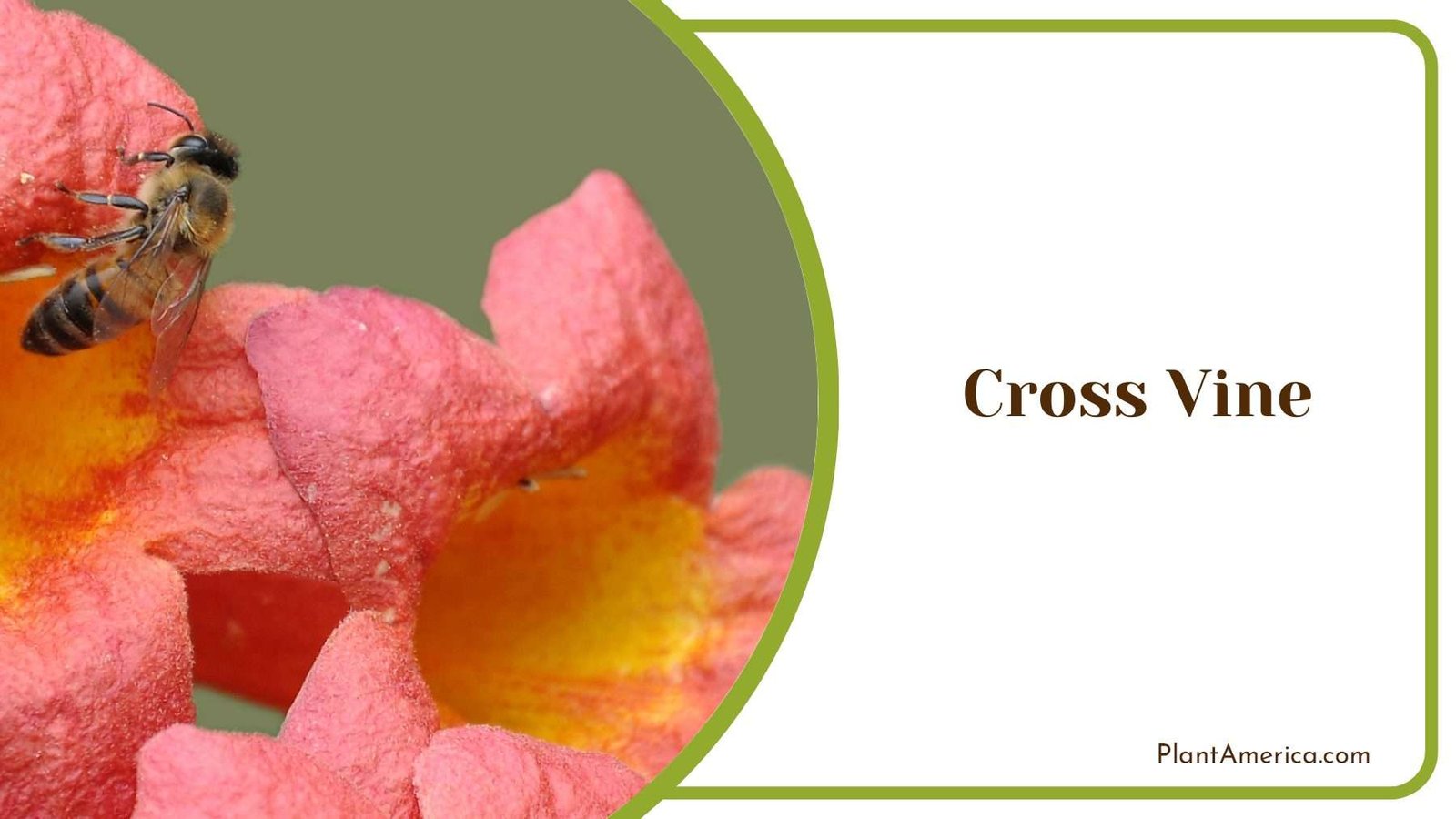
The cross vine produces panicles of small white flowers that release a pleasant fragrance, followed by clusters of purple berries that attract birds. Cross vine (Bougainvillea glabra) climbs by twining and can grow 50 to 80 feet long if supported. It requires consistently moist but well draining soil and protection from cold winds.
Prune in late winter by thinning older stems and heading back to new growth to maintain size. New growth occurs on old wood so avoid removing too much mature growth at once. Leaf spot fungus sometimes damages foliage during rainy periods. Increasing air circulation and fungicide sprays help prevent the spread and reinfection of foliage.
Overall, cross vine makes an excellent choice for Florida vines that offer evergreen screening and wildlife appeal combined with striking thorny stems. Their reliability, ability to thrive in tough conditions and minimal care requirements beyond pruning make cross vine an enduring choice for transforming bare walls, fences, and sheds into tropical sanctuaries with natural ease and grace.
8. Purple Wisteria
- Growing Season: Deciduous vine
- Leaf Shape: Alternate, Pinnately Compound
- Specific Needs: Full sun, Consistently moist, Well-draining soil
- Common Pests: Japanese beetles, Aphids
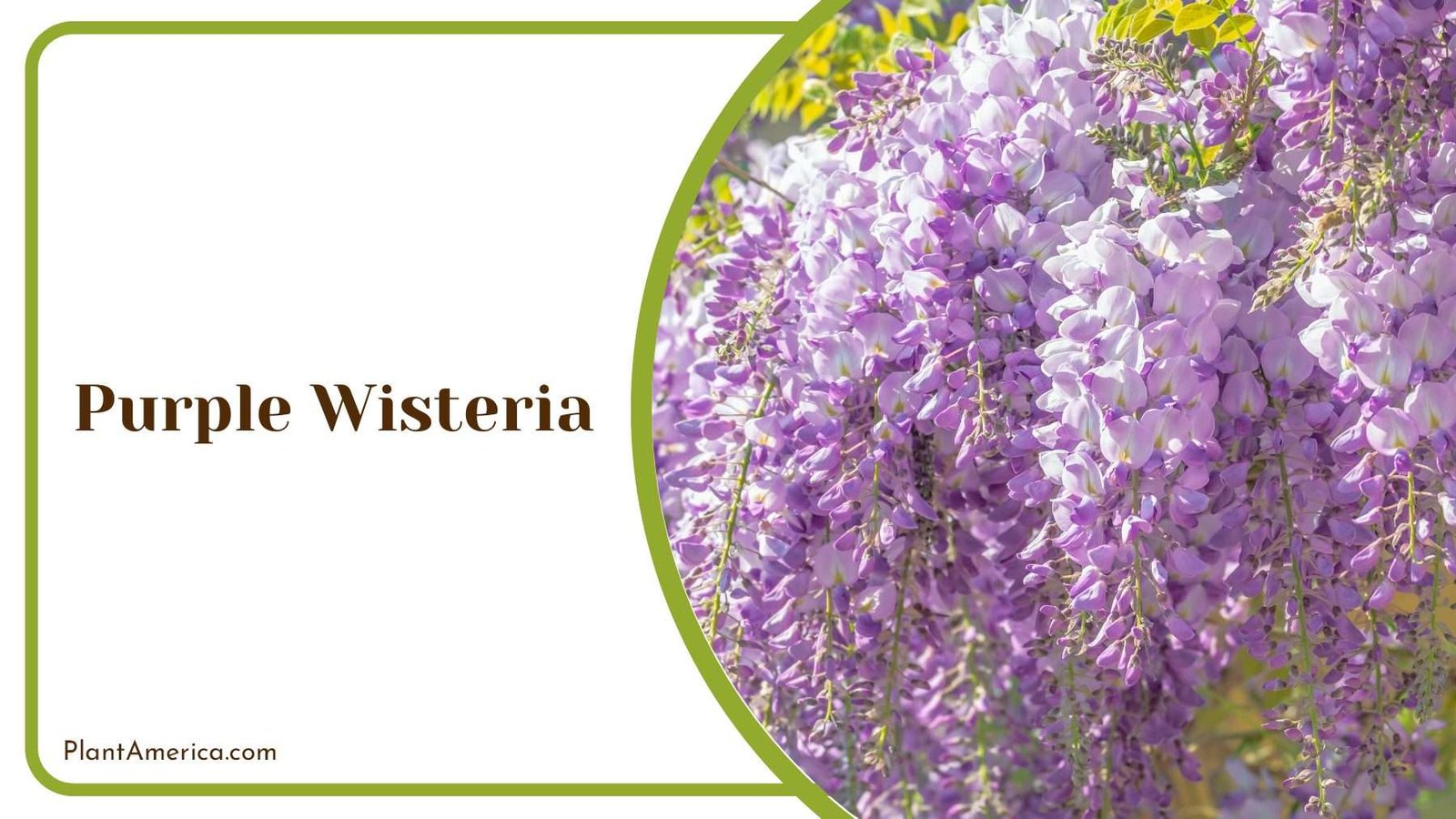
Purple wisteria features cascading clusters of fragrant violet pea-like blossoms in spring that fill the air with intoxicating perfume. Purple wisteria (Wisteria sinensis) climbs 30 to 60 feet using twining stems and suckers that emerge from the roots. This vine requires consistently moist but well draining soil and plenty of sunshine for abundant spring bloom production.
Prune directly after flowering in late spring. New growth appears on aged wood so avoid heavy pruning during the growing season. Remove spindly or crossing stems instead. Japanese beetles feed on foliage in summer, skeletonizing leaves and reducing vigor. Handpick beetles in the early morning before the heat of the day or spray leaves with neem oil to control infestations.
Their fast growth rate (which makes it ideal to transplant it to the area that you want), ability to thrive in average soils, and minimal pest problems make purple wisteria vines a practical option for instantly transforming any landscape into an enchanting garden sanctuary with delicate flowers and intoxicating fragrance.
9. Florida Jasmine
- Growing Season: Evergreen vine
- Leaf Shape: Alternate, Glossy, Oval
- Specific Needs: Full sun, Consistently moist, Well-draining soil
- Common Pests: None significant
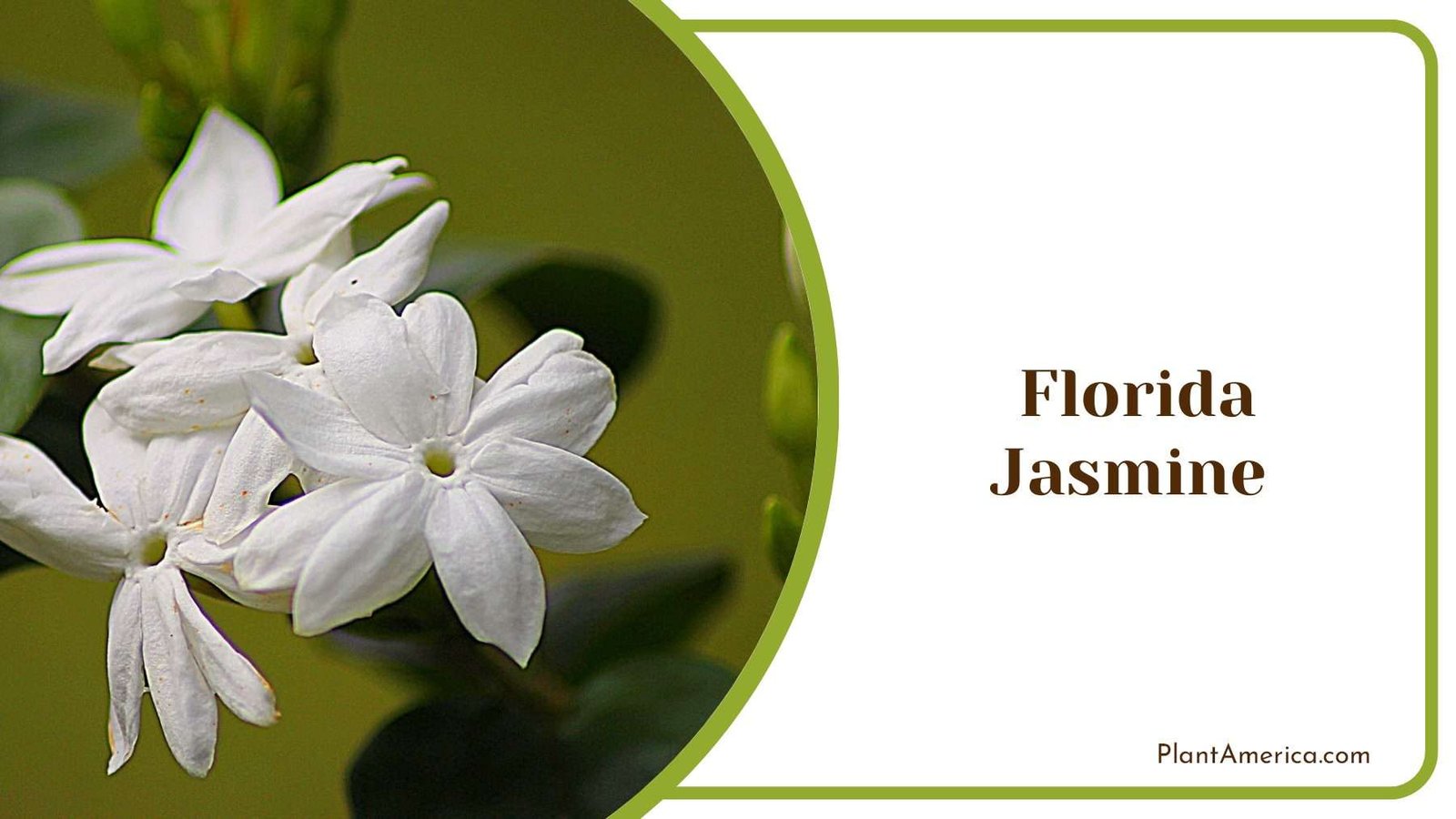
Florida jasmine produces clusters of delicately fragrant yellow star-shaped flowers from spring through fall, coating the vine in an intoxicating perfume. Florida jasmine (Gelsemium sempervirens) climbs by twining and can grow 20 to 30 feet long if supported. It requires consistently moist but well draining soil and full sun exposure to produce maximum bloom.
Prune immediately after flowering to maintain size and shape. New growth typically appears on last year’s wood so avoid heavy pruning during the growing season. Florida jasmine generally has no significant insect pest problems. Apply a balanced organic fertilizer in spring and again in summer to boost new growth and stimulate flowering.
10. Climbing Hyacinth Bean
- Growing Season: Deciduous vine
- Leaf Shape: Alternate, Trifoliate
- Specific Needs: Full sun, Consistently moist, Well-draining soil
- Common Pests: Aphids, Spider mites
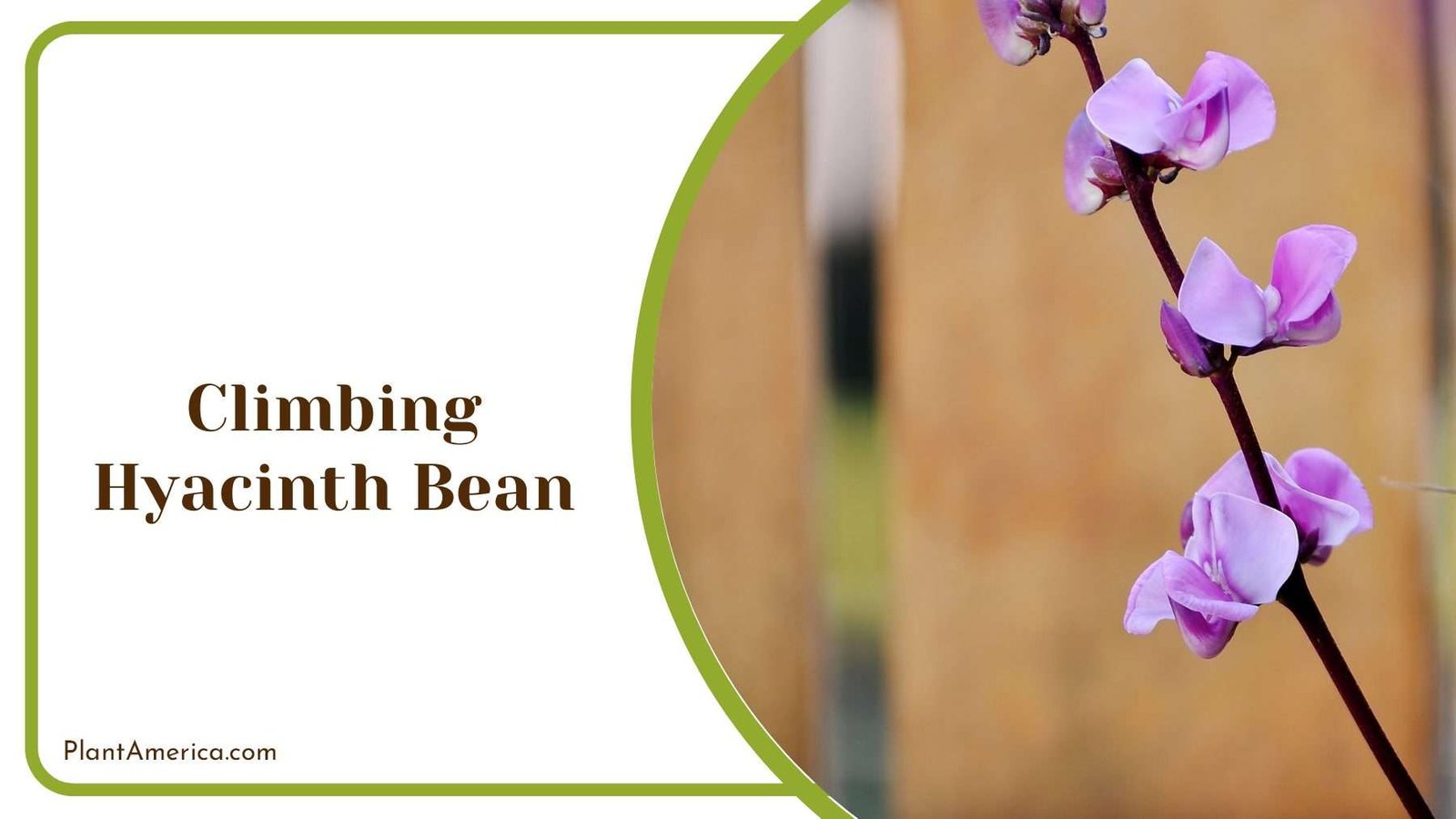
The climbing hyacinth bean produces dangling clusters of fragrant purple and pink flowers throughout summer followed by attractive inflated seed pods. The climbing hyacinth bean (Dolichos lablab) grows 20 to 30 feet long using twining stems and tendrils for support.
This vine requires consistently moist but well draining soil and plenty of sunshine to produce maximum blooms and pods. Prune directly after spring flowering to maintain size and shape. New growth occurs from where tendrils emerge so avoid heavy pruning during the growing season.
Aphids feed on the undersides of new leaves in spring, reducing vigor. Horticultural oil sprays or neem oil applied early at the first sign of infestation help control aphids before populations explode. Overall, the climbing hyacinth bean makes an excellent choice for Florida vines that offer summer color combined with interesting elongated seed pods.
Their fast growth rate, ability to thrive in average soils, and minimal pest problems make climbing hyacinth beans a practical option for instantly transforming fences, pergolas, and arbors into summertime oases of fragrant color and natural wonder.
11. Lace Vine
- Growing Season: Evergreen vine
- Leaf Shape: Alternate, Trifoliate
- Specific Needs: Full sun, Consistently moist, Well-draining soil
- Common Pests: None significant
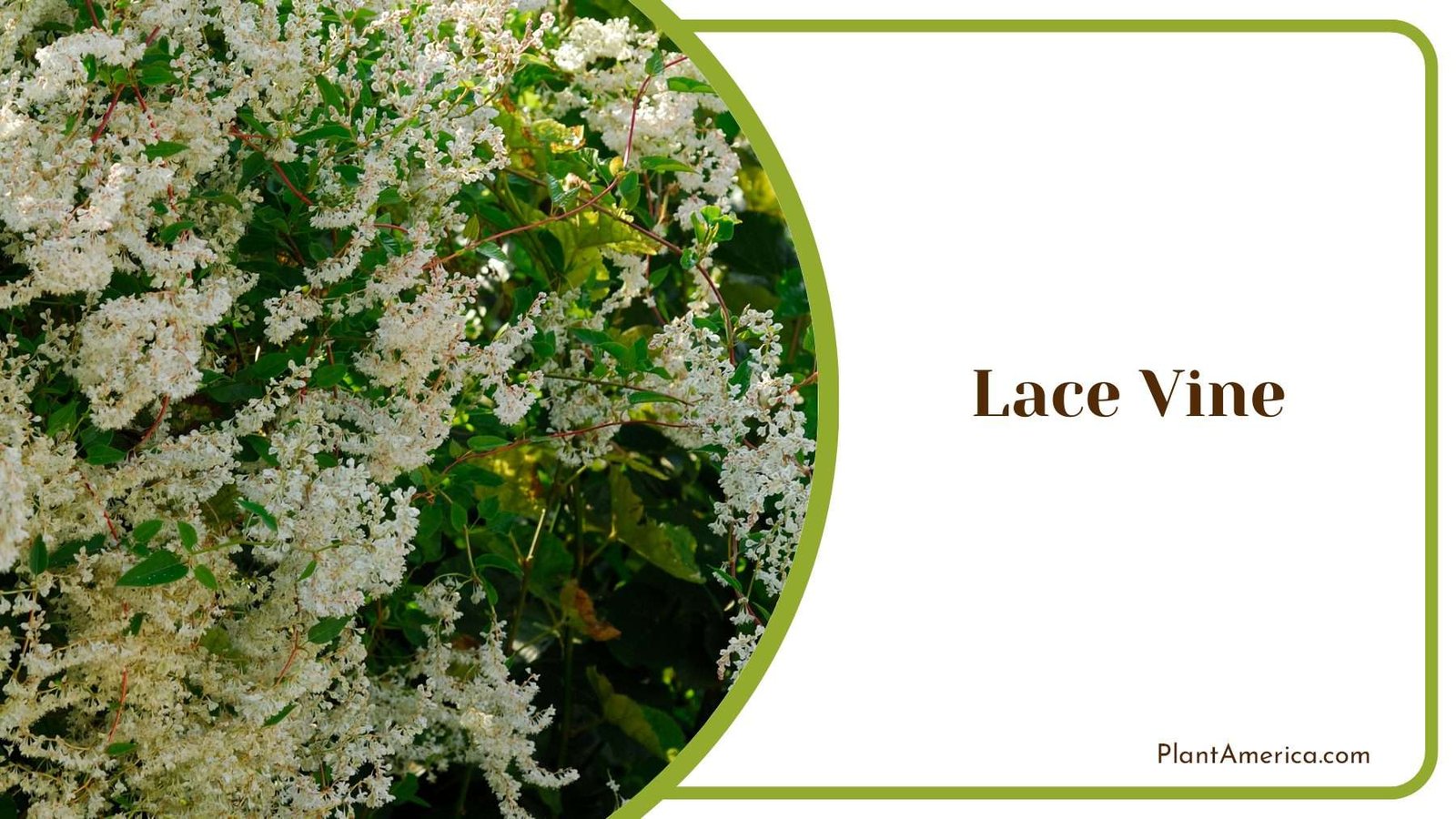
Lace vine produces masses of fragrant white flowers throughout summer followed by rounded seed pods thinly laced with fine silvery hairs. Lace vine (Darmera peltata) climbs using tendrils and can grow 10 to 30 feet long. This vine requires consistently moist but well draining soil and full sun exposure to produce a maximum bloom.
Prune directly after spring growth begins to maintain size and shape. New growth typically appears on last year’s wood so avoid heavy pruning during the growing season. Lace vine generally has no significant insect pest problems. Apply a balanced organic fertilizer in spring and again in summer to boost new growth and stimulate flowering.
12. Thunbergia Vine
- Growing Season: Evergreen vine
- Leaf Shape: Circular, Long stalks
- Specific Needs: Full sun, Consistently moist, Well-draining soil
- Common Pests: None significant
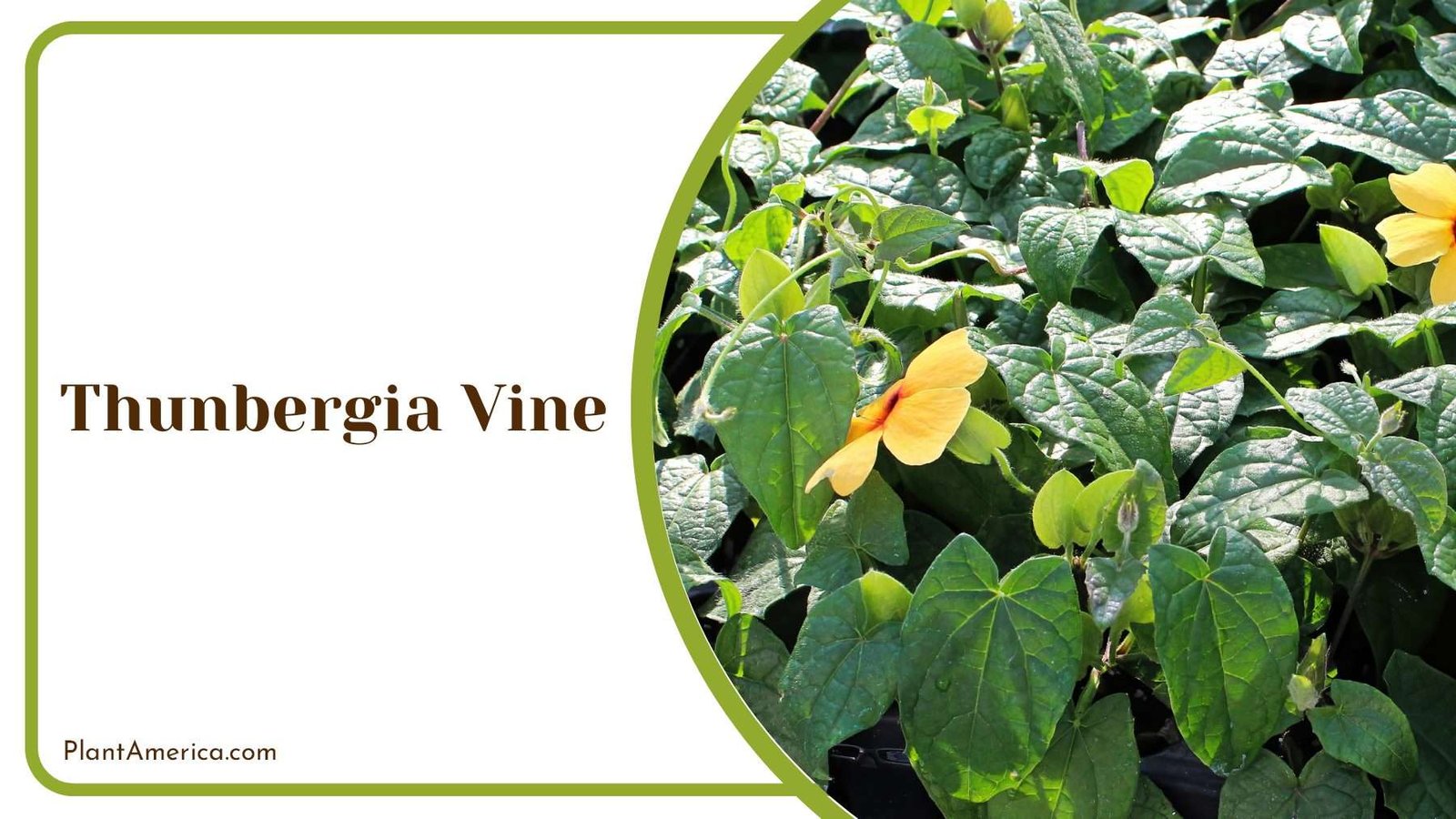
Thunbergia vines produce masses of funnel-shaped flowers in shades of yellow, orange, cream, and purple that attract bees, butterflies, and hummingbirds. Thunbergia vines (Thunbergia species) climb 10 to 20 feet using twining stems and can cover fences and walls quickly. They require consistently moist but well draining soil and plenty of sunshine to produce non-stop bloom.
Prune directly after spring growth begins to maintain size and shape. New growth typically appears on last year’s wood so avoid heavy pruning during the growing season. Thunbergia vines generally have no significant insect pest issues. Apply a balanced organic fertilizer biannually to boost new growth and encourage abundant bloom.
13. Climbing Akebia Vine
- Growing Season: Deciduous vine
- Leaf Shape: Compound, Three leaflets
- Specific Needs: Full sun to partial shade, Consistently moist, Well-draining soil
- Common Pests: Thrips, Aphids
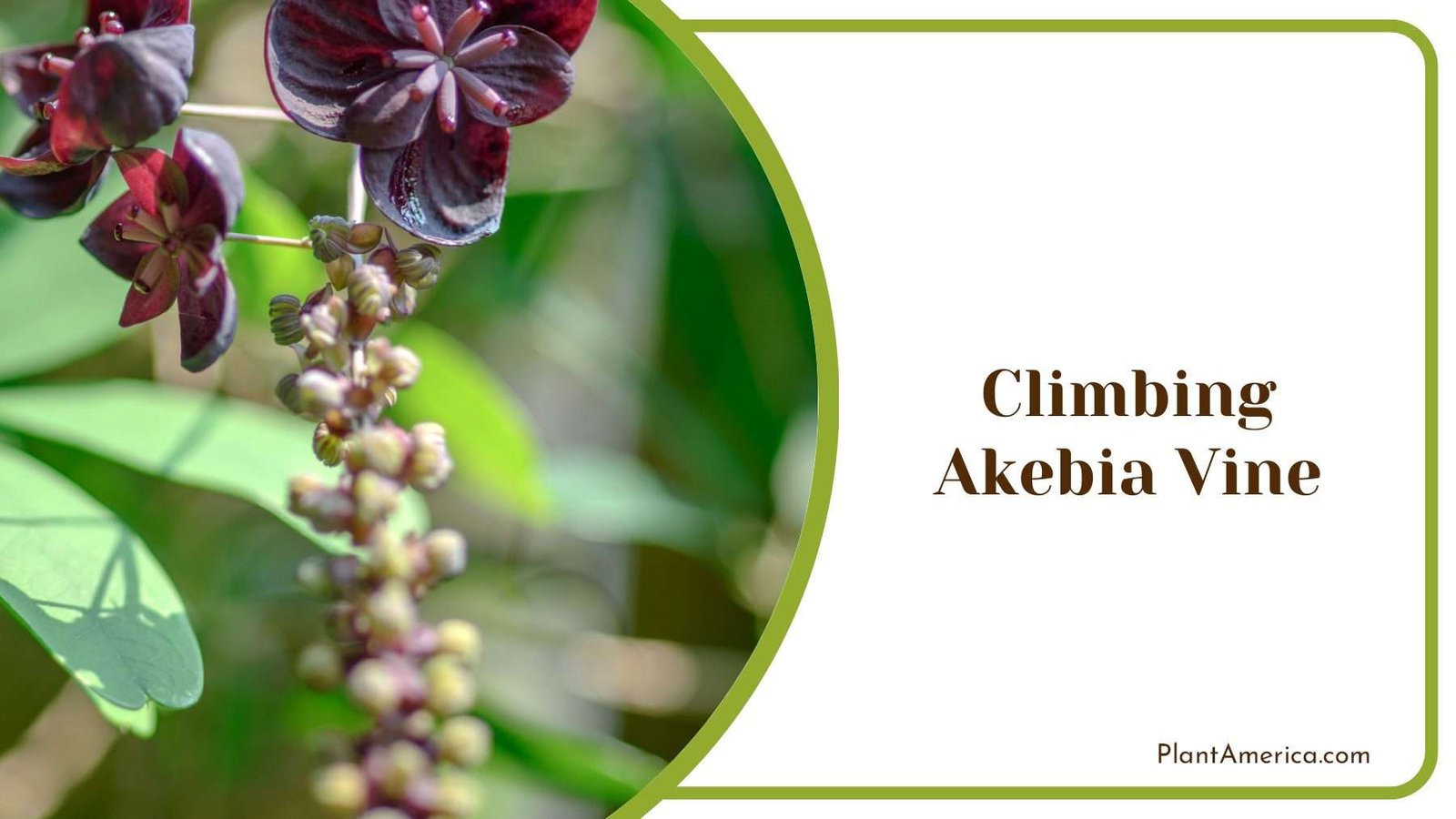
Climbing akebia, Chocolate akebia, or Five-leaf akebia produces dangling clusters of fragrant purple and white flowers in spring followed by skinny reddish pods containing edible black or purple fruit. The climbing akebia vine (Akebia quinata) grows 20 to 30 feet long using tendrils and twining stems.
It requires consistently moist but well draining soil and full sun for maximum bloom and pod production. Prune directly after spring flowering to maintain shape. New growth appears from old wood so avoid heavy pruning during the growing season that removes mature growth.
Thrips feed on flowers, damaging buds and potentially reducing bloom. Floating row covers placed over plants during budding help exclude thrips.
Overall, climbing akebia makes an excellent choice for Florida vines that offer interesting crosswise leaves combined with attractive pods and fall color from foliage. Their low maintenance culture, fast growth rate, and minimal pest problems make climbing akebia vines a sound option for instantly transforming any neglected space into an edible, ever-changing botanical gallery.
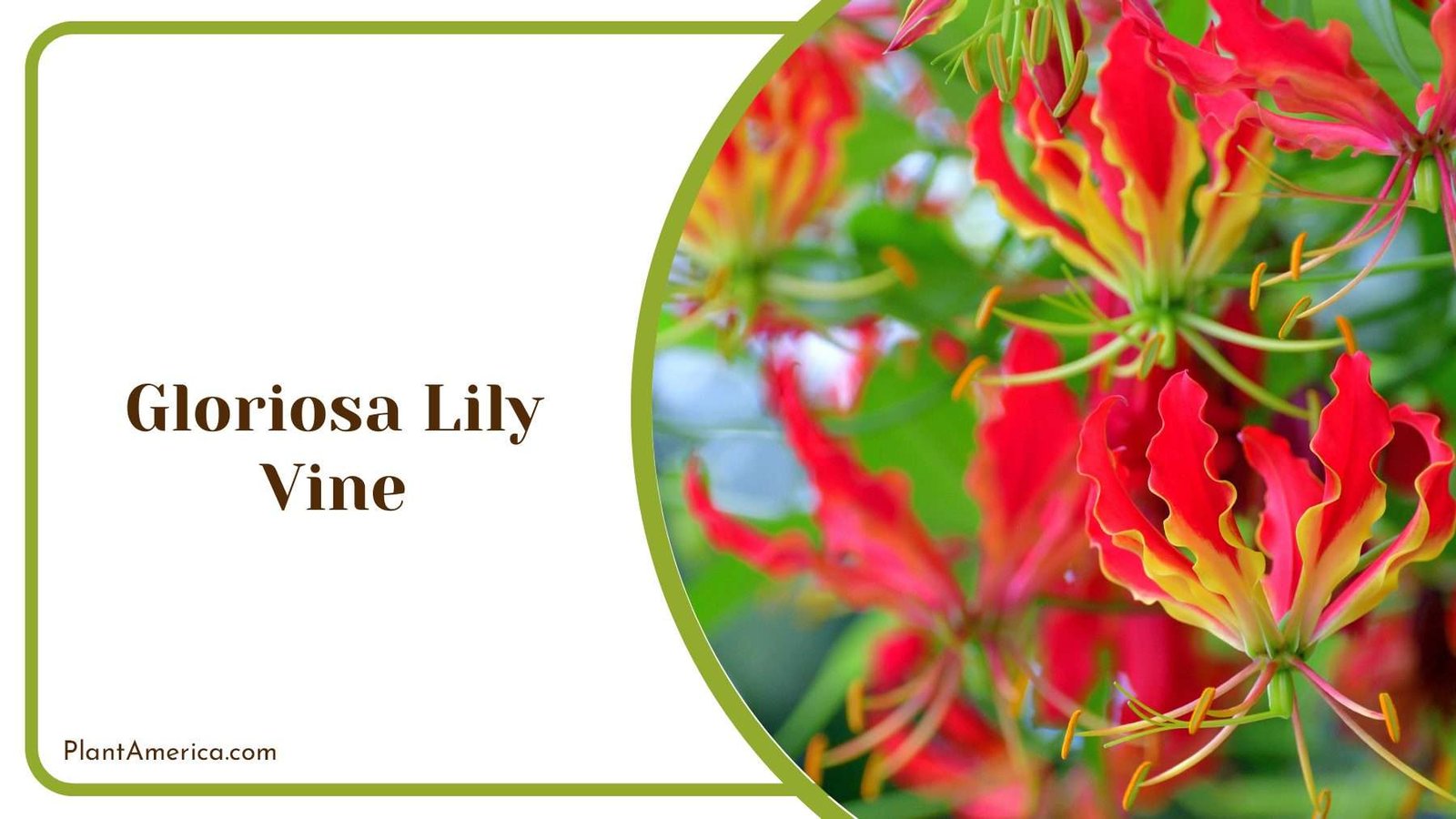
14. Gloriosa Lily Vine
- Growing Season: Evergreen vine
- Leaf Shape: Alternate, Palmately lobed
- Specific Needs: Full sun, Consistently moist, Well-draining soil
- Common Pests: Thrips, Aphids
Gloriosa lily vine produces stunning drooping red and yellow flowers in summer and fall followed by seed pods that explode when ripe, scattering seeds. Gloriosa lily vine (Gloriosa superba) climbs using tendrils and twining stems, able to reach 30 feet in length. This vine requires consistently moist but well draining soil and full sun exposure for abundant bloom production.
Prune directly after spring flowering to maintain shape. New growth arises from rhizomes so avoid heavy pruning that removes too much foliage at once. Aphids feed on new shoots and flower buds, causing distortion and reducing vigor. Horticultural oil sprays applied early at the first sign of damage help control aphids before populations explode.
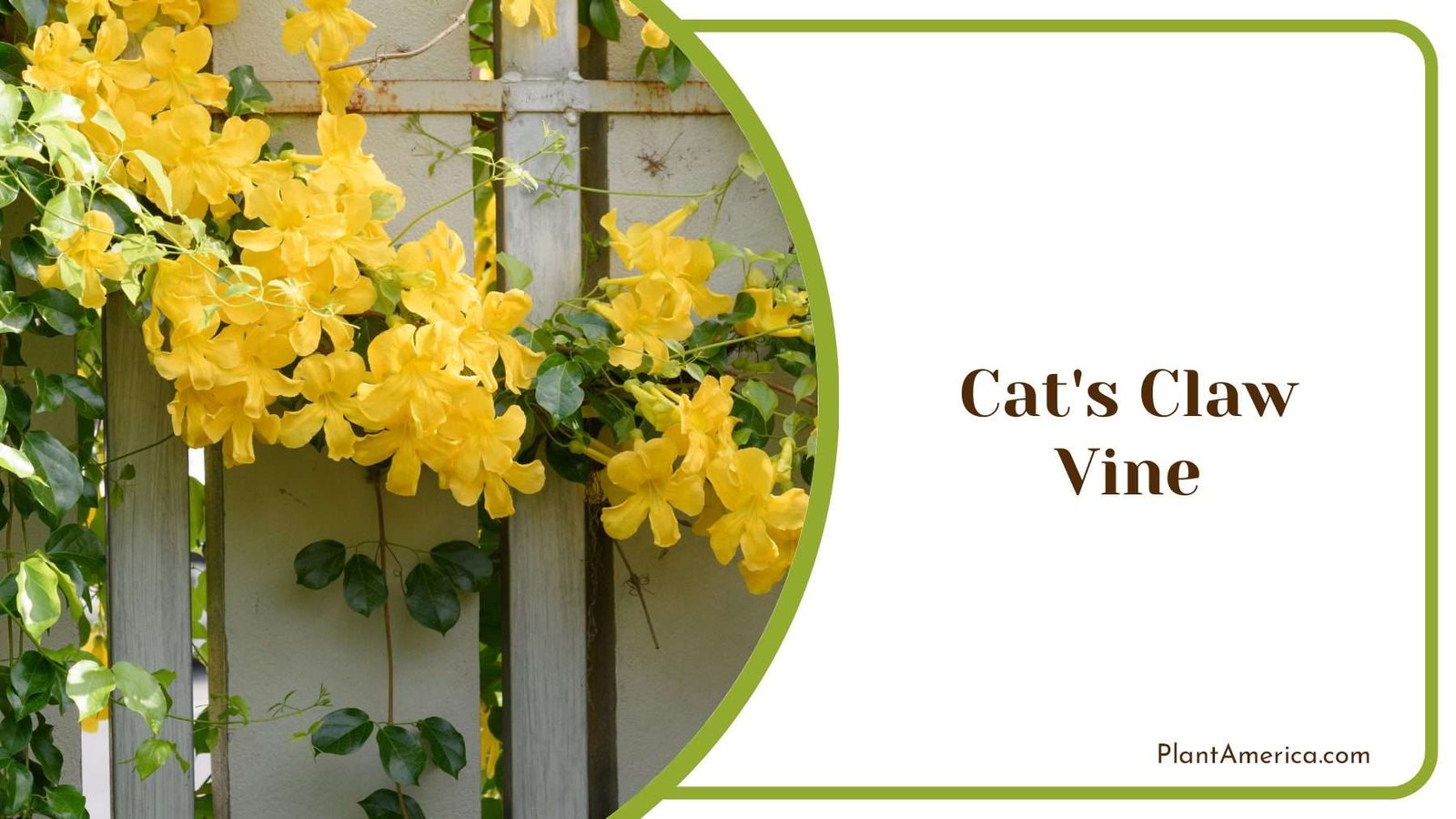
15. Cat’s Claw Vine
- Growing Season: Evergreen vine
- Leaf Shape: Alternate, Trifoliate
- Specific Needs: Full sun, Consistently moist, Well-draining soil
- Common Pests: Mealybugs, Spider mites
The common name of the Cat’s claw vine comes from its coiled tendrils that resemble a cat’s claws grasping for support. Cat’s claw vine (Doxantha unguis-cati) grows 20 to 30 feet long using twining stems and tendrils. It requires consistently moist but well draining soil and full sun to partial shade for optimum growth.
Prune lightly after spring flowering to maintain shape. New growth arises from the base so avoid heavy pruning that removes too much foliage at once. Spider mites feed on the undersides of leaves during dry periods, causing stippling and yellowing. Horticultural oil sprays applied early at first signs of damage help control mites before populations explode.