
How to transplant raspberries is a concern many homeowners have, as these can be a bit fickle and rare, like the black raspberry.
 If you’re one of them, then this guide is going to help you relocate and grow your Rubus genus raspberries in the easiest, simplest way possible!
How to Transplant a Raspberry Plant?
For Transplanting raspberries, just get your tools ready and choose the right time and place. Don’t forget your raspberries too! Dig them up from the old spot and put them in their new homes before you care for them. Lastly, mulch and manage appropriately.
1. Prepare Tools and Materials
First, you’ll need sharp pruning shears or garden scissors. Use these to carefully trim the canes before transplanting to reduce raspberry transplant shock and encourage new growth. Next, you’ll require a reliable shovel or spade. Use it to dig around the plant gently and remove it from its current spot.
If the soil is compact, a garden fork can be handy. It will help loosen the soil around the roots, making removal easier. Before transplanting, remember to water the plants. You can use a watering can or a hose for this task.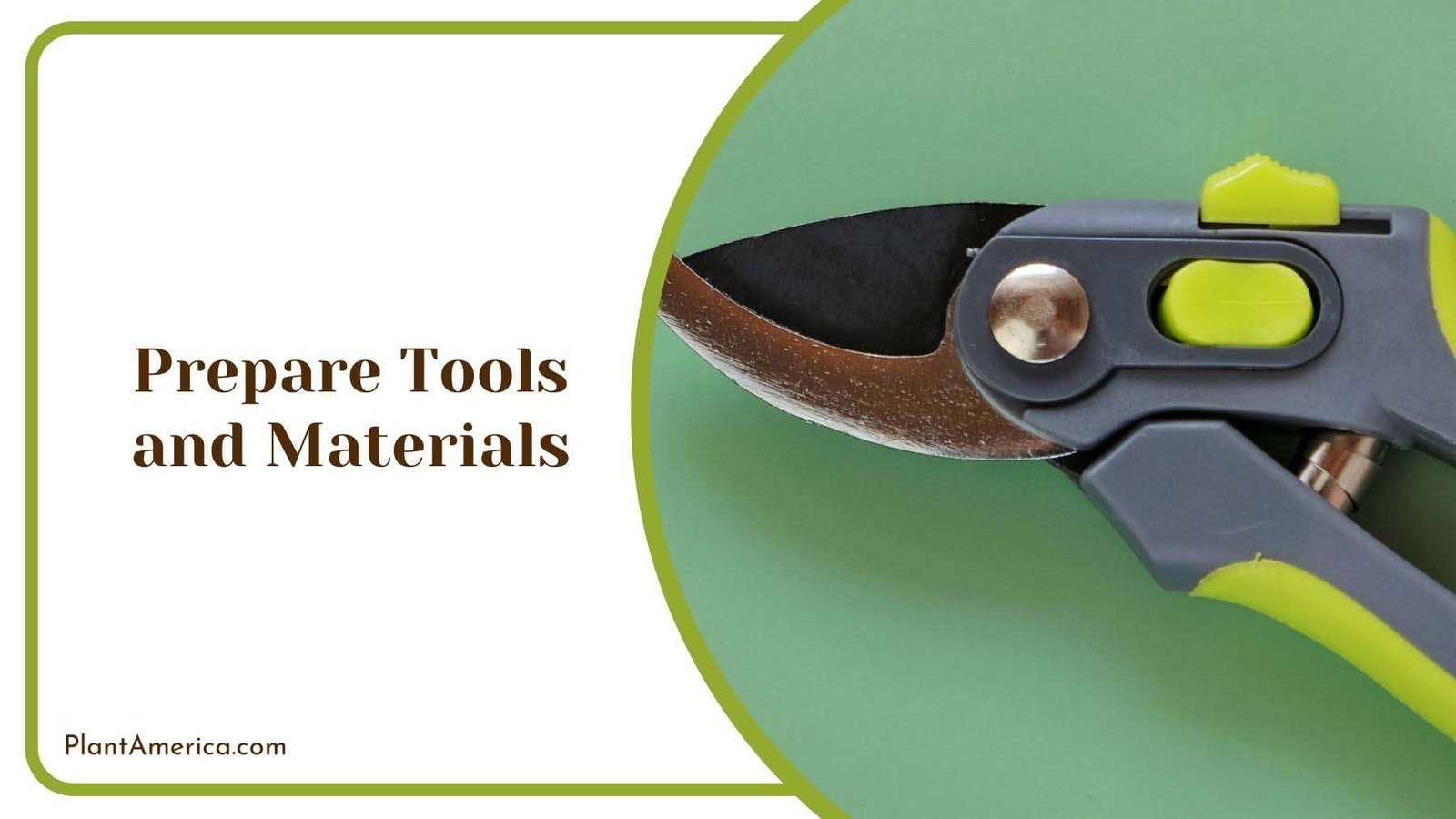
Get mulch to insulate, keep moisture in, and prevent weed growth. Optionally, you can improve the soil’s fertility by adding compost or well-rotted manure.
2. Choose the Right Time
The best time for this process is when the plant is dormant. This happens in late fall after leaves fall or early spring before new growth starts. Doing the transplant during these times helps raspberries have less stress. Transplanting in late fall lets plants settle before winter.
Transplanting in early spring uses the plant’s natural growth cycle, letting it establish roots before the growing season. Transplanting in these quiet periods helps plants take root and adjust to the new environment. But transplanting in the active growing season, like summer, can stress plants and stop them from adapting well.
3. Prepare the New Site
Now, where to plant raspberries? Pick a good spot that gets lots of sunlight, as raspberries love the sun. Make sure the soil drains well too, as they don’t like wet roots. Before moving the raspberries, clear the area of weeds, debris, and other plants that might stop the new raspberries from growing.
Also, check the soil’s pH level. Raspberries usually like slightly acidic soil, around pH 5.5 to 6.5. If the pH isn’t right, you can test and fix the soil.
4. Prune Raspberry Canes
About two weeks before you plan to transplant, it’s essential to prune the canes, especially from the red raspberry. Get your pruning shears or garden scissors ready. Look at each cane that had fruit last season. You’ll recognize them by their slightly woody look and leftover fruit stems. Trim these canes to about six to eight inches high using your pruning tool.
Pruning has two goals. First, it makes the canes shorter and easier to handle when you transplant. Second, it helps new growth by directing the plant’s energy to the base. To avoid harming the plant, make clean cuts. Properly get rid of the trimmed parts, and be careful with the remaining canes. This helps prepare the raspberry plant for transplanting.
5. Water the Plants
Watering before moving is suitable for your raspberries as it helps them absorb and retain water. This lessens the stress they feel during the move. To do this, water your plants a day or two before moving them. When you give them water, do it slowly and evenly at the base of the plants. This allows the water to reach the roots and soil, keeping the soil damp around the roots.
6. Dig Up the Plants
Now, carefully lift the raspberry bush from the ground, being gentle as you do so. Be mindful not to disturb the roots excessively. Hold the root clump delicately to ensure its safety. While lifting, gently shake off any loose soil to reveal the light-colored roots that are crucial to the plant’s well-being.
7. Lift and Transfer
Gently pick up the raspberry bush from the ground, being careful not to disturb its roots. Hold the bunch of roots softly to keep them whole. While you lift, allow any extra soil to drop off. This will expose the vital roots that support the plant’s life.
But here’s a friendly warning! Watch out for fragile shoots and branches to prevent them from snapping. When the plant is out of the soil, put it on a protective sheet or in a container. This safeguards the plant as you transport it to its fresh spot.
8. Prepare the New Hole
Find a sunny spot with soil that drains well. Clear away any debris or plants from this area. The soil’s pH should be between 5.5 and 6.5, a bit toward the acidic side. Use a shovel to make a hole that’s larger than the raspberry’s root ball. This extra space helps the roots spread comfortably in the new soil.

While you dig, break up packed soil so the roots can grow better and soak up water. Mix compost or old, well-rotted animal waste with the soil you dug up. This makes the soil better for the raspberry to grow initially. Make sure the organic stuff and soil are mixed really well. This helps the roots reach the important nutrients easily as they stretch out.
9. Plant at the Right Depth
When you plant raspberry canes in the new hole, match the depth it had in the old spot. This means the top of the root ball should be even with the new soil surface. Put the root ball gently in the hole, keeping it straight without tilting. If needed, adjust the plant so it stands upright.
While adding soil, pat it occasionally to remove air pockets to make a steady base for the plant. Add soil bit by bit until the hole is mainly filled, keeping the plant at the proper planting depth.
Press the soil gently around the root ball, being careful not to compact it too much and block water. Taking care of the planting depth like this helps the plant’s roots settle well in the soil, supporting healthy growth and stability in its new home.
10. Water Thoroughly
Grab your watering can or hose. Aim the water gently at the plant’s base. Let the water soak into the soil gradually. The idea is to wet the root ball and the nearby soil thoroughly. Start by watering slowly so the water goes in without running off.
While you water, check if the soil is taking in the water. You might notice the soil settling a bit around the plant. Ensure the watering is even; don’t go overboard and flood the roots. A good tip is to keep watering until the moisture goes down about six to eight inches under the surface.
This way, the whole root system gets a good drink. Remember, it’s smarter to water well, but not too often. This helps the roots settle into their new home and reduces transplant shock.
11. Mulch and Care
Put organic mulch, such as straw or wood chips, around the plant’s base and spread it evenly to create a circle about two to three inches deep. Ensure the mulch isn’t touching the stem to keep it from rotting the stem.
Mulch shields the soil from temperature changes and stops weeds from taking nutrients. Also, it keeps the soil moist by reducing water evaporation, making sure the roots stay hydrated. Over time, the mulch will break down, improve the soil, and benefit the plant.
While the raspberry bush gets accustomed to its new home, focus on soil moisture, especially during the first few weeks. Keep the soil consistently damp, but don’t over-soak it. Finding the right balance between soil moisture and avoiding excessive watering, which can harm the roots.
12. Monitor and Prune
Once you’ve moved the raspberries to their new home, observe them closely over the next few weeks. Ensure they’re adjusting comfortably to their new environment. Regularly inspect the leaves and stems for any signs of stress, such as drooping, turning yellow, or browning.

Keep an eye out for new shoots known as suckers that might sprout around the base of the plant. These small shoots can sap energy from the main plant and impact its fruit production. To address this, you’ll need a pair of sharp pruning shears. Trim the suckers at their base, right where they emerge.
Should you come across any weak, damaged, or dead stems, gently trim them back to the healthier sections. Stay vigilant and perform the necessary pruning. This approach aids the raspberry plant in concentrating its efforts on developing robust roots and fresh shoots. This, in turn, contributes to a successful transplant and a fruitful harvest down the line.
13. Support and Train New Growth
When raspberry canes start growing, make sure they’re organized and upright. This helps avoid tangles, boosts air circulation, and makes harvesting easier. Begin by setting up a strong trellis or using stakes to support the canes. Arrange them in a line with space for vertical growth. Put them about a foot deep and a couple of feet from the plant for stakes.
As new canes emerge from the plant’s base, gently guide them toward the trellis or stakes. Secure them with soft ties or twine, not too tight though, to avoid growth restriction and damage. Check and adjust ties as the canes grow. Remove weak or diseased canes promptly to let the healthy ones thrive when you transplant raspberries.
Proper spacing and support help canes grow up, preventing bending due to fruit weight. While the season advances, keep an eye on the canes and make necessary changes. To encourage side shoots that bear raspberries, pinch off the tips of canes at about three to four feet height.
FAQs
– Is It Possible to Transplant Wild Raspberries into My Garden?
Yes, it’s possible to transplant wild raspberries into your garden. However, wild raspberries might have diseases that could harm your cultivated plants. Before transplanting them, check the wild plants for disease and pest signs. Also, think about growing cultivated raspberry types suited for gardens. This should give you better results.
– Can You Transplant a Raspberry That Is Already Bearing Fruit?
Yes, you can transplant a raspberry that is bearing fruit. However, transplanting raspberries during the growing season can cause undue stress to the plant and may affect fruit production. It’s best to wait until the dormant season, usually late fall, to transplant raspberries for the highest chance of success.
Conclusion
Growing raspberries can be easy, and so is transplanting too, right? Before we end, let’s wrap things up!
- Transplanting raspberry canes during their dormant season is ideally done during late fall or early spring.
- Prune canes before transplanting and cut back to about six to eight inches.
- Use trellises or stakes to guide and support new growth.
- Keep the soil moist and apply mulch to retain moisture and suppress weeds.
- Regularly check for growth, adjust ties, and remove unwanted canes.
Just follow our tips and tricks, and you’ll grow amazingly healthy raspberries before you know it!