
Florida shade trees provide multiple benefits we appreciate in our humid state, from cooling shade to privacy and natural beauty. Whether you have a small yard or acreage, we’ll explore some Florida shade trees that will thrive in your backyard garden, giving you year-round delight.

So if you’re looking to transform your outdoor space into a relaxing, leafy retreat with the help of some wonderful shade trees, you’ve come to the right place.
13 Florida Shade Tree That Can Bring Life to Your Garden
1. Weeping Willow

- Growing Season: Spring, Summer
- Leaf Shape: Long, Narrow
- Specific Needs: Moist soil, Consistently wet soil
- Common Pests: Japanese beetle, Scale insects
The weeping willow makes a dramatic statement with its cascading branches and wispy foliage and It thrives in moist soil near ponds, streams, and lawns where its long roots have constant access to water. However, their sprawling roots can compromise foundations and septic tanks if planted too close to structures. Regular monitoring and pruning of surface roots is advised.
Weeping willows grow rapidly, potentially reaching heights of 70 feet or more with a spread almost as wide, and their long branches form a veil of delicate green leaves that trail downwards, creating a graceful weeping effect. The leaves are narrow and taper to a point, ranging in color from blue-green to yellow-gold, depending on the variety.
While fast-growing willows are considered short-lived trees with a lifespan of 30 to 50 years, their pliable wood and shallow roots make them prone to damage from wind, ice, and heavy snow loads. Proper pruning and staking of young trees can help strengthen weak branches.
2. American Sycamore

- Growing Season: Spring, Fall
- Leaf Shape: Palmately lobed, Alternate
- Specific Needs: Moist soil, Well-drained soil
- Common Pests: Sycamore lace bug, Sooty mold
The majestic American sycamore grows quickly into a towering shade tree with a wide rounded crown, its large leaves emerge late in spring and turn yellow in autumn, providing color during the fall foliage.
This fast-growing Florida maple prefers consistently moist soil and full sun. American sycamores can reach heights of over 100 feet with trunk diameters up to 10 feet, developing a massive rounded crown of spreading branches.
Their large plate-like leaves can grow up to one foot in width, starting deep green before maturing to a lighter green color, the leaves turn yellow and brown in fall before dropping from the tree. This tree grows rapidly when young but starts to slow down after reaching maturity between 30 to 50 years old.
The sycamore has shallow roots that spread far and wide, which helps stabilize the massive trunk and heavily laden branches and the mottled bark is pale gray-brown and exfoliates in irregular patches as the tree ages.
3. Chinese Pistache

- Growing Season: Spring, Summer
- Leaf Shape: Pinnate, Compound
- Specific Needs: Full sunlight, Well-drained soil
- Common Pests: Aphids, Scale insects
The Chinese pistachio is an attractive deciduous shade tree known for its fiery fall color, it grows mediumly, maturing into a vase-shaped crown of feathery leaves and this adaptable tree tolerates both hot and cold conditions once established. Chinese pistachio trees develop a rounded canopy of finely textured leaflets.
The leaves emerge bronze in spring, maturing to dark green in summer before blazing red in autumn, the peeling bark is another attractive feature, exposing orange, gray, and brown tones. Chinese pistachio trees grow rapidly when young, reaching heights between 30 to 50 feet at maturity with a similar spread.
Their branches form a tiered, vase-shaped crown with ascending secondary branches and it has shallow roots that spread widely to help stabilize the canopy. Chinese pistaches are relatively pest and disease free, though, like all plants, they may develop minor problems. Aphids, scale insects, and leaf spot fungus can cause blemishes but typically do not seriously impact tree health.
4. Shumard Oak

- Growing Season: Spring, Summer
- Leaf Shape: Lobed, Alternate
- Specific Needs: Moist soil, Well-drained soil
- Common Pests: Gall wasps, Caterpillars
The Shumard oak is a fast-growing shade tree native to the southern United States, it develops a rounded canopy of deeply lobed leaves that turn russet shades of brown and crimson in autumn. This oak thrives in moist, well-draining soils and full sun, it can also reach 80 to 100 feet at maturity, with trunk diameters up to three feet.
Shumard oak forms a broad rounded crown of ascending branches, creating a dense canopy once the leaves fully emerge in spring and the leaves are eight to 12 inches long with five to seven deep lobes giving them a lustrous, handsome appearance. Though pest and disease-resistant, Shumard oaks can develop problems like gall formation caused by wasp larvae, leafrollers that distort new foliage, and caterpillars that feed on leaves.
Regular fertilizing and pruning helps maintain the health and structure of Shumard oak trees and young trees should be fertilized annually in spring with an all-purpose fertilizer. Mature trees benefit from pruning to remove dead branches, improve structure and optimize airflow within the canopy.
5. River Birch

- Growing Season: Spring, Fall
- Leaf Shape: Doubly serrated, Alternate
- Specific Needs: Moist soil, Rich soil
- Common Pests: Japanese beetles, Leaf miners, and Mealybugs
The river birch is a beautiful shade tree with peeling branches and textured bark. It grows quickest in full sun along the edge of ponds and streams, where its shallow roots thrive in constantly moist soil.
River birches have an elegant vase shape with slender, curving branches that droop toward the ground. The peeling bark exposes creamy white, brown, and orange colors, adding visual interest year-round. The small, rounded leaves emerge bronze in spring before maturing to a blue-green hue in summer.
Though relatively pest-free, river birches may develop minor problems like Japanese beetles that feed on leaves, leafminers that tunnel through leaves damaging tissue, and borers that chew into the bark. This damage is cosmetic and rarely impacts the overall health of established trees.
Regular pruning after the trees flower in spring helps maintain their desirable branching structure. Young river birches should be fertilized annually in early summer to promote rapid growth. For mature specimens, occasional pruning to remove dead and rubbing branches optimizes shape and airflow within the canopy.
6. Red Maple

- Growing Season: Spring, Fall
- Leaf Shape: Palmate, Lobed
- Specific Needs: Moist soil, Well-drained soil
- Common Pests: Japanese beetles, Spider mites
The red maple is a rapidly growing shade tree that provides spectacular fall colors ranging from bright red to burnt orange and vivid yellow, it grows best in full sun and moist, well-drained soils where they can use consistent moisture to fuel rapid growth. Red maple trees develop a rounded canopy of opposite, double-toothed leaves, which turn vivid shades of red, orange, and yellow in autumn.
Red maple can grow to 60 to 80 feet at maturity with trunk diameters up to two feet and the bark is seamless and gray on young trees, becoming scaly and dark gray to brown with age. Though relatively easy to care for, red maples can develop pests like Japanese beetles that feed on leaves, scale insects that suck sap, and spider mites in dry conditions. These issues are most common when trees are under stress, so proper care and placement optimize health.
Pruning should be done only to remove dead or crossing branches as needed while the tree is young and fertilizing red maples with all-purpose plant food in early spring promotes vigorous but balanced growth. Avoid excess nitrogen, which makes trees more susceptible to stress and pest problems.
7. Gumbo Limbo

- Growing Season: Spring, Summer
- Leaf Shape: Alternate, Simple
- Specific Needs: Sandy soil, Well-drained soil
- Common Pests: Lace bugs, Spider mites
The gumbo limbo is an attractive evergreen shade tree native to South Florida pinelands, it forms a low-branched, rounded canopy of dark green leathery leaves and distinctive peeling red bark. This tree flourishes in full sun and sandy, well-drained soils where its extensive root system can search out moisture.
Gumbo limbo trees grow up to 50 feet tall and 25 feet wide at maturity. The bark on mature trees features wide strips of light and dark brown that shed to reveal red inner bark, adding visual interest year-round and the oval-shaped leaves emerge bronze when young before darkening to glossy green.
Gumbo limbos are primarily pest and disease resistant due to naturally occurring chemicals in their leaves and bark. However, spider mites can develop on the underside of leaves, and lace bugs can feed on foliage when trees are under stress from insufficient water or nutrients. These issues are usually minor and only impact the aesthetics of trees.
Regular pruning helps maintain a desirable shape while optimizing tree health. Trim only when needed to remove dead or diseased wood, broken branches, and those rubbing together. Fertilizing once a year in late spring with citrus fertilizer promotes balanced growth without excess, which can increase stress.
8. Tulip Poplar

- Growing Season: Spring, Fall
- Leaf Shape: Alternate, Compound
- Specific Needs: Moist soil, Well-drained soil
- Common Pests: Leaf miners, Scale insects
The tulip poplar, also called tulip tree or yellow poplar, grows quickly into a tall shade tree with an oval crown of leaves and a tapered, clear trunk. Elegant tulip-shaped orange and green flowers bloom in spring, followed by triangular-winged seeds in fall and this fast-growing deciduous tree thrives in moist, well-drained soils and full sun, where it can take advantage of ample light and water for rapid vertical growth when young.
Tulip poplar trees can reach heights over 100 feet with trunk diameters up to four feet and the leaves are large and feather-like, up to 10 inches long, with multiple veins running parallel for most of their length.
The yellow fall foliage provides a brief but brilliant autumn color. Common pests of tulip poplar trees include leaf miners that burrow between leaf layers, scale insects that feed on sap, and aphids that feed on new growth.
Tulip poplars grow rapidly when young and may require regular pruning to develop a strong branching structure and optimize tree form. Young trees should be pruned to select a central leader and remove rubbing or damaged branches and their mature specimens benefit from removing deadwood and thinning interior branches to improve shape.
9. Evergreen Magnolia
- Growing Season: Spring, Summer
- Leaf Shape: Alternate, Simple
- Specific Needs: Consistently moist soil, Well-drained soil
- Common Pests: Leaf miners, Scale insects
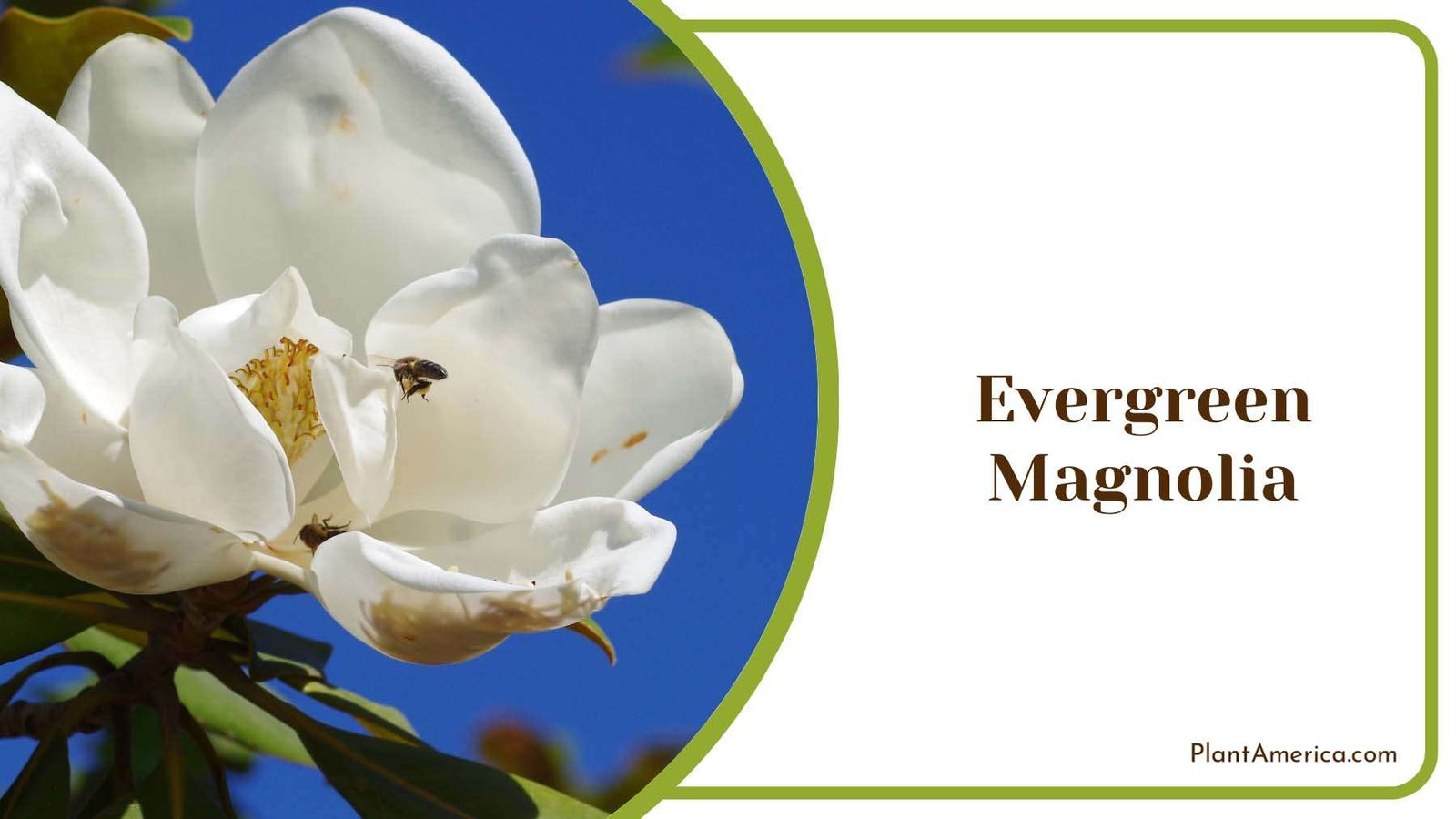
Evergreen magnolias make the perfect shade tree for South Florida landscapes; their large, leathery dark green foliage provides year-round greenery and privacy while fragrant white magnolia blossoms emerge in spring, filling the air with a sweet smell. Plant evergreen magnolias in organically rich, consistently moist, well-drained soil and provide shelter from harsh winds.
Evergreen magnolias require little pruning once established, but pruning after flowering can maintain a desirable shape. Fertilize once or twice yearly with citrus or camellia fertilizer to promote healthy growth and be cautious to avoid over fertilizing, making the tree more susceptible to problems.
While known for being low maintenance, evergreen magnolias can develop scale insects that suck sap, lace bugs that damage leaves, and caterpillars leave behind leaf damage. These minor issues are mostly aesthetic and require proper identification and removal of affected areas and regular inspections allow early detection and treatment before the damage becomes severe.
Mature evergreen magnolia trees reach 30 to 50 feet in height with equal spread, forming a rounded canopy of luxurious dark green leaves, the trunks and branches become thick and gnarled with age, adding character and white flowers bloom from the mature wood in spring, each with six to nine tepals and a reddish purple center.
10. Southern Live Oak

- Growing Season: Spring, Summer
- Leaf Shape: Alternate, Simple
- Specific Needs: Acidic soil, Well-drained soil
- Common Pests: Oak leaf rollers, Scale insects
The southern live oak is an evergreen shade tree native to the American South. It develops broad, spreading branches that form a rounded canopy of leathery dark green leaves. These durable oak trees thrive in full sun and tolerate poor soil conditions as well as drought, heat, and saline conditions due to their extensive root systems.
Live oak trees can grow up to 100 feet tall and almost as wide at maturity and the branches form a tiered structure that spreads outward, creating a broad rounded crown. The leaves are dark green, thick, and furrowed and remain on the tree year-round to provide evergreen shade and the bark is gray and fissured, becoming more deeply furrowed with age.
Live oaks are relatively pest resistant though they may develop minor problems under stress. Issues like oak leafrollers that coil leaves, scale insects that suck sap, and caterpillars that feed on foliage usually only impact the tree aesthetically but with proper identification and treatment, these pests rarely threaten the overall health of established trees.
Regular pruning helps maintain the low-branching structure that characterizes live oak trees. Bracing and staking young trees helps develop a strong structure while allowing the branches to grow outward and downward and regular deep watering during dry periods and fertilizing yearly supports optimal health.
11. Crape Myrtle

- Growing Season: Spring, Fall
- Leaf Shape: Alternate, Simple
- Specific Needs: Full sunlight, Well-drained soil
- Common Pests: Aphids, Leafhoppers
The crape myrtle makes a stunning accent tree for South Florida landscapes with its showy summer flowers and multi-colored fall foliage, these fast-growing shade trees thrive in full sun and well-draining soil, where they can use warmth and light to fuel rapid growth. They grow into small to medium trees, reaching 20 to 30 feet tall with a similar spread, and develop several main branches forming an open, rounded crown of leaves.
In summer, fragrant red, pink, purple, or white flower clusters cover the branches and in fall, the leaves turn red, orange, and purple shades before dropping. Prune crape myrtles in late winter to maintain their structure and shape as pruning also encourages more profuse blooming the following summer and young trees should be fertilized annually in early spring to promote growth, while established trees benefit from light applications every two to three years.
Though mostly pest-resistant, crape myrtles may develop minor problems like aphids that feed on new growth, leafhoppers that damage foliage, and scale insects that suck sap when trees are under stress. These issues typically only impact the aesthetics and do not seriously threaten tree health. Regular inspections allow early detection and treatment before the damage becomes severe.
12. American Elm
- Growing Season: Spring, Fall
- Leaf Shape: Ovate, Simple
- Specific Needs: Well-drained soil, Full sunlight
- Common Pests: Borers, Elm leaf beetles
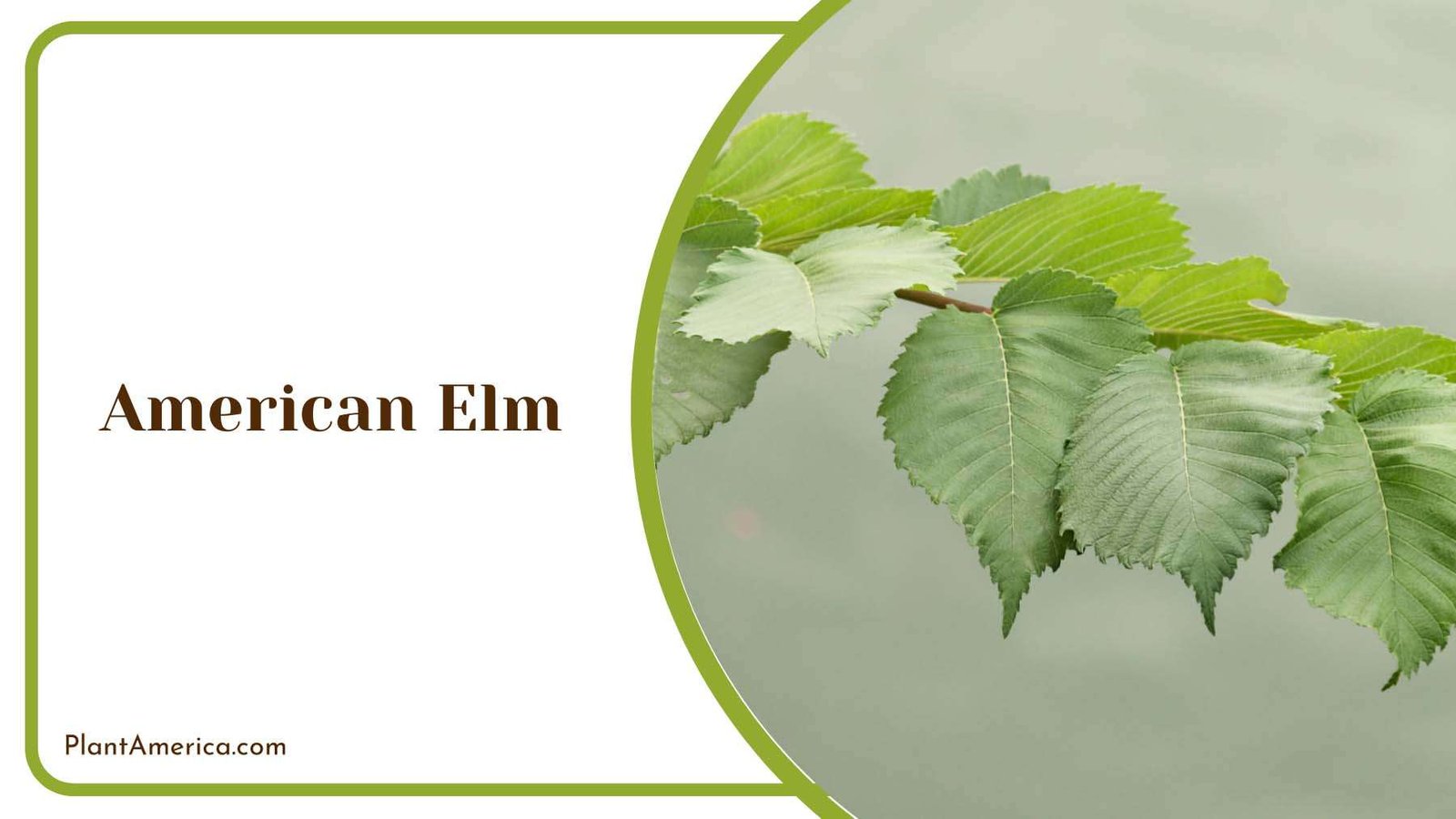
The stately American elm grows into a tall shade tree with a vase-shaped crown and arched pendulous branches. While fast-growing initially, elms mature moderately, living 100 to 200 years and these hardy trees thrive in moist, well-drained soils and full sunlight.
The majestic American Elm is an iconic deciduous tree known for its sturdy vase shape and ability to withstand harsh weather. Native to eastern North America, it thrives in temperate climates from zones three to nine where summers are warm and winters cold.
In ideal conditions, American Elms reach heights up to 150 feet tall with spreads half as wide at maturity. Their trunks develop sizable girth while branches radiate upward then arch gracefully outward, creating a stately canopy. Bark on mature specimens is gray and deeply furrowed, adding character.
In spring, clusters of small green flowers emerge before broad, single-lobed leaves up to seven inches long. Glossy foliage brings dappled shade in summer. Vibrant fall colors of yellows and golds provide a brilliant show before leaves drop to reveal structure.
Certainly no other elm matches American Elm’s storied endurance in meeting growing demands wherever planted. Timeless magnificence, practicality and symbolic linkage to history cement this tree’s iconic stature as one of North America’s noblest natives. Its elegant, sheltering presence still inspires awe and deep regard amongst all those fortunate enough to know its shade.
Prune elm trees annually to remove diseased or damaged branches while the tree is young and fertilizes in spring with an all-purpose fertilizer. Monitor for pests and treat them immediately to avoid severe damage and remove diseased trees to limit the spread of Dutch elm disease.
13. East Palatka Holly

- Growing Season: Spring, Summer
- Leaf Shape: Rounded, Simple
- Specific Needs: Well-drained soil, Moist soil
- Common Pests: Mites, Leaf miners
The East Palatka holly is an ornamental evergreen shrub prized for its classic form and abundant red berries. Native to Florida’s St. Johns River valley, it has been cultivated as an attractive landscape plant across the Southeastern US (zones 7b-10).
Growing eight-12 feet tall and wide at maturity, the East Palatka develops a rounded, vase-shaped habit. Its thick, leathery leaves are a versatile medium green, persisting year-round to provide structure. Small, creamy white flowers in spring give way to its crowning feature – brilliant red berries.
Starting in late fall, elongated scarlet “fruits” profusely adorn each branch. Their vibrancy provides a dazzling seasonal accent, often persisting well into winter if undisturbed by birds. Both foliage and flowers offer visual interest, but the berries steal the show as a vital wintering food source for wildlife too.
Thriving in full sun or partial shade, this small evergreen shrub is remarkably durable and easy-care. Deer resistant, salt tolerant and a fast grower, it requires no pruning beyond occasional shaping or removal of dead wood. Its classic mounding form readily fits a variety of landscapes.
Beloved for its role beautifying landscapes and habitats alike, the East Palatka holly endures as a stapleFlorida native. Whether complimenting traditional foundation plantings or naturalized spaces, its bright berries always punctuate the drear of winter with festive charm.
Conclusion
The right shade trees can transform your Florida backyard into an oasis you’ll treasure for years and from the summarized list below, you have excellent options for creating your leafy retreat.
- The stately American elm grows into a tall shade tree with a vase-shaped crown and arched pendulous branches.
- The tulip poplar, also called tulip tree or yellow poplar, grows quickly into a tall shade tree with an oval crown of leaves and a tapered, clear trunk.
- The East Palatka holly is an evergreen shade tree native to Florida, it develops a dense, spreading crown of holly-like dark green leaves with serrated spines along the margins.
Choose shade trees matching your space, needs, and aesthetics. The most important thing is enjoying these trees’ benefits which are cooling shade, scenic beauty, and all the peace and calm of a leafy retreat right outside your door. Plant wisely; your Florida shade trees will thrive for years to nurture nature and your well-being.