
Florida privacy plants provide a natural, cost-effective way to partition space and increase yard seclusion without expensive walls or fences. In this article, we will highlight the best options for Florida residents looking to partition their small spaces naturally. Whether your goal is purely aesthetic or to block views and noise, the plants on our list will offer an attractive, low-maintenance solution that improves your outdoor environment. With just a bit of initial labor and proper care, you’ll enjoy the benefits of dividing your property for years with living and growing hedges instead of static hardscapes.
15 Florida Privacy Plants You Need to Try Out for Yard Privacy
1. Ligustrum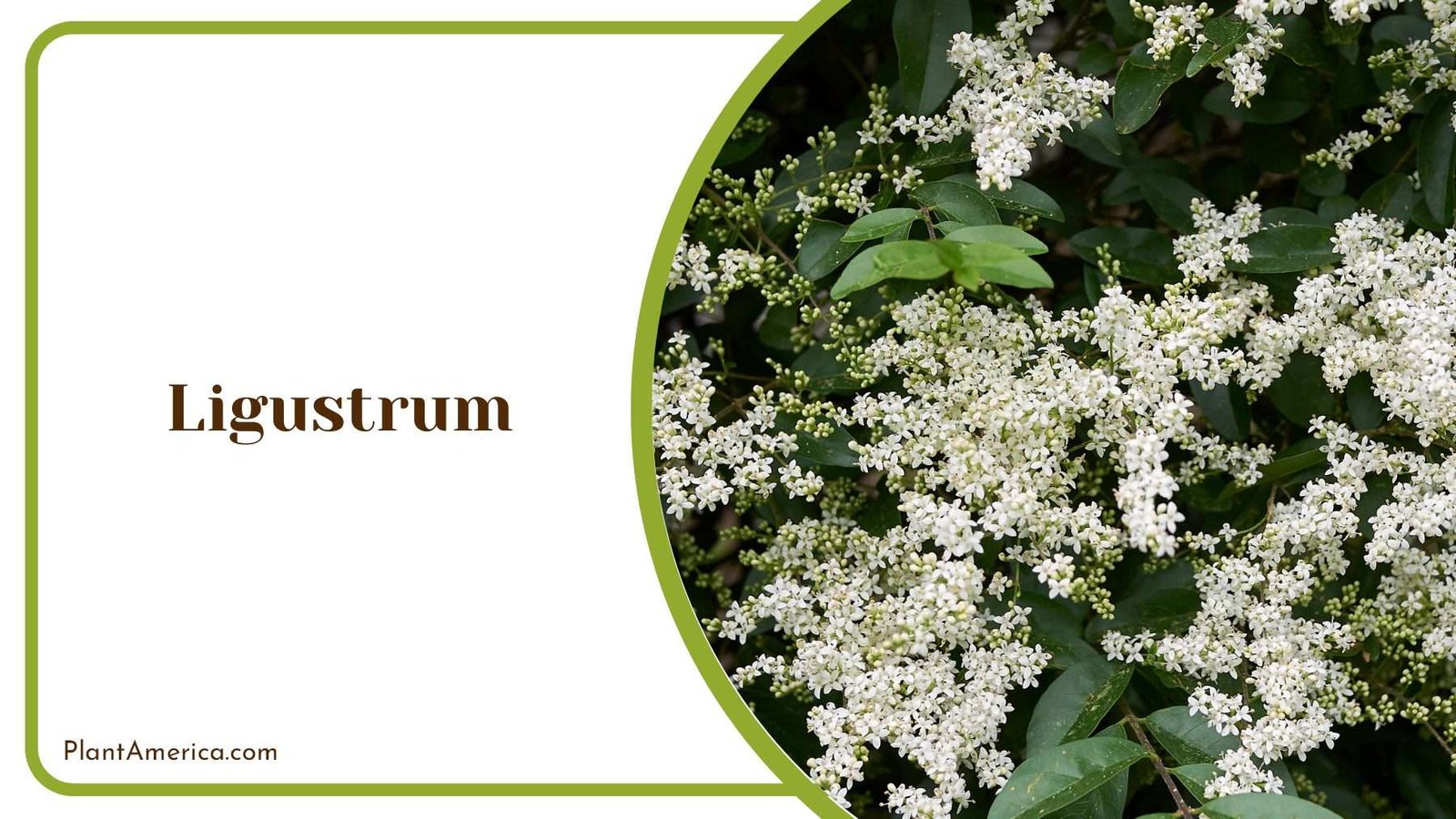
- Growing Season: Year-round
- Leaf Shape: Glossy, Oval
- Specific Needs: Well-drained soil, Moist soil, Pruning
- Common Pests: Spider mites, Scale insects, Caterpillars
Ligustrum is one of the best Florida privacy plants due to its dense, pyramidal habit and ability to thrive in most Florida soil conditions. Its thick evergreen leaves provide year-round privacy hedges in Florida, while its branches easily fuse when pruned into shape.
Ligustrum varieties grow 6 feet to 20 feet tall, depending on the species. Most require full sun and moist, well-drained soil to flourish. Established ligustrum needs little supplemental water apart from occasional irrigation during extreme drought.
Ligustrum foliage tends to collect dust and debris, which can trap pests like spider mites and scale insects. Regular pruning also helps control insect problems and stimulates new leaf growth. Prune directly after the plant flowers in spring or early summer to encourage dense growth and maintain the ideal shape and size for your hedges for boundaries in Florida.
Fertilize in early spring and again in late summer using a balanced fertilizer. If left unpruned, ligustrum will grow into a dense, irregular multi-trunked shrub rather than a formal hedge. Regular pruning is essential to transform ligustrum into an effective best Florida privacy plant. Correct pruning and care will give you years of dependable privacy and beauty from ligustrum hedges. You can check a list of some ligustrum companion plants.
2. Yaupon Holly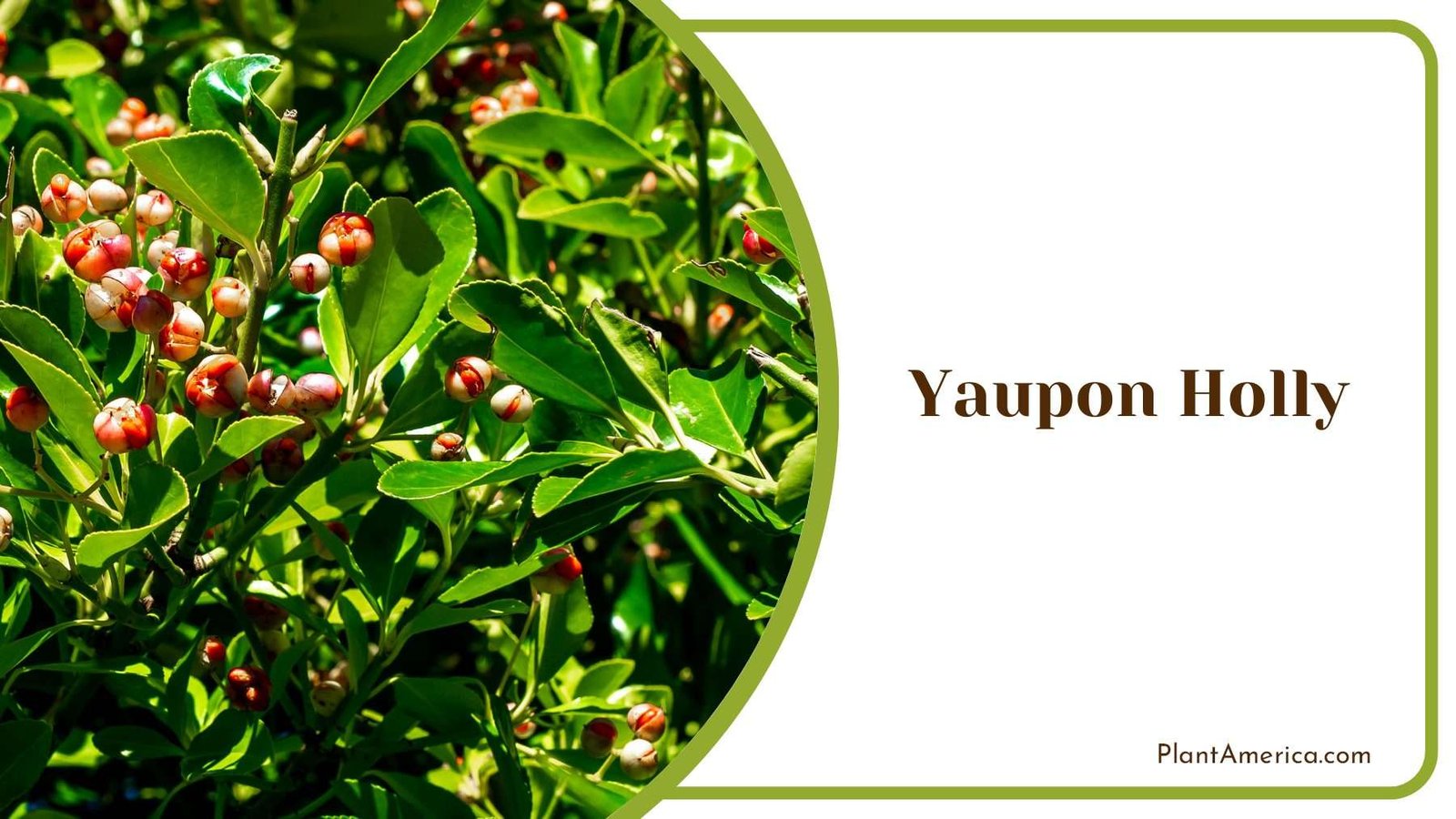
- Growing Season: Year-round
- Leaf Shape: Ovate, Spine-tipped margin
- Specific Needs: Well-drained soil, Acidic soil, Afternoon shade
- Common Pests: Spider mites, Botrytis blight
Yaupon Holly is among the best native choices for low maintenance of Florida privacy hedges. Its dense, evergreen foliage and branching habit make it ideal for blocking views and noise. The small glossy green leaves provide year-round coverage. The foliage turns a vibrant deep red in fall and winter, adding beautiful seasonal color.
Yaupon holly grows at a moderate to fast rate up to 15 to 20 feet tall and wide. It prefers acidic, well-draining soil and afternoon shade but is adaptable to different conditions. Pruning yaupon holly annually stimulates growth and maintains the plant’s shape and size.
The branches are thornless, so yaupon hedges require less protection when trimming than other holly species. Keep an eye out for infestations of spider mites on the leaves and Botrytis blight, a fungal disease that causes leaf drops during wet periods. With its dense growth and low maintenance needs once established, yaupon holly is amongst the best Florida privacy plants for smaller lots seeking an attractive living privacy barrier.
3. Wax Myrtle
- Growing Season: Year-round
- Leaf Shape: Tapered, Linear
- Specific Needs: Well-drained soil, Acidic soil, Pruning
- Common Pests: Bagworms, Wax scales
Wax Myrtle makes a fantastic evergreen privacy hedge for Florida landscapes, providing an impenetrable foliage barrier that remains attractive throughout the year. The small aromatic foliage offers a dense, twiggy structure that blocks views and noise effectively. In fall and winter, the fragrant white flowers give way to bluish-berry-like fruits that persist through winter and attract wildlife.
Wax myrtle grows anywhere from 6 feet to 20 feet tall, depending on soil type, moisture levels, and pruning methods. Regular shearing keeps them compact and dense, perfect for low maintenance of Florida privacy hedges. Too much nitrogen-rich fertilizer can make wax myrtle grow quickly, which weakens the branches. So apply a balanced, slow-release fertilizer in early spring.
Bagworms and wax scales are two common pests. Hand removes bagworm cases before hatching. Control scales with summer oil sprays. With its fragrance, year-round foliage, and tolerance of pruning, wax myrtle is certainly one of the best Florida privacy plants for those seeking a natural, low-maintenance evergreen hedge.
4. Podocarpus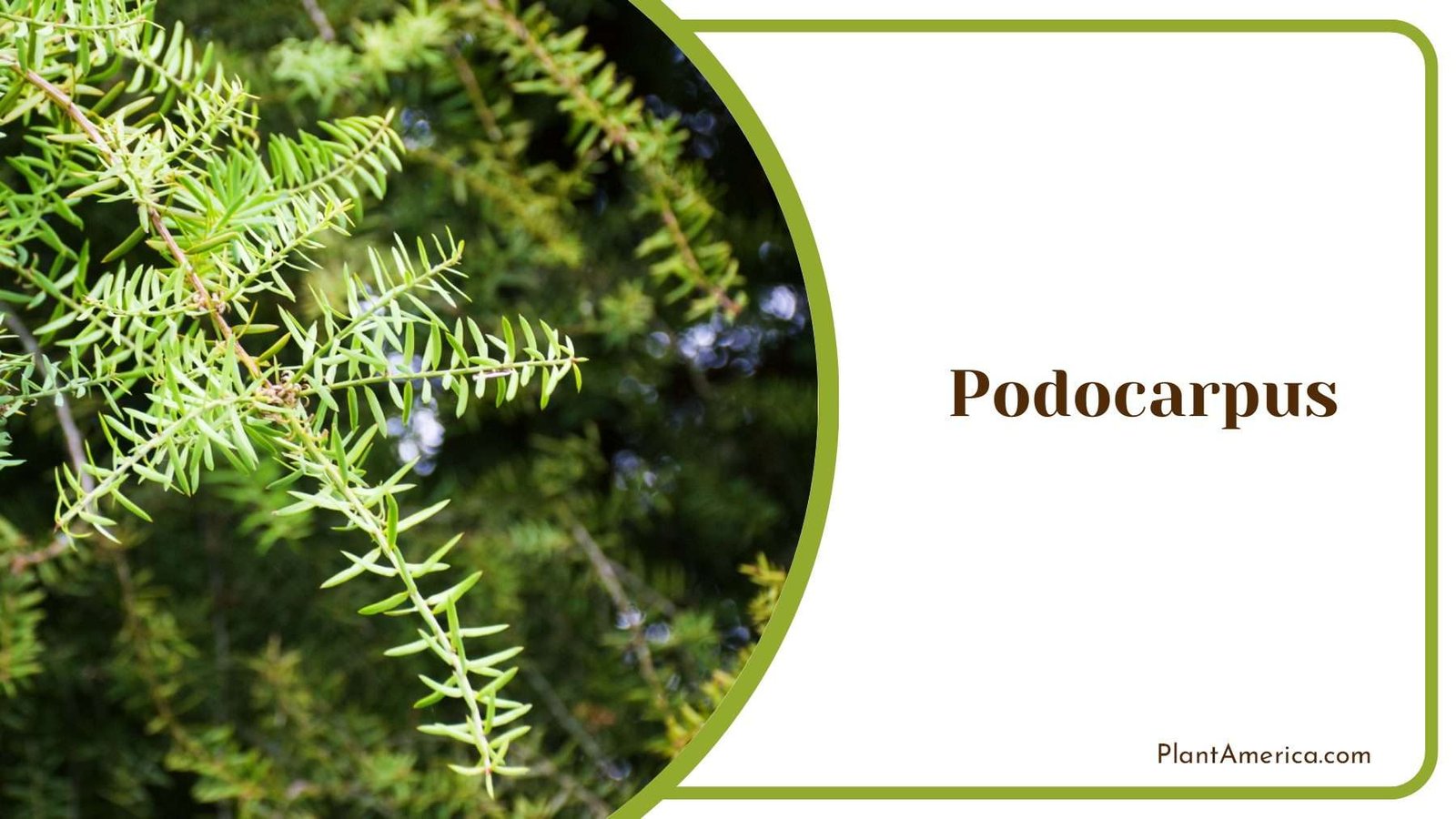
- Growing Season: Year-round
- Leaf Shape: Awl-shaped, Scale-like
- Specific Needs: Well-drained soil, Afternoon shade
- Common Pests: Spider mites, Scale insects
Podocarpus or yew pine makes a neat, compact hedge that’s ideal for small, privacy hedges in Florida yards. Its evergreen scale-like leaves offer year-round coverage, while its upright growth habit allows it to be pruned and shaped easily.
Different podocarpus species vary in size from 10 to 30 feet tall and wide. Most require afternoon shade and well-drained soil to thrive. Established plants are drought tolerant once established. Podocarpus hedges for boundaries in Florida benefit from annual shaping pruning to maintain their size and density. Prune in late winter when the plants are still dormant.
Although relatively pest-free, scale insects sometimes congregate beneath the thick scale leaves, reducing photosynthesis and causing foliage yellowing. Regular horticultural oil sprays help control the scale.
For homeowners seeking an evergreen hedge plant with a more compact size, podocarpus is certainly one of the best Florida privacy plants. Its small and neat foliage scale-like foliage combined with its upright growth habit makes it easy to shape and control, perfect for a small, formal hedge. Regular pruning and care will give you an attractive and effective living privacy screen for many years.
5. Chinese Privet
- Growing Season: Early summer
- Leaf Shape: Elliptical, Oblong, Finely Toothed margin
- Specific Needs: Well-drained soil, Moist soil, Pruning
- Common Pests: Privet sawfly, Japanese beetle
Chinese privet is an extremely effective best Florida privacy plant thanks to its dense growth habit and compact size. When pruned regularly into a hedge, this deciduous to semi-evergreen shrub creates an impenetrable living screen.
Chinese privet grows up to 10 feet tall and wide. In winter, the foliage typically drops, though some leaves may persist, giving it a semi-evergreen character. Chinese privet grows quickly in most garden conditions but thrives in areas with evenly moist, well-drained soil. Established plants are drought-tolerant once rooted.
Annual pruning after new growth in spring helps maintain the Chinese privet hedge’s size and shape for years. Cut back no more than one-third of the old growth at a time to avoid shocking the plants. Privet sawflies and Japanese beetles are two major pests. Hand-pick sawfly larvae in spring. Spray Bt (Bacillus Thuringiensis) to control Japanese beetles.
Overall, Chinese privet is a reliable choice for those looking for easy-to-grow, low-maintenance hedges for boundaries in Florida that offer year-round greenery along with winter screening and seasonal flowers in spring.
6. Pyracantha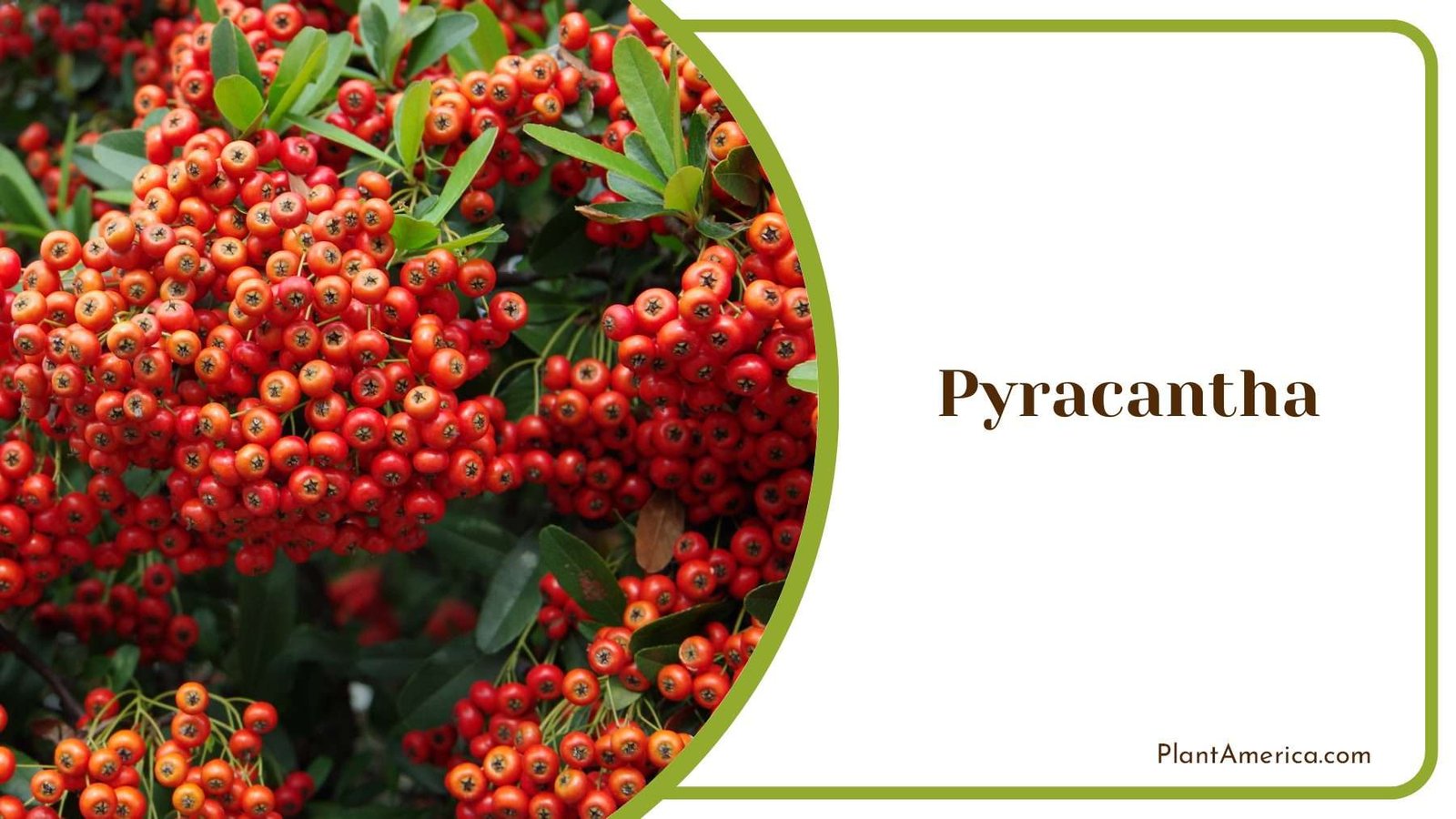
- Growing Season: Year-round
- Leaf Shape: Elliptic, Oblong, Serrated margin
- Specific Needs: Well-drained soil, Full sun, Pruning yearly
- Common Pests: Spider mites, Scale insects
Pyracantha makes a beautiful dense evergreen hedge that offers brilliant orange to red berries in fall and winter, making it a popular choice for the best Florida privacy plants. Pyracantha shrubs grow anywhere from 6 feet to 15 feet tall which depends on the species and cultivar. They need full sun and well-drained soil to do well. Established plants are drought tolerant once established.
When pyracantha is pruned into a hedge, the dense branching creates an impenetrable screen that blocks noise and views remarkably well. Prune directly after flowering in spring to promote dense new growth and maintain the hedge’s size and shape.
Add a balanced, slow-release fertilizer in early spring and again in late summer to promote flowering and fruit production. Fire Blight, a bacterial disease, and scale insects are two common problems. Remove and destroy infected branches to control fire blight. Control scales with dormant or summer oil sprays before populations explode.
For homeowners looking for privacy hedges in Florida with year-round greenery, colorful berries in fall and winter, as well as fragrant clusters of white flowers in spring, pyracantha is an exceptional choice. With its compact size and responsiveness to pruning, this versatile shrub provides an unbeatable combination of form and function that will enhance any small Florida landscape.
7. Oleander
- Growing Season: Year-round
- Leaf Shape: Alternate, Lance-shaped, Narrow
- Specific Needs: Well-drained soil, Alkaline soil, Pruning
- Common Pests: Mealybugs, Aphids
Oleander shrubs make an excellent choice for low-maintenance living privacy barriers in Florida, thanks to their tolerance of heat, drought, and pruning. Oleander can reach heights between eight to 15 feet, making them ideal for hedges for boundaries in Florida.
The narrow, lance-shaped leaves grow in opposite pairs and remain green year-round. Oleander prefers well-draining alkaline soil and full sun. Once established, they are drought-tolerant and require little supplemental water. So, you can transplant them anywhere you want.
Annual pruning after new spring growth helps maintain the oleander hedge’s shape and size. Cut back no more than one-third of old growth at a time to avoid shocking the plants. Aphids and mealybugs are common pests that feed on the new growth. Spray pests with neem oil or insecticidal soap to control infestations.
Overall, oleander shrubs offer Florida residents an easy-to-grow, low-maintenance, best Florida privacy plants option. Their tolerance of heat, sun, and drought combined with responsiveness to pruning and training into hedges makes them reliably versatile privacy plants for small spaces.
8. Pittosporum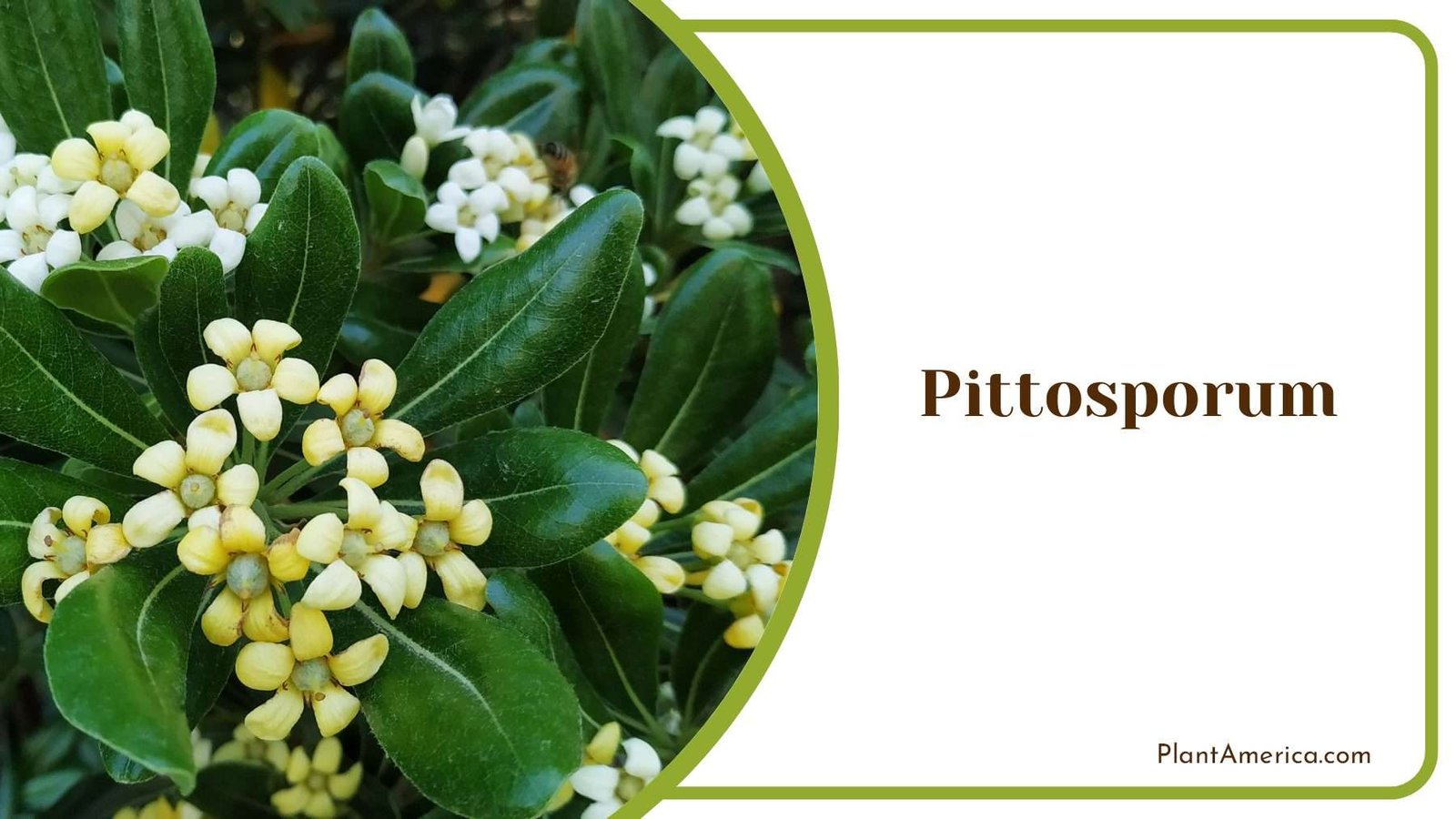
- Growing Season: Year-round
- Leaf Shape: Elliptical, Oblong, Leathery texture
- Specific Needs: Well-drained soil, Moist soil, Pruning
- Common Pests: Spider mites, Scale insects
Pittosporum shrubs make excellent evergreen hedges due to their dense and compact growth habit. When pruned regularly, pittosporum forms a thick privacy barrier that blocks noise and views year-round. Pittosporum varieties range in size from 3 feet to 20 feet tall, with the dwarf varieties staying under six feet. Most prefer partial shade and well-drained soil to thrive. Established plants are drought tolerant.
Prune pittosporum hedges in late winter or early spring to maintain their shape and size. Cut back no more than one-third of old growth at once to avoid stressing the plants. Scale insects sometimes congregate beneath the thick foliage, reducing photosynthesis and causing yellowing. Regular dormant oil sprays help control the scale of pittosporum.
With their dark green, leathery foliage and tolerances for pruning, pittosporum shrubs make fantastic best Florida privacy plants options. Their dense evergreen growth, year-round coverage, and quick response to pruning and shaping into hedges make them perfect choices for those seeking reliable, low-maintenance hedging solutions.
9. Indian Hawthorn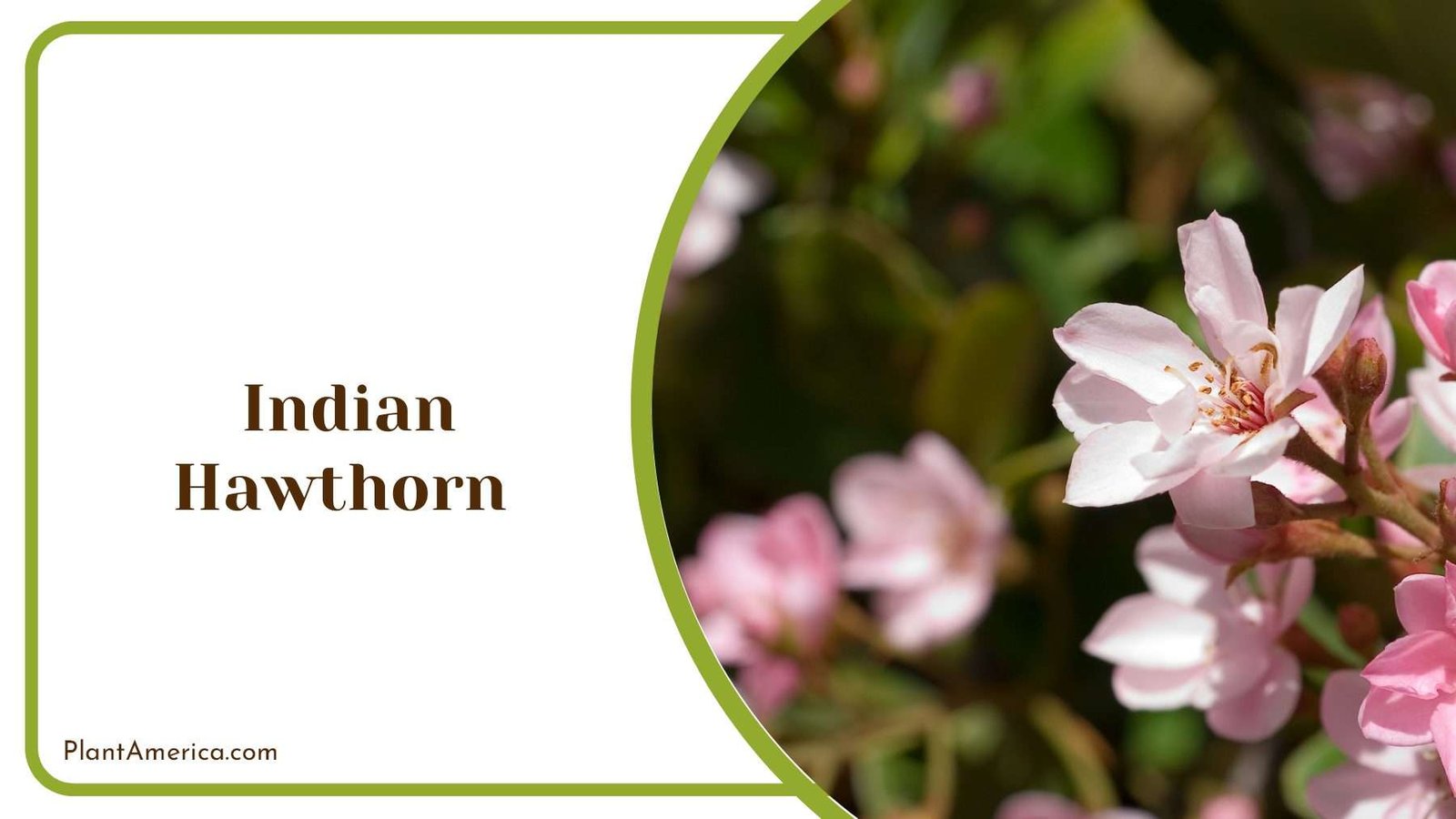
- Growing Season: Deciduous in colder climates, Evergreen in a warmer zone
- Leaf Shape: Oblong, Simple, Oval
- Specific Needs: Well-drained soil, Moist soil, Partial shade
- Common Pests: Scale insects, Aphids
Indian hawthorn shrubs make excellent privacy hedges for Florida landscapes thanks to their attractive reddish winter stems, fragrant spring flowers, and semi-evergreen nature. Indian hawthorn grows between 4 feet to 10 feet tall, depending on the variety and pruning methods. The compact growth habit and tolerance for pruning make it ideal for hedges for boundaries in Florida.
Indian hawthorn prefers full sun to partial shade and well-draining sandy soil. Established plants are drought tolerant when established. Prune in late winter when plants are dormant to maintain ideal privacy hedge size and shape. Cut back no more than one-third of old growth at a time. Scale insects and aphids sometimes overwinter on stems and leaf undersides. Summer oil sprays help control scales, while neem oil or insecticidal soap treats aphids.
With their colorful stems in winter, fragrant flowers in spring, and dense branching, Indian hawthorn shrubs provide Florida homeowners with an attractive, versatile option for low-maintenance evergreen hedges that also offer visual interest throughout most of the year.
10. Japanese Privet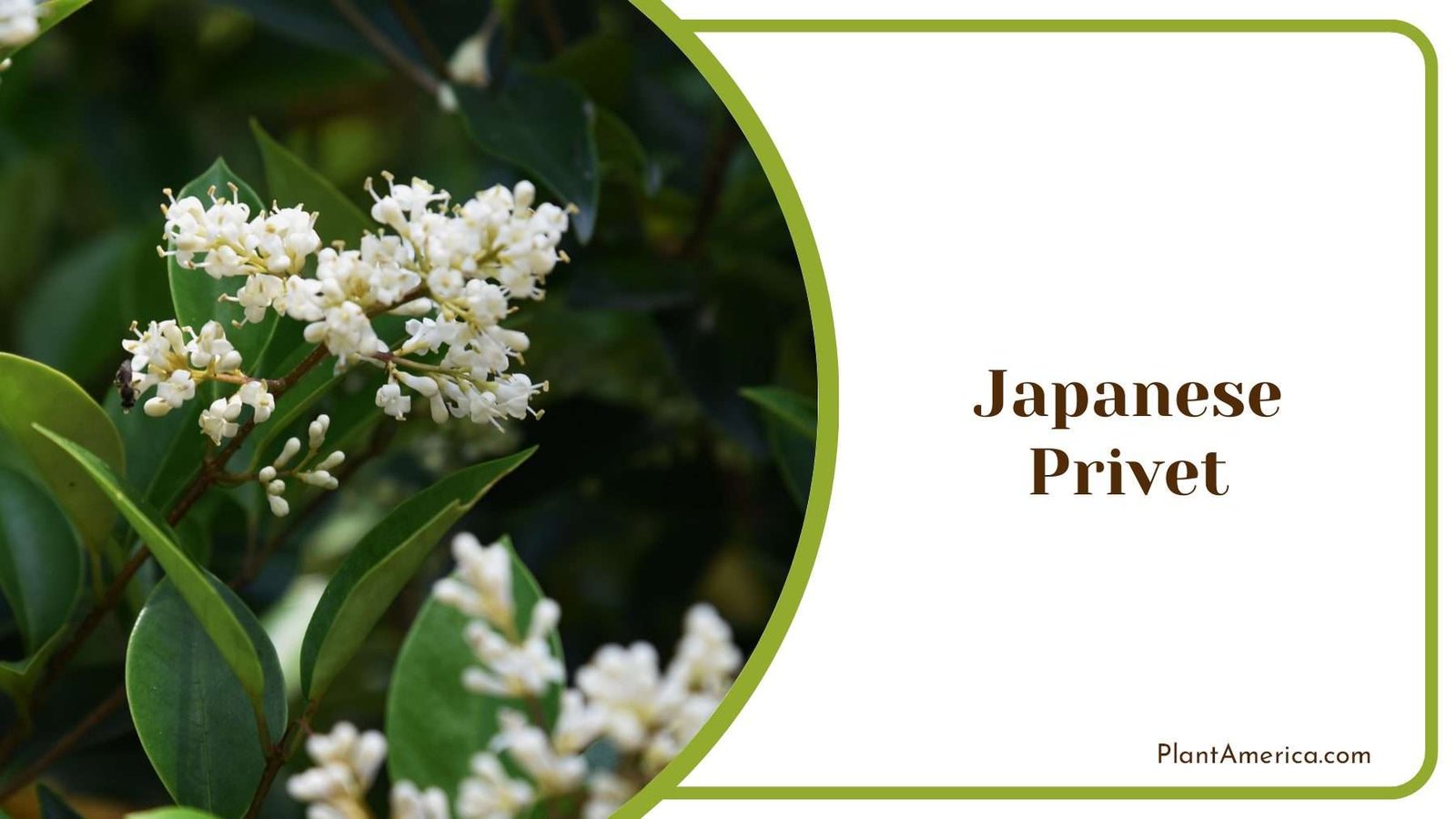
- Growing Season: Year-round
- Leaf Shape: Elliptic, Toothed margin, Ovate
- Specific Needs: Well-drained soil, Acidic soil
- Common Pests: Japanese beetles, Leafminers
Japanese Privet makes a perfect semi-evergreen privacy hedge for Florida yards, especially in zones nine to 11 where temperatures allow it to retain more leaves throughout winter. When pruned regularly into a hedge, the Japanese Privet grows 3 to 10 feet tall and creates an impenetrable thicket of branches that blocks noise and views year-round.
Japanese privet prefers full sun and acidic, well-draining soil conditions. It grows readily in most soil types and garden conditions. Established plants are drought tolerant. Prune Japanese privet hedges directly in spring or early summer to maintain ideal shape and size. Cut back no more than one-third of old growth at once to avoid stressing the plants.
Leaf miners tunnel between leaf surfaces causing damage, while Japanese beetles feed on foliage in late spring and summer. Remove heavily damaged leaves and spray Bt for leaf miners and neem oil for Japanese beetles.
For those seeking a reliably adaptable, low-maintenance hedging privacy plant in Florida, Japanese Privet fits the bill perfectly. Once established, it requires little care beyond periodic pruning and shaping. Its responsiveness to shearing combined with its tolerance for different soil conditions make Japanese privet an excellent option for versatile, compact hedges.
11. Nandina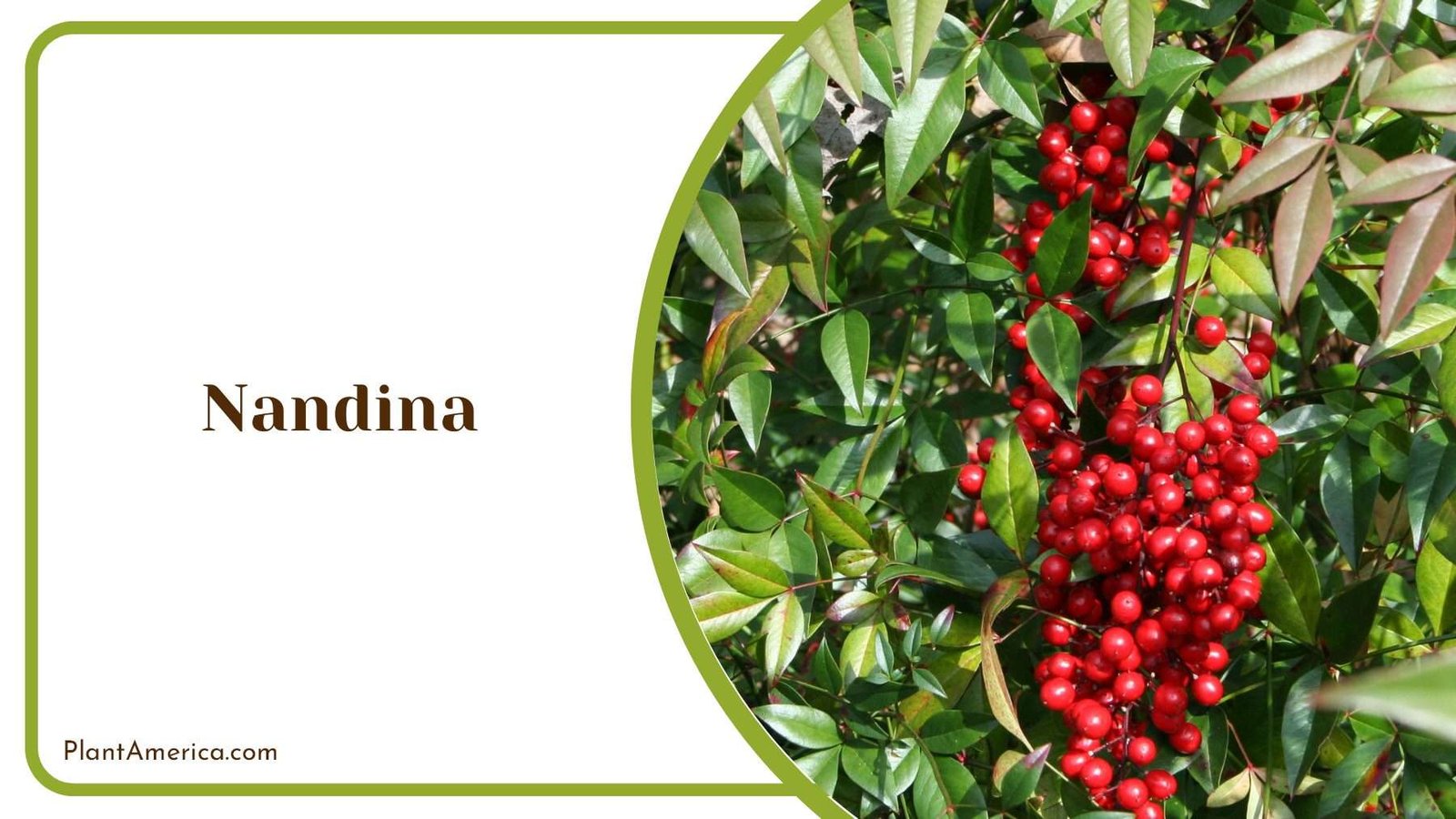
- Growing Season: Year-round
- Leaf Shape: Compound, 13 to 25 sharply toothed leaflet
- Specific Needs: Well-drained soil, Afternoon shade
- Common Pests: Root rot, Scale insects
Nandina shrubs make a lovely evergreen privacy hedge for Florida landscapes thanks to their year-round dense foliage and adaptable growing requirements. Nandina varieties grow 3 to 10 feet tall. Their fine-textured foliage is actually compound, consisting of 13 to 25 sharply-toothed leaflets. The red stems and fruit provide winter interest. Nandina prefers partial shade and well-draining soil conditions. Established plants are winter-hardy and drought-tolerant.
Prune nandina directly after flowering in spring or early summer. Cut back no more than one-third of old growth at a time to maintain the ideal shape and size for hedges for boundaries in Florida. Root rot fungus and scale insects are two potential problems so improve drainage to prevent root rot. Control scales with summer oil sprays before populations explode.
12. Cassia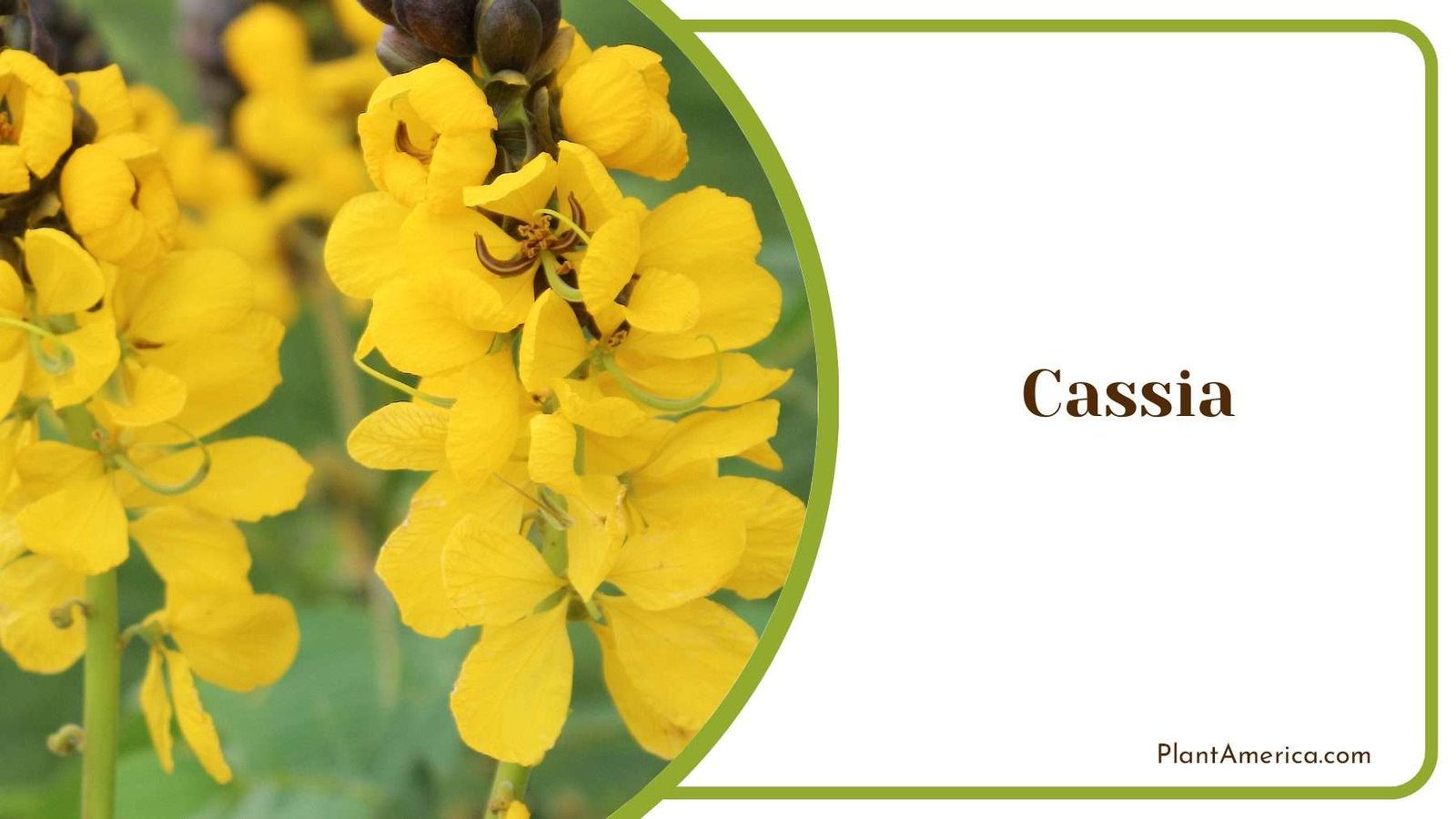
- Growing Season: Semi-evergreen
- Leaf Shape: Bipinnately, Alternate
- Specific Needs: Well-drained soil, Full sun
- Common Pests: Spider mites, Aphids
Cassia shrubs make lovely semi-evergreen hedges for Florida landscapes, offering attractive yellow flowers in summer and fall along with reliably dense evergreen foliage. Cassia grows 8 to 15 feet tall, depending on the species and variety.
Pruned into a hedge, twiggy branches and fine-textured compound foliage create an impenetrable thicket. Cassia prefers full sun and well-drained, acidic soil conditions. Once established, plants are drought-tolerant and require little supplemental water.
Prune cassia hedges directly after flowering in late summer to maintain size and shape for the next growing season. Cut back no more than one-third of old growth at a time. Aphids and spider mites are the main pests to watch for. Insecticidal soap spray helps control light infestations, while neem oil is effective against both when populations explode.
13. Burgundy Beauty Elderberry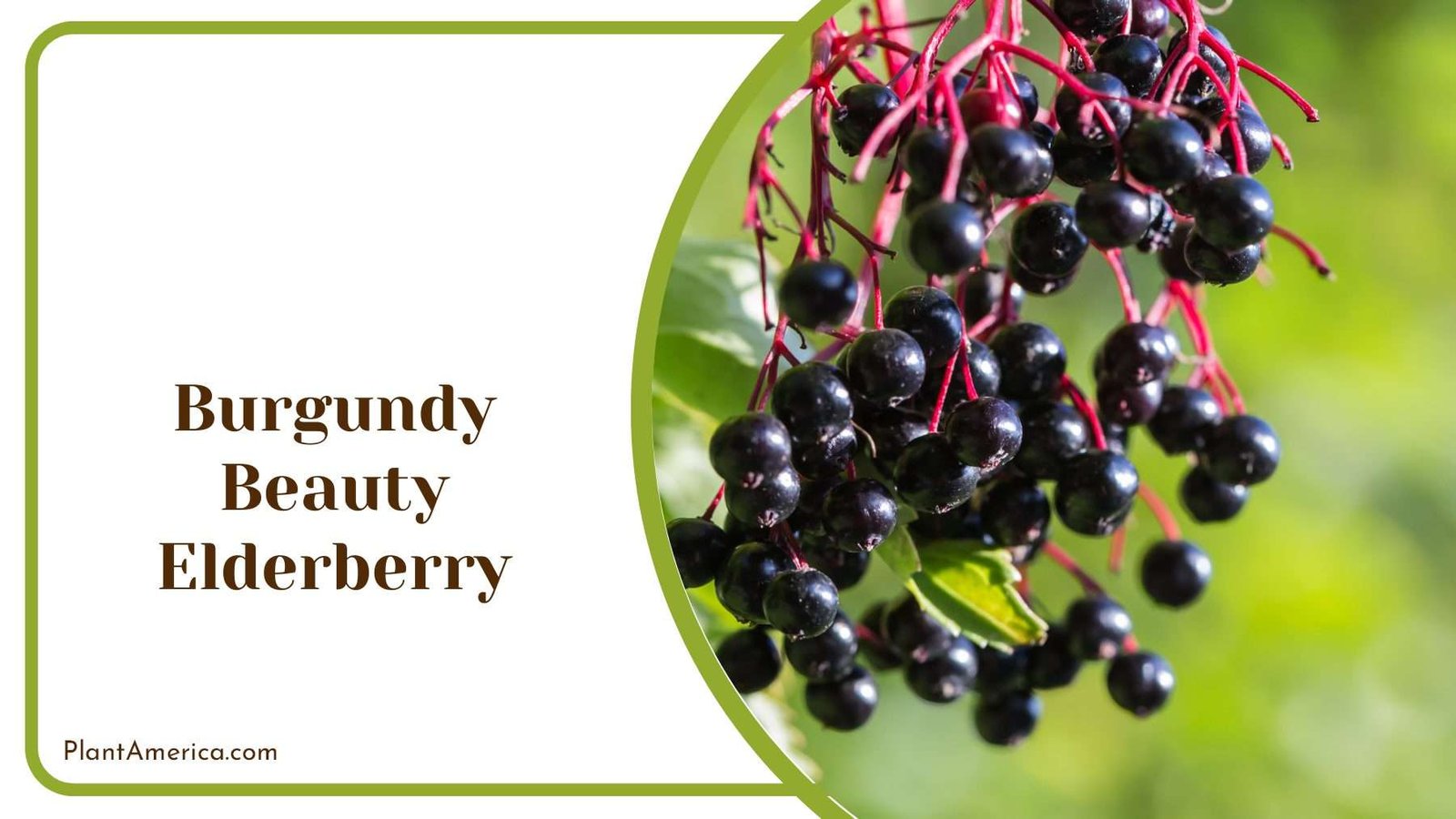
- Growing Season: Deciduous
- Leaf Shape: Pinnately, Opposite, Five-nine leaflets
- Specific Needs: Well-drained soil, Full sun
- Common Pests: Japanese beetles, Aphids
Burgundy Beauty Elderberry shrubs make attractive large hedges for Florida privacy plants, offering burgundy stems in winter, fragrant white flowers in spring, and edible berries in fall. This multi-stemmed variety of American Elderberry grows quickly up to 10 to 12 feet tall.
The compound leaves emerge bronze in spring and fade to medium green by summer. Burgundy Beauty Elderberry prefers full sun and well-draining slightly acidic soil conditions. The plants are fairly drought-tolerant once established.
Prune directly after flowering in spring to maintain basal branching. Cut back no more than one-third of old growth at a time to avoid stressing the plants. Japanese beetles chew on leaves in summer. Handpick them or spray neem oil to control infestations. Aphids also cluster underneath leaves. Control with insecticidal soap spray.
14. Needle Palm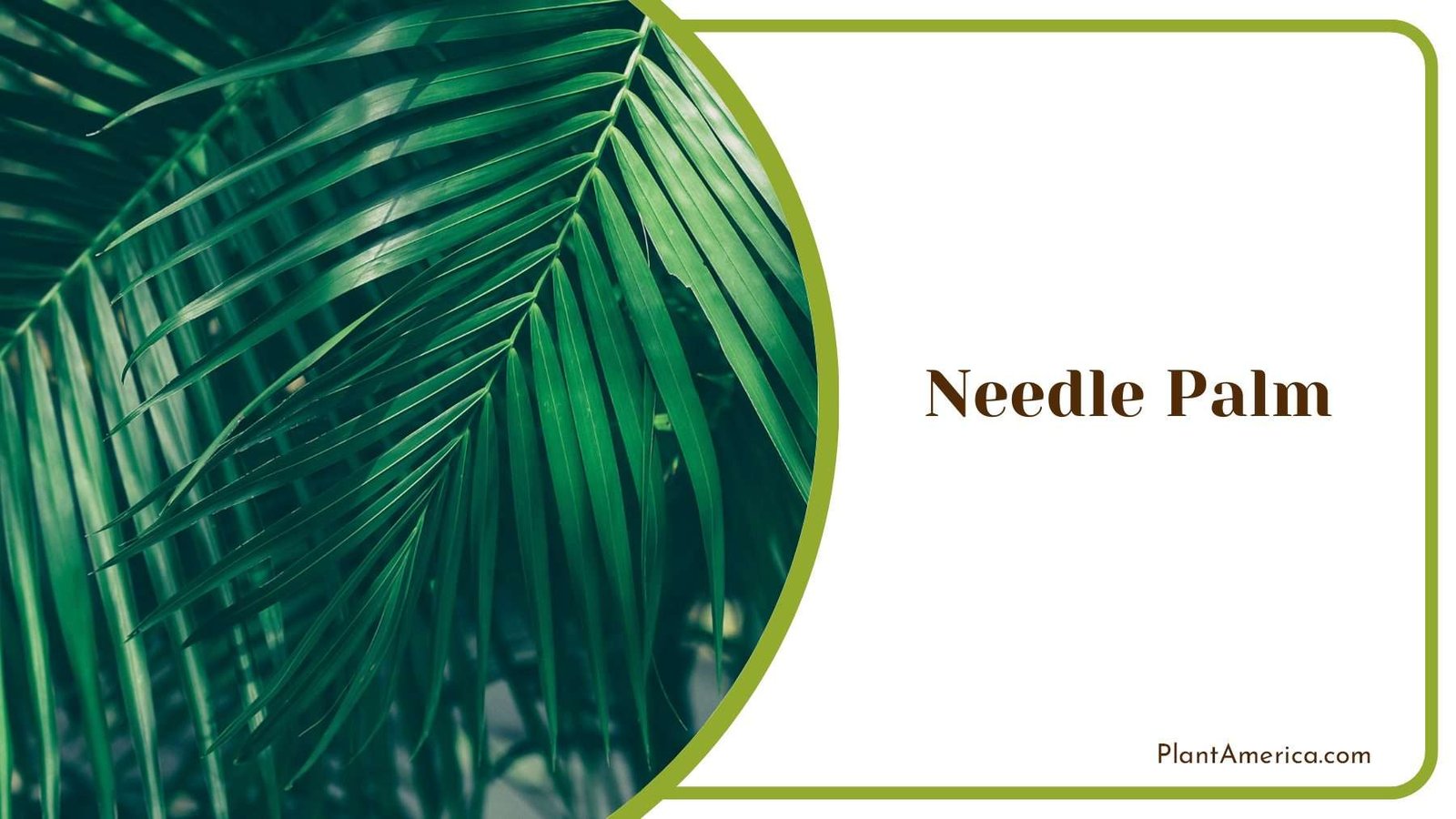
- Growing Season: Year-round
- Leaf Shape: Pinnate
- Specific Needs: Well-drained soil, Protection from strong winds
- Common Pests: Foliar fungus
Needle palm is an ideal small palm tree for privacy hedges in Florida thanks to its low, dense growth habit and tolerance for pruning and shaping. Depending on the cultivar, needle palm grows anywhere from four to 12 feet tall with a similar spread.
Multiple trunks often develop that can be spaced closely together, making them perfect for hedges. Needle palm prefers full sun and well-draining soil that does not accumulate standing water. The feather-like foliage offers year-round greenery and wind resistant
Pruning and training needle palms while young helps develop a dense, multi-.trunked structure ideal for privacy hedges. Once mature, minimal pruning is needed to maintain shape. Foliar fungus sometimes invades needle palms during wet periods, causing leaf spotting and drop. Fungicides help to control outbreaks, especially in wet climates.
15. Southern Magnolia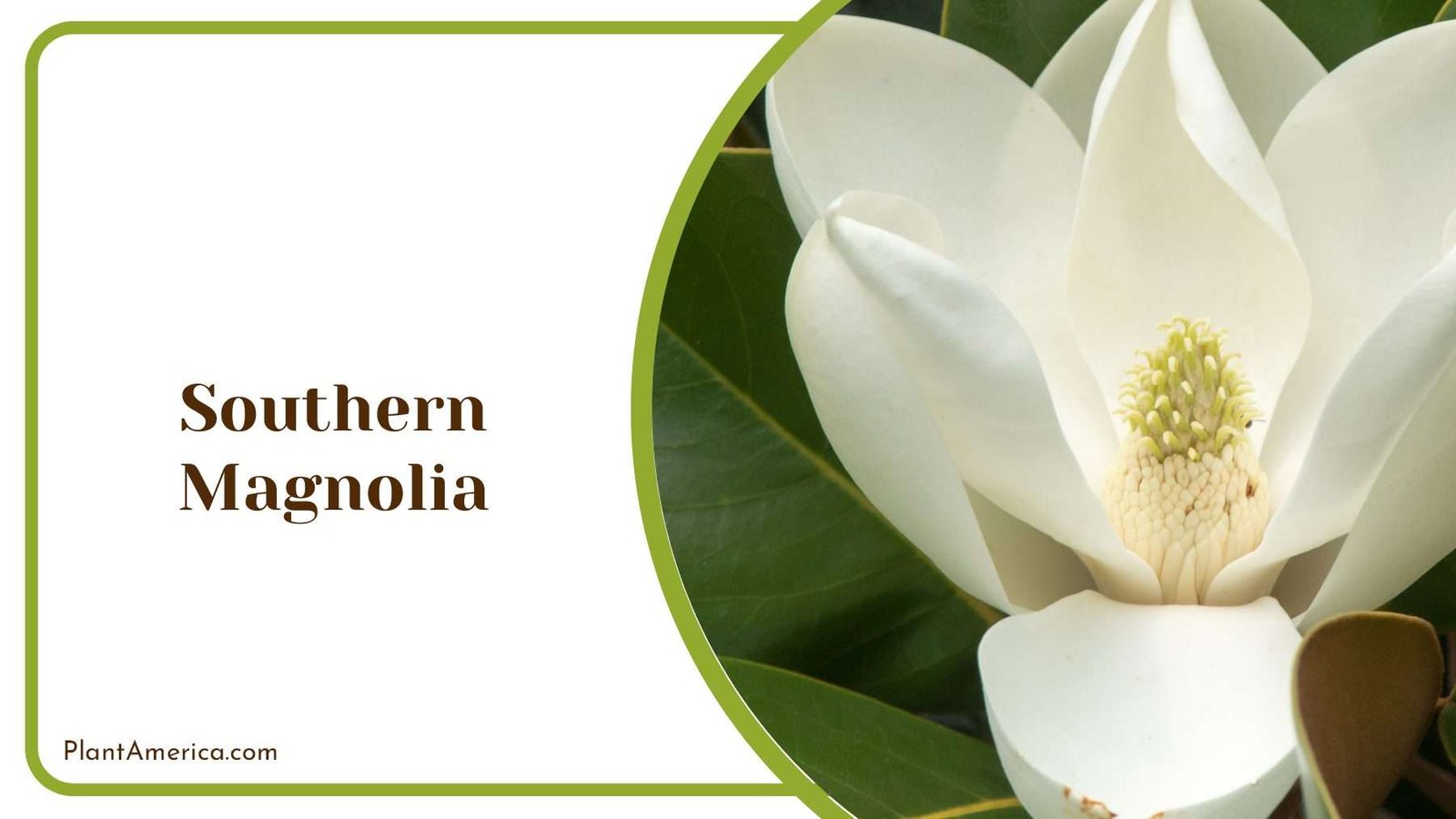
- Growing Season: Year-round
- Leaf Shape: Elliptical, Oblong, Leathery
- Specific Needs: Well-drained soil, Acidic soil
- Common Pests: Scale insects
Southern magnolias make impressive evergreen specimens and the best Florida privacy plants thanks to their large leathery leaves and fragrant white flowers that appear in spring and summer.
Southern magnolias grow 50 to 80 feet tall, making them ideal hedges for boundaries in Florida. The dark green foliage provides year-round obscurity, while the fragrant blooms add seasonal appeal. Southern magnolias prefer full sun and acidic, well-draining soil rich in organic matter. Regular watering and mulch help retain soil moisture.
Prune only to remove dead and damaged branches since heavy pruning can stress southern magnolias. Scale insects sometimes cluster on the branches, reducing photosynthesis. Horticultural oil sprays are effective against scale-infesting magnolia.