
Mandevilla companion plants can truly enhance your garden’s beauty when planted properly. This post will explore 11 top mandevilla companions that attract beneficial insects and create visual interest alongside your Mandevilla vines.
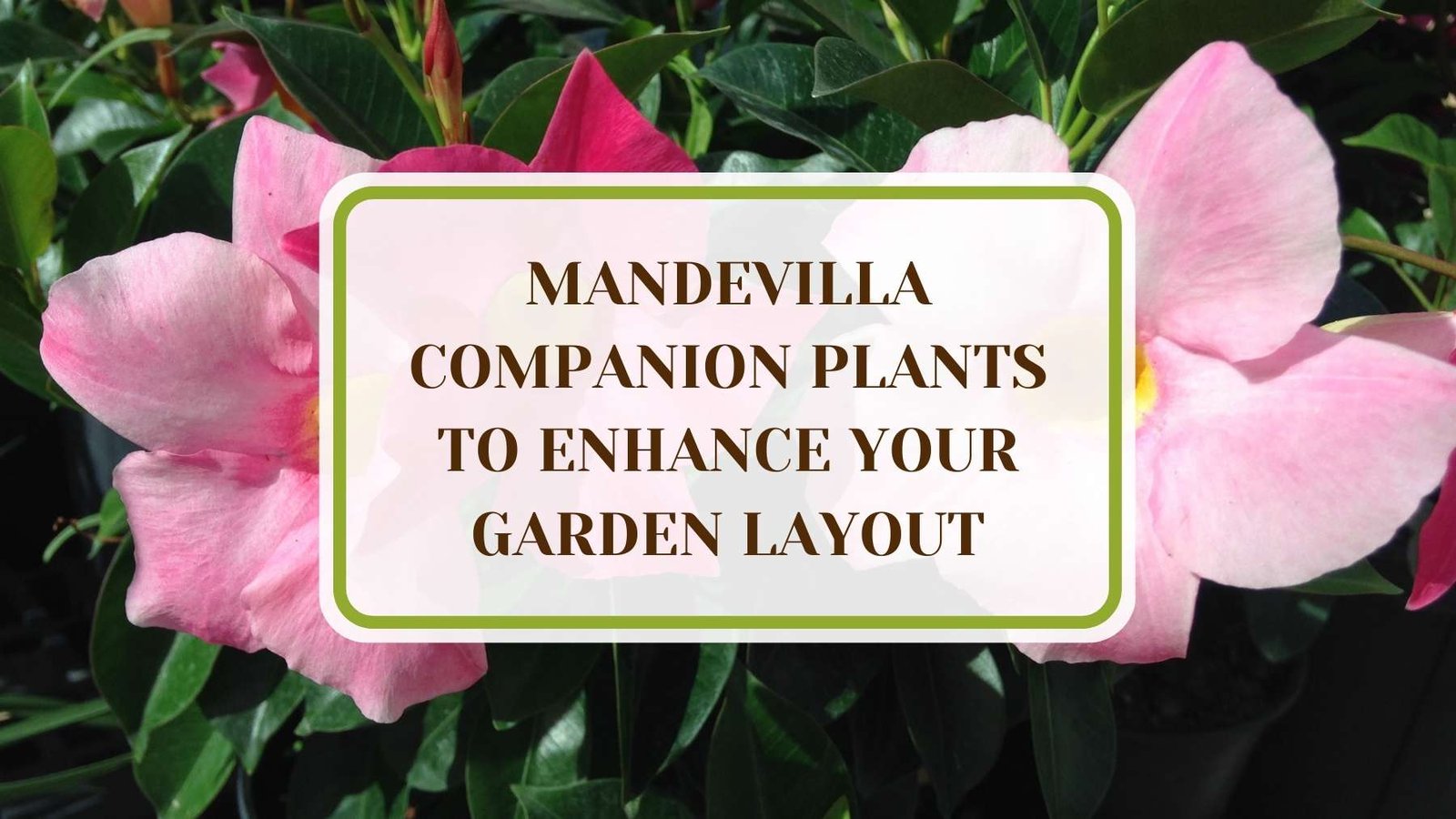
From sunny annuals to shade-loving perennials, these brilliant pairings will have your garden buzzing with activity. Whether you want to fill out a garden bed, attract pollinators, or add colorful accents to a mixed planter, these companion choices will surely please.
Mandevilla Companion Plants to Mix into Your Beds
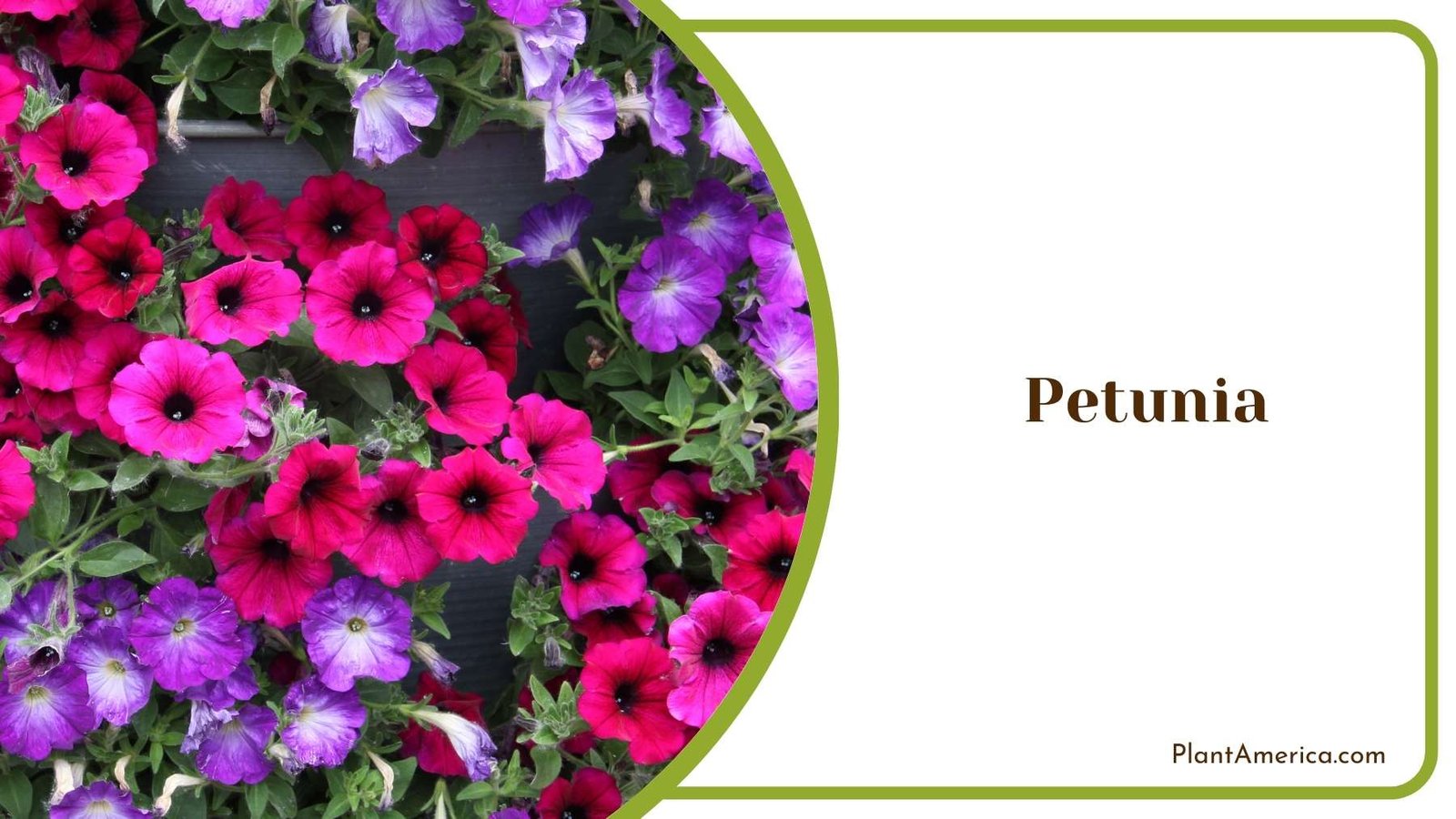
1. Petunia
- Growing Season: Annual
- Leaf Type: Round, Small, Smooth-edged
- Specific Needs: Well-draining soil, Moderate watering, Full sun
- Common Pests: Spider mites, Aphids
Petunias are a classic companion for mandevillas with flashy blooms in a riot of colors. Their mounding habit spills vibrant flowers that attract lots of pollinators. Petunias come in vast hues, from the snowy white variety ‘Piccolina’ to the volcanic red of ‘Red Flare.’ Their compact size and spreading growth make them an ideal plant to pair with mandevilla vines.
Come spring, you can fill entire garden beds or line pathways with petunias for a flashy and fragrant display all growing mandevilla season long. Interplant clusters of petunias among bushy mandevilla varieties that require staking like ‘Purple Queen.’ Their intermingling blooms will create a riot of color that buzzes with beneficial insects.
For a more understated pairing, try creeping petunias along the base of dangling mandevilla vines. Varieties suited for hanging baskets will trail cascades of easy-care color. ‘Surfinia Sweetunia,’ for instance, features blue and rose-streaked trumpets.
Petunias are hardy annual tropical plants that thrive in full sun or partial shade. Their low-maintenance nature means your mandevilla vine and petunia pairing will provide months of cheer with minimal upkeep, whether in garden beds or planters. Deadheading maintains flowering, so the colorful display continues through warm growing mandevilla seasons.
2. Marigold

- Growing Season: Annual
- Leaf Type: Segmented, Lobed leaves
- Specific Needs: Full sun, Average soil, Drought tolerant
- Common Pests: Snails, Aphids
Marigolds make a wonderful ground cover to keep weeds at bay around your spreading mandevilla vine. Their petite gold, orange, and yellow blossoms provide a splash of color, contrasting nicely against the lush, deep green vines. Interplanting these vibrant flowers in decorative swaths creates a living mulch to thwart weed seeds.
At the same time, marigolds attract beneficial insects to your mandevilla companion planting due to their strong yet pleasant fragrance. Helpful predators like ladybugs are drawn to aphid-prone mandevillas. Their presence helps provide natural pest control so you can enjoy your tropical plant pairing without worries.
Marigolds remain drought tolerant through the growing mandevilla season, so they they require little else besides their low-maintenance needs. Come autumn, deadhead spent flowers to encourage another flush before frost. Leave seed heads for birds to enjoy through winter. Then, in spring, a fresh batch of self-seeded marigolds pops up to complement your returning mandevilla vines.
The low-growing mounds of marigolds make a versatile tropical plant that flourishes in both beds and borders with minimal care. Use them to brighten shadier areas under mandevillas trailing from pots or trellises. No matter your garden layout, marigolds enhance visual interest among the leaves and vines.
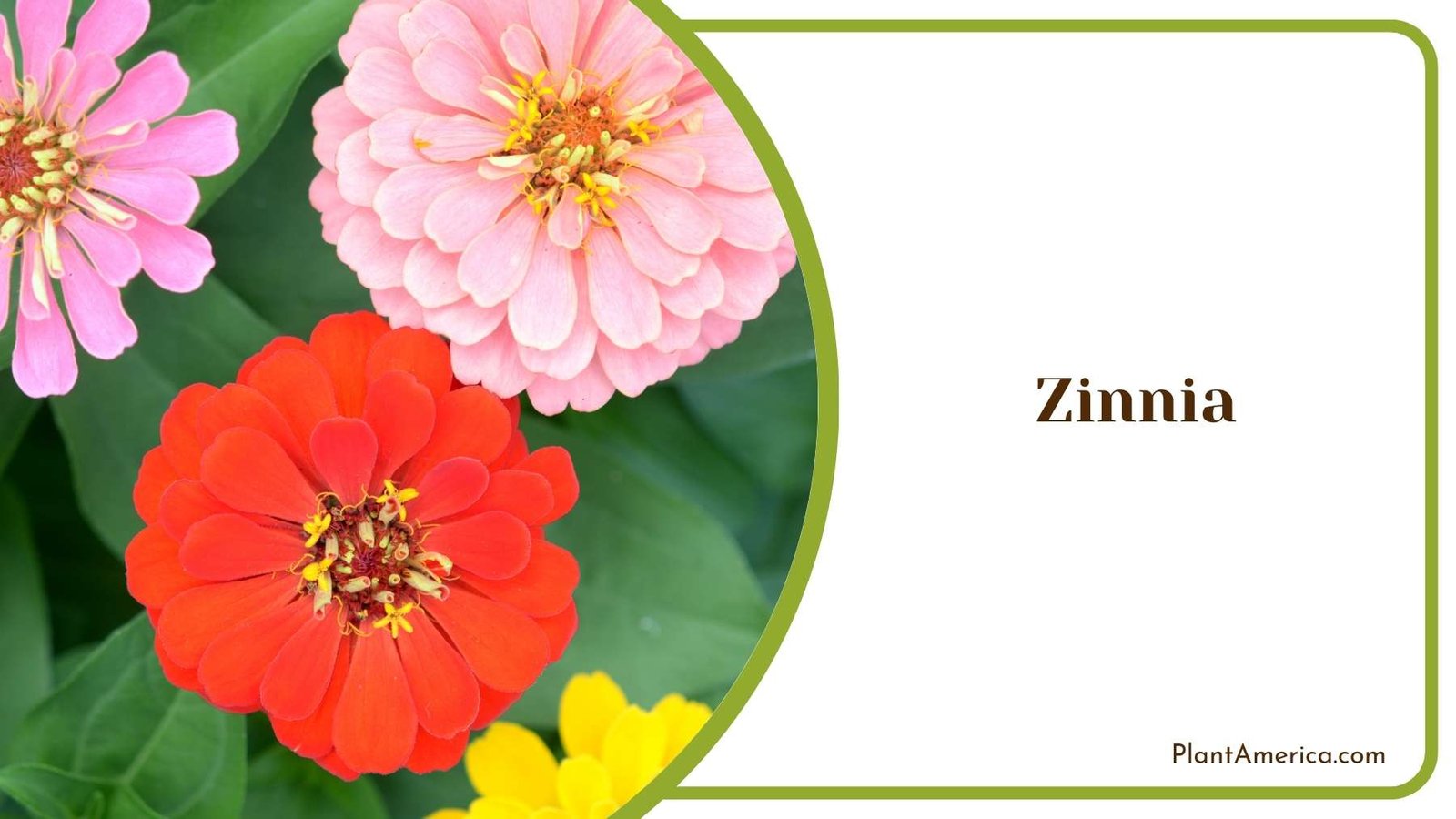
3. Zinnia
- Growing Season: Annual
- Leaf Type: Broadly lobed, Alternate arrangement
- Specific Needs: Full sun, Well-drained soil, Deadhead regularly
- Common Pests: Leafhoppers, Aphids
Zinnias make a vibrant splash alongside mandevilla vines with their dazzling blooms. Offering an array of colors from crimson to canary yellow, these cut-and-come-again flowers energize the garden throughout warm seasons. Plant zinnias of assorted heights to complement dwarfed varieties nestled among foliage or leggy types staking upward alongside mandevillas trained on a structure.
Another advantage of zinnia companions is their leaf shape contrasts the textures next to the mandevilla’s lush greenery. Broad yet delicately lobed leaves provide visual interest among the vines. An alternate leaf arrangement further lends architectural flair, with each leaf standing alone upon its petiole at differing heights on the stem.
To prolong your zinnia-mandevilla performance, dead heads drop flowers as they fade. This simple task encourages continued blooming right up until autumn frosts arrive. It also prevents unnecessary shedding of seeds, allowing the plants to focus their energy on more flowering.
Another deadheading benefit is the reduced chance of mold or fungal issues developing if old flower remnants are removed.
During the growing mandevilla season, bees and butterflies flock to zinnias daily. Their pollination efforts translate to more abundant flowers for cutting or enjoying in your landscape throughout warm weather.
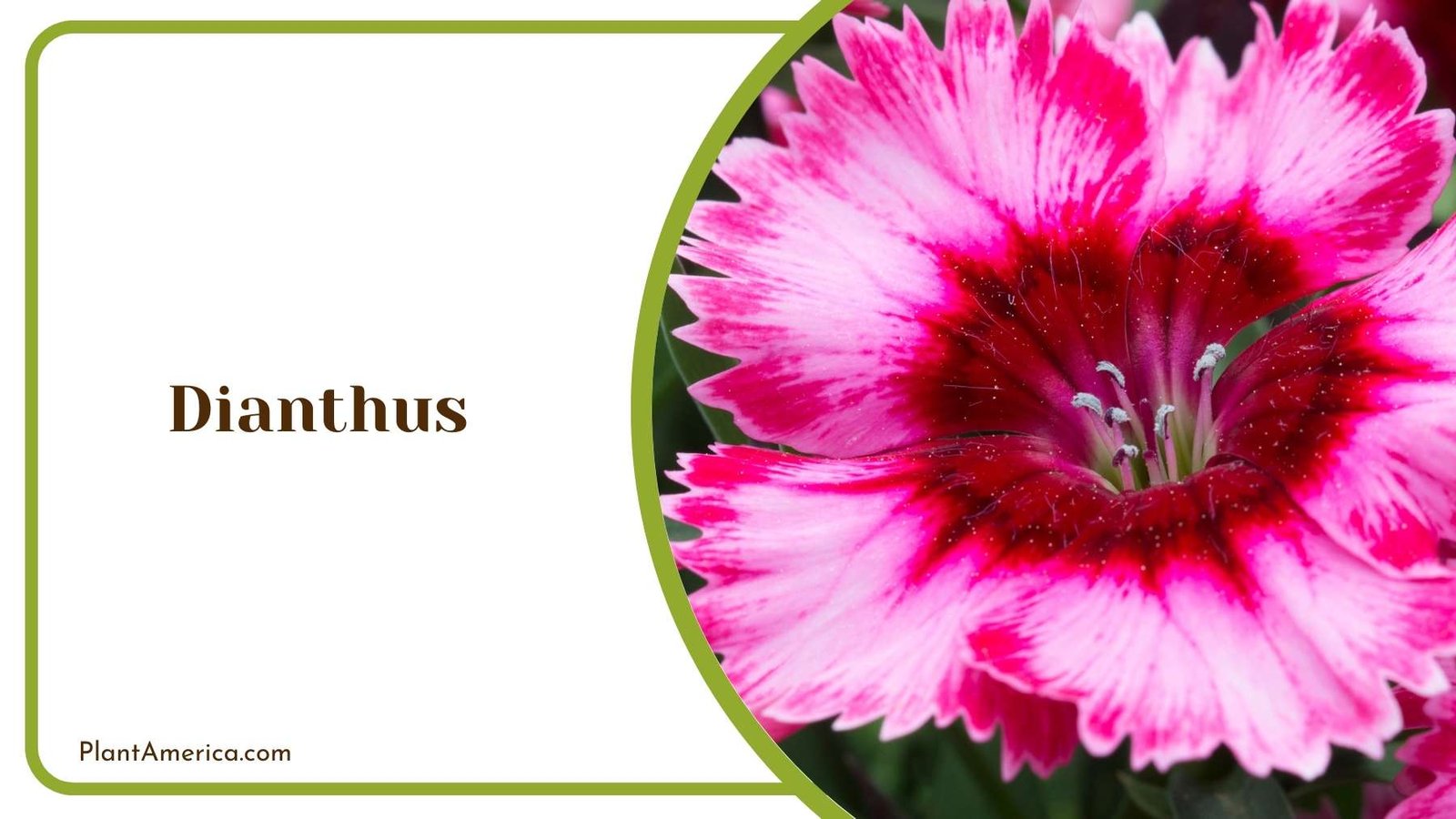
4. Dianthus
- Growing Season: Annual, Perennial
- Leaf Type: Opposite arrangement, Linear
- Specific Needs: Well-drained soil, Deadhead regularly, Full sun to partial shade
- Common Pests: Aphids
Dianthus lends an elegant touch when paired with mandevilla vines. Available in a blush of soft pinks, reds, and white tones, their clove-scented blooms perfume the air. Dianthus flowers attract pollinators like miniature carnations and last well in floral arrangements. You’ll find yourself cutting bouquets throughout the season to bring indoors.
Interplant clusters of dianthus to fill in around mandevilla roots, spreading outward from hanging baskets or garden beds. Here, the dianthus thrives protected from intense midday sun rays that could scorch more delicate petals. Their narrow willow-like leaves in shapely opposite pairs also add fine-textured contrast against large-leaved mandevilla varieties.
As temperatures rise towards summer, dianthus settles into a supporting role, providing floral filler amongst the vibrant mandevilla blooms. Come early fall, when mandevillas begin slowing their growth, dianthus takes center stage.
Many cultivars bloom strongest as nighttime temperatures cool, elegantly transitioning from summer companions to focal points anchoring the end of the growing mandevilla season.
In milder winter areas, perennial types endure, providing vibrant splashes of color among fallen autumn leaves and vines slumbering beneath for insulation against the first frosts. Their sturdy nature means repeat performances season after season. Regular deadheading maintains flowering and prevents dianthus from self-seeding invasively.
5. Dusty Miller
- Growing Season: Annual, Perennial
- Leaf Type: Oval silvery leaves, Textured appearance
- Specific Needs: Full sun, Average to dry soil, Infrequent watering
- Common Pests: Aphids
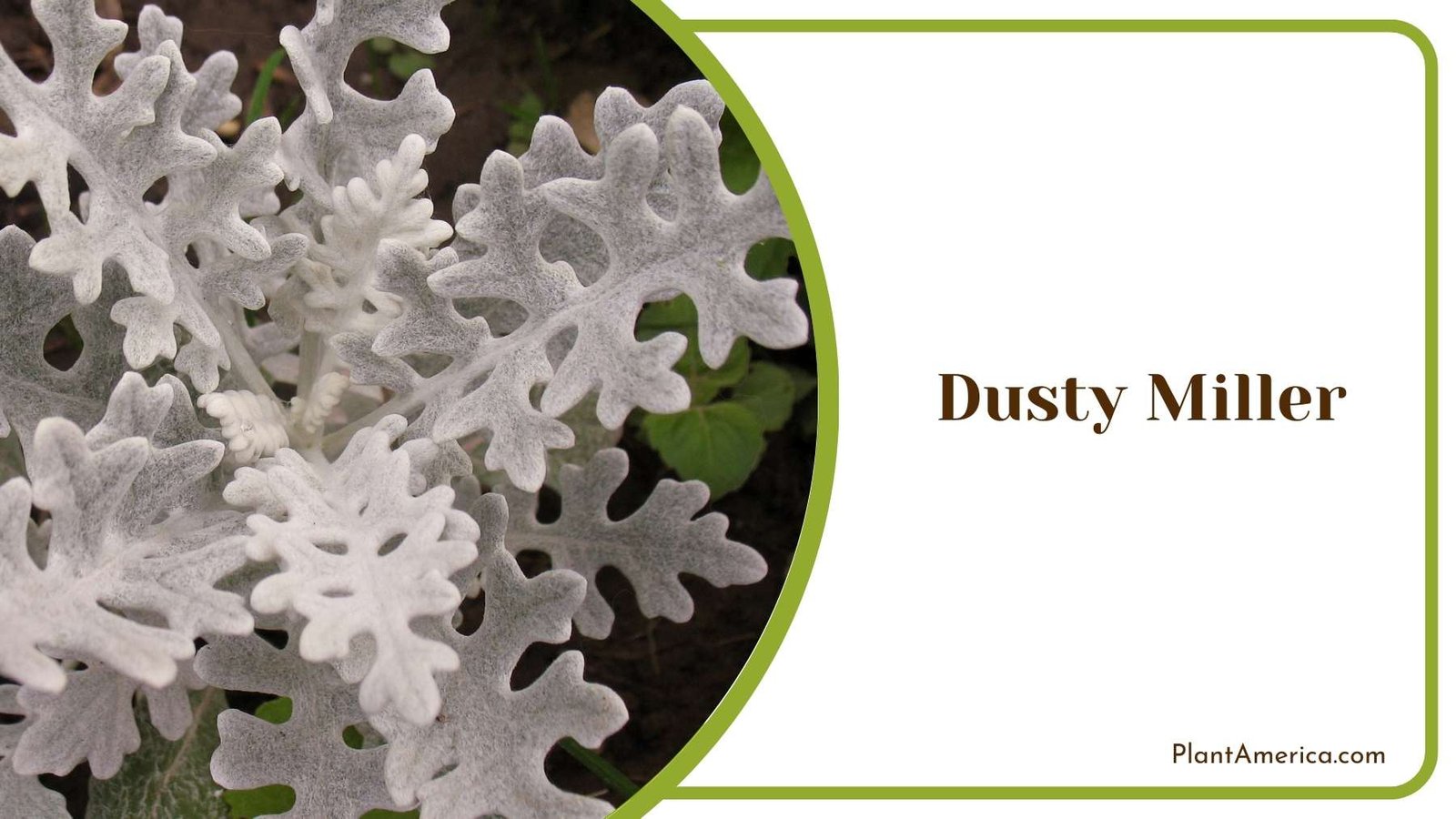
Dusty Miller lends itself beautifully to mixed planters and gardens with mandevilla vines. As its name implies, this airy textured plant possesses silvery gray-green foliage that resembles softly fallen snow even in the height of summer. Use dusty miller as a focal point to create visual contrast amongst green or variegated mandevilla leaves cascading nearby.
The velvety oval leaves of dusty miller add luxurious dimension and subtle movement with every gentle breeze. Intersperse tufts amid trailing mandevillas spilling from containers. Here, both thrive merged with identical needs for full sun and well-draining substrate. Dusty Miller’s wispy texture acts like decorative mulch suppressing weeds while allowing mandevilla vines room to drape below.
Through warm months, the foliage remains decorative with little effort. Occasional shearing after bloom maintains a bushy form and fresh growth to reinvigorate its silvery presence. Use persistent dried flower heads in seasonal bouquets and arrangements alongside mandevilla pods or berries in autumn, adding textural intrigue long after blooming.
Growing mandevilla vines alongside dusty miller give you an elegant foliage component that maintains low maintenance. Their complementary needs mean less fussing over the perfect partners to beautify any sunny area all growing season long. Both lend themselves well to cuttings, allowing you to propagate more plants from established specimens as desired.
6. Sweet Potato Vine
- Growing Season: Annual
- Leaf Type: Heart-shaped, Palmate lobes
- Specific Needs: Full sun, Fertile, well-draining soil, Support for climbing growth
- Common Pests: Aphids, Leafhoppers
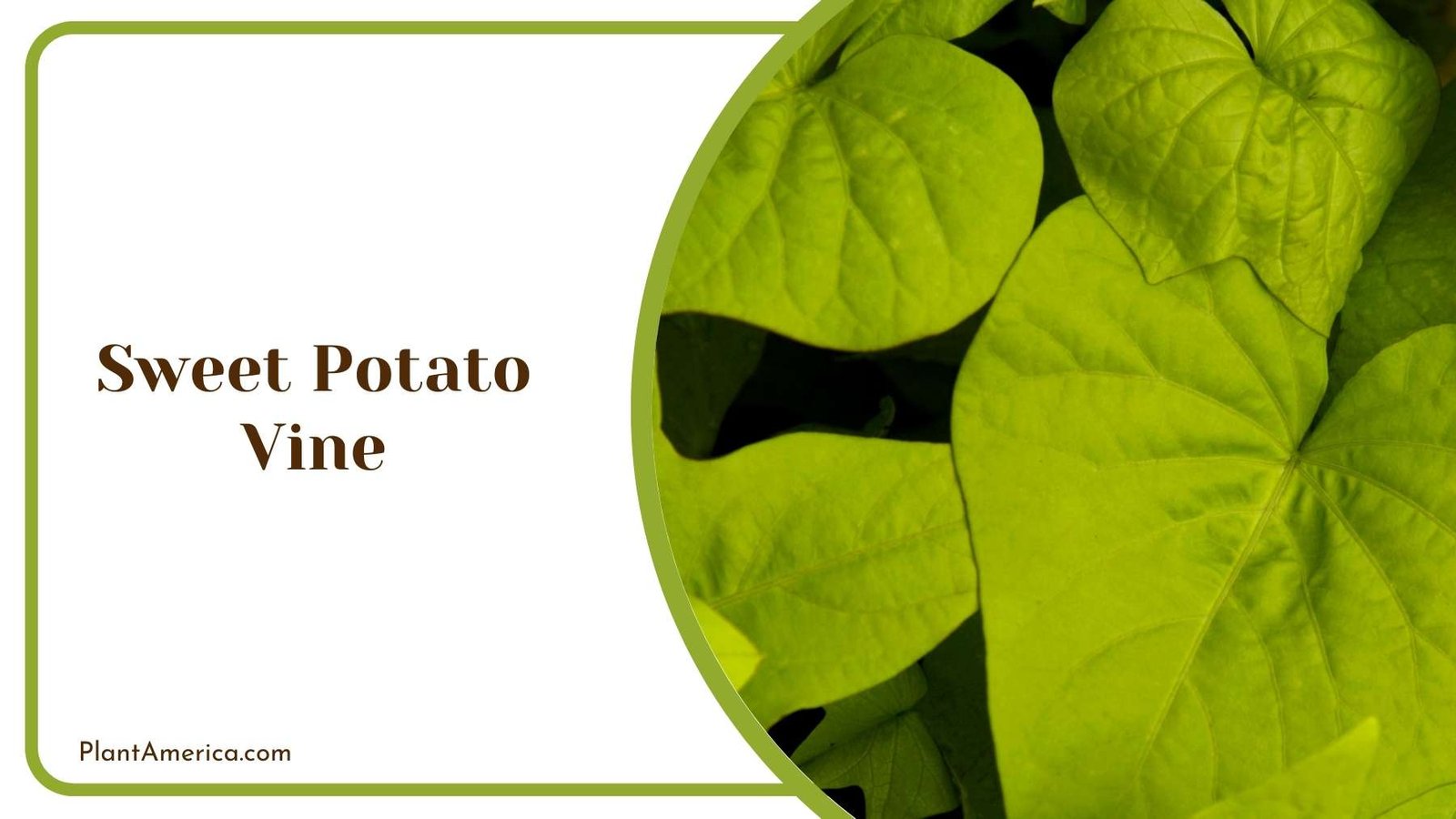
Sweet potato vine complements mandevilla in its grasping growth and the vibrant colors emerging each season. As its common name implies, this tropical plant trails vines bearing heart-shaped leaves in lime, bronzy red, or variegated white shades. Train sweet potatoes intertwining with mandevillas up a common structure for a stunning display.
In late summer, small sweet potato fruits called tubers form underground, waiting to be harvested once vines die back with colder weather. Consider trying new cultivars yearly by nurturing tubers indoors over winter for replanting come spring. This allows for new color and leaf pattern explorations as varieties develop.
Weave sweet potato vines through the mandevilla’s lattice or spiral them together on a tall obelisk. As both scramble skyward, their mingling hues create living art. Beneficial insects abundant amidst flowers and lush foliage will delight as colorful tubers emerge uncovered from the soil after harvesting time.
Once frost threatens, cut back aerial sweet potato growth, composting stems for nutrient return to the soil. Protect remaining swollen roots in a cool indoor spot, such as a basement, to enjoy later or share with gardening friends and trade cultivars. Your vertical garden will continue delighting through the seasons in an ever-changing form.
7. Pentas
- Growing Season: Annual
- Leaf Type: Oval to elliptical, Opposite arrangement
- Specific Needs: Full sun, Well-drained soil, Minimal deadheading
- Common Pests: Spider mites, Leafhoppers
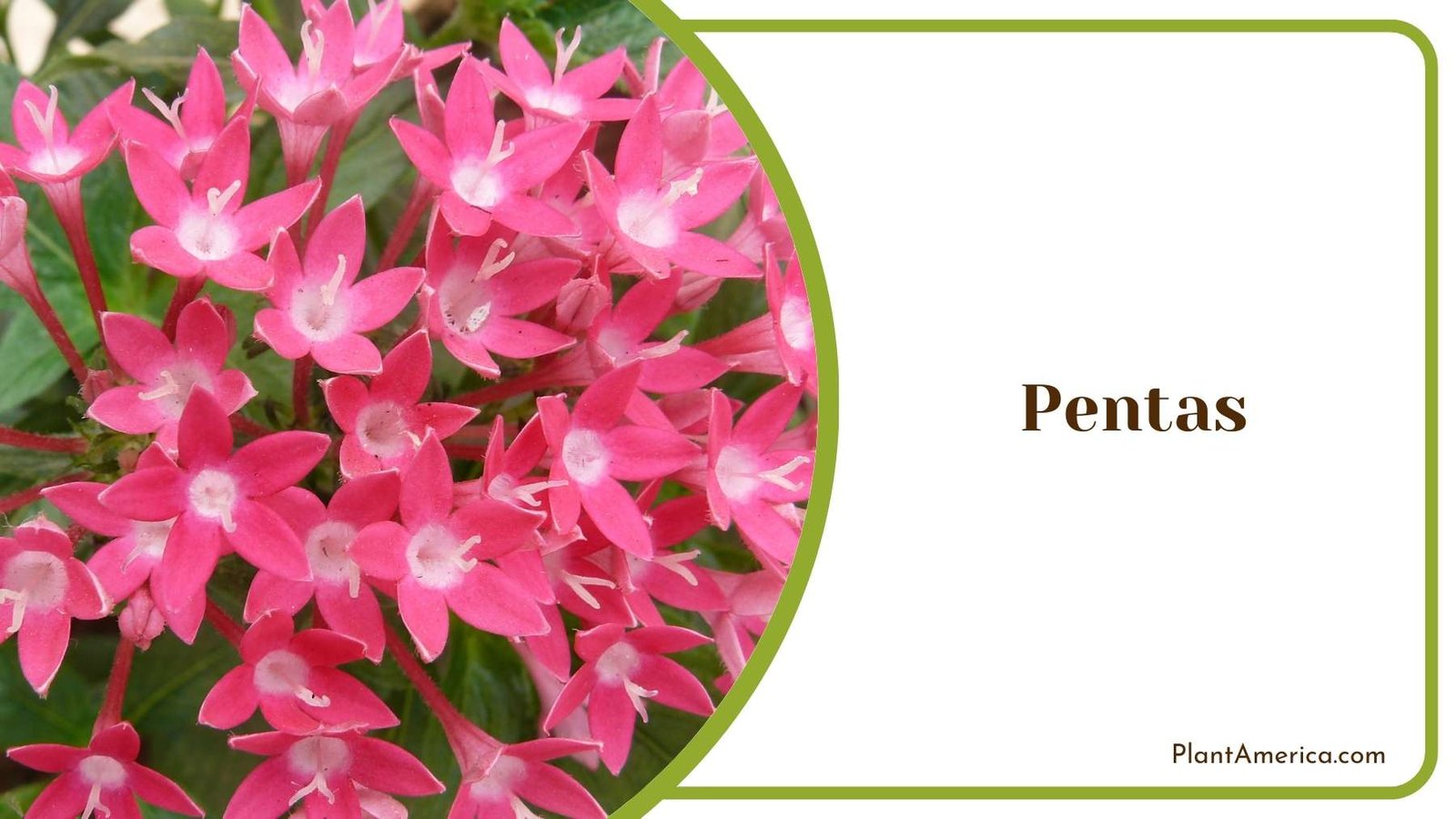
Butterfly-magnet pentas pair beautifully amongst mandevilla vines. Their cheery star-shaped blooms flutter in shades of pink, red, and white, attracting pollinators all season. Use pentas to fill crowded containers and beds where mandevillas scale upward on stakes or wreaths.
The slender elliptical leaves of pentas contrast nicely with the mandevilla’s lobed foliage. An opposing leaf arrangement provides visual depth among the mingling textures. Better yet, pentas thrive with hot sun and little water—ideally suited to matching mandevillas’ preferences.
Minimal deadheading keeps pentas fountain-like throughout summer. Trim spent flower clusters to just above leaf nodes, encouraging continuous re-bloom. Come autumn, allow remaining blossoms to transform into ornamental seed heads, adding winter interest until plants naturally die back.
No matter your garden space, pentas round out mandevilla combinations with cheerful ease. Their mounding habits spill color while withstanding sun and heat, acting as reliable companions from spring till the first frost.
No wonder they remain fixture favorites, anchoring beds, and borders alongside vigorous mandevilla vines all season long.
8. Geranium
- Growing Season: Annual, Perennial
- Leaf Type: Opposite arrangement, Palmately lobed
- Specific Needs: Moist, well-drained soil, Deadhead regularly, Partial shade-full sun
- Common Pests: Aphids
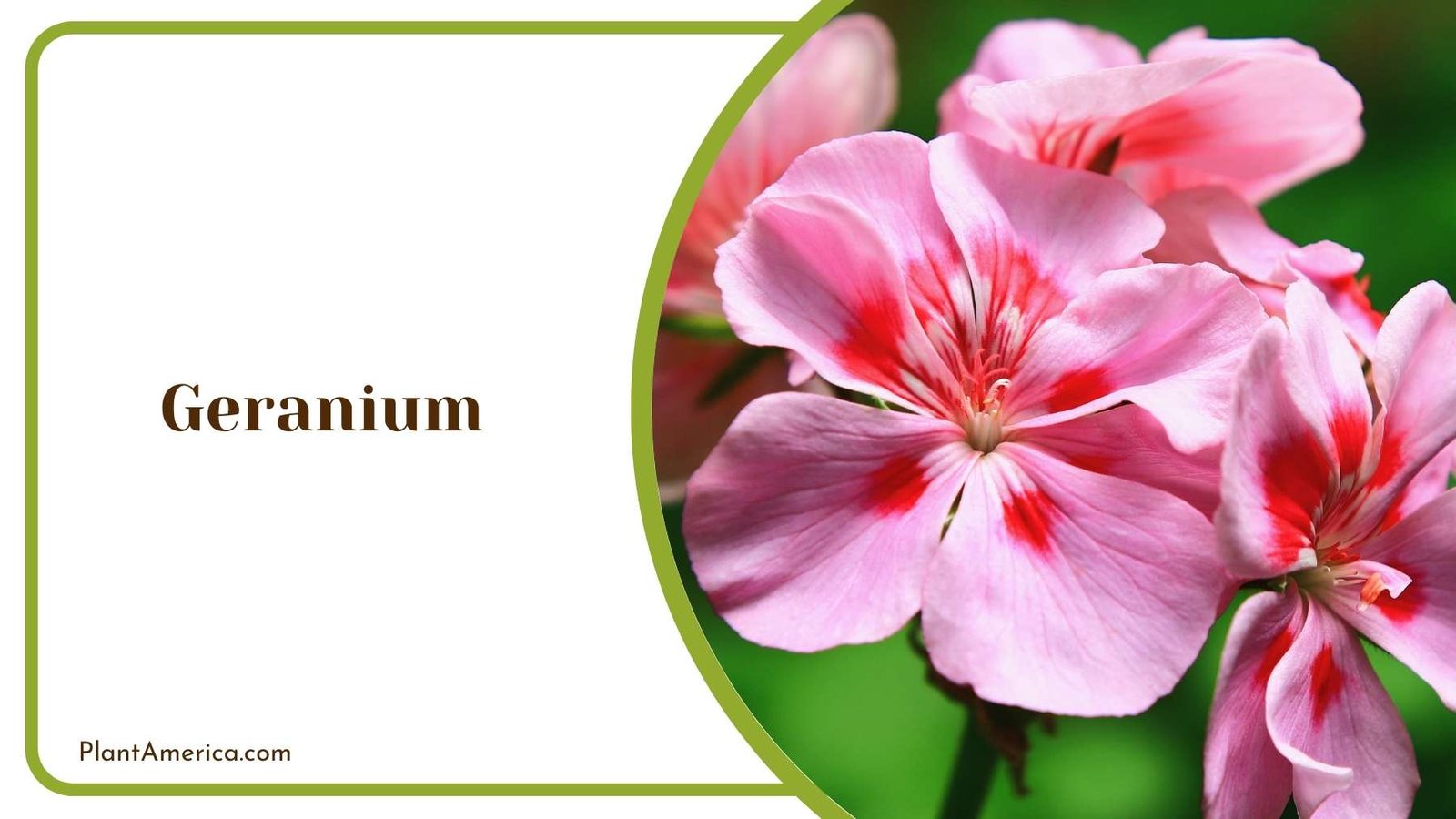
Add some color and texture with geraniums nestled among mandevilla vines. Readily found in mixed blossoms of pink, red, and white, their saucer-like blooms cheerfully attract hummingbirds. When sizing up varieties suited to your space, consider dwarf geraniums that flourish tucked beneath mandevillas or trailing kinds to spill from containers.
The deeply lobed leaves of geranium provide visual intrigue among the rounded or palmate leaves of mandevilla. Colorful leaf venation and an opposite leaf arrangement further enhance their contribution as an interesting foliage component.
During hotter afternoon hours, shade-loving geranium varieties appreciate shelter under mandevillas draping overhead, which moderate sunlight. This partial sun preference ensures both plants thrive without requiring supplementary watering.
Come late summer and early fall, some geraniums will enter dormancy, allowing mandevillas to take center stage as the focal point. Others soldier on, adding late pops of pink, red, or white blooms that complement changing foliage colors.
In warmer growing zones where frost is rare, robust perennial geranium cultivars continue flowering vigorously throughout winter, persisting as green islands until springs return. Should their foliage deteriorate in colder seasons, prune back any dead growth come early spring and enjoy re-growth paired once more with sturdy mandevilla vines.
No matter the variety selected, geraniums make long-blooming companions that provide invaluable visual contrast. Their enduring nature means repeat performances alongside mandevillas season after season.
Regular deadheading maintains flowering and prevents self-seeding invasively. It also removes spent blooms, reducing the risk of disease issues developing.
9. Lantana
- Growing Season: Annual, Perennial
- Leaf Type: Opposite arrangement, Broadly oval
- Specific Needs: Well-drained soil, Minimal water, Full sun
- Common Pests: Leafhoppers, Aphids
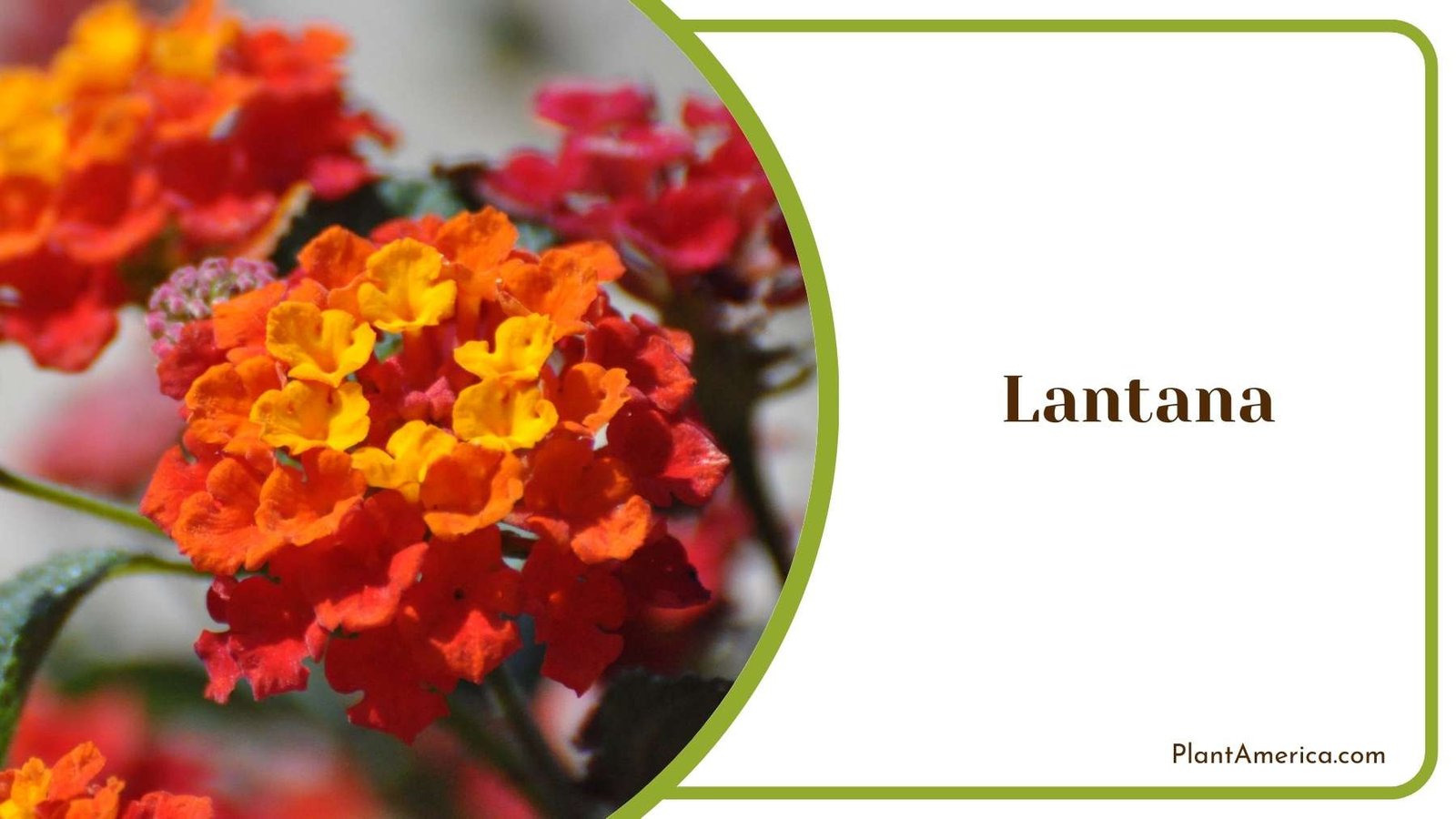
Vibrant lantana shrubs pair upbeat energy with mandevilla vines throughout the growing season. Clustered blooms dazzle in every imaginable hue, continuously relentlessly attracting bees, butterflies, and hummingbirds.
For best performance, choose more compact dwarf lantana varieties suited to nestling amongst colorful leaves at the base of mandevilla plants. Or consider a trailing cultivar to spill vibrant flowers from large containers featuring draping mandevilla vines cascading over the edges.
The thick, leathery oval leaves of lantana provide structural contrast compared to mandevilla’s delicate textures. An opposite leaf arrangement along each upright woody stem delivers architectural flair and visual interest in all seasons. Combined in mixed planters or beds, their mingling shapes and textures elevate visual pleasure far above either plant displaying alone.
In peak summer, heat-loving lantana shines, requiring little care beyond full sun exposure and occasional irrigation. Its natural spreading growth habit forms bushy clumps that fill empty spaces left behind as some earlier-senescing mandevilla cultivars fade. Extend your tropical oasis ambiance, appealing to human visitors and wildlife, until cool fall evenings arrive.
Propagate more lantana plants for next year’s pairing by splitting mature stalks in late summer or early fall once bloom shows signs of slowing. New growth will root easily over winter. As a bonus, collect ripe orange-red berries housing distinctive speckles appealing to foraging birds.
Either approach ensures rainbow joys continue delighting your senses through dormancy until warming spring temperatures revive your lush mandevilla and lantana pairing.
10. Daisy
- Growing Season: Annual, Perennial
- Leaf Type: Basal rosette, Linear to narrowly lobed
- Specific Needs: Well-drained soil, Staking taller types, Full sun
- Common Pests: Slugs and snails, Aphids
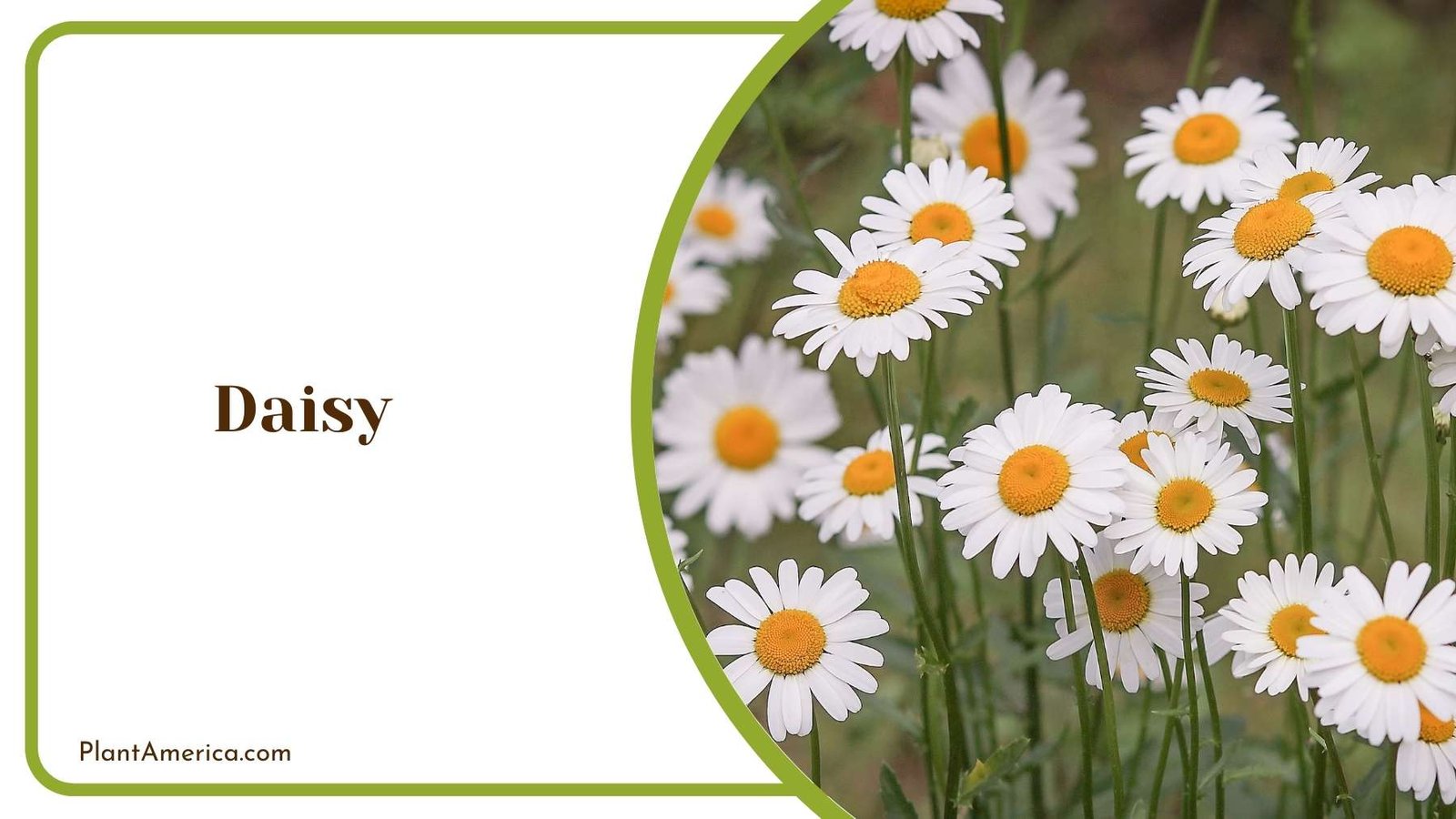
Daisies come in wide varieties that make nice companions for mandevilla vines. They bear cheerful white, yellow, or pink circular flowers throughout the growing season. Annual daisies bloom then seed, and perennial kinds that return each year pair well.
Tall daisy varieties with single long stems, like Shasta daisies, look attractive supported among climbing mandevillas trained on a trellis or stakes. Their delicate blooms stand out against the lush tropical foliage. Shorter-growing daisies that form basal rosettes of leaves nestle attractively at the base of mandevilla plants.
Daisies and mandevillas have similar care needs, thriving together in full sun with well-draining soil. Both tolerate hot and rainy weather well. While perennial daisy foliage may die in winter, the plants reliably re-emerge in spring. Their low maintenance quality complements the easy-going mandevilla.
Together in beds, borders, or containers, the varied shapes, colors, and textures of daisy blooms, mandevilla leaves, and vines provide an attractive, intermixed display throughout the warmer months.
Daisies freely self-seed, allowing new plants to fill gaps left as mandevilla spreads. This ensures the partnership remains colorful all season with minimal effort.
Come fall, herbaceous perennial daisies recede, allowing mandevilla’s decorative seed pods and berries to shine. Together, the plants provide seasonal interest from spring blooms through winter dormancy. Their reliable nature makes daisies and mandevilla enduring garden companions year after year.
11. Coleus
- Growing Season: Annual
- Leaf Type: Distinctly colored, Broadly lobed leaves
- Specific Needs: Rich, moist soil, Pinch back for bushiness, Partial shade to full shade
- Common Pests: Aphids
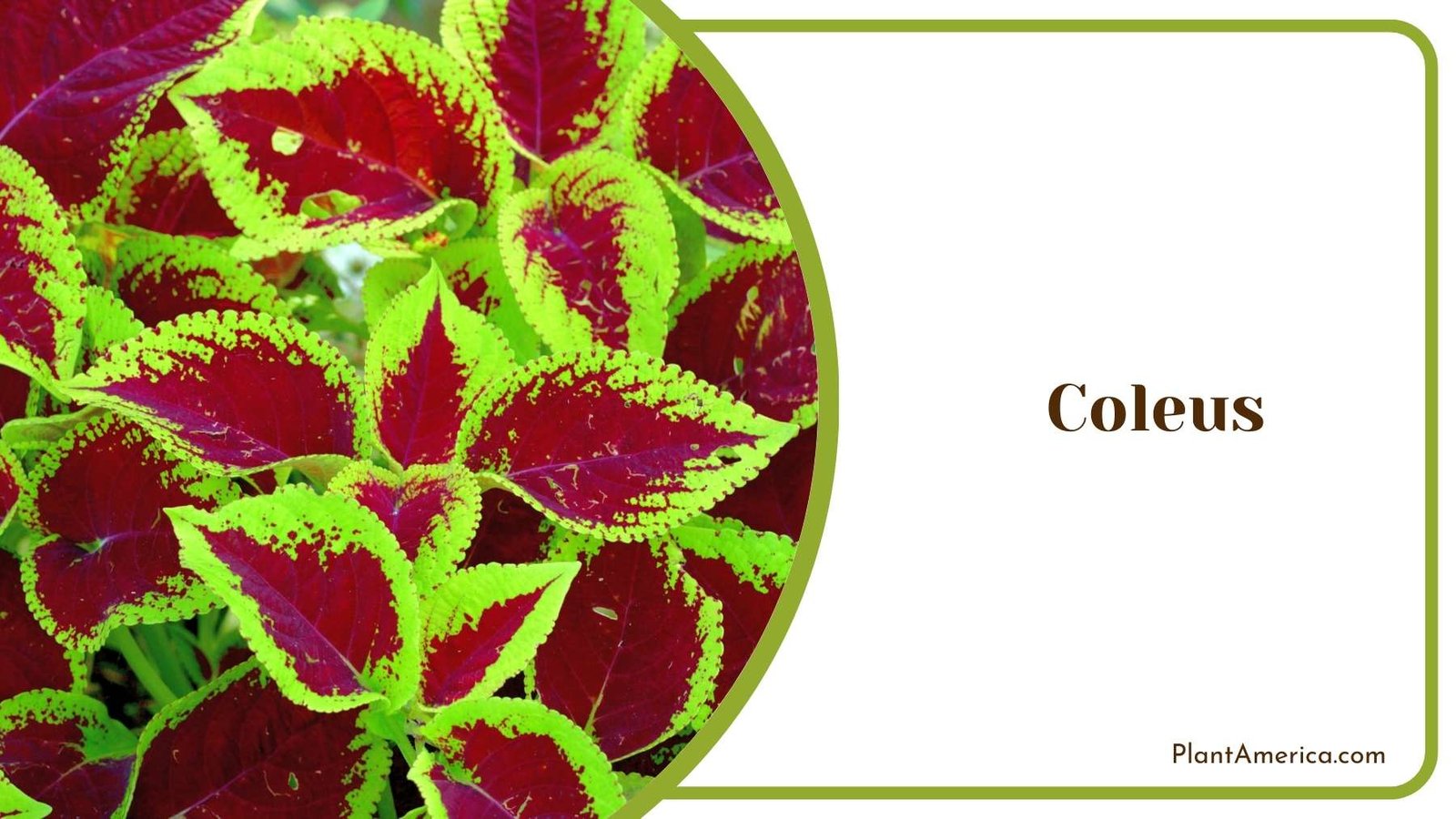
Coleus brings pops of vivid color to shaded areas amongst mandevilla vines throughout the growing season. Their leaves emerge in bright, tropic-inspired shades of crimson, ruby, burgundy, chartreuse, golden yellow, and lime—often intricately veined or edged within the same plant. Use Coleus to accent patches below mandevillas trailing from pots or trained on an overhead trellis receiving only dappled light.
The deeply lobed, uniquely patterned foliage of Coleus stands out vibrantly amongst mandevilla’s leaves. Nestling clumps or singular specimens of Coleus at soil level among roots spreading out from hanging baskets or tucking plants between the trunks of bushier mandevilla cultivars ensures both thrive together in shady conditions.
Prune back Coleus occasionally by pinching off new growth to encourage branching and maintain a full, bushy habit well-matched to the mandevilla’s density. Their leaves retain intense pigments much longer than other shade companions, lasting vibrantly all season without blooms to depend on.
Conclusion
Pairing mandevilla vines with the right companion plants creates an oasis that attracts pollinators and enhances your outdoor space for months. Some top recommended companions based on their characteristics include:
- Petunias spill their vibrant blooms beautifully among mandevilla vines in many colors.
- Pentas are heat-loving flowers that attract hummingbirds from spring through fall.
- Dusty Miller’s silvery foliage adds elegant texture as a focal point with little water needs.
With just a bit of planning, you can blend these low-maintenance partners to craft unique gardens of visual interest tailored to your space. Every season, your oasis will reward your efforts with beauty while attracting an entertaining cast of pollinators and wildlife.