
How to transplant oleander bushes is a valid question if you think your backyard is too dull and lacks vibrant colors. Also known as Nerium oleander, these bushes aren’t fussy and thrive in alkaline soil. Transplant this plant in cool weather and space the bushes to allow the roots to spread.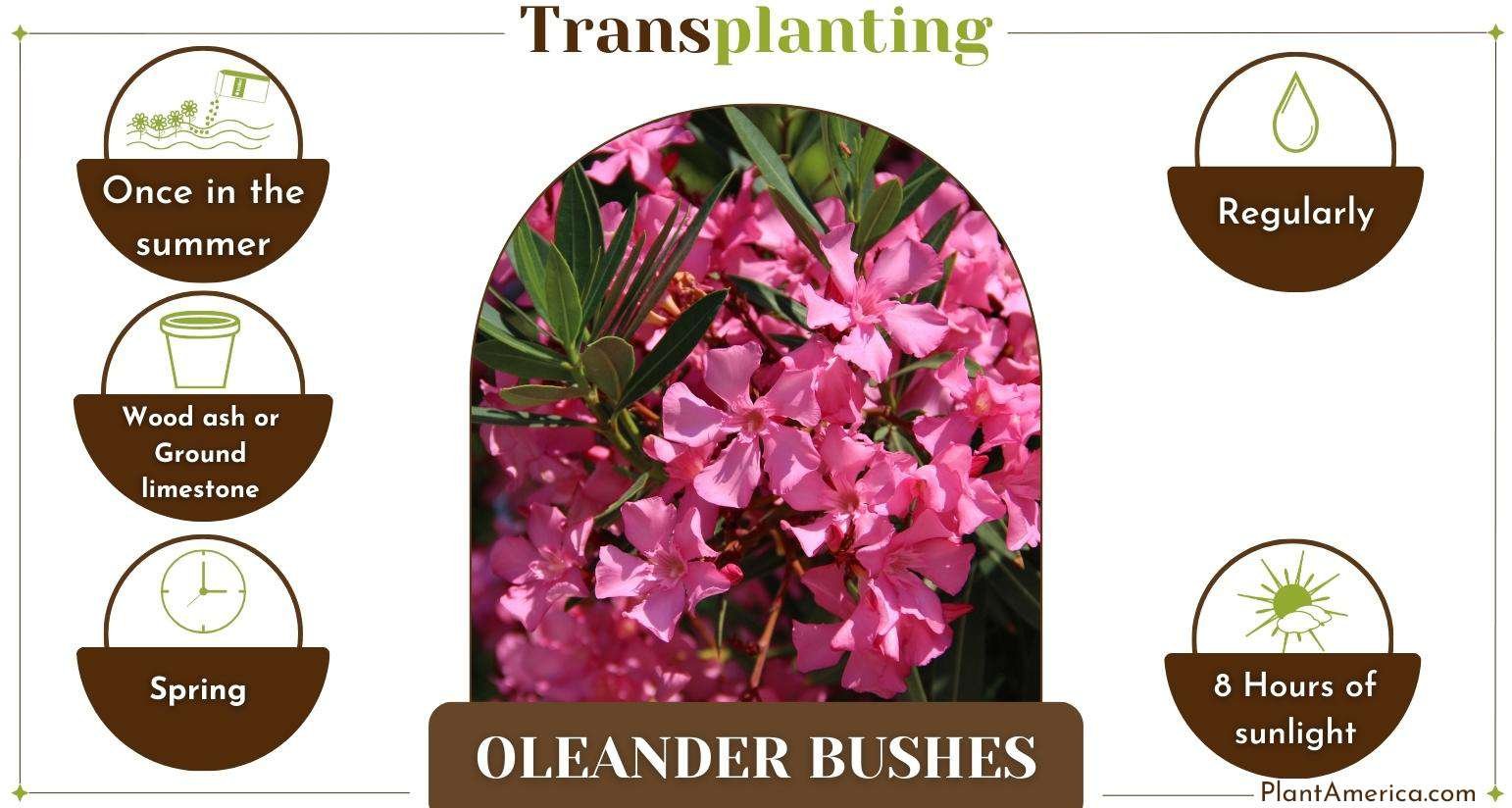
Some oleander varieties can grow to become tall trees, and they’re usually bought as 1 or 2-year plants that quickly grow on your land. You can also grow the rose laurel plant in pots, and our gardening team will tell you everything about transplanting them.
How To Transplant Oleander In 5 Simple Steps?
To transplant oleander in 5 steps, you first have to prepare for planting. After that, you have to carefully pick the right planting spot. Once this is done, you have to choose the right time and dig up the oleander before jumping to the last step of transplanting the plant.
Oleanders are usually propagated from cuttings and can be grown in pots or in your garden. They’re popular among homeowners, thanks to their evergreen foliage and showy flowers that stay in bloom for long periods. Some varieties, like the white oleander, might bloom all year long in warmer climates.
Homeowners prefer planting these shrubs on slopes and in alkaline soil where other plants might struggle because they require minimal care once established. They are also fast growers, and deadheading the spent flowers will encourage further blooming.
These plants grow pink, red, yellow, or orange flowers and can be up to 19 feet tall, depending on the cultivar. They are a good choice for less experienced gardeners who can survive in challenging conditions.
1. Prepare For Planting
You should be careful while handling the beautiful Nerium plant despite its beauty. All the plant parts are toxic to humans and pets, so you should wear protective gloves while transplanting.
Touching the flowers, leaves, stem, or root leads to skin irritation. Even inhaling the smoke from burning the plant parts can lead to discomfort. If the plant gets in touch with your skin, you should wash the area with water and contact a local emergency number for help.
2. Pick Your Planting Spot
Before transplanting your rose laurel plant, you should pick the right spot in your garden. Since this plant is toxic, you should choose a location your kids and pets won’t be able to access. Despite its beauty, this plant can lead to various annoying symptoms like nausea, vomiting, cardiac abnormalities, and can even lead to death.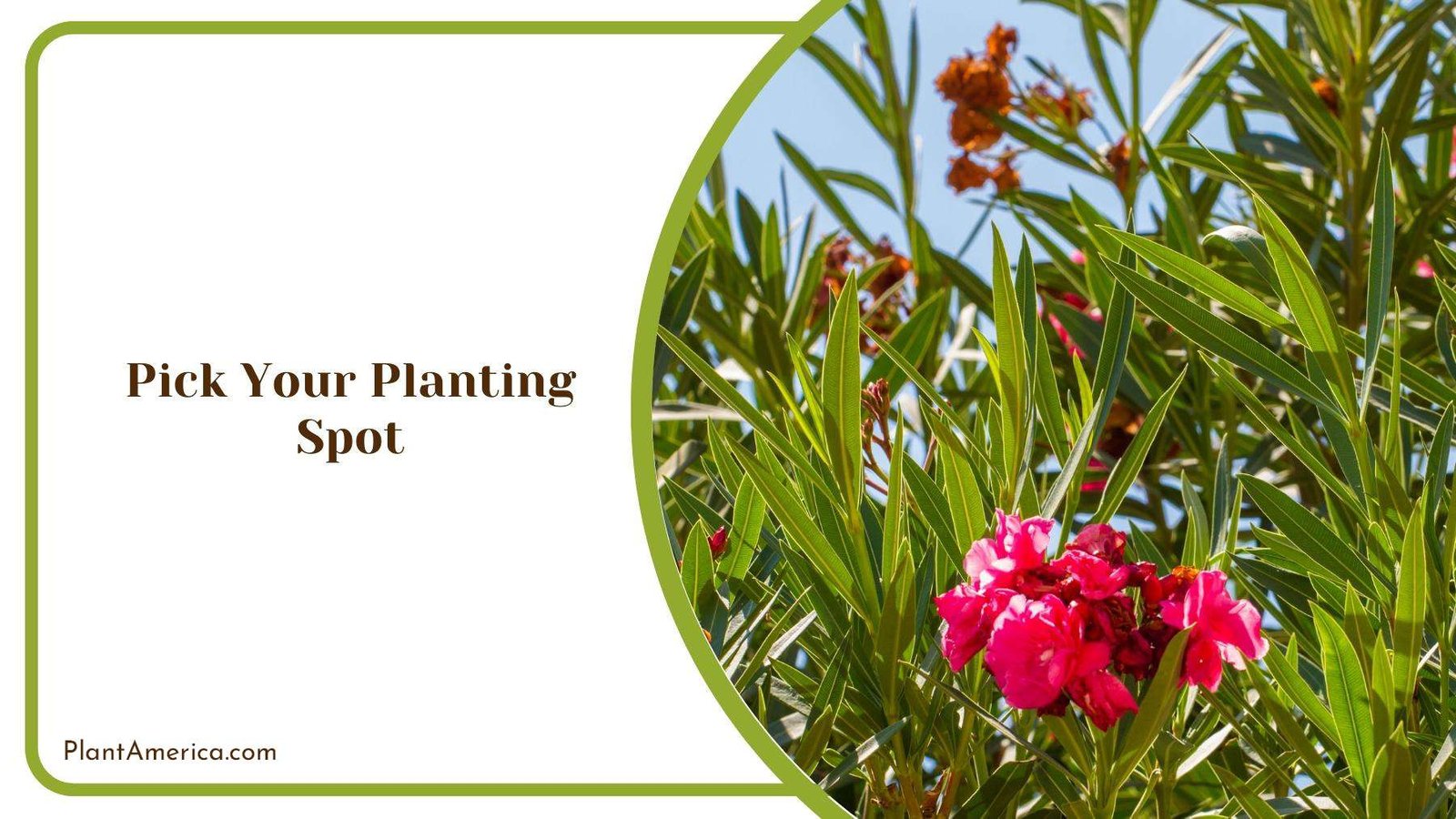
Luckily, these bushes can tolerate various soil conditions as they’re not picky about the pH level. However, they thrive in slightly alkaline soil. So, if the soil is highly acidic, you’ll need to mix in some wood ash or ground limestone to increase the pH level.
These plants adapt to different soil types, including poor, sandy, or slightly rocky soil. Nevertheless, they thrive in well-draining, fertile soil.
When planting your rose laurel plants, you’ll have to leave space of 4 to 12 feet between plants. This space guarantees that each shrub or tree will spread adequately and the roots won’t compete for nutrients. As a result, your plants will be healthier and more resistant to diseases.
Oleander trees, shrubs, and potted plants thrive in direct sunlight but can tolerate some shade, especially in hotter climates. Since this plant is usually planted in USDA zones 8 to 10, you might pick a spot where your plant is protected from the afternoon sun. Nerium plants are resilient and are tolerant of heat, drought, and wind, so they can be grown in coastal conditions.
If you choose to grow this plant in a pot, place it where it can receive at least 8 hours of sunlight. Oleanders should grow in big pots that accommodate their root systems. Keep this pot on the porch to receive more light or near a window.
The pot should have enough drainage holes to protect the plant from root rot. After filling it with a well-draining soil mix, add coarse grit or perlite to improve drainage and add a layer of gravel at the bottom. You can also keep the pot on an elevated surface to protect your Nerium from growing in waterlogged soil.
3. Choose The Right Time
Choosing the right time to plant your oleander guarantees that your shrub will grow successfully. You decide to transplant it in spring when the shrub is still dormant. This will help your transplanted plant direct its energy to overcome the transplant shock so the roots can get established at the new location.
Some gardeners also grow their plants in the late summer or fall. When the plant is done blooming, it will use its energy to get established at the new location.
4. Dig Up The Oleander
If you already have a shrub growing in your garden, consider transplanting it to a new or better location where it can receive more sun or provide more privacy. If this is what you want, you should dig up your plant from its pot or previous location to be able to transplant it.
So, how to transplant oleander bushes in pots? Tilt the pot and gently remove the plant without damaging the root ball. You can also break the old pot if you can’t remove the plant.
Some gardeners choose to transplant oleanders from stem cuttings. This process will provide you with various small plants that can be used for decoration inside your house or backyard.
Use a pair of sterilized shears to remove all the damaged foliage from your transplanted plants. These leaves will consume the energy that your oleander needs to overcome the transplant shock. If you remove the entire plant, trim any damaged roots and only keep the healthy ones.
Transplanting a large shrub is more challenging due to its size. Ideally, you should use a shovel to dig around the root ball to loosen it up. The hole you dig will be between 12 to 15 inches deep, depending on the size of your plant. For larger trees, you’ll have to dig a little further.
Ensure you don’t sever any roots, and use your spade to carry the root ball and lift the plant. After that, you should examine the roots to remove the sick ones. Use a clean brush to remove any soil that might be stuck to the roots.
5. Transplant Your Plant
You don’t need much prepping to transplant your Nerium in a pot. Just fill about one-third of the pot with a well-draining potting mix and press the root ball into the soil. Water your plant until the water holds the root ball in place. Fill the pot with the soil and secure the plant to ensure it can survive.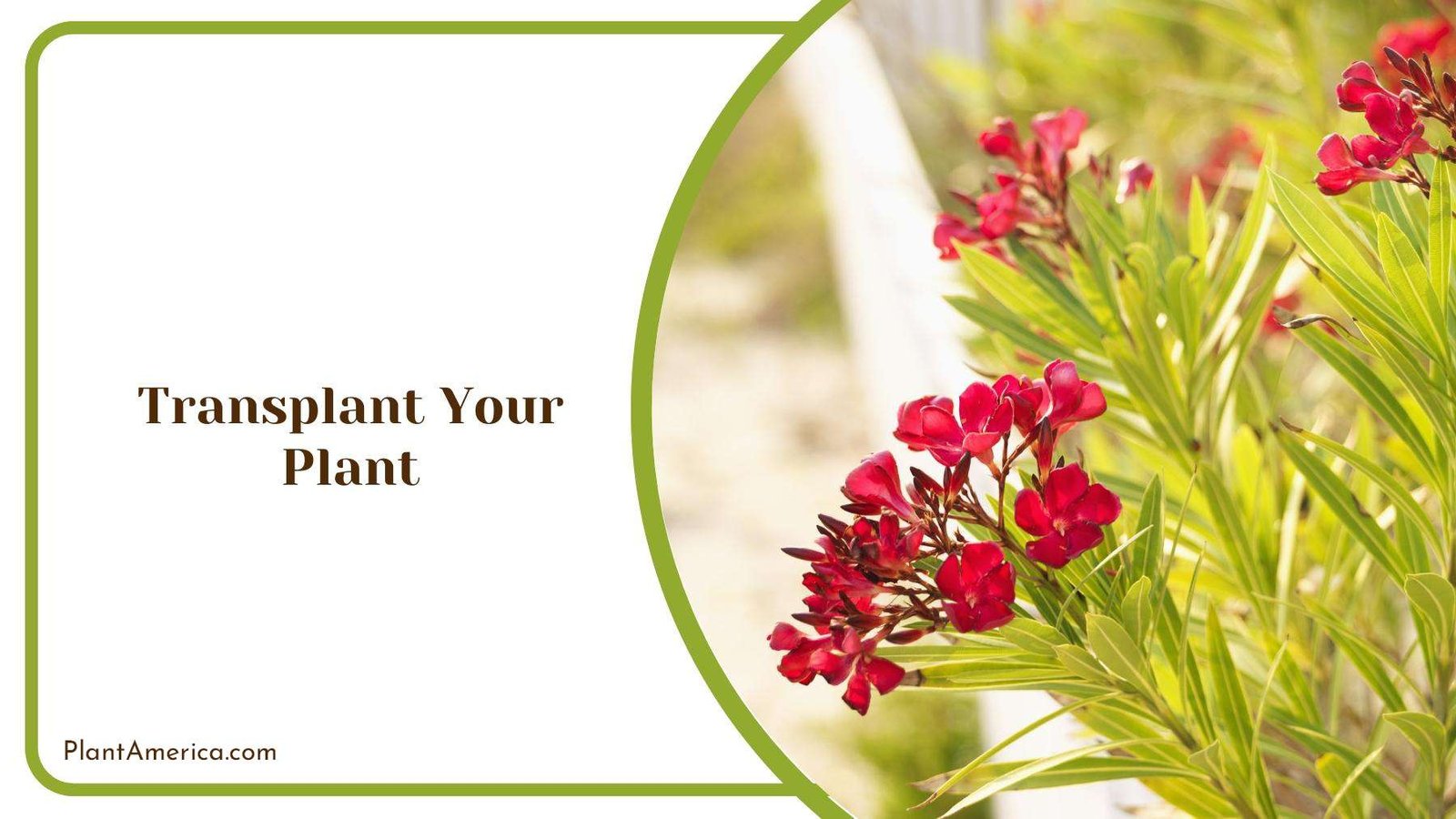
You can also transplant oleanders from cuttings to have several smaller plants that add beauty to your indoor or outdoor garden. Use sterilized sheers to cut a stem and remove all the foliage except the top 2 leaves from the top.
Using a rooting hormone will help grow roots from the stem cuttings, so you can grow your plants in pots or your garden. Once the roots form, you can plant the oleander about 3 inches deep into the soil.
Protect the cuttings by covering the plant with a plastic bag. Use a stake or pencil to hold the bag up so it doesn’t touch the plant. The new root system will develop within a few weeks. You can check by gently pulling the plant if you find resistance, then the plant has rooted, and you can remove the plastic bag.
Dig a hole that is as deep as the roots and twice as wide in your garden. Remove all the weeds from this hole because they will compete with your shrub for nutrients and obstruct its growth.
Place the root ball into the hole, half-fill it with soil, and then water it to ensure the soil is sticking to the roots. After that, fill the hole with the soil and water your shrub again.
6. Transplanted Oleander Plant Care
Oleander care in pots or in the garden is suitable for novice gardeners because these plants aren’t that difficult to maintain, yet you might notice some wilting or stunted growth after transplanting. This results from a transplant shock and is quite normal. In the right conditions, the plant can quickly recover and continue to bloom.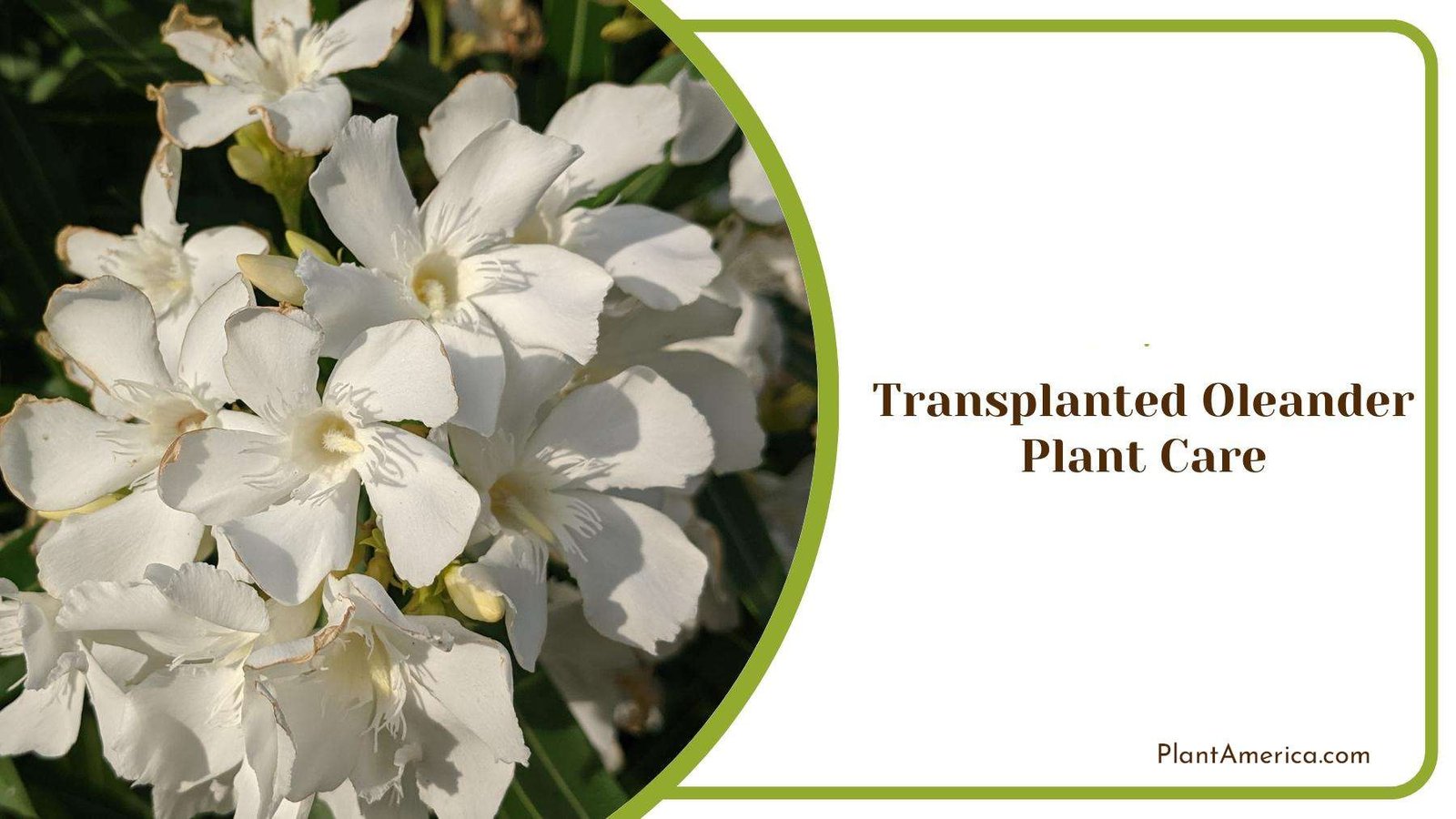
It’s crucial to keep your plant in a sunny location. Grow oleander in a pot because you’ll be able to move the container around to ensure your plant receives enough light.
Whether growing your oleander in a pot or the backyard, you should water your plant regularly. Use a soil moisture meter or touch the soil to ensure the top layer is dry before watering to avoid root rot.
Adding mulch will keep the roots cool and retain moisture to encourage growth. Although oleanders aren’t heavy feeders, they can benefit from light feeding after transplantation. If the soil is inferior, you can apply a light dose of a balanced fertilizer after transplantation to help the plant overcome the transplant shock.
You can also fertilize the plant once in the summer to encourage blooming. However, mature plants aren’t heavy feeders and don’t need regular fertilization.
So, how often should I prune my bush? Can I cut oleander to the ground? Pruning oleander in late winter to early spring will remove the dead foliage and encourage new growth.
Pruning leggy oleander will encourage blooming. You should also cut any diseased leaves or stems to prevent infections like oleander gall from spreading to other parts of the plant. Using pruning, you can train your bush to become single or multi-branched. If you’re not sure about the best way to prune this plant, watch a how to trim oleander bushes video.
FAQs
– Why Do You Need To Space Oleanders?
You need to space oleanders because although these plants don’t have deep roots, their roots branch out horizontally. This is why you should leave a space between different plants. If you’re growing oleander in a pot, ensure the container is wide instead of deep.
– How Successful Is Transplanting Oleander From Cuttings?
Transplanting oleander from cuttings is quite successful. Oleander cuttings root within a month or so. With the help of a rooting hormone, the plant roots will grow quickly, and you can transform your plant into a bigger pot, where the plant can get established.
Conclusion
Oleanders can be grown in pots or in your garden, adding beauty wherever you plant them.
- Wearing protective gloves before handling these plants is crucial because they contain toxic chemicals.
- These plants thrive in different soil conditions but prefer well-draining, alkaline soil.
- You should grow your plant in a sunny spot, although they can handle partial shade.
- Water your plant regularly and feed it once a year to help it overcome the transplant shock.
Oleanders will quickly bloom and fill your space with a sweet fragrance after following these gardening tips.