
Fast-growing ground cover plants are the perfect solution to cover large patches of bare soil quickly. This post will explore some of the best options for covering your soil in no time. Whether you’re looking to prevent erosion, add visual appeal to your landscape, or conceal foundations and utilities, the right ground covers can transform your outdoor spaces.

If you want a more manageable, greener alternative to mulching or rock landscapes that require little weeding and watering, read on for a bounty of beautiful ground huggers primed to saturate your soil scape with verdant vibrancy!
21 Fast Growing Ground Covers To Beautify Your Garden
1. Creeping Thyme
- Growing Season: Spring, Fall
- Leaf Shape: Elliptic, Oval
- Specific Needs: Full sunlight, Well-draining soil
- Common Pests: Aphids, Spider mites
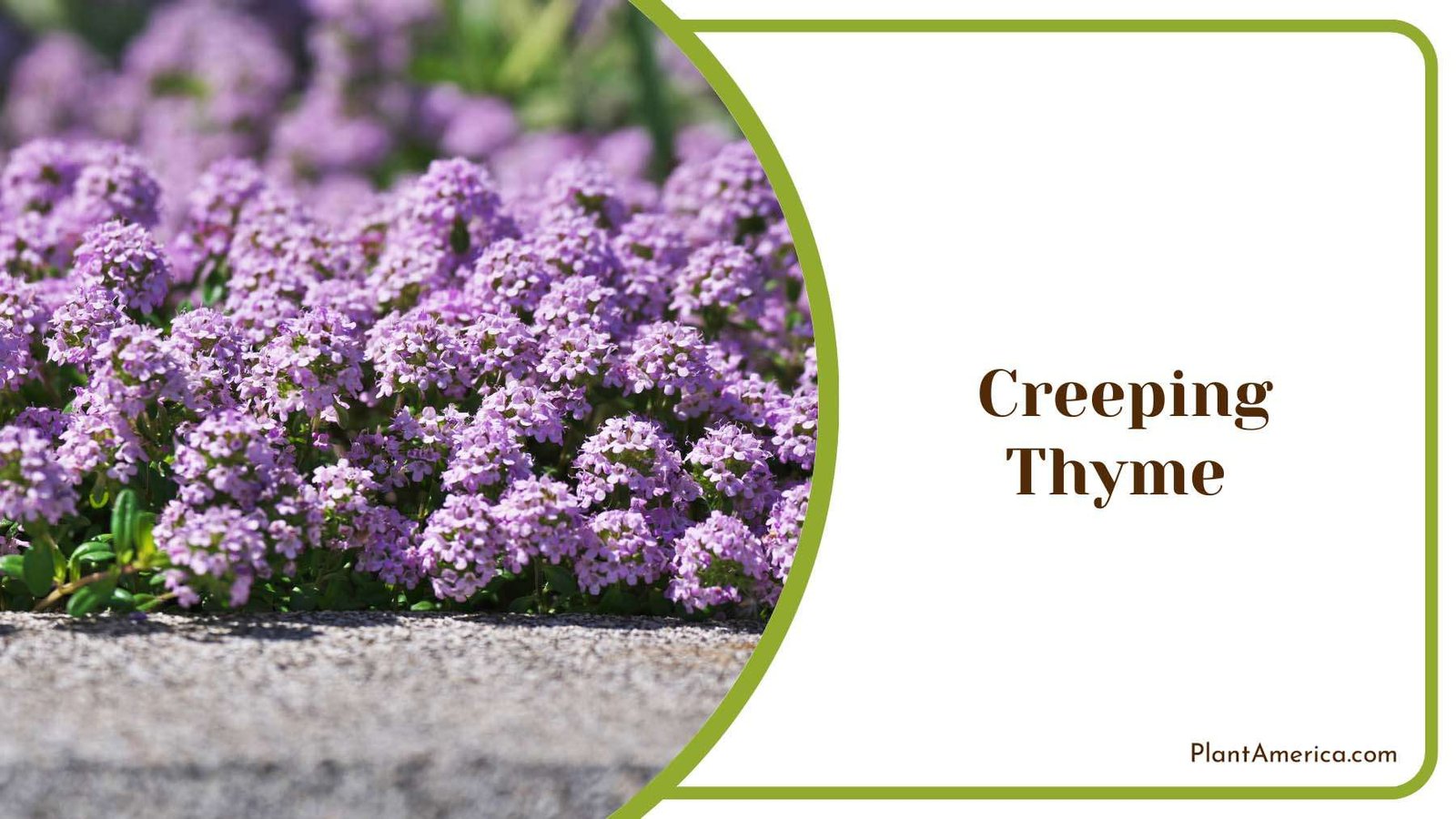
Creeping thyme (Thymus serpyllum) is a perfect fast-growing ground cover covering bare patches of soil. This plant forms a dense mat by spreading along the ground with its tiny green stems that take root where they come in contact with the earth.
Creeping thyme thrives in full sun but can also tolerate partial shade, making it a versatile option for many landscape needs. It spreads quickly to fill bare areas, covering the ground with its mat-like growth habit within a few weeks. Once established, creeping thyme is highly drought tolerant and can withstand foot traffic, helping to prevent soil erosion.
In addition to its fast-spreading nature, creeping thyme has decorative appeal. Throughout the summer, it produces beautiful pink, purple, or white flowers that attract pollinators like bees to the garden. Its blooms arise from the mat of green foliage and have a pleasant aromatic fragrance.
Creeping thyme is also low maintenance, requiring little water or care from the gardener once established. It prefers well-draining soil and has evolved to flourish in nutrient-poor conditions with minimal inputs. Both its functional and aesthetic qualities make creeping thyme an excellent choice for landscapers seeking a fast groundcover option that helps stabilize soil and beautifies outdoor spaces.
It will reliably spread yearly to maintain full coverage of the ground below, living up to its name as a genuinely creeping variety.
2. Sweet Woodruff
- Growing Season: Spring, Fall
- Leaf Shape: Elliptic, Oblong
- Specific Needs: Partial shade, Acidic soil
- Common Pests: Aphids, Slugs
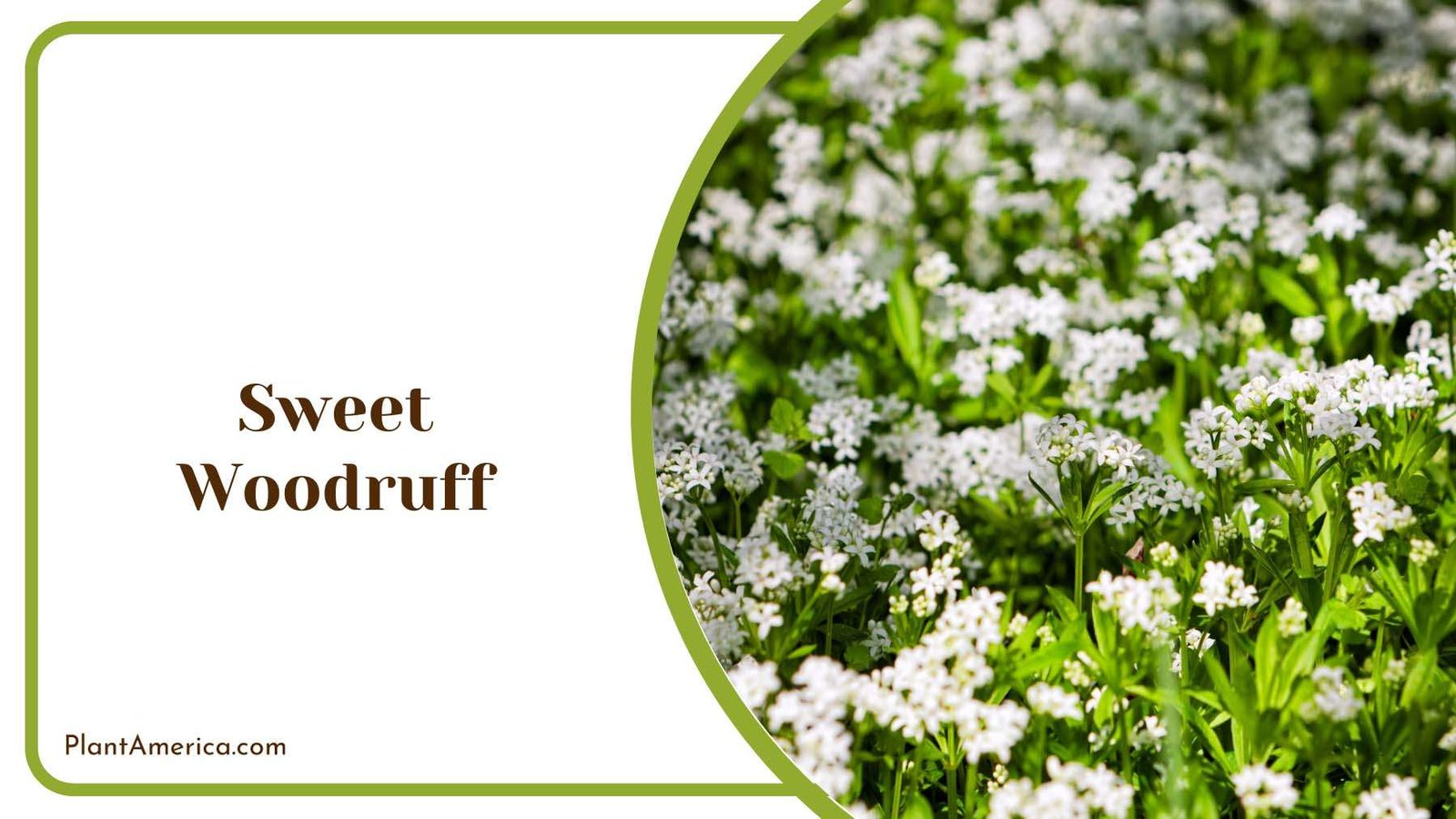
Like creeping thyme, sweet woodruff (Galium odoratum) is prized for its rapid spreading growth habit, useful in quickly covering bare ground. However, it favors partially shaded areas rather than full sun exposure. Sweet woodruff creeps along the earth through horizontal rhizomes just below the soil surface. Where these underground stems contact the ground, roots form that allow the plant to steadily spread outward into open spaces, carpeting areas with its foliage within just a few months.
Growing 8-12 inches tall, it produces delicate white flowers in spring, but its most notable feature is the fresh vanilla scent emitted by its heart-shaped green leaves when crushed.
This pleasant fragrance has led to sweet woodruff used to naturally scent sachets, linens, soaps, and potpourris. The landscape offers a quick way to stabilize soil in shady spots while providing an aromatic ground-hugging layer of greenery. Sweet woodruff is a versatile and low-maintenance option that is tolerant of most well-draining soil types. It also grows well with many other plants.
Once established, it requires little care or water and will reliably spread each year to maintain full coverage under trees or in other patches of shade. Both its rapid growth and sweet floral fragrance make sweet woodruff a unique choice for covering bare ground where sunlight is limited.
3. Moss Phlox
- Growing Season: Spring, Fall
- Leaf Shape: Linear, Needle-like
- Specific Needs: Well-draining soil, Full sunlight
- Common Pests: Snails, Phlox bugs
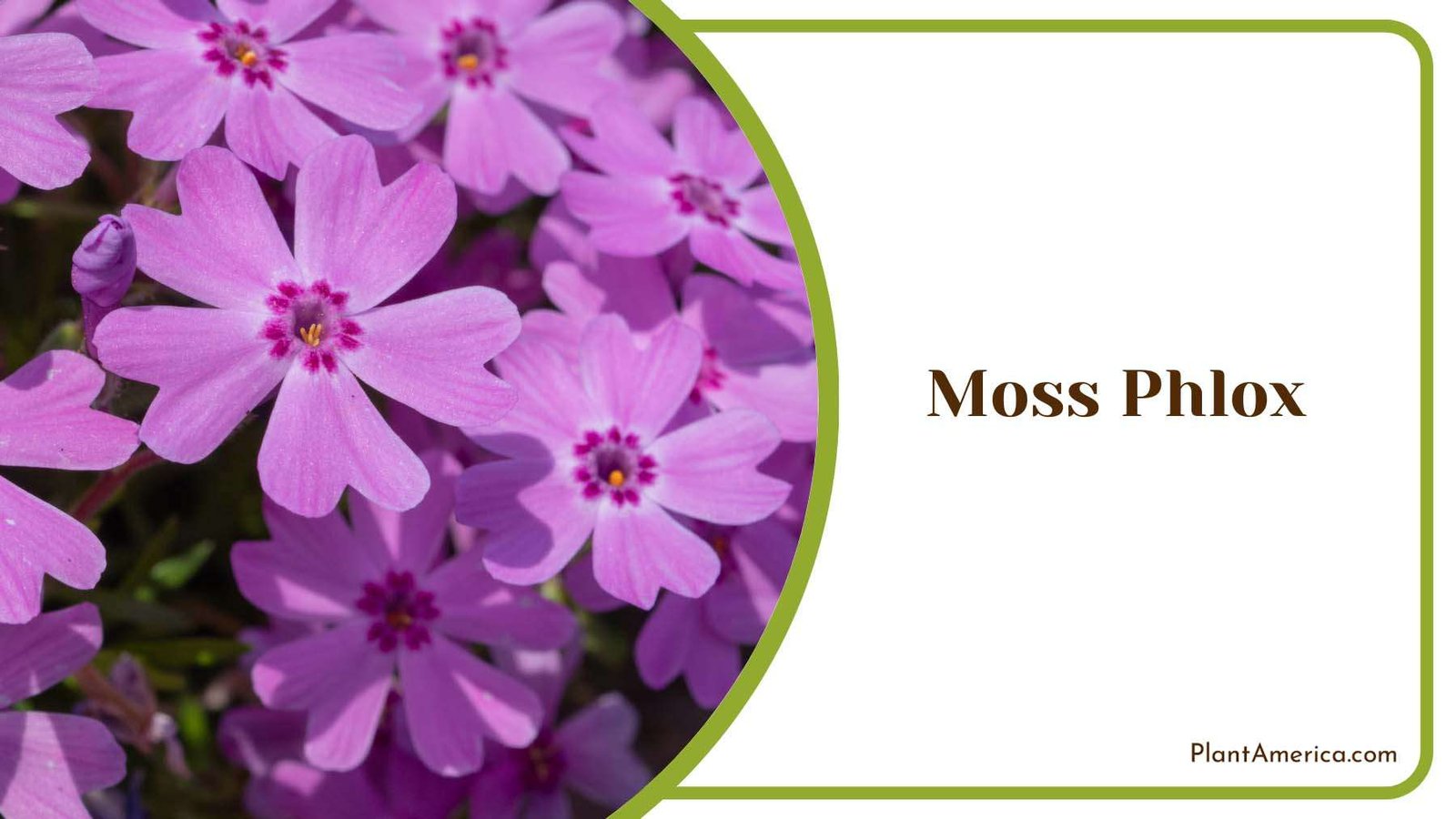
Moss phlox (Phlox subulata) derives its name from the dense, moss-like manner in which it forms cushions of foliage. Through creeping stems that root wherever they touch the ground, it can quickly colonize bare patches of soil. Within just a few months, these horizontal stems allow moss phlox to cover areas that once lay barren completely. It thrives in full sun but can also tolerate some shade, with a preference for well-draining soils.
Moss phlox erupts into a vibrant show of star-shaped pink, red, or white blooms in early spring. Its tight growth habit stays relatively low at just 4-8 inches tall even after flowering. Once established, moss phlox is highly drought tolerant and can withstand foot traffic or other light pressures.
It requires very little care from gardeners while reliably suppressing weeds within its dense mounds. Both its attractive spring blooms and ability to rapidly form a solid groundcover make moss phlox well-suited to rock gardens, border plantings, or stabilizing bare soil in sunny locations. Whether used as a quick-spreading filler plant or colorful accent, moss phlox delivers reliability as well as decorative value to landscapes.
4. Aubrieta
- Growing Season: Spring, Fall
- Leaf Shape: Lanceolate, Toothed
- Specific Needs: Well-draining soil, Full sunlight
- Common Pests: Fungus gnats larvae, Flea beetles
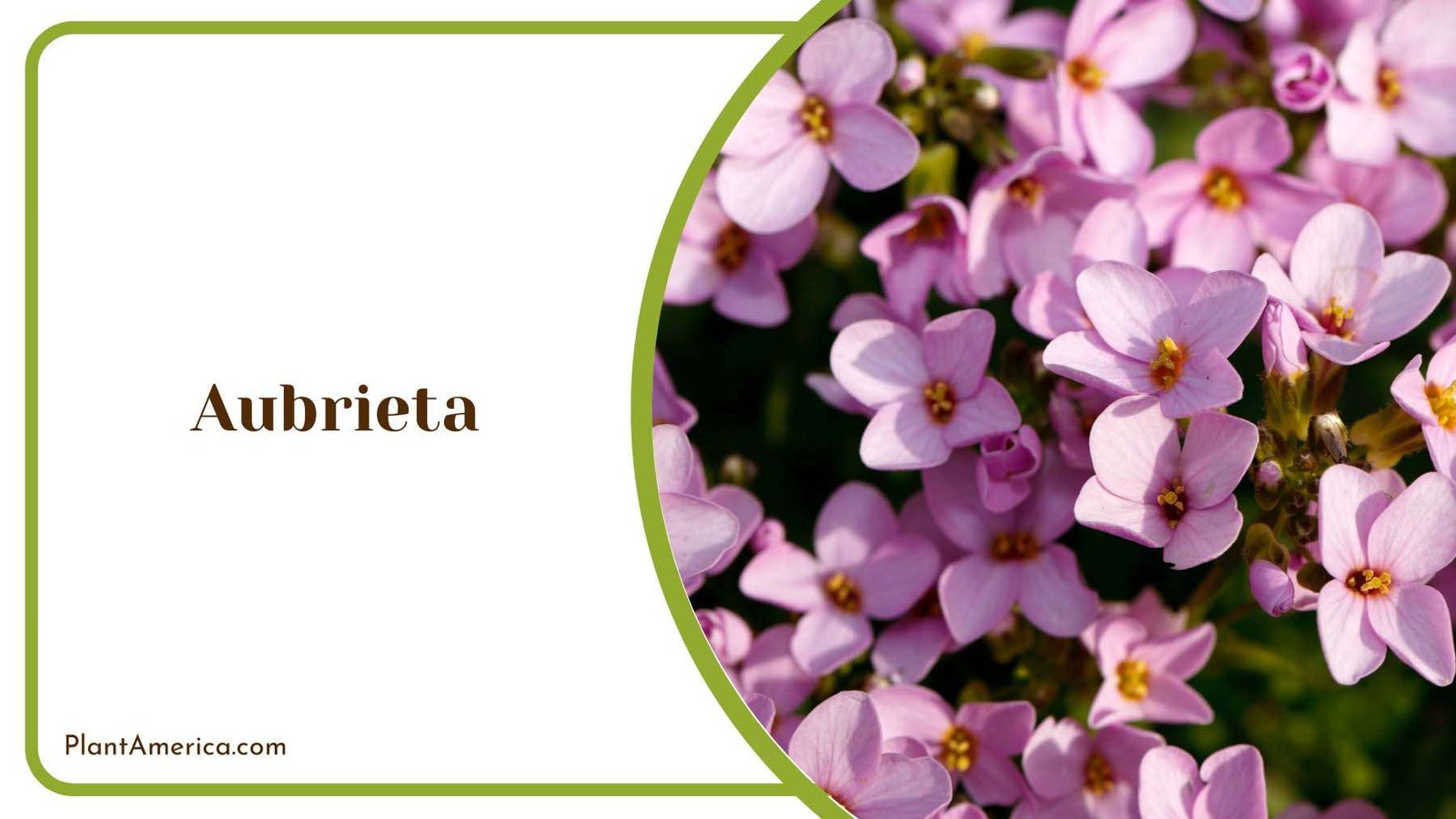
Aubrieta is a rapidly spreading groundcover known for its colorful blooms throughout spring and into early summer. Its dense mats spread laterally via creeping stems that root wherever they touch down. Within just a few months, aubrieta (Aubrieta Deltoidea) carpets areas with purple, pink, red, or white flowers dotted along wiry square stems. Partial shade is ideal, though full sun can be tolerated in cooler climates if the soil remains consistently moist.
Requiring little care, aubrieta adapts to most well-draining soils and is highly durable as it creeps along. After blooming, its blue-green leaves form tight rosettes and continue spreading outward to cover gaps in the landscape completely. Both drought tolerant and hardy, aubrieta reliably returns year after year with colorful blooms.
Its versatility in spreading across rock gardens, steep slopes, or dry banks makes Aubrieta highly beneficial for stabilizing and beautifying complex spaces. Whether used as a quick-acting groundcover or colorful accent, aubrieta brings vibrancy and reliability to the garden through its fast-growing mats.
5. Mazus Reptans
- Growing Season: Spring, Fall
- Leaf Shape: Lance-shaped, Toothed
- Specific Needs: Partial shade, Acidic soil
- Common Pests: Snails, Slugs
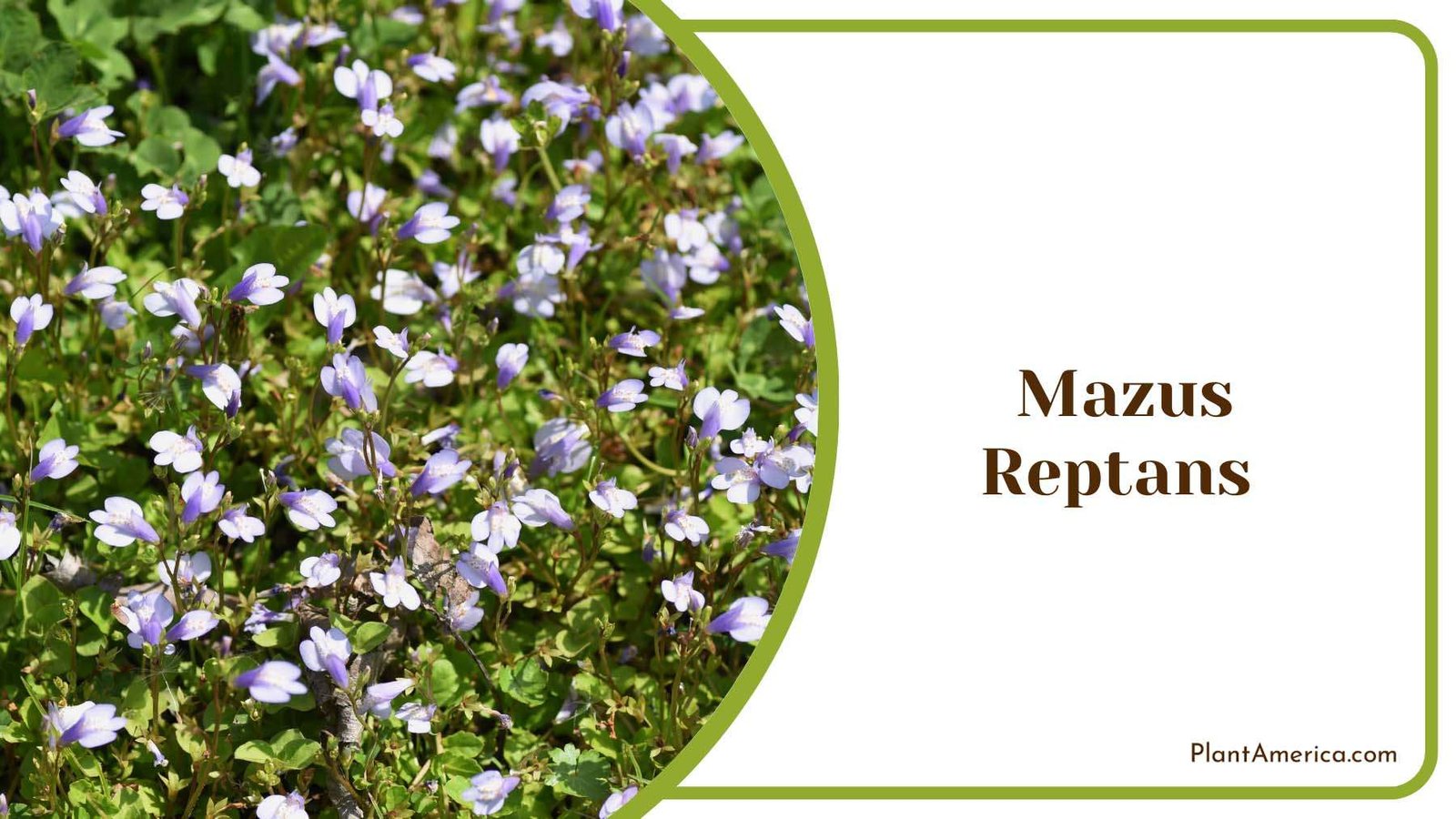
Mazus reptans is a creeping groundcover prized for both its rapid growth potential as well as decorative blue flowers. Through creeping rhizomes and stolons that root wherever they touch the soil, mazus reptans (also known as purpleleaf creeping mazus) form a dense mat that can quickly cover bare patches. Within a few months, its stems and foliage will fill spaces. This groundcover thrives in both sun and shade, with foliage taking on a deeper purple hue in partial shade.
In spring and summer, mazus reptans produce many small pale blue flowers that rise just above its bluish-green leaves. Tolerant of most soil types as long as drainage is decent, this low-growing plant requires minimal care. Once established, it is drought-tolerant and can withstand some foot traffic. Both its spreading ability and ornamental flowers make mazus reptans a dual-purpose option for covering bare ground in various landscape locations.
Whether as a quick-acting groundcover, edging plant, or accent, mazus reptans spreads dependably while adding colorful interest.
6. Bearberry
- Growing Season: Spring, Year-round
- Leaf Shape: Elliptic, Oblanceolate
- Specific Needs: Acidic soil, Full sunlight
- Common Pests: Spider mites, Scale insects
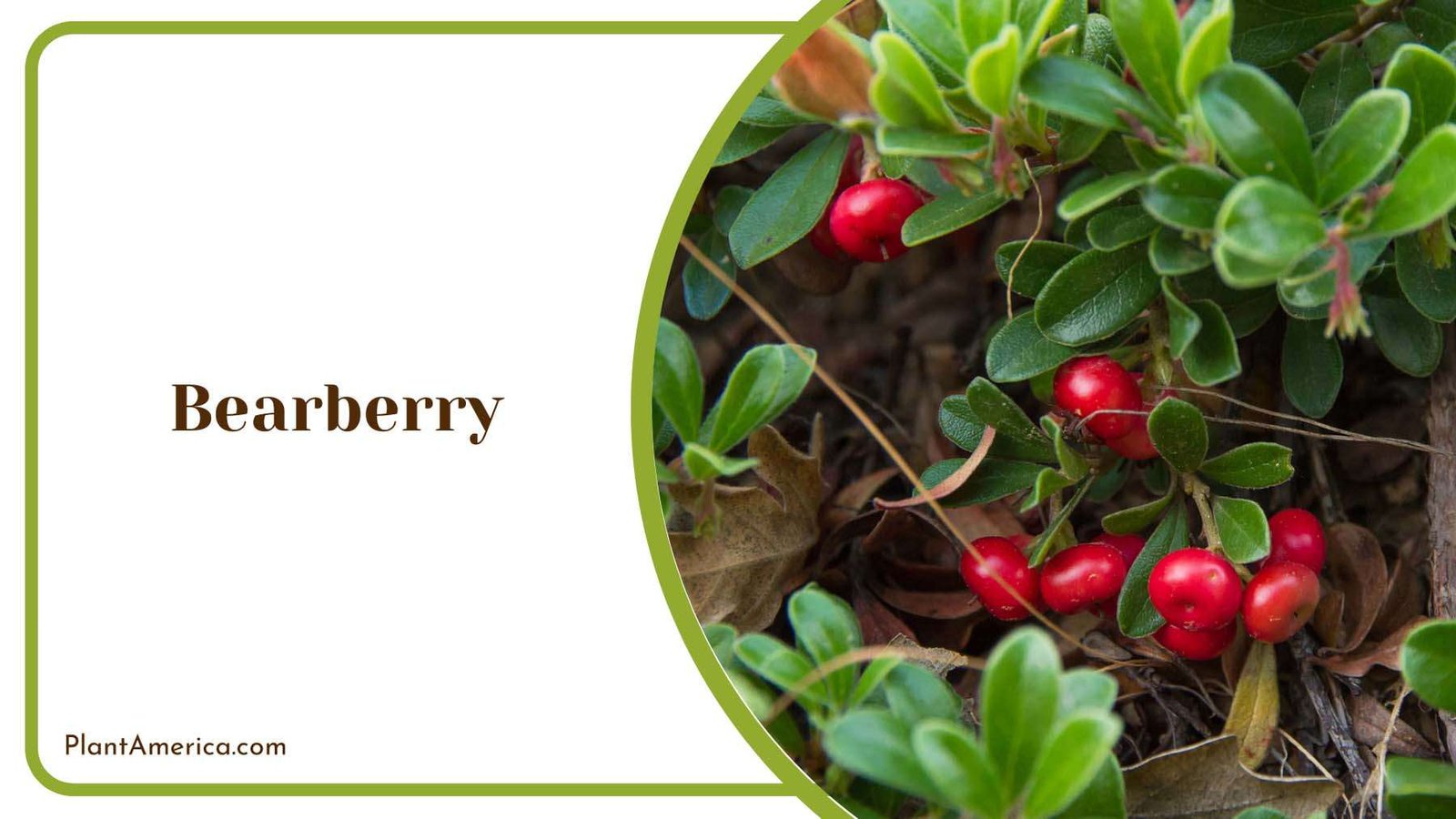
Bearberry (Arctostaphylos uva-ursi) is an attractive evergreen groundcover valued not only for its ability to quickly cover soil, but also for thriving in difficult conditions where other plants struggle. Through creeping stems that root at the nodes, bearberry spreads both laterally and vertically to form dense mats within its first one to two years. Although its growth may be slower than other groundcovers, it is exceptionally hardy and tolerant of nutrient-poor soil as well as drought.
Bearberry succeeds in full sun to partial shade areas and adapts well to growing along rocky slopes or outcroppings where few other plants survive. In spring, it produces small white or pink bell-shaped flowers that give way to bright red fruits enjoyed by many birds and small animals. Its leathery, deep green leaves provide year-round coverage and take on vibrant fall shades of red and purple.
Low-maintenance once established bearberry’s drought tolerance and versatility make it beneficial for stabilizing difficult landscapes where more delicate options fail. Whether as a foundation plant, slope stabilizer, or accent, and bearberry spreads to beautify challenging conditions reliably.
7. Fern Moss
- Growing Season: Spring, Year-round
- Leaf Shape: Triangular, Ovate
- Specific Needs: High humidity, Partial shade
- Common Pests: Mealybugs, Slugs
Purple stem aster (Symphyotrichum puniceum) lives up to its name with reddish-purple stems that hold clusters of lavender-pink flowers in late summer and early fall. Through creeping rhizomes, it forms dense patches that can quickly cover ground. Within just a few months, purple stem aster’s horizontally spreading root system allows it to colonize bare areas up to 3 feet wide.
Thriving in full sun with average to moist soil conditions, its flowers attract an array of pollinators over a long bloom time. Additionally, its bold stem color provides interest even after blooming when allowed to stand for winter interest. Low-growing at 1-3 feet tall, purple stem aster makes an excellent choice for stabilizing banks or edges where it can cascade gracefully. Drought tolerant once established, it requires no staking and little other care.
Both the flowers and foliage provide aesthetic appeal while the creeping habit allows rapid soil coverage – making purple stem aster a durable option for beautifying landscape beds or meadow plantings season after season.
8. Pachysandra
- Growing Season: Spring, Year-round
- Leaf Shape: Toothed, Oval
- Specific Needs: Partial shade, Moist soil
- Common Pests: Scale insects, Aphids
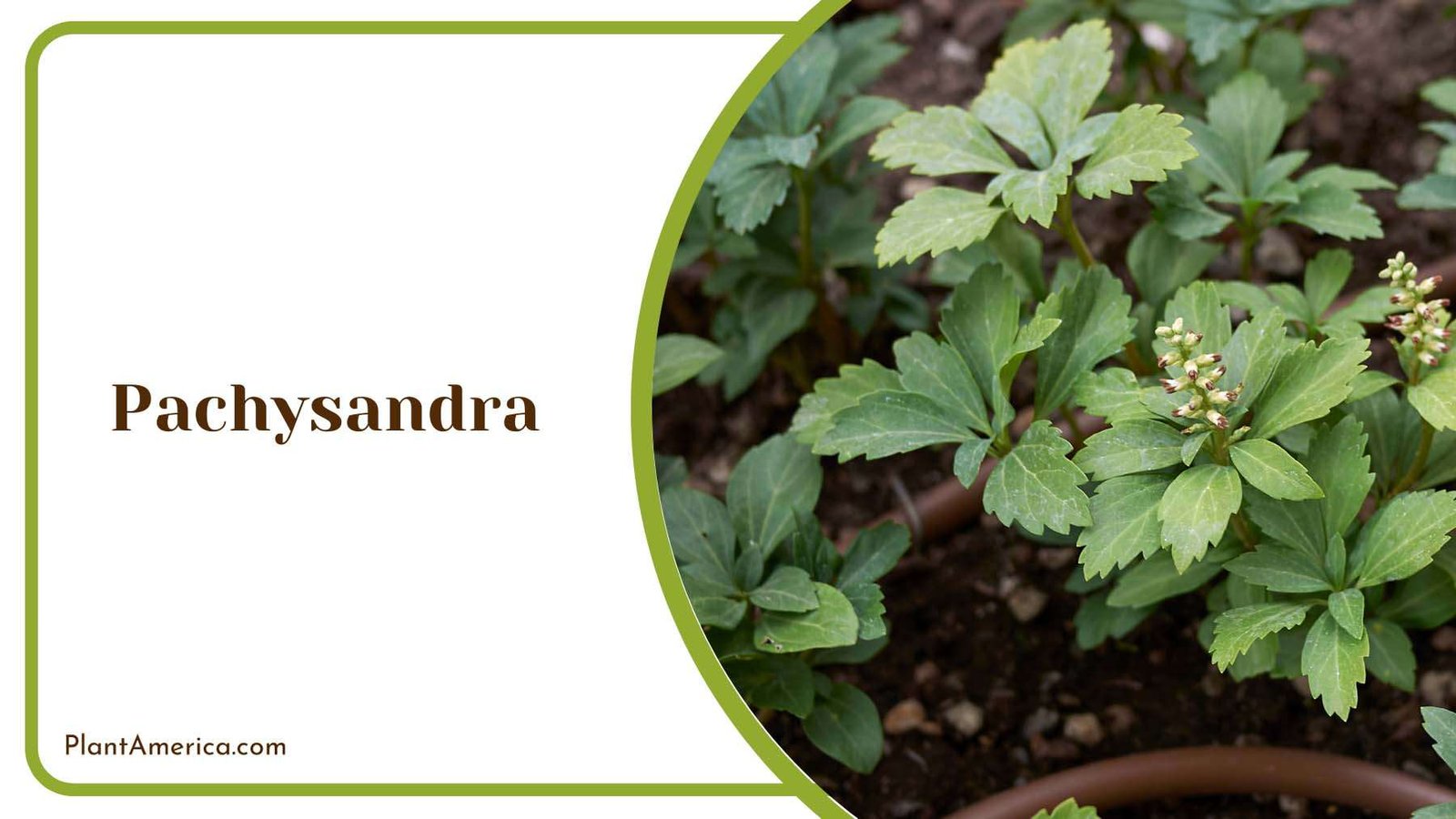
Pachysandra Terminalsis a creeping evergreen groundcover prized for reliably covering ground in shady areas that other plants struggle in. Through underground stems, it forms dense mats of small scalloped green leaves. Within its first year, pachysandra can spread more than a foot in any direction, steadily colonizing woodland areas under trees. Also, it can easily be transplanted to the area you want.
Requiring little sunlight but plenty of moisture, it thrives best in damp, deeply shaded spots and tolerates foot traffic once established. Pachysandra requires minimal care beyond an initial watering phase and reliably returns each spring looking fresh. Both its versatility in tough conditions and low maintenance needs make pachysandra a top choice for stabilizing difficult shaded grounds where grass will not grow.
9. Deadnettle
- Growing Season: Spring, Fall
- Leaf Shape: Toothed, Oval
- Specific Needs: Nutrient-rich soil, Moist soil
- Common Pests: Aphids, Whiteflies
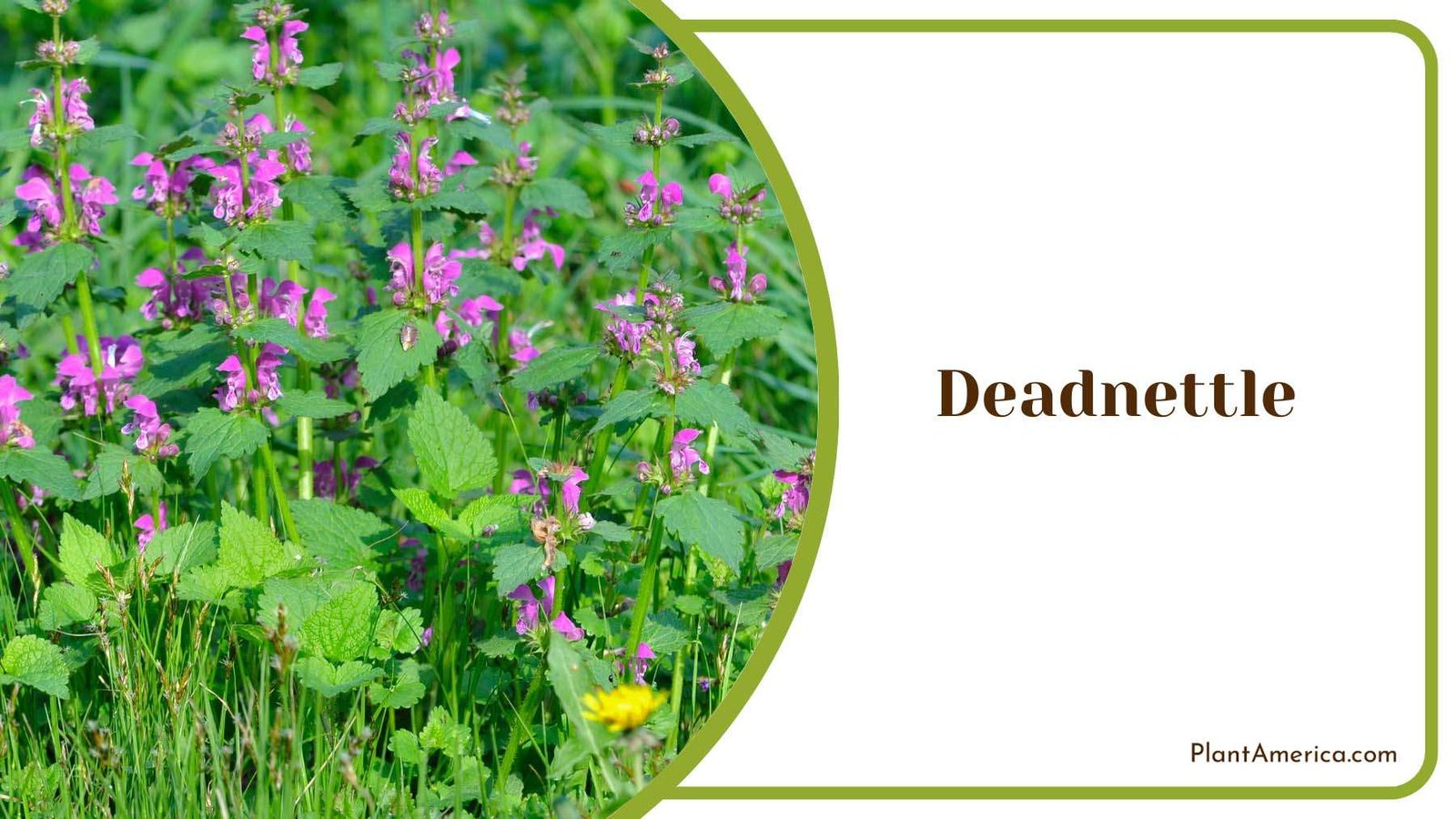
Deadnettle (Lamium maculatum) spreads horizontally using creeping stems that form leafy mats ideal for rapidly covering ground. Within just a few months, it develops an extensive root system and low mat that can stretch over one foot wide.
Flowers emerge above its green spotted leaves in spring, adding decorative interest as colorful pink, white, purple, or red blooms that resemble snapdragons. Thriving in partial shade or sun, deadnettle adapts well to most soil types as long as drainage is decent. After blooming, it continues spreading to maintain full coverage through summer and fall.
Requiring little care, deadnettle tolerates foot traffic and resists drought once established. Both its rapid mat-forming growth and ornamental blooming qualify it as a versatile solution for stabilizing soil in gardens, under trees, or in other partially shaded spots needing quick filler vegetation.
10. Wild Ginger
- Growing Season: Spring, Fall
- Leaf Shape: Heart-shaped, Arrow-shaped
- Specific Needs: Acidic soil, Moist soil
- Common Pests: Scale insects, Aphids
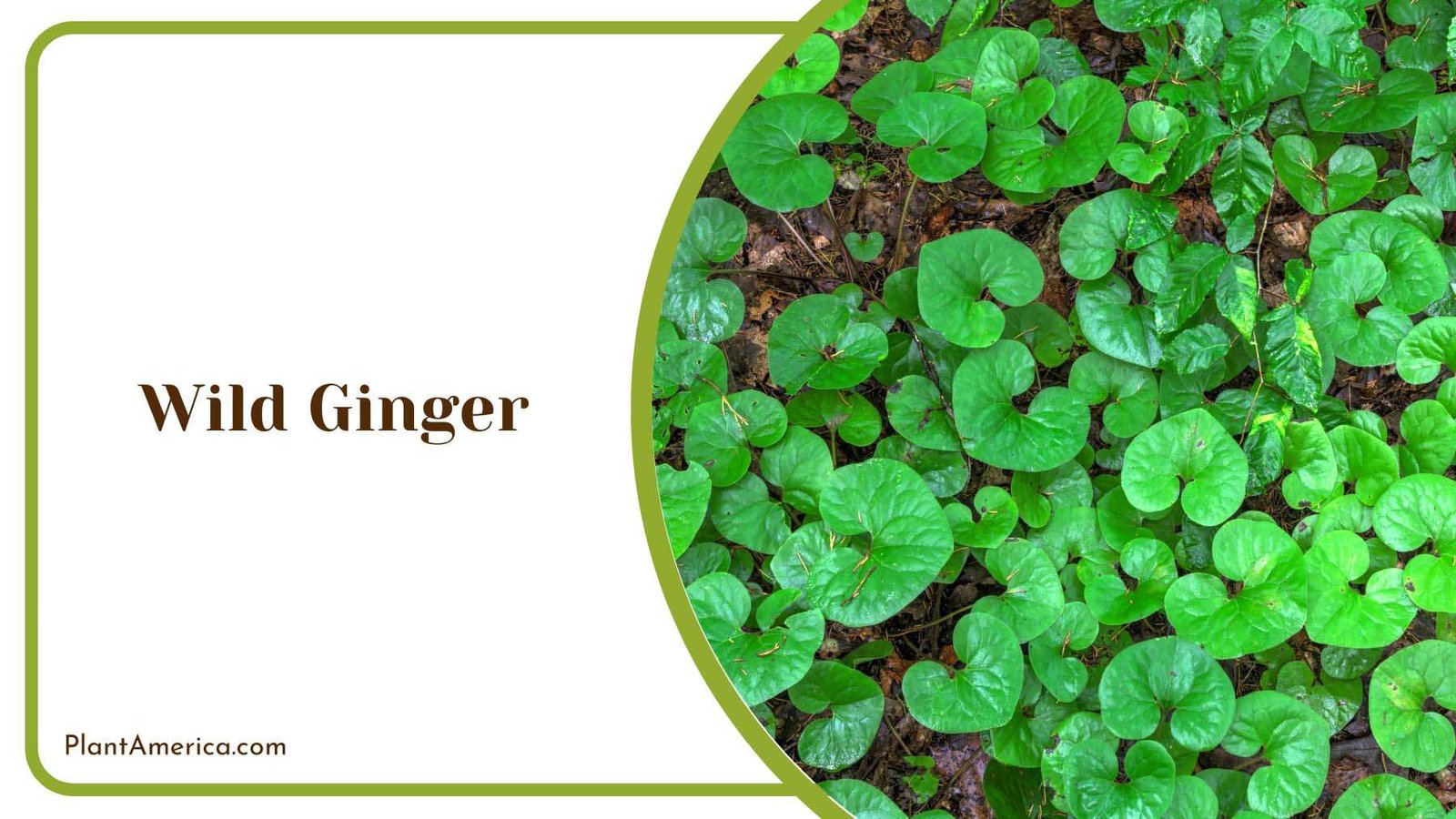
Wild ginger (Asarum canadense) spread slowly via creeping rhizomes just below the soil surface. Within its first year or two, it develops an underground network that allows it to steadily colonize shady areas up to a foot wide each year.
In early spring, before its leaves emerge, wild ginger treats gardeners to charming maroon-colored flowers that nod near the ground. Heart-shaped green leaves then follow, taking on magnificent bronze-red hues in fall. Thriving in a woodsy shade, it naturalizes beautifully along the edges of trees.
Tolerant of most well-draining soil types, wild ginger requires minimal care beyond an initial watering period. Both its decorative spring blooms and dependable ground coverage in difficult conditions make wild ginger an asset to naturalized woodland gardens seeking slow-spreading yet resilient filler vegetation.
11. Creeping Phlox
- Growing Season: Spring, Summer
- Leaf Shape: Needle-like, Basal
- Specific Needs: Well-draining soil, Full sunlight
- Common Pests: Slugs, Spider mites
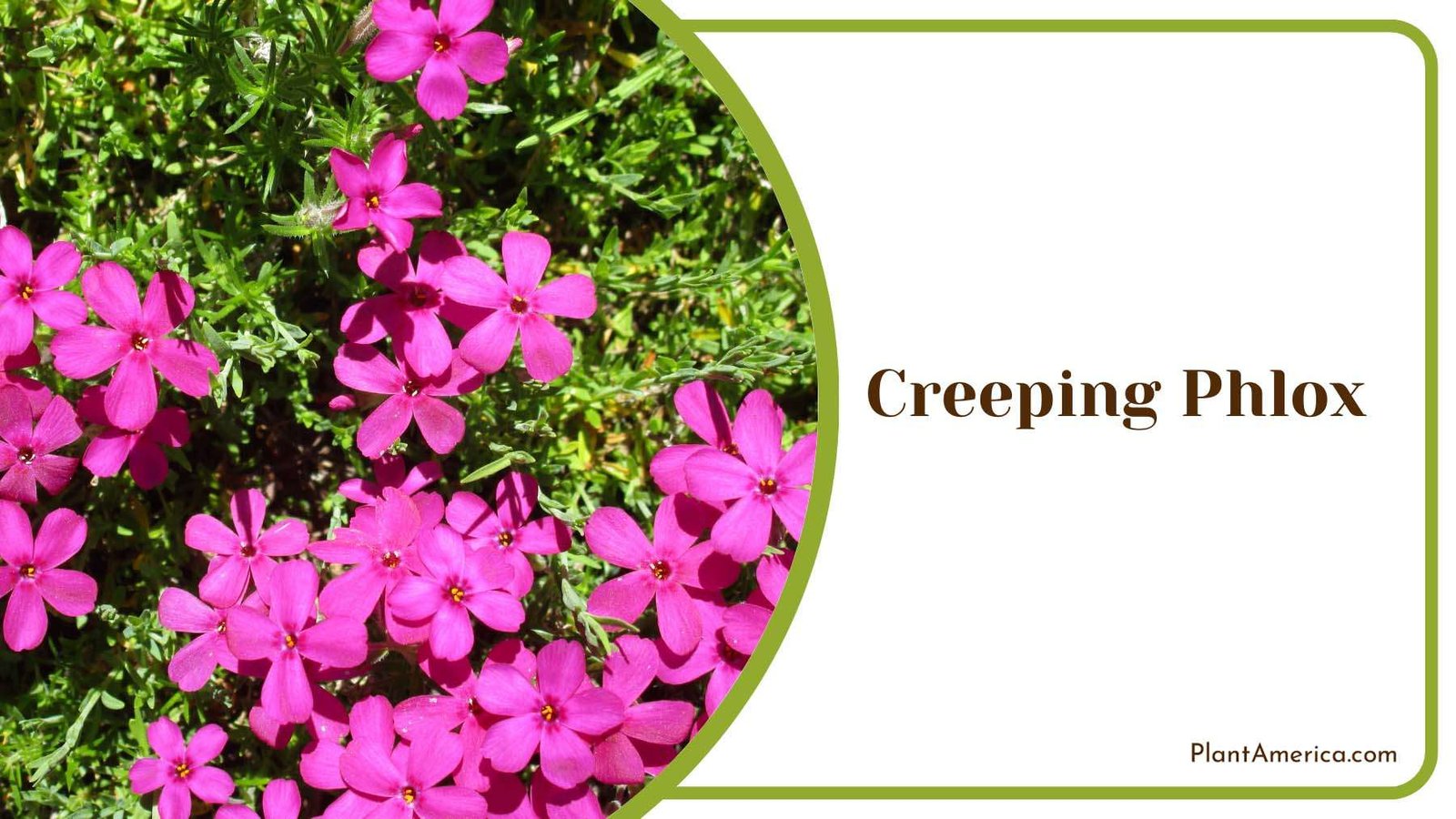
Creeping phlox (Phlox subulata) make an excellent groundcover option known for its vibrant, colorful blooms in spring combined with a spreading growth habit. Through stoloniferous stems that root wherever they touch the ground, it develop a dense mat that can rapidly cover spaces up to one foot per year.
Available in shades of pink, blue, purple, and white, its star-shaped flowers emerge just above the small whorled leaves in early spring. Thriving in full sun with good drainage, creeping phlox requires little care beyond an occasional shearing after blooming. Extremely hardy and drought tolerant once established, it reliably returns each spring.
Ideal for stabilizing slopes, spilling over walls or softening garden borders, creeping phlox combines quick soil coverage with a long season of decorative appeal, ideal for stabilizing slopes, spilling over walls, or softening garden borders, ideal for stabilizing slopes or softening garden borders. Low maintenance and versatility in sunlight bring reliability and color each spring through spreading mats.
12. Licorice Plant
- Growing Season: Spring, Year-round
- Leaf Shape: Compound, Heart-shaped
- Specific Needs: Moist soil, Well-draining soil
- Common Pests: Aphids, Mealybugs
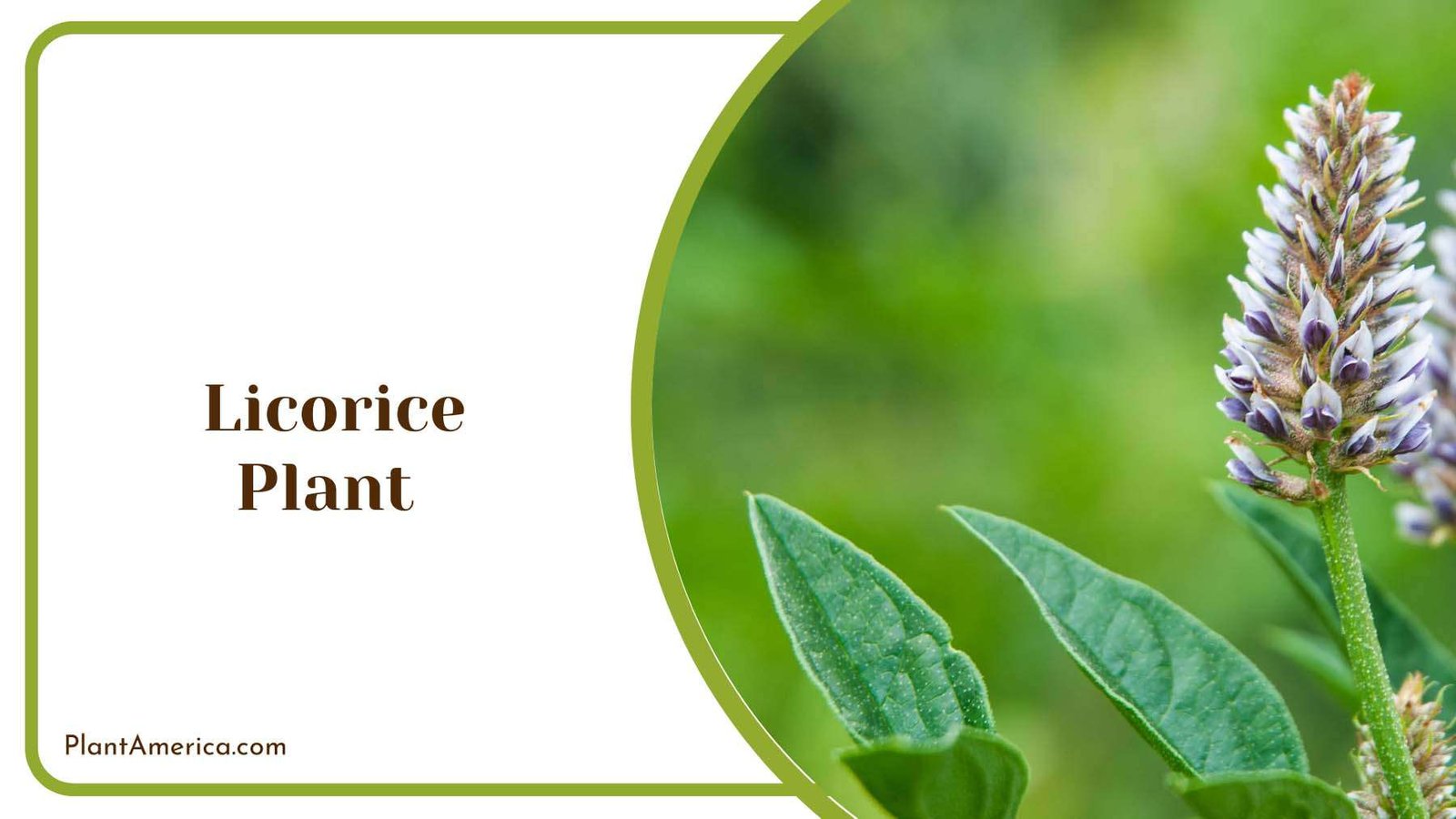
Licorice plant (Helichrysum petiolare) blankets ground with a delicate texture using its creeping stems. Within just one season, it develops an expansive root system that allows dense mats to sprawl over one foot wide.
Fine gray-green foliage takes on a silvery appearance, forming a lush texture perfect for rapidly covering bare plots. In summer, papery pink or white blooms add a delicate touch. Thriving in full sun with average well-draining soil, licorice plant is highly drought tolerant.
Once established, its tight mats require no supplemental water beyond average rainfall. Its rapid soil coverage and natural appearance make the licorice plant ideal for stabilizing banks, softening hardscape edges, or filling other sunny areas. Low fuss and adapted to many climates, it provides simple yet effective groundcover dependably.
13. Purple Wintercreeper
- Growing Season: Spring, Year-round
- Leaf Shape: Heart-shaped, Elliptic
- Specific Needs: Moist soil, Well-drained soil
- Common Pests: Spider mites, Aphids
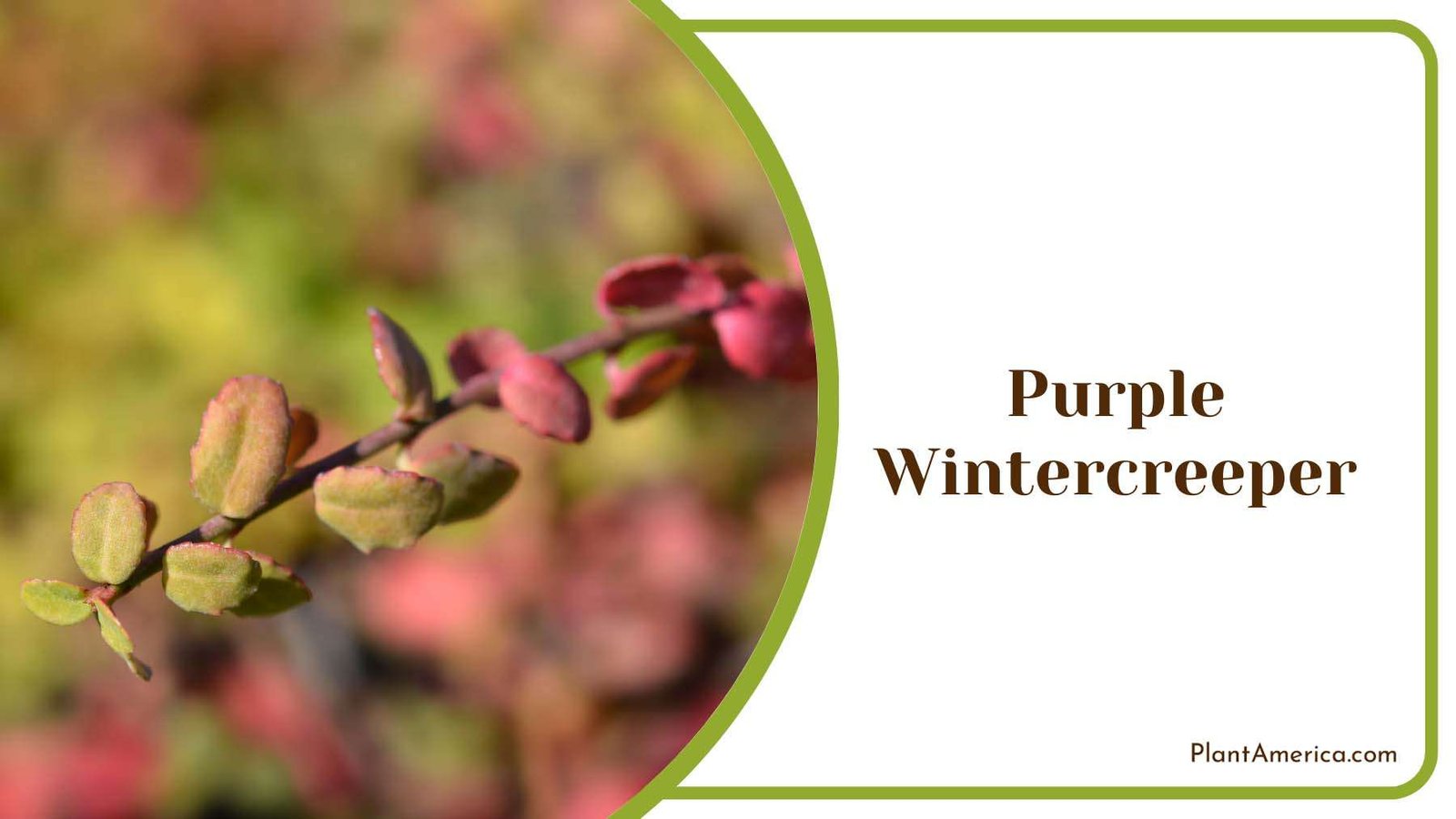
Purple wintercreeper (Euonymus fortunei ‘Coloratus’) forms dense ground-hugging mats through creeping stems that take root where they touch the soil. Within one season, it develops an extensive root system that allows the mats to spread more than one foot wide.
Bold purple-tinged foliage provides colorful texture year-round in sun or shade. In fall, papery pink capsules add decorative interest. Drought tolerant when established, it thrives in most well-draining soils and adapts well to growing under trees or shrubs.
Ideal for stabilizing difficult spaces like sloped banks, retaining walls or spots with poor soils, Purple Wintercreeper’s versatile nature and lush texture allow it to quickly cover problem areas. Low maintenance with reliability season after season, it enhances landscapes with durable decorative appeal.
14. Moneywort
- Growing Season: Spring, Fall
- Leaf Shape: Rounded, Orbicular
- Specific Needs: Acidic soil, Partial shade
- Common Pests: Slugs, Aphids
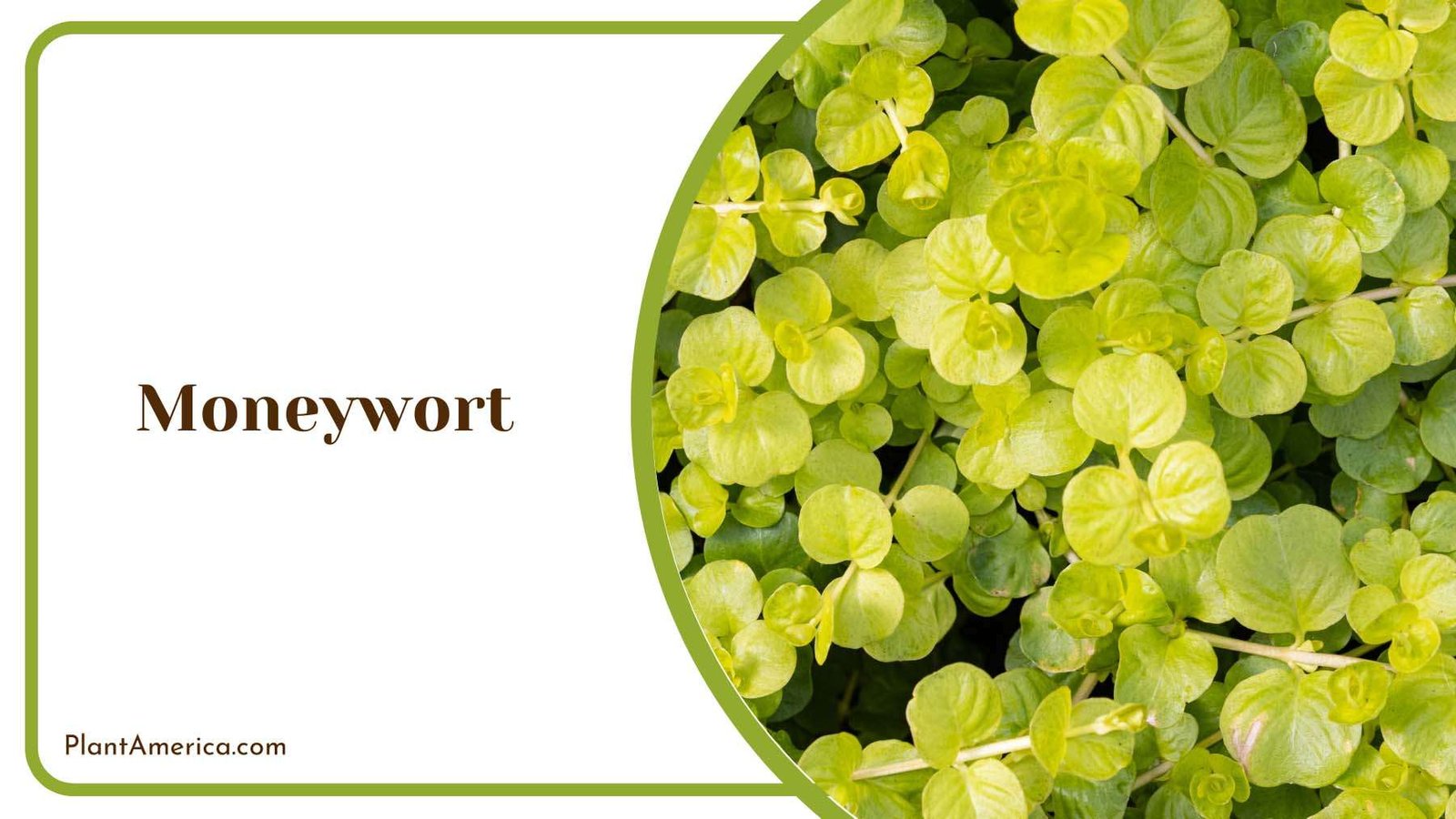
Moneywort (Lysimachia nummularia) makes its money by rapidly covering ground through creeping stems and stolons. Within months, it develops an extensive root system and leafy mats that can expand over large areas, filling in bare spots up to a foot wide each year.
Golden yellow blooms arise above its round green leaves in summer, adding cheerful color. Thriving in part shade to full sun, it handles average soil moisture and light foot traffic. After blooming, the mats continue spreading to maintain solid ground coverage.
Ideal for stabilizing slopes, banks and difficult spaces, moneywort grows densely without demanding fussy care. Once established, it withstands drought and resists weeds naturally. Combining quick soil coverage with flowers, moneywort delivers reliable beauty season after season.
15. Yellow Toadflax
- Growing Season: Spring, Fall
- Leaf Shape: Linear, Oblong
- Specific Needs: Full sunlight, Well-draining soil
- Common Pests: Spider mites, Toadflax moth
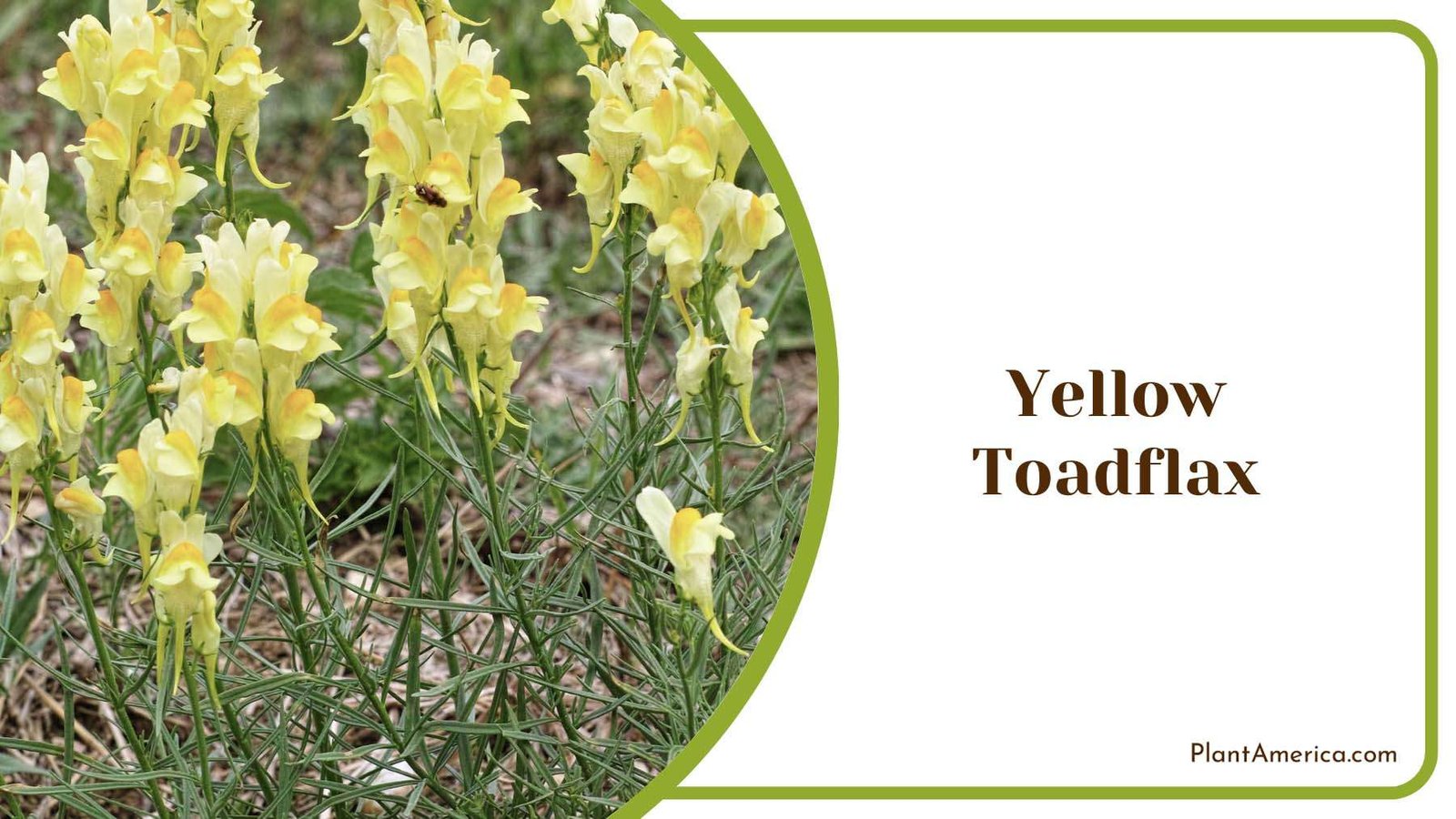
Yellow toadflax (Linaria vulgaris) relies on its sturdy creeping stems to efficiently blanket exposed ground.
Come summer, cheerful yellow blooms in the shape of butterflies emerge on erect stems among the leafy growth. Their nectar rewards pollinators with sustenance. Once the flowers have done their part, the mats continue their methodical mission of ground coverage into fall.
Thriving in full sun and average well-drained soil, yellow toadflax demonstrates toughness in difficult conditions such as drought and poor soils. With minimal demands, it naturalizes gracefully without fuss.
Whether stabilizing barren ground or complementing other plantings, yellow toadflax delivers reliability through both its adaptable nature and efficient spreading habit. Winter interest further prolongs its seasonal appeal with low maintenance needs. Overall, it serves steadfastly as a sensible solution for spools of exposed earth.
16. Sedum Rupestre
- Growing Season: Spring, Winter
- Leaf Shape: Grass-like, Pointed
- Specific Needs: Well-draining soil, Full sunlight
- Common Pests: Slugs, Snails, and Aphids
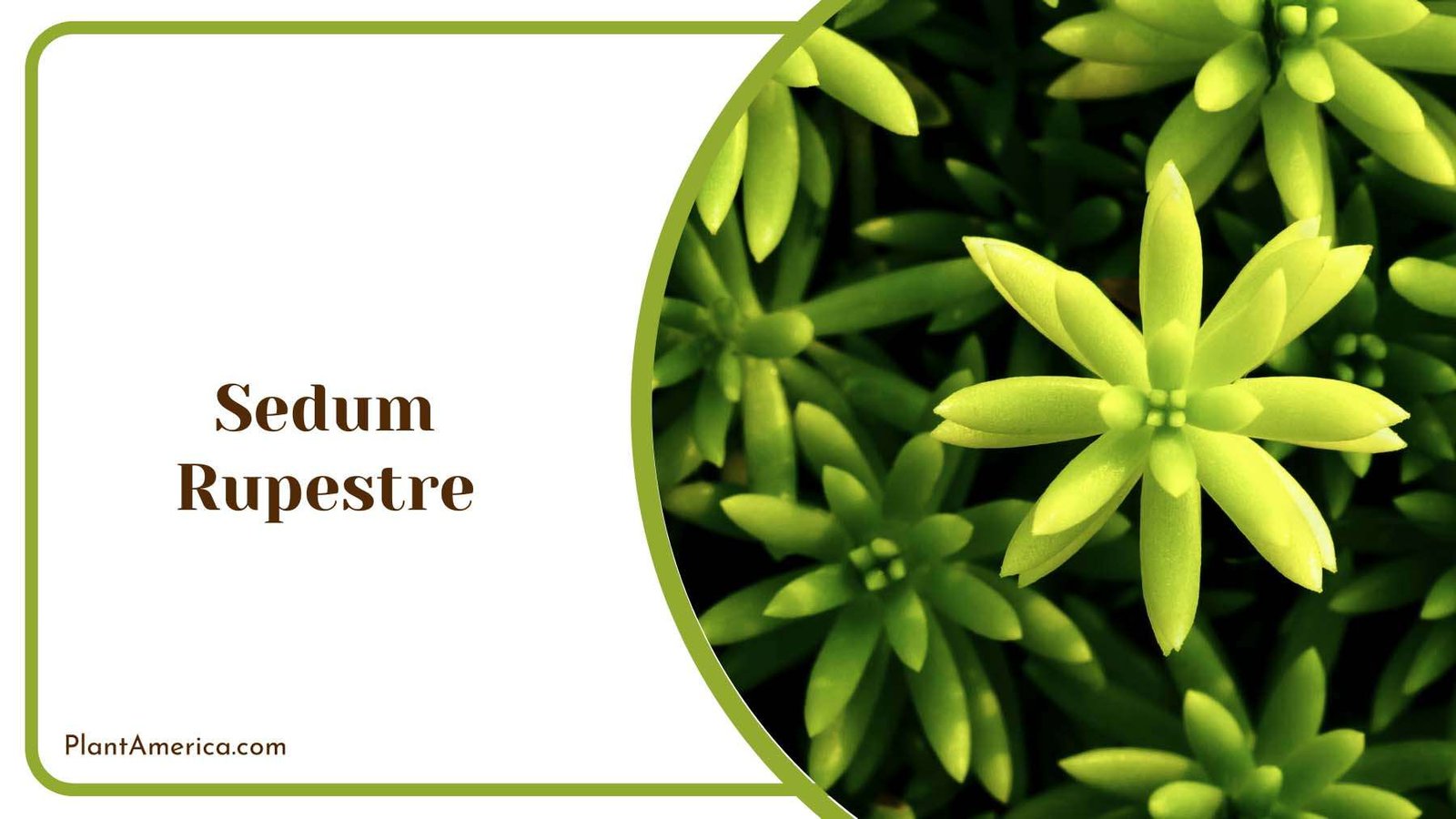
Sedum rupestre ‘Angelina’ relies on its succulent-like stems that spread outward in all directions to permanently blanket barren ground. Within its first year, an extensive root structure takes hold, allowing lush foliage to spill over an area of one foot wide through these creeping extensions.
Come late summer, this sturdy groundcover bursts with a lovely splash of color – rosy pink flowers that emerge proudly from the plump grey-green leaves of its carpets. Requiring little more than sun and average well-draining soil, it is drought-tolerant once settled. Minimal effort is needed beyond initial watering.
Well-suited to challenging spaces such as slopes and walls, sedum rupestre’s adaptive nature and tight-knit mats make it a premier pick for rapidly enveloping difficult settings. Its resilient blooms, leaves, and low-maintenance personality provide lasting beauty with convenience year after year. Defiant yet decorative, it delivers a steadfast solution to barren spots seeking a seamless lush covering.
17. Juniper
- Growing Season: Spring, Year-round
- Leaf Shape: Needle-like, Small
- Specific Needs: Well-draining soil, Full sunlight
- Common Pests: Spider mites, Caterpillar
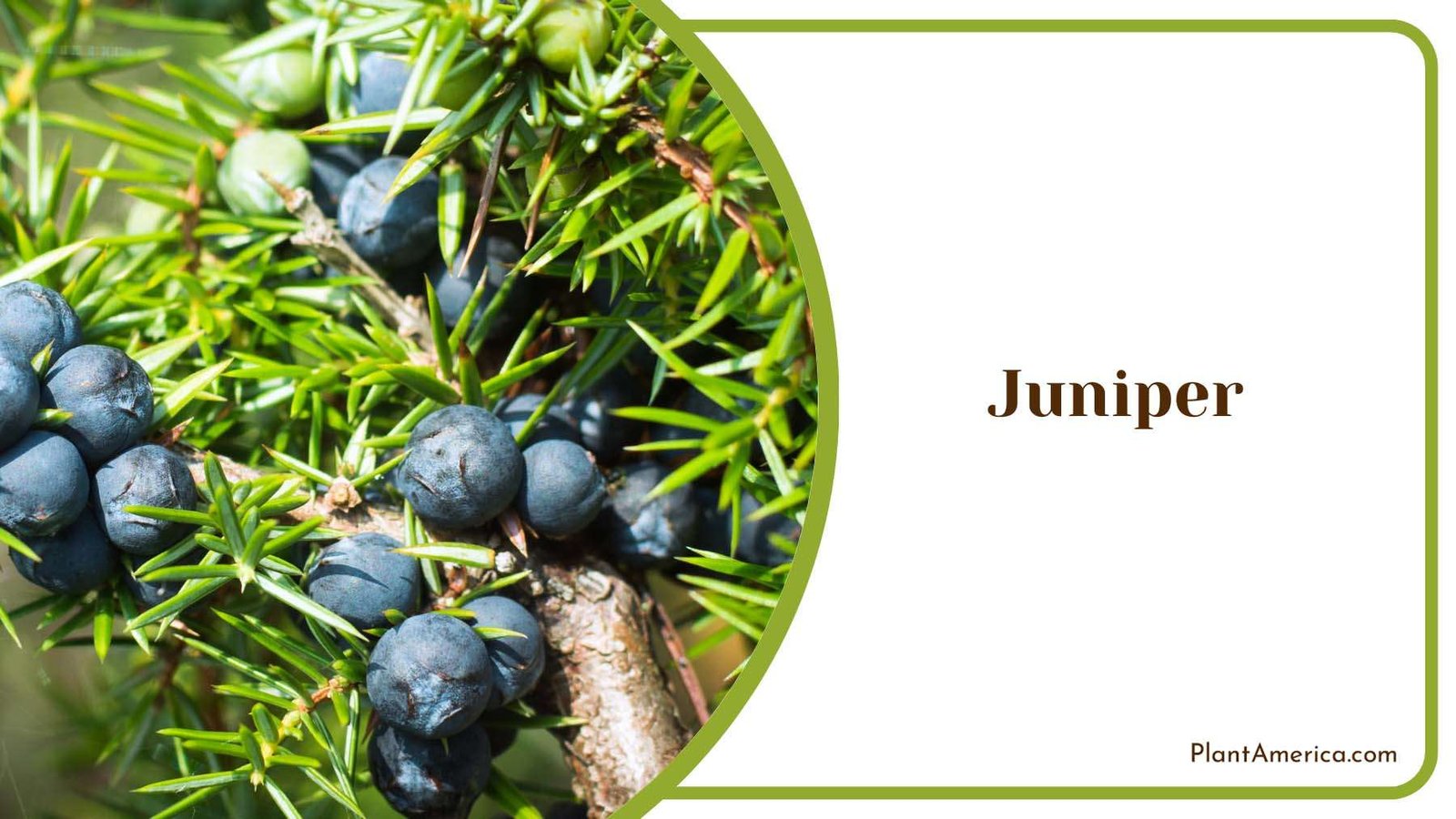
Juniper (Juniperus spp.) employs a woody, multi-branched stem structure to make expansive carpets over time. Different species thrive in various conditions from full sun to partial shade. The blueish, grayish, or greenish foliage provides a handsome texture year-round.
With creeping stems that spread just above or at the soil line, juniper throws out roots wherever its branches touch down. This allows it to steadily infiltrate bare areas. Within a few growing seasons, an extensive root system and foliage mat up to a foot wide develop.
Several cultivars are available to suit diverse needs. Some varieties tolerate drought and poor soils, making juniper ideal for stabilizing slopes, banks, or other difficult locations. The aromatic evergreen quality also lends fragrance when brushed against.
Low maintenance once established, juniper persists reliably with only periodic pruning to maintain its form. Its naturalizing spread complements mixed borders but also functions as a solo groundcover. Both decorative and practical, juniper brings simplified beauty and soil protection through its steadfast creeping habit.
18. Vinca Minor
- Growing Season: Spring, Fall
- Leaf Shape: Glossy, Oblong
- Specific Needs: High humidity, Partial shade
- Common Pests: Slugs, Snails
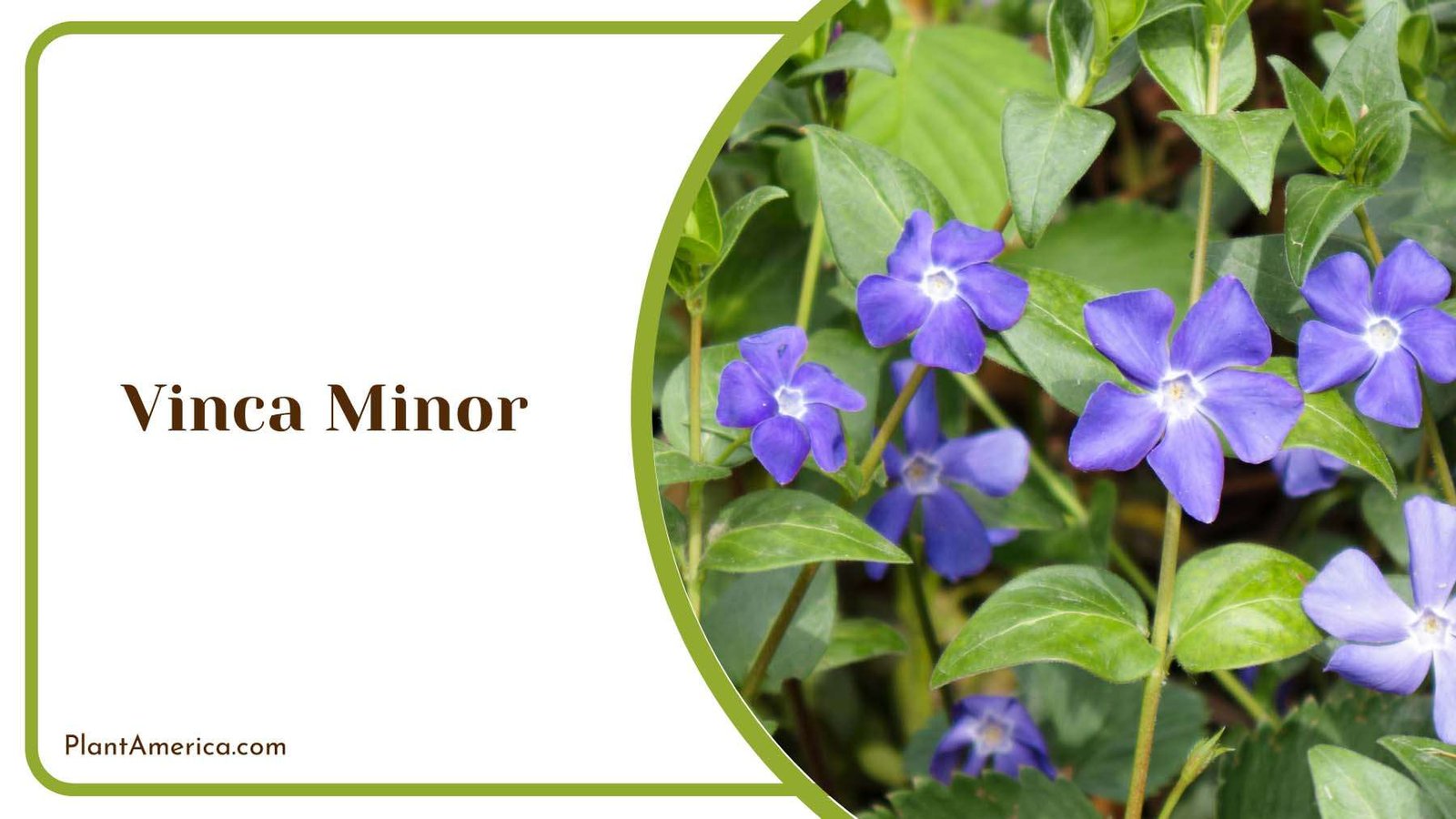
Lesser periwinkle (Vinca minor) creeps confidently via trailing stems just above the soil surface. Fine-textured dark green leaves provide nearly complete coverage once its root system takes hold.
Stems root readily at the nodes, allowing new growth to sprout and expand the mat up to a foot each year. Within one season, Vinca minor establishes an extensive mesh that anchors the soil yet remains pliant.
Come spring, five-petaled flowers in hues of blue or white emerge among the foliage. But even without blooms, its lush carpet continues spreading steadily. Thriving in shade or sun with average moisture, Vinca minor asks little else besides occasional trimming or dividing.
Both decorative and functional, it brings reliable density to foundation plantings, shaded slopes and other challenging spaces. Minimal maintenance is required of this versatile groundcover as it prolifically colonizes the cool earth beneath its sheltering boughs.
19. African Iris
- Growing Season: Spring, Fall
- Leaf Shape: Sword-like, Fan-like
- Specific Needs: Full sunlight, Moist soil
- Common Pests: Slugs, Snails
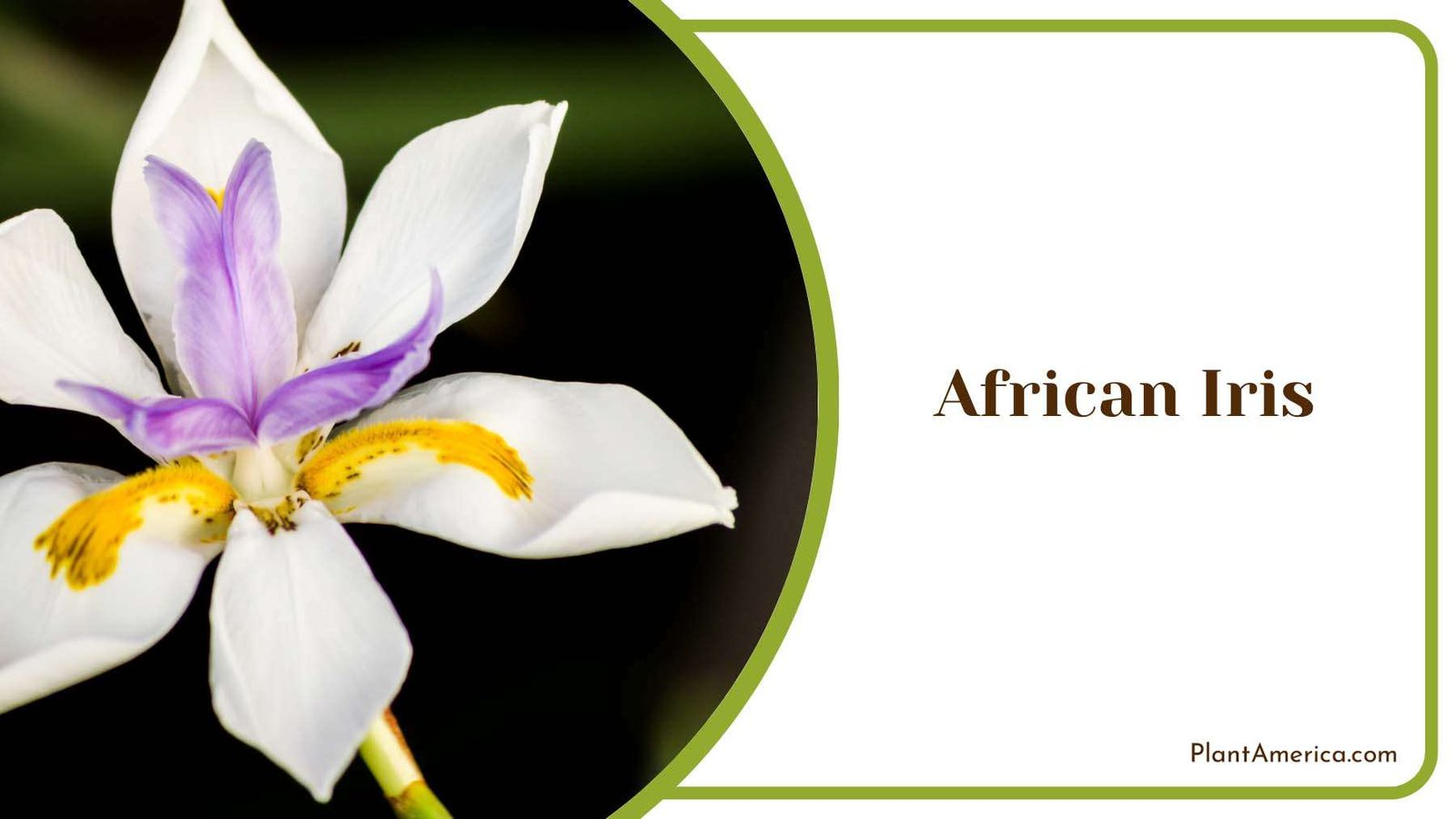
Originating from South Africa, African iris (Dietes iridioides) creeps deliberately through sturdy underground rhizomes. These spreading stems send up clumps of rigid, sword-like foliage in shades of olive, gray-green or variegated white.
Come midsummer, upright flower stalks emerge towering over the leaves. Vivid blooms appear in hues from soft blue to vibrant purple or white. As the rhizomes extend, more clumps are established to gradually widen the colony.
Needing full sun and good drainage, African iris thrives in hot climates once settled. Drought tolerant, its basal leaves also supply low maintenance ground coverage. Blooms and tropical foliage combine for year-round decoration.
Ideal for stabilizing banks in natural landscapes, African iris establishes slowly and purposefully. Its stately presence and resilient nature make it suitable for challenging spots requiring a stately resident that demands little care in return for seasons of visual interest.
20. Hardy Geranium
- Growing Season: Spring, Fall
- Leaf Shape: Lobed, Palmate
- Specific Needs: Full sunlight, Moist soil
- Common Pests: Slugs, Snails
Through creeping rhizomes just below the soil’s surface, hardy geraniums (Geranium spp.) spread their mats at a steady but less rapid pace than some groundcovers. Individual leafy stems emerge, rooted securely by branched underground runners.
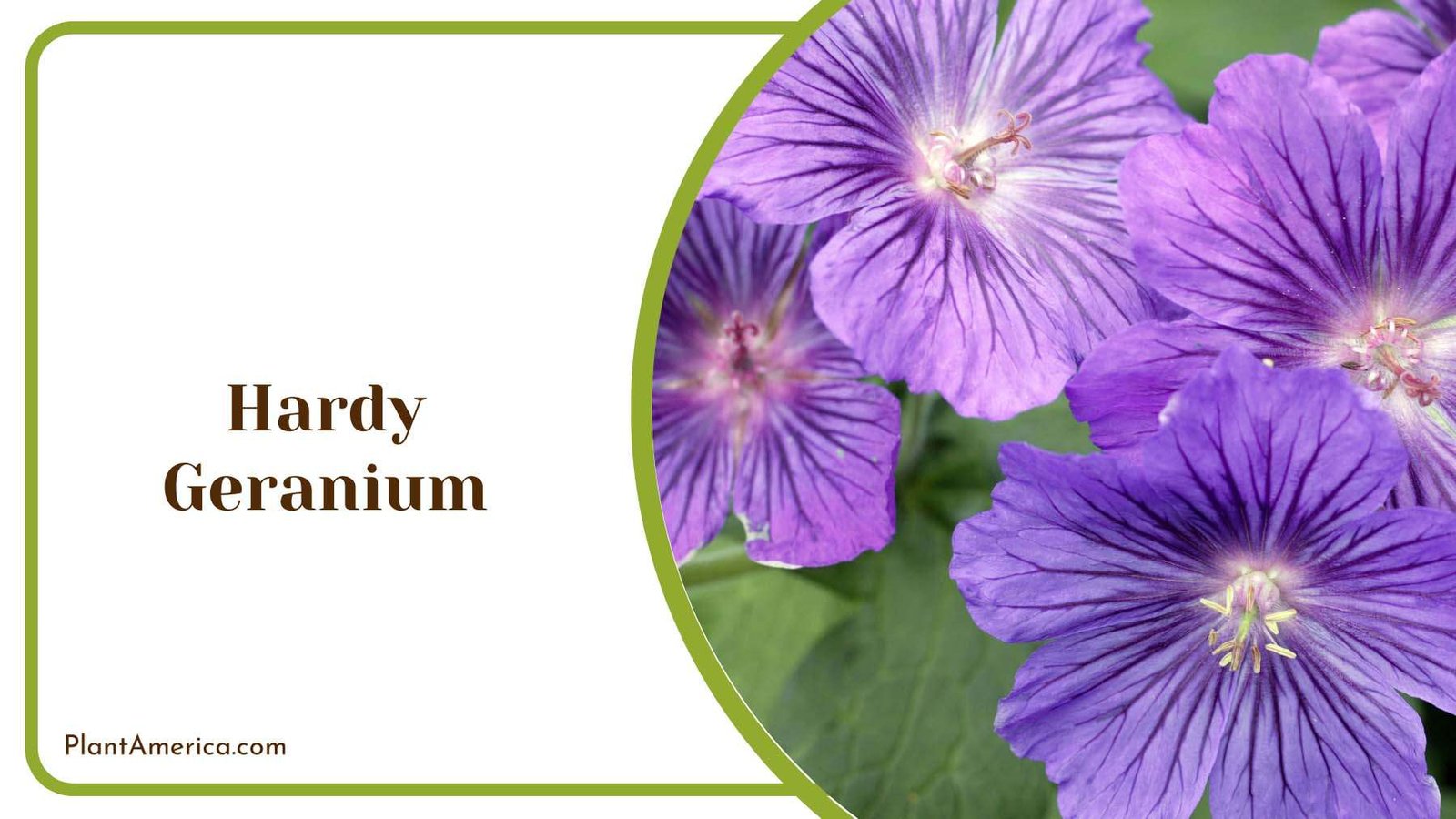
Leaves provide handsome texture all season long in shades of green, often with hints of purple or silver variegation. Beginning in spring, colorful blooms of pink, purple, white or red appear in clustered habit above.
Thriving in partial sun or shade with moderate moisture, hardy geraniums tolerate various soil types once established. Though spread occurs more subtly over the years, their dependability and decorative foliage & flowers make them a reliable choice.
Long blooming with minimal upkeep, these spreading geraniums weave resilient beauty into borders or difficult landscapes. Their creeping innovations patiently but persistently improve ground they colonize over time.
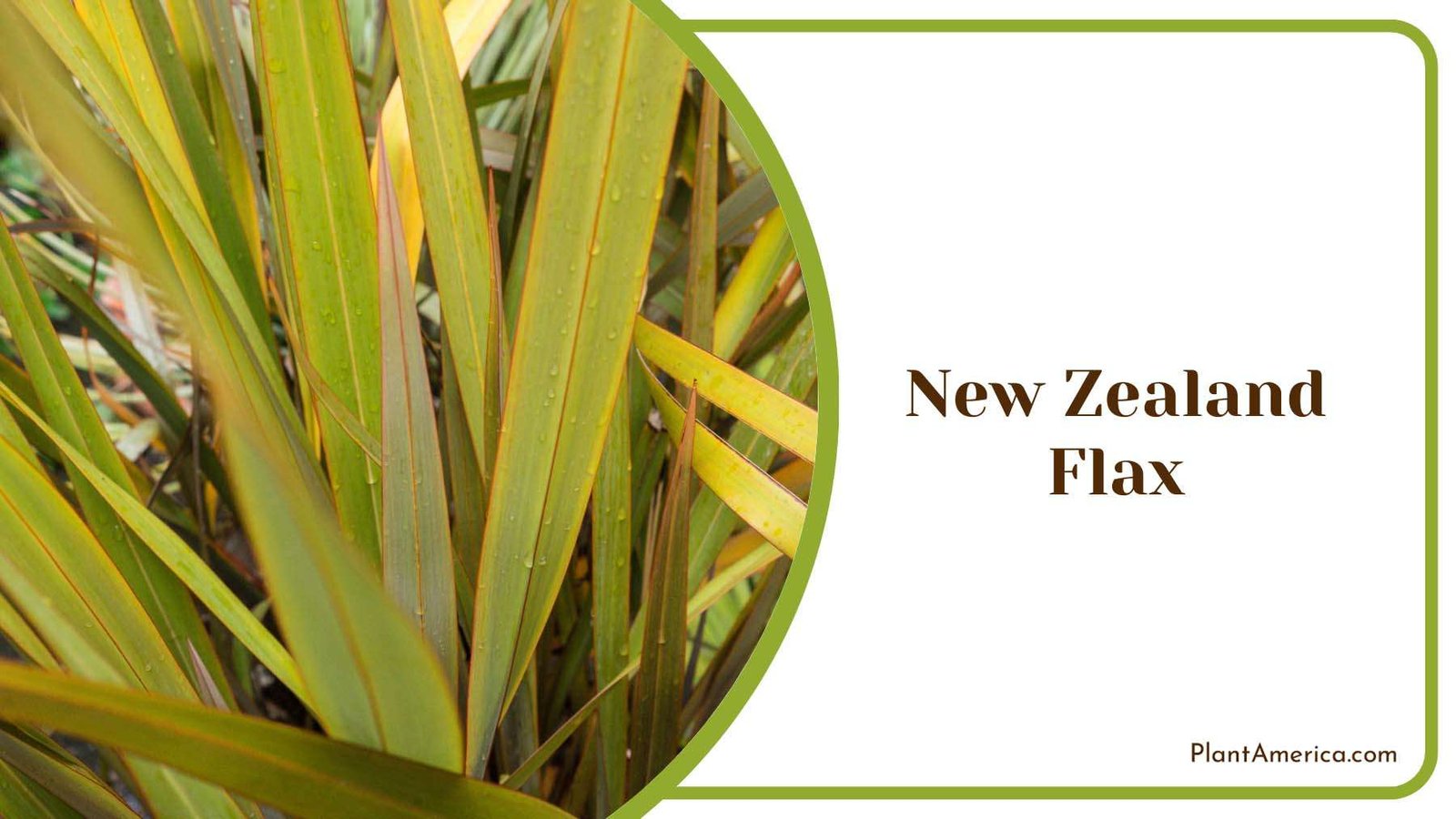
21. New Zealand Flax
- Growing Season: Spring, Year-round
- Leaf Shape: Sword-like, Fan-like
- Specific Needs: Acidic soil, Full sunlight
- Common Pests: Spider mites, Flax moth
New Zealand flax (Phormium tenax) utilizes stout underground rhizomes to deliberately extend its reach. Rigid, architectural leaves emerge in shades of grayish-green to olive, sometimes with tints of bronze or yellow.
Towering flower plumes appear in summer, brightening the basal foliage with bold colors from red to orange, pink or yellow. As rhizomes send up new growth, the flax’s stature spreads slowly but effectively.
Thriving in full sun or light shade with average moisture, it is tolerant of harsh coastal conditions once established. Displaying form and texture all year, New Zealand flax makes a striking solo specimen or accent in borders and natural landscapes.
Its drought tolerance and low maintenance needs provide stable beauty for challenging spots. Sturdy yet graceful, this exotic plant’s creeping innovations purposefully beautify environments through its naturalizing spread over the long term.
Conclusion
Fast-growing ground covers are a low-effort, high-impact solution for many landscape needs and they just need a little patience. You can transform large patches of bare soil into lush carpeted oases filled with foliage, flowers, and living textures.
- Wild ginger forms an evergreen ground cover with zig-zag stems, heart-shaped leaves, and fragrant yellow flowers. The variegated leaves emerge cream-edged, turning green as they mature.
- Purple wintercreeper forms a dense evergreen vine valued for its deep purple foliage and ability to thrive in shaded areas. The heart-shaped leaves emerge burgundy, maturing to a deep purple hue.
- Creeping juniper forms a dense evergreen mat of needlelike leaves and grayish bark. The slender leaves taper to a point and emerge in whorls around woody stems.
- Hardy geranium forms a dense mound of palmate deeply-lobed leaves and colorful spring flowers
While it takes time for these hardy plants to spread and take hold, your efforts now will provide years of enjoyment from easy-care and ever-changing ground scrapes. You interact with your garden daily, why not make it a joy to behold from the ground up?