
How to transplant pachysandra is a question you might ask yourself several times. It’s best to do this in the early spring. You can also do this in the late spring and summer, only when the temperature is mild.

We will tell you more about transplanting pachysandra to keep your plant healthy, so you don’t have to look for a how to plant pachysandra video tutorial.
What Are The Main Steps For Transplanting Pachysandra?
The main steps for transplanting Pachysandra plant include choosing the spot and cultivating the area of choice. Removing your Pachysandra from the old position is the next step. Lastly, you have to plant your bud and care for it afterwards.
The Pachysandra terminalis, also known as the Japanese spurge and Japanese pachysandra, is a reliable and tough plant that maintains its beauty in winter, making it an excellent planting choice under trees and shrubs.
It thrives in different types of soil and tolerates challenging conditions. However, its survival ability in less-than-perfect conditions can become inconvenient as this plant can become invasive in the right conditions. So, you want to keep an eye on your Japanese surge and see how it’s spreading if you decide to grow it as a ground cover.
You might want to transplant your pachysandra to propagate it or pick a better location. Here’s how to plant pachysandra.
1. Choose The Spot
If you have a shady area where other plants struggle to grow, this can be the perfect spot to grow your pachysandra. This plant is a reliable ground cover and thrives in partial or deep shade to grow in dry shade under taller trees and shrubs.
It can also be an excellent choice for island beds and shady areas next to buildings. The plant will grow white flowers in the spring in these challenging conditions.
The pachysandra isn’t that picky about the soil type. It can survive in loamy, sandy, silt, and clay soil. The plant, however, prefers slightly acidic soil, so you might need to work on that.
Pachysandra isn’t a heavy feeder, but it will be better for this plant to enrich the soil with compost to increase its acidity and complement it with essential nutrients. You should do this in the late fall or early spring before you move your pachysandra.
2. Cultivate The Area
The sun and air dry the top layer of the soil to form a crust. This crust will prevent the water from soaking into the soil, affecting the plants’ growth.

Cultivating the soil using a garden spade allows water, air, and essential nutrients to penetrate easily into the soil. Moreover, the plant’s root system will expand easily, making it healthy and allowing it to get established after transplanting.
Before cultivating it, you should add 2 inches of aged compost to the top layer of the ground. Cultivate the growing spot for your Japanese pachysandra up to 4 inches, mixing the compost with the soil.
3. Remove Your Pachysandra
If you’re buying your pachysandra from a nursery, it will arrive as bare root plants, showing how resilient this species is. But if you already have Breck’s pachysandra ground cover, you can transplant it to another area.
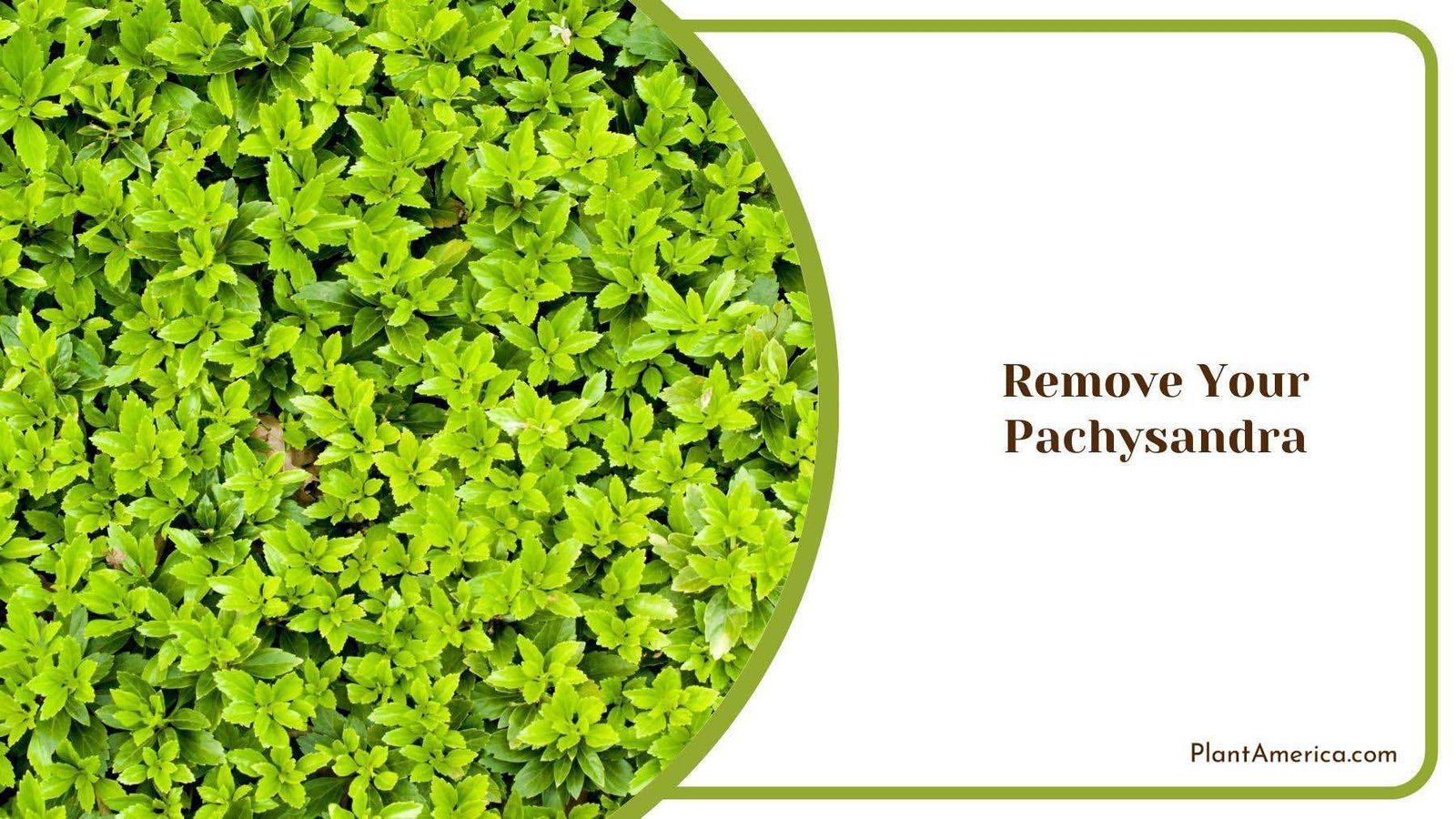
This plant grows from rhizomes. You should have at least part of the rhizomes to be able to transplant your pachysandra successfully. This method of dividing rhizomes guarantees that your new plants will quickly get established in the new soil.
So, how do you dig up pachysandra? The key is to be as gentle as possible while handling the plant. You don’t want to damage any roots to guarantee successful transplanting.
You need to insert the tip of your garden shovel into the soil up to 3 inches, ensuring you’re not hitting any roots. Then, you should angle it to loosen the plant gently.
After that, you should use the shovel to cut around the plant so the plant and its root system are separated from the rest. Make sure that the piece you pick will fit your shovel, or you won’t be able to transport it to the new location.
Place this piece into a wheelbarrow and examine it for any dead foliage or disease signs. You don’t want to transplant an unhealthy plant, or it will infect all the other nearby plants. Brush any excess soil attached to the roots to examine them. You should cover the pachysandra with two or three layers of UV-stabilized plastic until you transplant it to a new location.
Once you have made sure you’ve picked a healthy specimen, you should repeat the process as many times as you need to grow your pachysandras elsewhere. This is how to spread pachysandra to other locations in your garden.
4. Plant Your Pachysandra
Now that you’ve removed the plants from their old location, you must plant them at the new site. The idea is to create growing conditions similar to the ones this plant enjoyed before. This will reduce the chances of transplant shock, and the plant’s roots will quickly get established.

So, can you transplant pachysandra in the fall? Ideally, you should plant your pachysandra in the spring after the last frost. But you can transplant it from March to December in USDA zones 4 to 8. This is the time when the soil won’t be frozen, so the new root system will be able to penetrate the soil.
Your soil has already been dug and amended, so you need to dig holes 3 to 4 inches deep. Remove all the rocks and weeds from the spot to give room to the plant’s roots.
So, how far apart to plant pachysandra? It’s important to leave space between the plants to reduce stress and competition for nutrients and water. You can grow 3 to 4 plants per square foot, leaving 6 to 12 inches between each two. However, you can group your plants together if you want them to spread quickly and cover a large area.
5. Care For Pachysandra
This plant needs frequent watering until it’s established. After that, you don’t have to worry much about regular watering, even during dry spells.

Once you’ve moved your pachysandras into a new location, press the soil to keep the new plants in place. You should water your plant thoroughly and keep doing this for the first two weeks to allow this plant to overcome the transplanting shock.
Add a 2-inch layer of peat moss every two weeks on top of the soil. It helps with drainage and is sterile, so it won’t transform any diseases or infections to the fragile plant.
In general, pachysandra varieties like Variegata, Green Carpet, and Green Sheen are pretty resilient. You don’t have to worry about any special feeding requirements or worry much about light exposure. However, lack of air circulation in heavily crowded spots can encourage the spread of fungal diseases. In this case, you should consider splitting pachysandra in your garden.
Make sure to rake all the dead leaves in the fall, as you don’t want them to suffocate your plant. But do this gently because you might accidentally break the brittle pachysandra stems.
How To Keep Pachysandra Healthy After Transplant
You can keep pachysandra healthy after transplanting by daily watering and choosing the right companion plants that actually aid them in growing. Lastly, as you know, pruning can boost the growth and adjustment of a plant significantly so don’t forget that as well.
– Daily Watering
The newly transplanted pachysandras will be fragile, and providing them with water is essential to help them get established. Mature plants can survive prolonged drought periods, and you can skip watering altogether. This makes them the perfect choice for lazy gardeners.
However, you must give it more care and attention if you’ve just transplanted your pachysandra. Daily watering guarantees that the plant can access water and nutrients. Nevertheless, you should ensure the soil isn’t waterlogged, or your plant will suffer significantly.
– Choosing Companion Plants
Pachysandra plants are the perfect companions for tall, high-limbed deciduous, or evergreen trees like maples, oaks, firs, pines, and spruces. The tall trees create shade and give the plant access to the dappled light it prefers. At the same time, the pachysandra doesn’t deprive the soil of the essential nutrients, so the tree can thrive.
You can also pair this beautiful plant with others that complement its texture. If you’re growing a variegated variety, you can add to your landscape’s beauty by pairing it with a solid-leaf plant, like hydrangeas or hostas. You can also add a lace-leaf plan, like a fern, to add more aesthetic value to your landscape design.
– Pruning
Pachysandra doesn’t require regular pruning. But in optimal conditions, the plant grows aggressively, affecting nearby plants’ health. Moreover, an overcrowded spot with poor air circulation will encourage the spread of fungal diseases. Finally, pruning and trimming the plant promotes healthy growth.
So, how to thin out pachysandra? Annual pruning will benefit your plant, but you should ensure you’re not spreading any diseases.
First, you should sterilize and clean your pruning shears. Use a clean rag and rubbing alcohol before and after pruning to eliminate the risk of spreading infections.
Next, you should cut half of your pachysandra to encourage new foliage growth. After that, you can use a lawn mower set to the highest setting or about 4 inches to trim the plant without touching its crowns.
This is best done in the early spring before the new growth appears. It helps you get your Pachysandra ready by removing the damaged winter foliage, and your plant will start growing new leaves and white flowers.
FAQs
– Can You Grow Pachysandra From Cuttings?
Yes, you can transplant cuttings, but you should include at least a part of the rhizomes. Stem cuttings must be dipped in a rooting hormone to encourage growth. This is best done in the late spring because, in the early spring, your plant will be too weak for transplanting.
– Where Should You Transplant Your Pachysandra?
The best spot for your pachysandra is under tall trees that obstruct sunlight and prevent other plants from growing. This plant thrives in the deep shade and will enhance your landscape design with its vibrant foliage. It’s the best choice for the awkward spots where other plants struggle to grow.
– Will Pachysandra Take Over Your Garden?
If neglected, pachysandras can definitely take over your garden. These plants can survive in challenging situations and will spread too fast in your garden, depriving nearby plants of nutrients. Pachysandras can even escape your garden and escape to nearby lawns or flowerbeds, so you should keep this plant under control.
Conclusion
Pachysandra is a tolerant plant that covers your ground and can survive in less-than-perfect conditions. And you can transplant it successfully in the bare areas of your garden.
- Choose a shady location for this plant, as it doesn’t tolerate direct sunlight.
- You should be careful while lifting the rhizomes so the new plants can get established.
- Water your transplanted pachysandra regularly during the first weeks.
- Annual pruning will allow for better air circulation, encourage new growth, and protect plants from fungal diseases.
With these gardening tips, your pachysandra will quickly fill the most challenging spots in your garden, adding to its beauty.