
 Dracaena Trifasciata of the Asparagaceae family is one of the easiest and most popular plants that is a must-have for every gardener. It is a hard-to-kill plant with stiff and long leaves that come in different varieties.
Till 2017, its botanical name was Sansevieria Trifasciata but due to the similarities with Dracaena species, it was changed to Dracaena Trifasciata. Some of its common names include the Snake plant, Mother-in-law’s Tongue, Saint George’s Sword and Viper’s Bowstring Hemp. Learn all about this easy-to-grow plant’s growth and care requirements from our guide.
What is a Dracaena Trifasciata?
A Dracaena Trifasciata is an evergreen perennial plant native to Western Africa. The epithet ‘Trifasciata’ means “three bundles”. It belongs to the Asparagaceae family. It comes in many varieties such as Laurentii, Cylindrica, and Black Coral.
Dracaena Trifasciata Care
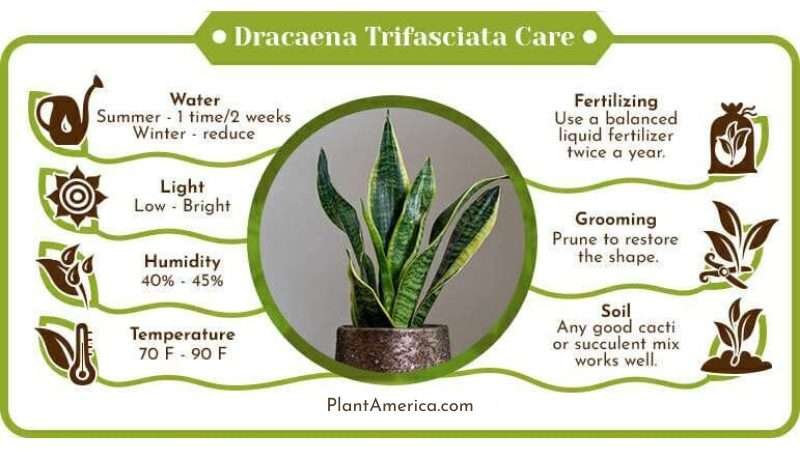
Dracaena Trifasciata is an easy one to grow which makes it perfect for all you new gardeners out there. It has some basic care requirements that are easy to follow. Read on to find out all about them below.
 Water Requirements
Dracaena Trifasciata has very low water requirements similar to other succulents.
You can water it once every one to two weeks during the summer months and even less during the winter months.
These plants need to be watered less than other house plants because they have water and nutrients in their unique rhizomes.
Their fleshy roots are prone to root rot due to overwatering.
 Light Requirements
If you are finding it challenging to find a brightly lit spot for your houseplants, then you must try growing Dracaena Trifasciata in indoor spaces. It can handle extremely low-light to bright, direct sunlight.
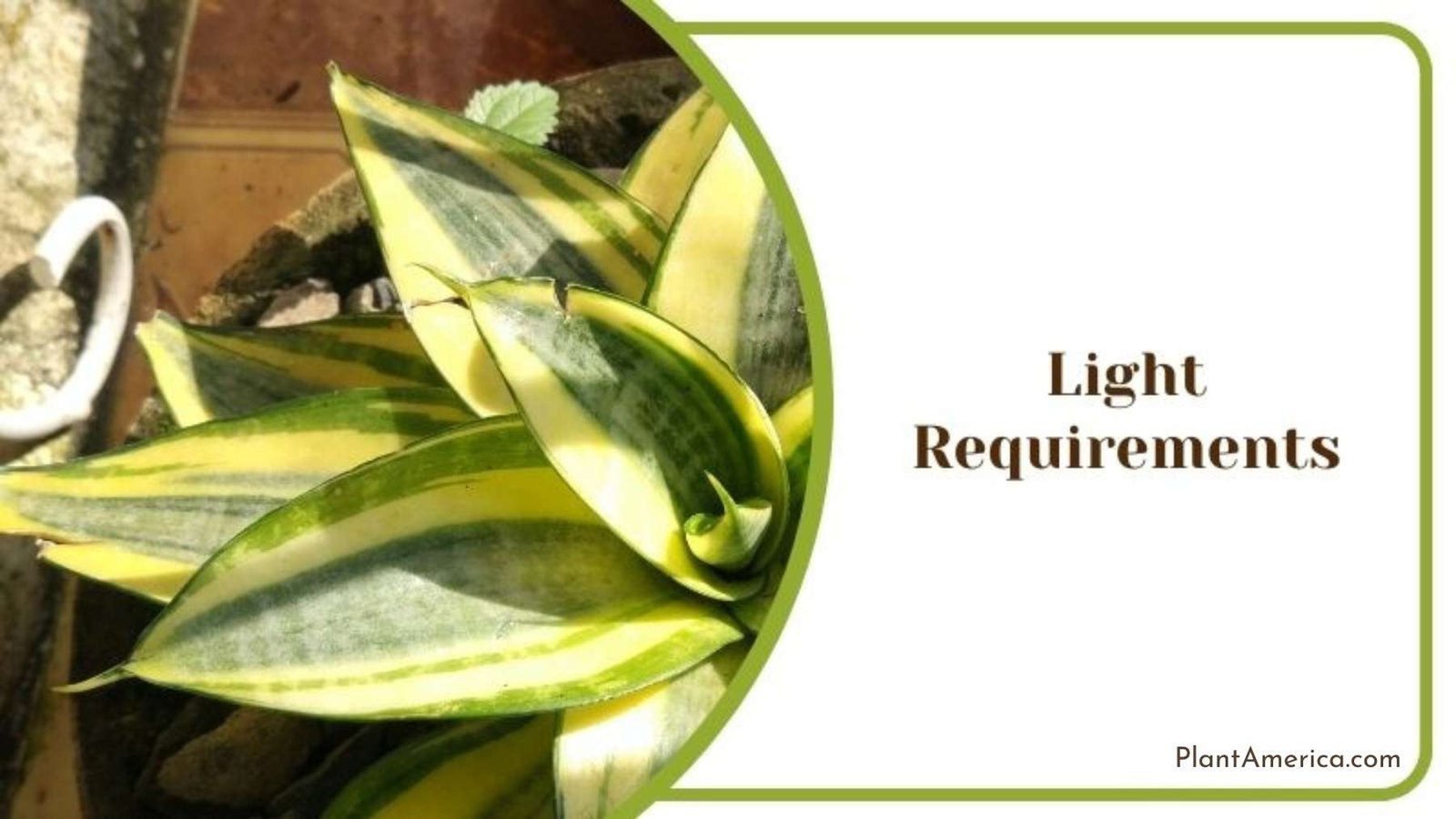
It is always advisable to keep these plants in bright, indirect light as over time if you keep them in low-light conditions, the growth starts to slow down. It is native to Central and Western Africa where it thrives in a tremendous amount of light.
Over the years, in low-light conditions, you will observe a stunted growth rate with the plant running a risk of overwatering-related problems.
Increased exposure to light will boost the plant’s growth. You will see an increase in their growth when the plant is provided with a couple of hours of direct sunlight.
In its natural environment, the plant lives in bright, direct sunlight. It can handle direct sunlight during the noon too but sometimes in high temperatures, it goes into stress and the leaves start to burn.
 Soil Mix
Use a very well-drained soil mix to grow Dracaena Trifasciata as it needs good airflow around the root system to thrive. Any good cacti or succulent mix works well for the Snake plant.
Use two parts coarse sand or perlite for drainage, one part coco coir for water retention, and one part garden soil if you are preparing your mix. Do not use only regular potting soil as it is too heavy for the water storing rhizomes of Dracaena Trifasciata.
Use the succulent or cactus mix to replant your Snake plant. Add organic compost to the soil to make it fertile. This plant cannot tolerate soggy soil conditions, hence make it airy by adding sand or perlite to the regular garden soil.
 Temperature Requirements
The ideal temperature for proper growth of Dracaena trifasciata is between 70 and 90 degrees Fahrenheit. This plant prefers moderately warm temperatures to grow well.
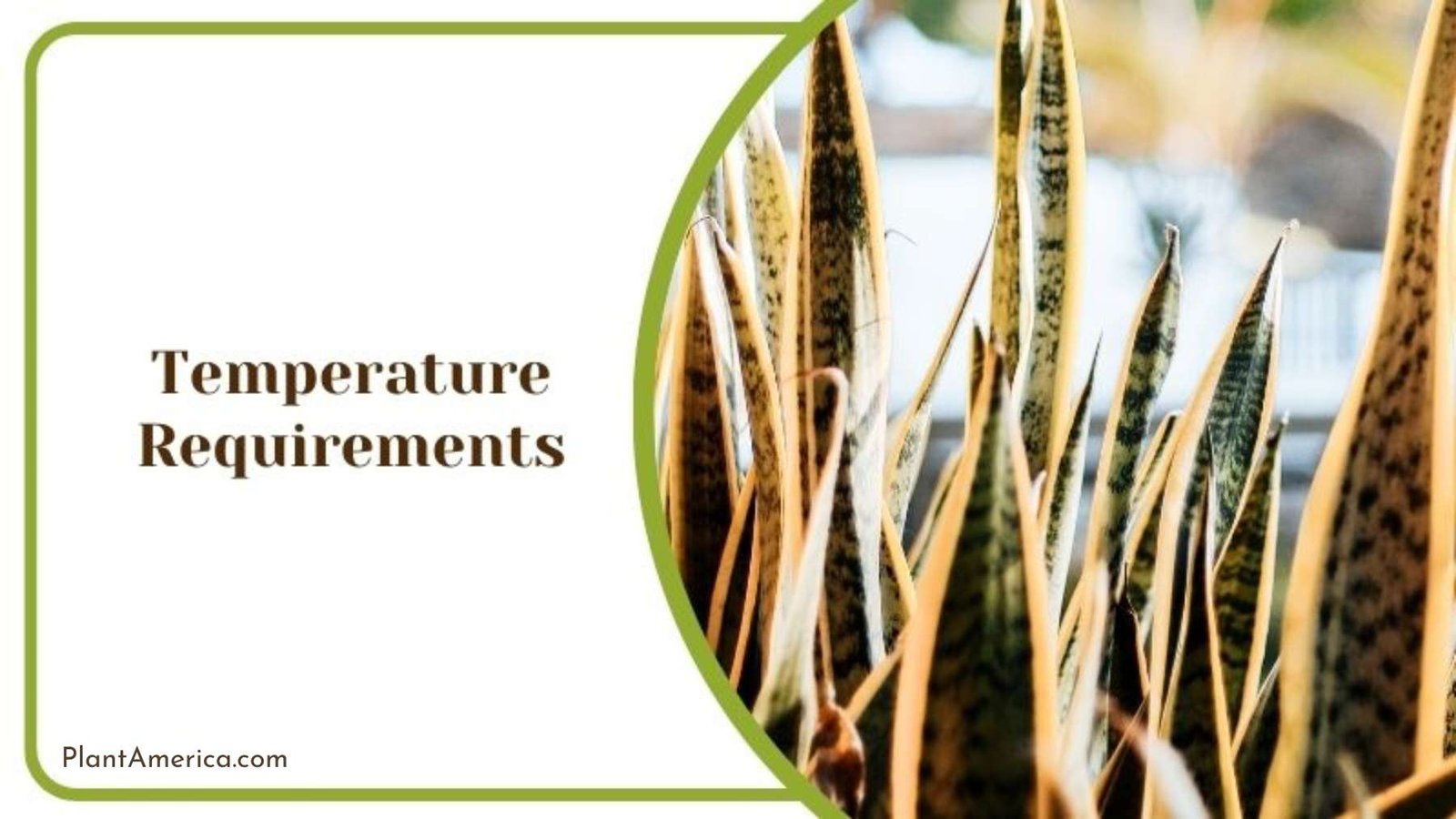
Even though it can tolerate cooler temperatures, avoid placing it in temperatures below 50 degrees Fahrenheit. Protect it from cold damage by keeping it away from drafty windows and shifting it indoors to a warm spot.
 Humidity
If you live in a very dry area where maintaining high humidity levels is an issue, then do not worry and add Dracaena Trifasciata to your plant collection. Low to moderate humidity levels are totally fine for these plants.
Very high humidity levels can be problematic for Dracaena Trifasciata in the long run as it might lead to rot and fungal problems. Our homes usually have 40 to 45 percent humidity and it works fine for Snake plants.
 Fertilizer
Dracaena Trifasciata has low to moderate fertilizer needs. Use a balanced liquid fertilizer twice a year and you will have a happy Snake plant. Always dilute the fertilizer and avoid overfertilizing this plant as it is susceptible to root burn due to salt buildup.
Some gardening experts suggest that it is best to feed them twice a year in spring and autumn for the best growth results. A few others say that it is best to feed them monthly during the active growing season of spring and summer and no fertilizing at all during the dormancy period of winter.
Additionally, if your Snake plant is indoors, use less fertilizer as compared to the ones kept outdoors.
 Pruning
Snake plants do not need frequent pruning and trimming. However, whenever you notice signs of damage or poor health, prune your plant to restore its shape, and health and improve its overall appearance. It is always better to remove the dead and damaged leaves to keep the new foliage healthy.
The first reason why your plant needs to be pruned is to control its size, moreover, dracaena Trifasciata spreads under the soil from a rhizome. New leaves grow and fill the container over time, as a result, the plant becomes root-bound.
The plant’s health is affected if it is left root bound for too long. However, if you do not want to repot your plant in a bigger pot, prune it regularly to maintain the size, hence pruning also helps in getting rid of the dead and damaged foliage and to improve its shape.
Propagation
The Snake plant is an easy-to-propagate plant, as you can always regrow Dracaena Trifasciata by propagating it through cuttings and rhizome division. We will explain them in detail below.
– Cuttings
Choose a healthy leaf from your Snake plant that is neither too old nor too young. Use a clean, sharp pair of scissors to make a smooth cut on the leaf.
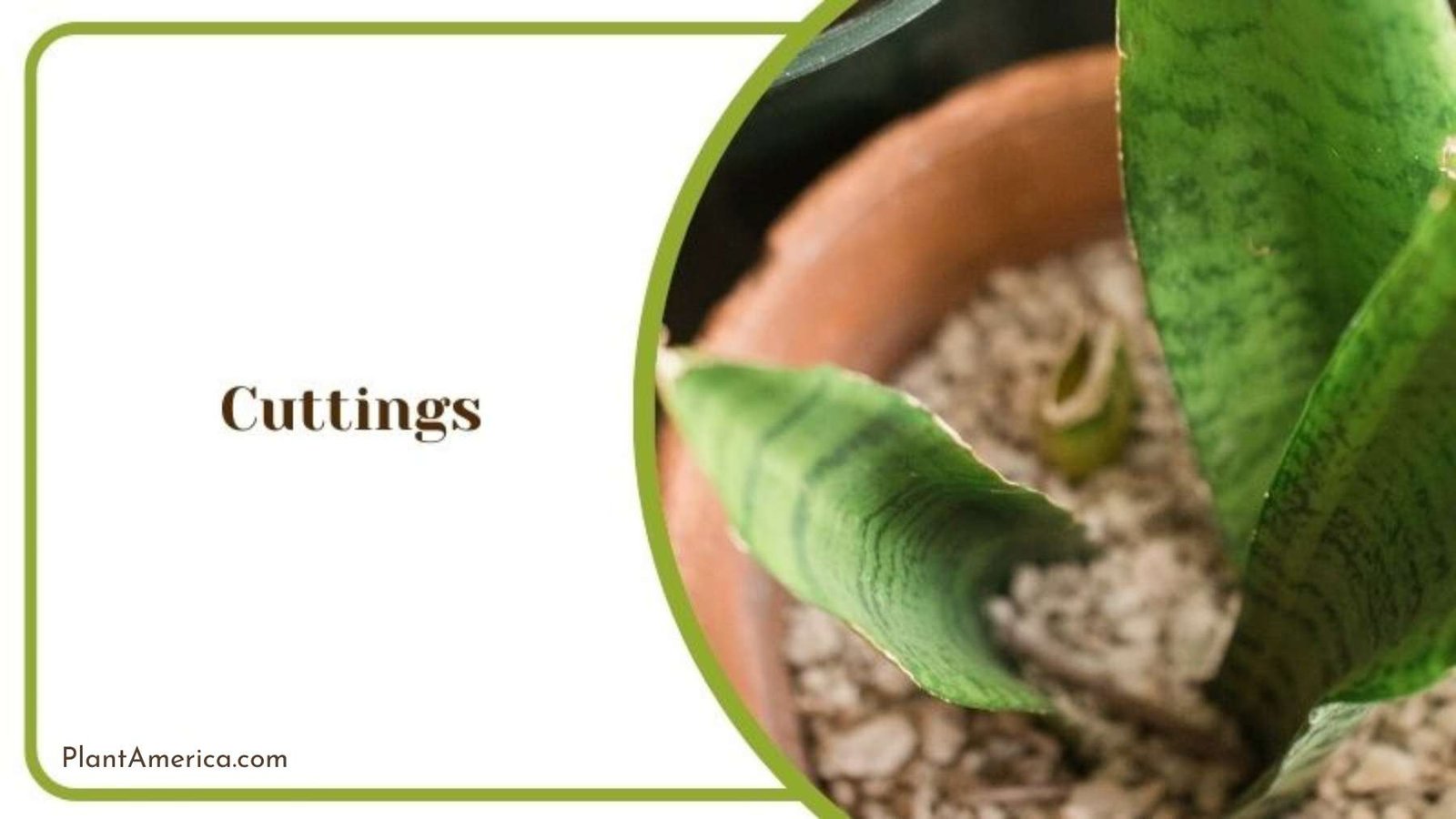
The cutting should be at least four inches long. You can propagate this cutting either in water or in soil.
– Cutting in Water
Let the cutting dry out for a few days before putting it in water. This step of drying out the cutting is important because it will help protect the cutting from rotting. Put one end of the cut leaf in water such that only the bottom part of the cutting is dipped in water.
Place the jar of water in indirect light and change the water once a week to prevent the cutting from rotting. It can take a few weeks for the roots to grow, furthermore, once the leaf-cuttings develop at least an inch-long roots, plant them in a well-draining soil mix and follow the basic care tips.
One problem that you might face while rooting your cuttings in water is rot. Many cuttings rot when placed in water, however, to avoid this issue, it is always advisable you take a couple of cuttings so that even if some of them rot, you will have some other healthy ones.
– Cutting in Soil
If you want to get done with planting the cuttings, rooting your leaf cutting is a great option. Cut your leaf and let it dry out for a few days. After it callouses, plant it in the soil and wait. Use a rich and airy soil mix to grow the cutting.
Keep the soil mix evenly moist but not soggy. Once the roots are established, you will notice new growth appearing, note that when you notice new leaves growing, you can cut the original leaf down if you want to.
– Division
Dracaena Trifasciata is easy to propagate through division. It has the unique feature of creating pups from the main female Snake plant. The fleshy rhizome grows from the root ball and grows vertical leaves alongside the main plant.
The rhizomes mass together and multiply as the plant matures. We recommend you use the rhizome division method to propagate your Snake plant if you are looking for faster results. Propagation through leaf cuttings can be time-consuming.
Over time, the pups develop their root system and can be separated from the mother plant. Divide these baby Snake plants away from the main plant and plant them in separate pots in a well-draining fresh soil mix.
Keep the baby plant in partial shade to let it adjust to the new soil environment. Once the plant has adjusted and shows considerable new growth, you can place it in any spot where it can receive an adequate amount of light.
Problems
Dracaena Trifasciata is a hard-to-kill plant and usually remains pest-free but can sometimes face common problems such as pests and rot. Let us look at some problems that your Snake plant might face.
– Root Rot
One of the top problems faced by almost all gardeners is root rot. Keep in mind that the main cause behind rot is too much water. Water-logged soil for longer periods makes it unhealthy for the roots and leads to the declining health of the plant.
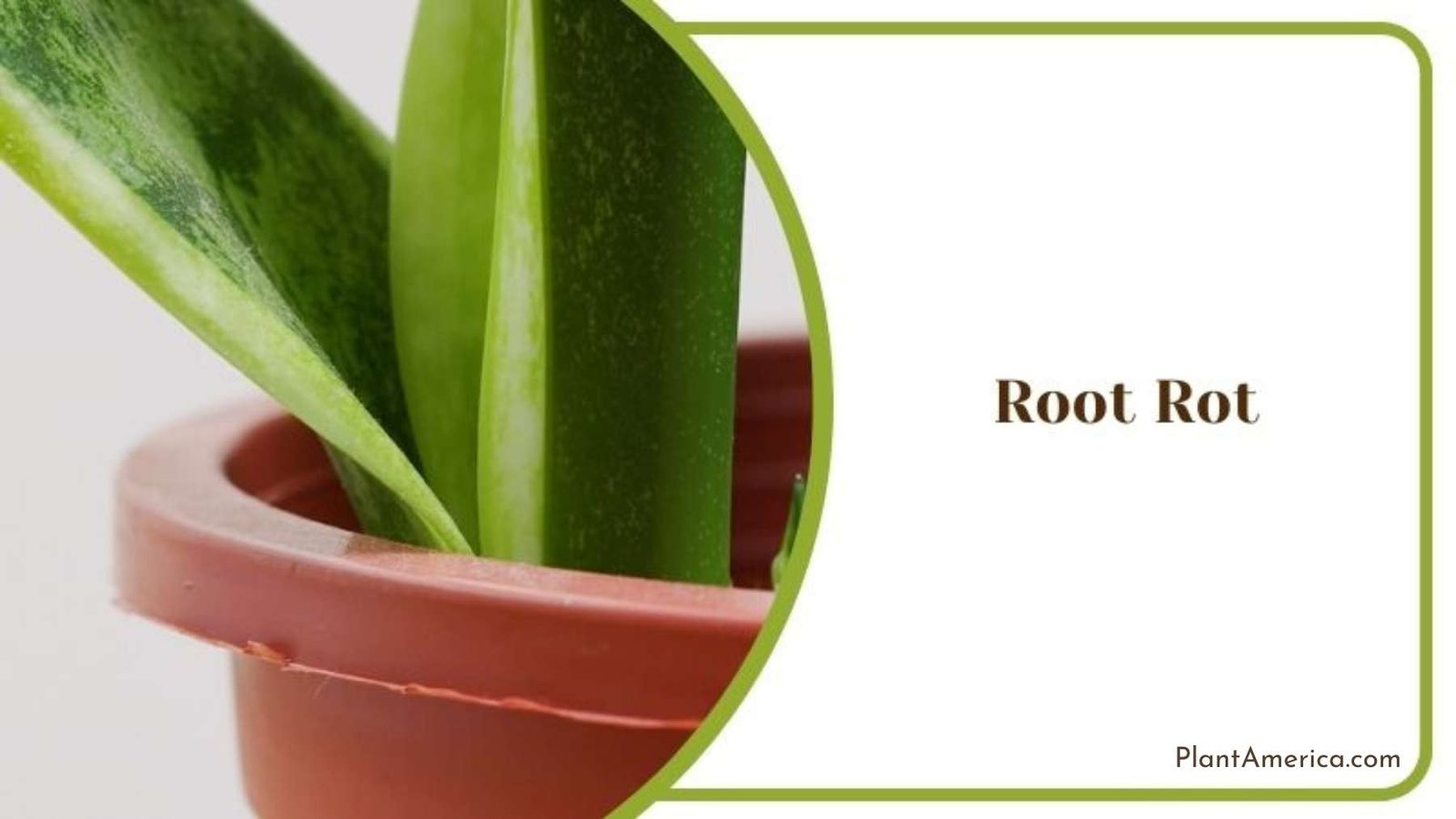
Water your plant only when the soil feels dry and hold back on watering if it feels moist to the touch. Monitor the leaves to check if you are watering the plant well, nonetheless, when they look bright and green, you are doing a good job.
– Fungal Problems
Sometimes, fungal diseases such as Southern blight and Red Leaf Spot affect Snake plants. Reddish-brown lesions and white web-like growth form on the leaves. Eventually, these lesions become dark brown.
Fungal diseases can wilt, droop, and kill your plant, hence it is key to maintain a proper watering schedule and well-draining soil mix to avoid the problem. Spray the plant with sulfur or copper-containing fungicide to prevent new fungal spores from forming.
– Cold Damage
Leaving Snake plants in temperatures below 50 degrees Fahrenheit can be detrimental to their health. It causes scarring on the leaves and prolonged exposure to freezing temperatures and frost can even kill your plant.
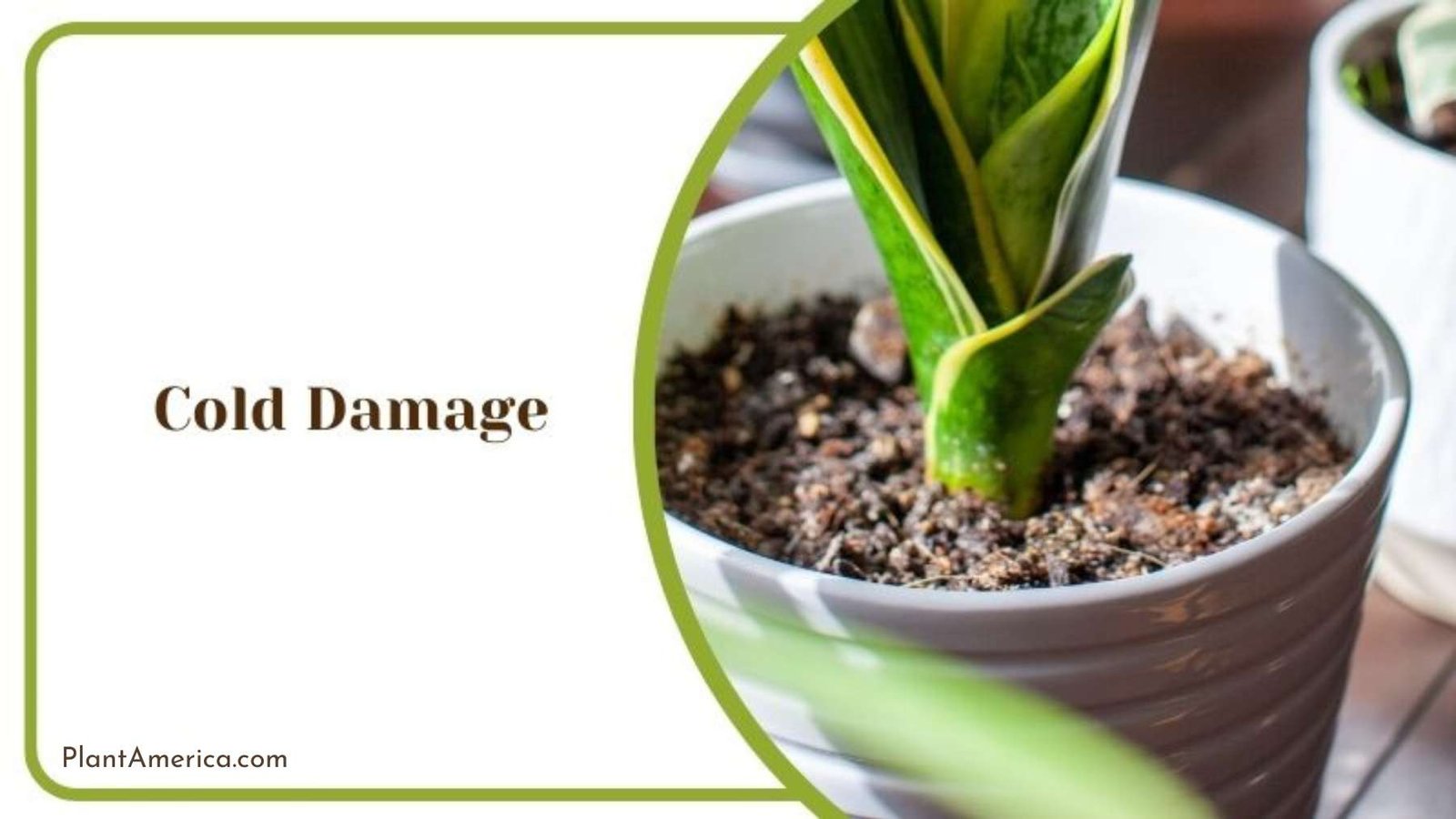
Prevention is the key to protecting your plant in this case, it is important to move the plant indoors to a warm spot when temperatures are very low outdoors. The reason why is that this way the plant will receive bright, indirect light indoors for it to be healthy.
– Pests
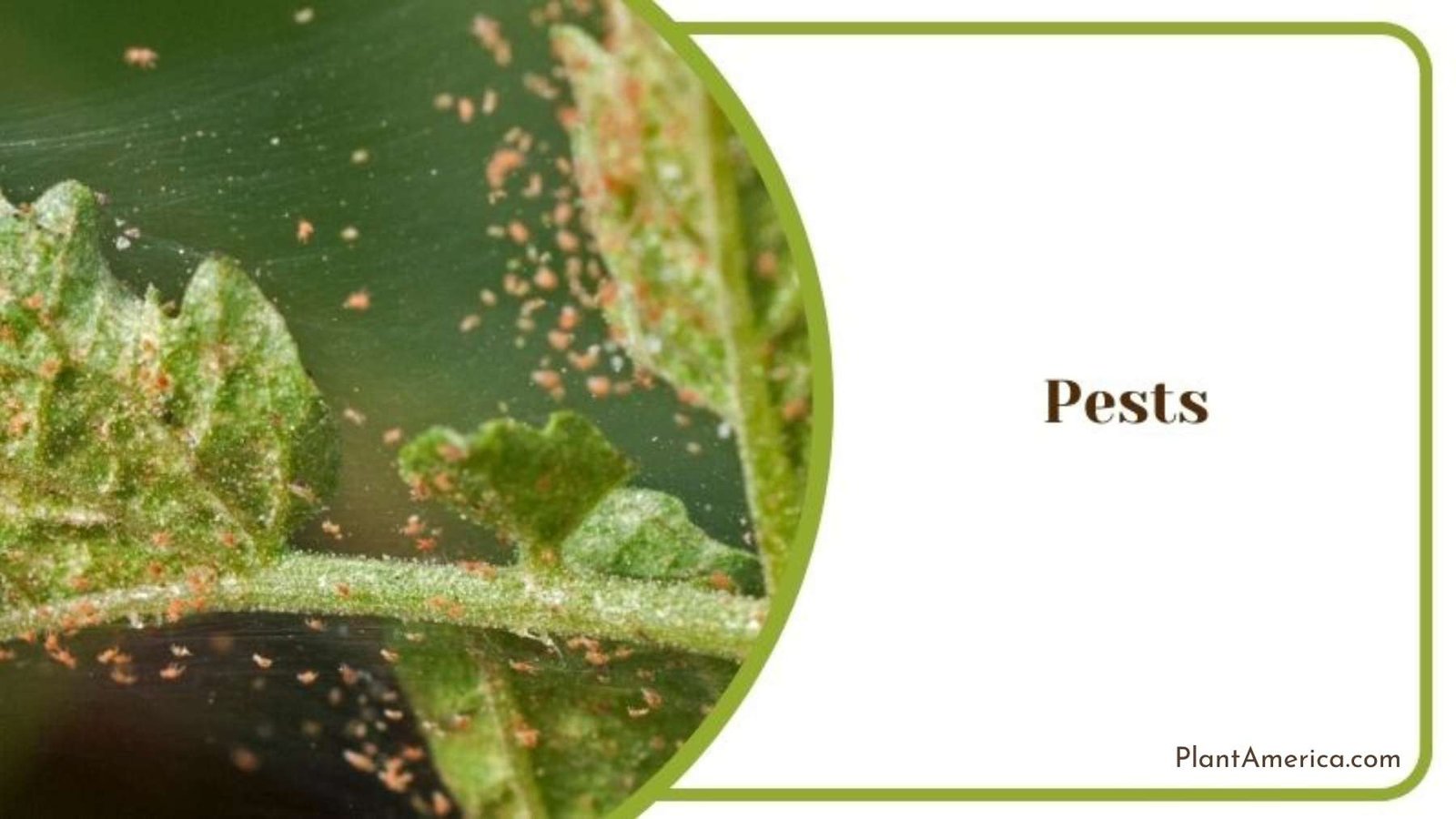
Snake plants are prone to be affected by mealybugs and spider mites. They suck the sap from the plant causing shedding of the leaves, discoloration of leaves, and weakening the overall health of the plant.
– Mealybugs
Light to moderate mealybug infestation can be treated easily, you can handpick them if there is not a lot of them or use alcohol-dipped cotton balls to remove them. Repeat this process every one to two weeks to eliminate them.
– Spider Mites
Use a liquid pesticide to eliminate spider mites on the Snake plant, for a small infestation, rub the leaves using a wet cloth. You can also spray neem oil solution to get rid of spider mites.