
Deer resistant perennials are a gardener’s best friend. If you struggle with deer repeatedly munching on your prized plants, tough unattractive perennials could be the solution.

We’ll explore deer-proof perennial flowers and grasses that thrive with little care, bloom reliably year after year, and taste bad enough to deter even the hungriest deer. So if you want perennials that provide beautiful color and texture without the hassle of deer damage, keep reading.
Deer Resistant Perennials to Keep Deers Away From Your Yard
1. Yarrow
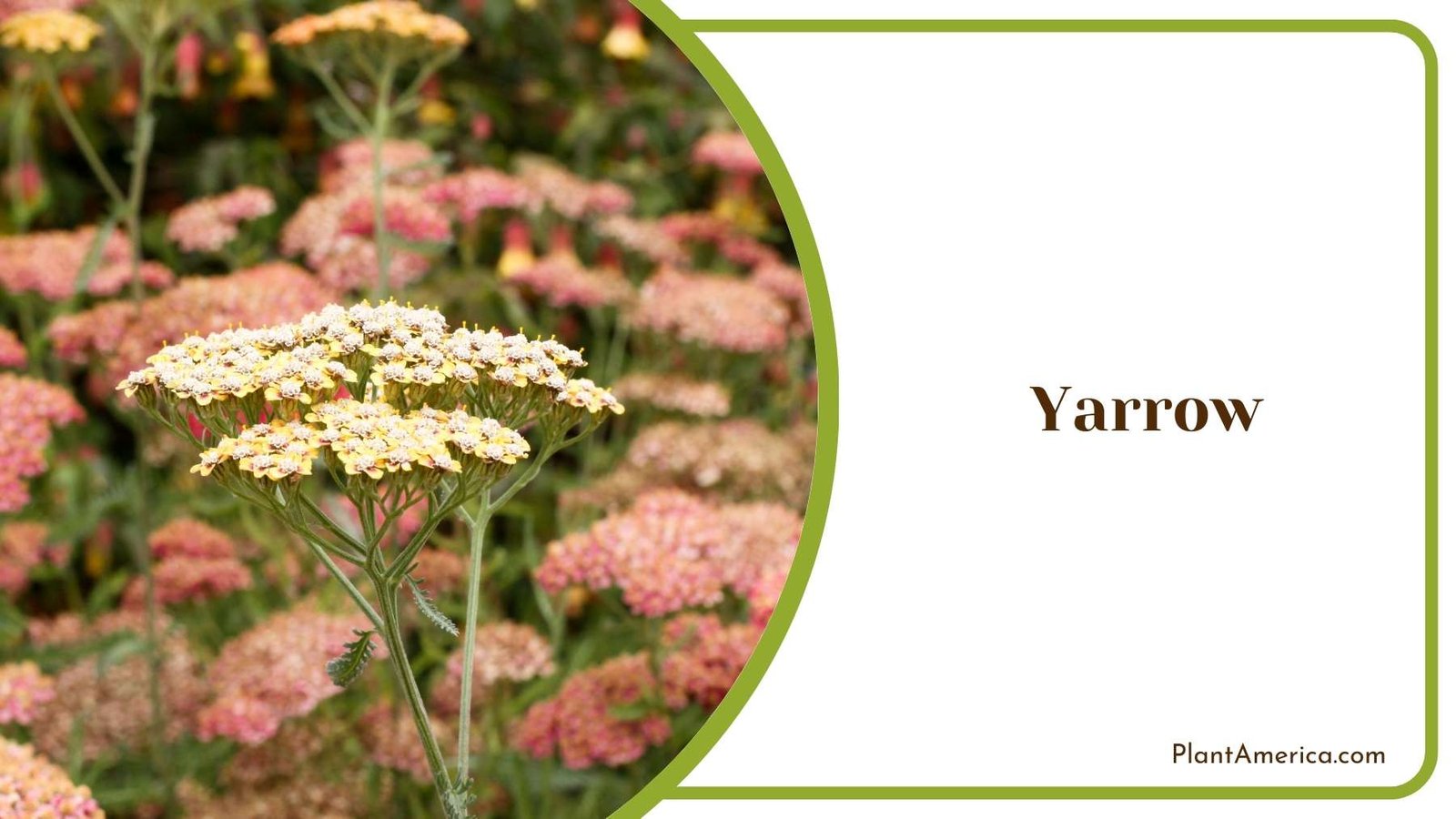
- Growing Season: Spring, Fall
- Leaf shape: Fern-like, Fernly leaves
- Specific needs: Well drained soil, Fertile soil
- Common Pests: Aphids, Spider mites
Yarrow is a low maintenance perennial herb valued for its ornamental flowers and fern-like foliage. Reaching heights up to two feet tall, yarrow displays finely divided green leaves that add texture to the garden. Adorning the plant from summer into early fall are clusters of small flowers that come in a range of colors including whites, pinks, and reds. This hardy herb thrives with exposure to full sun and prefers well-draining soil.
The extended bloom time of yarrow attracts many beneficial pollinator insects like bees, hover flies, and butterflies. These hardy plants provide a food source for insects during periods where other nectar sources may be lacking.
Due to its bitter taste, deer tend to avoid eating yarrow, making it a good option for gardens in areas with high deer pressure. Once established, individual yarrow plants will spread and return reliably for many years with little care needed from the gardener.
As with any plant, yarrow is susceptible to occasional pests. Small, soft-bodied aphids may feed on the leaves and stems by piercing plant tissue and sucking out sap. Left unaddressed, their feeding can weaken the plant over time.
Spider mites also pose minor risks to yarrow. The tiny arachnids spin fine webs on the undersides of leaves as they feed, which can cause spotting or yellowing if populations are high enough. Regular checks help identify any problems early before significant damage occurs.
Yarrow is a low-maintenance perennial herb that offers decorative flowers, benefits pollinators, and deters deer browsing. With a little monitoring for potential aphid or spider mite issues, it grows reliably in well-draining soils and full sun exposures common to many home garden spaces.
2. Russian Sage
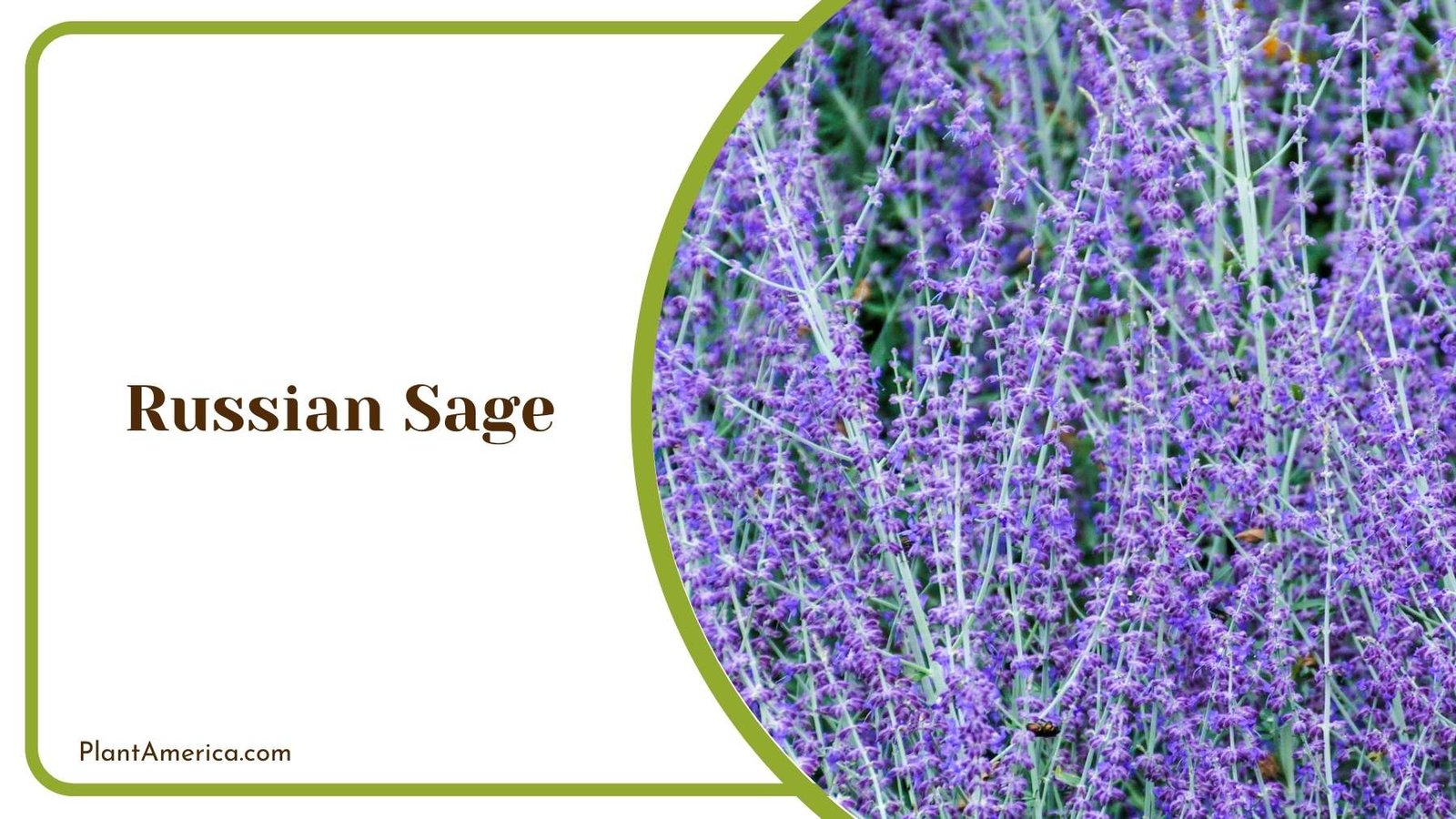
- Growing Season: Spring, Fall
- Leaf shape: Aromatic, Silver leaves
- Specific needs: Well drained soil, Fertile soil
- Common Pests: Aphids, Japanese beetles
Russian sage is a distinctive perennial shrub valued in the garden for its aromatic gray-green to silvery foliage as well as tall spikes of purple flowers. Growing two to four feet tall, it remains shapely throughout the growing season. Its fragrant leaves release a pleasant sensation when brushed against or crushed that deters browsing by deer and other wildlife. Russian sage thrives in hot, sunny exposures with well-draining soil.
Beginning in midsummer and often lasting into early fall, the tall flower spikes emerge to attract pollinator insects like butterflies, bees, and hummingbirds with their nectar-rich blooms. This extended period of bloom provides a valuable late season food source for these important garden visitors. Its strong scent also functions as a natural defense against deer that may be drawn to nibble other garden plants.
As with many woody shrubs, Russian sage does face occasional attention from insect pests. Small, sap-sucking aphids may cluster on new growth in spring or after flowering. Their feeding can weaken plants if not addressed. The larvae of Japanese beetles also pose minor risks as they feed on roots underground in late spring and summer. Regular inspections help identify and remove troublesome individuals before damage becomes extensive.
To maintain a shapely habit and encourage continuous flowering, pruning off spent flower spikes after the blooms fade is recommended. This keeps plants tidier and revitalizes growth of new leaves and buds. With well-draining soil and exposure to full sun like most hot-climate perennials, Russian sage provides an aromatic and wildlife-friendly presence in gardens through late summer.
3. Coneflower
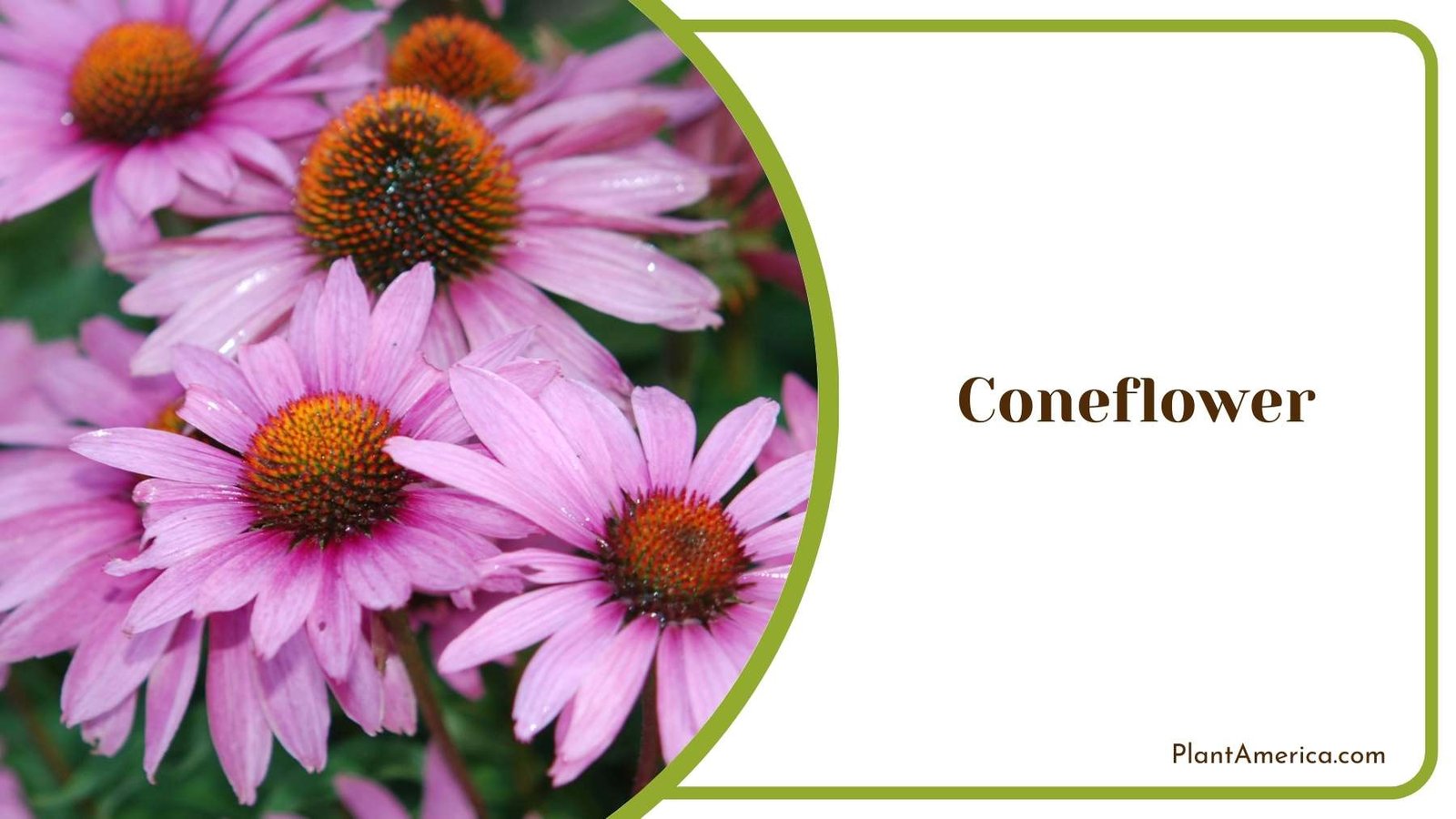
- Growing Season: Spring, Fall
- Leaf shape: Attractive, Lobed leaves
- Specific needs: Well drained soil, Fertile soil
- Common Pests: Aphids, Japanese beetles
Coneflowers are beloved perennials for their cheerful, daisy-like blooms appearing in vibrant shades of purple, pink, and white. Reaching one to two feet tall, each coneflower plant carries slightly hairy, lobed green leaves and centers topped by a cone-shaped array of colorful petals. They thrive when provided full sun and well-draining soil to mimic their natural prairie habitat.
From summer into early fall, bees, butterflies, and beneficial predatory insects are drawn to feed on coneflowers’ nectar- and pollen-rich blooms. Their flowers remain aesthetically pleasing even as they age and persist attractively into winter. Prickly lobed leaves coupled with a bitter taste act as a deterrent, shielding coneflowers from browsing by deer. This allows them to flourish undisturbed in gardens where deer pressure exists.
While generally low-maintenance, coneflowers may occasionally face minor feeding damage from pests like Japanese beetles. These metallic green insects will chew on leaves and petals during June and July outbreaks. Regular inspection helps promptly remove problem beetles before they can inflict substantial injury. Deadheading faded blooms also encourages plants to continuously re-bloom throughout their growing season.
Established coneflowers are drought-resistant once their deep roots are formed. Additionally, they require little else besides an occasional division every few years to maintain their health and appearance. These easy-care plants reliably provide nectar for pollinators month after month.
4. Hosta
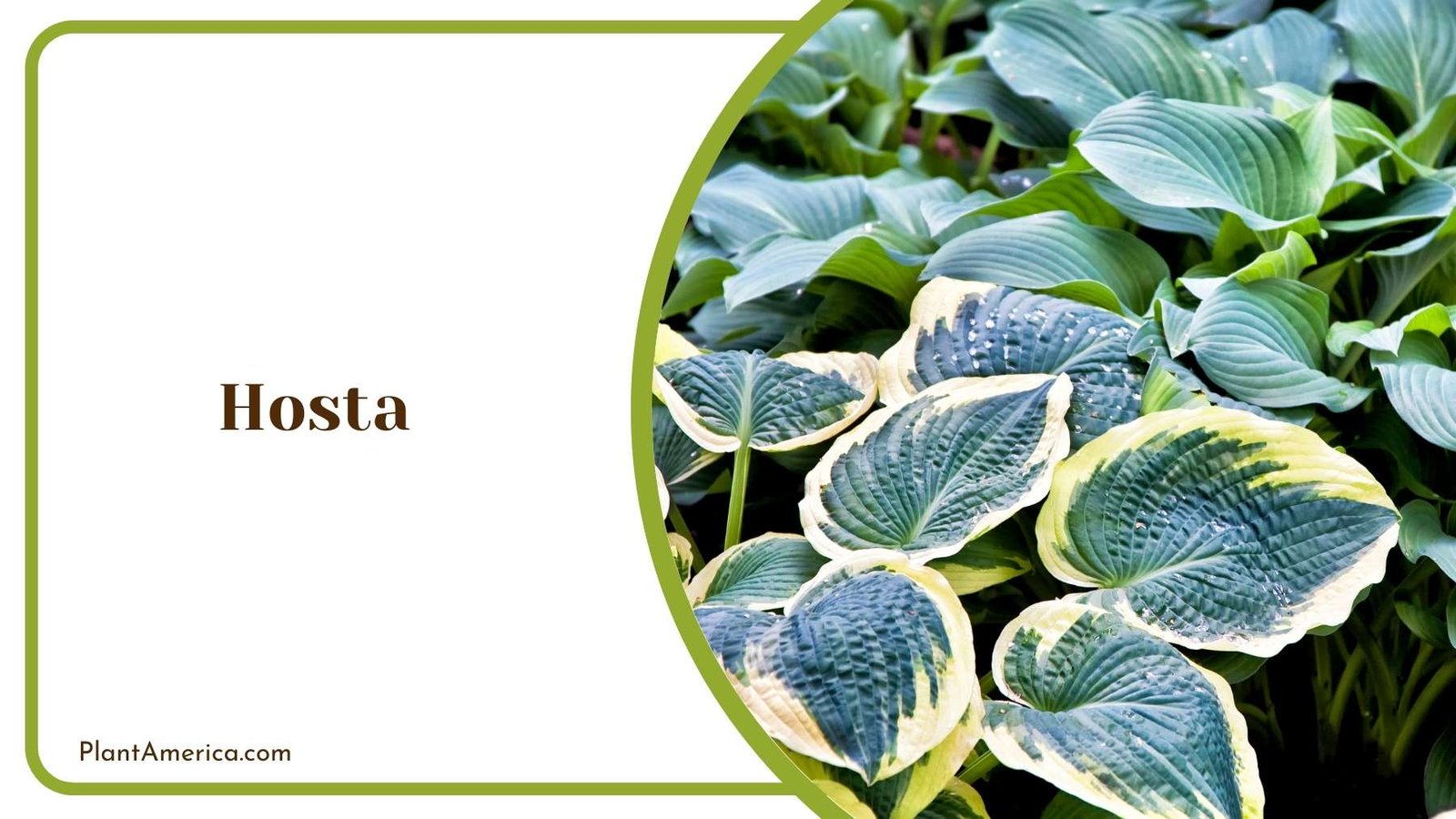
- Growing Season: Spring, Fall
- Leaf shape: Broad, Texture leaves
- Specific needs: Evenly moist soil, Fertile soil
- Common Pests: Aphids, Japanese beetles
Hostas are beloved perennials for shaded garden spaces, prized for their distinctive broad leaves with various textures and stunning colorations including blue, green, yellow and variegated.
Thriving best when provided rich, evenly moist soil and partial to full shade, hostas grow a wide assortment of leaves from narrow to wide, smooth or bumpy in an array of sizes. While their summer flower stalks are rather inconspicuous, they do attract helpful pollinator insects with small white or purple blooms.
The tough, waxy leaves of hostas prove less palatable to deer due to containing latex sugars and being difficult to digest. This allows hostas to enrich shaded gardens without fear of browsing damage. Yet, occasional pest problems may still require monitoring and handling. Japanese beetles, for example, have been known to feed on hosta leaves in large numbers during June and July, rapidly defoliating plants.
Other minor leaf nibblers include slugs and snails, who tend to chew small holes at night or during damp conditions. Consistent moisture is important for hostas, so gardeners should aim to water sufficiently to keep their shallow roots from drying out. However, excessive wetness encourages slug and snail issues as well as fungal or bacterial growth. Proper drainage and air circulation help decrease pest and disease risks.
With a little vigilance against major pests, hostas are quite low maintenance and thrive beautifully with minimal disruption for many years. Their lovely foliage brings texture and beauty to shaded areas when other perennials may languish without sufficient light. Come fall, hostas die back for the season, leaving behind strong root systems ready to resprout vibrant new growth each spring.
5. Lavender
- Growing Season: Spring, Summer
- Leaf shape: Aromatic, Needle-like leaves
- Specific needs: Well drained soil, Alkaline soil
- Common Pests: Aphids, Spider mites
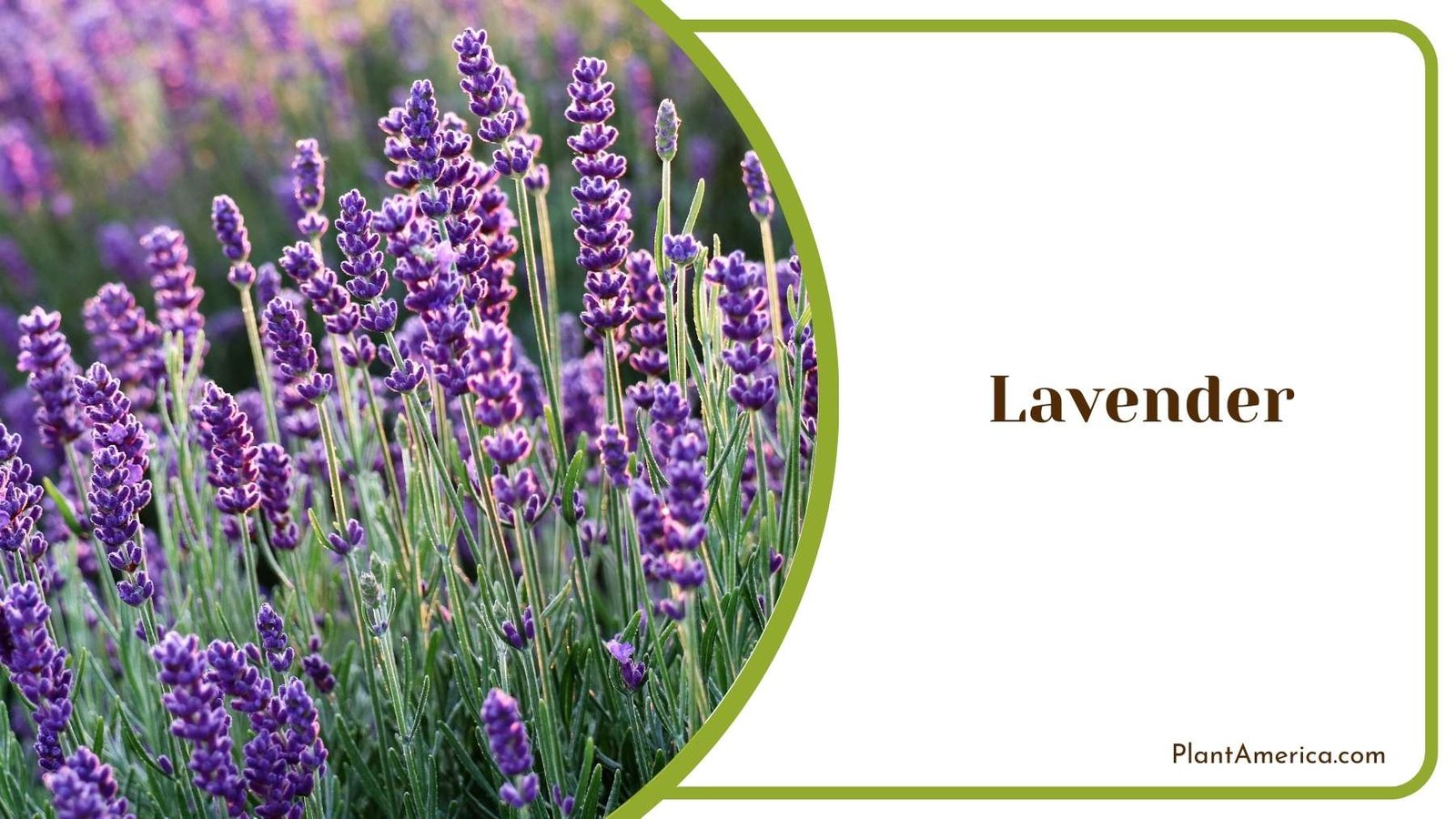
Lavender is a beloved evergreen shrub grown as much for its ability to fill the garden with a soothing fragrance as its beautiful blooms. Displaying silvery gray-green needle-like foliage cushioned around woody stems, lavender releases an alluring aroma when its leaves are brushed or crushed. Preferring well-draining, alkaline soil and full sun exposure, lavender thrives with excellent drainage to semi-arid conditions common in hot, rain-scarce climates.
Come mid to late summer, stalks emerge bearing lavender flower spikes packed with tiny purple buds. These bloom for several weeks and generously spread their nectar-rich fragrance, attracting hordes of honey bees and other pollinators. Deer tend to avoid lavender as well due to its potent essential oils deterring browsing. The extended period of bloom provides benefits to both human gardeners and insect life alike.
As with many aromatic plants, lavender may face minor pressures from soft-bodied sucking insects like aphids. Tiny white flies also deposit on new emerging leaves. Spider mites can additionally spin unsightly webbing during hot, dry spells.
Close inspection helps identify and manage any pests before significant damage occurs. Light winter pruning promotes bushier growth, while cutting back spent flower stalks post-bloom encourages further rounds of blooms on formed plants.
Lavender offers dependable greenery, color, and fragrance to gardens throughout the year. Its ornamental and pest-repellent qualities make it a favorite among both human and wildlife garden visitors.
6. Bee Balm
- Growing Season: Spring, Fall
- Leaf shape: Fragrant, Aromatic leaves
- Specific needs: Moist soil, Fertile soil
- Common Pests: Aphids, Japanese beetles
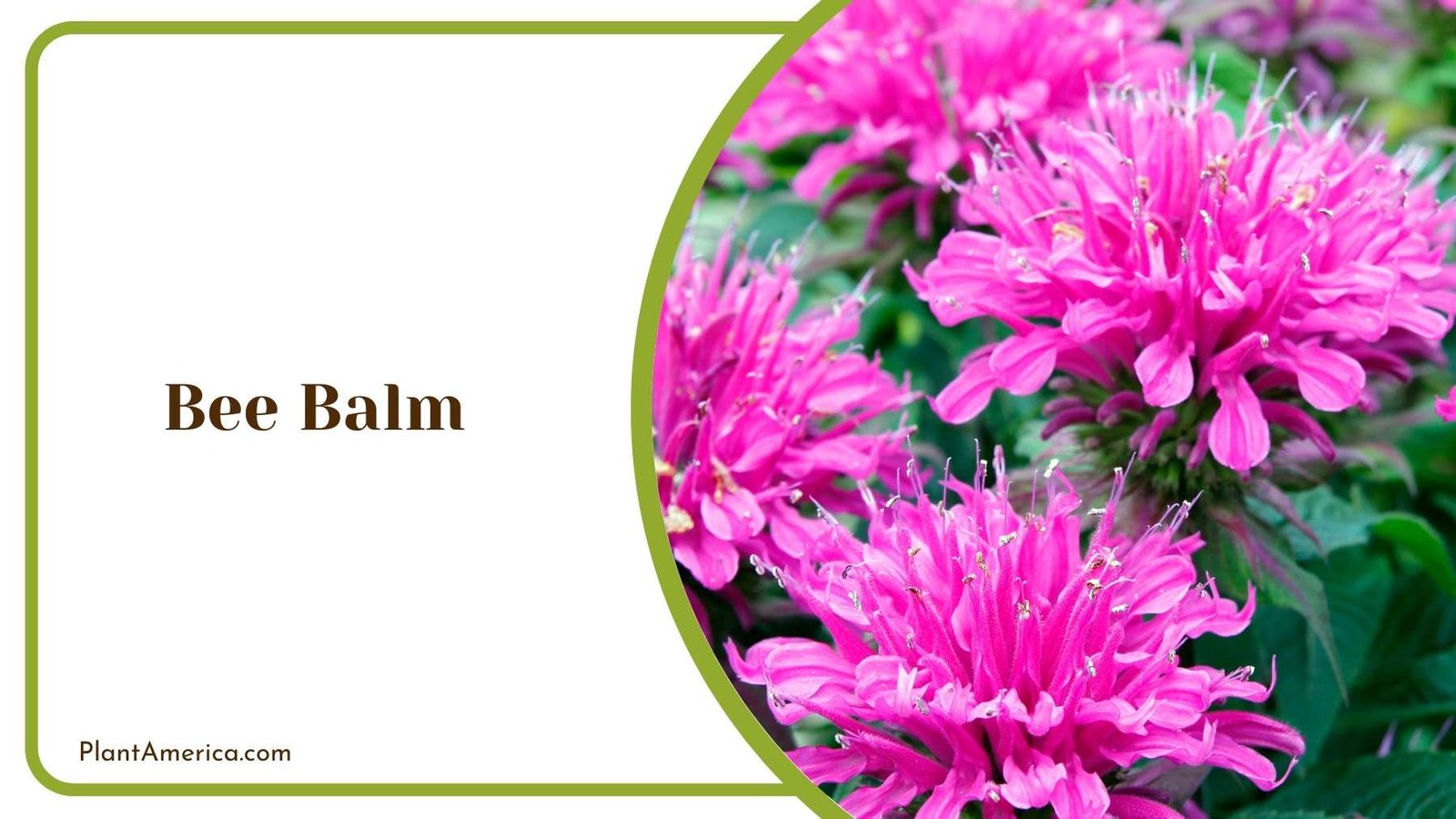
Bee balm earned its name for its unmistakable ability to attract hoards of various pollinator insects to its showy flower displays. Forming clumps of fragrant green foliage and tall spikes laden with blooms, bee balm flowers over long periods from summer into early fall.
Its leaves emanate a pleasant aromatic oil when crushed, similar to the fragrance of its tubular flowers appearing in vivid shades of red, pink, and fuchsia. Thriving best with evenly moist, nutrient-rich soils that mimic its riverside habitat, bee balm rewards good drainage and partial shade.
The nectar-plentiful blooms are a magnet for attracting beneficial bees, butterflies, hummingbirds, and even beetles. Deer tend not to browse bee balm thanks to its pungent leaf oils deterring their appetite. This allows the vibrant clumps to flourish undisturbed among other deer-sensitive flowers and foliage. Occasionally, Japanese beetles may temporarily feed on the abundant blooms, but their damage is usually minor and fleeting.
Once established, bee balm proves fairly drought tolerant while still benefiting from occasional irrigation during summer dry spells. Simply trimming off spent flower spikes as they fade rather than deadheading whole plants helps extend the season of bloom through consecutive flushes of color. Low maintenance requirements combined with irresistible appeal to pollinators have made bee balm a beloved staple of summer and fall gardens.
7. Ivy Geranium
- Growing Season: Spring, Fall
- Leaf shape: Glossy, Lobed leaves
- Specific needs: Well drained soil, Fertile soil
- Common Pests: Aphids, Japanese beetles
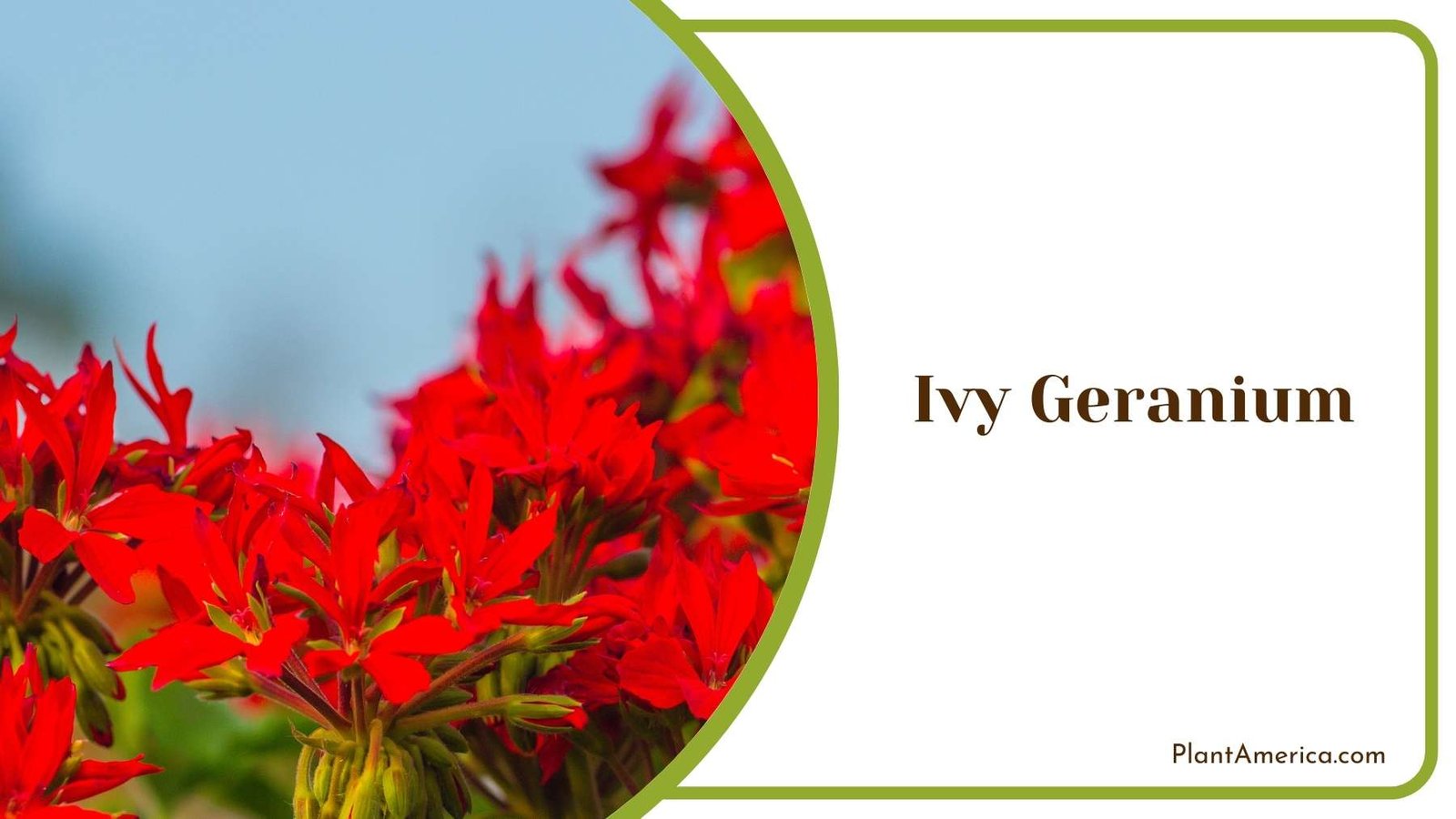
Ivy geranium is a trailing perennial grown for its colorful flowers and glossy foliage. The lobed leaves vary from rounded to heart-shaped. Ivy geraniums thrive in well-draining soil and full sun to partial shade. The trumpet-shaped flowers bloom from summer through fall in shades of red, pink, purple, and white. Deer tend to avoid ivy geranium due to its strong scent, hairy leaves and bitter taste.
Spider mites can cause damage to ivy geranium foliage, spinning webbing and causing leaves to yellow or brown. Pruning after flowering helps promote bushy growth and additional bloom. Ivy geraniums are relatively drought tolerant and easy to care for.
8. Catmint
- Growing Season: Spring, Fall
- Leaf shape: Fragrant, Gray-green
- Specific needs: Well drained soil, Fertile soil
- Common Pests: Aphids, Japanese beetles
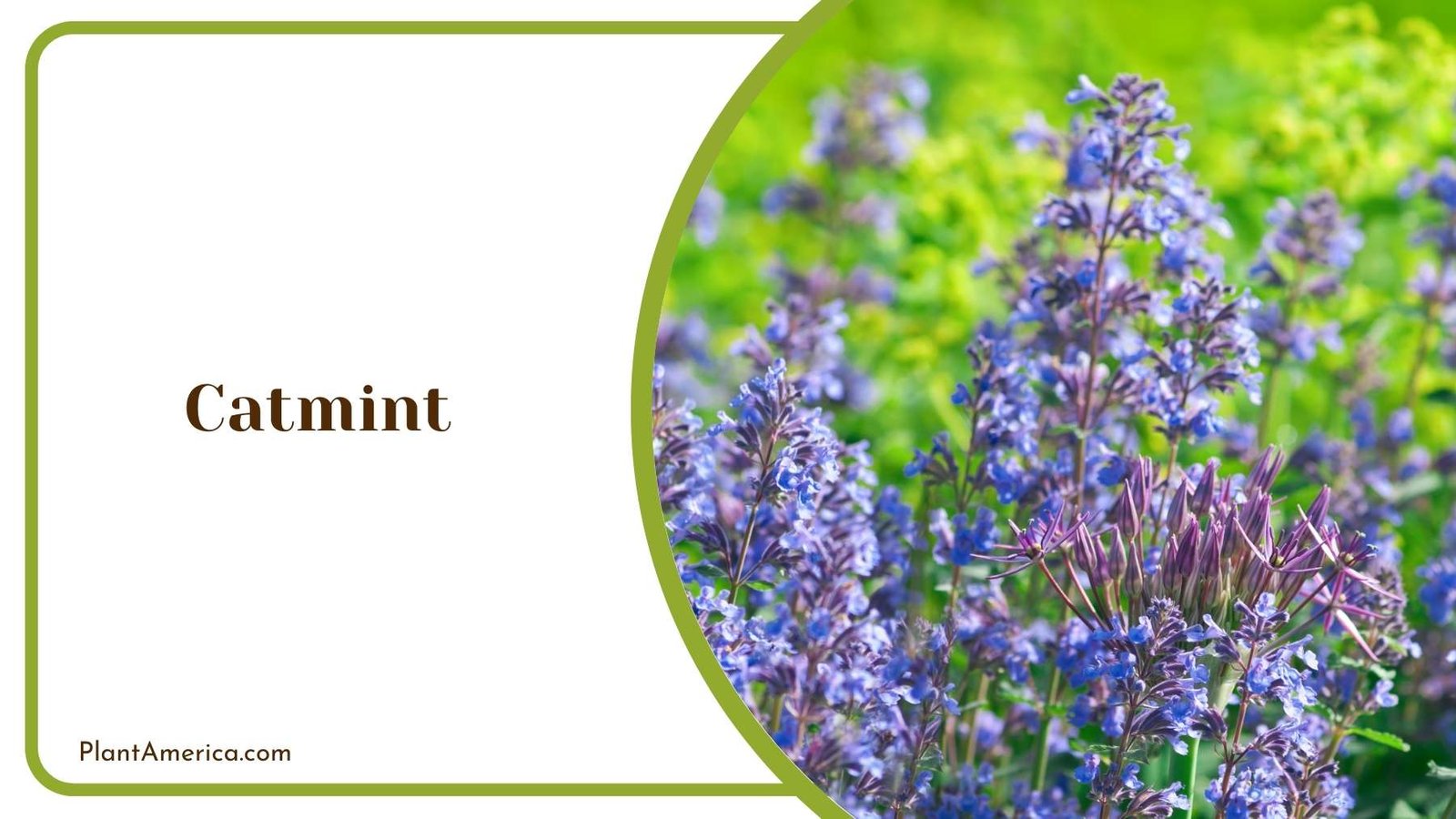
Catmint is a beloved herbaceous perennial grown as much for its aromatic foliage and blooms as its namesake admirers. The most common cultivar is Nepeta x faassenii, bearing clusters of vivid violet-blue blooms beloved by pollinators from dawn till dusk. Cats find its fragrance irresistible as well, drawn to roll and rub on its smooth branches. Grow catmint in full sun for robust plants and flowers, or partial shade where summers are hot.
Come fall, let catmint’s flower stems stand as goldfinches feast on seeds through winter. Cut back flowered growth by one-third in spring to refresh bouquets for endless hours of feline frolicking. Fragrant leaves may also be dried for potpourris or sachets.
As carefree as it is captivating, catmint provides invaluable pollinator habitat alongside entertainment for cats. Watching furry friends revel in its sent is joy itself. Plant some alongside paths for feline-friendly traffic areas. A permanent fixture in many gardens, it is hard to imagine sunny borders without summer’s melody of purring and buzzing upon these magnetizing mint mounds..
9. Alexanders
- Growing Season: Spring, Summer
- Leaf shape: Highly divided, Fernly leaves
- Specific needs: Well drained soil, Fertile soil
- Common Pests: Aphids, Japanese beetles
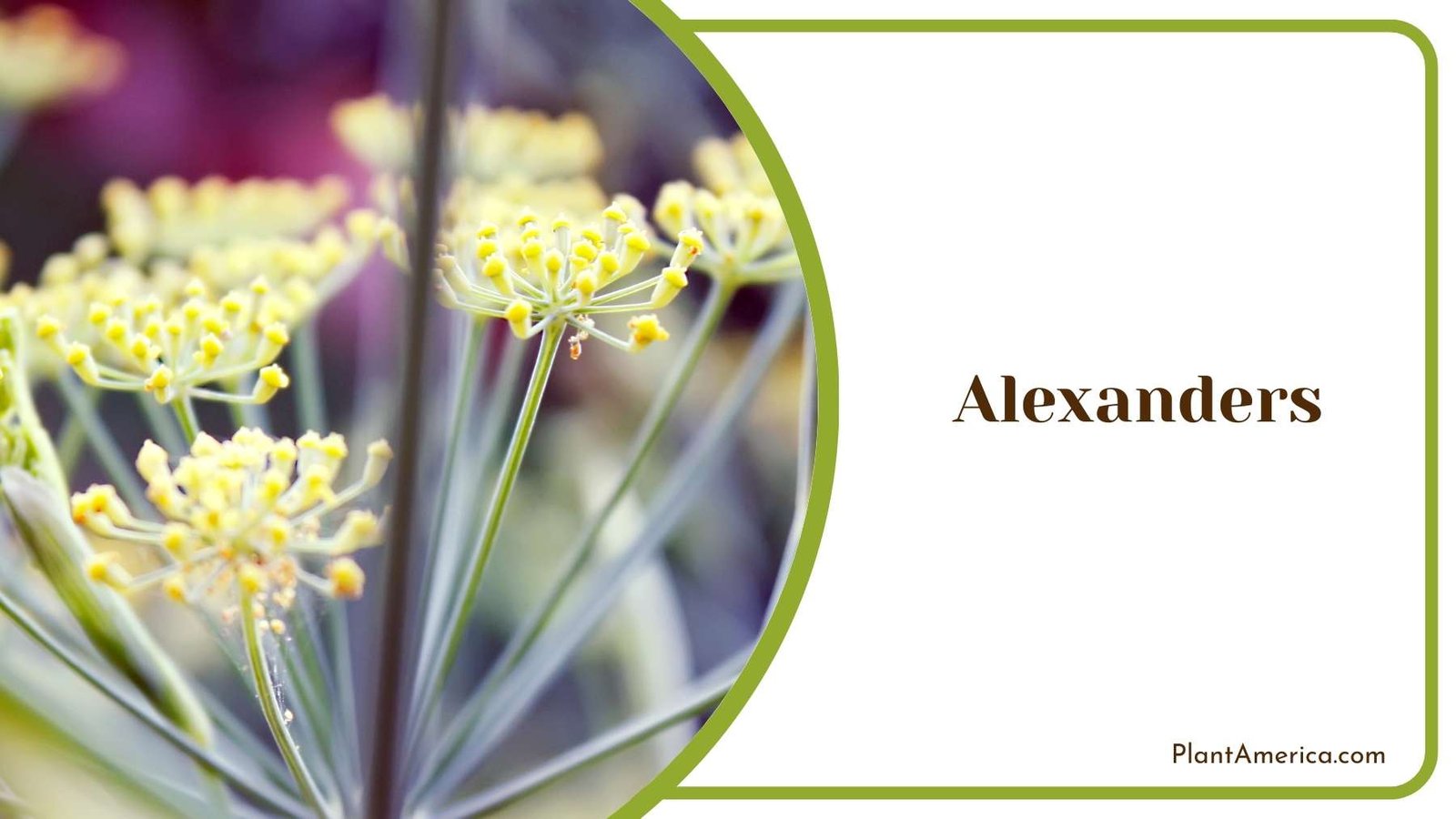
Alexanders is a hardy herbaceous plant native to coastal regions of Europe and western Asia. Also known as black lovage or horse parsley, it naturalizes readily to form clumps of bold, umbelliferous foliage and flower heads prized for texture in ornamental borders or naturalized gardens.
Alexanders produces large basal leaves twice compound with coarse, serrated leaflets resembling oversized parsley or dill. In late spring, vigorous hollow stems shoot up bearing flattened umbels of small yellow flowers that mature into dense spherical pods. Both foliage and dried seed heads persist through winter.
Historically valued as a seasoning and medicinal, Alexanders adds rich texture, volume and late season interest to mixed borders or naturalized areas. Bold versions like ‘Giant’ Black Parsley reach over five feet and form statuesque specimens. A clumping habit confines spread, allowing Alexanders to fill empty niches or camouflage untidy spots
Low maintenance and self-renewing make Alexanders an enduring addition. Foliage remains striking even when spent, while nectar-rich flowers attract beneficial pollinators through summer. Emboldening perennial schemes with architectural leaves and texture, its hardy nature aligns Alexanders as a foundational herbaceous plant for hardy, carefree landscapes..
10. Heuchera
- Growing Season: Spring, Fall
- Leaf shape: Colourful, Textured leaves
- Specific needs: Evenly moist soil, Fertile soil
- Common Pests: Aphids, Spider mites
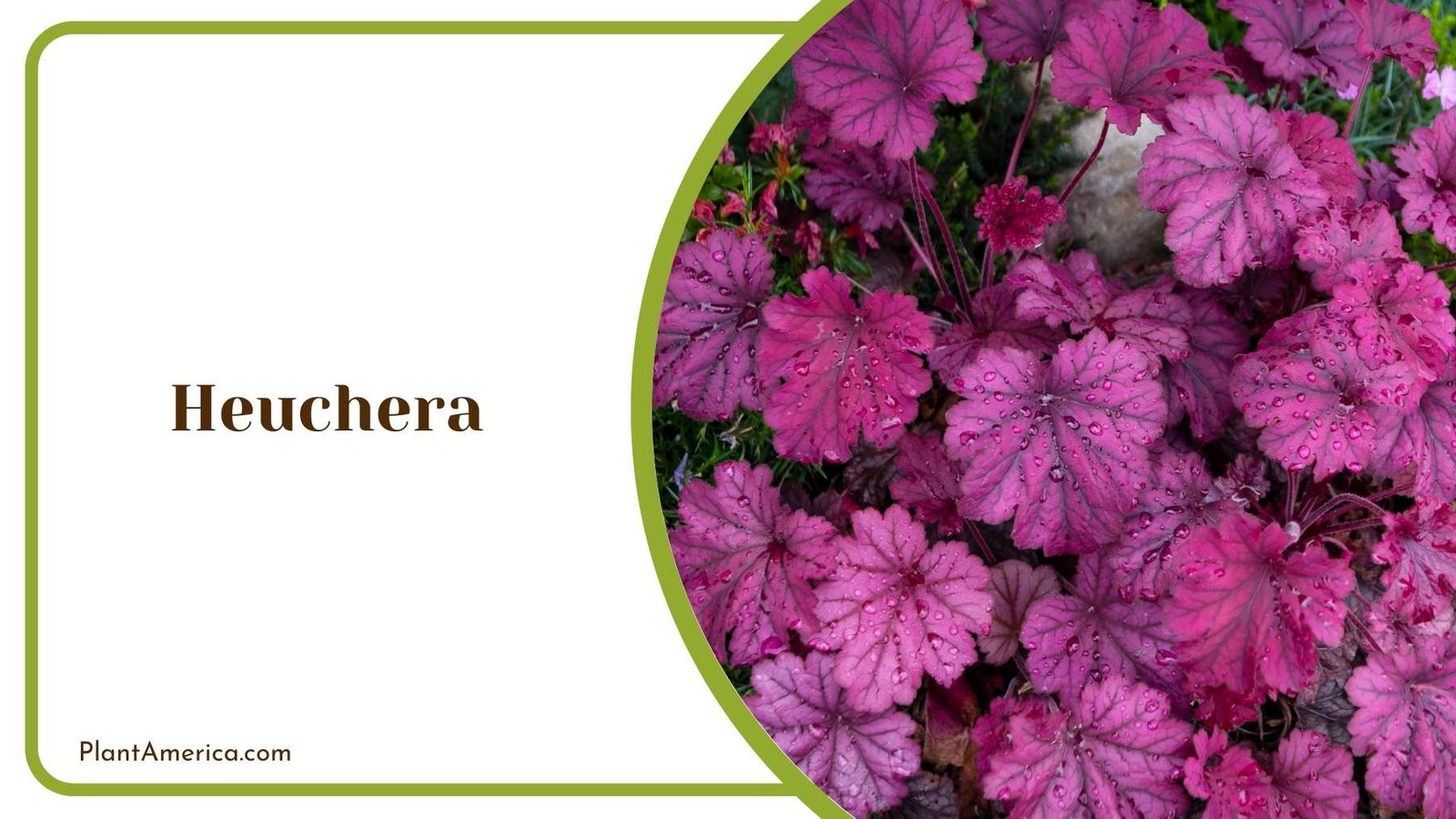
Heuchera are versatile perennials prized for their beautifully colored foliage. Native to eastern North America, over 50 species and countless cultivars span from groundcovers to compact mounded plants suited to sun or shade. Their botanical name refers to their spiky flower spikes resembling an eel’s spine.
Delicate leaves emerge in hues ranging from lime greens to burgundies and bronzes. Cultivars like ‘Palace Purple’ and ‘Midnight Rose’ boast nearly black foliage, while ‘Caramel’ and ‘Marmalade’ glow peach and apricot. Textures vary from veined to ruffled crinkled edges. Come summer, delicate creamy flowers dot wiry stalks beloved by pollinators.
Heuchera thrive in most soils and weather, tolerating drought, heat and humidity when established. Their shallow roots spread freely to quickly fill spaces. Use as vibrant edging, amongst rock gardens or spilling from containers and hanging baskets. Pair with hostas, ferns and coral bells for year-round interest. Prune spent foliage in spring, deadheading spent stalks refreshes growth. Protect new growth from snails and slugs until established. Overwinter potted specimens indoors where temperatures drop below freezing.
In autumn, foliage morphs further with shades of crimsons, mustard yellows and burnt oranges often intensifying until first frosts. Their long season means these undemanding beauties earn their keep. Leaf textures add visual appeal to cut flower and dried arrangements lasting through winter.
As drought-tolerant perennials perfect for pollinator gardens or xeriscaping, Heucheras bring lively color all season. Their mounded growth habits seamlessly integrate borders, rockeries and containers. Few genera rival their longevity and versatility enhancing any landscape palette with natural charm..
11. Ornamental Onion
- Growing Season: Spring, Summer
- Leaf shape: Arched, Grass-like leaves
- Specific needs: Well drained soil, Fertile soil
- Common Pests: Aphids, Japanese beetles
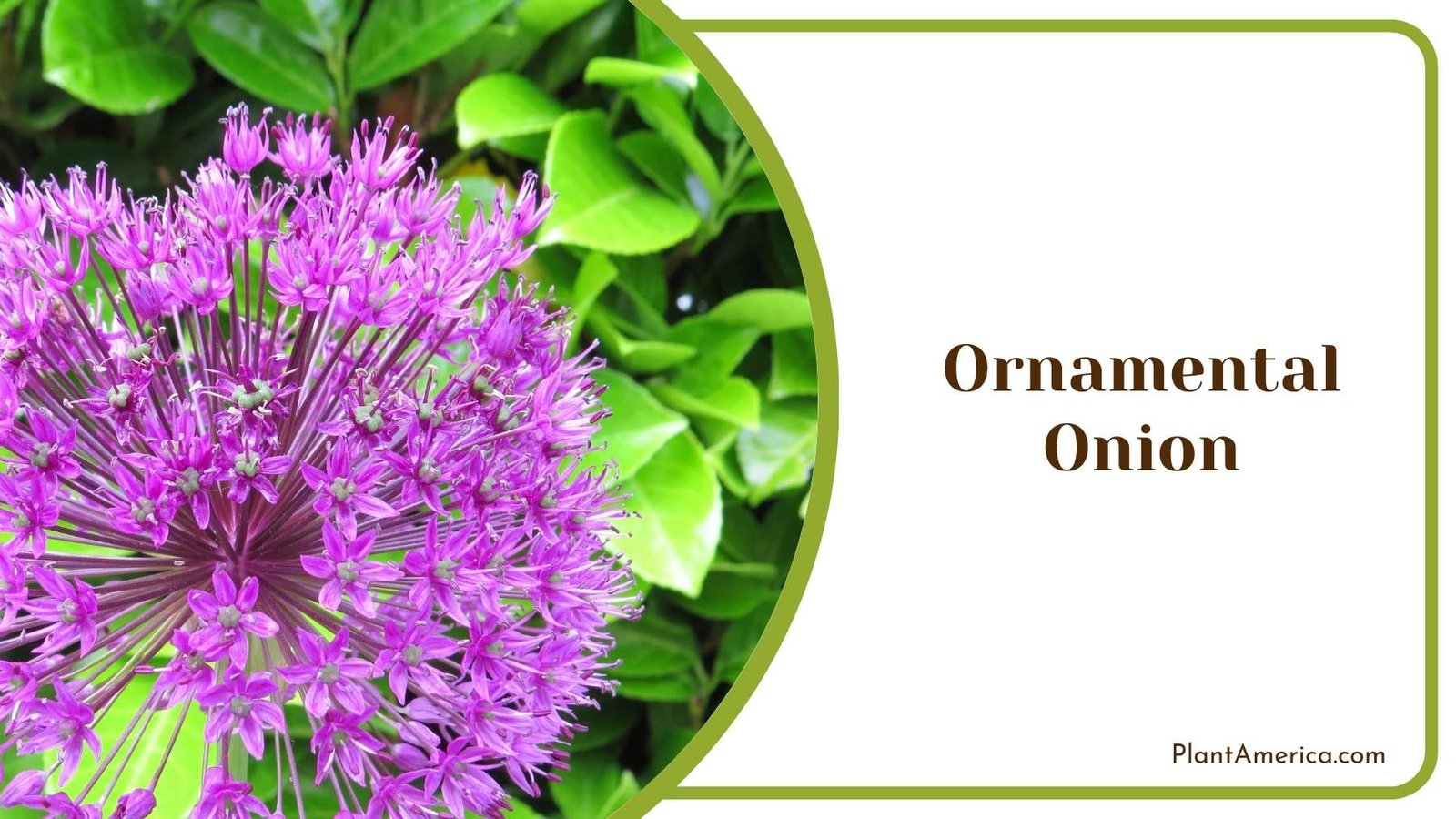
Ornamental onions, also called flowering onions, are favorite edible and decorative bulbs prized for their colorful blooms and curled leaves. Several varieties are grown for unique traits making them standouts in gardens and arrangements.
Allium ‘Globemaster’ forms large round balls of lavender flowers atop tall stems ideal for cutting. ‘Mount Everest’ features striking white blooms rising above foliage. ‘Summer Drummer’ offers interior ruffs of rose-pink. ‘Giganteum’ boasts especially large flower heads in shades of purple, pink or white.
Once established, plants are low maintenance and pest-free. Their aerial roots anchor stems as tall arching leaves and pom-pom flowers emerge. Trim flower stems as blooms fade to extend ornamental onion’s show and promote basal bulb growth. Cured bulbs also store well indoors for forcing overwinter. Alternatively, opt for evergreen varieties like ‘Millenium’ with blue flowers nestled in grassy foliage year-round in mild climates.
Versatile ornamental onions uplift gardens, borders and containers with lively sculptural form. Dry flower stems provide winter interest, puffballs intact attracting birds. Individual blooms also prolong beauty cut and arranged with fluid grace. Edible varieties add onion’s mild flavor to cuisines worldwide.
A mainstay of perennial beds deserving wider use, ornamental onions empower spaces with stately dance of color. Their stature and hardiness alongside contributions to pollinators and beauty through seasons make these onion “stars” future gardening favorites sure to put on quite a show. After the foliage dies back in summer, ornamental onions can be divided every few years to propagate. The clusters of tiny bulblets can also be harvested.
12. Liatris
- Growing Season: Summer, Fall
- Leaf shape: Thin, Tapering
- Specific needs: Well drained soil, Fertile soil
- Common Pests: Aphids, Japanese beetles
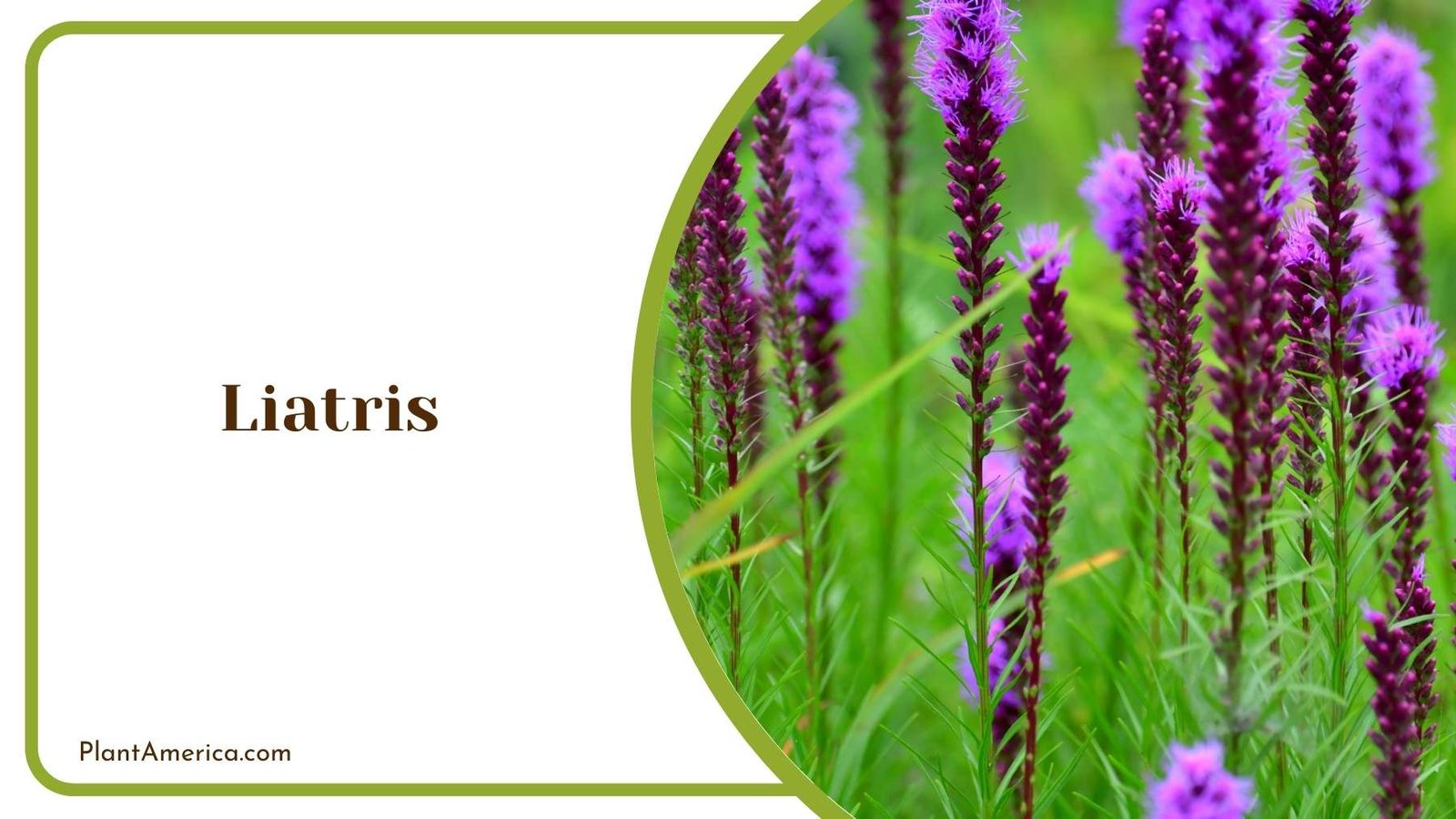
Liatris thrives in well-draining soil and full sun. The flower spikes bloom in shades of pink, purple and white in late summer and fall. Deer tend to avoid liatris due to its prickly leaves and shallow roots.
Japanese beetles can occasionally feed on liatris flowers, causing damage. The plants benefit from division every few years to remain vigorous. Liatris adds architectural interest to borders and attracts pollinators.
13. Peony
- Growing Season: Spring, Summer
- Leaf shape: Ferny, Deeply divided
- Specific needs: Moist soil, Fertile soil
- Common Pests: Aphids, Japanese beetles
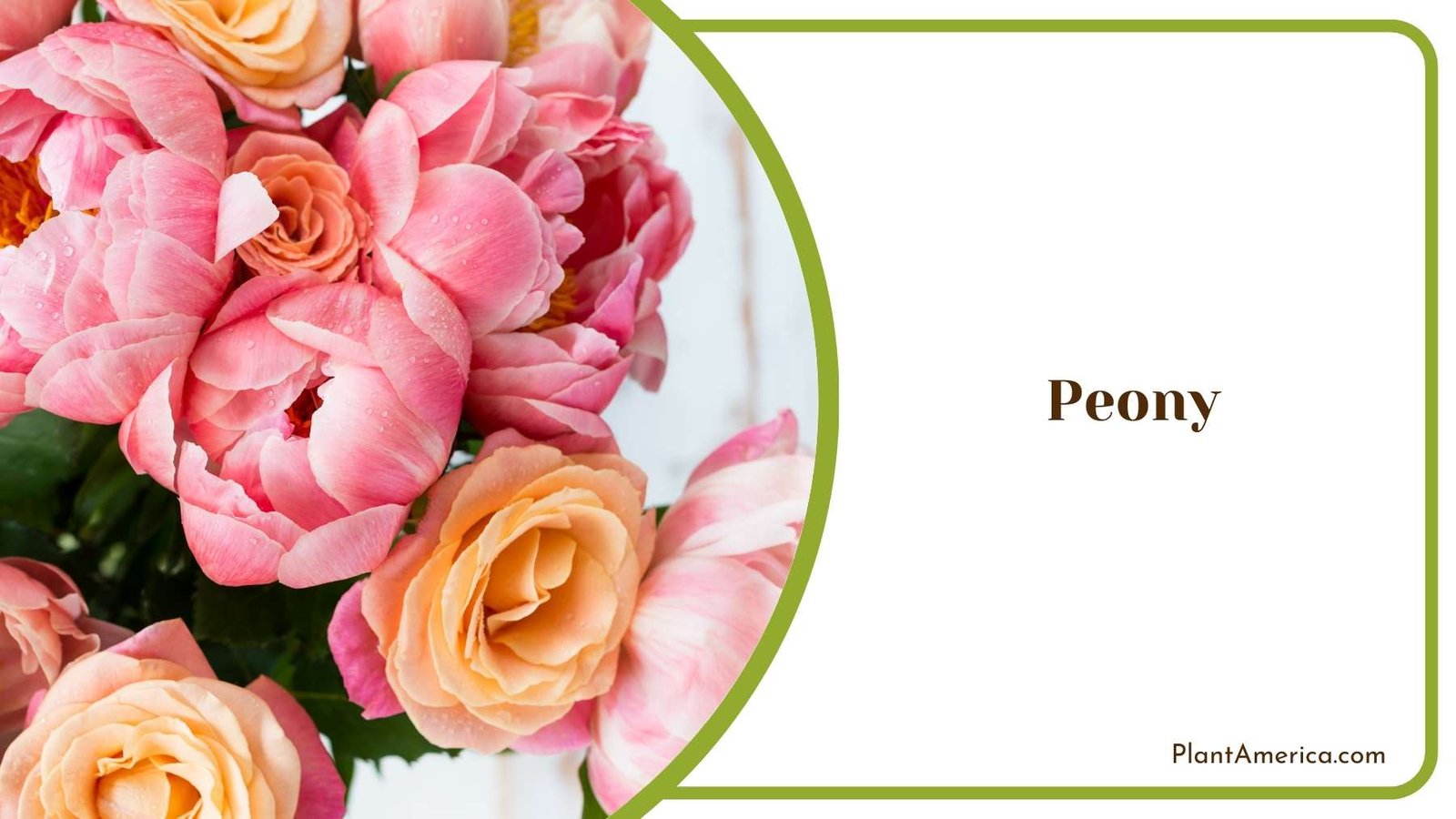
Peonies are really pretty flowers that bloom in late spring. They come in many colors like white, red, pink, and coral. There are two main kinds; namely herbaceous and tree peonies. Herbaceous peonies have flowers on tall stems coming up from the ground.
Tree peonies look more like bushes with bigger flowers. Peonies grow best in sunny spots with rich, moist soil. They have big roots so need good drainage. Once planted, they come back year after year and don’t need much care. Peonies survive cold winters as long as it’s not too hot or cold where you live.
There are tons of different peony types to choose from. Early and mid season ones have big fluffy blooms. Late ones last through rainier weather. Some have unique colors or frilly petals. With just a little dividing every few years, peonies reward you with lots of beautiful flowers. You can cut them or dry them. Their leaves and seed pods add interest after blooming until winter.
Peonies have been garden favorites for a long time because they are hardy, long-living, and provide abundant pretty flowers with minimal work. Their big blooms make them great for bouquets and brightening up the yard every June..
14. Perennial salvia
- Growing Season: Summer, Fall
- Leaf shape: Aromatic, Texture leaves
- Specific needs: Well drained soil, Fertile soil
- Common Pests: Aphids, Whiteflies
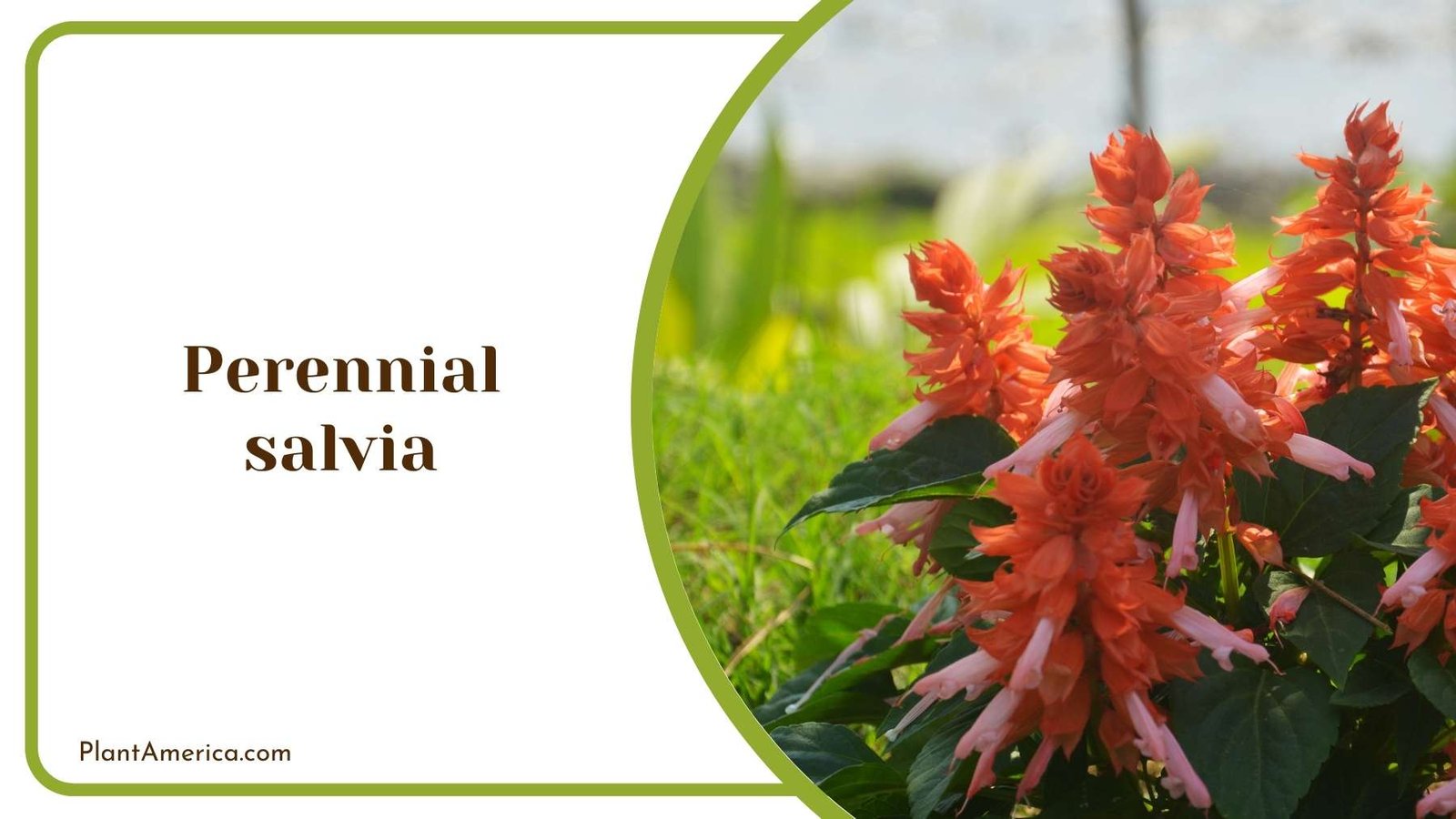
Salvias are beloved garden perennials known for attracting pollinators with their showy flower displays. While annual salvias offer short-lived color, selecting disease-resistant perennial types ensures beauty returns year after year. Two stars are Salvia nemorosa and Salvia x superba.
For even grander floral displays, S. x superba ‘May Night’ blooms indigo spires up to five feet tall. Its soft fuzzy leaves provide basal foliage all season. Both thrive in average garden soil with consistent moisture and full sun, remaining tidy without staking.
Salvias draw hummingbirds, butterflies and bees to nectar-rich flowers from spring through fall. Be mindful of preferred native pollinator seasons when selecting plantings. Create interconnected habitat corridors and water sources. These tough perennials require minimal care and go dormant after first frost, then re-emerge come spring.
Cut back spent flower stalks by one-third after initial blooming to encourage further flushes. Shear again by late summer for tidier shape if desired. Divide overgrown clumps every three to four years in spring or fall to reinvigorate.
Low maintenance and pest resistant, salvia perennials earn high marks for extending spring, summer and fall color without fuss. Their Mediterranean origins suit hot gardens well. Try intermingling diverse heights and hues for richness throughout borders, containers or wildflower meadows. Few others provide such constant floral reward alongside easy elegance.
15. Phlox
- Growing Season: Summer, Fall
- Leaf shape: Glossy, Oval
- Specific needs: Evenly soil, Fertile soil
- Common Pests: Aphids, Japanese beetles
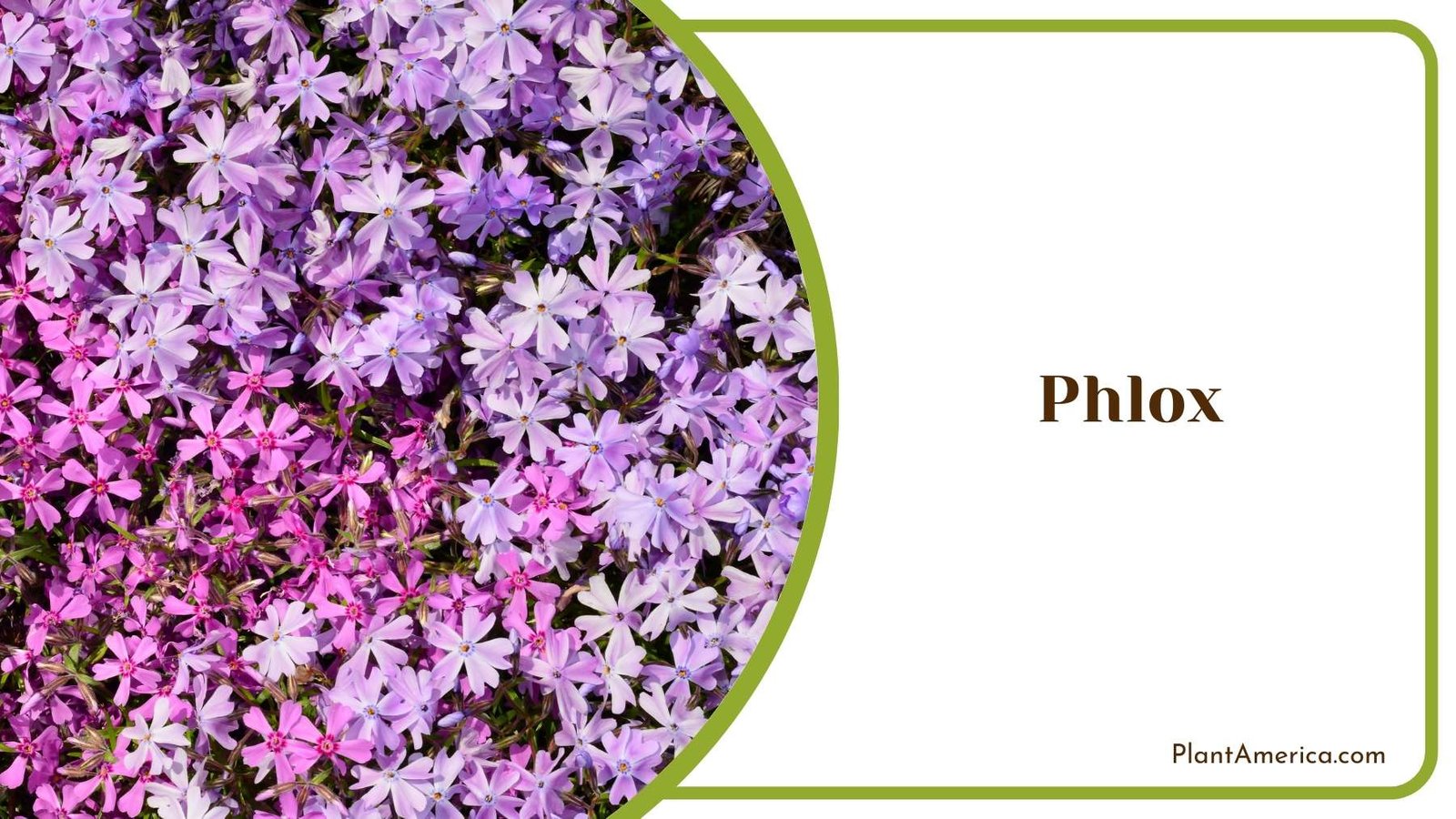
Phlox is a beloved summer-blooming perennial renowned for dazzling flower displays in vibrant hues. Masses of rounded heads in striking colors top graceful green foliage and stems up to three feet tall. Varieties bloom across three main seasons from late spring into fall, providing weeks of vibrant shows dependent on sun and moisture levels.
Taller border phlox like P. paniculata thrive in full sun, flourishing across zones 3-9. Compact varieties for beds and containers prosper in partial shade. All demand consistent moisture and rich, well-draining soil.
Deer generally avoid phlox yet browsing rabbits may find young shoots appealing in spring before foliage hardens off. Cut back flower stems post-bloom for basal branching and continued bird and pollinator appeal through seed heads similar to echinacea. Cushions naturally rebloom from the edges inward through late summer.
With their versatility in varied habitats and clone-like spreading habits, phlox offer unbeatable value. Attractive to the senses, they elevate gardens with diving sparkle effortlessly filling beds, borders, meadows and containers with artful drifting. Requiring minimal care, Phlox shine through each sunny season, deserving top billing in all-star perennial plantings.
16. Poppy
- Growing Season: Spring, Fall
- Leaf shape: Feathery, Deeply cut
- Specific needs: Well drained soil, Fertile soil
- Common Pests: Aphids, Japanese beetles
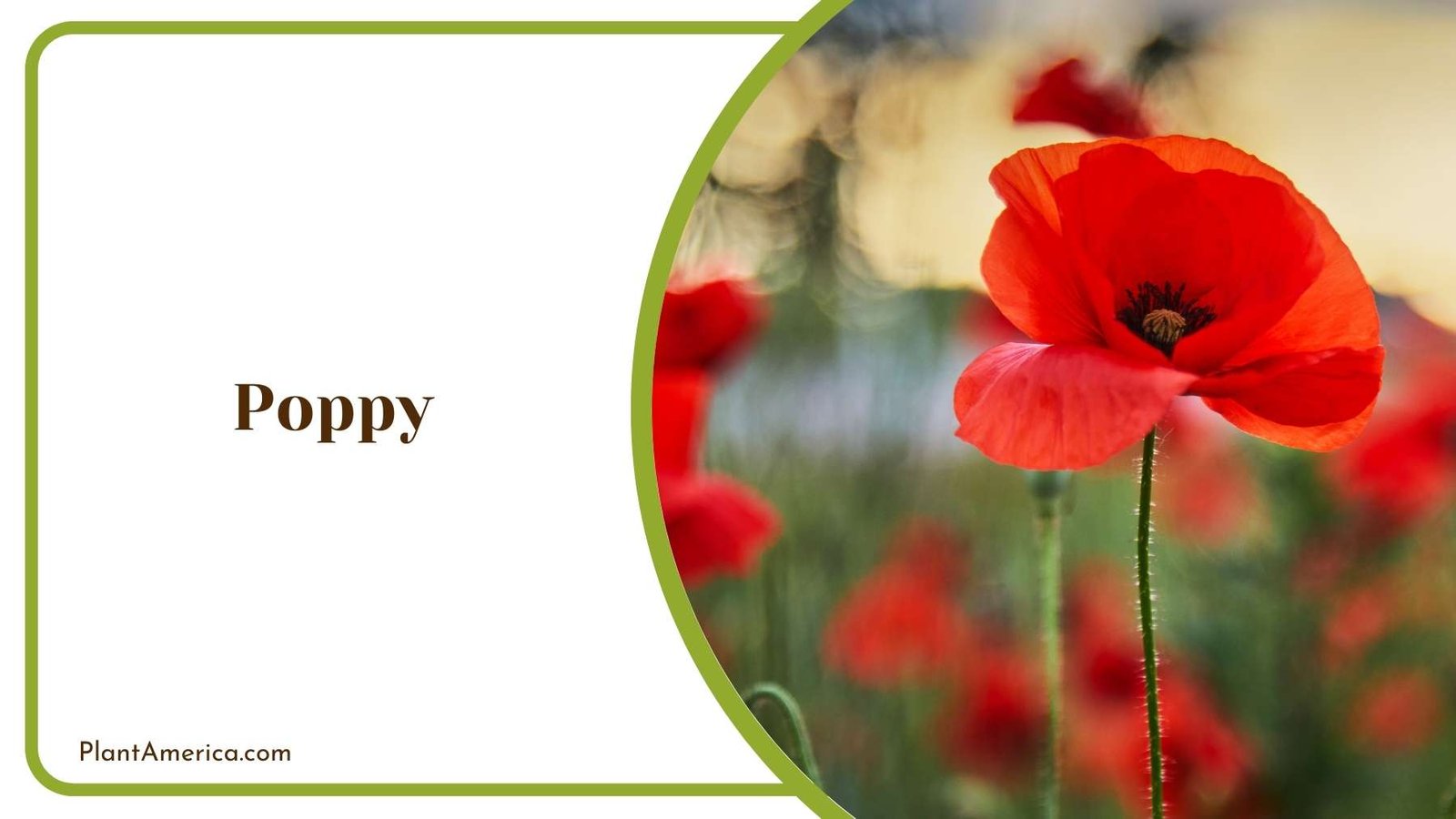
Perennial poppies are grown for their large, vivid feathery, deeply cut leaves form a basal rosette. Poppies thrive in well-draining soil and full sun. The cup-shaped flowers bloom in spring and again from mid-summer into fall. Deer tend to avoid perennial poppies due to their inedible seeds, furry leaves and sharp bristles.
Perennial poppies are generally pest-free when grown in suitable conditions. The plants self-seed freely and can become invasive without deadheading. The dried seed pods can be harvested to use as decoration. Poppies add vibrant color and texture to the garden.
17. Butterfly Weed
- Growing Season: Summer, Fall
- Leaf shape: Fuzzy, Narrow
- Specific needs: Well drained soil, Fertile soil
- Common Pests: Aphids, Japanese beetles
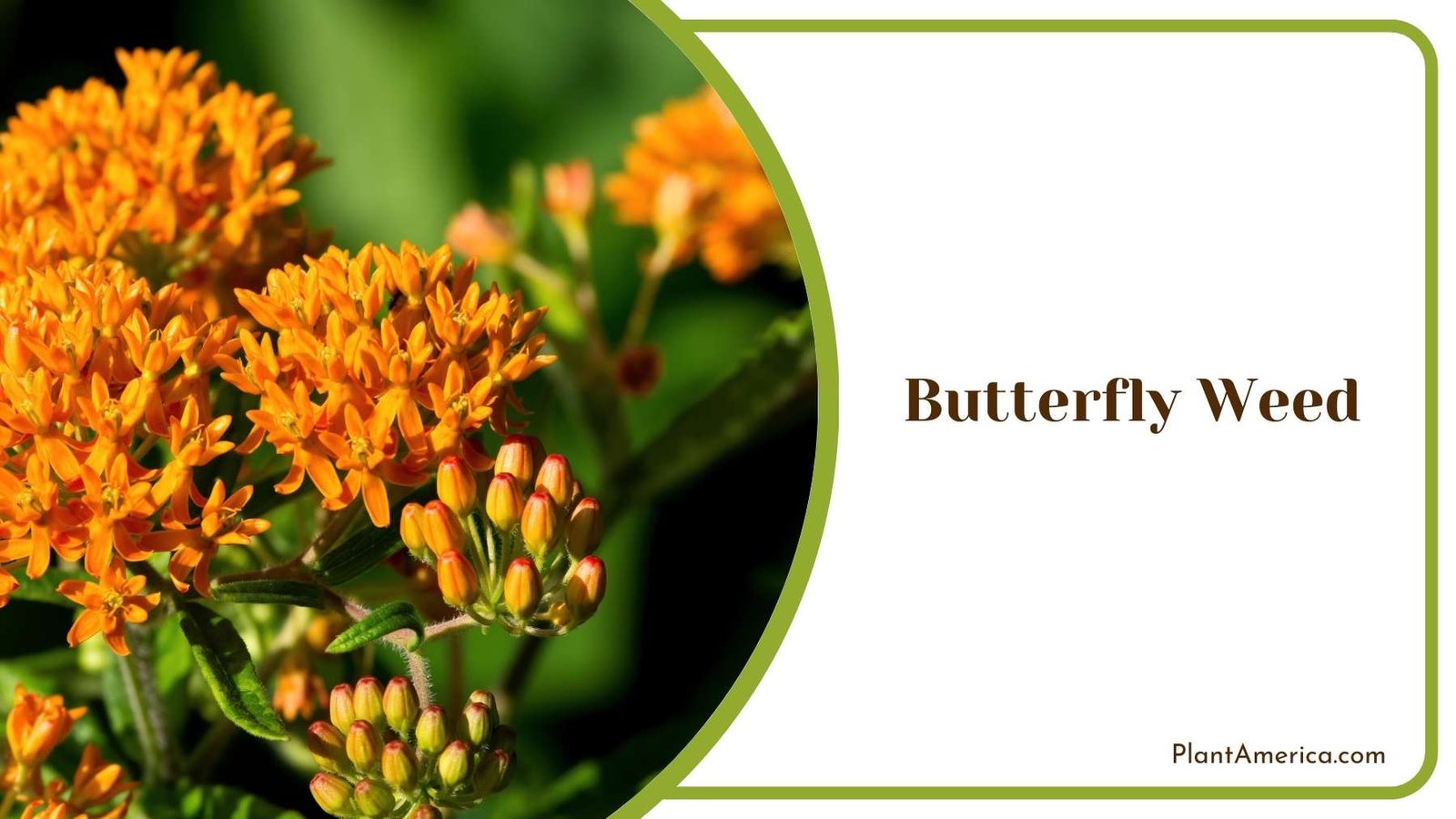
Butterfly weed is a bright orange flower that attracts lots of butterflies. It grows in tall clumps and blooms in summer. The flowers stand above the green leaves on red stems. Each flower is tipped with dark spots. They open up like little trumpets. Butterfly weed does best in sunny spots with well-draining soil. It can grow in dry, poor soil where other flowers won’t. Once established, it comes back year after year with no extra care needed.
The bright color of the blooms really catches butterflies’ eyes. You’ll see all kinds of butterflies like monarchs, swallowtails, and sulfur butterflies flock to feed on the nectar. That’s what makes this plant such a favorite! With little water or care needed, butterfly weed adds beautiful blooms and tons of colorful winged visitors to gardens through the summer months. It’s low maintenance and sure to attract nature’s entertainers..
18. Curly Parsley
- Growing Season: Spring, Fall
- Leaf shape: Fern-like, Curled leaves
- Specific needs: Well draining, Fertile soil
- Common Pests: Aphids, Spider mites
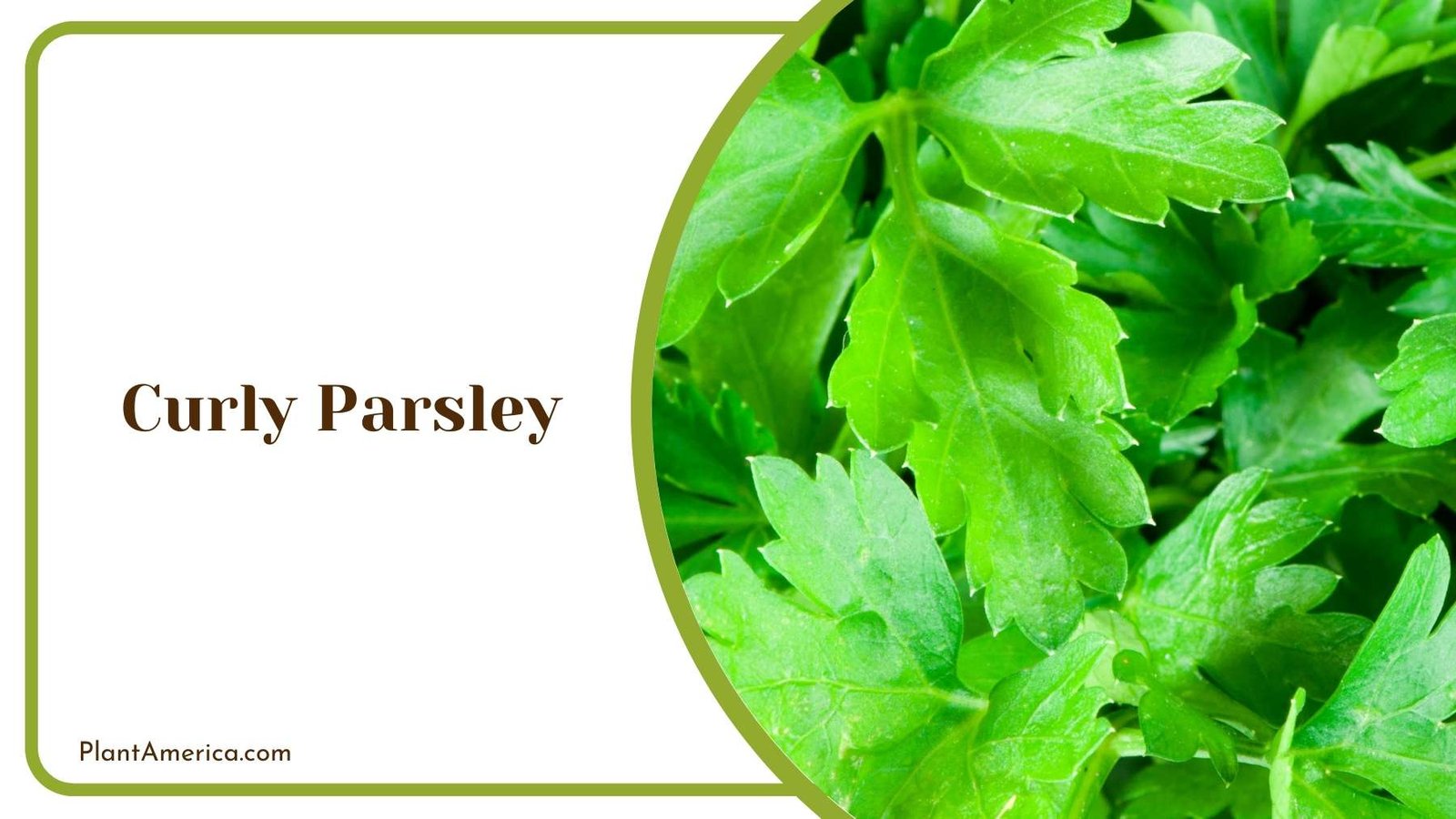
Curly parsley has become a popular herb for its dense foliage and mild flavor. Its botanical name, Petroselinum crispum, refers to its crisp, curled leaves. Native to the Mediterranean region, there are both curly and flat leaf varieties though curly parsley remains far more common.
Beyond its flavoring uses, parsley contains notable nutrients. It is rich in vitamins C, A and K as well as folate, iron and antioxidants. Try fresh leaves raw in salads, sandwiches, pasta dishes or use as a nutrient-dense garnish. Dried or frozen parsley also retains much of its vitamin content for use year-round.
harvesting curly parsley leaves helps prevent flowering and extends the plant’s productive season. Once it sends up tiny yellow flowers and goes to seed, the plant will die and complete its life cycle. To enjoy a continual supply of leaves, consider planting a second batch 4-6 weeks after the first for succession.
A versatile and healthy herb to cultivate, curly parsley adds flavor and nutrients to meals while requiring minimal care in the garden. Its ornamental, ruffled leaves are as enjoyable to behold as they are to consume..
Conclusion
With a little care and planning, you can fill your landscape with these tough, bite-proof plants year after year.
- Deer tend to avoid thyme due to its pungent aroma and bitter flavor.
- Deer tend to avoid Russian sage due to its strong scent and hairy leaves.
- Deer tend to avoid verbena due to its hairy foliage and foul odor.
With a little effort, you can fill your garden borders with colorful blooms, attractive foliage, and decorative seed heads that even the hungriest deer will ignore. I encourage you to choose a few of these tough, low-maintenance perennials to bring more beauty, color, and structure to your landscape – without the headache of deer damage.