
Rose companion plants can benefit your roses in surprising ways. We’ll explore some top rose companions and how they work alongside your roses to boost growth, repel pests, and keep them healthy all season long.
From pest-repelling marigolds and encouraging lilies to aromatic herbs that confuse insect invaders, clever plant pairings around your roses can create a beautiful, natural ecosystem in your garden. By the end of this post, you’ll be inspired to mix things up in your rose beds with these dynamic companion plants to nourish your prized blossoms!
Rose Companion Plants and Their Benefits for Your Roses
1. Lavender
- Growing Season: Fall, Summer, Spring
- Leaf Shape: Aromatic, Narrow
- Specific Needs: Full sun. Well-draining soil
- Common Pests: Aphids, Spider mites
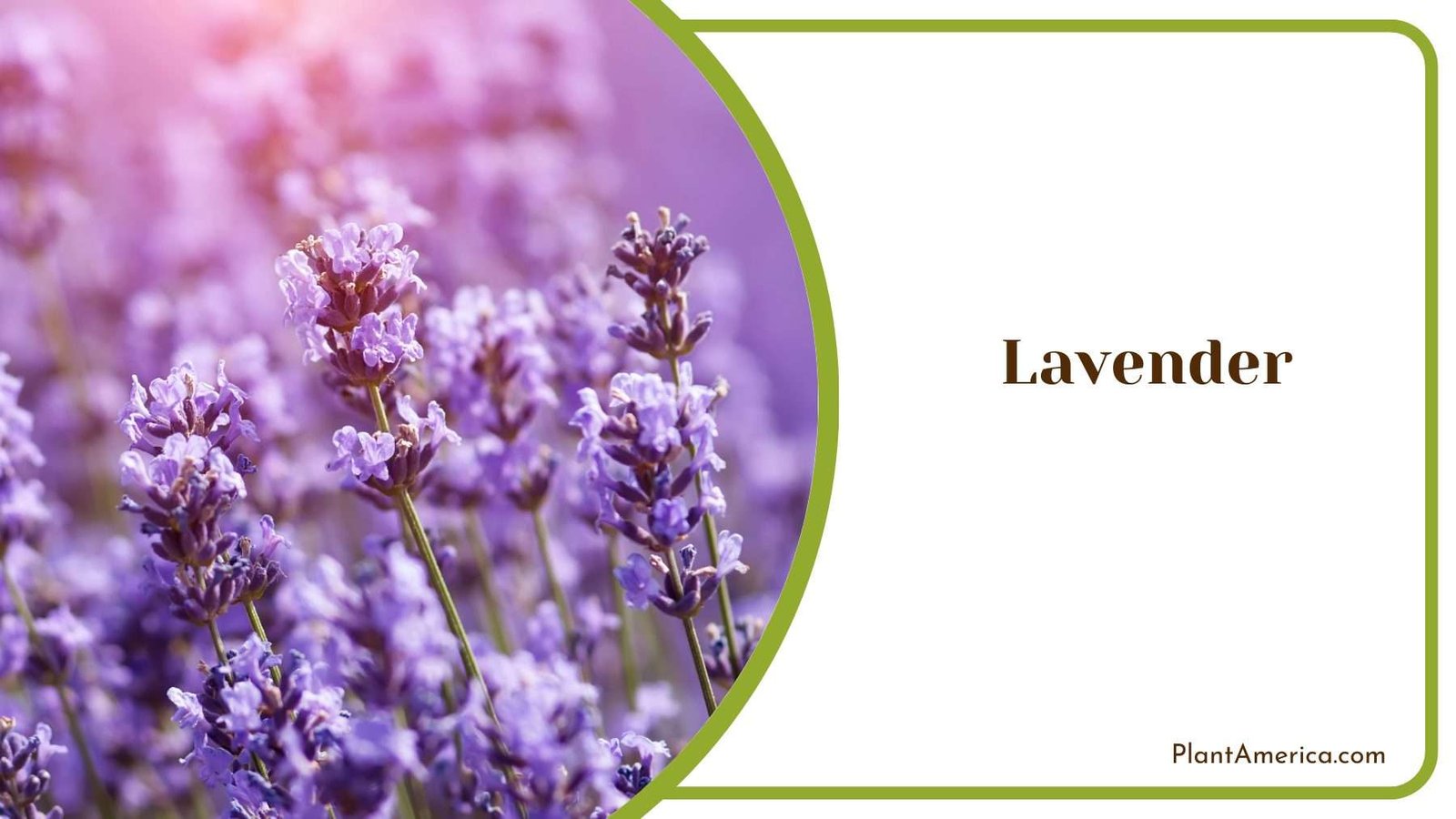
Lavender is a popular herbaceous plant that is well-suited as a companion for roses. The fragrant lavender releases calming oils into the soil that act as a natural deterrent against many common rose pests such as insects and rabbits. Research has also shown roses planted near lavender tend to exhibit improved hardiness and vigor with less need for pesticide applications.
The pest-repelling properties of lavender come from its extensive root system, which spreads the oils below the surface. Gardeners have found lavender to be an effective companion, helping to protect nearby roses without the rose bushes suffering any ill effects themselves.
Its calming scent is also enjoyed by many rose-lovers. With some strategic planting of lavender between rose bushes each spring, a gardener can take advantage of these companion-plant benefits all through the growing season.
2. Catmint
- Growing Season: Summer, Spring
- Leaf Shape: Soft, Fuzzy
- Specific Needs: Partial shade. Fertile soil
- Common Pests: Aphids, Leafminers
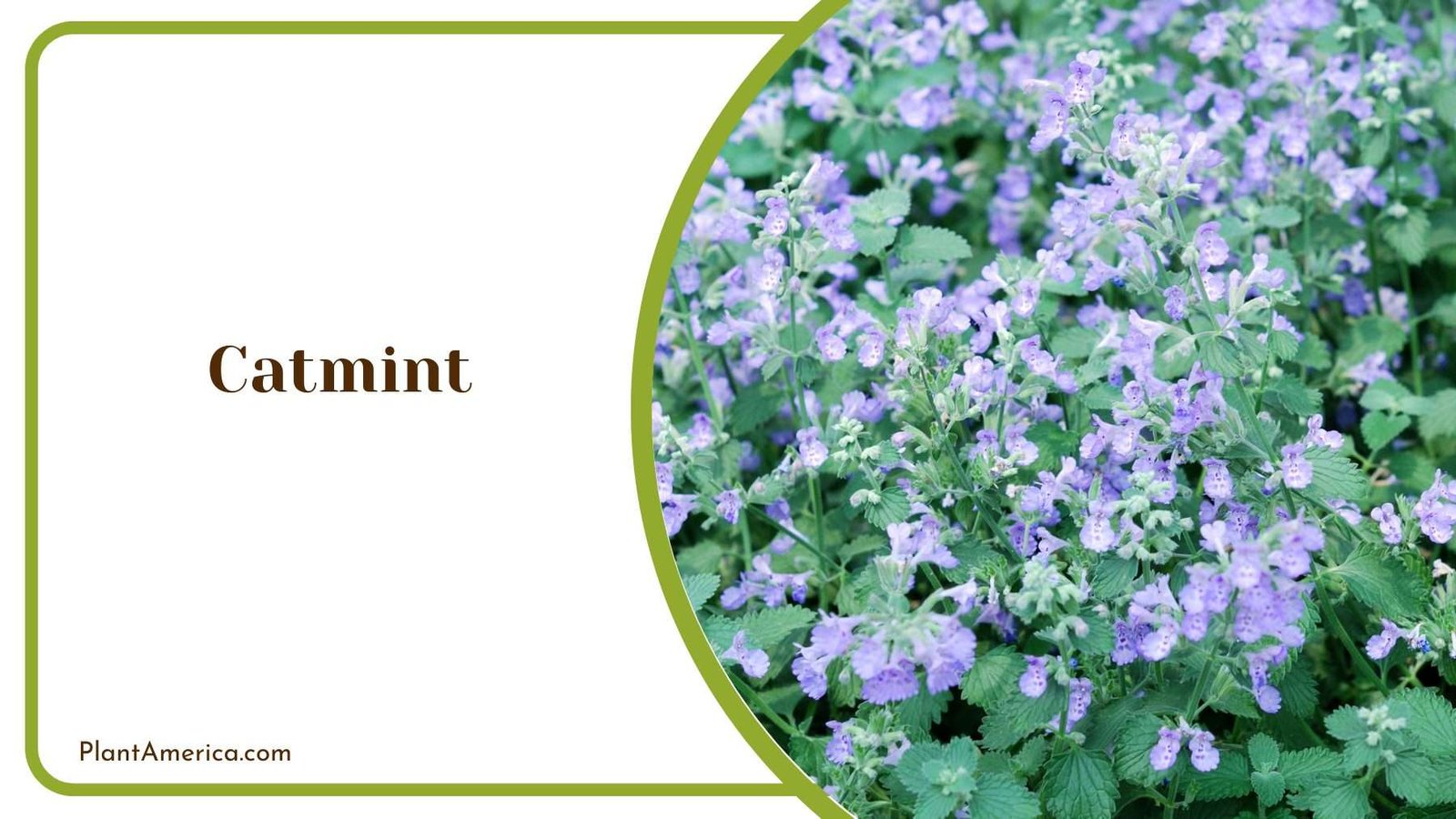
Like its cousin lavender, catmint (Nepeta cataria) is appreciated by gardeners for its pest-repelling properties and ornamental value when paired with roses. The fuzzy gray-green leaves and whorls of pink or blue flowers emit a scent that repels many insect pests that may otherwise damage rose blossoms.
Similar to lavender, catmint spreads these natural oils through an extensive root system underground. When planted adjacent to or intermixed with roses, catmint helps protect the vulnerable rose bushes from harm without the need for chemical pest control applications. At the same time, the eye-catching catmint adds visual interest and diversity to the rose garden.
Its ornamental attributes pair well with a variety of rose colors and varieties commonly grown. Both casual and experienced rose growers have found strategic use of catmint to benefit plant health and reduce pest concerns season after season.
3. Garlic
- Growing Season: Summer, Spring, Fall
- Leaf Shape: Garlicky scent, Flat
- Specific Needs: Full sun, Well draining soil
- Common Pests: Thrips, Onion maggots
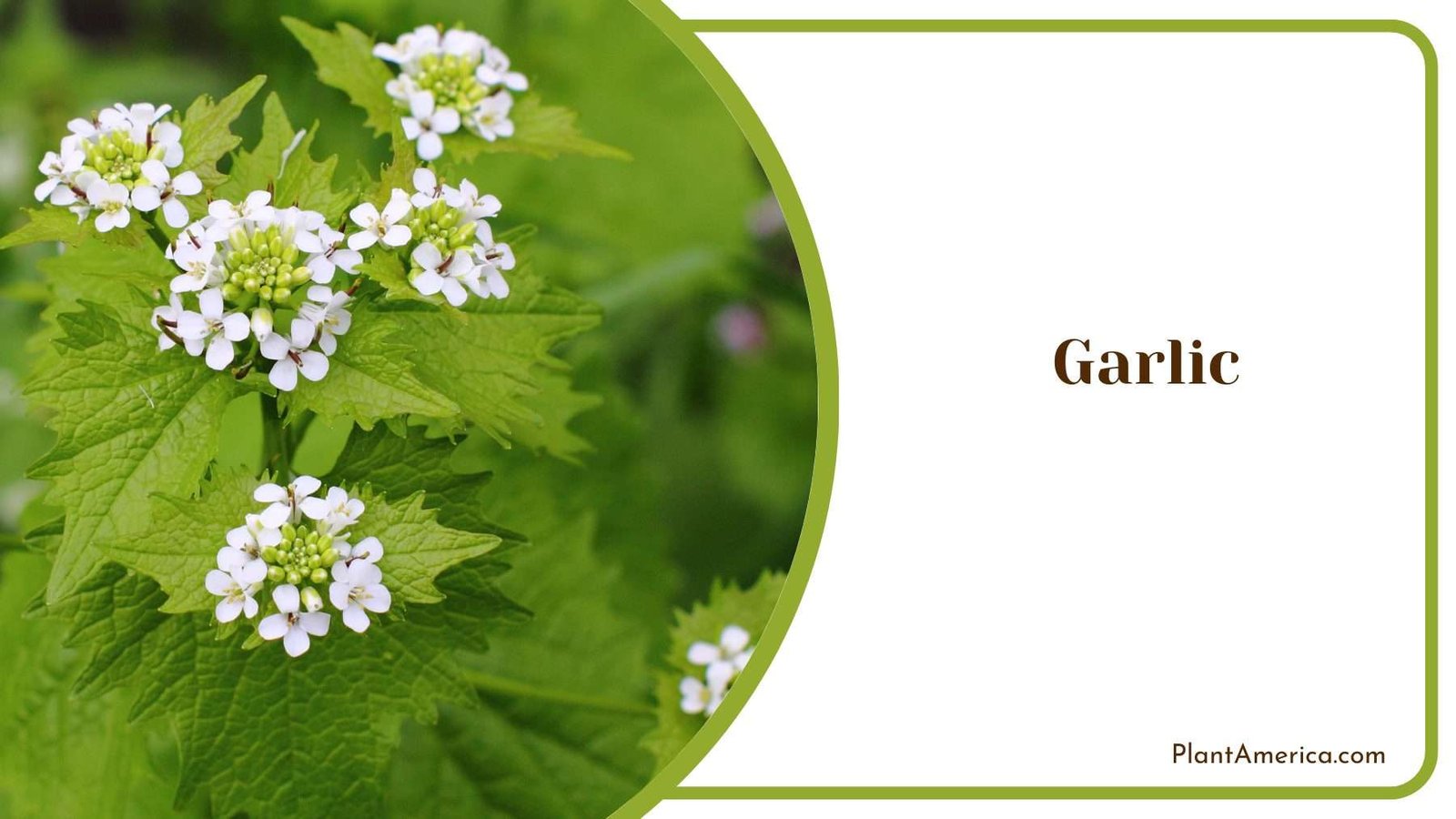
Garlic is a popular plant that provides numerous benefits as a companion for roses. While most gardeners grow garlic for use in cooking, its strong scent also deters many common pests that target roses.
When planted around the edges of rose beds, garlic emits a powerful odor from its below-ground bulbs that helps repel soft-bodied insects and other small herbivores that may attempt to feed on delicate rose blooms or foliage. In addition to its pest-repelling characteristics, garlic also acts as a nutrient powerhouse when grown amongst roses.
Its bulbs enrich the surrounding soil with minerals and vitamins extracted from the earth. With regular watering and sunlight, garlic circulates these beneficial nutrients through its leaves and bulb, improving the overall health and vigor of nearby roses for enhanced flower and hip production. Perhaps best of all, a border of garlic deters pests naturally without any need for chemical sprays or powders around valuable rose bushes.
With minimal effort, gardeners can incorporate this multi-purpose allium to help strengthen their roses’ defenses against common insect and mammal pests. While many organic remedies require repeated applications, garlic offers seasonal-long protection through its roots and leaves underground and at soil level. Its stench safely shields vulnerable blooms and foliage without being reapplied like synthetic pest controls.
Though not always aesthetically pleasing, a strategically placed perimeter of garlic bulbs keeps roses beautiful from the inside out with healthy green leaves and bountiful fragrant flowers. Many rose gardeners find garlic to be an indispensable long-term investment for biological pest management where traditional poisonous chemicals are unwanted.
4. Chives
- Growing Season: Summer, Spring, Fall
- Leaf Shape: Hollow, Grass-like
- Specific Needs: Full sun, Fertile soil
- Common Pests: Aphids, Spider mites
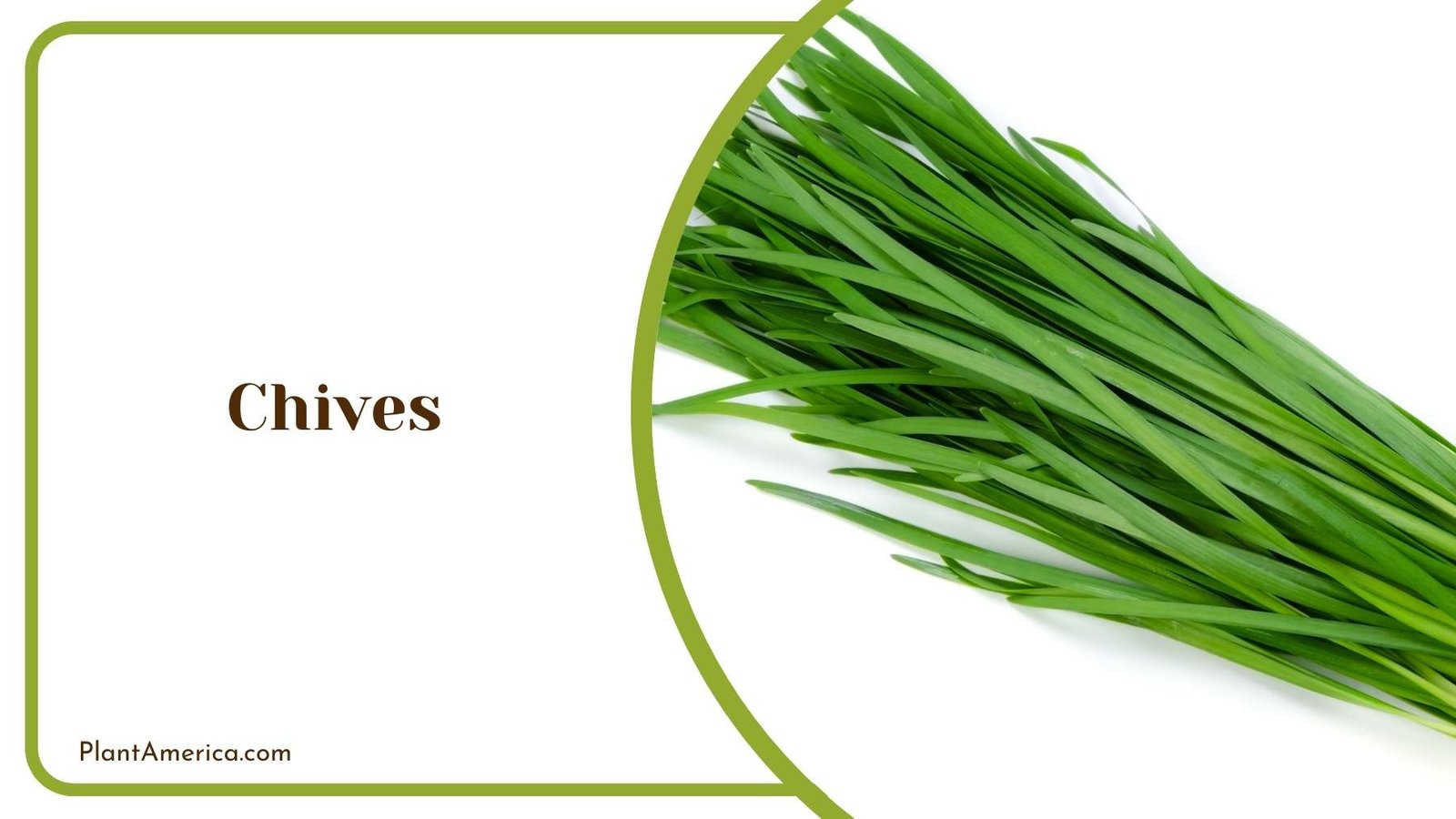
The subtle yet aromatic chive is a versatile plant that pairs well with roses as both an ornamental edging and pest deterrent. With thin tubular leaves of a vibrant green hue, chives form an attractive and textural border around rosebeds. As a member of the onion genus, chives spread a gentle yet effective scent from their grass-like foliage that repels common garden pests such as airborne insects and above-ground slugs and snails.
Established chive plants spread rapidly via underground rhizomes to form a complete groundcover barrier only a few inches tall. In this low-growing manner, chives blockade access of nibbling rabbits, mice, and ground-dwelling pests that may otherwise feast on vulnerable young rose buds and foliage. Their shallow root system does not compete with roses’ deeper roots either.
Beyond pest control, chives add visual appeal to the rose border with lush clumps of bright linear leaves. Come late spring, chives also produce small pink or white blooms that attract pollinators to the garden. This helps nourish nearby roses and fruits. With regular watering, chives will prosper all season round omitting pest-confusing aromatics.
With perseverance, one planting of chives grows each year to better size and scope. Little maintenance is needed beyond an occasional trim to keep chives from shading roses. Both plants thrive off each others’ partnership for many flourishing seasons to come. Whether as a trimmed edging or naturalized groundcover, chives fill the role of protector while complementing companion roses with their handsome presentation.
5. Rue
- Growing Season: Summer, Spring, Fall
- Leaf Shape: Fragrant, Blue-green
- Specific Needs: Full sun, Well draining soil
- Common Pests: Whiteflies, Spider mites
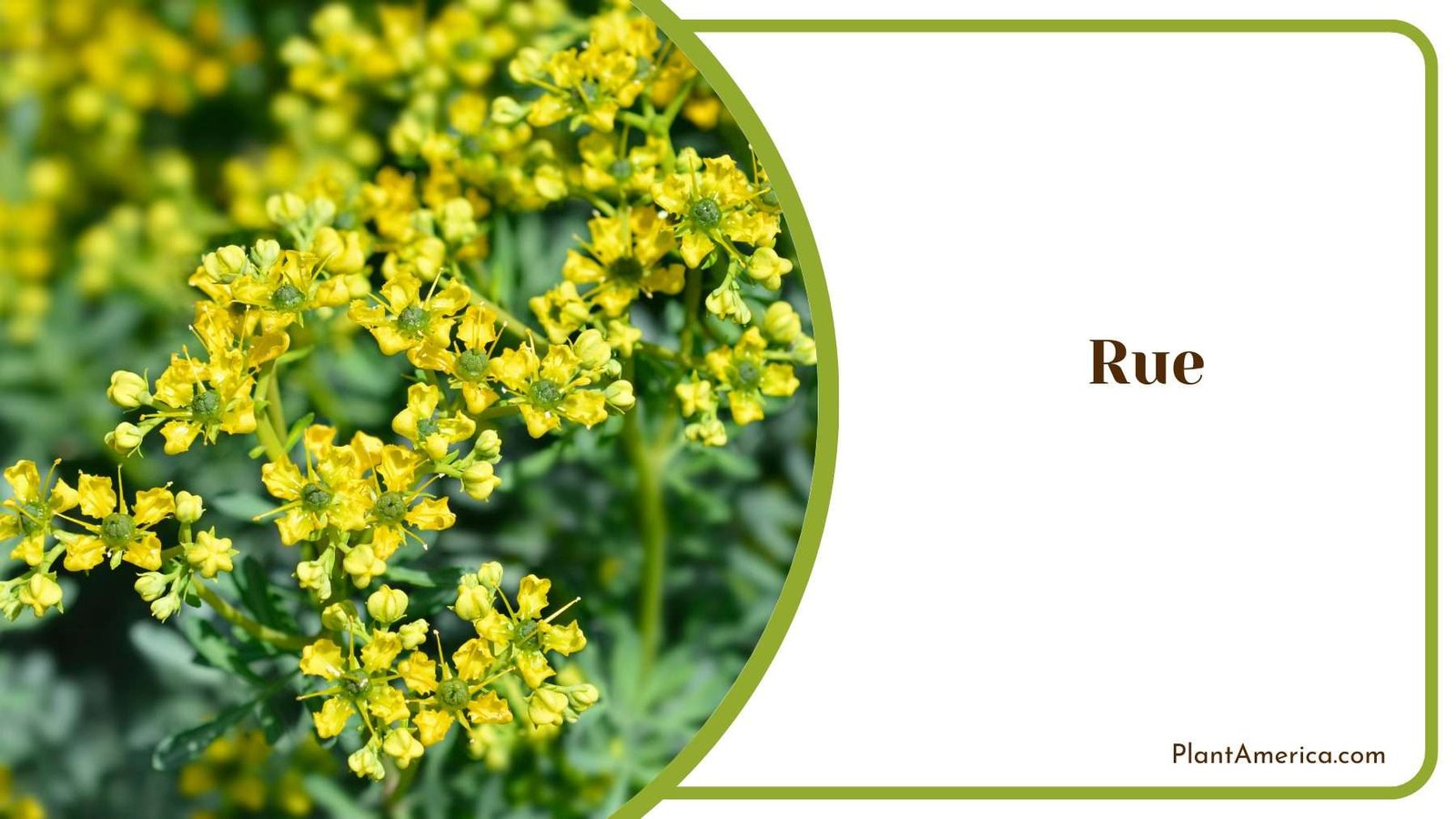
Rue is a woody herbaceous perennial plant known for its grayish foliage and bright yellow flowers. In the garden, rue lends an air of fragrant sophistication when paired alongside roses. Beyond its ornamental attributes, rue also benefits roses through pest control.
Similar to other allium family plants like garlic and chives, rue deters damaging insects through aromatic oils produced within its leaves. These oils are especially effective against airborne pests like aphids, Japanese beetles, and cabbage worms that may plague nearby roses.
When planted within or bordering a rose bed, rue spreads its natural defenses outward via an expansive root system. Even a small number of rue plants can help shield a large patch of vulnerable blooming roses. Additionally, rue attracts several predatory insects including ladybugs and lacewings that consume common garden pests. This further strengthens rue’s protective powers through biological controls.
Beyond pest management, rue also acts as a hardy perennial that requires minimal watering once established. It flourishes in a variety of soil conditions and returns reliably each spring. This makes rue low maintenance for roses that provides season-long shelter from insect invasion and rabbit browsing through natural means.
With some strategic placement, a few rue plants can go a long way toward safeguarding a rose garden’s health, beauty, and bounty.
6. Tansy
- Growing Season: Summer, Spring, Fall
- Leaf Shape: Fuzzy, Bipinnately
- Specific Needs: Full sun, Average soil
- Common Pests: Leaf beetles, Leaf miners
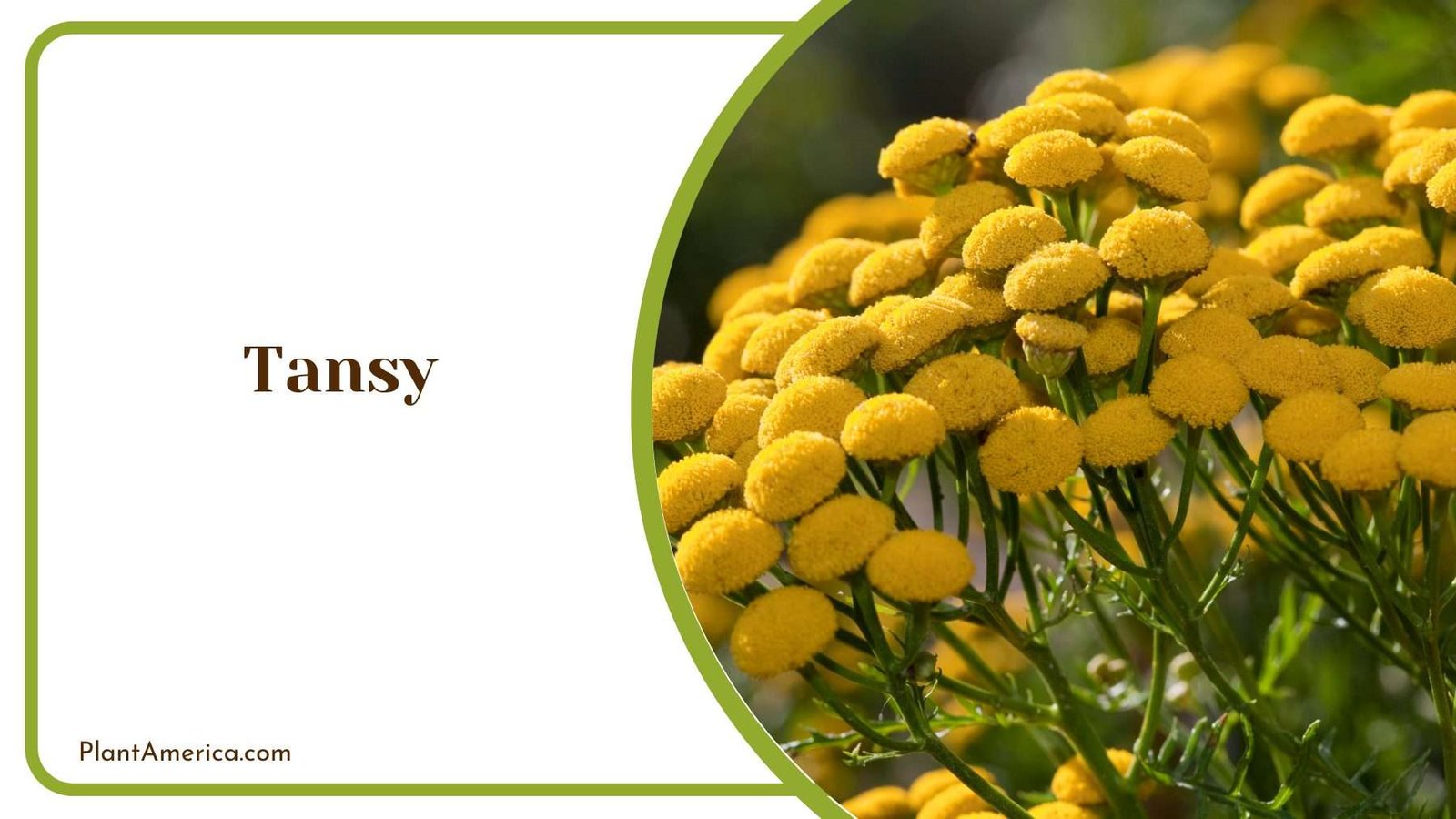
Tansy (Tanacetum vulgare) brings an element of cheerful vitality to the rose garden through its button-like yellow flowers and frilly foliage. More than just an ornamental plant, tansy boasts powerful scents from its leaves and seeds that naturally ward off many pests that target roses such as Japanese beetles, flies, and deer.
As a member of the daisy family, tansy spreads these aromatic oils down into the soil through its low-growing roots. When established amongst roses, tansy creates a botanical barrier of defense without any pesticide application. Minimal care is needed for both tansy and nearby roses to thrive under its watchful protection year after year.
7. Daffodils
- Growing Season: Winter, Spring
- Leaf Shape: Long, Narrow
- Specific Needs: Full sun, Well draining soil
- Common Pests: Aphids, Bulb mites
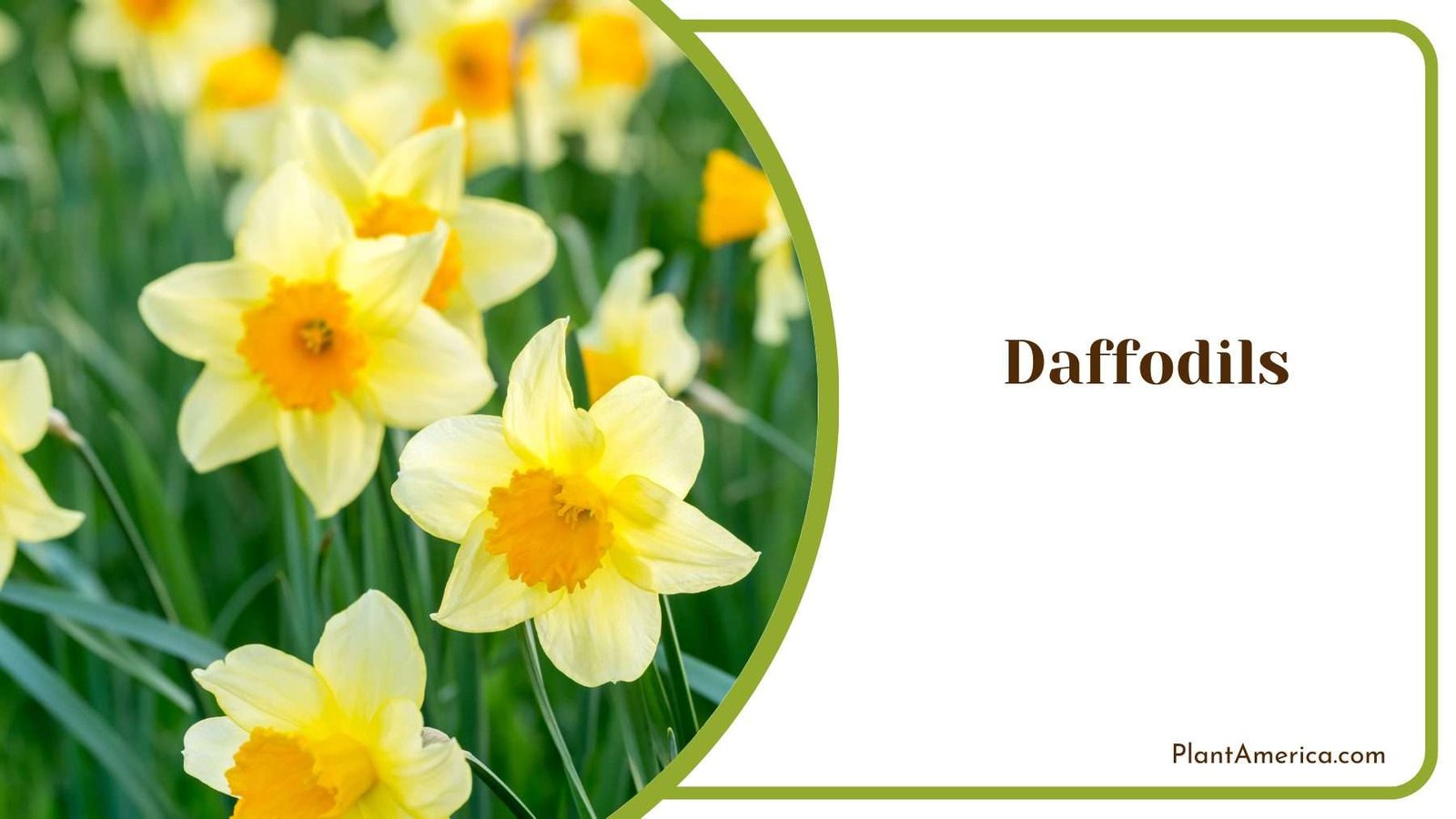
Hardy daffodils provide early season color and practical benefits as a rose companion. Clusters of trumpet-shaped blooms in hues of yellow, orange, or white brighten gardens upon first emerging in early spring. Their cheerful display draws pollinators when few other plants are flowering. As daffodils die back, their fading foliage releases naturally repellent compounds into the soil.
These compounds deter deer and small rodents from nibbling on new rose growth during vulnerable starting phases. Used as accent planting between clusters of roses, daffodils defend with pretty faces before disappearing unobtrusively for the remainder of the growing period. Low maintenance yet high-reward, daffodils make a wonderful rose ally.
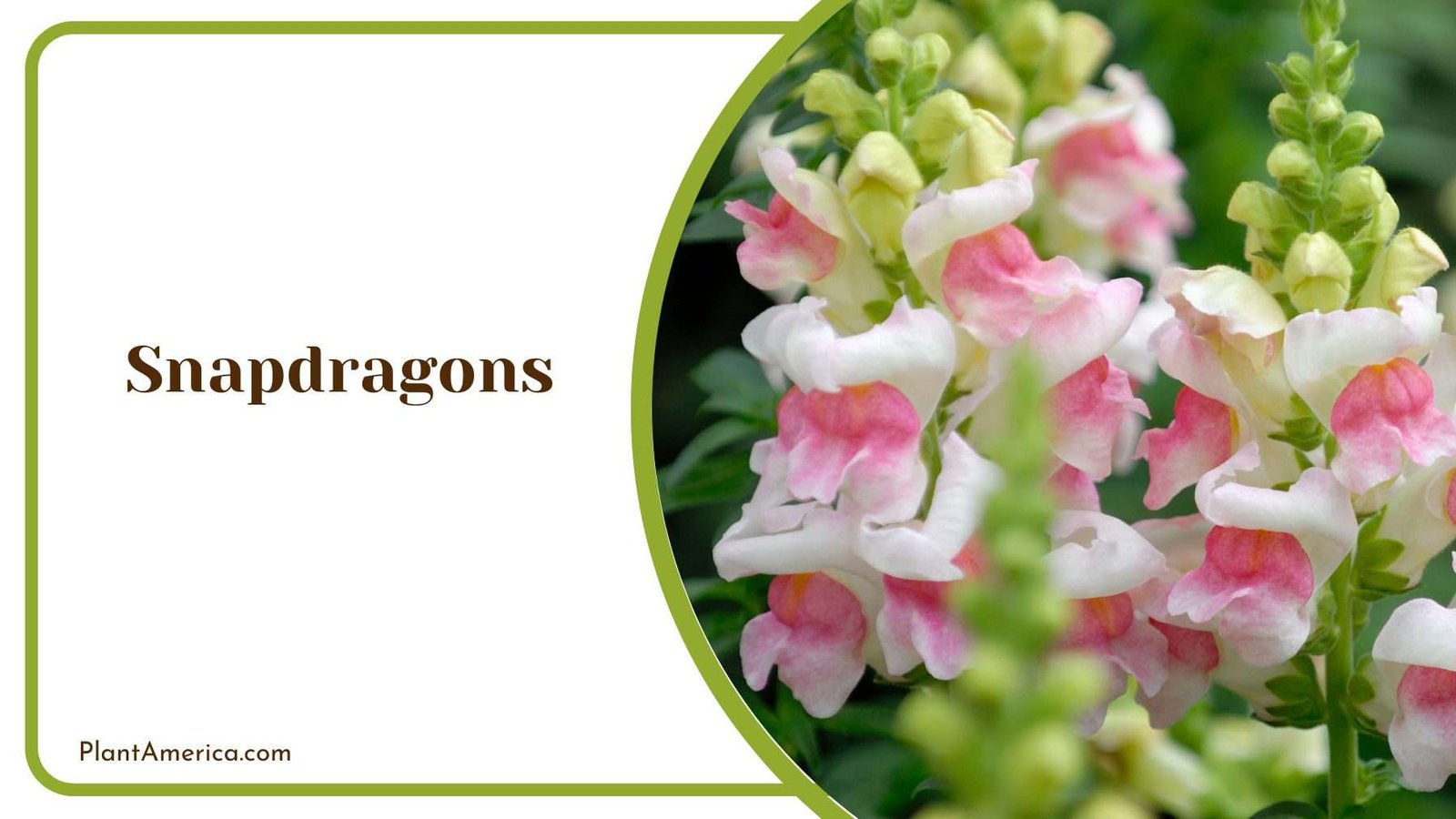
8. Snapdragons
- Growing Season: Summer, Fall, Spring
- Leaf Shape: Glossy, Deep green
- Specific Needs: Partial shade, Well draining soil
- Common Pests: Mealybugs, Spider mites
Snapdragons make excellent companions for roses by attracting beneficial insects to the garden. With their unique flower formations that resemble dragon mouths, snapdragons entice pollinators like bees, wasps, hoverflies and butterflies. As these pollinators flit from snapdragon to snapdragon, drinking nectar, they help fertilize nearby rose blooms.
The flowers also draw predatory insects that prey on common pests to roses. Lacewings, ladybugs and pirate bugs are among the natural predators that feed on nectar from snapdragons while keeping pest populations in check.
Simply planting snapdragons intermittently throughout the rose garden gives these natural boosters multiple nectar sources. With a constant supply of nourishment from snapdragons, beneficial insects are more likely to take up residence and control uninvited guests on roses.
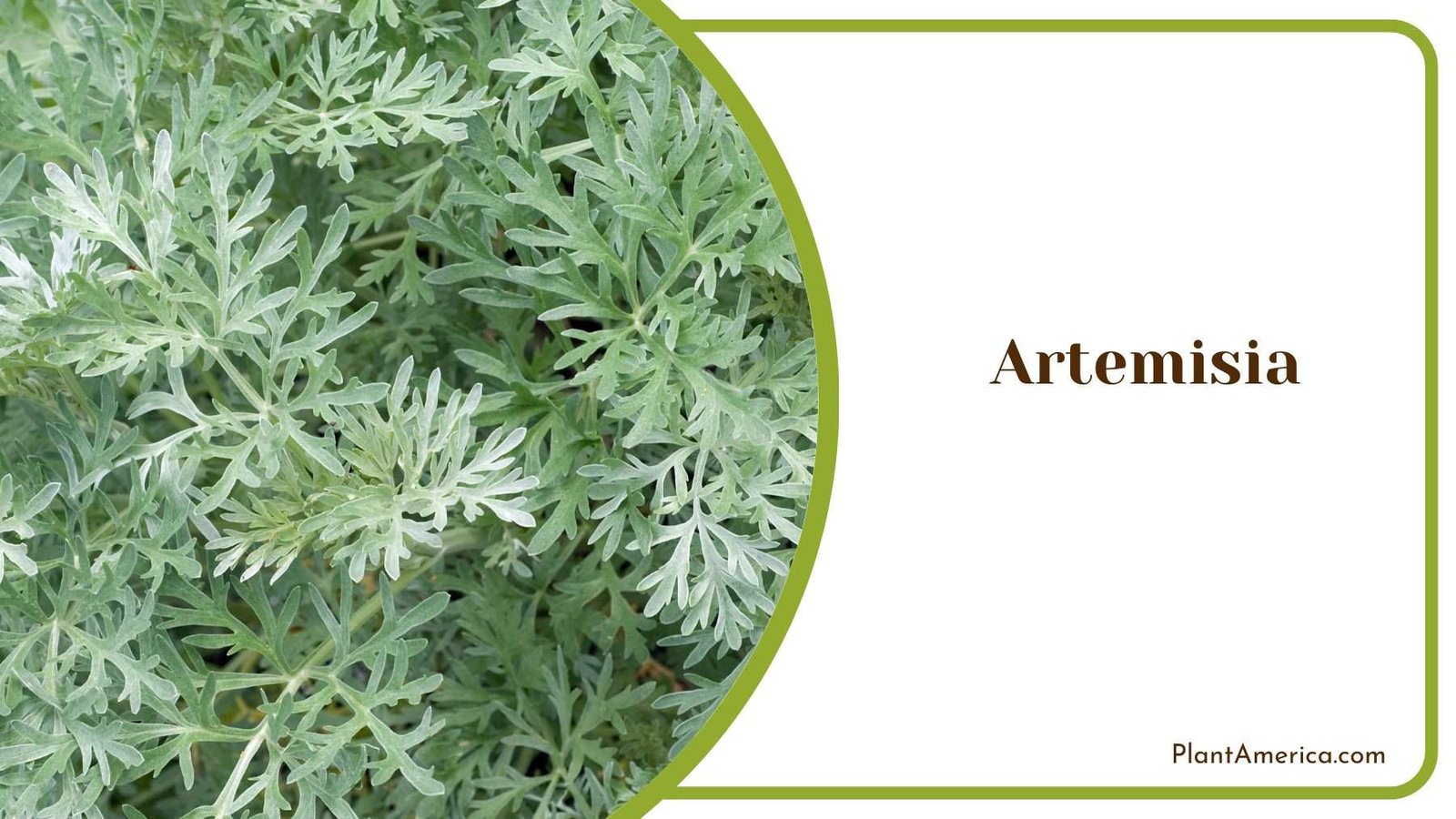
9. Artemisia
- Growing Season: Summer, Fall, Spring
- Leaf Shape: Fuzzy, Silver gray
- Specific Needs: Full sun, Well draining soil
- Common Pests: Rust, Lygus bugs
Soft, fern-like artemisia leaves impart a powerfully pungent aroma that deters many common garden pests when cultivated alongside roses. Also known as wormwood or sagebrush, artemisia emits natural oils through its silvery foliage capable of warding off deer, rabbits, and insects such as aphids or Japanese beetles.
Tolerant of diverse conditions, artemisia grows as a hardy perennial shrub retaining its defenses throughout the seasons. Its silvery-gray color also lends visual interest to rose beds. Minimal care enables both plants to coexist harmoniously, with artemisia safeguarding roses through organic means requiring no applications of toxic chemicals near edible blooms.
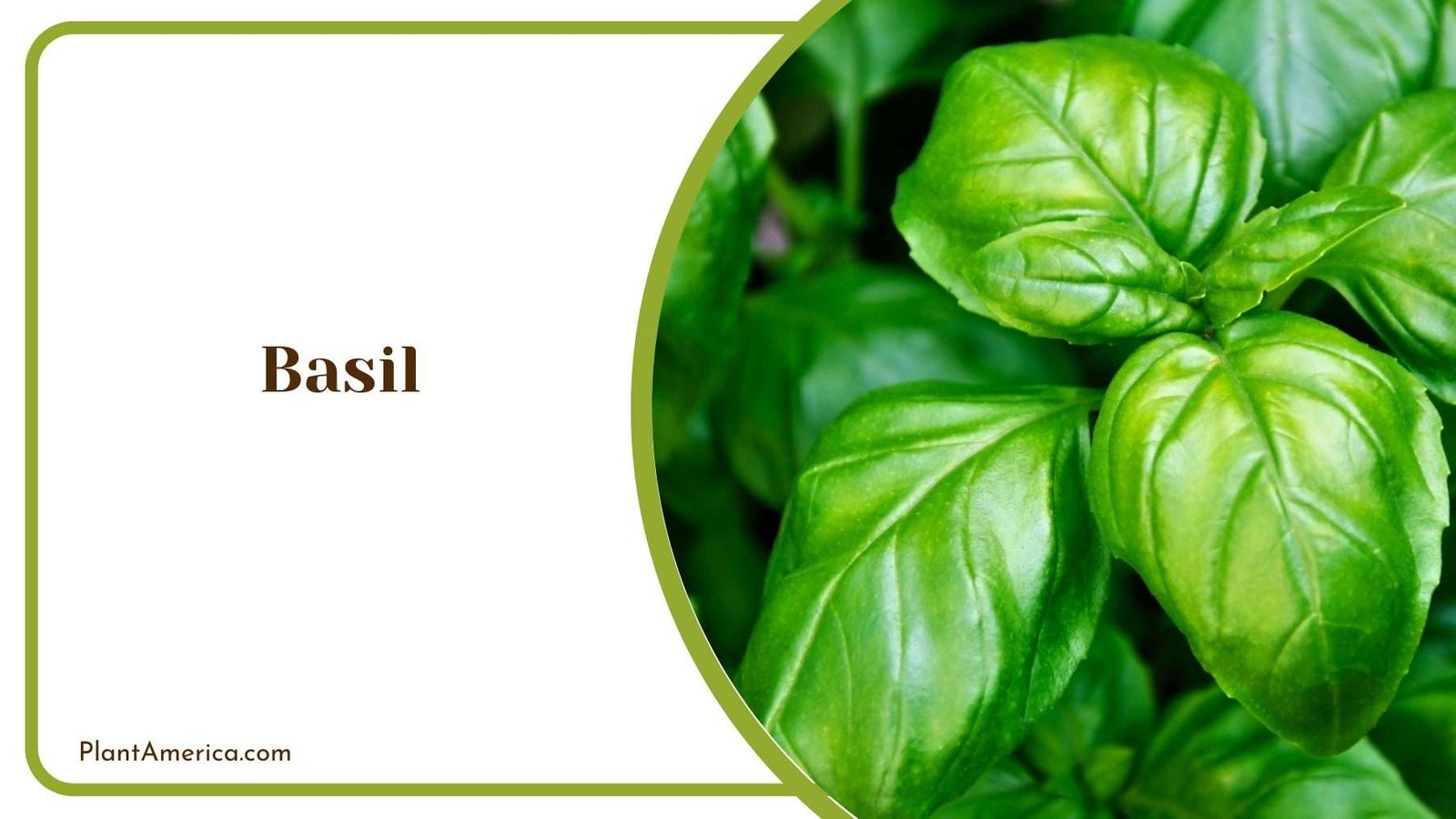
10. Basil
- Growing Season: Summer
- Leaf Shape: Aromatic, Green
- Specific Needs: Full sun, Well draining soil
- Common Pests: Leafminers, Leaf spots
Sweet basil adds fragrance and function to the rose garden when interplanted amongst bushes. With its aromatic leaves and soft blooms, basil creates an allure for beneficial insects. However, it also deters damaging pests through natural scents emitted from foliage. Among these are voracious insects like Japanese beetles. As basil is related to mint, it spreads vast root systems and thrives with minimal upkeep beyond annual division.
This allows a single planting to shield an expansive rose area. Both it and roses prosper with matching care needs, and picking occasional leaves to garnish dishes encourages basil’s protective proliferation. An easy-to-grow herb, basil lets gardeners experience darling blooms free from reliance on industrial remedies.
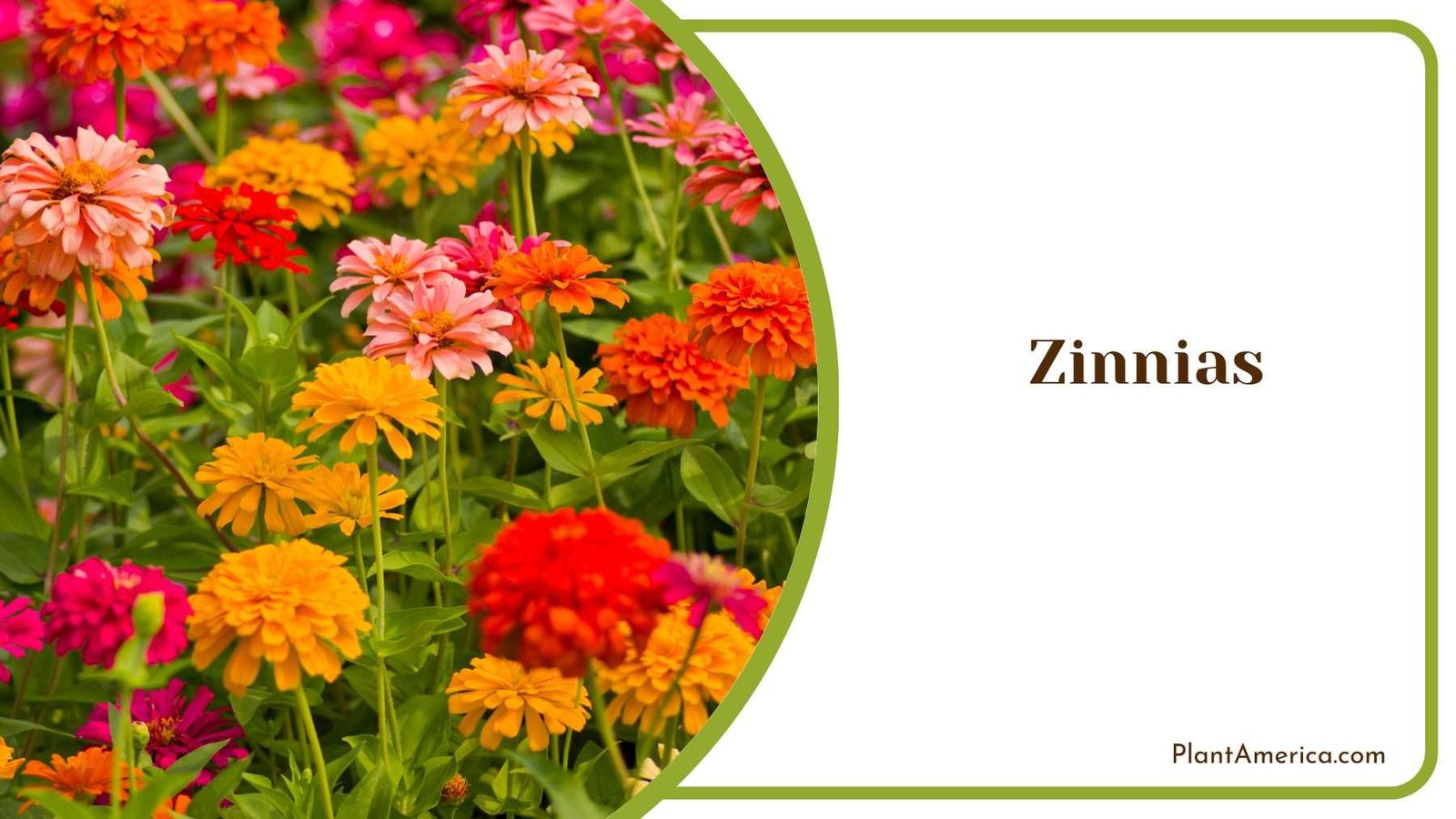
11. Zinnias
- Growing Season: Summer, Fall
- Leaf Shape: Lance shaped, Bushy form
- Specific Needs: Full sun, Well draining soil
- Common Pests: Slugs, Aphids
Zinnias create a cheerful, colorful counterpart for roses to attract pollinators and natural predators to the garden. Available in vibrant hues year-round, these heat-tolerant blooms populate beds and borders with a cheerful display. Not only are zinnias perennial crowd pleasers, but their roots also secrete natural substances nourishing to neighboring roses.
As a member of the daisy family, zinnias emit scents through leaves and flowers enticing predatory insects feeding upon damaging pests like aphids and beetles. With little water or care required beyond annual seeding, zinnias partner prettily with roses to enhance both beauty and protection from pests naturally. Their mutually beneficial relationship bears witness in bountiful blooms season after season.
12. Daisies
- Growing Season: Summer, Spring, Fall
- Leaf Shape: Lobed, Basal rosette
- Specific Needs: Full sun, Well draining soil
- Common Pests: Slugs, Snails, Rust
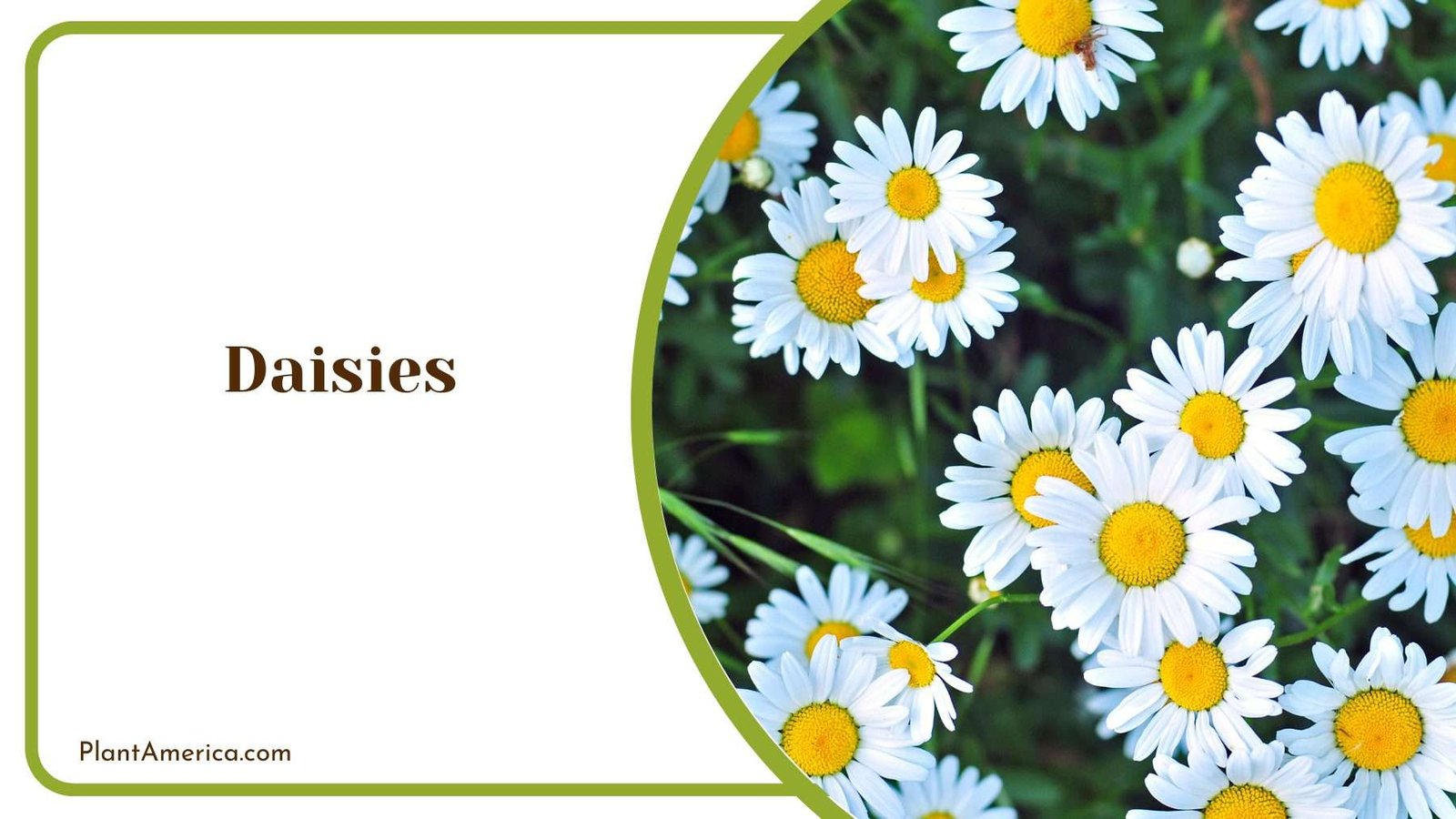
Like zinnias, hardy daisies contribute colorful beauty and naturally derived benefits to the rose garden. Clumps of single- or double-petaled blooms ranging from yellow to pink to white lend long-lasting interest from early summer onwards.
As members of the Asteraceae family, daisies are highly attractive to parasitic wasps, hoverflies, and other beneficial insects that prey on detrimental pests like aphids or Japanese beetles.
When cultivated amongst or nearby roses, daisies draw these protectors close to safeguard vulnerable plants. Requiring no chemicals or extra effort, low-maintenance daisies look after nearby companions through ecological pest management while adding polish to borders and beds with their charming faces.
13. Sage
- Growing Season: Summer, Spring, Fall
- Leaf Shape: Wolly, Gray-green
- Specific Needs: Full sun, Well draining soil
- Common Pests: Aphids, Thrips
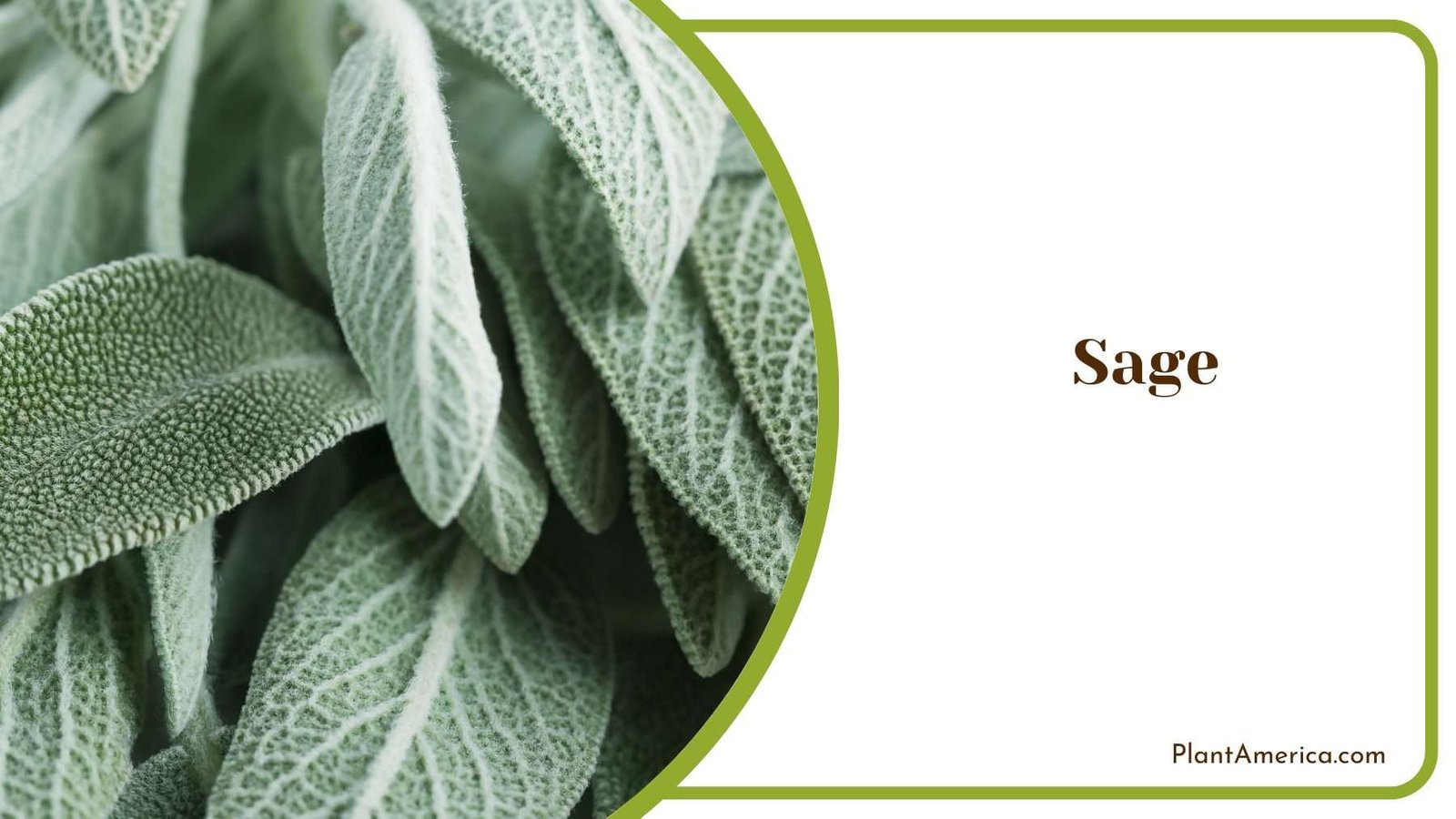
Sage brings silver foliage and hue to the rose garden while benefiting plants through natural pest deterrence. Aromatic gray leaves paired with blue flowers rising above are visually striking when planted in drifts or patches alongside darker-hued roses.
More notably, sage emanates powerfully scented oils detrimental to numerous garden pests. Japanese beetles, spider mites, and cabbage worms avoid roses nearby as a result.
Drought-tolerant once established with a minimal watering regimen, sage is rewarding to grow with its defensive qualities requiring no purchased treatments. Both sage and roses prosper as no-fuss duo enhancing the landscape with visual interest and live without reliance on artificial pest solutions; a testament to natural sustainability and balanced beauty when grown as partners.
14. Thyme
- Growing Season: Summer, Spring, Fall
- Leaf Shape: Aromatic, Green leaves
- Specific Needs: Full sun, Well draining soil
- Common Pests: Rust, Whiteflies
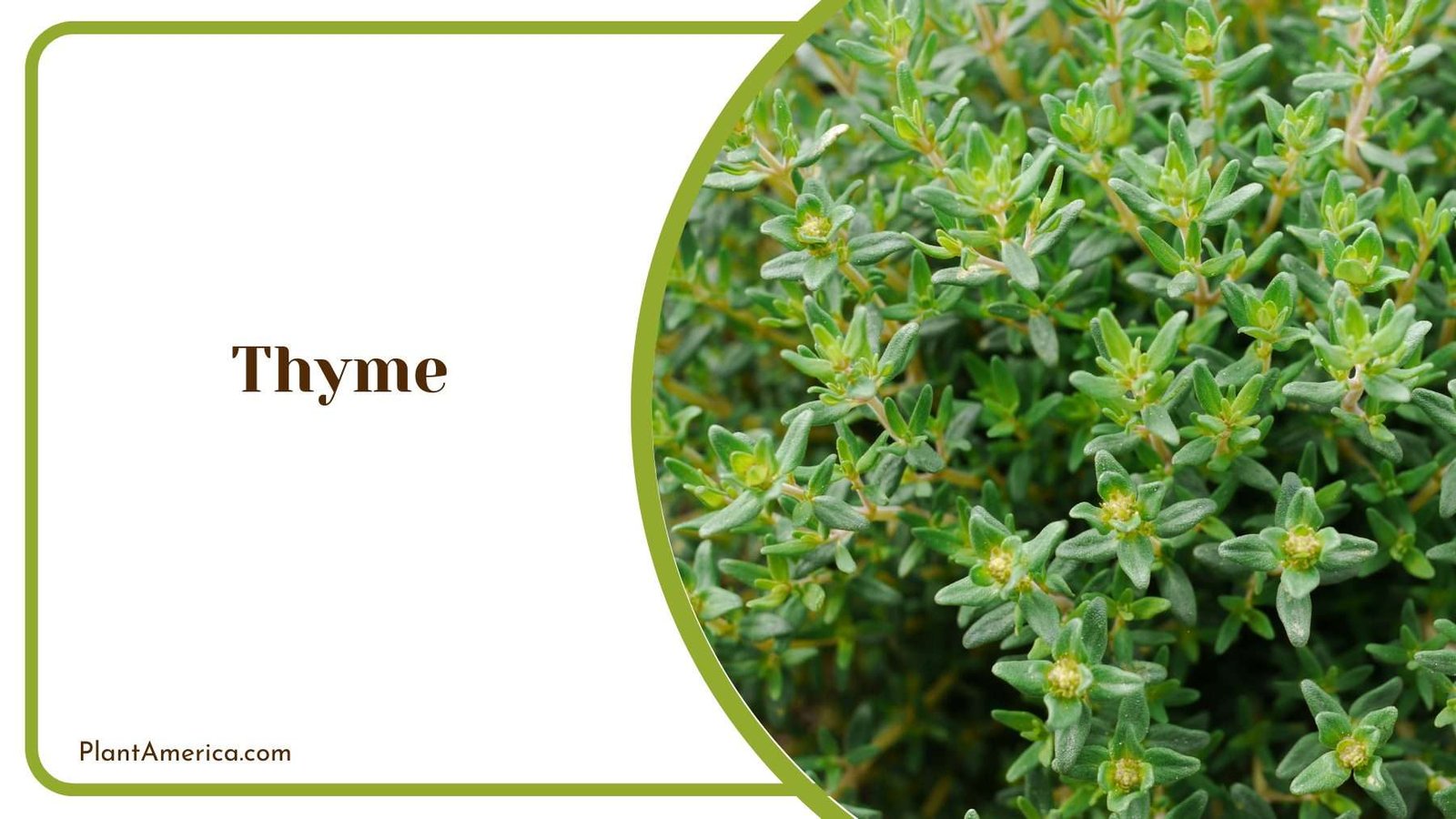
Aromatic thyme forms versatile ground cover between rose bushes, seasoning the landscape with ornamental appeal while warding off pests. Dense mats of tiny green or pink-tinged leaves pair finely with geometric rose structures or trailing varieties.
Beneficially, thyme emits powerful essential oils through its foliage repelling insects such as Japanese beetles, spider mites, and cabbageworm moths from laid roses without toxic means.
Hearty and drought-tolerant, thyme persists beautifully with minimal water once settled. Regular trimming reinvigorates its pest-deterring properties without fuss. Together, thyme and roses produce bountiful blooms naturally and organically as their relationship is mutually supported through exchanged floral beauty and live protection without reliance on grosser elements; a model ecological partnership.
15. Coneflower
- Growing Season: Summer, Fall
- Leaf Shape: Broad, Lobed
- Specific Needs: Full sun, Well draining soil
- Common Pests: Rust, Spider mites
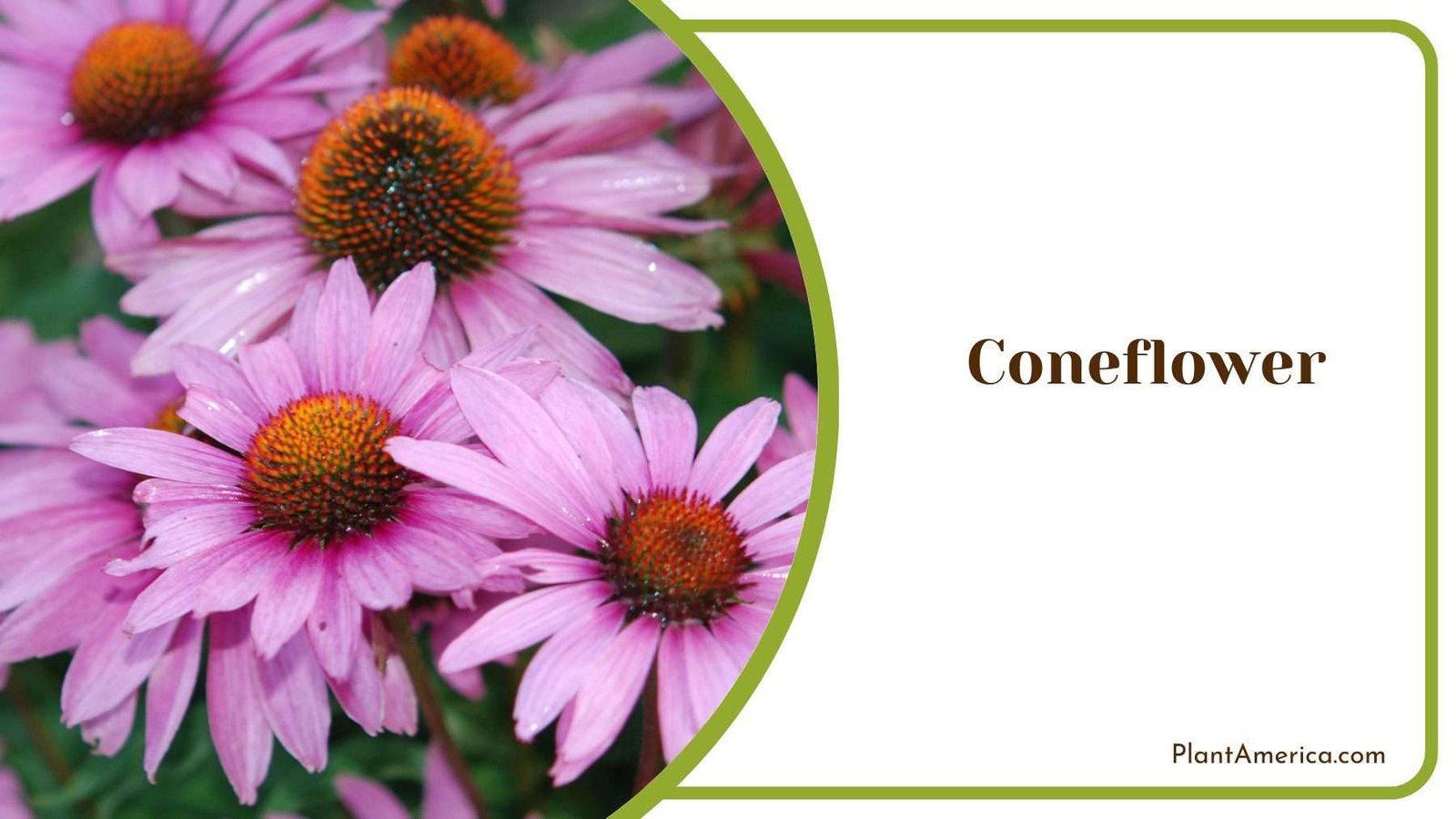
Statuesque coneflowers stand as robust companions to roses, providing beauty as well as natural pest defense. Clusters of daisy-like blooms in shades of purple, pink, or white nod tall above deep green foliage throughout summer.
As members of the Asteraceae family, coneflowers cultivate populations of parasitic wasps crucial to controlling detrimental soft-bodied insects such as aphids and Japanese beetles on nearby roses.
Also called Echinacea, their roots exude beneficial compounds strengthening roses’ resilience against disease and environmental stressors. Freely self-seeding with neglect, coneflowers require minimal care while repaying abundantly through ecological protection of prized floral partners.
Together, these prairie natives create biodiversity nourishing thriving growth with no need for outside intervention.
16. Bee Balm
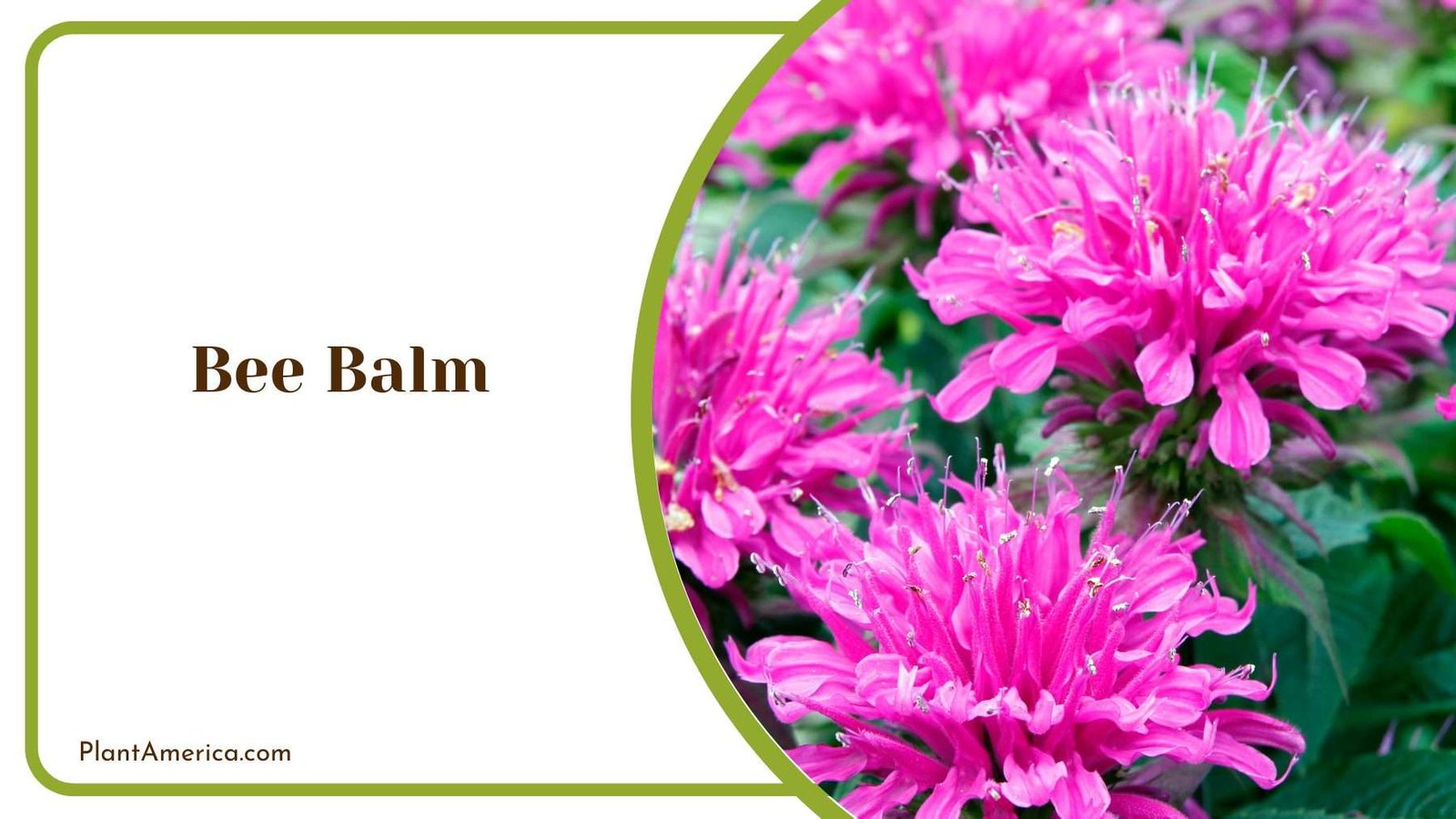
- Growing Season: Summer
- Leaf Shape: Aromatic, Heart-shaped
- Specific Needs: Full sun, Fertile soil
- Common Pests: Slugs, Snails
Mounds of gold or orange marigold blooms interspersed among rose bushes provide bountiful benefits of beauty and pest deterrence. As members of the Tagetes genus, marigolds emit natural chemicals through their leaves and flowers highly repellent or deadly to common garden threats such as nematodes, beetles, and many fungus-triggered diseases that could compromise rose health.
Their root exudates also stimulate microbial populations in surrounding soil crucial to balanced nutrient exchange and overall plant vigor. As a fast-growing, budget-friendly choice tolerant of most conditions, marigolds require scarcely any care beyond initial planting to shield roses organically from major health issues.
Their partnership creates a balanced, chemical-free environment to experience nature’s beauty at its fullest through the eyes of buoyant blooms.
17. Yarrow
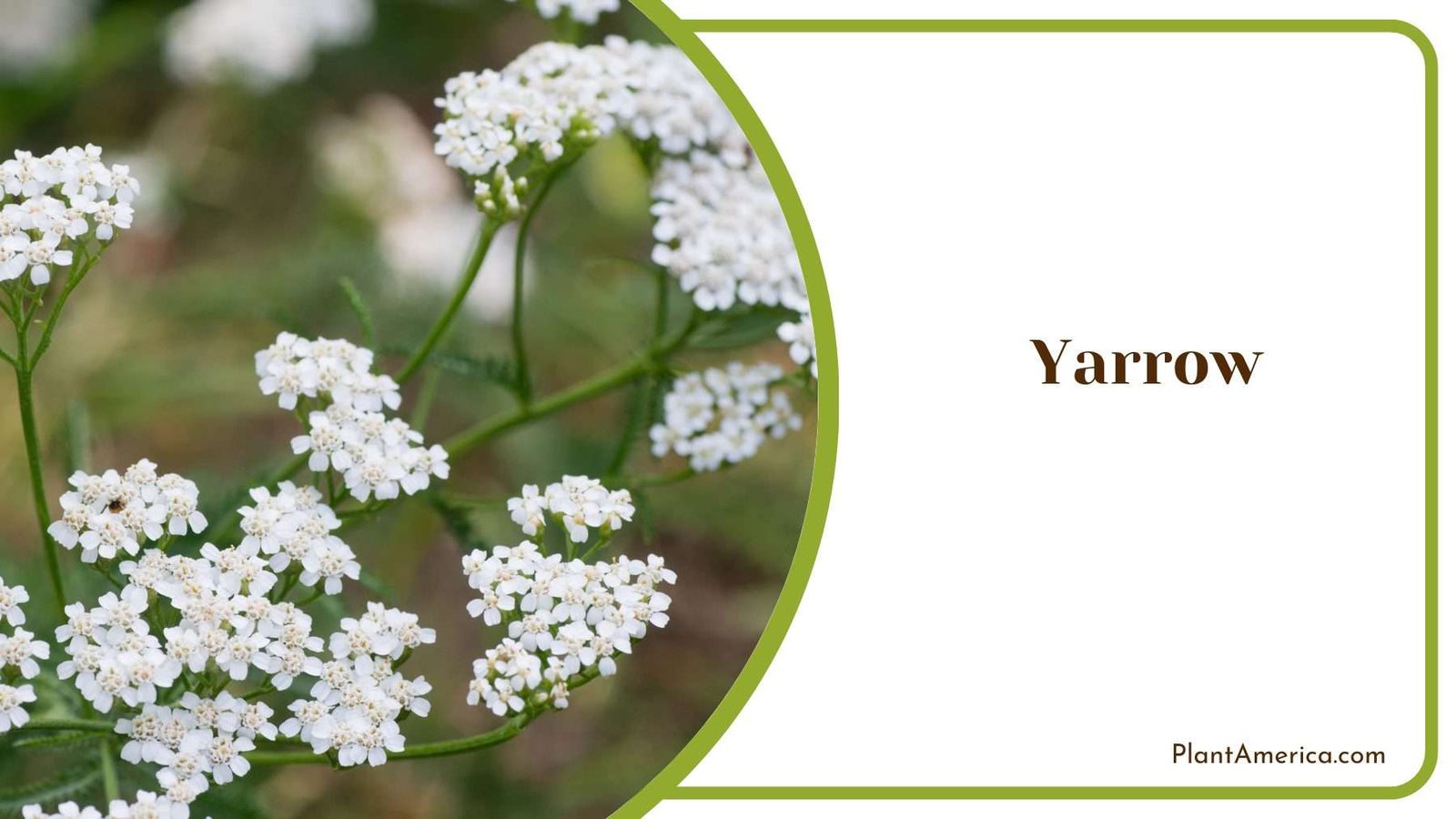
- Growing Season: Summer
- Leaf Shape: Fern-like, Feathered
- Specific Needs: Full sun, Well draining soil
- Common Pests: Downy mildew, Powdery mildew
Clumps of feathery yarrow leaves punctuated by flat-topped clusters of small white or pink flowers make a naturally pest-deterring addition to rose beds. As a member of the Asteraceae family, yarrow cultivates populations of parasitic wasps that prey on detrimental soft-bodied insects such as aphids and Japanese beetles on neighboring roses. Its aromatic volatile oils also repel deer and rodents from vulnerable plants.
Drought-tolerant with minimal care needs once established, yarrow enriches the landscape with its fern-like greenery for much of the season. Both the hardworking herb and prized blooms thrive as low-maintenance companions, finding balanced coexistence through yarrow’s pest protections imparted without need for synthetic intervention. Together their positive relationship bears fruit in full, healthy roses and biodiversity.
18. Dianthus
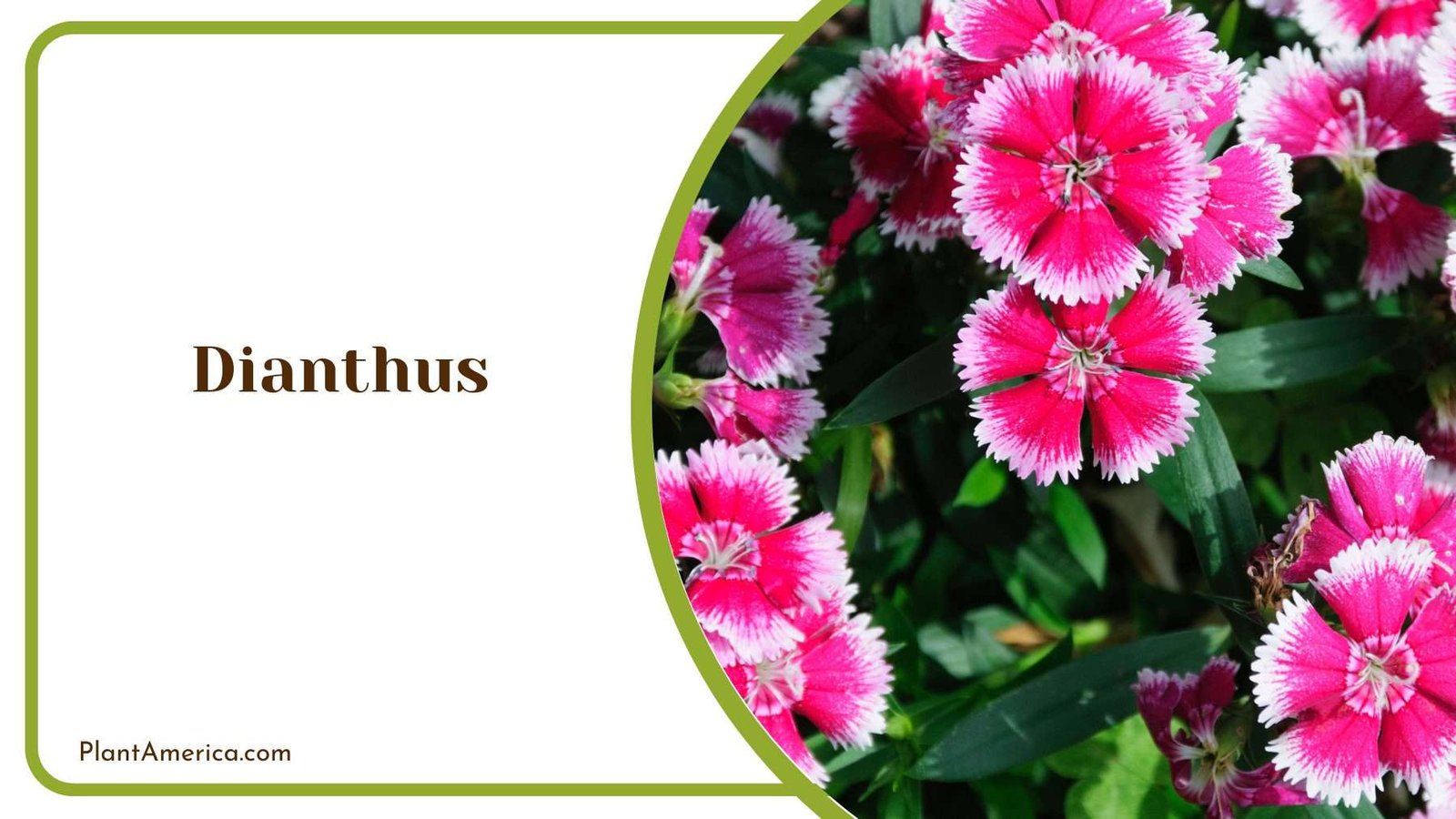
- Growing Season: Summer, Spring, Fall
- Leaf Shape: Narrow, Succulent
- Specific Needs: Full sun, Well draining soil
- Common Pests: Aphids, Thrips
Crisp clumps of dianthus flowers delicately framing gray-green foliage contribute beauty as well as natural pest protection to rose beds. Available in a vast color palette including bold pinks, crimsons and white, their cascading blooms offer season-long ornamental appeal.
Beneficially, dianthus exude aromatics through tidy bushes deterring detrimental insects such as Japanese beetles and squirrels from harassing adjacent prized plants.
Drought-resistant with infrequent needs once established, the hardy herbaceous perennial spreads gradually to multiply its safeguarding total without human intervention.
When cultivated amongst climbing or hybrid tea roses, both partners shine readily through their cooperative relationship – the roses freely in blooms, dianthus in kind defenses allowing crowds of color to flourish organically as neighbors should.
19. Lilies
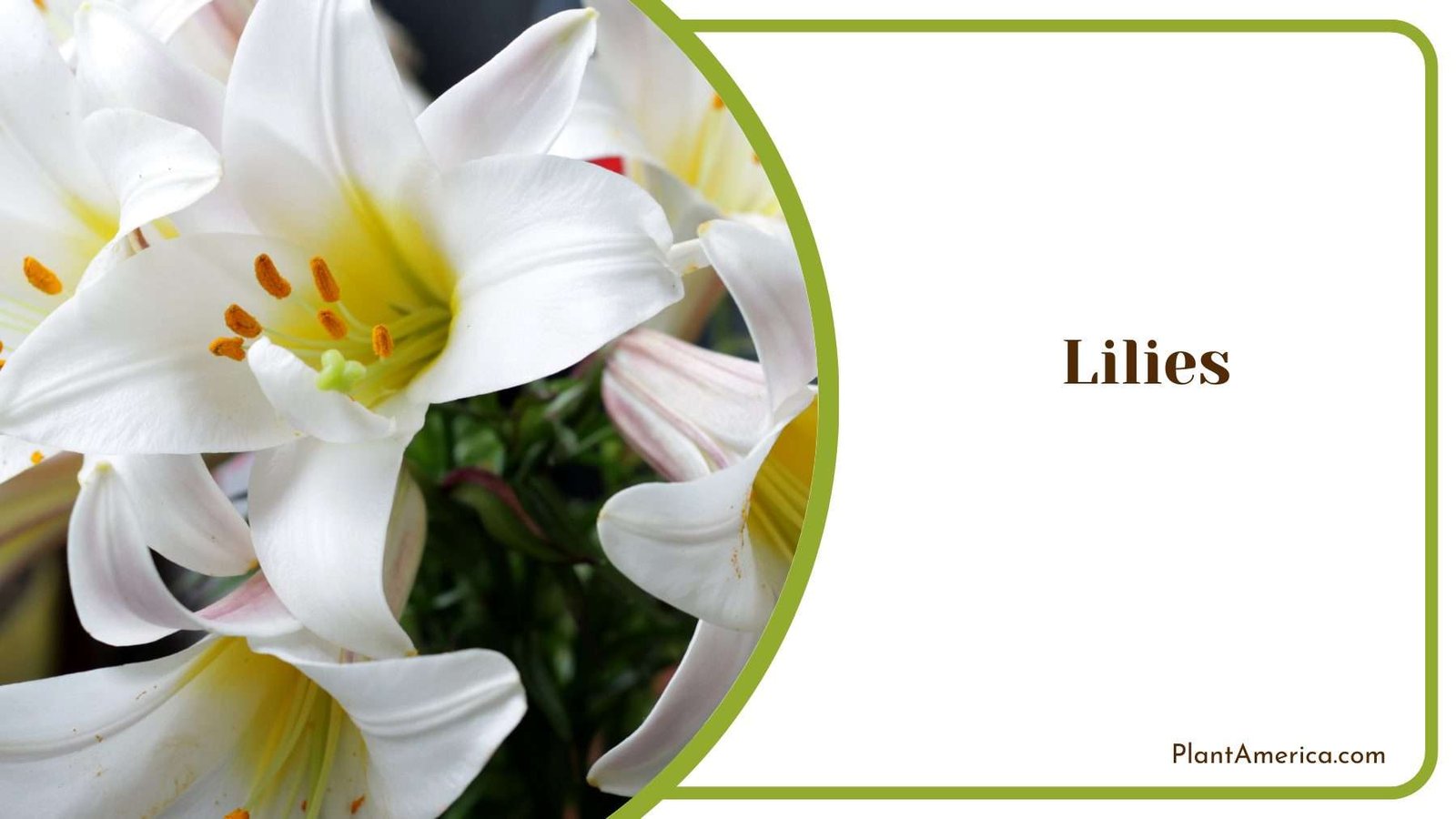
- Growing Season: Summer
- Leaf Shape: Long, Fan-like
- Specific Needs: Full sun, Well draining soil
- Common Pests: Lily leaf beetles, Leaf spots
Splendid oriental lilies stand stately amongst rose bushes providing exquisite beauty as well as pest-deterring properties through inherent traits. Their large trumpet-shaped blooms emerge on robust leafy stems bearing flowers in a vast array of colors.
As allium-family plants, lilies emit potent compounds from both leaves and blooms that spread an estimated 30 feet radius repelling many pests including deer, squirrels, Japanese beetles and more from vulnerable roses. Their protective sphere requires no human chemical applications while allowing velvety blooms to prosper freely amongst crustose relatives.
Beyond visual splendor and natural safeguarding, lilies contribute further benefits to surrounding campaigners as perennial allies. Graceful lily foliage enriches the soil with nutrients as it decays at season’s end, replenishing what other plants have absorbed for further growth.
Their large root structures also help create tunnels for beneficial microbial and fungal networks connecting with other plant life underground, facilitating balanced nutrient exchange and water movement.
With minimal watering requirements once established, the dramatic yet pest-preventing lilies make low-maintenance additions that reward greatly to biodiverse rose beds. Together in community, these beauties find perfect symbiosis through visual and ecological exchange without dependency on human intervention or synthetic substances.
Their cooperative relationship serves as a prime example of sustainability through nature’s balanced intricacies.
20. Anise
- Growing Season: Summer, Fall
- Leaf Shape: Palmate, Climbing vines
- Specific Needs: Full sun, Moist soil
- Common Pests: Aphids, Cucumber beetles
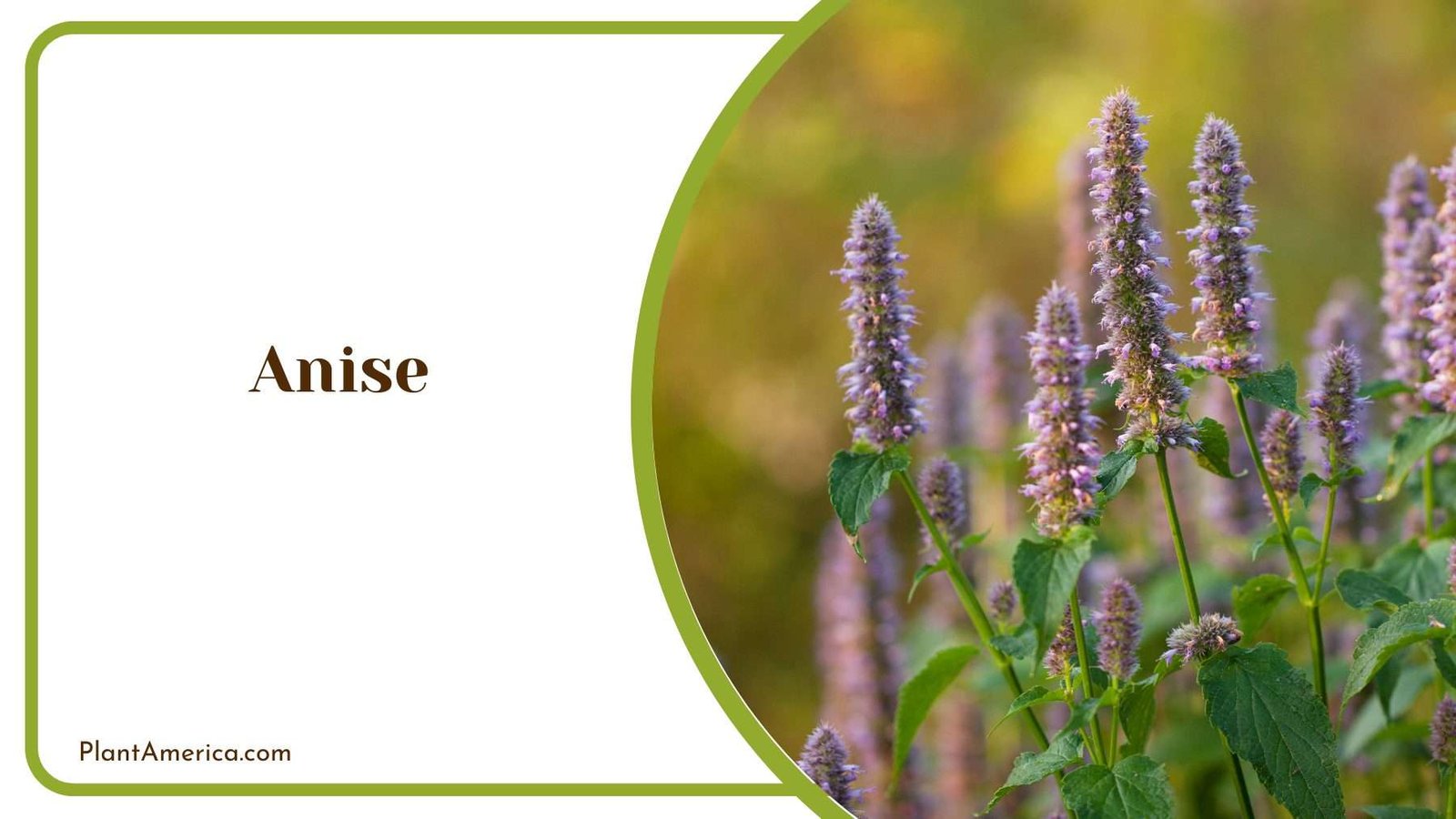
Anise is an excellent companion plant choice for roses in the garden. Often grown as an annual, anise attracts predatory insects like ladybugs, lacewings and spiders that help control common rose pests such as aphids, Japanese beetles and spider mites.
The aromatic leaves and yellow flowers of anise lure these beneficial insects to the garden.
As they feed on anise’s nectar, they also notice and consume potential rose pests nearby. Anise is a low maintenance option that deters pests without chemicals.
Simply scatter anise seeds around established rose bushes each spring to repel harmful insects organically. With anise as a natural wildlife habitat near roses, gardeners can enjoy their blossoms all season without hassling with unwanted guests..
21. Sunflowers
- Growing Season: Summer, Fall
- Leaf Shape: Alternate, Arrowhead shape
- Specific Needs: Full sun, Well draining soil
- Common Pests: Aphids, Sunflower beetles
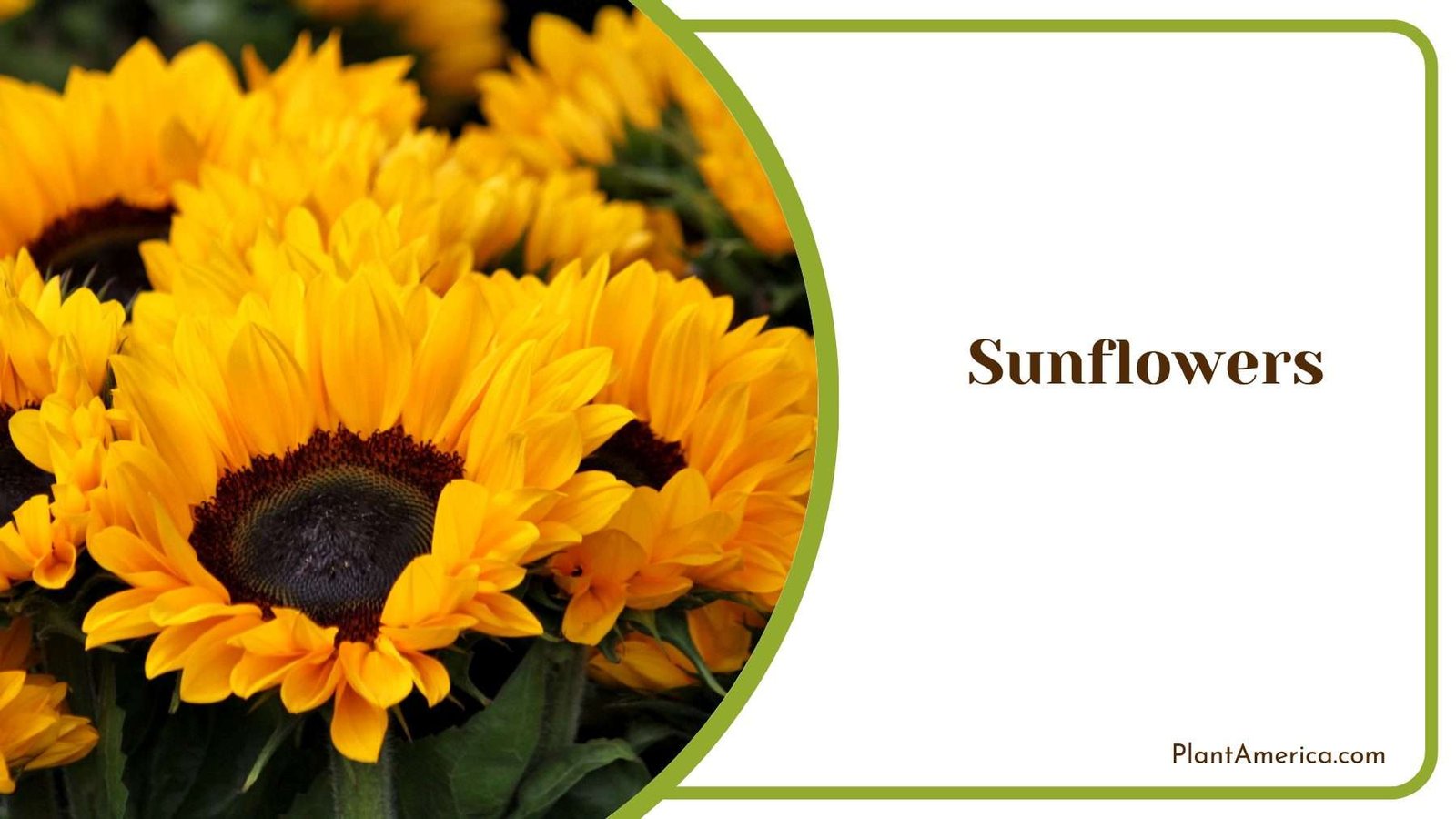
Bold sunflowers tower stately above rose bushes, lending beauty as well as natural pest deterrence through innate qualities. Their large brown discs circled by bright yellow, orange or multicolored petals stand as focal points among smaller blooms below.
As members of the Asteraceae family, sunflowers cultivated near roses offer invaluable benefits. They attract parasitic wasps that prey on dangerous soft-bodied insects like aphids and Japanese beetles which may otherwise compromise the health of nearby roses. Their deep roots also access water and nutrients from below, pumping valuable minerals backup to enrich the surrounding soil.
Requiring minimal care beyond initial planting and staking if needed, sunflowers spread cheer as hearty volunteers from self-sown seeds year after year. This spontaneous return allows their ecological protections to recur constantly without human intervention.
Together, sunflowers and roses demonstrate a model symbiotic relationship for balanced biodiversity and natural pest management through visual and systemic strengths provided voluntarily by sunflowers’ inherent qualities. Untended, this bountiful partnership thrives by cooperating with nature’s ethical ways.
22. Phlox
- Growing Season: Fall
- Leaf Shape: Broad, Alternate
- Specific Needs: Full sun, Well draining soil
- Common Pests: Aphids, Thrips
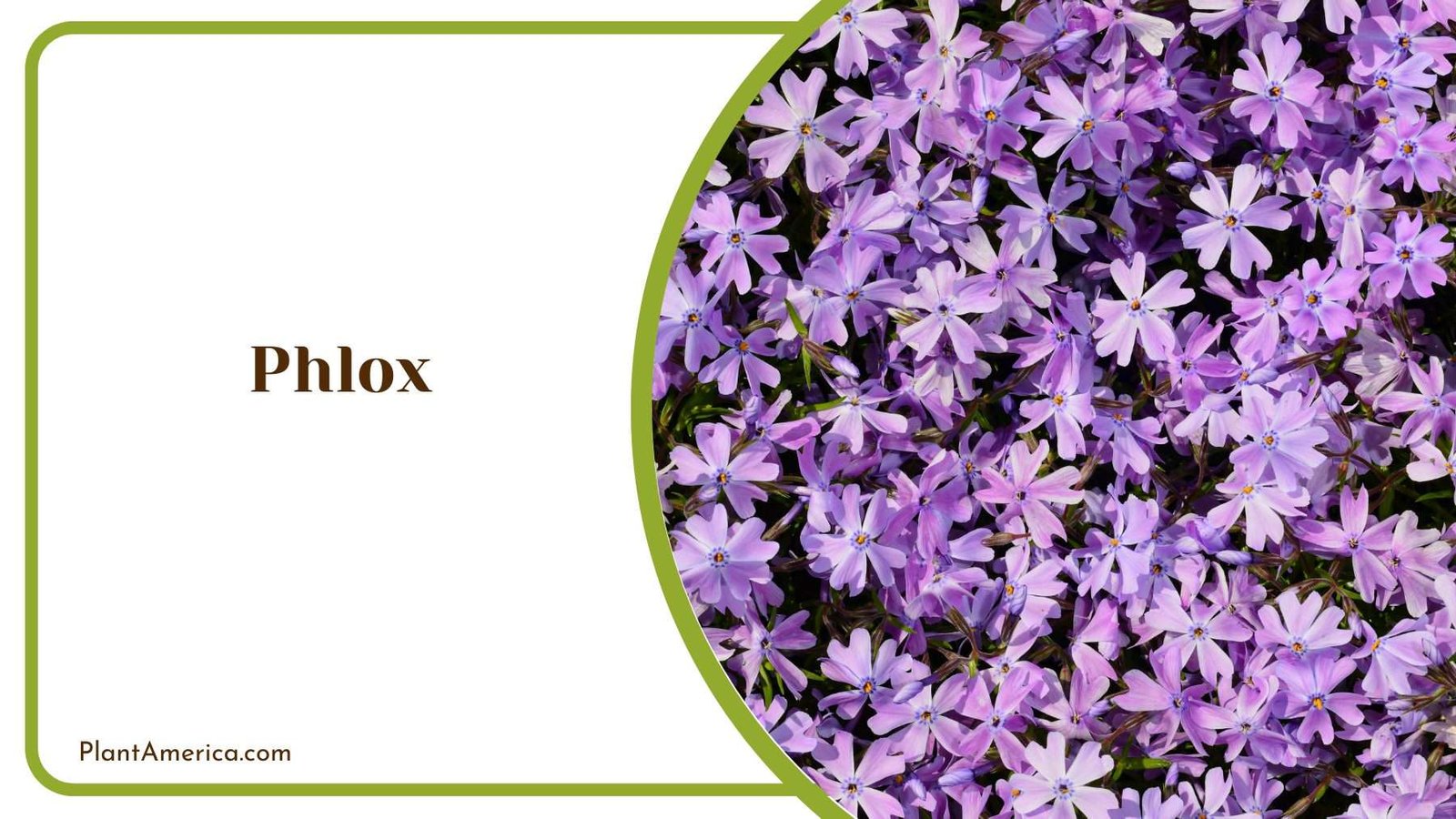
Phlox is an excellent companion plant choice for roses in the home garden. When planted amongst roses, phlox attracts pollinators crucial to both plants’ reproduction cycles. Bees, butterflies and hummingbirds are drawn in by phlox’s showy flower displays from summer through fall.
The staggered bloom times of many phlox varieties ensure a continuous supply of nectar in the rose garden. Their colors also provide visual interest and guide pollinators from one plant type to the next. This supports high pollination rates that result in abundant, healthy rose hips and possible seed pods on phlox varieties.
As perennials, phlox fulfill a groundcover role once established. Their foliage forms a living mulch that suppresses weeds that could compete with roses for water and nutrients. This eliminates the need for synthetic herbicides near the roses.
Additionally, phlox is rarely bothered by pests itself so does not host or spread common rose issues like aphids, Japanese beetles or powdery mildew. Its presence enriches the beneficial insect population serving as natural biological controls.
Phlox is a low-maintenance companion that beautifies the landscape while supporting roses’ pollination and soil health through natural pest and weed management techniques. Both plants thrive when cultivated together..
23. Petunias
- Growing Season: Fall
- Leaf Shape: Opposite, Smooth edged
- Specific Needs: Full sun, Well draining soil
- Common Pests: Aphids, Thrips
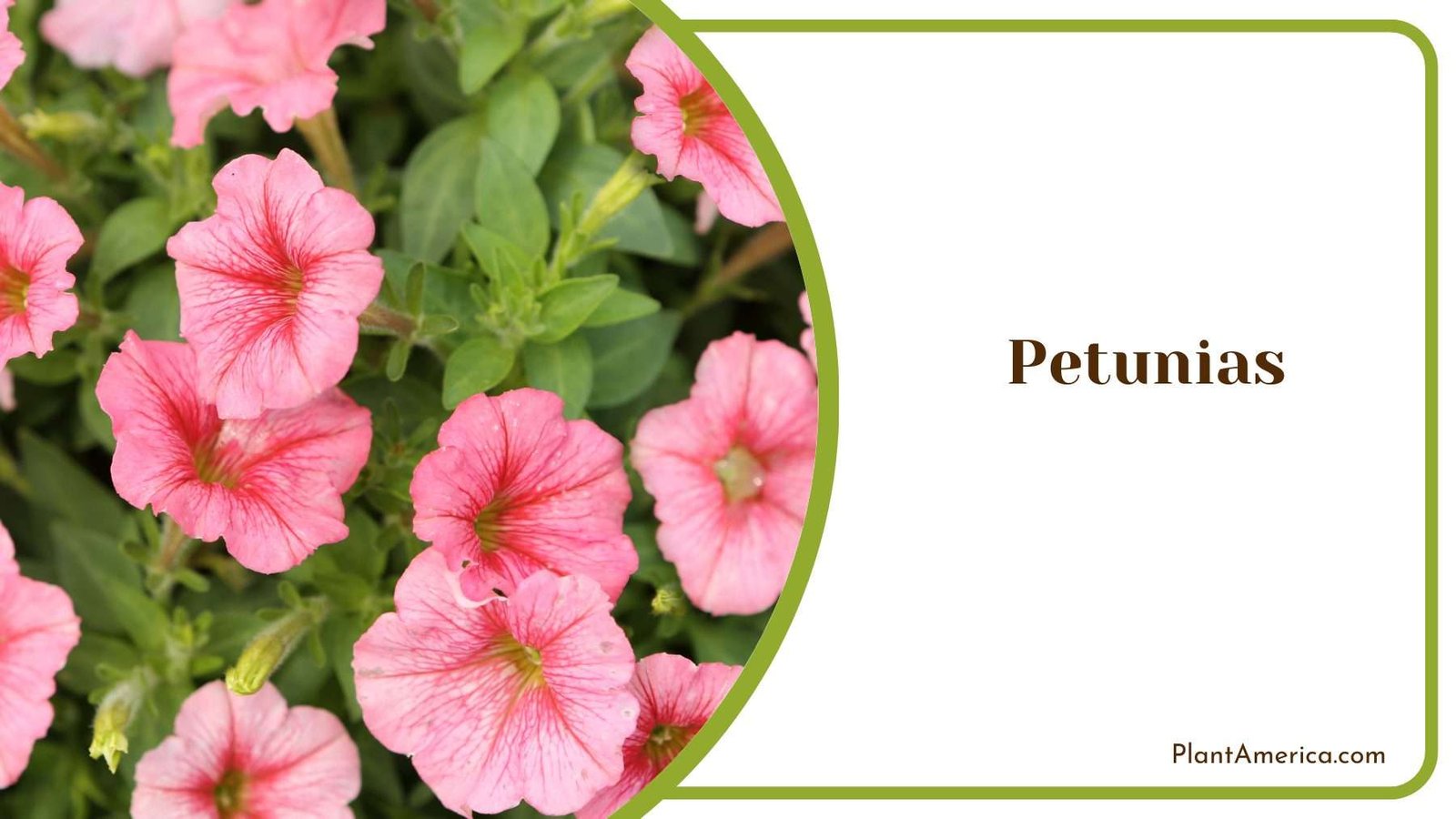
Cascades of petunias tumbling from containers or borders sprinkling rose beds offer vibrant color alongside multifaceted benefits. Their vividly hued blooms in shades from fuchsia to purple to white appear continuously spring through fall.
As members of the Solanaceae family, petunias cultivate predatory insects helpful to organic rose care through nectar in their dangling flowers. They also produce chemicals repellent to detrimental pests like Japanese beetles and spider mites, safeguarding nearby blooms.
Low-maintenance petunias thrive rain or shine with minimal water once established, brightening surroundings consistently. As companions, their visual spectacle also allows appreciation for intricately balanced relationships in biodiverse spaces requiring little more than an initial planting.
Together amidst ramblers, floribundas or climbing roses, these beauties find harmony. The roses bloom freely under petunias’ watchful natural protections, while petunias benefit from visual prominence. Their synergistic ties showcase sustainability derived from cooperation in accordance with nature’s wisdom.
24. Nasturtiums
- Growing Season: Fall
- Leaf Shape: Oval, Lobed
- Specific Needs: Full sun, Well draining soil
- Common Pests: Aphids, Whiteflies
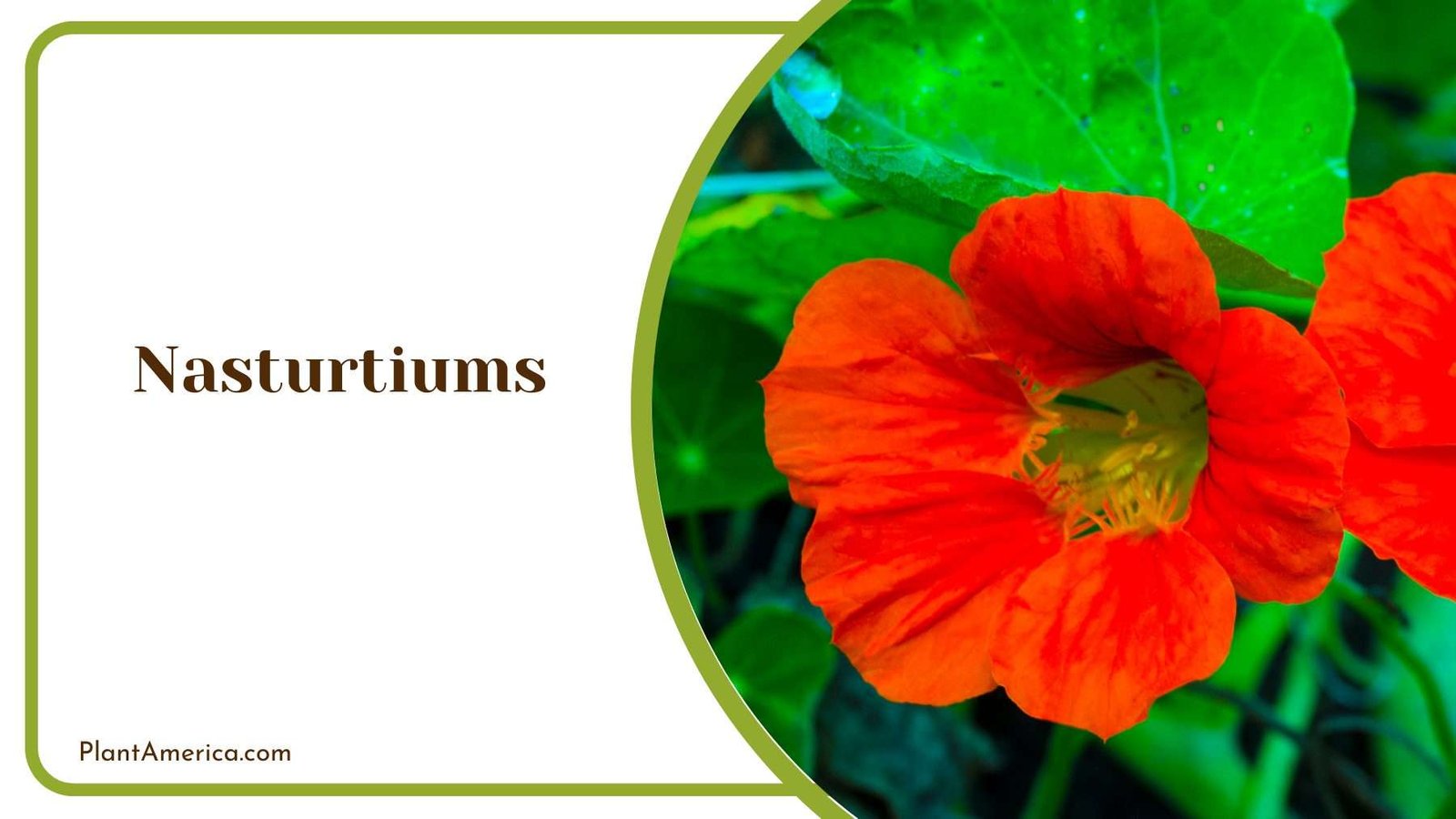
Vining nasturtiums twine gaily through rose bushes, providing visual appeal as well as multifaceted benefits through naturally inherent properties. Blossoms in shades from yellow to orange to red peek between dark green leaves and offer early nectar to pollinators before other flowers emerge.
As members of the Brassicaceae family, nasturtium roots exude chemicals suppressing soilborne diseases potentially damaging to nearby plants like powdery mildew and blackspot. They also produce airborne compounds attracting predatory insects and repelling a variety of pests.
Requiring insignificant care, nasturtiums reward greatly through the holistic protections exchanged where they co-mingle with roses with balanced, chemical-free harmony and lush surrounds of interwoven beauty.
25. Rosemary
- Growing Season: Year-round
- Leaf Shape: Aromatic, Needle-like
- Specific Needs: Full sun, Well draining soil
- Common Pests: Aphids, Spider mites
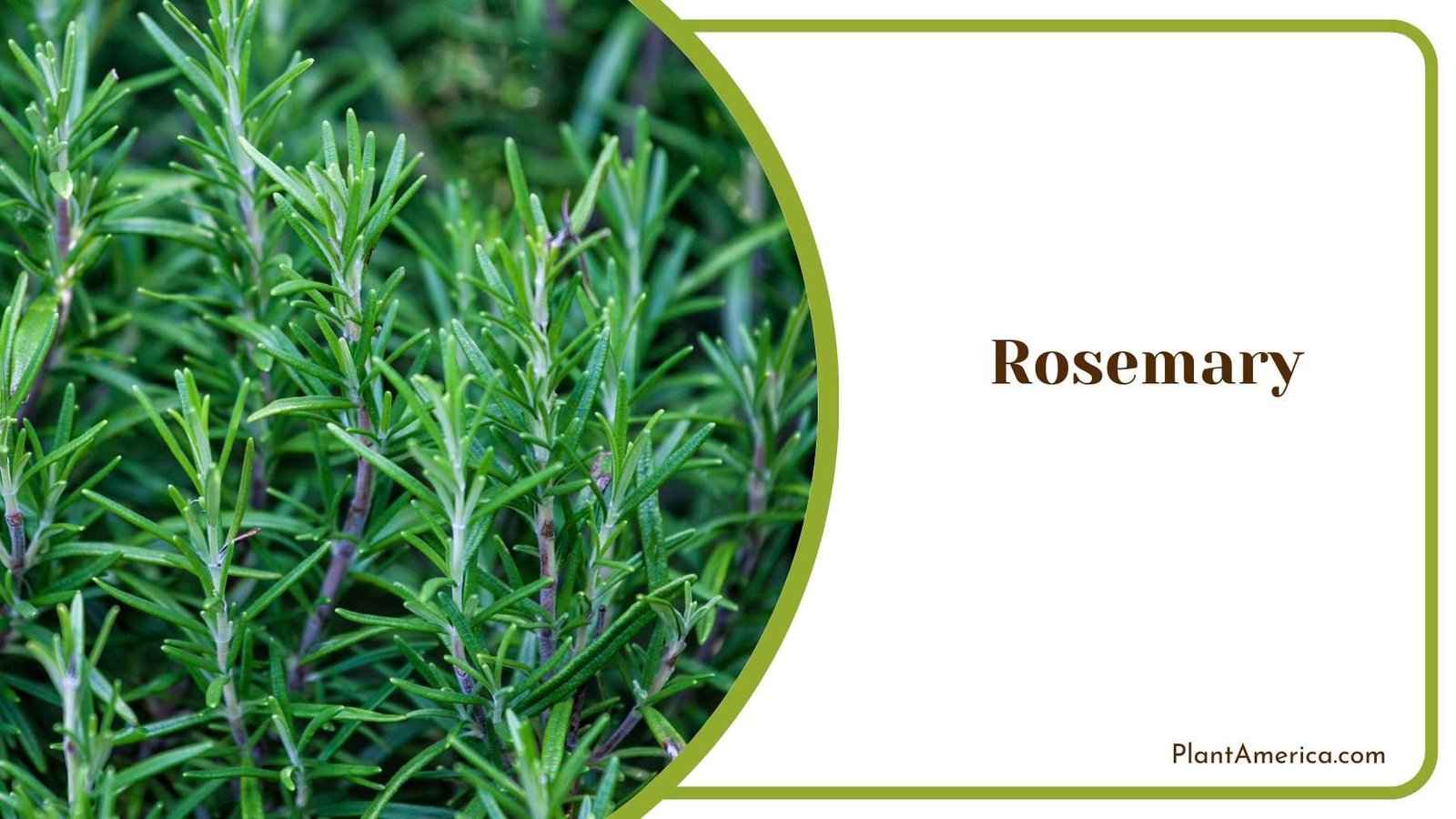
Woody rosemary shrubs nestled amongst rose beds contribute ornamental structure alongside beneficial properties. Their grayish needle-like leaves and vivid blue flowers lend fragrance and texture to landscaping year-round.
Beneficially, rosemary deters many pests organically through natural defenses. Its potent aromatic oils deter Japanese beetles and other insects while also repelling deer and rabbits from vulnerable roses when planted as companions.
Hardy and drought-tolerant with rare watering needs, rosemary grows vigorously without fuss. Come colder months, its evergreen accents provide visual interest beyond the blooming season as well.
When cultivated together, roses and rosemary form a balanced, mutually advantageous bond. The herbs’ protection fosters robust and abundant rose growth without reliance on damaging inputs. In return, rosemary receives all the security and structural placement it requires to flourish as a hardy perennial ally to beautiful composition. Their peaceful relationship expresses sustainability originating from nature’s cooperative blueprint alone.
Conclusion
Vibrant living tapestries emerge when choosing plants harmonious with roses based on growing conditions and design needs.
- Tansy maintains a fierce reputation as a rose companion due to its potent ability to confuse many common garden pests.
- Woody rosemary forms structural backdrops for sprawling rose thickets with its woody gray-green ornament.
- Cheerful daisies greet each season with sunny faces, providing constant blossoms for bouquets or straightforward happiness.
Tend these friendships with minimal effort yet reap continually, from vibrant blooms to nourishing kitchens. Observing nature’s wisdom firsthand inspires appreciation for interconnected ecosystems and cooperation therein.