
How to transplant olive trees of the Oleaceae family isn’t always easy. Larger trees require a whole crew, but the smaller ones can be easily planted in warm climates. Choose the sunniest location in your backyard, or grow this tree in a pot to protect it from freezing temperatures. Spring is the best time for transplanting.
 People have been growing and harvesting olives for thousands of years, and repotting olive trees can enhance your landscape and fill your backyard with delicious and edible fruits. So, where should you grow olive trees? How do you dig up an olive tree? What are the best tips for transplanting large olive trees? Our gardening team will answer all these questions.
What Are The Main Steps For Transplanting Olive Trees?
The main steps for transplanting olive trees include picking the right time and preparing adequately for planting. After doing this, you have to dig up the tree before actually planting your tree in the soil. Once you have planted the tree, you just have to take care of it.
Olea europaea trees are evergreen trees that belong to a big family of fruiting and fruitless trees, native to Asia Minor and later planted in Europe in ancient times. Some historical resources claim these trees originated in Lower Egypt and Ethiopia. Growing olive trees will be an excellent addition to your Mediterranean garden and can shade driveways, pathways, and pools.
These amazing shade trees can be single or multi-branched, adding beauty to your backyard in dry and warm climates. Growing potted olive trees will be your best bet in colder climates, as you can protect these gorgeous plants from freezing temperatures and unruly winds.
Compared to other trees, olives are slow-growing, and as they mature, their growth rate slows down even more. You might need to transplant an olive tree if it’s obstructing the view or you want to change your landscape design. You can also consider transplanting a potted tree into your garden to allow it to spread a little more.
1. Pick The Right Time
It’s pretty standard to find olive trees for sale because some people hate the mess of the fruiting species. Others can grow the fruitless varieties but still be allergic to the pollen.
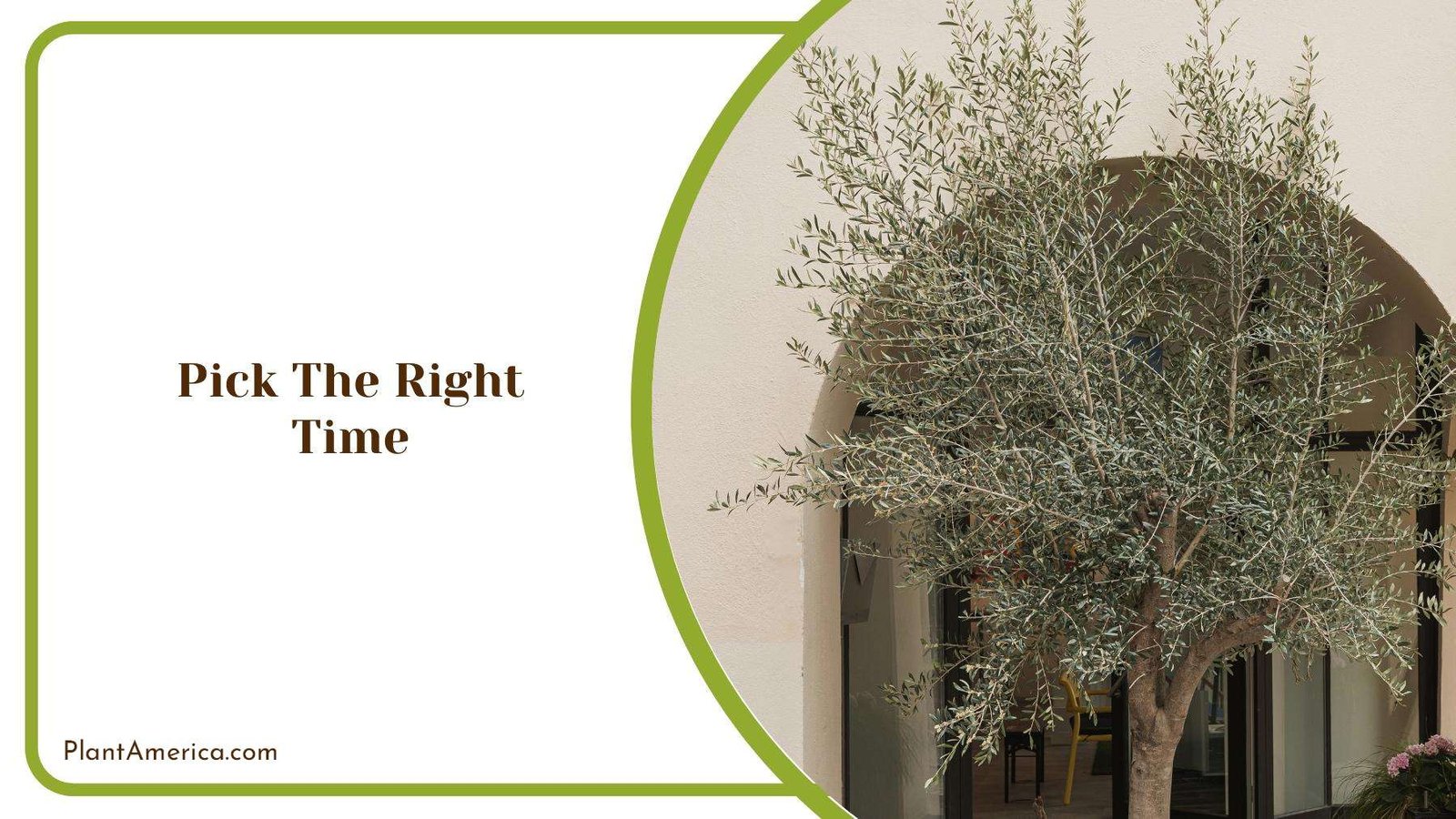
You won’t have to worry about repotting your Olea europaea tree that often. Potted plants should be transplanted more often because the pot doesn’t grow with the plant. However, if your tree is already growing in the garden, you might only have to transplant it once or twice.
Most home gardeners transplant trees when they first get them because growing an Olea europaea tree from seeds is a long and challenging process. The resulting tree usually won’t look much like its parent cultivar.
Once planted, you don’t have to follow a fixed schedule for replanting your tree. If you have a potted tree, you might need to transplant it once a year when it’s still young. After it matures, you can transplant it once every 2 to 3 years.
Whether grown in a pot or in your garden, you should pick the transplanting time based on the tree’s growth cycle. In warmer climates, you can transplant your tree in late winter, in February or March, and in colder climates, you can wait till mid or late spring.
The tree is experiencing active growth during this time, which allows it to overcome the transplant shock and acclimate to the new environment. In some areas, gardeners wait a little longer. So, if you wonder how to transplant olive trees in California, you’d be surprised to know that most people wait till mid-summer to do this job. It is when moisture-related diseases are minimal and the tree is more likely to survive.
2. Prepare For Planting
An olive tree is usually used for shade, and dwarf cultivars are used as landscape shrubs. You can also plant a fruiting tree to attract wildlife forms to your backyard, but these can be messy.
You should pick a sunny spot for your tree where it can receive at least 8 hours of full sun to stay healthy. Trees thrive in USDA 8 to 11 when grown outside, but planting trees in a pot will be a better option if you live in a colder climate.
An excellent-draining mix with sand humus-rich soil will be the right choice for your tree. Any problem with draining can lead to root rot and kill your tree. You can also plant this tree in rocky locations, so mix the soil with gravel or perlite at the new site.
You should dig a trench to accommodate your tree, but the depth depends on the size of the root ball. Once you’ve dug up the old tree, remove all the moss and weeds from the ground to ensure that your tree can absorb nutrients properly.
So, how to transplant olive trees in pots? This will be a more straightforward process, as you should pick a well-draining mix and a suitable pot, and you’ll be ready to transplant your tree. Adding egg shells and bone meal will provide the soil with enough potassium to make the plant more resistant to cold temperatures.
When transplanting your tree to a new pot, pick a container 2 inches larger than the current one. The pot should have several drainage holes and a layer of gravel and clary shards to improve drainage. A plastic pot might not be aesthetically pleasing or support the weight of a mature olive tree. It’s best to pick a terracotta or clay one that won’t topple over when the tree grows.
3. Digging Up The Tree
The steps to properly transplant a tree differ whether you plan to transplant the tree to a different spot in your garden, from a pot to the backyard or an old pot to a new one.

For garden trees, you should assess the size of the current root ball to determine the size of the new hole you’ll dig to transplant the tree. Use a shovel to line the tree and the resulting circle to be your guide.
Dig a hole around the root ball and cut the big roots to be able to pick the root ball. You can see that the bark changes color, and this is where you should start measuring to determine the depth of the new hole for your tree. Although you’ve cut some roots, they can heal and grow at the new transplanting location with proper care.
Keep severing around the root ball until your tree is free. Depending on the size of the tree, you might be able to move it on your own. More enormous can be too large, and you’ll need several people to help you with the process. You might need to rent a crane to pick up the tree. It will be able to carry the tree to the new location.
Transplanting small olive trees in pots is different. If you want to transplant your tree to a bigger pot or a new location in your backyard, you can start twisting the plant slowly to release the root ball without breaking it. However, you might be unable to pull the tree out of the soil. In this case, you should crash the old pot to free the root ball. Avoid handling the tree from the stem, as it can easily break.
So, how to prevent olive tree transplant shock? Small trees are more vulnerable, so they might not be able to assimilate like the older ones. Once removed from the soil, examine the root ball for any dead roots. These should be removed because they won’t be able to absorb any water or nutrients and will make the symptoms of transplant shock worsen.
4. Planting Your Tree
Most Olea europaea trees are drought-resistant once mature. However, after transplanting, they need plenty of water to build their root systems and allow them to get established.
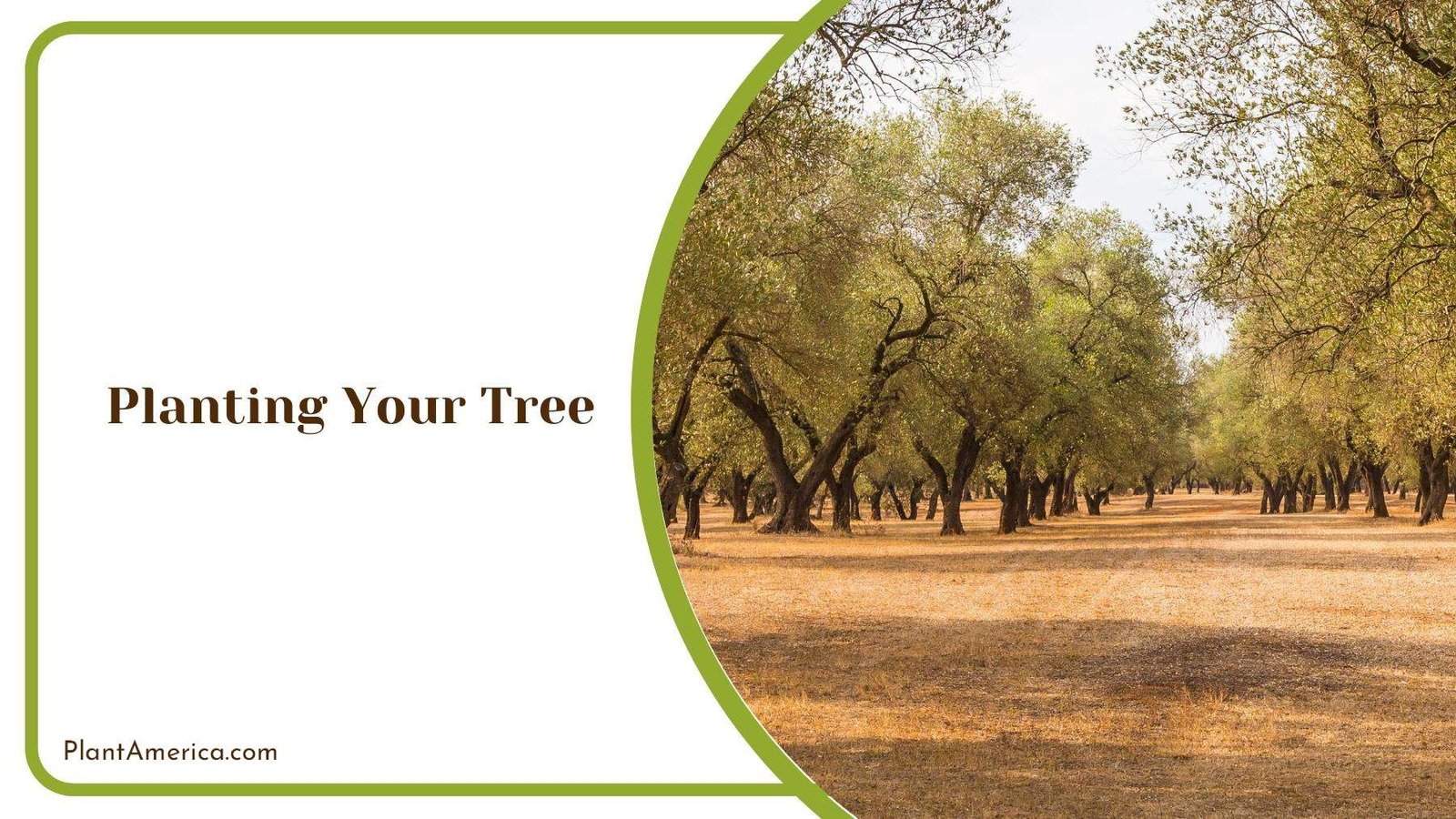
After digging a basin to support the roots of your tree, create a well with an edge about 6 to 12 inches high from the leftover backfill. Make sure that this well’s edge is about 12 inches away from the root ball to provide the root system with enough moisture to help the roots get established.
Fill this basin with water to help the tree acclimate at the new location. If you have an overly large tree, you probably won’t need staking to keep it in place after transplanting. This basin should be kept moist, especially during the hot months. Ideally, you should keep the roots moist for the first 90 days after transplanting to guarantee your tree’s survival. However, you shouldn’t overwater it to prevent root rot.
For potted trees, add a drainage layer at the bottom of the new pot and add a well-draining potting mix to fill about 30% of the new pot. Lightly press the soil down and put your potted tree on top.
Continue to fill the pot while straightening the trunk and fill the space between the root ball and the pot. Afterward, you should press the soil to keep the tree in place.
5. Caring For Your Tree
Whether you have a potted tree or are growing it in your garden, you should water it regularly but not soak it. The water helps fill the air pockets that might dry the roots and prevent them from getting established.
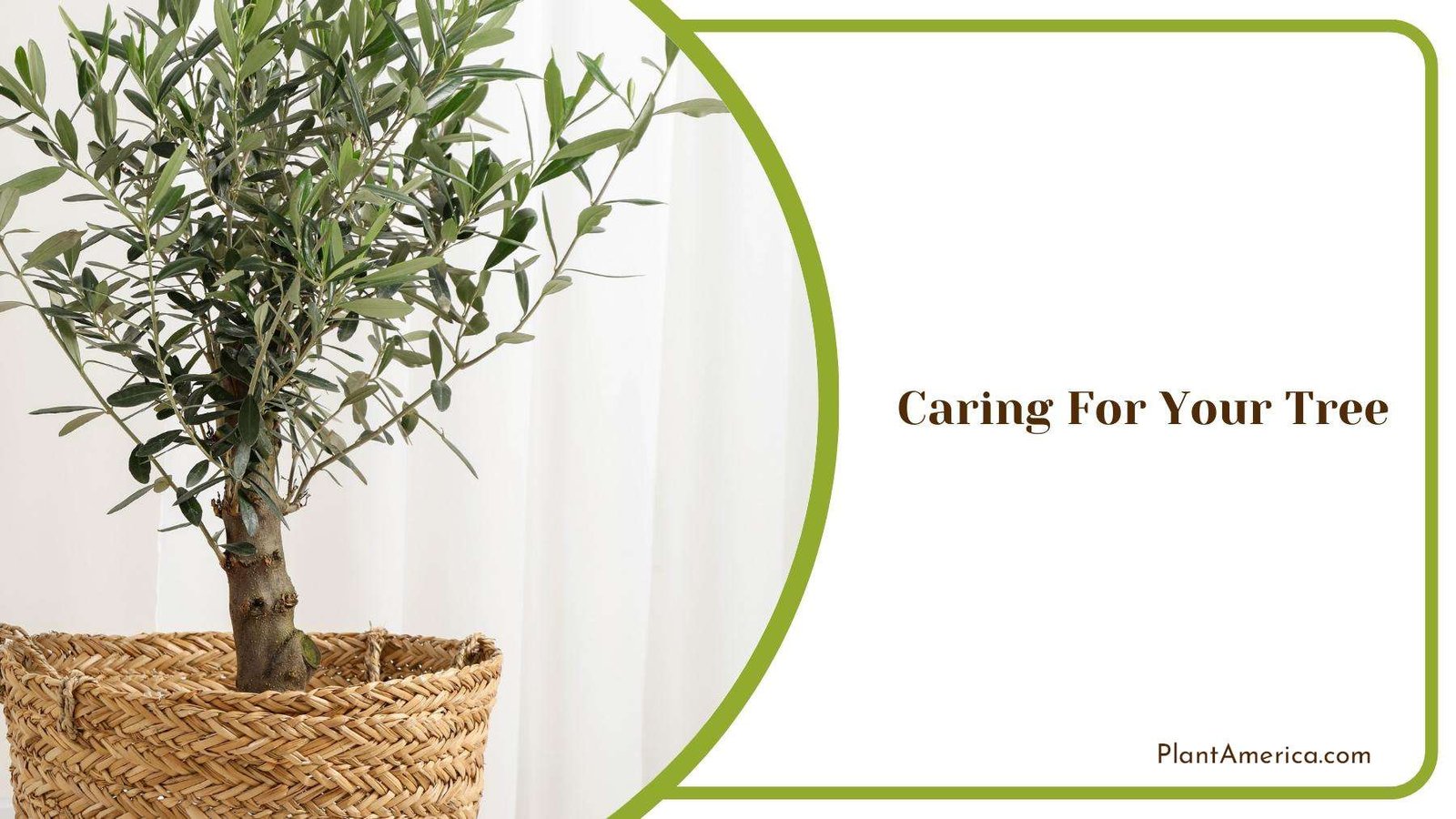
Expert gardeners recommend watering your tree at the roots and the base to avoid damaging the delicate foliage. Check the moisture level using a soil moisture meter by tilting it towards the root ball. If it’s dry, you should provide more water. After your tree is established, you should remove the water well.
Following a preset watering schedule might not work for potted trees. You should always test the soil’s moisture and maintain a high moisture level for a few months until your tree has established.
Olea europaea trees aren’t heavy feeders but can benefit from regular feeding after transplanting. A high-nitrogen fertilizer applied in the springtime will allow this gorgeous tree to overcome the transplant shock and boost foliage growth.
FAQs
– Do Olea Europaea Trees Have Deep Roots?
Yes, Olea Europaea trees have root systems that can be between 2 to 5 feet deep, so they’re considered shallow root systems. After planting, it will grow its taproot for the first few years and then continue to grow suckers that should be pruned regularly to keep the tree healthy.
– Can You Transplant Olive Trees Under Shade?
Yes, you can transplant olive trees under shade as these trees can tolerate some shade in hot climates, but intense shade will degrade their foliage and decrease fruiting. The tree will become leggy, the crown will become less dense, and the tree will be prone to diseases in full shade.
– How Far Should You Space These Trees In Your Garden?
Ideally, you should leave a space of 20 feet between trees because this is how far an average tree’s root system will spread. Pruning the tree will maintain its shape if you want to keep a compact crown in its overall condition.
Conclusion
Olea europaea trees are popular in gardens and as indoor potted plants in colder climates. If you follow the proper steps, transplanting a tree isn’t difficult.
- These trees require full light exposure and should be grown in well-draining soil.
- If you want to transplant a large tree, ask for help because the tree and its root ball can be too heavy to carry.
- You should create a water well for garden trees to keep the root ball moist.
- When you transplant a potted tree, you handle the root ball gently and avoid twisting the stem.
Enhance the beauty of your landscape with this Mediterranean beauty and water it regularly after transplanting to help it get established.