
Green flowers are less common than their more vibrantly colored cousins, but their subtle beauty should not be overlooked. In this article, we will explore amazing varieties of green flowers that can add a touch of Nature to your garden without dominating the space.

Whether you want pops of emerald among other plants or green flowers to be the stars of your sparse Zen garden, we give you plenty of options to brighten up your outdoor space with their subtle, elegant hues. Read on to discover your new favorite green-bloomed beauties!
Green Flowers in Stunning Varieties for Your Gardens
1. Hydrangea

- Growing Season: Spring, Summer
- Leaf Shape: Oval, Round, Often turning red or purple in fall
- Specific Needs: Prefers partial shade, Well-draining soil
- Common Pests: Mildew, Rot
Hydrangea is one of the most beloved and popular flowering shrubs found in home gardens across the world. Their large heads of blooms, which can appear in shades of green, pink, blue, or purple depending on soil chemistry, provide months of interest throughout the summer season. As the blooms fade, they often take on an attractive rusty-brown color that adds further visual appeal up until frost.
Native to eastern Asia, hydrangeas have developed hardy, coarse stems that allow them to adapt to a variety of climates. In ideal conditions they can reach heights of over six feet, forming substantial visual features in the landscape. Their deep, wide leaves remain green throughout the growing season, providing a lush backdrop for the showy floral displays.
Home gardeners have many hydrangea varieties to choose from to suit their growing conditions and design preferences. Bigleaf hydrangeas tend to grow to the largest stature, reaching up to 10 feet tall and wide, and thrive best in zones seven through nine with rich, moist, acidic soil.
Panicle hydrangeas hold their conical flower clusters proudly above coarse-textured leaves and tolerate warmer temperatures better than other hydrangea types. Recent introductions like ‘Let’s Dance’ produce blooms in shades of lime green that help the plant stand out amongst other foliage.
With a bit of pruning in late winter to shape the previous season’s growth, and fertilization throughout the spring and summer months, hydrangeas reward dedicated gardeners with a bountiful display of uniquely colored blooms year after year.
Their longevity and low maintenance needs make them a top choice for florists and cut flower arrangements as well. Whether grown as a solitary specimen or incorporated en masse into borders and beds, hydrangeas are sure to be the star attraction of any garden they grace.
2. Verbena
- Growing Season: Spring, Fall
- Leaf Shape: Tiny, Rounded, Serrated
- Specific Needs: Prefers well-draining soil, Heat tolerance
- Common Pests: Powdery mildew, Spider mites
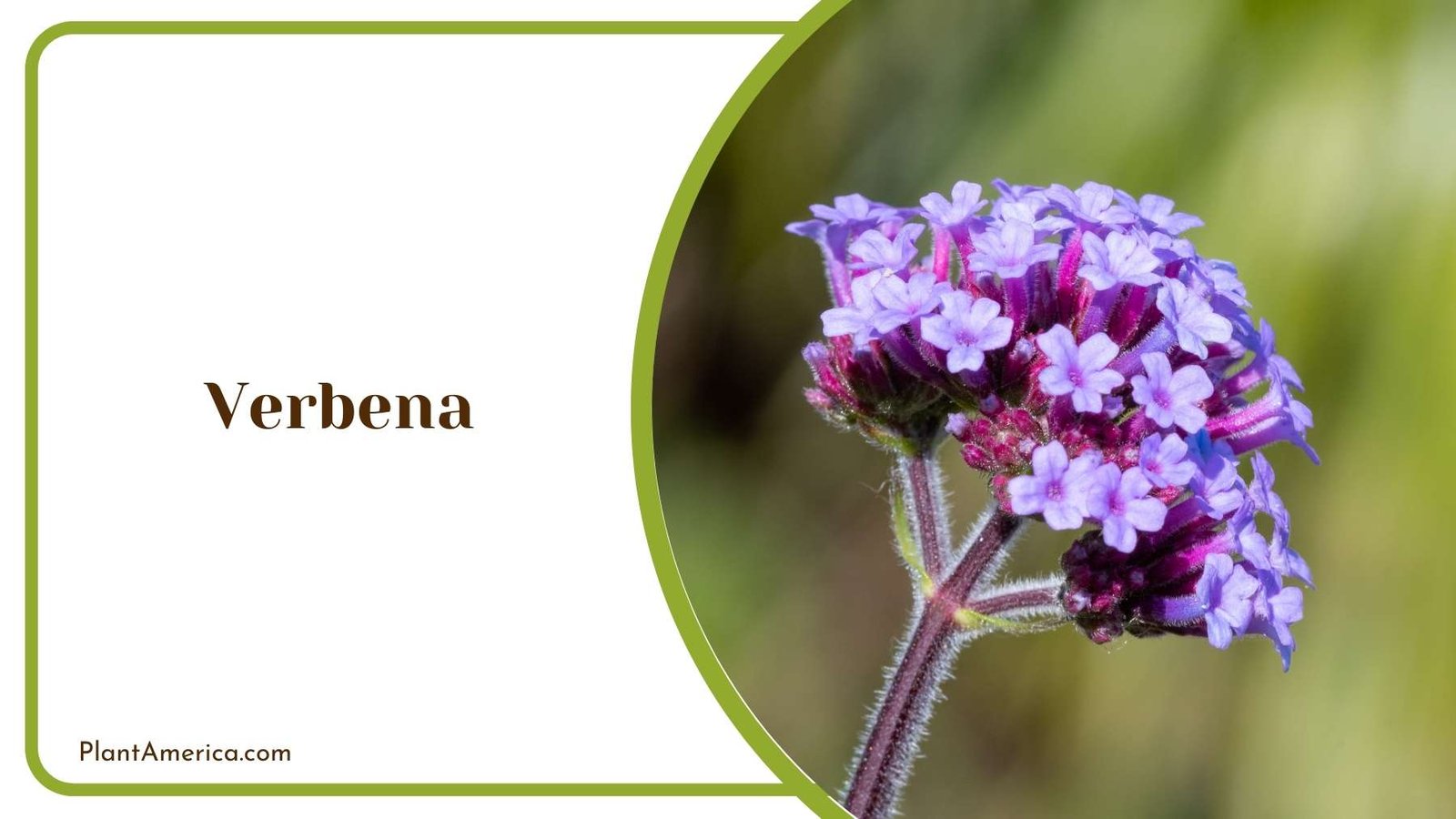
Verbenas offer gardeners a simple yet consistently effective way to introduce splashes of vibrant color throughout the growing season. Commonly used as bedding plants, verbena has a sprawling, trailing habit that makes it ideal for cascading gracefully over stone walls or tumbling from hanging baskets and containers. Their flowing stems are covered in petite clusters of delicate blooms.
A wide variety of verbena cultivars produce rounded pom-poms of tiny flowers in a rich color palette including shades of pink, purple, red, lavender, and white. Recent breeding efforts have also yielded hybrids with novel bi-color blooms, making verbenas stand out even more amongst companion plants. Accompanying the miniature blooms are lush mats of finely cut, rounded or toothed green foliage that forms a dense, carpet-like groundcover.
Versatile verbenas are perfectly adapted to thriving in hot, sunny locations with soil that drains quickly. Their hardiness and durability make them a low-maintenance choice for beds, borders, and patio containers.
However, verbenas can struggle if exposed to overly rich soil that retains moisture, increasing risks of root rot during rainy spells. Deadheading spent flower clusters encourage a second and even third flush of blooms from spring right up until the first frosts of fall.
Returning reliably year after year, verbenas are a budget-friendly choice for gardens seeking an explosion of color. Whether planted as solitaire specimens, incorporated en masse into cut flower gardens, or used to soften hardscape, these heat-loving beauties are sure to dazzle with their petite blooms season after season with minimum care needed.
3. Helleborus Argutifolius

- Growing Season: Summer, Fall
- Leaf Shape: Simple, Alternate, Oval
- Specific Needs: Prefers full sun, Moisture
- Common Pests: Leafminers, Aphids
Helleborus argutifolius is an elegant flowering perennial prized for its striking foliage and early spring blooms. Native to woodland environments throughout southeastern Europe, it forms low clumping mounds topped with unique leaves and saucer-shaped flowers.
The deeply dissected foliage emerges a rich olive green tinged with red. Each oval leaf bears five to seven pairs of slender, pointed segments that twist and curl intriguingly like ornate works of origami art. Their texture and colors shine beautifully against woodland garden backdrops.
As early as late winter, depending on location, cherished blooms begin to peek through amidst the foliage. Oval blossoms bear multiple frilly petals in hues ranging from deep rose to icy white, sometimes streaked or veined with hints of burgundy or cream. Delicate stamens dusted golden yellow peek invitingly from centers.
Bees hum delightedly amongst Helleborus argutifolius flowers, enjoying bountiful pollen much-needed after winter dormancy. Their nectar provides an early spring boost to understory biodiversity. Flowering persists through late spring until heat arrives, granting weeks of earliest garden joy.
Requiring only light shade and rich moisture-retentive soil, H. argutifolius spreads slowly yet surely through reseeding to form charming colonies. Remaining evergreen through cold seasons, its intricate foliage and blooms continue captivating up close even leafless neighbors have faded.
A staple for sluggish springs, H. argutifolius brings optimism and magic through subtle yet standout qualities epitomizing thoughts of rebirth. Its resilient gifts shine bright against drear woodland backdrops long before grander splendors emerge..
4. Hellebore (viridis)

- Growing Season: Winter, Spring
- Leaf Shape: Palmate, Lobed
- Specific Needs: Prefers part shade, Moisture
- Common Pests: Aphids, Mites
Hellebores emerge each early spring with cups of pendulous blooms tempting passersby with a glimpse into coming flowerings. Their uniquely shaped evergreen leaves provide yearlong texture amid cycles of Nature passing by.
Lenten rose and Oriental hybrids bear single, semi double, or double flowers in rose, white, pink, or purple. Florist-type hybrids expand their color palette further. Partial shade and shelter from harsh winds suit hellebores growing as a curious ground cover under trees or peeking from borders.
Despite poisonous foliage, hellebores attract butterflies and function as low shedding as interest ebbs elsewhere till green returns. Gardeners marvel at their ridiculously early start and ability to persevere with little pampering. Perfectly content residing quietly until niches want fitting, hellebores prove patience and perseverance shall triumph.
5. Green Carnations

- Growing Season: Spring, Summer
- Leaf Shape: Alternate, Simple, Lance-shaped leaves
- Specific Needs: Prefers well-draining soil, Full sun
- Common Pests: Aphids, Mites
Green carnations add an element of the unexpected to gardens with their one-of-a-kind blooms. Where typical carnations show shades of red, white, and pink, certain cultivars produce flowers in distinct shades of lime green, teal, or kelly green.
The carnation flower structure remains the same as traditional types, with a clove-like fragrance and a frilly appearance. Plants grow up to three feet tall, branching freely if old blooms are removed regularly.
Green carnations tend to be short-lived perennials, though they may reseed in ideal conditions. They make bold seasonal accents when little else bears such a vibrant, unconventional color in flower beds and borders. An unexpected splash of natural green enhances any creative garden’s palette.
6. Green Orchids
- Growing Season: Spring, Summer
- Leaf Shape: Alternate, Thin leaves in pleated clusters
- Specific Needs: Prefers indoor conditions, High humidity, Bright shade
- Common Pests: Fungus gnats, Spider mites, Mealybugs
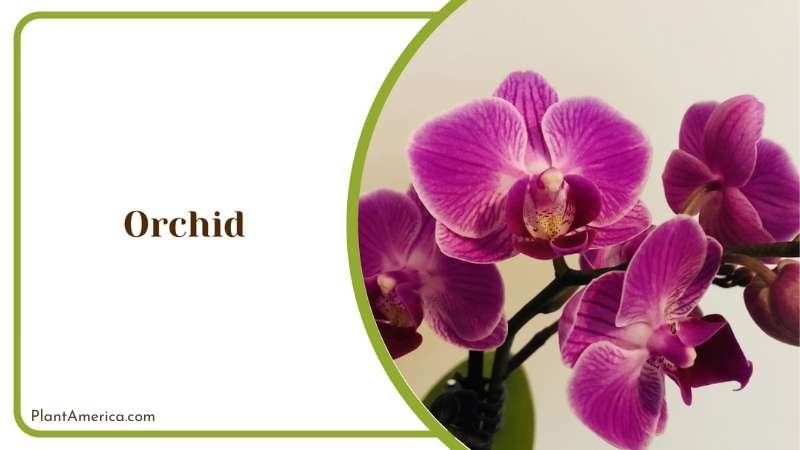
While most gardeners associate orchids with colorful tropical blooms in purple, red, pink, and white hues, certain varieties produce flowers in subtle shades of green. Phalaenopsis or moth orchids in homes offer several cultivars with lime green, pistachio or forest green blooms.
All orchids require humidity levels above 50 percent to thrive indoors. Provide distilled or rainwater and place it on a pebble tray to increase ambient moisture. These flowering houseplants succeed in rooms free from direct sun and drafts with daytime temperatures between 65-80 degree Fahrenheit.
Potted in well-draining media like bark chips, green orchids bloom repeatedly for months if roots remain healthy. Prune off spent blooms to encourage additional buds. Some varieties reflower annually, while others scale down between cycles.
All contribute an exotic touch wherever placed. Green gives novelty to Nature just as colored blooms delight. Orchids displaying Nature’s vast spectrum encourage protecting diverse species worldwide and appreciating each in their realm.
7. Ladies’ Mantle
- Growing Season: Spring, Summer
- Leaf Shape: Gray, Fuzzy, Ground cover
- Specific Needs: Prefers partial shade, Consistently moist soil
- Common Pests: Powdery mildew, Mites
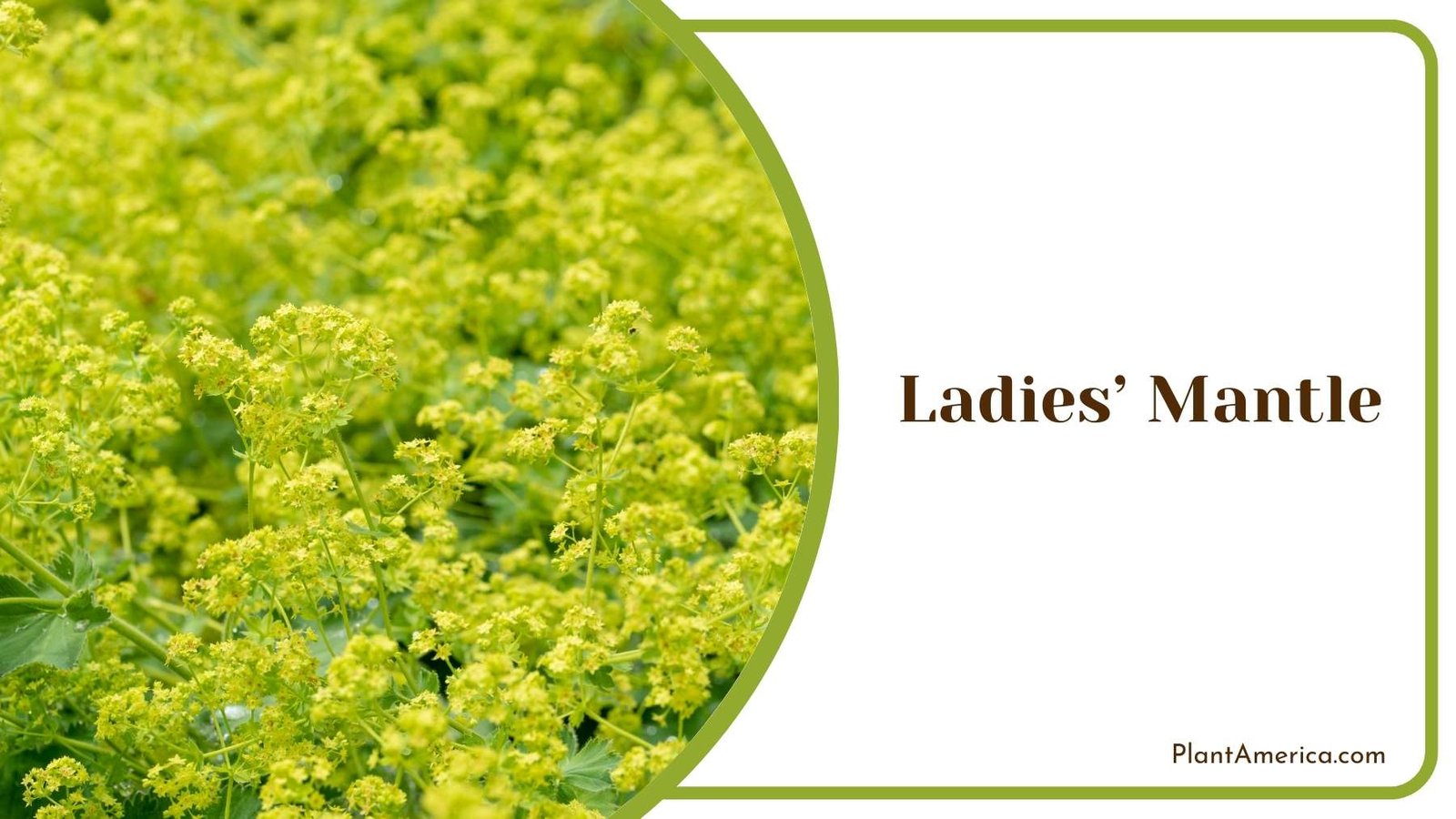
Ladies mantle is a lovely groundcover plant well-suited for shaded garden beds and borders. Native to Europe and Asia, it forms dense mats of delicate foliage that cascade elegantly over walls or spill beautifully over the edge of containers.
The rounded, scalloped leaves of ladies’ mantle resemble the draped fabric of women’s capes from centuries past, which is how it derives its common name. Individual leaves are about two inches wide with lacy, finger-like lobes along the edges. They emerge bright green in spring, taking on shades of orange, red, and burgundy later in the season.
Underneath the vibrant foliage blooms clusters of tiny white flowers from June through September. These modest blooms are quite frilly themselves, adding even more texture to the plant. They attract beneficial pollinator insects like bees, butterflies and hoverflies.
Ladies mantle thrives best in shade, prospering beneath trees and shrubs where it receives morning or dappled sunlight. It prefers moist, well-draining soil and moderate watering during heat waves. Come autumn, its spectacular leaf color puts on a beautiful show before dropping for winter.
For gardeners with little sun, ladies’ mantle brings grace and visual appeal. Used in mass plantings or paired with hostas, ferns and impatiens, its soft texture adds layers of lush greenery. Come spring, new foliage emerges in a lovely scalloped pattern that persists all season long.
With minimal maintenance needs beyond an occasional trim, ladies mantle makes an ideal groundcover. Its beautiful foliage and woodland-style blooms add tranquil charm and habitat value to shady corners of the landscape.
8. Green Tulips

- Growing Season: Spring, Summer
- Leaf Shape: Long, Narrow, Fleshy leaves
- Specific Needs: Prefers full sun, Well-draining soil
- Common Pests: Tulip fire, Leafminers
While most associate tulips with vibrant reds, oranges, purples, and yellows each spring, a handful of varieties produce blooms in lime green hues as well. These attention-getting tulips pair beautifully with other greens in the landscape during their short bloom time.
Species tulips, which tend toward green shades, grow from bulbs smaller than hybrids. Plant them in late summer through fall for flowers the following year. They thrive with good soil drainage and a period of winter cold for vernalization before blooming.
Deadheads bloom promptly to avoid seed sets and send energy back into bulbs for future years. Space smaller species six to eight inches apart to allow room for lush basal leaves once blooms fade. Occasional division every few springs keeps displays renewed. Green tulips add an unexpected splash to gardens when few other colors remain. Their brief but striking appearance makes a bold impression during spring’s ephemera when little else blooms.
9. Green Aster

- Growing Season: Summer, Fall
- Leaf Shape: Alternate, Serrated leaves, Basil stalks
- Specific Needs: Prefers full sun, Moderately moist, Well-draining soil
- Common Pests: Powdery mildew, Aphids
While most associate with purples, pinks, and whites in late summer gardens, some varieties bear blooms in tints of grassy green as well. Nodding sphere-like flower heads measuring one to two inches across emerge atop sturdy two to four foot tall stems.
Species asters suitable for growing green-bloomed types include Aster furcatus and A. Nova Anglia. Deadhead spent florets promptly to extend flowering into early fall. Give asters space to avoid overly damp foliage prone to mildew diseases.
Native to meadows and prairies across North America and Europe, asters thrive with minimal care once established. Beneficial pollinators of all kinds flock to optional nectar bars. While subtle compared to brightly-hued cousins, green asters impart naturally elegant borders a serene final flourish as seasons change.
Effective massed or accented alongside burgundy, they impart an organic autumnal calm. As summer’s vigor fades, new bloomers remind us that perseverance still dwells amid gentle quietude, needing no fanfare to delight.
10. Green Marigold

- Growing Season: Spring, Fall
- Leaf Shape: Palmately lobed, Grayish leaves
- Specific Needs: Prefers full sun, Heat tolerance, Well-draining soil
- Common Pests: Powdery mildew, Aphids
Marigolds dominate worldwide as an iconic gold, yellow, and orange annual. However, some cultivars offer a refreshing change with blooms in pale celery green tones. Single-bloom French marigolds such as ‘Greenhead’ produce compact eight to ten inch plants blanketed in tiny round emerald flowers. Signs caution deterring rabbits, yet marigolds’ citrus aroma naturally deters most pests!
Deadhead constantly to prolong flowering through fall Color in hot zones such as the southern U.S. Self-sown seedlings often return next spring too. Effective partners for beans, tomatoes, and cucurbits in companion planting.
Go beyond tradition with marigolds displaying Nature’s entire visual spectrum. Their quieter green hues brighten gardens differently yet potently, especially where richer colors require privacy from pollinators at work.
11. Green Dahlia
- Growing Season: Summer, Fall
- Leaf Shape: Palmately lobed, Alternate
- Specific Needs: Prefers full sun, Rich soil
- Common Pests: Powdery mildew, Leaf Miner
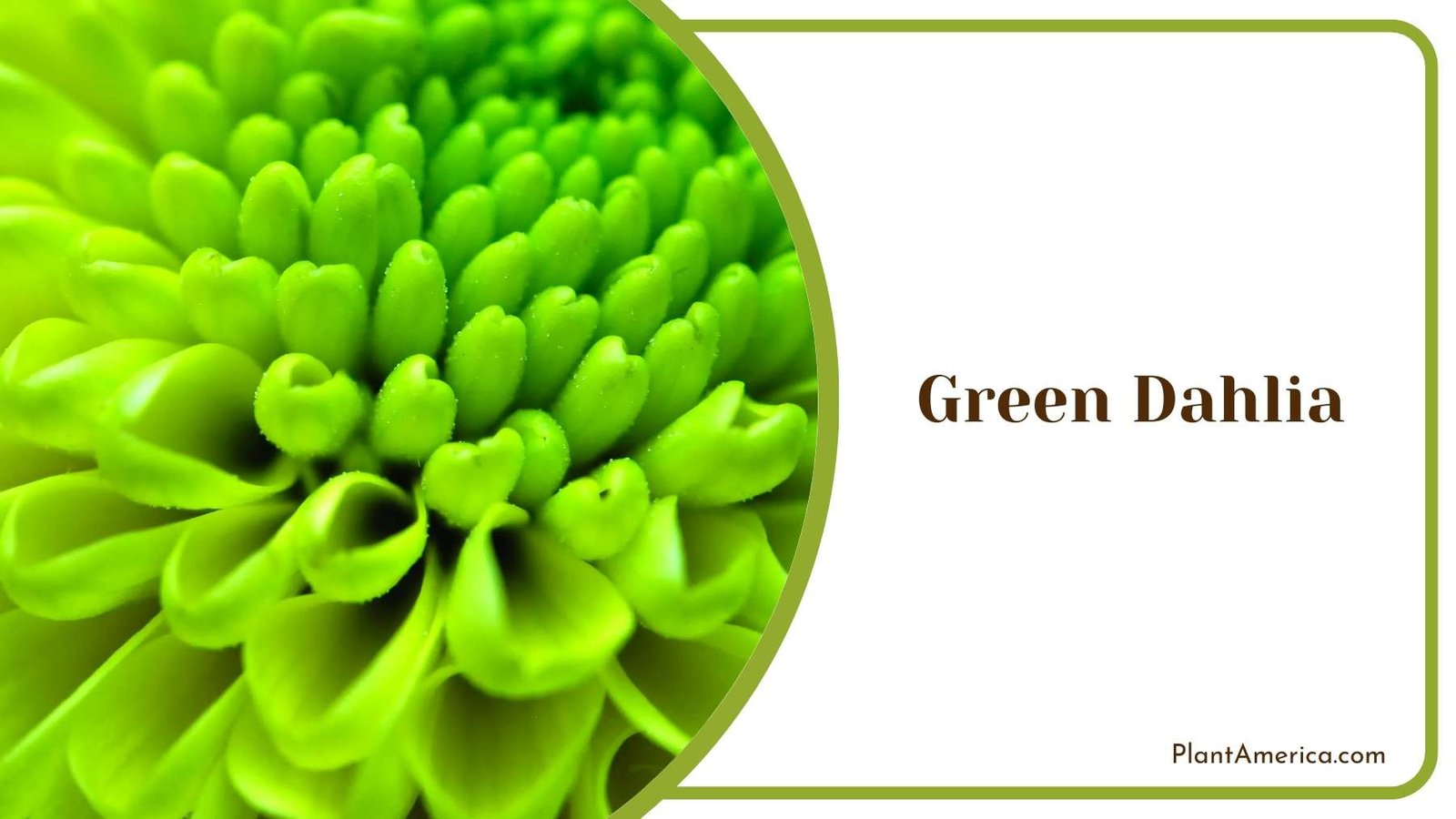
A few novelty dahlia cultivars produce blooms in lime green hues instead of the typical red, pink, purple, and yellow. Their cactus-style blooms with pointed twined petals rise above carrot-shaped lateral buds unique to dahlias. Deadhead blooms continuously to prolong flowering into early fall. Taller varieties may require staking. Divide crowded tubers in spring for vibrant new plants.
A statement when few other greens naturalize, green dahlias add dimension to borders or cottage gardens. Paired with oranges, they impart sunny auras where green outshines yet complements all else with flair.
12. Green Thumb

- Growing Season: Spring, Summer
- Leaf Shape: Ovate, Opposite
- Specific Needs: Prefers full sun, Moderate moisture
- Common Pests: Powdery mildew, Aphid infestations
Amaranthus ‘Green Thumb’ is an elegant ornamental variety prized for its statuesque stature and lush foliage. Native to tropical regions, it forms upright mounds reaching five feet tall and two feet wide in the garden.
Narrow leaves emerge in Spring with a rich, vibrancy hue of hunter green. Growing 8 inches long, they arch from succulent stems like finely manicured mini shrubs. Throughout Summer, the flawless foliage maintains its jewel-tone color without fading.
Come Fall, A. ‘Green Thumb’ truly shines as its shaggy tops bloom tendrils of tiny pinkish flowers. Though subtle, these feathery blooms add texture against the backdrop of greenery. Hummingbirds and butterflies find nectar rewards among them as well.
Requiring full sun and consistent moisture, A. ‘Green Thumb’ thrives with little else. Adaptive and heat-loving, it grows reliably wherever tropical annuals do. In borders, planters or mass plantings, its dense structure adds drama and definition through changing seasons.
An edible variety, A. ‘Green Thumb’ also offers versatility beyond ornamentation. Leaves can be harvested for salads, juices or steaming similarly to spinach and quinoa. Its funnel-shaped seed heads are high in nutrition too when roasted or ground into flour.
Low maintenance once established, A. ‘Green Thumb’ acts as a hardy staple in sunny gardens. Beyond appealing foliage, it offers lessons in going against expectations – thriving where many wilt and nurturing through multiple uses most never discover. A study in living simply and adding seasonal smiles wherever placed, it enriches landscapes and tables alike..
13. Green Zinnias

- Growing Season: Spring, Fall
- Leaf Shape: Opposite, Lance shaped leaves
- Specific Needs: Prefers full sun, Well-draining soil
- Common Pests: Powdery mildew, Aphids
Throughout summer, bold zinnias dominate beds with vivid magentas, oranges and yellows. However, some varieties offer intricate blooms tinted in lime, sea foam, or celery shades. Plants grow upright, reaching two to three feet tall, bearing pinwheel-like flowers. Deadhead frequently for numerous blooms until frost. Provide air circulation to avoid diseases in damp conditions.
Subtle zinnias impart a refreshing sea breeze to borders without signifying an end to color. Alongside vivacious cousins, their subtle shades impart gentle balance as waves lapping shoreline stones. Backlight green zinnias to radiate like lantern faces on stormy nights, guiding wayward eyes home with flickers of hope’s guiding light when furthest from paths well-trodden.
14. Angelica archangelica

- Growing Season: Spring, Summer
- Leaf Shape: Alternate, Elliptic leaves
- Specific Needs: Prefers full sun, Good drainage
- Common Pests: Fungal diseases, Mites
Angelica archangelica is a towering herbaceous plant known for its impressive stature and delicate umbrella-shaped flowers. Native to northern Europe and Asia, it thrives in partial shade and moist woodland gardens.
Reaching heights between five to eight feet, Angelica forms lofty stalks topped with huge compound leaves consisting of numerous feather-like leaflets. Emerging an attractive bright green in spring, the leaves mature to a purplish hue later in summer.
Delicate clusters of tiny white or pinkish flowers bloom from summer into early fall, producing a magical effect on towering stalks. Resembling delicate lace or frothy soap bubbles, they have a subtle appeal rivaling fine works of art.
Bees, flies and beetles flock to feast on Angelica flowers’ bountiful nectar rewards. As fall approaches, the ripe seed heads blacken attractively and split open to disperse downy seeds carried on breezes. Meanwhile, stalks gradually take on hints of carmine.
All parts of Angelica emit a pleasant aromatic essence when bruised that is slightly reminiscent of juniper or pine. Both edible and medicinal, its young stalks and stems can be candied, infused, or consumed raw for various culinary and wellness purposes.
With minimal care requirements beyond organic soil and adequate moisture, Angelica graces woodland clearings with structural beauty, fragrance and habitat value for many pollinators. Through its towering stature and delicate details, this misunderstood marvel reminds nature houses wonders in even the plainest of settings when approached with curiosity..
15. Green Pansies

- Growing Season: Spring, Summer
- Leaf Shape: Alternate, Heart-shaped leaves
- Specific Needs: Prefers partial shade, Cool temperatures
- Common Pests: Heat issues, Fungal diseases
While pansies enthusiastically blanket gardens each cool season in reds, oranges, yellows, and purples, some selections shine in rarer lime hues. Heart-shaped blooms up to three inches wide decorate compact plants.
Sow seeds indoors weeks before the last frost for transplanting or direct-seed outdoors after the danger of cold passes. Deadhead regularly to extend flowers into early summer, then remove plants before temperatures climb above 75 degree Fahrenheit.
Subtle green pansies impart an aura of new beginnings amid natural rebirth each spring. Scattered amongst warmer cousins, their light brings balance like hope surviving winter’s depths when darkness reigns. Small acts of Nature’s perseverance uplift tired eyes seeking refuge in gentle spots.
16. Green Petunias

- Growing Season: Spring, Fall
- Leaf Shape: Alternate, Narrow leaves
- Specific Needs: Prefers full sun, Consistent moisture
- Common Pests: Powdery mildew, Root rot with poor drainage
Multiflora petunias rain color from spring until fall in many landscapes, but some selections offer pale chartreuse or mint blooms. Trailing varieties spill gracefully over walls, while compact types blanket baskets, beds, and basins.
Keep compost-rich soil continuously moist for lusher petunia displays without standing water encouraging disease. Deadhead regularly to maintain flowering through early frosts. Paired with bolder petunia shades, their subtle hues impart a gentle balance. Where passion brightens beds, green’s soft shades complement yet restore weary eyes seeking Nature’s quieter spots, reminding life perseveres through changing seasons.
17. Green Lilies

- Growing Season: Summer, Spring
- Leaf Shape: Alternate, Lance-shaped leaves
- Specific Needs: Prefers full sun, Moist, Well-draining soil
- Common Pests: Slugs, Fungal rots
While most associate lilies with trumpet shapes in oranges, pinks, and yellows, some Asiatic varieties offer blooms flushed pale jade or emerald. Towering two to four feet tall, depending on type, these hardy perennials emerging from bulbous roots spread gently without invading beyond borders.
Plant or divide bulbs in spring after danger of frost passes, spacing approximately six to eight inches apart. Stake taller ones in regular soil, but avoid overworking moist earth, which may cause rot.
Under a summer moon’s glow, green lilies’ gentle arcs impart calm. Besides richer colors illuminating darkness, their quieter shades shine through with balance, reminding us how Nature’s light uplifts in all forms, whether vibrant or subtly restoring weary spirits amid life’s changing seasons.
18. Dianthus Green Trick

- Growing Season: Spring, Fall
- Leaf Shape: Oval, Heart-shaped
- Specific Needs: Prefers partial shade, Consistently moist soil
- Common Pests: Slugs, Snails, Fungal issues
Dianthus Green Trick adds a pop of vibrant color to flower borders with its eye-catching lime green blooms. Forming compact mounds 8-10 inches tall, its dense foliage is blanketed from summer into fall by colorful frilly flowers.
Each fragrant bloom fully exposes five rounded petals of a brilliant lime hue so bright it almost glows. Their color and rounded shape resemble tiny sculptures crafted from sparkling green glass. Clusters completely cover low, grass-like clumps in a frilly lime froth, certain to delight passersby.
Beebalm, pinks and salvia make lovely companions, their bouquets benefitting from Green Trick’s refreshing interjection of acid green. Even thriving alone, its dense structure generates a cheerful optical illusion of rolling green hills. Needing little beyond full sun and average soil, clumps reward diligence with season-long blossoms.
As heat waves scorch typical blooms, Green Trick’s flowers proudly persist through dog days and drought in jewel-bright celebrations. Come autumn they often tighten into attractive seedheads adding structure before plants go dormant. Returning vigorously next spring, they reward gardeners challenging expectations set by familiar norms.
Offering an antidote to humdrum borders through its lively grassy habit and electric neon flowers, Dianthus Green Trick lifts spirits with each glance. Reminding that nature’s simplest gifts often bring greatest joy by embracing whimsy above pomp and being true to one’s unique natural self, it brightens gardens incomparably through consistency and sprightly charm..
19. Green Chrysanthemums

- Growing Season: Fall, Spring
- Leaf Shape: Alternate, Lobed leaves
- Specific Needs: Prefers full sun, Well-draining soil
- Common Pests: Powdery mildew, Fungal disease
Amid pumpkin patches and fallen leaves, a few chrysanthemum varieties bear florist-quality blooms tinted pistachio, sage, or emerald. Hearty perennials or annuals grown as cut flowers, plants spread 24-48 inches tall and crowned in intricate discs.
Plant after spring frost or start transplants indoors weeks before sitting outside after the danger of cold passes. Deadhead regularly until first frosts to maintain flowering cascades through mid-autumn.
Where richer hues shine brilliantly, green mums’ subtle shades impart balance gently on the eyes yet remind that Nature’s light restores in forms quiet and vibrant. Through changing seasons’ lessons, their quiet patience uplifts weary spirits seeking restorative spots in gardens’ seen and unseen beauty.
20. Green Daylilies

- Growing Season: Summer, Spring
- Leaf Shape: Long, Narrow, Sword-like leaves
- Specific Needs: Prefers full sun, Well-draining soil
- Common Pests: Slugs, Aphids
Green daylilies add a refreshing pop of color to gardens with their lime hued blooms. Rather than the more common oranges and reds, green daylilies produce vivid green flowers on sturdy stalks perfect for borders or naturalizing.
Each bloom fully exposes six elongated petals in shades of bright emerald, lime zest or celadon. Varying cultivars showcase different tones from grass blades to acid pops, some with darker veins adding depth. Their tropical flair and jewel tones appear almost luminescent against fertile soil.
Clumping habit forms upright fans around two to three feet tall bearing successive blooms beside grassy foliage through summer days. Come dawn, buds daintily unfurl fresh blooms which persist delighting through afternoon before delicately closing at dusk in daily flourishes.
Thriving when given full sun and even moisture like cousins, green daylilies spread modestly each year while naturalizing cheer. Self-seeding allows patches to emerge organically wherever conditions suit, enhancing borders through carefree tendencies.
Requiring little more than an occasional division every few springs, the perennials produce years of vivacious blooms needing no deadheading or pampering. Offering a splash of unique coloring to heighten summer landscapes, their resilient habits epitomize carefree natural beauty.
Vivacious green blooms and simple lifestyle prove small satisfactions bring greatest joys. Green daylilies charm through dependability and ability to inspire smiles daily with fleeting glimpses of emerald flora appearing fresher than any manicured artificial pretense against summer’s fertile stages..
21. Eucomis Bicolor

- Growing Season: Spring, Fall
- Leaf Shape: Long, Rigid, Sword-like leaves radiating from the center
- Specific Needs: Prefers well-draining soil, Full sun
- Common Pests: Aphids, Mites
Eucomis bicolor is a striking perennial prized for its two-toned blooms. Native to South Africa, this exotic plant forms clumps of sturdy, straplike foliage that emerge in late summer. Its deep olive-green leaves provide structural interest, reaching around two feet tall.
In autumn, bold flower spikes shoot skyward, each crowned with numerous star-shaped blooms in a vibrant color scheme. The outer petals are pure white, curiously curling inward to reveal a sheer pink center to each bloom. Measuring two to three inches across, their unusual color patterns and spiky habit captivate observers.
Hummingbirds are drawn to the blooms for their abundant nectar, while butterflies appreciatively sip as well. The floral display persists gracefully into winter, the flower spikes retaining their form long after neighboring perennials have faded.
Requiring only sun, well-draining soil and occasional summer water, E. bicolor thrives with minimal fuss where more sensitive plants fail. Its resilience and exotic blooms lend mystery to any garden.
After the growing season turns cold, E. bicolor rests quietly underground until emerging the following summer. Unusual and striking, few perennials compare for such long-lasting visual impact that remains low maintenance. Its tropical-like blooms brighten the end of summer and into fall, contrasting beautifully with cooler-season flowers.
Eucomis bicolor offers exotic flair to brighten the garden with little care. Though not fussy, it provides eye-catching appeal season after season through its upright structure, two-toned blooms and ability to withstand varying conditions with grace. This rewardingly resilient plant captivates onlookers with its unique bloom pattern presented on sturdy spikes that offer reliable color when many others have gone dormant for winter..
22. Euphorbia x martini

- Growing Season: Spring, Fall
- Leaf Shape: Palmately lobed, Opaque leaves
- Specific Needs: Prefers partial shade, Consistently moist soil
- Common Pests: Downy mildew, Mites
Euphorbia x martini is a unique perennial valued for its vivid spring foliage and adaptability. Commonly called Martin’s euphorbia, it forms handsome rounded mounds around 2 feet tall and wide arising from overwintering rootstocks.
Each leaf emerges a brilliant lime green in spring, its veins strikingly traced in hot pink. From a distance, the plants’ rosettes resemble round cups of acid green rimmed in fuchsia. Closer appreciation reveals intricate branching patterns along leaf edges pigmented in vibrant tones.
As temperatures rise, E. x martini’s habit tightens, retaining only hints of its youthful coloring in aging foliage. Still, its compact structure remains eye-catching, needing no staking or pruning to complement mixed borders through summer’s warmth.
Come autumn, insignificant yellow blooms appear which hummingbirds flock to joyfully drink nectar rewards. Meaning far more than its petite flowers, E. x martini earns its keep through adaptability and season-long definition in full sun or part shade, moist or dry soils.
Small enough for rock gardens yet resilient enough to naturalize freely, its nonstop green presence connects diverse spaces with ease. Self-seeding moderately provides spreading colonies over time wherever conditions suit its preferences.
Requiring little beyond sun and occasional water, E. x martini acts as a trouble-free staple, becoming winsomely shaggy-kempt or neatly pruned back each spring. Its colorful veins continue brightening cold seasons through enduring visible rosettes alone in a carefree package showcasing nature’s simplest gifts.
Martin’s euphorbia generates smiles daily through dependability stripped of pretense. True characters like this prove unsung natural wonders reside treasured in plain sight awaiting small appreciations to shine bright each day.
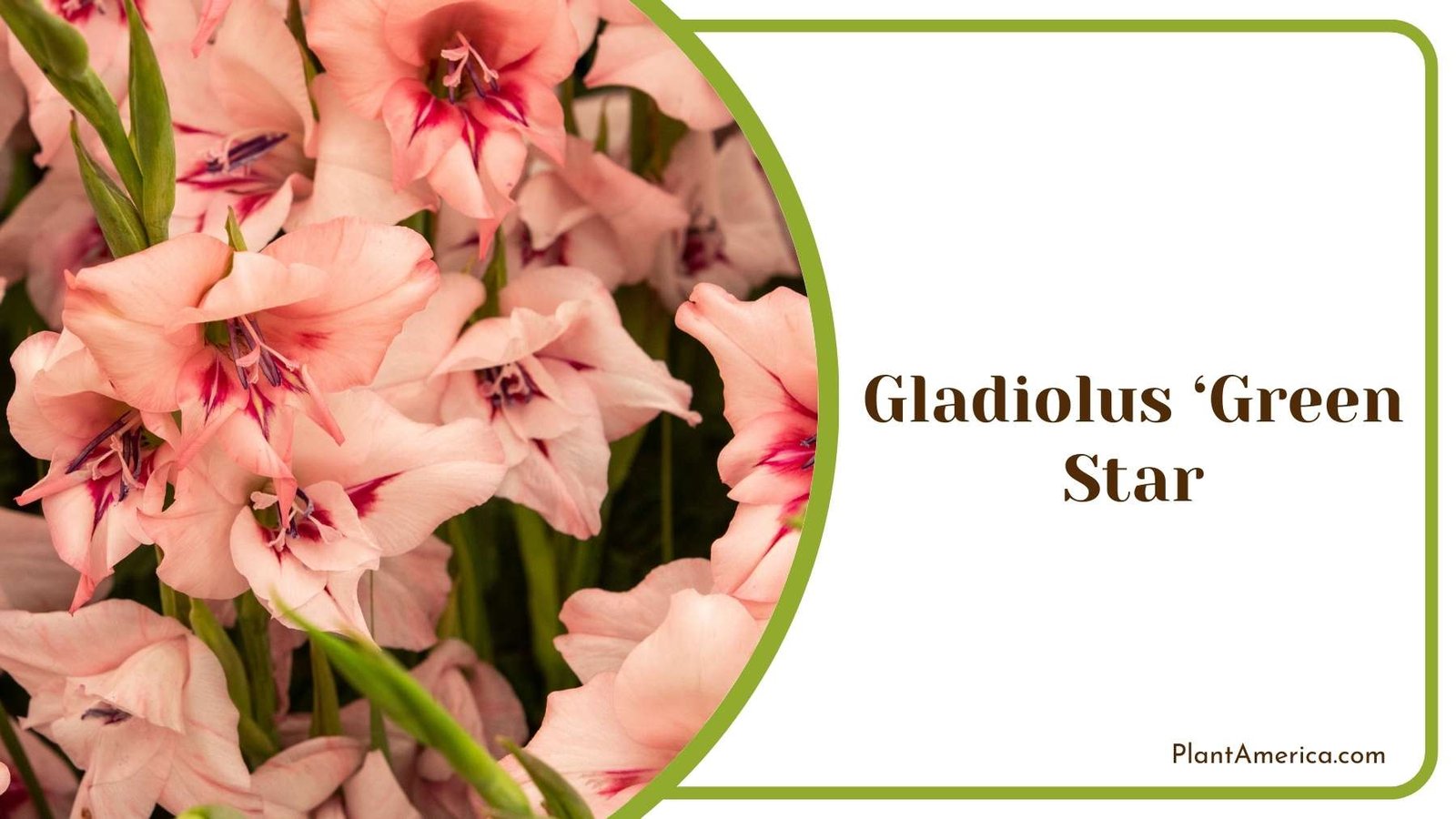
23. Gladiolus ‘Green Star
- Growing Season: Spring, Summer
- Leaf Shape: Alternate, Elliptic leaves
- Specific Needs: Prefers full sun, Good drainage
- Common Pests: Fungal diseases, Mites
Gladiolus ‘Green Star’ brings a unique pop of color to gardens in late summer. Towering spikes emerge from sword-like foliage, filled with unusual blooms unlike typical varieties. While most produce shades of pink, purple or yellow, this gladiolus reveals flowers of a vivid, luminous green—a hue resembling fresh grass after spring rains.
Each bloom displays six tepal segments in a dense cluster atop sturdy stems. As the spikes blanket themselves with blossoms over several weeks, this unusual color stands out against other flowers and foliage. Native pollinators are drawn to the novelty, with hummingbirds flocking eagerly to sip nectar from within.
Thriving in full sun with consistent moisture, ‘Green Star’ flourishes dependably with minimal care. Hardy and resilient, it readily naturalizes—seed pods allow spread beyond the original planting. Adding visual interest and habitat value without fuss, it gladdens as a carefree choice for beds and borders.
While graceful in form like traditional varieties, its remarkably distinct blooms generate interest. Even as summer wanes, ‘Green Star’ symbolizes nature’s endless capacity for inventiveness through distinct blooms of luminous green. Its reliable return each season shows how simple gifts of beauty still delight the eyes and spark conversations about the surprises that arise from observing plants with curiosity.
Conclusion
Green flowers can add unique interest and balance to gardens and this overview covered many examples that blossom in subtle greens
- Verbena is a genus of annual and perennial herbaceous flowering plants in the family Verbenaceae that produce many-hued flowers in dense terminal spikes or clusters.
- Green aster is a species of perennial wildflower native to eastern North America that produces flat-topped clusters of small greenish or purplish flowers from midsummer to fall.
- Green marigold is an annual flowering herb in the daisy family that produces spherical greenish heads of small flowers above basal clumps of Fern-like foliage.
- Green pansies are low-growing annual flowering plants prized for cool-season color that produce round faces of mostly green petaled blooms with darker markings, sometimes graduating to shades of yellow or white.
- Green lilies are tropical perennial flowering plants with slender upright leaves and prominently showy stalks bearing multiple green, white or yellow fragrant bell-shaped flowers.
Where bold hues demand attention, subtle greens impart moments to renew tired spirits. Though silently persevering, they nourish souls as potently as any in a vibrant display. As seasons change, green bloomers’ quiet patience uplifts and balances and inspires appreciation for life, showing its beauty in even the gentlest ways.