Brown tips on bromeliad leaves can do a lot of harm to your beautiful plant. And, they happen because of a variety of reasons! They all range from the environment to improper care practices, and even pest infestations.

Getting your plant back on track lies in unlocking the specific ailment, so you can better help it — stick with us and we’ll show you everything you need!
Why Are Your Bromeliad Leaves Turning Brown
Your Bromeliad leaves could be turning brown due to multiple reasons that include not following a proper watering schedule, underwatering the plant, not maintaining proper humidity level and the plant not getting reasonable amount of sunlight.
While these indoor plants are considered low-maintenance, encountering issues is not entirely impossible. If you notice the foliage turning yellow or brown, it might spark concerns about potential mistakes in care.
However, the fact that bromeliads are generally low-maintenance doesn’t guarantee immunity from problems. If you find your leaves displaying discoloration, understanding the specific reasons behind it becomes crucial. Staying on top of why your flower leaves are turning brown or yellow will equip you with the knowledge needed to prevent a recurrence of the issue, so let’s see some of the most common culprits!
– Wrong Watering
Excessive watering is a common culprit behind the yellow and brown leaves. Plus, it can cause root rot too! While it’s well-known that overwatering can pose issues for plants, sometimes we unintentionally make errors in this aspect with your bromeliad.
The imbalance in soil moisture disrupts the normal health of the bromeliad, leading to the onset of yellowing leaf tips and can have them turning brown too. This might occur if you’ve been watering the plant before allowing the soil to properly dry out.
– Underwatering
Insufficient watering can also be detrimental to a bromeliad. While the risks of overwatering are recognized, inadequate hydration can be equally harmful and even fatal for the plant.
If you’ve been delaying watering your bromeliad for too long, a noticeable sign may be the browning of the leaves. When the leaves exhibit a dry, brown, and crispy appearance, it serves as a clear indication that your plant is in urgent need of water.
– Humidity Issues
Inadequate humidity can contribute to leaf browning or yellowing in plants, especially affecting bromeliads kept in environments with low humidity levels.
If your home experiences exceptionally low humidity, you may observe that your plant dries out more rapidly than usual. This can lead to the soil becoming excessively dry, ultimately resulting in the browning of leaves.
When the humidity issue is left unaddressed, the situation tends to deteriorate progressively. At first, you may notice browning around the edges of the leaves, advancing to complete yellowing. The leaves then slowly turn brown, and the bromeliad may start dropping leaves. That’s why we need to take prompt action upon detecting any issues to prevent further deterioration.
– Not Enough Sunlight
Like all plants, bromeliads require a certain amount of light for survival, and they particularly struggle in very low-light settings. While they can tolerate medium to bright indirect sunlight, they may still endure in somewhat low-light conditions. For optimal health, it’s recommended to provide at least medium indirect sunlight.
When a bromeliad is exposed to very little light, its leaf tips will turn yellow and brown. If this occurs, relocating the plant to a spot with more suitable lighting conditions can often restore its appearance to normal.
– Too Much Light
Determining the threshold for excessive light exposure for bromeliads can be challenging. However, it’s unequivocal that excessive light can lead to browning in your bromeliad, manifesting in various ways.
Exposure to direct sunlight or excessive light can give rise to brown spots on the leaves or it can turn the entire leaves brown. Direct sunlight, in particular, can cause burns on the leaves, making them brown.
Addressing this issue promptly is crucial to prevent it from escalating and potentially harming or killing your plant. Read on for further insights on effectively managing this concern.
– High Temperatures
Have you adjusted your watering routine for soaring temperatures? It’s worth considering. During the scorching heat of summer, plants, and their soil, lose substantial water to the environment. To compensate for this increased water loss, it’s advisable to enhance your watering routine and provide the plant with additional water in these challenging conditions.
– Pests as Issue
The yellowing of leaves in your plant may be attributed to pests, specifically certain types of insects that infest and deplete the plant of moisture.
Among these pests, spider mites pose the most common threat when caring for bromeliad plants. These troublesome insects have the ability to extract moisture from your plant, resulting in the yellowing of its leaves.
The fronds of the plant may exhibit a yellow hue when infested by such insects too. Unfortunately, pests pose a significant risk to your plant, potentially leading to its demise if appropriate measures are not taken.
– You Have Too Porous Soil
Optimal conditions for the bromeliad do not align with either waterlogged or excessively dry soil. Waterlogged soil poses a threat to the plant, while dry soil hinders the proper uptake of nutrients, making it unfavorable for the bromeliad. Maintain a balanced moisture level in the soil to support the plant’s nutrient absorption and overall well-being.
– May Be Completely Normal
Browning isn’t always a cause for concern. During periods of growth, your bromeliad may produce new leaves, and it’s not uncommon for the older leaves to exhibit yellowing and browning — especially around the bottom.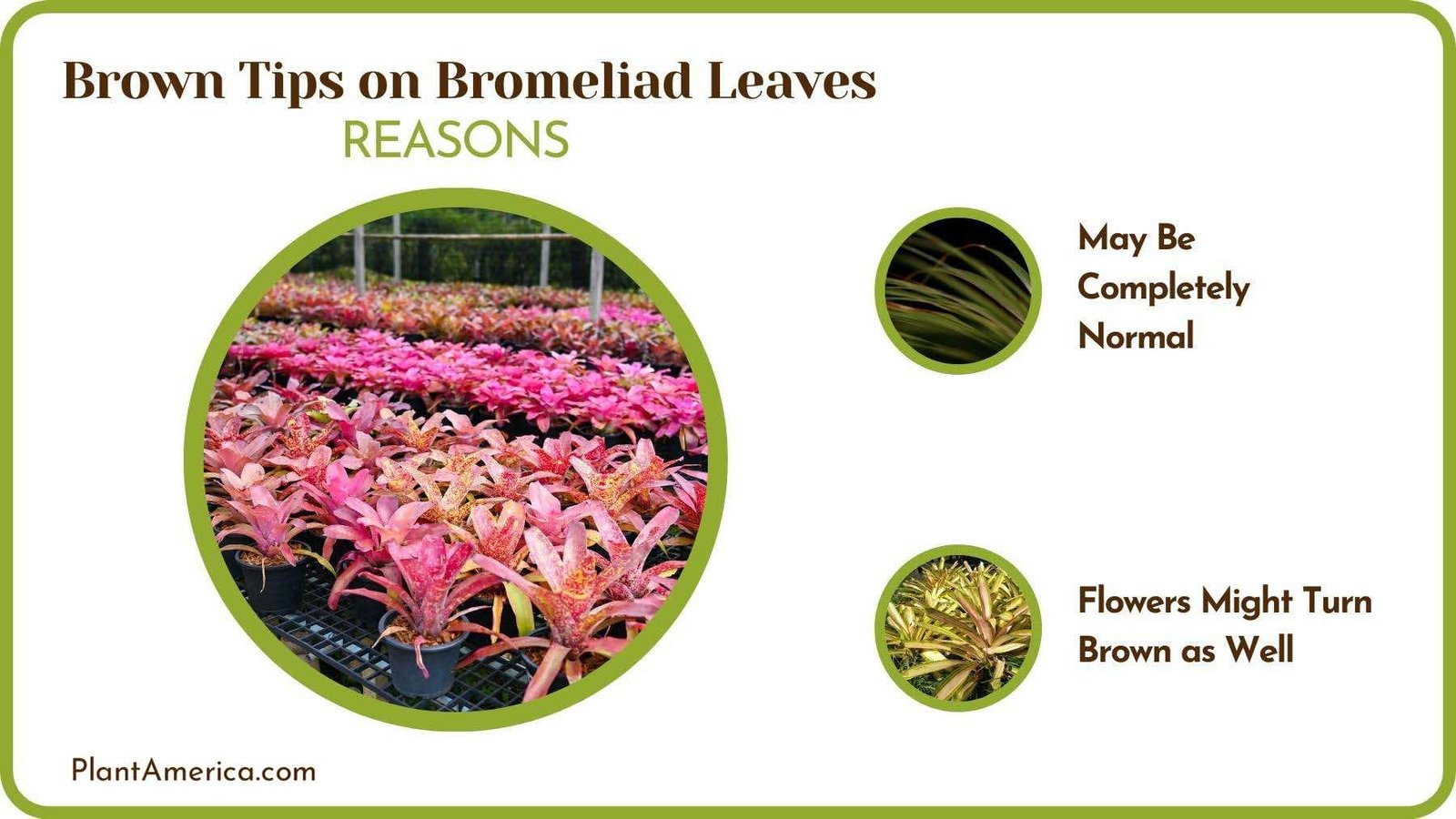
Observing such changes is entirely normal and aligns with the natural growth cycle of the plant. It’s a typical occurrence and not indicative of any problem with your bromeliad.
– Flowers Might Turn Brown as Well
It’s important to be aware that flowers can undergo browning over time. A bromeliad may produce a long-lasting inflorescence, and eventually, it will naturally turn brown and wither.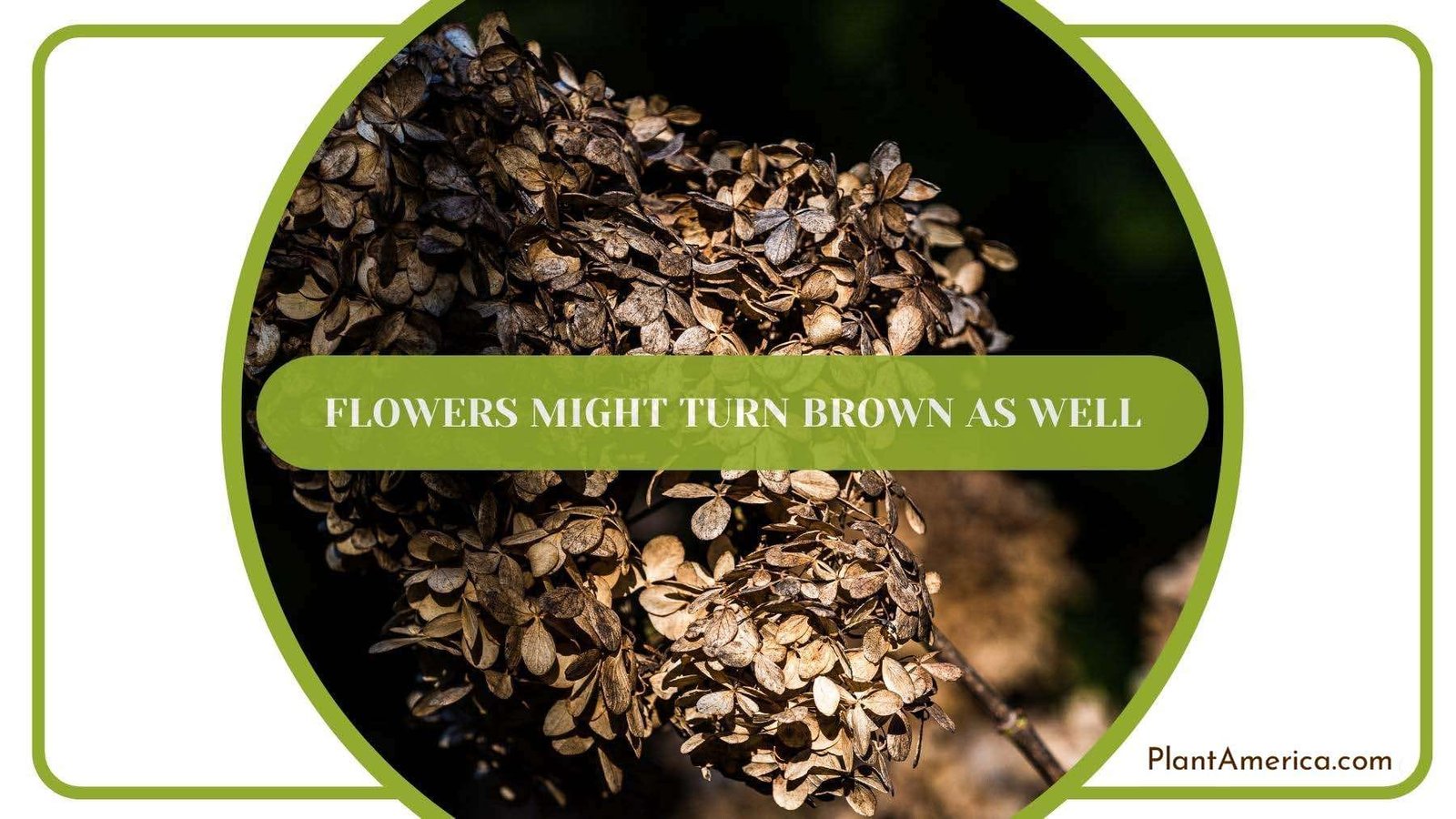
If you observe this browning and are unaware of the natural progression, it could lead to unnecessary concern and the perception of a mistake. However, this transformation is entirely natural and is part of the typical lifecycle of these plants when the appropriate time arrives.
How To Bring Your Bromeliad Back
To bring your bromeliad back, you have to make sure that you are watering the plant as per its requirements, and you also have to maintain optimal humidity levels. On top of this, pay attention to the positioning of your plant and dealing with the problem of pests.
– Improving Watering
The bromeliad requires water whenever the top layer of its soil feels dry to the touch. When watering, ensure thorough saturation of the soil, allowing excess water to drain from the bottom holes. This guarantees that every inch of the soil absorbs adequate moisture.
Watering bromeliads is a fairly simple process. Fill a basin with approximately three inches of room temperature water, submerge the bromeliad pot, allowing the potting mix to absorb water through the drainage holes, let the pot soak for about half an hour, check the top soil layer for moisture, and if it remains dry, water the plant from the top.
Drain the basin to allow excess water to flow from the pot, and finally, return the pot to a well-lit area with optimal temperature conditions. This process helps rejuvenate the plant and ensures it receives the right amount of hydration.
While overwatering poses a risk to bromeliads due to their low tolerance for waterlogging, underwatering is equally detrimental. To avoid such extremes, adhere to a consistent watering schedule and consider using a moisture gauge for precise monitoring. Whenever possible, try not to use hard water on your bromeliads!
– Dealing With Humidity
Enhancing the humidity in your living space is achievable by investing in a compact humidifier, a popular choice among plant enthusiasts seeking to safeguard their plants, especially during dry winter months. In regions where winters can be particularly harsh, homes often become excessively dry, posing a challenge to plants. Placing a small humidifier in the room where you house your plants can effectively address this issue.
For those preferring a hands-on approach, misting the leaves of your bromeliad plant with water periodically can yield positive outcomes, albeit requiring a bit more effort than using a humidifier. Regardless of the method chosen, maintaining awareness of the humidity levels in your home is crucial, ensuring optimal conditions for your bromeliad to flourish.
– Positioning Your Plant
Seek out an optimal location in your home where the plant can thrive. Ideally, position the plant near a window, ensuring it receives gentle, indirect light. However, avoid placing it in full sun, as direct sunlight can lead to leaf burn issues. It’s crucial to minimize direct sun exposure to prevent significant damage to the foliage. While achieving the right light conditions isn’t overly challenging, it’s important to carefully select a suitable spot for the plant to ensure its well-being.
– Dealing With Pests
In the event of heavy infestation on specific parts of the plant, consider pruning those areas to halt the spread of pests. Dispose of the pruned material away from other plants to prevent further contamination.
Opt for a natural approach by using a strong stream of water to rinse off pests from the bromeliad flowers. This method helps dislodge and remove pests without resorting to chemical treatments. For a more targeted treatment, apply insecticidal soap or neem oil to the affected parts of the plant. Natural remedies are effective against sap-sucking pests while being less harmful to beneficial insects. Adhere to the product instructions for proper dilution and application.
Horticultural oil can be another effective option to smother and eliminate sap-sucking pests. Ensure thorough coverage of the affected areas for optimal results.
Isolating infested bromeliads from other plants, if feasible, can prevent the spread of pests. Keep a vigilant eye on neighboring plants for any signs of infestation.
Consistency is key, so repeat the chosen treatment every few days until the infestation is successfully under control. Regularly monitor the plant for any indications of pest resurgence to ensure continued management!
Conclusion
The browning of your bromeliad pups can be a distressing sight for plant enthusiasts, but understanding the diverse factors contributing to this issue is crucial for an effective fightback. Let’s remind ourselves of everything!
- From environmental factors to bromeliad care practices and pest infestations, the reasons behind browning leaves vary widely. Ranging from improper watering and humidity issues to light exposure, high temperatures, pests, soil conditions, and even the natural growth cycle of the plant.
- Identifying the specific ailment affecting your bromeliad is the first step toward nursing it back to health. The recommended strategies for improvement encompass adjusting watering practices, addressing humidity concerns, finding the optimal position for the plant, and dealing with pests effectively.
- These practical steps offer a comprehensive guide to revive your bromeliad and prevent the recurrence of leaf browning.
The suggested solutions empower you to take proactive measures for the well-being of your beloved bromeliads.