
Peperomia Trinervula, belonging to the Piperaceae family, is an epiphytic trailing plant perfect for adding texture to home gardens.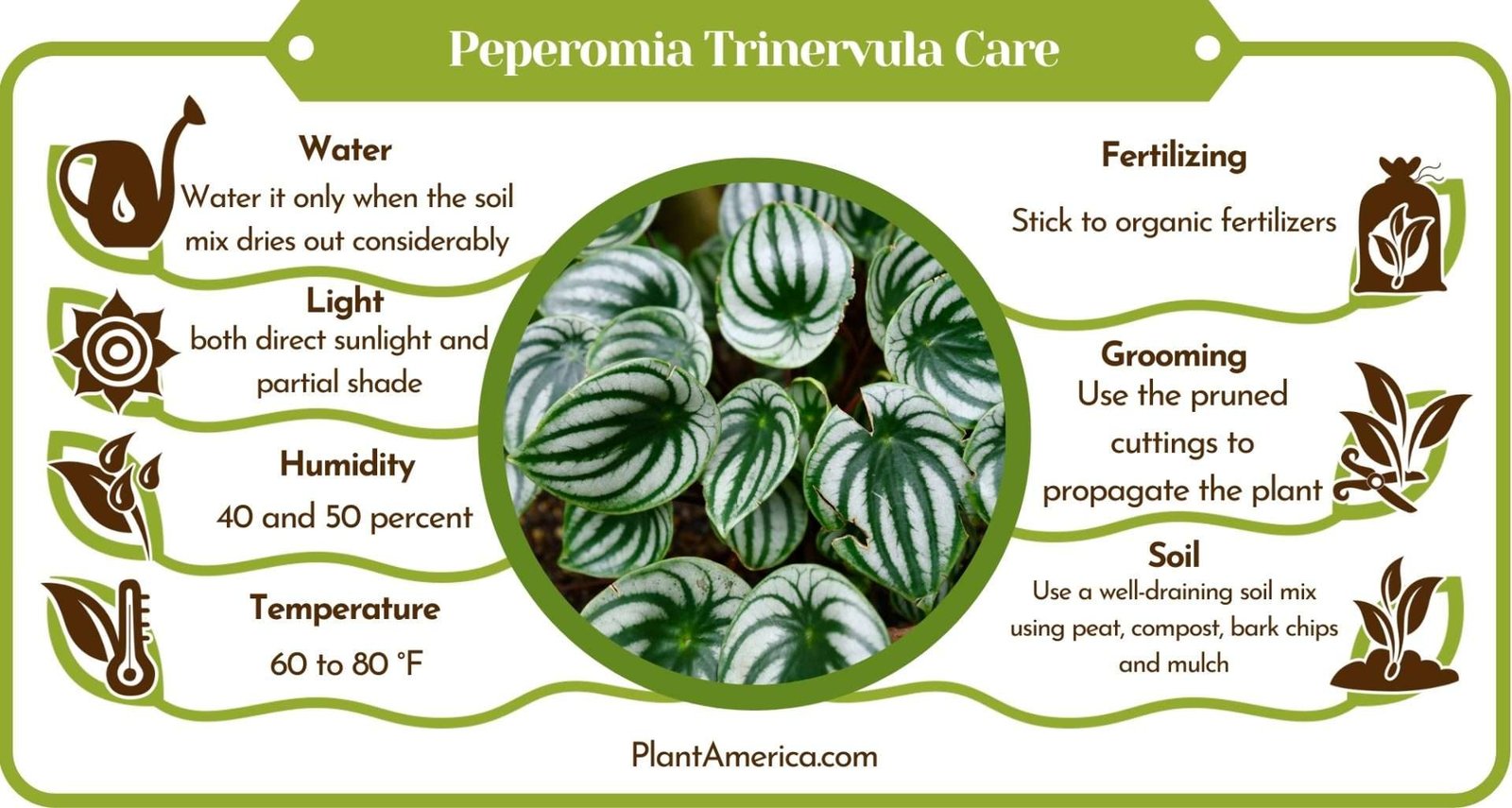 Its textured foliage makes it perfect for a ground cover too. Learn all about its care requirements from our comprehensive care tips for this Peperomia genus plant.
What Is Peperomia Trinervula?
Peperomia Trinervula is a versatile trailing plant native to Venezuela. Nonetheless, this plant grows epiphytically, getting its nutrients from air and debris accumulating on other trees. This perennial plant has succulent-like leaves and small, green-white flowers that grow on spikes.
Peperomia Trinervula Care
This Peperomia is an easy plant if you can keep it in moderately warm conditions with the right light, water and regular fertilization. Read on to find out all about Peperomia Trinervula ‘Bibi’ care.
 Light Requirements
This epiphytic plant prefers a balance of both direct sunlight and partial shade. Exposure to morning and evening sunlight works well for its growth. Keeping it huddled in the middle of other bigger plants also works well. Direct rays, especially during the summer months can cause leaf burns.  Due to a lack of bright light, the plant drops its leaves. Make sure you provide it with an ample amount of bright light for proper growth. Place the plant a couple of feet away from windows to prevent burns due to direct sunlight.
Watch out for yellow and pale leaves. If the plant shows leggy growth, it means your plant is not receiving adequate light. Keep it in a bright spot after pruning the long and leggy branches.
 Water Requirements
This Peperomia has water needs similar to succulents. Water it only when the soil mix dries out considerably. The exact water requirements will depend on the local weather conditions, location and season. The hotter the region, the higher the water requirements and vice versa.  After getting the soil mix right, water the plant deeply each time and let more than half the soil dry out in between the watering sessions. You may check the soil by inserting a finger into the second knuckle. If the above one to two inches of the soil feels dry and even non-sticky, you may water the plant. Nonetheless, hold back and check again after a day or two. Overwatering a Peperomia will cause serious issues.
One thing to note about this plant’s water requirements is that you might find a lot of sources on the internet mentioning that it loves moist soil. Be careful about this statement as it is misleading and the water requirements of all Peperomia varieties vary.
 Soil Requirements
Use a well-draining soil mix using peat, compost, bark chips and mulch to keep your plant healthy. To make it draining and porous, add lots of pumice or perlite to the soil. The soil should have lots of organic matter for the plant to grow healthy.
Another easy and effective way to make the soil rich and well-draining is by mixing some perlite in a readily available succulent mix. This plant likes acidic soil with a pH level between 6 and 6.6.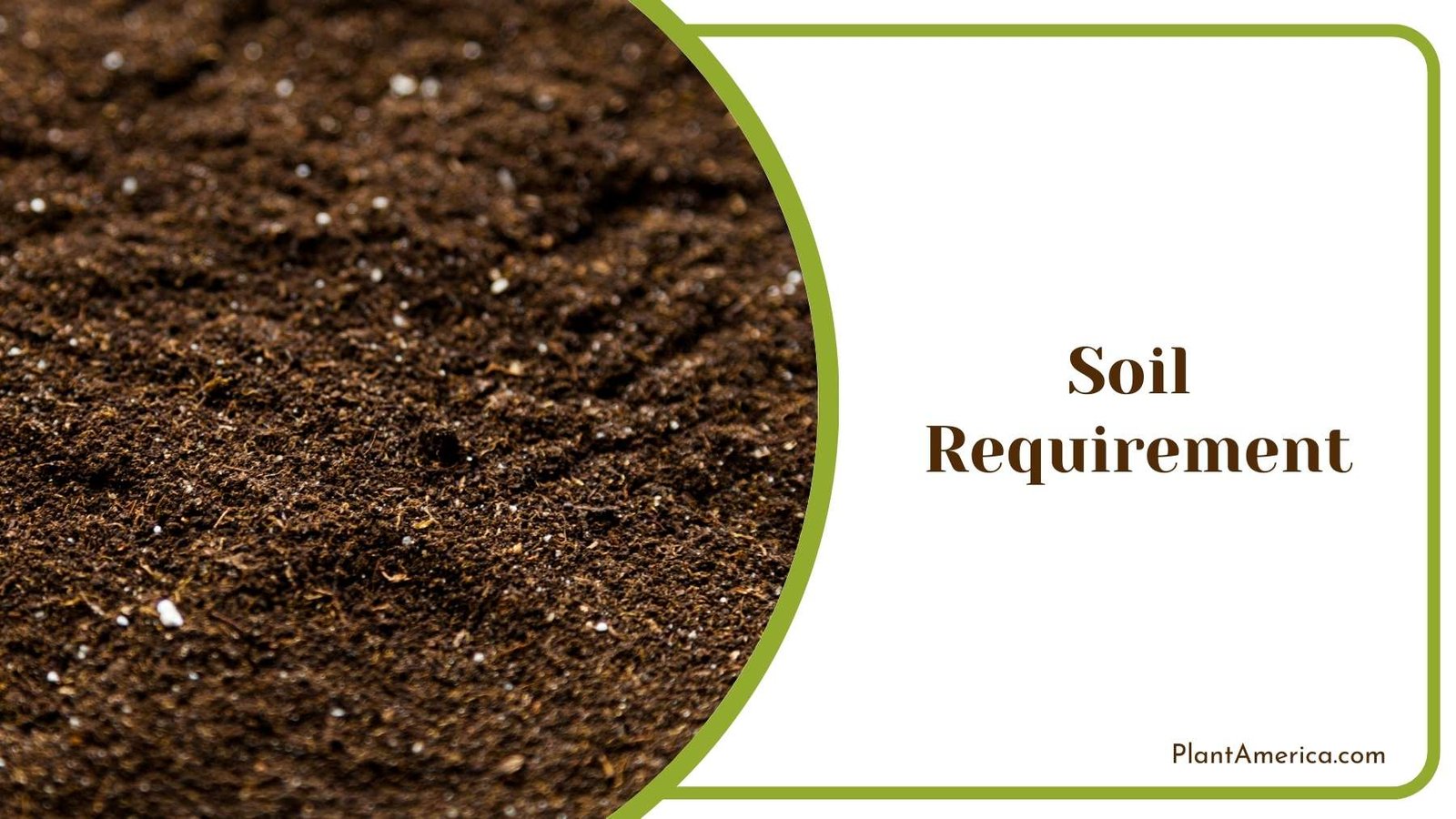 The plant has a small root system which is why it does not need very large pots. Like most other epiphytic succulents, it likes to be in slightly cramped soil conditions but it does not mean that you have to keep it in compact soil.
Use natural clay and terracotta pots as they regulate moisture and temperature better than other materials such as plastic and ceramic. Making the soil mix porous in a clay pot lets the roots breathe without the excess water sitting and accumulating at the bottom.
 Temperature Requirements
The Trinervula plant thrives in the temperature range of 60 to 80 degrees Fahrenheit. Remember to bring your plant indoors in the colder months of the year when the temperature outdoors falls below 55 degrees Fahrenheit. Avoid placing your Peperomia near drafty windows and near the air conditioner vents and heaters. The dry air can cause the leaf edges to crisp up and turn brown. The plant is not cold and frost-hardy, so make sure you protect it from extreme weather conditions.
If winters are not too cold in your region, you can keep the plant outdoors throughout the year but if it gets too cold and frosty, shift the plant indoors to a bright and warm spot to protect it from the cold weather conditions.
 Humidity Requirements
Average humidity levels between 40 and 50 percent work well for this plant’s growth. Due to this plant’s succulent nature, it can tolerate lower humidity levels. Unless you live in desert-dry conditions, you would not need to invest in a humidifier.
Shift your plant to a bathroom or any other humid spot to increase the humidity levels. Mist the plant if it is kept outdoors in hot, dry weather conditions. You would not need to do these steps if the humidity levels around the plant are above 40 percent.
Mist your plant occasionally in the mornings to keep those leaves clean and moist. It helps regulate the temperatures in hot regions with dry weather.
 Fertilizer Requirements
Use a well-balanced, liquid fertilizer to feed your Peperomia. Stick to organic fertilizers to avoid any negative effects of chemical ones. Epiphytic plants do not respond very well to chemical fertilizers.
Replenish soil fertility every few months by adding organic manure to topsoil. If you wish to use chemical fertilizers, make sure you dilute them by adding more water. Diluted liquid fertilizers prevent the issue of salt accumulation in the soil.
If you are unsure of which fertilizer to apply, use a readymade succulent fertilizer once a month during the active growing period. Do not fertilize it in winter as the plant is dormant and feeding at this time can cause root burn due to excessive salt accumulation in the soil.
 Pruning Requirements
Prune your Peperomia branches when they seem leggy and you wish to keep the plant compact and bushy. Use the pruned cuttings to propagate the plant. Sometimes, the leaves and stems accidentally break. Do not worry, simply use the healthy ones for propagating the plant.
The stems are delicate and often break while repotting. So avoid repotting the plant frequently to prevent the stems from breaking. Shift the plant to a fresh soil mix only when the plant overgrows the existing pot.
This plant can tolerate pot-bound soil conditions for longer periods and does not need frequent repotting. Like other succulents, it grows well in cramped-up soil. But once the roots start coming out of the drainage holes and the soil starts to decompose, you can repot it to another pot or in the same pot after preparing a fresh soil mix.
Since these plants do not have an extensive root system, they do not need very large pots. The stems and roots are delicate and are prone to damage and breakage while repotting. Be gentle with the plant’s roots while shifting them.
Propagating Peperomia Trinervula
Propagating this Peperomia is quite easy as all parts of the plant can be used for propagation. It can be propagated from leaf cuttings, stem cuttings and layering methods. The ideal time to propagate the plant is from spring to summer when it is in the active growth phase.
Do not propagate the plant in winter as it is dormant and hardly shows any new growth during this time. Let us take a look at the propagation methods in detail.
– Propagation from Leaf Cuttings
The best time to propagate the plant from leaf and stem cuttings is in spring and summer when the plant is growing actively. From a healthy-looking stem, cut some leaves along with the petiole and let them dry out for a day or two. Once the wounds have healed, plant the leaves in a mix of peat and perlite. Make sure that the stalk is under the soil.
Keep these planted leaves in a bright, shaded spot away from drafty windows. Maintain the soil moisture at all times until the leaves start to show some growth. Instead of watering with pressure, spray the soil with a mister for even moisture. Within two to four weeks, new plants will start growing from the base.
– Propagation from Stem Cuttings
The stem cutting propagation method is similar to the leaf cutting method. Take a cutting with three to four leaves from a healthy stem. Remove the bottom leaves, leaving only the top one or two. Plant the cutting in a well-draining soil mix of peat and perlite, firming the soil around the base.
Keep the planted cuttings in a bright, warm location away from direct sunlight and strong winds. Make sure that the soil is moist at all times until the cuttings root and you see a leaf or two grow.
– Propagation from Ground Layering
Prepare a fresh soil mix of peat and perlite and make sure that the top one to two inches is loose. Simply twirl a stem without removing it from the main plant and place it in the soil with the help of hairpins.
You can apply some rooting hormone for faster root growth but this step is optional. Mist the stem regularly to keep it slightly moist. In a few weeks, you will see roots developing out of the nodes. Once the cutting is well-established with the roots, you can cut it off from the main plant and let it grow as a new plant.
While propagating your plant from stem cuttings and layering, do not remove the cutting and constantly check the root growth. Such disturbances lower the chances of healthy root growth and slow down the entire process.
Problems
– Pests
Common sap-sucking bugs and pests can be an issue for this succulent-like plant. Pests such as aphids, scale, and mealybugs target the stems and leaves of the plant and can cause long-term damage if ignored.
Check the leaf undersides and stems of your plant regularly for these pests. Spray your plant with a steady stream of water if you suspect a little bit of pest infestation. Make sure your plant is sitting in a well-circulated place to avoid fungal growth.
Use organic insecticides such as neem oil or an insecticidal soap solution to deal with more severe infestation problems. Dilute the insecticide in water and wash off the leaves regularly until you notice a significant reduction in pests.
– Stunted Growth
Stunted or slow growth could be a sign that your plant is not getting enough nutrients to grow well. It is time to repot it in a fresh soil mix in a larger pot. Check the lighting and watering conditions and provide the plant with appropriate growing conditions for the best growth results.
– Leggy Growth of Leaves
Watch out for pale, dull leaves with leggy and stretched-out growth. These are the signs of your plant not receiving enough light. The leaves become pale yellow if there is too little light or too much light. Shift the pot to a well-lit space that receives a lot of indirect, bright light.
– Sudden Droopiness in Leaves
Leaf burns and sudden droopiness in the leaves indicate that the plant is receiving too much light. Exposure to direct sunlight is the major cause of leaf burns. It can also be due to cold drafty windows and spaces near air conditioner vents.
Shift the plant to a shady spot away from direct sunlight to protect it from further damage. If the winters are too cold and frosty in your region, bring the plant indoors to protect it from cold, dry air.
– Leaf Edges Burning
If you notice the edges of the foliage turning brown and burning despite keeping it in proper light conditions, it could be due to salt accumulation in the soil. Salt accumulation happens in cases of overfertilization or when there are too many chemicals in the tap water.
In such cases of salt accumulation, check the top layer of soil. You might notice a thin white layer of salts. Shift to RO water and stop using tap water to prevent leaf burns. Fertilize the plant at proper intervals and do not feed the plant in winter.