
“What eats wildflowers?” is a question you might need answered. Gardeners look forward to seeing colorful wildflowers bloom across abandoned fields, forest clearings, and backyard areas every spring and summer. However, no matter how many seeds we plant or flowering weeds we leave alone, something is always nibbling away at the fragile blooms.
 This article will highlight the top common culprits ravaging wildflower patches across neighborhoods.
Identifying What Eats Wildflower in Gardens and Meadows
1. Slugs
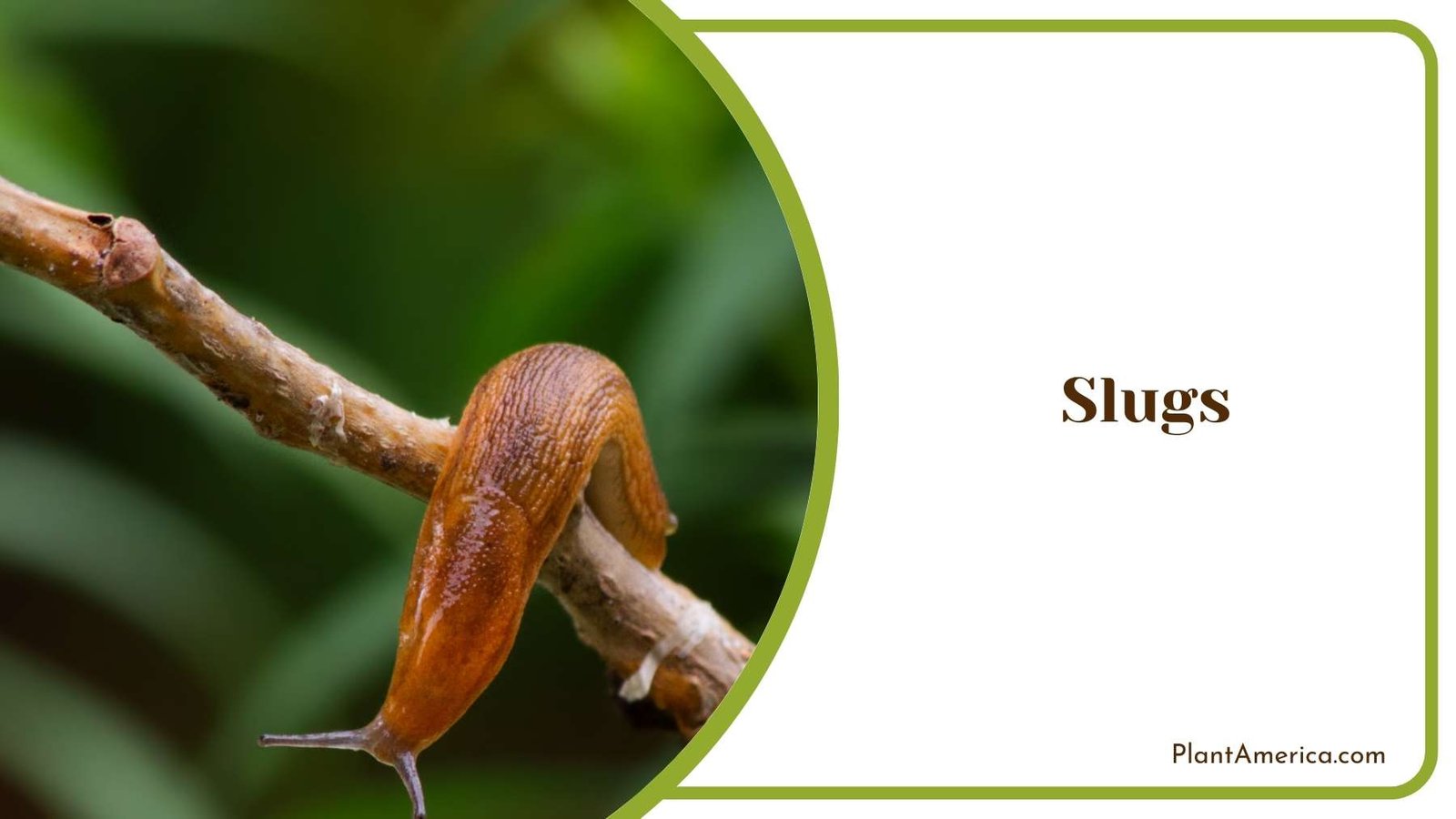
- Favorite Wildflowers: Slugs favor wildflowers like hostas, hydrangeas, delphiniums, and primroses. They also enjoy bugleweed, astilbes, and bleeding hearts in the garden.
- Feeding Habit: Slugs come out at night or during damp conditions to raspingly feed on the soft parts of flowers, buds, and seedlings using their rasping radula. They leave behind silvery trails as they make their way across plants looking for fresh foliage and blooms to consume.
- Impact: Slug feeding can completely destroy young flower buds and developing blooms. Their nocturnal grubbing also spreads diseases as they move between plants.
- Prevention: Methods like copper strips, diatomaceous earth barriers. Slug pellets or bait can help control slug populations and protect wildflowers. Home remedies involving slug repellents made from coffee grounds or wool pellets can also be effective.
Slugs are one of the most prolific pests that feast on wildflowers in gardens across the countryside. Their slimy bodies allow them to navigate the narrow petals and soft leaves effortlessly to consume the tender flower buds and colorful blooms growing amongst the greenery. Active at night and often after periods of rain when the soil is moist, slugs silently leave behind silvery trails on whichever plants they browse under the veil of darkness.
While their unsightly presence and nibbling damage are bothersome to avid gardeners tending carefully cultivated flower patches, slugs perform the important ecological role of slowly breaking down organic plants and other natural matter into nutrients that enrich the soil over time.
Homeowners seeking to discourage slugs from damaging their prized floral displays can employ simple methods to discourage pests from residences. Removing piles of debris like mulch, wood chips, or leaves where slugs often live and hide during the day makes their refuge scarce.
Placing a physical barrier like narrow copper strips around the perimeter of flower beds proves an effective deterrent, as slugs strongly dislike crossing over the drying metallic surface. Where slug problems persist in the garden despite prevention efforts, bait containing iron phosphate as the active ingredient provides a targeted, safe control solution when used as directed. Slugs consume the bait but pose no risk to other critters or children.
2. Snails
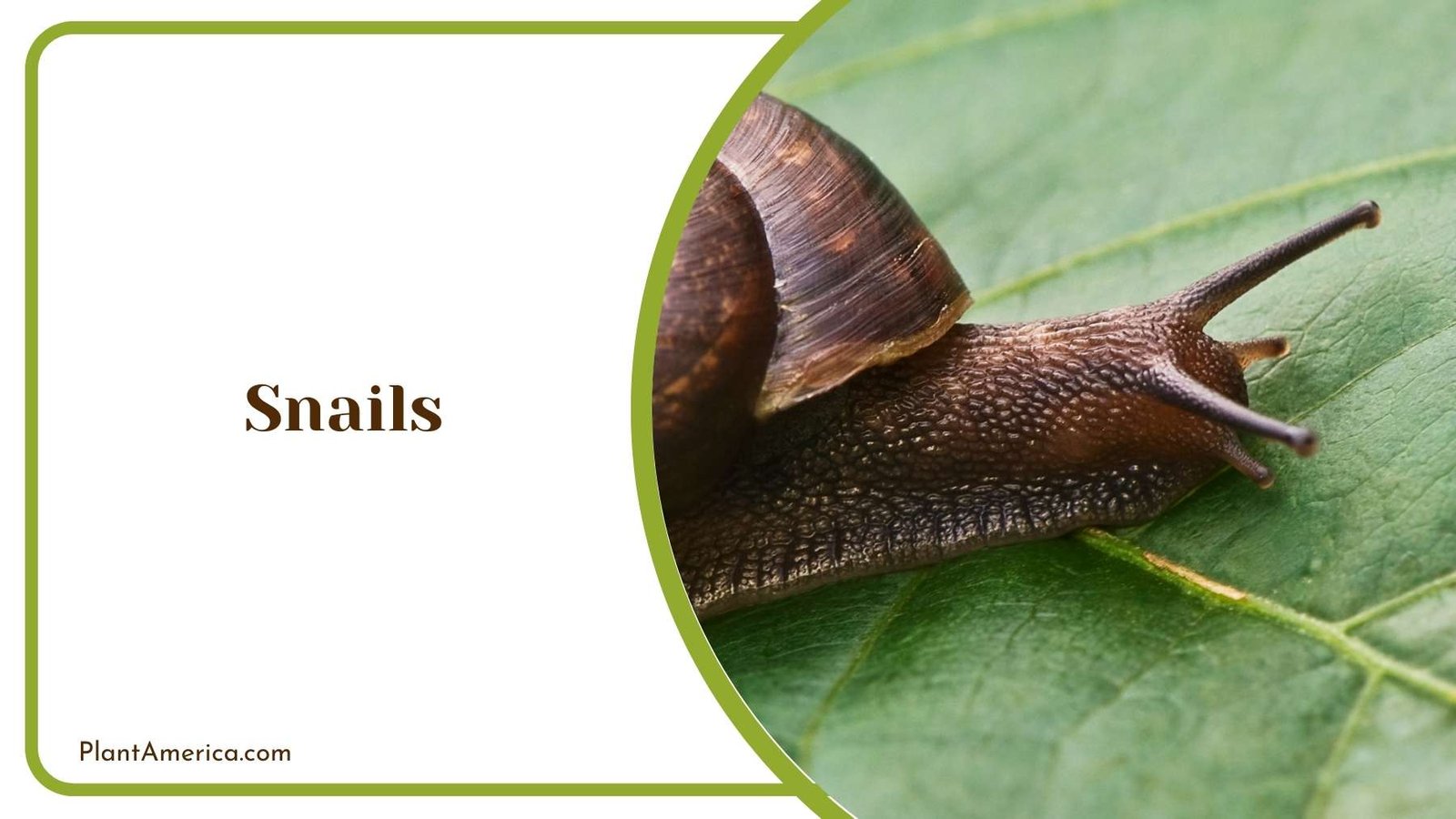
- Favorite Wildflowers: Snails favor wildflowers like hostas, moonflowers, and daylilies. They also enjoy baby’s breath, ligularia, and black-eyed susans in the garden.
- Feeding Habit: Snails come out at night or during damp conditions to raspingly feed on the soft parts of flowers, buds, and seedlings using their rasping radula. They leave behind slimy trails as they make their way across plants seeking fresh foliage and blooms.
- Impact: Heavy snail feeding can severely damage young plant growth, buds, and blooms. It also spreads diseases between plants as snails traverse the garden.
- Prevention: Physical barriers like mesh or copper sheeting can block snail access. Biological controls using natural predators or pet-safe snail baits can help control populations and protect prize wildflowers.
Snails resemble slugs but possess a coiled external shell. Like slugs, they consume fallen leaves and a wide variety of vegetable matter and flowers. Gardeners often find snail damage on hosta, impatiens, and petunias.
During prolonged rains, snails climb up plants to browse at leaf level. Their trails are similar to slugs but usually thicker and slime lines. Removing debris shelters and planting snail-repellent herbs and flowers helps control organic snails. Traps with beer lure snails for collection and removal from the garden.
3. Deer
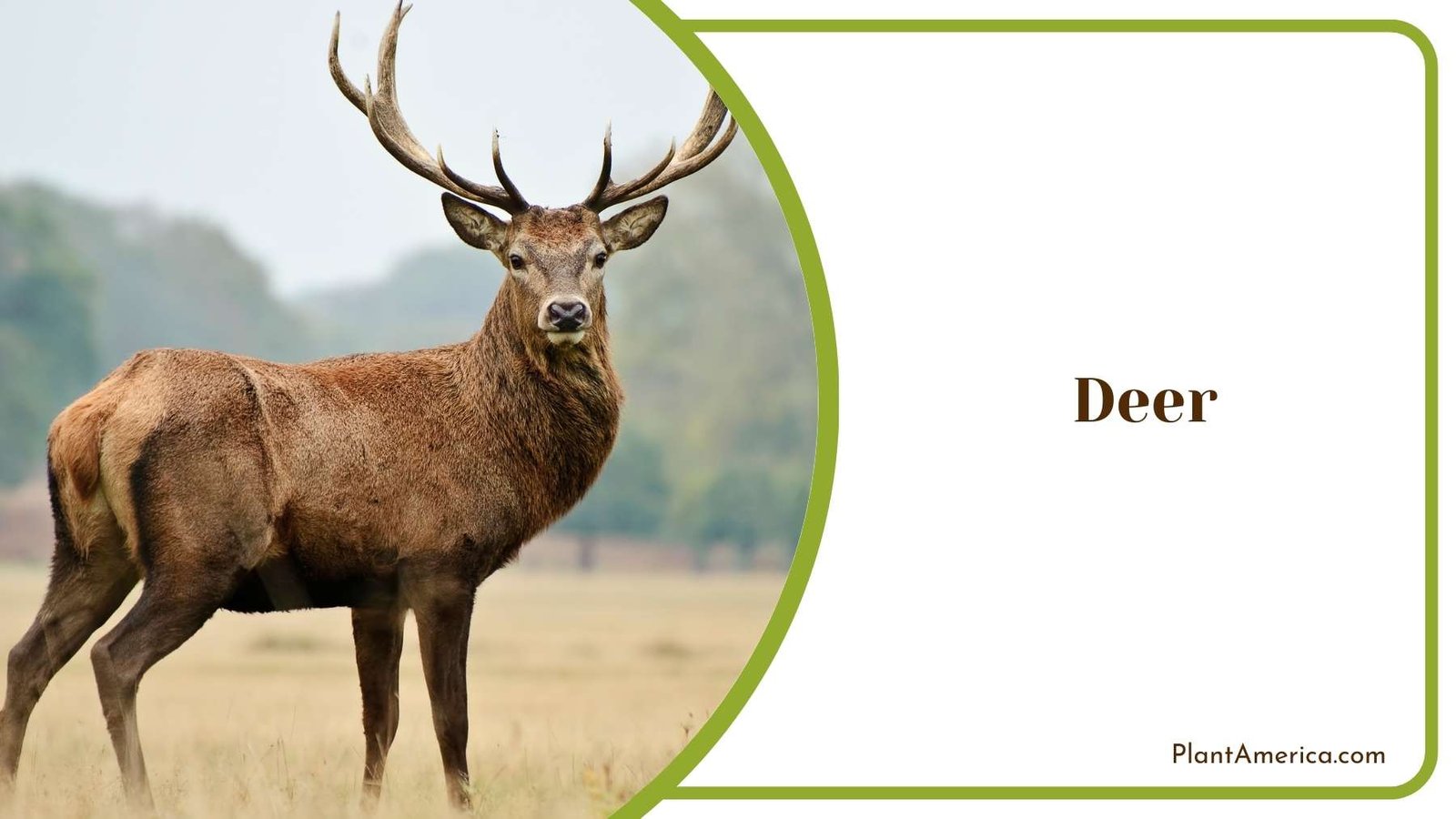
- Favorite Wildflowers: Deer favor eating wildflowers such as delphinium, phlox, hostas, and hydrangeas. They also browse peonies, lavender, and coneflowers.
- Feeding Habit: Deer feed by biting off flowers and foliage using their tough lips and teeth. They often cause a pruned appearance by feeding at heights under 6 feet.
- Impact: Heavy deer browsing can destroy entire beds of wildflowers, reducing displays to stubby stems. Over time, it can eliminate preferred floral varieties from the landscape.
- Prevention: Fencing is very effective at blocking access if it is at least 8 feet tall. Deterrent sprays and soaps containing predator scents may discourage feeding temporarily.
Whitetail deer are familiar browsers throughout suburban neighborhoods and woodland forests. Large enough to effortlessly leap over average-sized fences with powerful hind legs, even a single deer can devastate a carefully tended flower garden overnight by cropping the blooms and seedlings down to stubs.
Their natural preference is for the young, tender new growth of plants, which are richest in protein and vital minerals essential for their diets. To garden successfully in areas where deer live and roam, green-thumbed homeowners must choose many of their plants from the list of foliage that deer least favor as foods, such as astilbes, sage, and phlox varieties.
Erecting stronger physical barriers around the perimeter of plots as tall as eight feet in some cases may keep deer from entering small garden spaces. Repellent sprays that combine pungent odors like rotten eggs or putrid greases that deer strongly dislike can also be used as a deterrent.
As an alternative solution or last resort to protect plants, some gardeners have found that temporarily frightening deer away from habitat areas with motion-activated lights and loud scarecrow prop sounds can eventually train them to avoid and steer clear of that vicinity.
Beyond installing sturdy deer-proof barriers, understanding deer behavior helps prevent damage to the garden. For instance, deer typically avoid open areas that provide little cover and will steer shy of bushes and flowers displaying bold colors or patterns, which could make them more vulnerable to potential predators lurking in the shrubbery.
Planting wide buffers of unappetizing foliage that conserves cover along the garden’s edges and hemmed borders also proves effective in naturally dissuading deer access. Consistency is key, as deer can grow accustomed to new food sources within their territorial ranges if not continuously discouraged. Therefore, with diligent precautions like fencing, repellents, and plant selection, many gardeners can still cultivate a bountiful harvest where deer reside nearby.
4. Rabbits

- Favorite Wildflowers: Rabbits enjoy eating wildflowers such as tulips, hydrangeas, and hostas. They also feast on daffodils, primroses, and delphinium.
- Feeding Habit: Rabbits feed by clipping off plant stems and foliage close to the ground using their front teeth. They often chew completely through slender flower stalks.
- Impact: Intense rabbit feeding can destroy entire plantings of wildflowers, leaving behind tattered remains. Over time, their grazing removes preferred species.
- Prevention: Fencing them out is effective, with hardware cloth extending at least 6 inches below ground. Repellents containing predator scents may discourage feeding temporarily.
Cottontail rabbits and hares reside across much of North America and are commonly seen in backyard gardens. As prolific breeders, conditions that offer shelter and forage attract them. Rabbits prefer lawn grazing, but their interests expand seasonally to include flowering and vegetable crops.
Plants become easy targets, particularly lush, after the recent sprouting of new growth in spring or following summer rains. Rabbits nip plants cleanly rather than jagged deer bites and work at ground level. Solutions arise from preventing access, not just repelling. Sturdy fencing sunk into the ground denies entry, or woven wire is placed close around individual plants.
Alternatively, loose wire mesh shelters young seedlings as they establish. Where rabbits abound, companion planting fragrant herbs and flowers around crops masks appealing smells. Rabbits also shy from dense plantings versus sparse gardens with more travel lanes, so careful spacing deters browsing. With a little deterrence, rabbits need not mean the end of blooms or veggies.
5. Groundhogs

- Favorite Wildflowers: Groundhogs enjoy eating the tender new growth of wildflowers like hostas, peonies, and hydrangeas emerging in the springtime. They also relish tulips and daffodils.
- Feeding Habit: Groundhogs feed by clipping foliage, buds, and blooms close to the ground using their chisel-like front teeth. They may consume entire plants, leaving just stripped stems.
- Impact: Groundhogs can devastate wildflower plantings in a very short time if not controlled. Repeated damage inhibits plants from flowering.
- Prevention: Burrow fumigation or exclusion, combined with sturdy fencing that extends a foot underground, can protect gardens. Reflective tape may startle groundhogs away temporarily.
Also called woodchucks, groundhogs emerge in early spring to forage after hibernation. Mainly herbivorous at this time, they feed heavily on emerging flowers, crops, and succulent new grass blades until fruits and vegetables ripen. Groundhogs thrive in overgrown fields and gardens, edges of woods, and rocky or brushy clearings where they construct burrow systems.
From these tunnels radiating outward, a single groundhog damages plants within its large home range. Fencing remains the surest solution, with strong wire or mesh extending at least 3 feet sunk underground. Alternatively, repellents, sonic deterrents, or trapping/relocating offending animals may help. Improving habitat discourages groundhogs by eliminating attractive dense brush piles.
Ongoing solutions require diligence with multiple semi-permanent methods versus temporary repellents alone. With consistent protection of vulnerable early growth stages, gardens can coexist with these resilient omnivores.
6. Butterflies

- Favorite Wildflowers: Butterflies are attracted to nectar-rich flowers like monarda, lantana, cosmos, zinnias, and butterfly weed. They also visit pentas, lilies, and sunflowers.
- Feeding Habit: Butterflies feed on nectar from flowers using a long coiled tongue or proboscis. They move between blossoms gathering pollen, which is inadvertently transported.
- Impact: Butterflies do not damage flowering plants but play an important ecological role as important pollinators. Their visits spread pollen between compatible species.
- Prevention: There is no need to prevent butterflies from feeding, as they do not cause harm. Planting a variety of native nectar-rich flowers attracts more butterflies to the landscape.
Butterflies bring beauty to gardens, but their caterpillars can become pests on certain plants. After eggs hatch, voracious caterpillars munch leaves to fuel stunning metamorphosis into winged adults. Some butterfly species specialize in solanums like tomatoes or brassicas. Caterpillars of swallowtails dine on caraway, fennel, and dill. By recognizing each life stage’s needs, gardeners avoid conflicts.
Rather than eradication, live-and-let-live practices integrate butterflies. Tolerating some damage from common species lets nature thrive while protecting prized edibles. Control methods focus on compatible plant choices or manual picking to relocate caterpillars, minimizing harm. With life cycles attuned to seasonal blooms, butterflies enhance any sustainable landscape.
7. Bees

- Favorite Wildflowers: Bees are drawn to many wildflowers including sage, lavender, bee balm, goldenrod, penstemon, and phlox. They also visit coneflowers, milkweeds, and asters.
- Feeding Habit: Bees feed on nectar by inserting their elongated mouthparts into flower tubes and cups. Pollen adheres to their bodies, which is transferred between blooms as they forage.
- Impact: Bees do not damage or consume entire flowers. As important pollinators, they help spread pollen between plants, allowing cross-fertilization and seed production.
- Prevention: There is no need to prevent bees from feeding on wildflowers, as they play a vital ecological role in plant reproduction. They are vital for the food web structure through pollination services.
Bees pollinate countless wildflowers and one-third of global crop species, yet face population declines. As generalist foragers visiting many bloom types, bees incidentally consume some petals. However, their pollination services far outweigh minor foraging impacts. Gardeners support this vital work by planting diverse native flowers blooming in succession.
Bee nest sites also entice solitary bees essential to pollination. Aggregations nest underground or within plant stems, holes, or orchid sheathes. Mason bees readily utilize drilled bamboo canes or boards placed off-ground. Considering natural history yields strategies respecting bee co-habitation. This ensures continued cross-pollination, benefiting all species in balanced ecosystems.
8. Grasshoppers

- Favorite Wildflowers: Grasshoppers feed on the foliage and flowers of many wildflowers including coreopsis, gaillardia, feverfew, and yarrow. They also visit asters, coneflowers, and hostas.
- Feeding Habit: Grasshoppers feed by chewing plant material with strong jaws and mouthparts. They often strip foliage leaving ribbed veins and stems.
- Impact: In large populations, grasshoppers can severely damage wildflower plants by consuming leaves and half-eaten buds/blooms. Repeated defoliation stresses plants.
- Prevention: Apply approved organic or synthetic insecticides according to label directions if numerous grasshoppers become a pest of wildflower beds. Removing weed hosts can help reduce populations.
Warm seasons bring hordes of grasshoppers hatching to consume almost any green matter. These nibbles add up, with one grasshopper eating half its weight daily. Nymphs emerge mid-summer to congregate where vegetation meets their cover and thermoregulation needs. Sunflowers, daisies, and tall surrounding weeds especially attract aggregating bands.
Integrated management uses environmentally aware options. Tilling outer borders destroys egg cases while sparing creatures’ homes. Encouraging predatory insects assists in natural control. Severely impacted cherished plants may require barrier cages or spot-treatment of approved deterrents. With a little green thumb work managing habitat conditions, grasshoppers rarely pose serious long-term threats in balanced gardens.
Conclusion
Blooming meadows contribute beauty and ecological viability wherever they take root and here we gain insight into nature-friendly solutions by exploring ten common wildflowers’ culprits.
- Slugs, snails, and rabbits browse at ground level while deer and grasshoppers feast higher up
- Insect pests like caterpillars and aphids suck sap from leaves and buds
- Groundhogs and beetles consume entire plants through burrowing and swarming behavior
Rather than accusation, their actions remind us of life’s interdependence. By carefully considering each species’ needs and impacts, balanced co-existence arises. Small steps of protection show wild places their worth.