
Foundation plants are an effortless way to instantly upgrade your home’s curb appeal. When strategically placed next to your foundation, the right shrubs, trees, and groundcovers can frame entrances, mask unattractive areas, and blend your home into the landscape.

In this article, we’ll explore the best foundation plants for filling spaces, beautifying any garden bed, and adding visual interest all year long. From colorful and fragrant to stately that create year-round screening and texture, these low-maintenance plants will thrive in confined foundation beds, soften edges, and transform your home’s exterior into an inviting outdoor oasis!
Foundation Plants To Improve Your Home’s Curb Appeal
1. Dwarf Ninebark
- Growing season: Spring, Summer
- Leaf shape: Simple, Round
- Specific needs: Moist soil, Well drained soil
- Common pest: Aphids, Scales
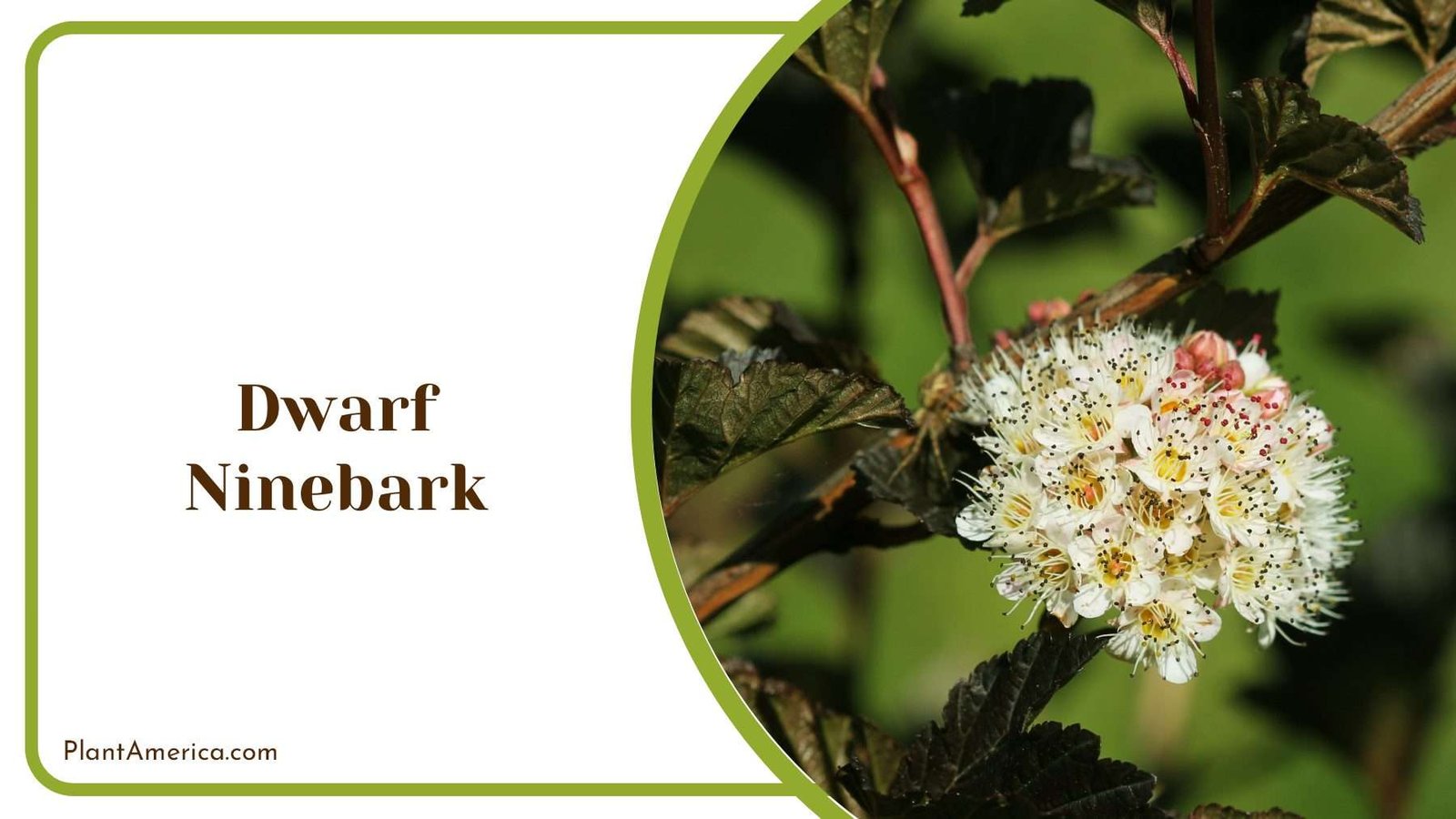
As a foundation plant, dwarf ninebark adds gorgeous seasonal interest, texture, and low-maintenance perennial color. The arching stems and fine-textured foliage create an attractive backdrop for flowering shrubs in summer.
Dwarf ninebark typically grows two to three feet tall and wide, forming a loose mound of branches. Dwarf Ninebark is a lovely choice for beautifying home foundations with its attractive foliage, flowering, and low maintenance needs. The arching stems and fine-textured leaves provide an eye-catching backdrop for other foundation plants during the growing season.
Specifically, dwarf ninebark typically grows between two to three feet tall and wide, forming a loose, rounded mound of branches. The rounded leaves emerge tinged with purple-bronze hues in early spring, maturing to a dark shade of green during summer. In late spring, clusters of small white flowers appear, which are then followed by seed pods that provide winter interest. In fall, the peeling bark exfoliates to reveal brilliant colors of yellow, orange, and scarlet.
These traits make dwarf ninebark well-suited for small foundation plantings due to its ability to thrive in confined spaces while tolerating a wide variety of conditions. Planting dwarf ninebark in full sun results in the best flowering and growth, though it can also handle partial shade. While susceptible to infestations by aphids and scale insects at times, dwarf ninebark requires minimal care after establishment and adds scenic seasonal appeal with very little effort.
2. Russian Sage
- Growing season: Spring, Summer
- Leaf shape: Oval, Lance-shaped
- Specific needs: Full sun, Well drained soil
- Common pest: Aphids, Spider mites
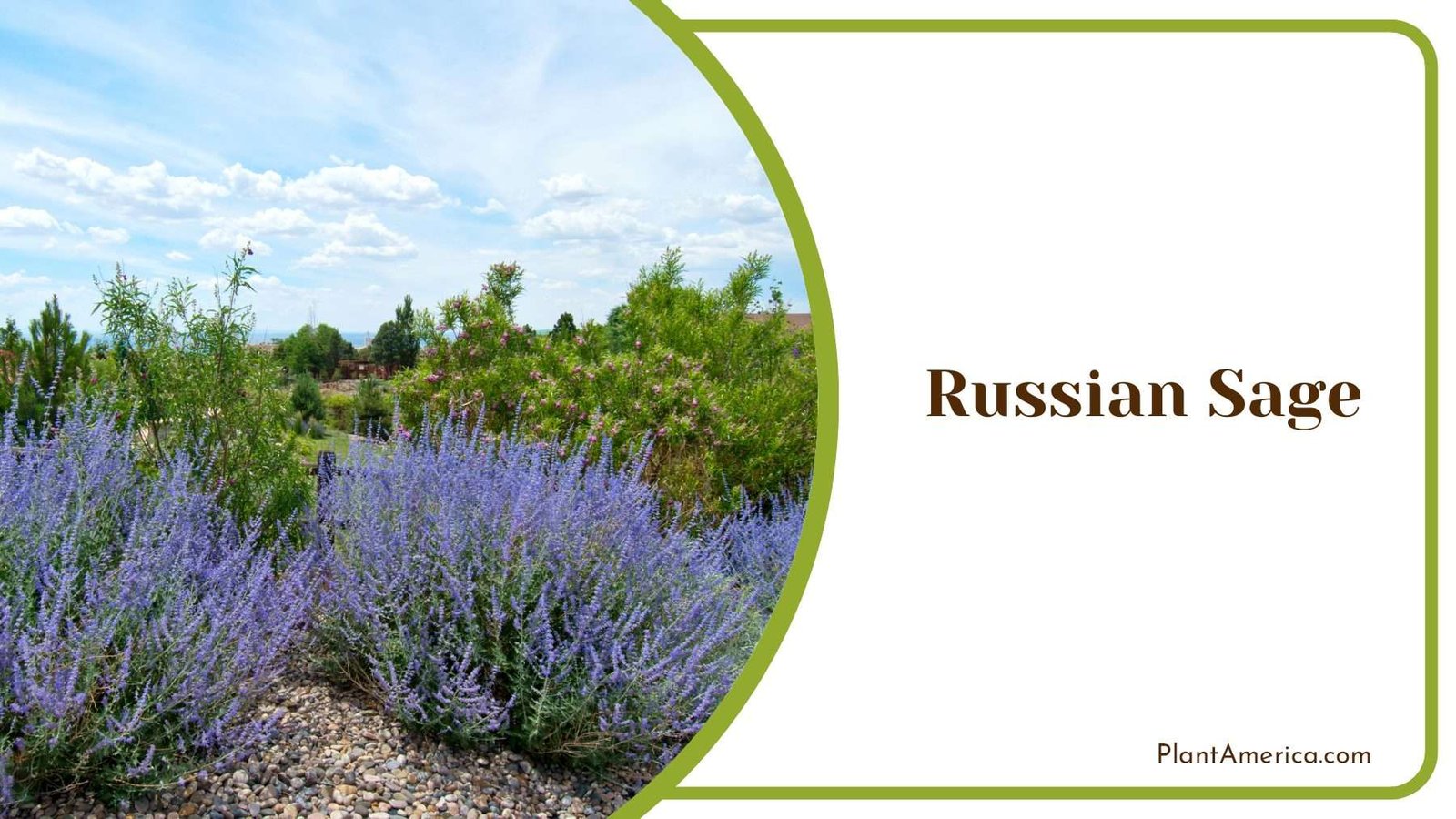
As a foundation plant, Russian sage adds dramatic color, screening ability, and drought tolerance to the landscape. The upright stems and fine texture make it a versatile structural plant.
Russian sage shrubs grow two to four feet tall and one to three feet wide, with multiple stems covered in a woody base. The oval to lance-shaped, grayish leaves emerge pinkish in spring, eventually turning grayish-green. In summer, upright flower spikes bloom in shades of purple, pink, and white for months of color.
Russian sage is well-suited for exposed sites and confined spaces for its drought tolerance and low growth habit. Plant in full sun for best flowering and growth. Resistant to most pests except occasional spider mites or aphids, prune after blooming to promote new growth.
3. False Cypress

- Growing season: Spring, Summer
- Leaf shape: Scale-like, Sharp edges
- Specific needs: Full to partial sun, Well-drained soil
- Common pest: Scale insects, Mites
As a foundation plant, the false cypress creates an elegant backdrop and element of privacy with its upright growth habit and narrow scale-like, needled foliage. The golden form ‘Juniprin’ brings added seasonal appeal.
Depending on the species, false cypress shrubs grow 6 to 20 feet tall and 4 to 10 feet wide, with an upright, conical habit. The scale-like, needle foliage ranges from blue-green to golden in color, creating a dense canopy.
False cypress thrives in full sun and well-drained soil. They tolerate drought, wind, and salt spray, and are ideal for narrow spaces and corners. Provides four-season interest and screening. Requires minimal pruning and is prone to scale insects and mites in hot, dry weather. Spray with horticultural oil to prevent pests.
4. Boxwood
- Growing season: Spring, Summer
- Leaf shape: Elliptic, Oval
- Specific needs: Rich soil, Well drained soil
- Common pest: Scale insects, Spider mites
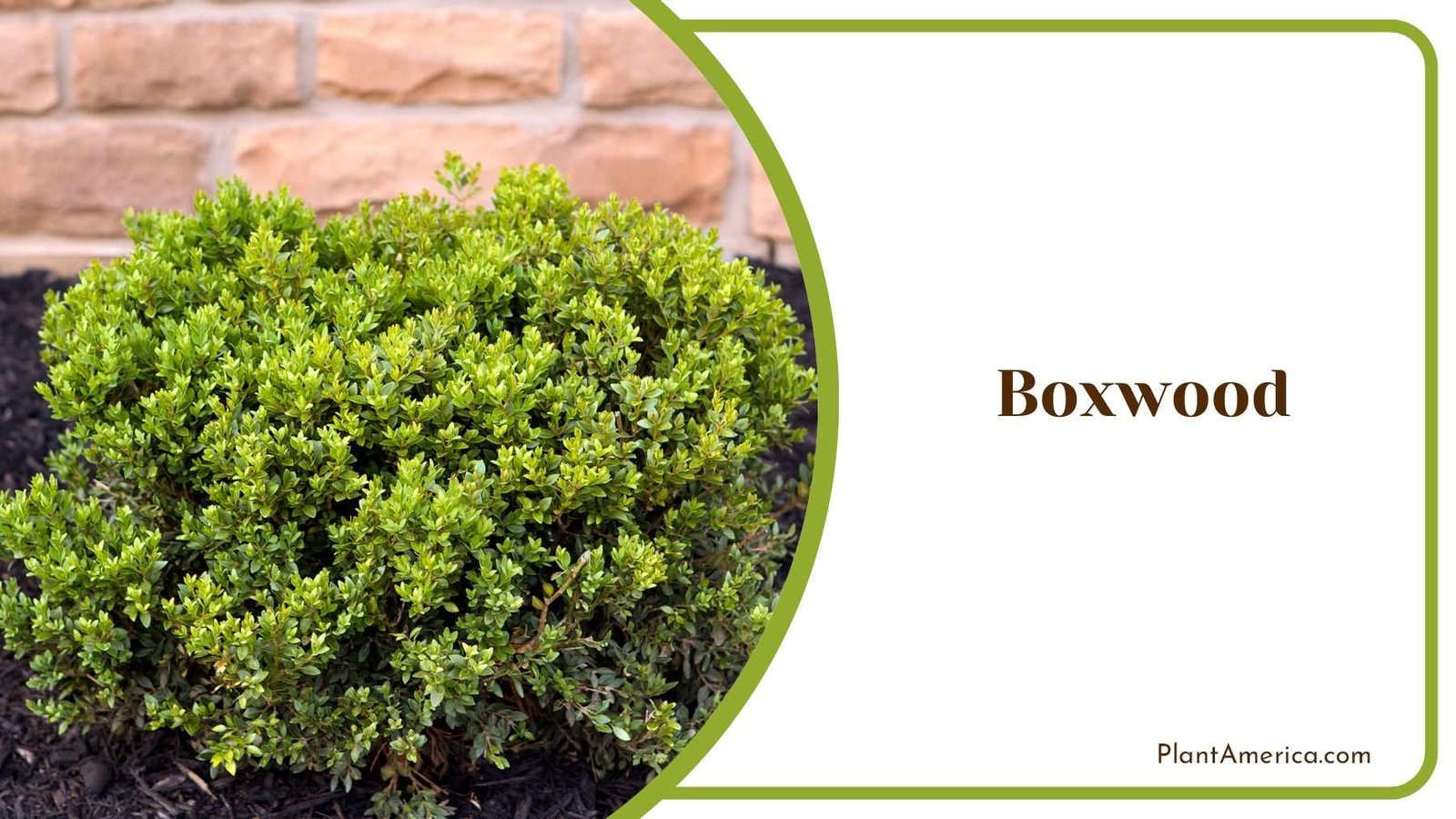
As a foundation plant, boxwood adds formal structure, screening ability, and year-round green color to the landscape. The dense, compact growth habit and ability to form tight hedges give boxwood exceptional versatility.
Boxwood plants grow between 2 to 10 feet tall and wide depending on the species. The elliptical to oval-shaped, dark green leaves create a dense canopy of foliage. In spring, inconspicuous greenish-white flowers appear followed by small, inconspicuous fruits in summer that provide visual interest.
Boxwood prefers rich, well-draining soil for optimal growth and form. Planting in full sun results in the tightest, most compact shape, though it can also tolerate partial shade. Ideal for small spaces, corners, and formal hedges due to the ability to prune into geometric shapes, regular pruning is required to maintain the desired shape and size of boxwood.
While generally pest-resistant, boxwood can be susceptible to infestations by spider mites, scale insects, and aphids. Ensuring consistently moist soil and spraying horticultural oil on new foliage growth can help reduce pest problems.
5. Japanese Maple
- Growing season: Spring, Summer
- Leaf shape: Palmate, Lobed
- Specific needs: Moist soil, Acidic soil
- Common pest: Scale insects, Spider mites
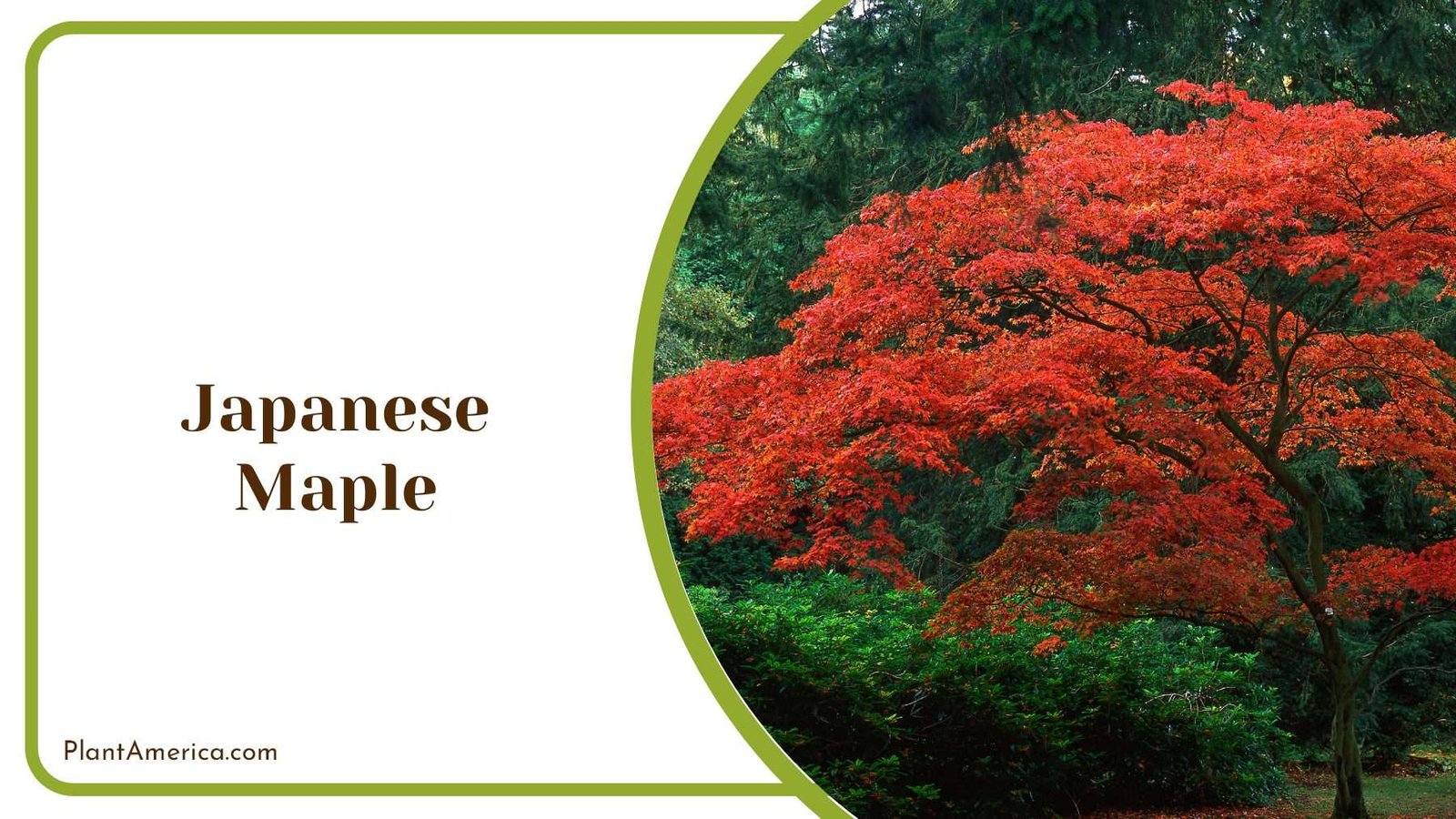
As a foundation plant, Japanese maples add architectural foliage color and a graceful accent to any landscape. The stunning fall foliage of red, orange, and yellow further elevates any vignette.
Japanese maples grow 10 to 30 feet tall and as wide, highly depending on species and cultivar. The palmately compound, palmate leaflets range in color from deep purple-crimson to vibrant red, blending beautifully during fall.
Japanese maples thrive in partial to full shade with protection from the hot afternoon sun. Prefers consistently moist, acidic soil rich in organics. They are ideal for narrow spaces that have a straight upright form and are susceptible to scale insects and spider mites, so spray with horticultural oil. Propagate new plants through cuttings.
6. Japanese Yew
- Growing season: Spring, Summer
- Leaf shape: Scale-like, Rough edges
- Specific needs: Well drained soil, Light tolerant
- Common pest: Spider mites, Aphids
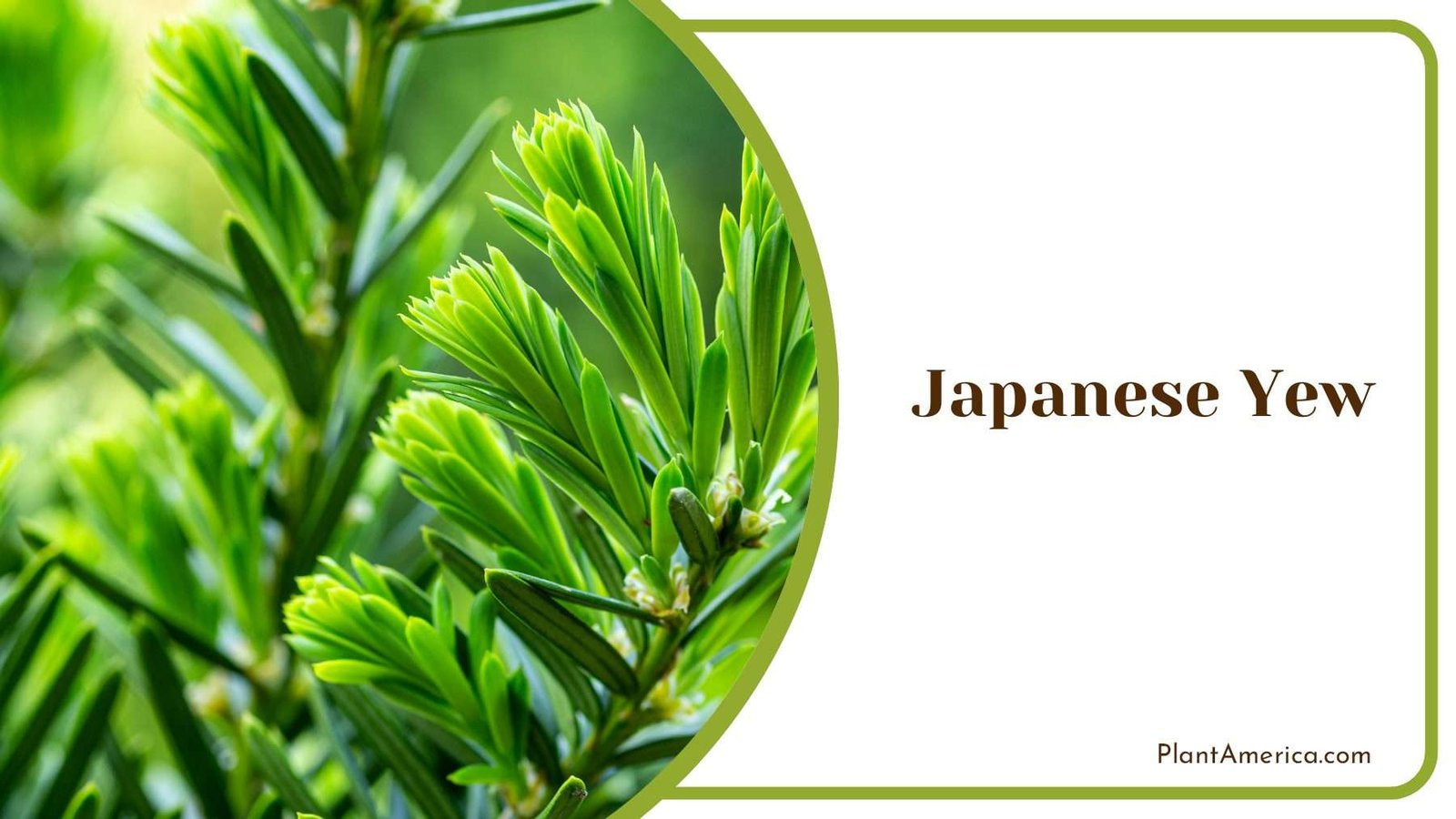
As a foundation plant, Japanese yew adds structure, year-round green texture and the ability to form size-control hedges when clipped. The dense growth habit makes it ideal for small spaces and foundation plantings.
Japanese yew shrubs grow 3 to 20 feet tall and wide, depending on species and cultivar. The scale-like,evergreenery dark green foliage overlaps tightly to form a dense canopy that requires little pruning. Male and female plants produce inconspicuous cones.
Japanese yew thrives in full sun to partial shade with consistently moist, acidic soil. Tolerant of pollution, drought, wind, and root confinement, they are ideal for contained areas and hedges. Susceptible to spider mites, weevils, and aphids under stressed conditions, make sure to spray them with horticultural oil and maintain consistent moisture.
7. Spirea
- Growing season: Spring, Summer
- Leaf shape: Oblong, Oval
- Specific needs: Moist soil, Well drained soil
- Common pest: Japanese beetles, Spider mites
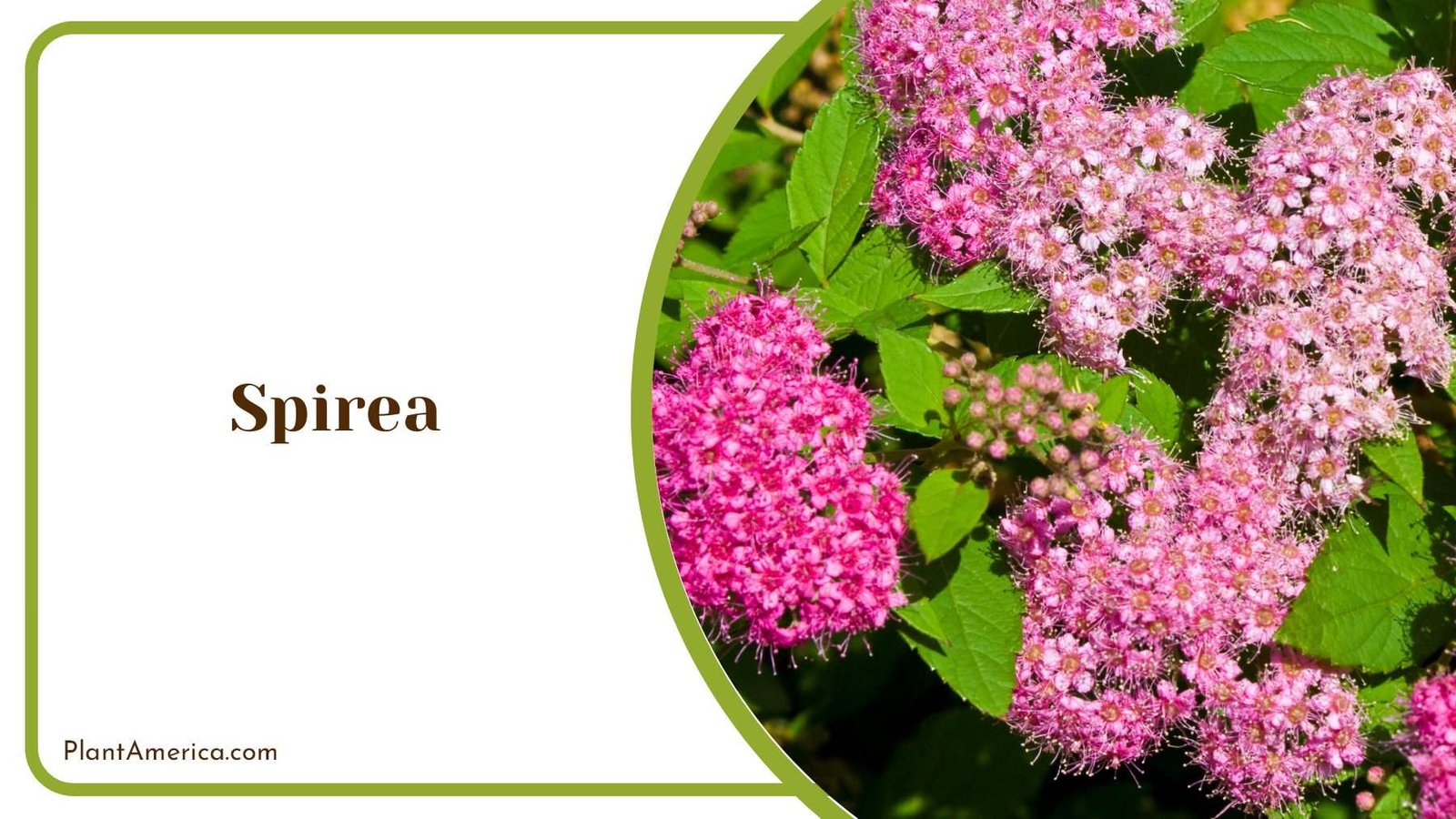
As a foundation plant, bridal wreath spirea shrubs make an excellent choice for adorning home foundations with their arching branches, delicate foliage, and profusion of springtime flowers. Certain varieties of spirea are especially well-suited for landscape areas near the home’s foundation.
Typically, spirea plants grow between four to six feet tall and wide. They have multiple stems and arching, sometimes weeping branches covered in oblong to oval-shaped foliage. Depending on the variety, flowers appear in colors of white, pink, or red, blooming in late spring and providing a profusion of color. Fall foliage offers additional visual interest, transitioning to shades of burgundy and purple before dropping.
Spirea thrives in full sun and average to moist, well-draining soil with an ample supply of moisture. Pruning spireas in late winter or early spring helps encourage new growth for the upcoming growing season.
Spirea shrubs can be susceptible to infestations by Japanese beetles, spider mites, and powdery mildew, so ensuring good air circulation around the plants helps reduce these problems. Spirea plants are easy to propagate from stem cuttings or divisions after they have finished blooming for the season.
8. Lenten Rose

- Growing season: Spring, Summer
- Leaf shape: Elliptic, Oblong
- Specific needs: Acidic soil, Humus-rich soil
- Common pest: Aphids, Spider mites
As a foundation plant, Lenten Rose adds vibrant color, edible rose hips and a stunning appearance when planted en masse. The compact, mounding growth habit and tough nature make this a beautiful choice.
Lenten Rose grows one to two feet tall and wide, forming a mounded bush. The elliptic-oblong leaves emerge bronze-purple in spring, eventually turning glossy green. From early to mid-spring, trumpet-shaped pink or white rose blossoms appear, covering the plant. In fall, the foliage turns scarlet yellow.
9. Perennial Geranium

- Growing season: Spring, Summer
- Leaf shape: Palmately compound, Enlogated leaflets
- Specific needs: Moist soil, Well drained soil
- Common pest: Whiteflies, Spider mites
As a foundation plant, perennial geraniums add textural interest as their prolific blooming and beautiful foliage colors the landscape. The mounding growth habit and hardiness make them versatile for narrow spaces.
Perennial geraniums grow one to three feet tall and wide, forming mounded clumps. The palmately compound leaves have varying colors from bronze stored in spring, eventually turning dark green. Forms from spring through fall, trumpet-shaped pink, purple, and white colored flowers cover the plant. They are susceptible to spider mites and whiteflies, so spray with insecticidal soap.
10. Lavender
- Growing season: Spring, Summer
- Leaf shape: Narrow, Linear
- Specific needs: Sunlight tolerant, Well drained soil
- Common pest: Aphids, Spider mites
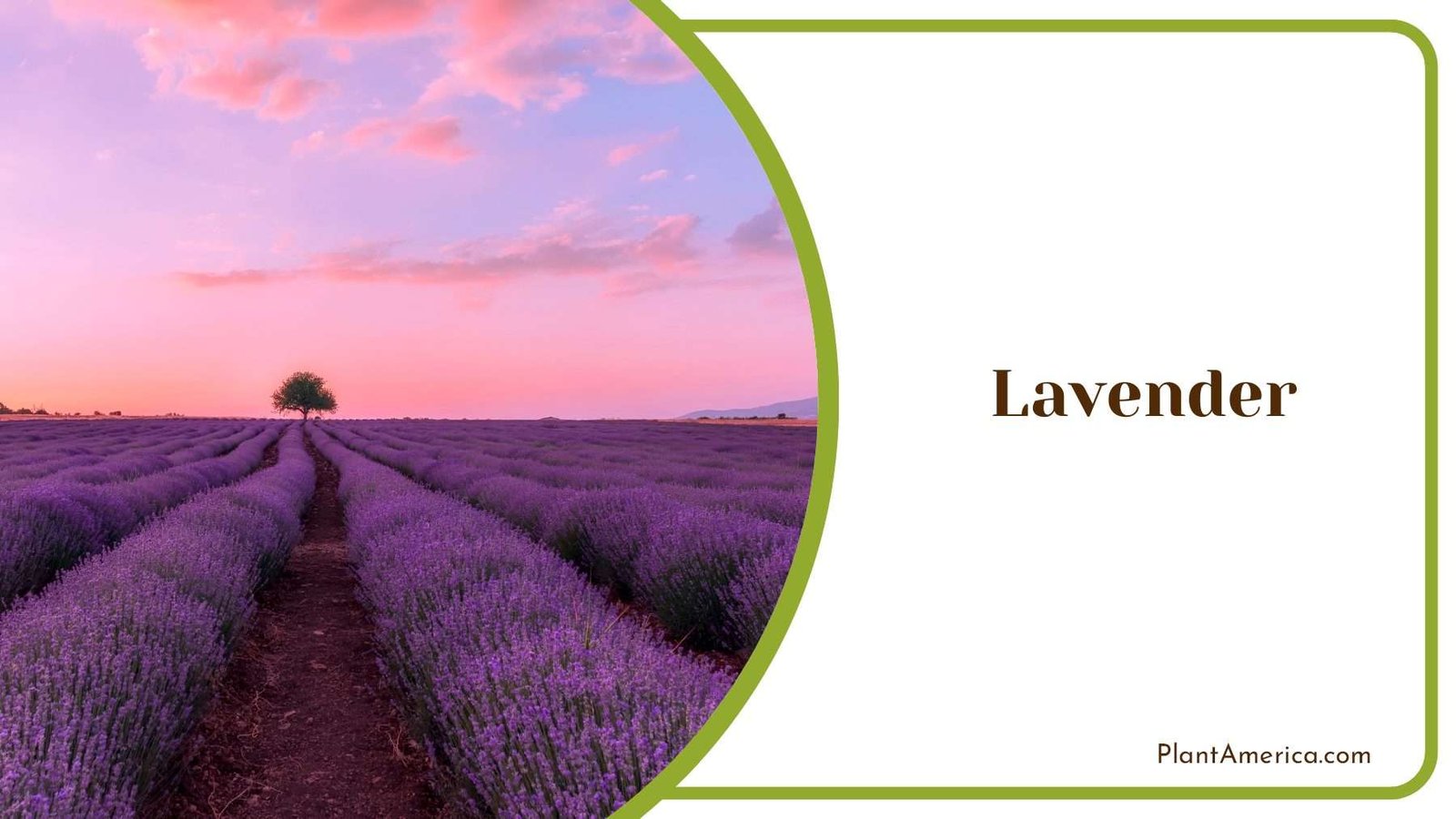
As a foundation plant, lavender adds fragrance and textural interest to the landscape with its silvery, narrow linear foliage and spikes of aromatic flowers. The mounded growth habit and drought tolerance make it ideal for foundation plantings.
Lavender shrubs grow one to three feet tall and wide, with a mounded, woody habit. The narrow, linear leaves are greyish-green in color. In summer, spike-shaped flowers in shades of purple, pink, and white bloom and release their distinctive aroma.
Lavender is well-suited for planting due intolerance to heat,drought, and poor conditions. Plant them in full sun for best flower display. They require minimal pruning, but are susceptible to spider mites in hot conditions. Spray them with horticultural oil and propagate steadily through cuttings.
11. Pearlbush
- Growing season: Spring, Summer
- Leaf shape: Oblong, Ovate
- Specific needs: Moist soil, Well drained soil
- Common pest: Japanese beetles, Mites
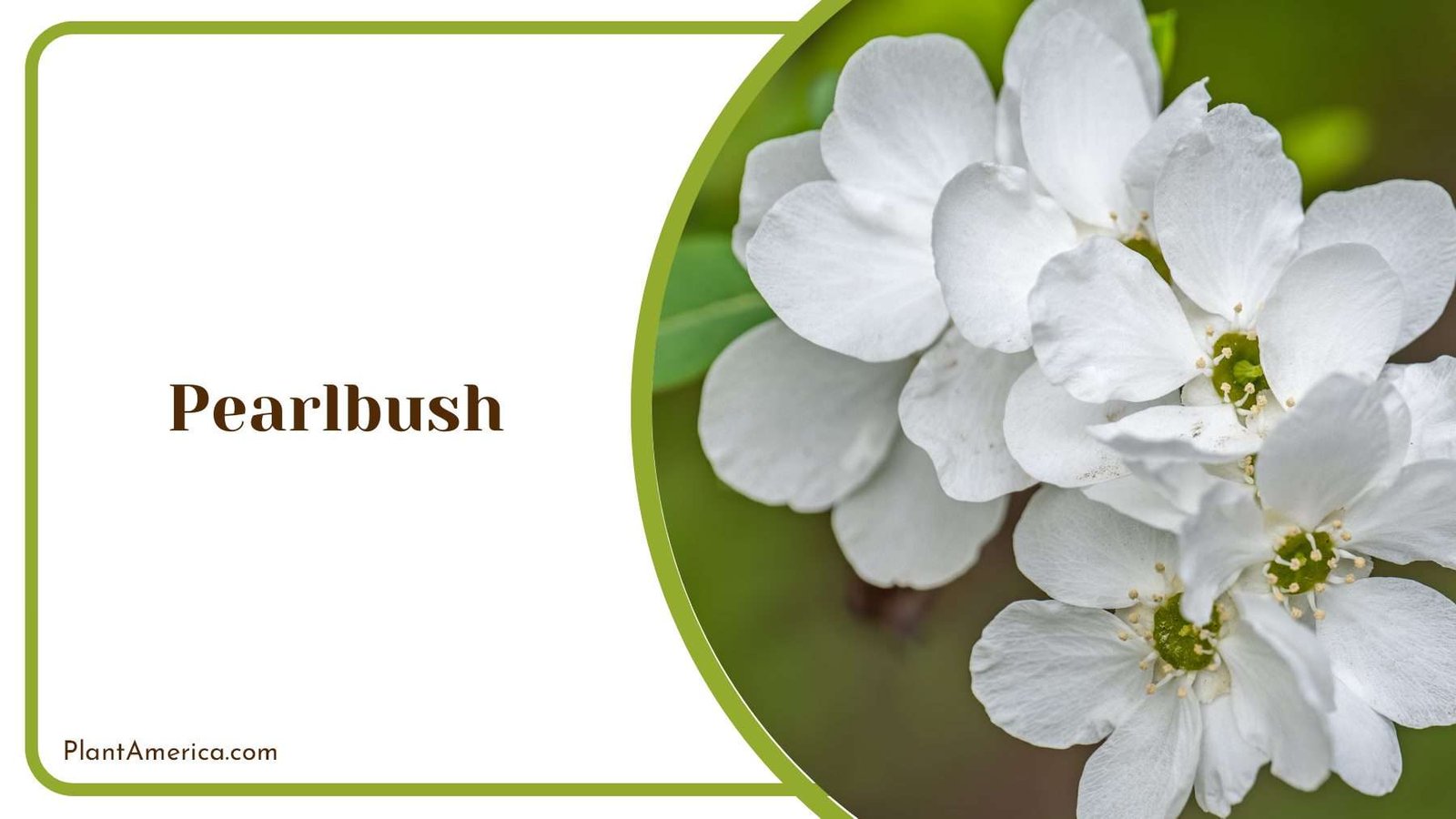
As a foundation plant, pearl bush adds four-season appeal with white flowers in spring, glossy foliage all summer, scarlet fall color, and showy red berries in winter. The arching stems and compact habit makes it versatile.
Pearlbush grows three to eight feet tall and wide, with arching stems. The oblong, ovate leaves emerge bronze in spring, turning dark green for summer. In late spring, clusters of small white flowers appear. Fall foliage ranges from orange to brilliant red depending on the cultivar.
Pearlbush thrives in planting due to its small stature and tolerance to a range of conditions. Plant them in full sun for the best color. They require minimal care after establishment. Susceptible to Japanese Beetles, you can handpick these pests. Propagate through cuttings or division and provide support for harvesters to fill out exposed areas.
12. Cinquefoil
- Growing season: Spring, Summer
- Leaf shape: Palmately compound, Linear
- Specific needs: Moist soil, Well drained soil
- Common pest: Mildew, Spider mites
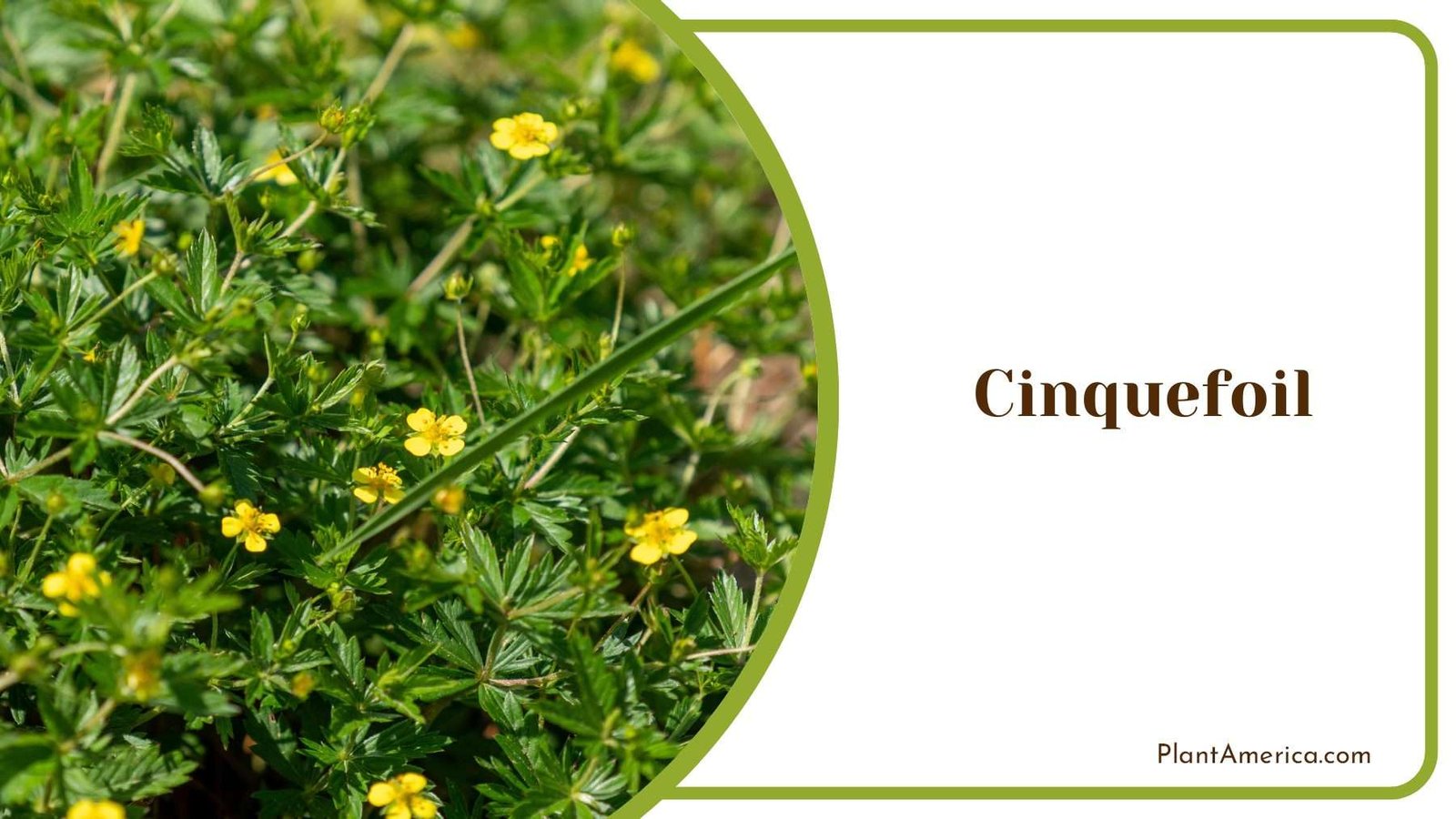
As a foundation plant, cinquefoil adds lovely seasonal color, delicate foliage, and a soft, low-growing habit that’s perfect for filling small spaces. The cultivars ‘Primrose Gem’ with yellow flowers and ‘Aurora’ with pink blooms are well-suited for foundation plants.
Cinquefoil typically grows 6 to 12 inches tall, spreading indefinitely. The palmately compound foliage consists of five to nine toothed leaflets that emerge maroon-purple in spring, maturing to dark green for summer. From spring to midsummer, cup-shaped flowers in shades of orange, yellow and pink bloom in clusters. Fall foliage ranges from yellow to maroon tones.
Cinquefoil flourishes in planting due to its slow-growing, spreading habit that’s perfect for softening edges and dressing up small areas. Plant in full sun for the brightest flowers and foliage color, but they will tolerate some shade. Requires little care after establishment, although susceptible to potential mildew and spider mites Ensure good air circulation.
13. Lily of the Valley

- Growing season: Spring, Summer
- Leaf shape: Narrow, Linear
- Specific needs: Acidic soil, Well drained soil
- Common pest: None
As a foundation plant, the lily of the valley has early spring flowers, fragrance, and delicate foliage in shaded nooks and crevices. The running rhizomes easily fill in space and the clump-forming habit needs minimal care.
Lily of the valley grows 6 to 10 inches tall, spreading indefinitely by means of rhizomes. The narrow, linear leaves emerge with clusters of fragrant, bell-shaped white flowers hanging downwards from early to late spring. Leaves remain attractive all season before dying back in fall.
Lily of the Valley is well-suited for foundation areas due to its spreading nature and ability to thrive in confined spaces. Plant in partial shade for best flowers and foliage color. Requires hardly any care after establishment as it resists most pests and diseases due to minimal leaf surface. It also spreads easily via rhizomes.
14. Wintercreeper
- Growing season: Spring, Summer
- Leaf shape: Ovate, Oblong
- Specific needs: Average to moist soil, Well-drained soil
- Common pest: Scale, Spider mites
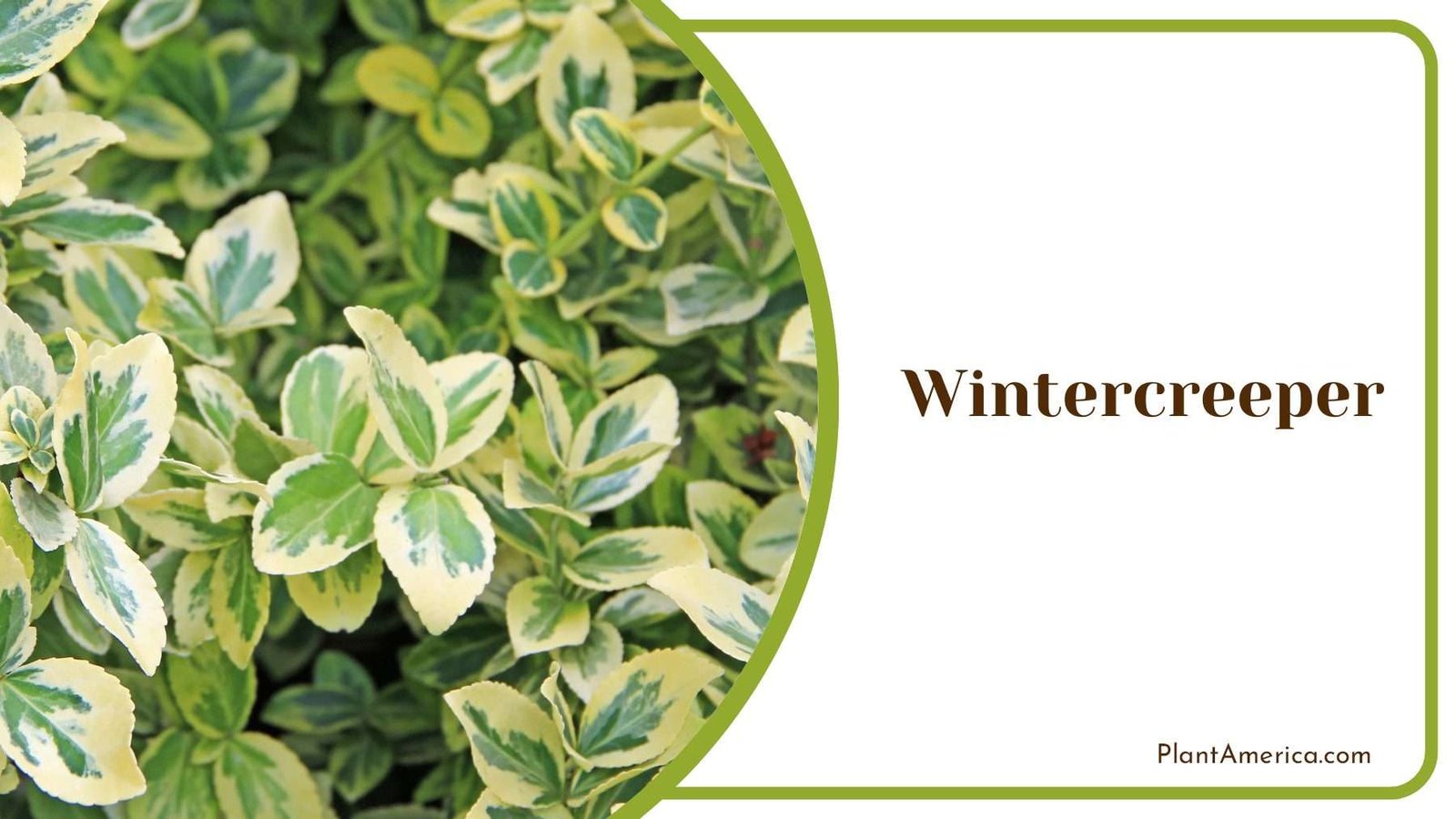
As a foundation plant, wintercreeper adds year-round green groundcover, dense foliage, and creeping stems ideal for softening edges or filling awkward spaces. The ‘Red Tip’ cultivar sports purplish-red new growth that matures to green, providing a seasonal highlight.
Wintercreeper spreads indefinitely by above-and below-ground stems. The ovate, dark green leaves emerge reddish-purple in spring, eventually turning green for summer. Inconspicuous yellow flowers appear in midsummer.
Wintercreeper thrives in areas due to its ability to cover large areas and clothing around obstructions. Plant in partial shade for best growth, eben though they tolerate full sun. They spread easily via stems that root where they touch the ground. Requires minimal care after establishment, although susceptible to spider mites and scales so spray them with neem oil.
15. Shrub Rose
- Growing season: Spring, Summer
- Leaf shape: Pinnate, Serrated
- Specific needs: Sunlight tolerant, Well drained soil
- Common pest: Aphids, Japanese beetles
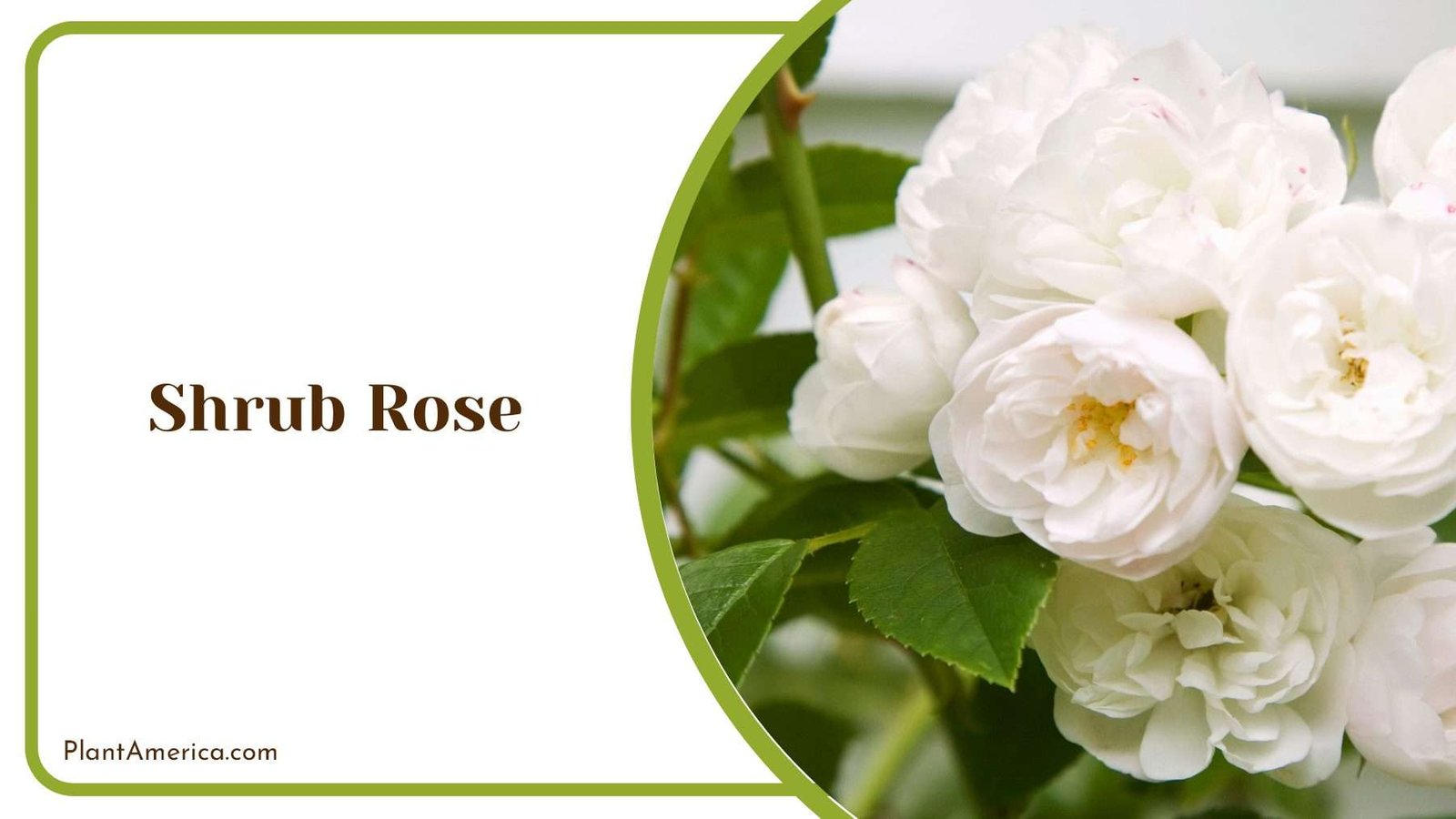
As a foundation plant, shrub rose adds fragrance, color, and texture ideal for small spaces. The plant continuously blooms all season as a disease-resistant plant with compact growth.
Shrub Rose grows three to eight feet tall and wide, with arching or spreading branches. The compound, pinnate foliage emerges bronze to purplish in spring, maturing to dark green all season. Large, showy flowers appear spring through fall in shades of pink, red, yellow, and white.
Shrub roses thrive in full sun and well-drained, high organic matter soil with even moisture. They are ideal for dry regions due to their drought tolerance. They require minimal prunings except right after blooming to shape the plant. These plants are susceptible to Japanese beetles and aphids, so ensure sprays for control.
16. Phlox
- Growing season: Spring, Summer
- Leaf shape: Oblong, Lanceolate
- Specific needs: Well drained soil, Moist soil
- Common pest: Aphids, Japanese beetles
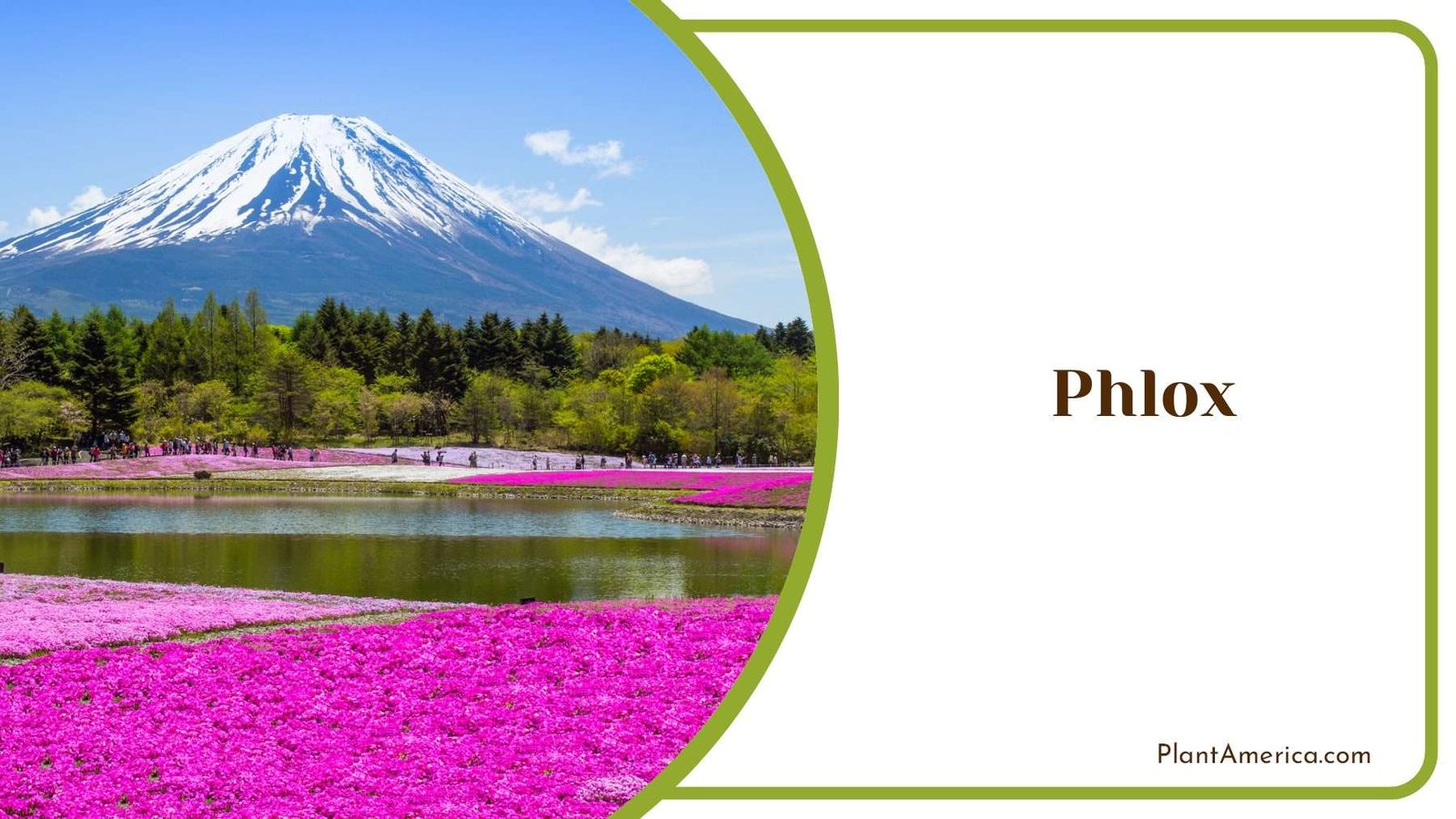
As a foundation plant, phlox has early to late nectar salsa and varieties that offer colorful selections, varying textures, and long bloom periods to landscape gardens. The compact mounded habits of many phlox cultivars make them ideal perennials for small spaces and gardens.
Phlox typically grows up to three feet tall and wide, forming loose to dense upright or rounded clumps depending on the cultivar. The oblong-lanceolate leaves emerge in bronze to purple in autumn, then turn dark green for the summer growing season.
From late spring through summer, flat-topped flower clusters appear in an arrangement of colors including white, pink, red, purple, and bi-color, depending on the phlox variety. New flowers emerge throughout the bloom period, extending interest for many weeks. The flower colors also attract butterflies, bees, and hummingbirds to phlox gardens.
Phlox prefers full sun to partial shade and well-drained, slightly acidic soil that is amended with compost before planting. Divide or clump plant phlox cultivars every three to five years in spring once the flowers have faded. Removal of spent flower stalks after bloom encourages additional flowering.
To prevent powdery mildew and maximize its nectar potential, space phlox plants 12 to 18 inches apart and provide good air circulation. A thin layer of organic mulch helps suppress weeds, conserve soil moisture, and keep roots cool. Additionally, avoid overhead watering and do not wet the leaves and stems, both of which can spread powdery mildew.
Phlox thrives in planting due to its ability to form small clumps and thrive in confined spaces. Plant them in full sun for best color but they will tolerate partial shade. Requires minimal care after establishment, but they are susceptible to Japanese beetles and aphids — hand pick or spray with soap. Divide crowns every three years in spring or fall.
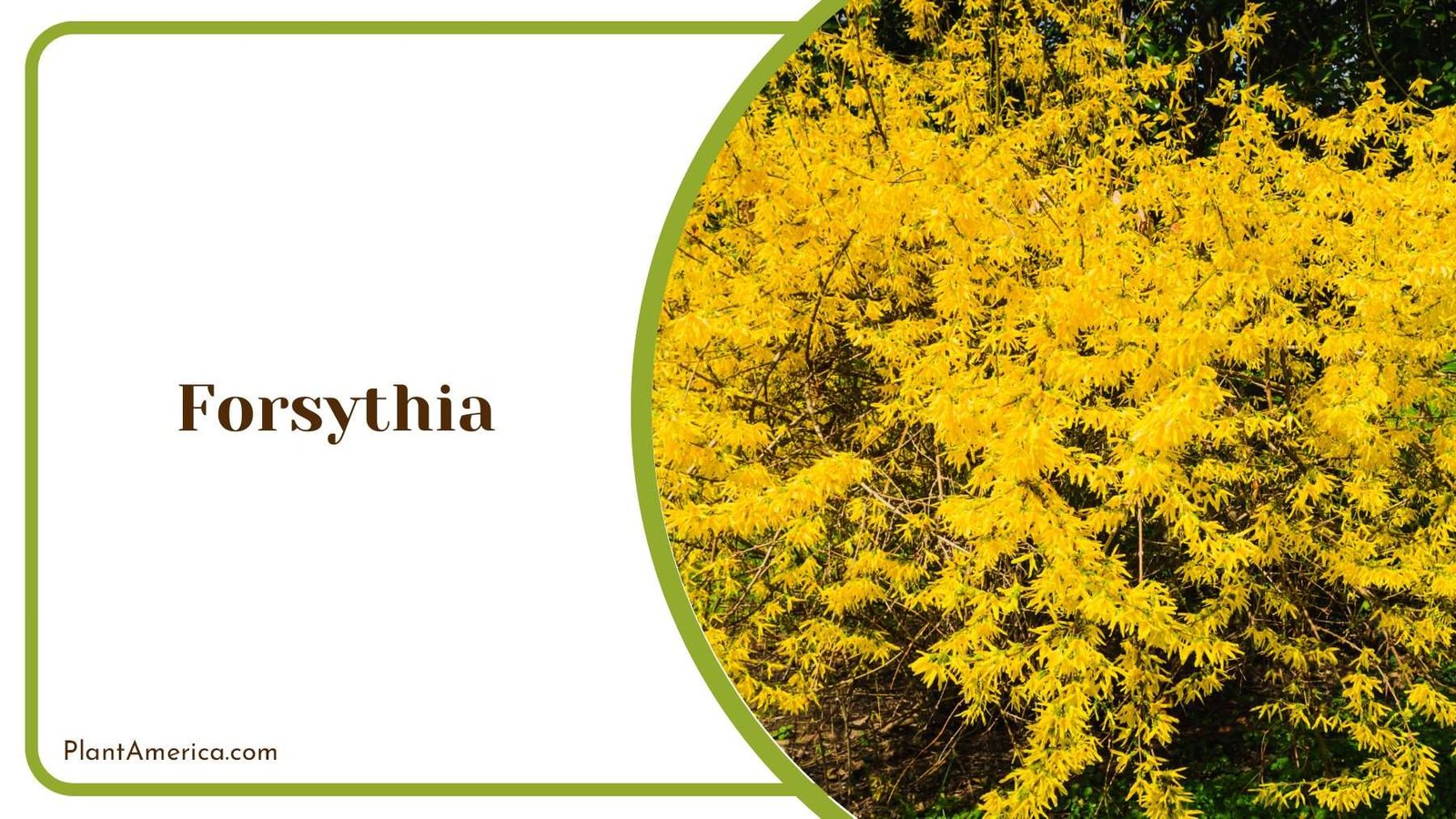
17. Forsythia
- Growing season: Spring, Summer
- Leaf shape: Elliptic, Oval
- Specific needs: Well drained soil, Moist soil
- Common pest: Aphids, Spider mites
As a foundation plant, forsythia adds early spring flowers, arching branches, and slow-growing stature for small spaces. Typical selections include Spectabilis and Lynwood Gold with yellow flowers.
Forsythia grows up to 6 to 10 feet tall and almost as wide. The slender branches bear elliptic leaves that emerge reddish in spring, maturing dark green in summer. During early spring, pendulous yellow flowers blanket and branches before the foliage emerges, offering the earliest signs of spring.
Forsythia prefers full sun, moist well-drained soil, and consistent moisture only after it flowers to maintain form and size. Susceptible to aphids and spider mites, ensure good air circulation to help with pests. Susceptible to scabies and mites in hot, dry conditions, so spray them with insecticide. Upon new growth, propagate through cuttings and layering.
Conclusion
Whether you prefer vibrant spring blooms, colorful fall foliage, evergreen screening, or a mix of all three, there is a thriving foundation plant for every taste and garden style. Choosing the right foundation plants can instantly transform the look of your home’s exterior and improve its curb appeal, so here is a good place to start:
- Lenten Rose adds fragrance, color, and texture ideal for small spaces.
- Lily of the valley are early spring flowers, fragrance, and delicate foliage to shaded nooks and crevices.
- Boxwood adds formal structure, screening ability, and year-round green color to the landscape.
- Russian sage adds dramatic color, screening ability, and drought tolerance to the landscape.
By spending a little time planning, prepping the soil, and choosing plants that fit the available space and light, you can dress up your home’s exterior for instant gratification and years of seasonal appeal. Start small with just a few key plantings then build from there — soon your entire home’s foundation will breathe new life and you’ll wonder how you ever lived without these instant upgrades!