
Best annuals for full sun are the perfect solution if you want fabulous color in your flowerbeds all summer with minimum effort. In this article, we’ll cover 14 of our favorite sun-loving annual flowers that provide spectacular color all season.
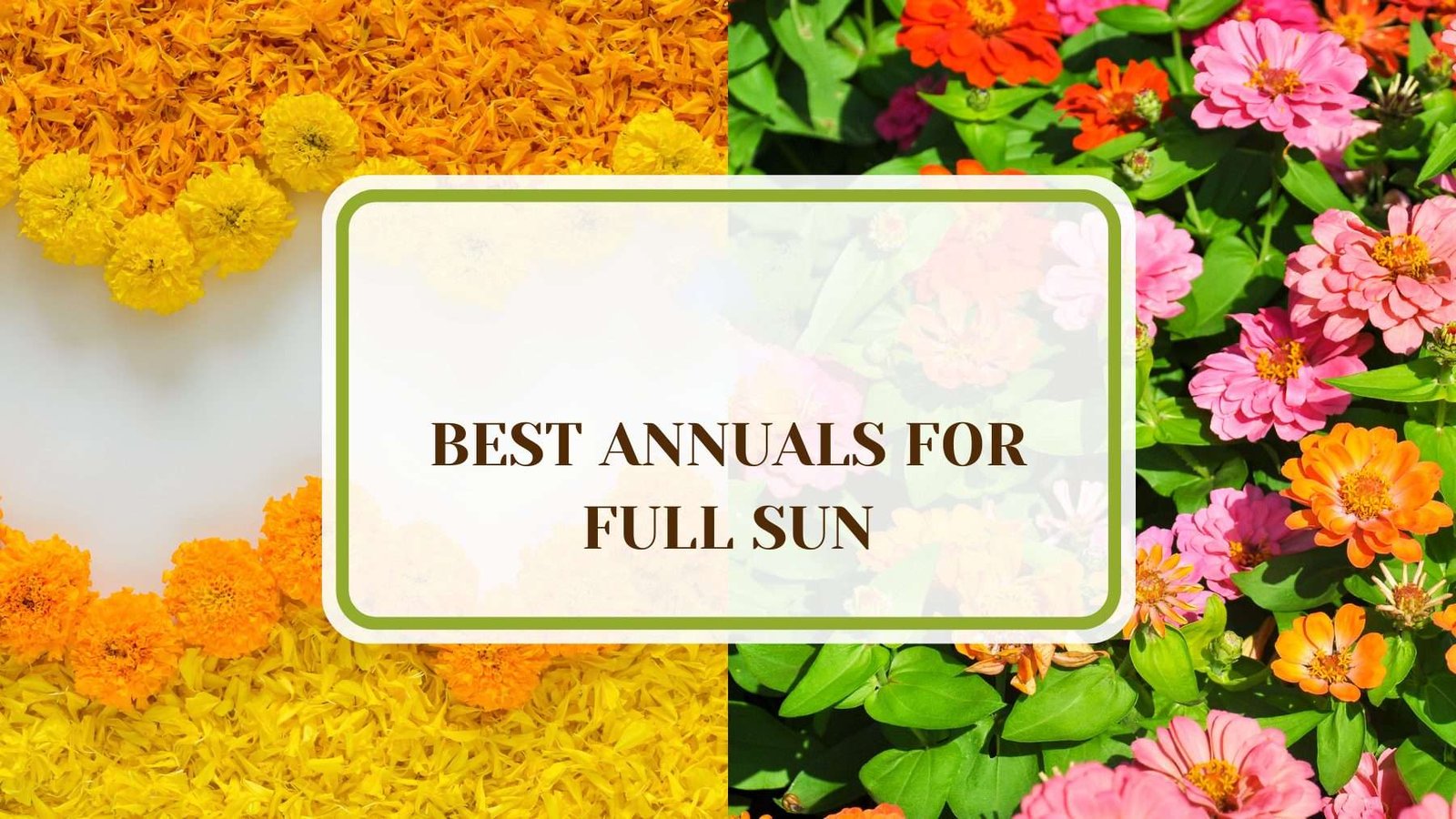
From tried and true favorites like marigolds, zinnias, and petunias to showstoppers like cosmos and globe amaranth, these easy-care flowers for full-sun gardens will surely delight you with their versatility and longevity. So whether you want to fill empty spaces, edge a border, or plant containers, these sun annuals will bring brightness and blooms to your sunny garden all year!
Best Annuals for Full Sun To Brighten Your Garden All Season
1. Marigolds

- Growing season: Early spring, Fall
- Leaf shape: Palmate, Alternate
- Specific needs: Full sunlight, Good drainage
- Common pest: Spider mites, Aphids
Marigolds are one of the most sunny and cheerful annual flowers for full-sun gardens. They produce brightly colored blooms ranging from gold and orange to rustic reds that thrive in the summer heat. Marigolds originate from Central America and Mexico, where they have been cultivated for centuries. They work well as border plants that edge flower beds or in containers on patios and decks.
Marigolds have a mounding habit, growing in bushy rounded clumps between six inches to three feet tall, depending on the variety. Their pom-pom-shaped flowers bloom continuously from summer until frost if deadheaded regularly. Deadheading removes spent blooms and encourages the plant to produce new flowers. This ensures the marigold’s brightly colored display lasts throughout the growing season.
Marigolds are easy to grow and require little care beyond ample sunlight, average soil, and occasional watering during dry spells. Their drought tolerance and pest resistance make them excellent options for beginning gardeners. The bright blooms of marigolds add cheerful color, texture, and nectar for pollinators to sunny gardens, blanketing beds in a golden glow during the peak of summer.
2. Zinnias
- Growing season: Fall, Summer
- Leaf shape: Palmate, Ovate
- Specific needs: Full sunlight, Average soil
- Common pest: Thrips, Aphids
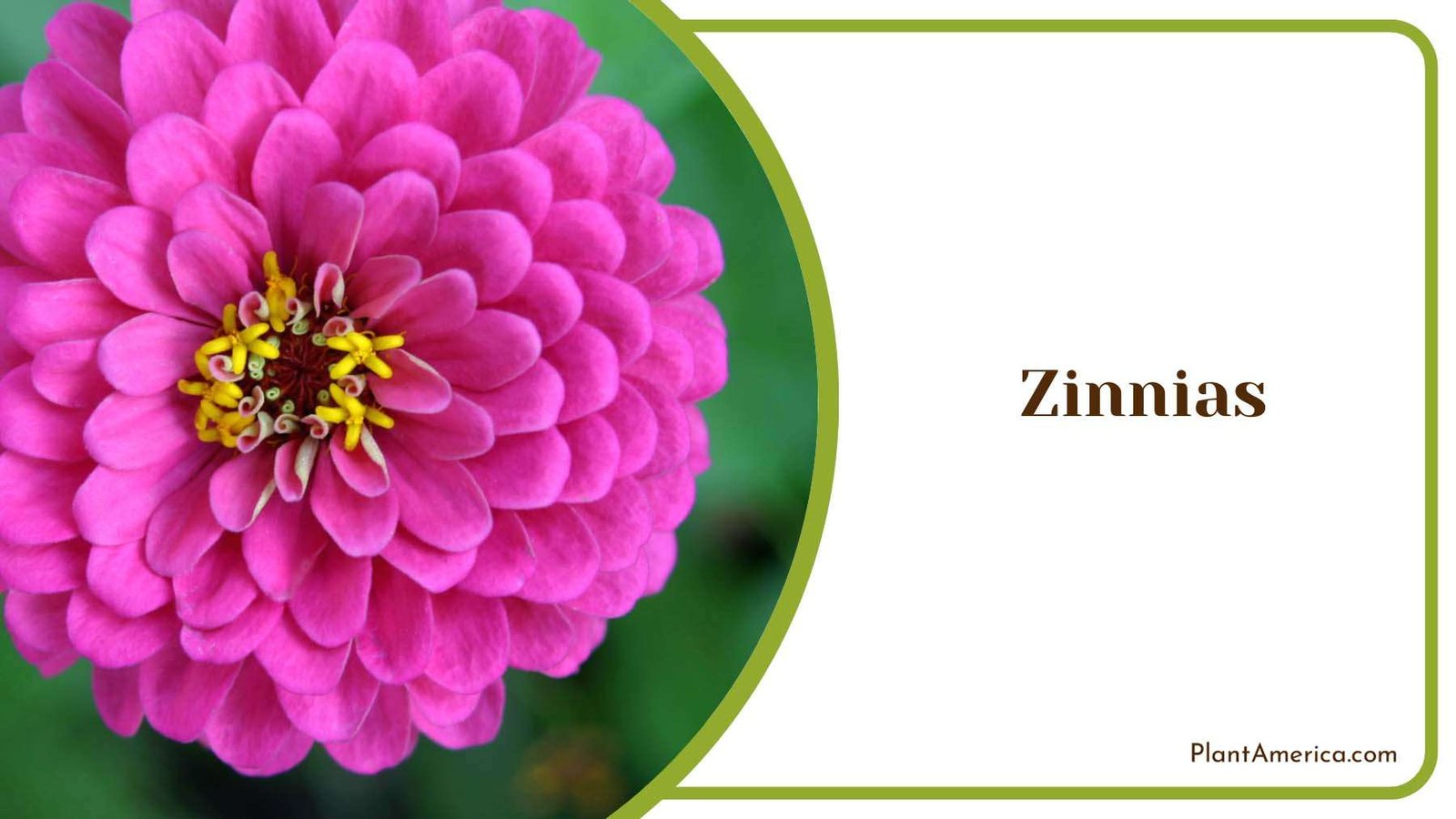
Zinnias are another beloved sun annual popular for their cheerful daisy-like blooms. These flowers come in a wide range of bright colors, from sunshine yellow to vibrant red, and feature textured petals that give the flowers a dimensional, almost ruffled appearance. Zinnias have a long flowering period that spans the hottest days of summer and often continues into early fall until frost.
Zinnias have a spreading, mounded growth habit and grow to heights between one to three feet tall, depending on the variety. Deadheading spent flowers regularly, preferably at the base of the bloom, encourages the plant to produce new flowers and extend the blooming period.
Zinnias adapt well to full sun and average, well-drained soil conditions. Zinnias are relatively drought tolerant once established and deer resistant, requiring little maintenance beyond occasional watering during dry spells.
The plethora of color options among zinnia cultivars and their long bloom time make them ideal for brightening summer gardens, borders, and containers. Zinnias thrive in the warm summer, blanketing garden beds with cheerful daisy-like blooms until the first frosts of fall.
3. Petunias
- Growing season: Fall, Spring
- Leaf shape: Alternate, Oval shaped
- Specific needs: Full sunlight, Fertile soil
- Common pest: Aphids, Spider mites
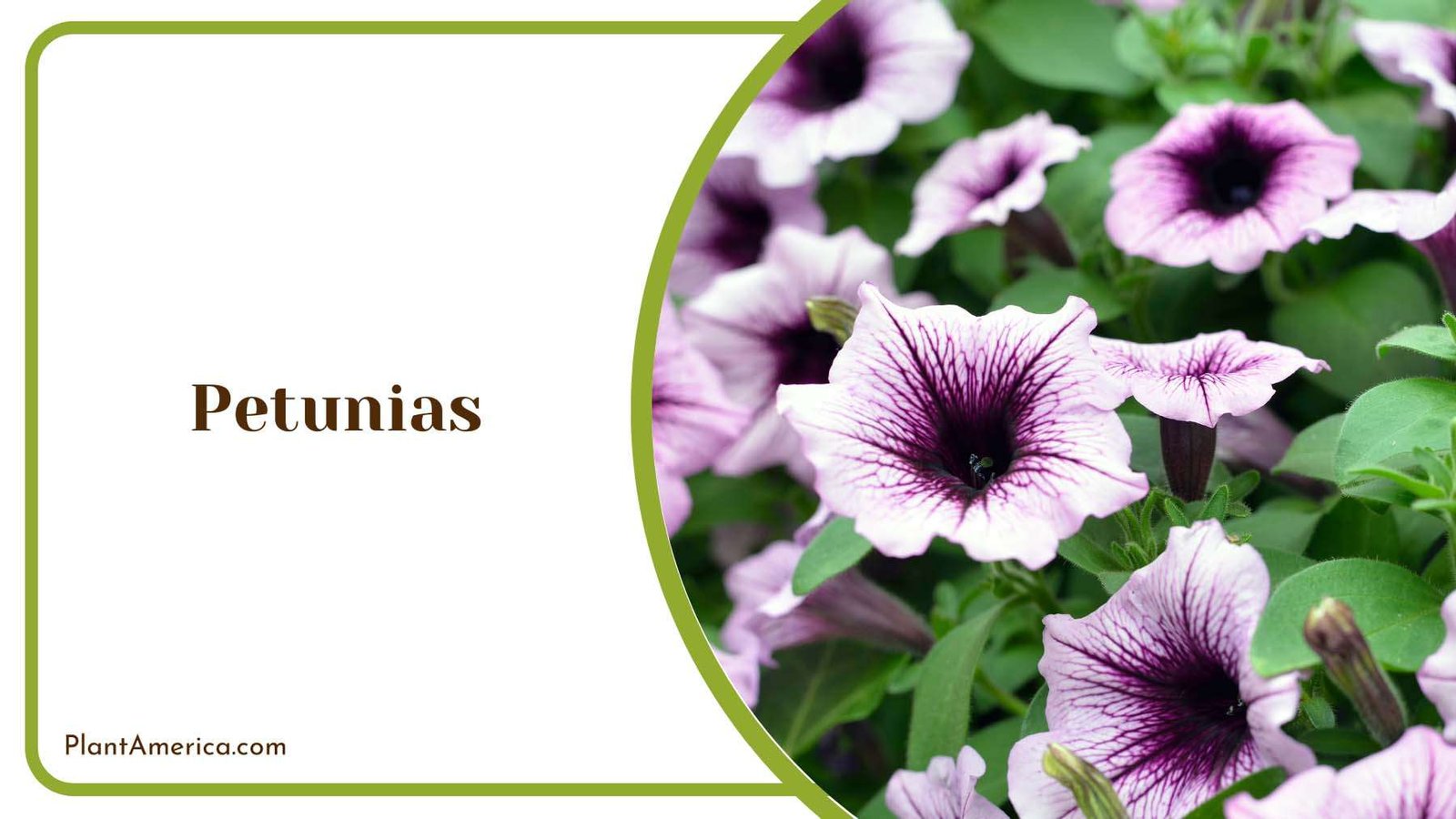
Petunias are one of the best annuals for full-sun gardens. They have attractive trumpet-shaped blooms in various vibrant colors from burgundy to purple, pink, and white. Regular deadheading or removal of spent blossoms will promote more blooms throughout the season and ensure a continuous display of color. Petunias grow well in hanging baskets, window boxes, and flowerbeds.
Petunias are somewhat susceptible to drought, especially when young, requiring regular watering to establish a strong root system. The young plants need frequent watering to encourage root growth and establishment until they have formed a decent root ball.
However, once established, petunias become fairly drought-tolerant and can handle periodic dry spells, especially in hot weather. These tough plants have an adaptive ability to withstand dry conditions once mature.
Petunias grow best in U.S Department of Agriculture zones 4 to 10, where summers are warm with full sun exposure. The trumpet-shaped blooms appear abundantly during the warm to hot summer months when adequate sunshine hours allow the plants to flourish. Temperatures above 50 degrees Fahrenheit encourage the most blooms.
4. Sunflowers
- Growing season: Summer, Spring
- Leaf shape: Alternate, Ovate
- Specific needs: Full sunlight, Sufficient space
- Common pest: Aphids, Slugs
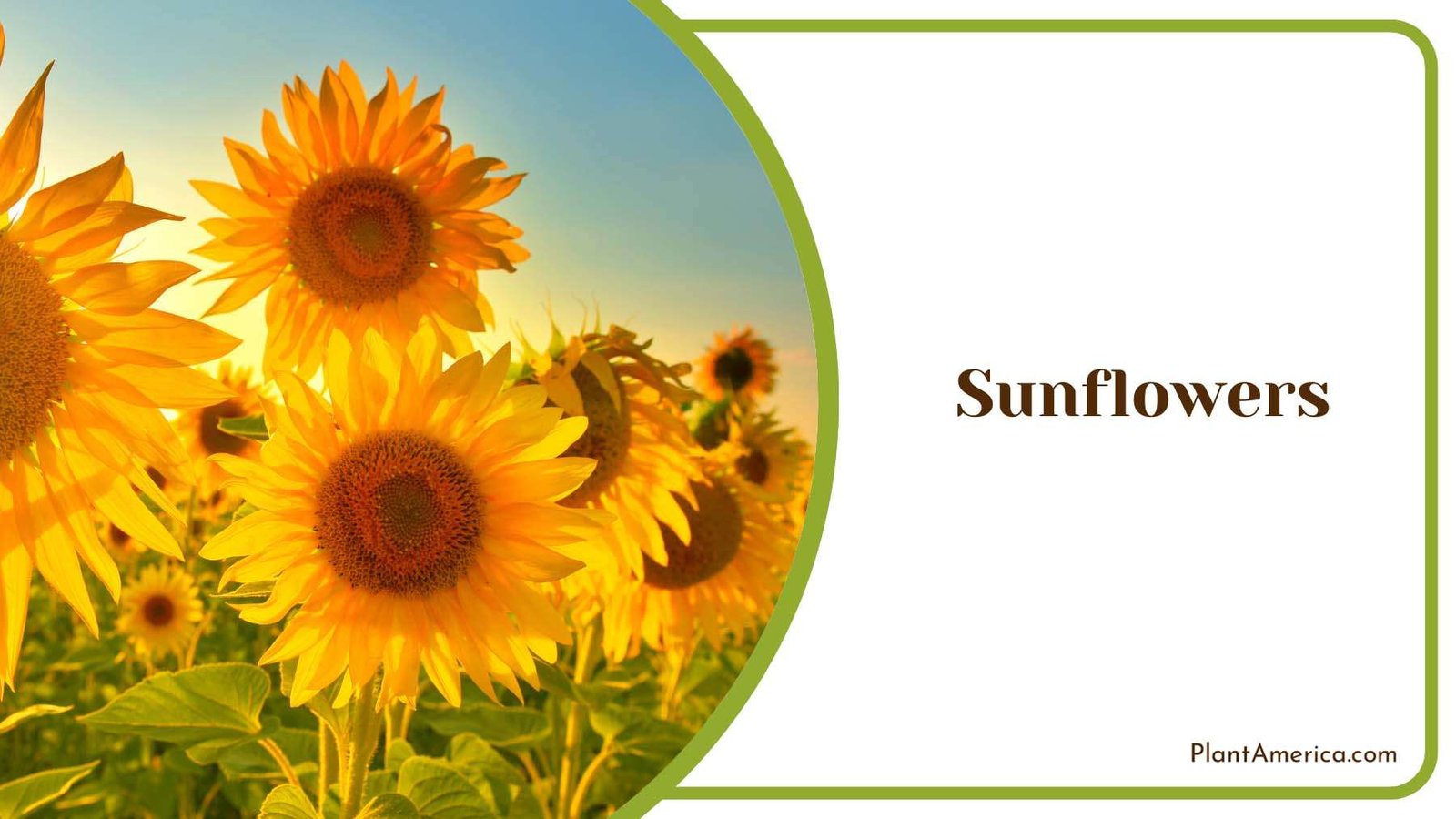
Sunflowers are a classic choice for sunny gardens. They feature beautiful golden yellow blooms on towering stalks that can reach heights up to 20 feet, bringing visual interest and attracting beneficial insects. Growing sunflowers from seed is easy and inexpensive, and they come in various sizes from dwarf to mammoth.
Sunflower seeds need full sun and fertile, well-drained soil to germinate and grow properly. They also require ample water, especially during flowering. Place the seeds directly in the ground after the last frost, about 1 inch deep and 6 to 12 inches apart, depending on the variety. Seedlings will emerge within a week and bloom around three to four months after sowing.
Sunflowers make a stunning vertical accent in the landscape and border plantings. Their large daisy-like flowers follow the sun from east to west and signal the onset of summer. The blooms are gorgeous and attract beneficial insects like bees, butterflies, and birds that feed on the seeds in autumn.
5. Cosmos
- Growing season: Summer, Spring
- Leaf shape: Alternate, Simple
- Specific needs: Full sunlight, Neutral to Alkaline soil
- Common pest: Aphids, Spider mites
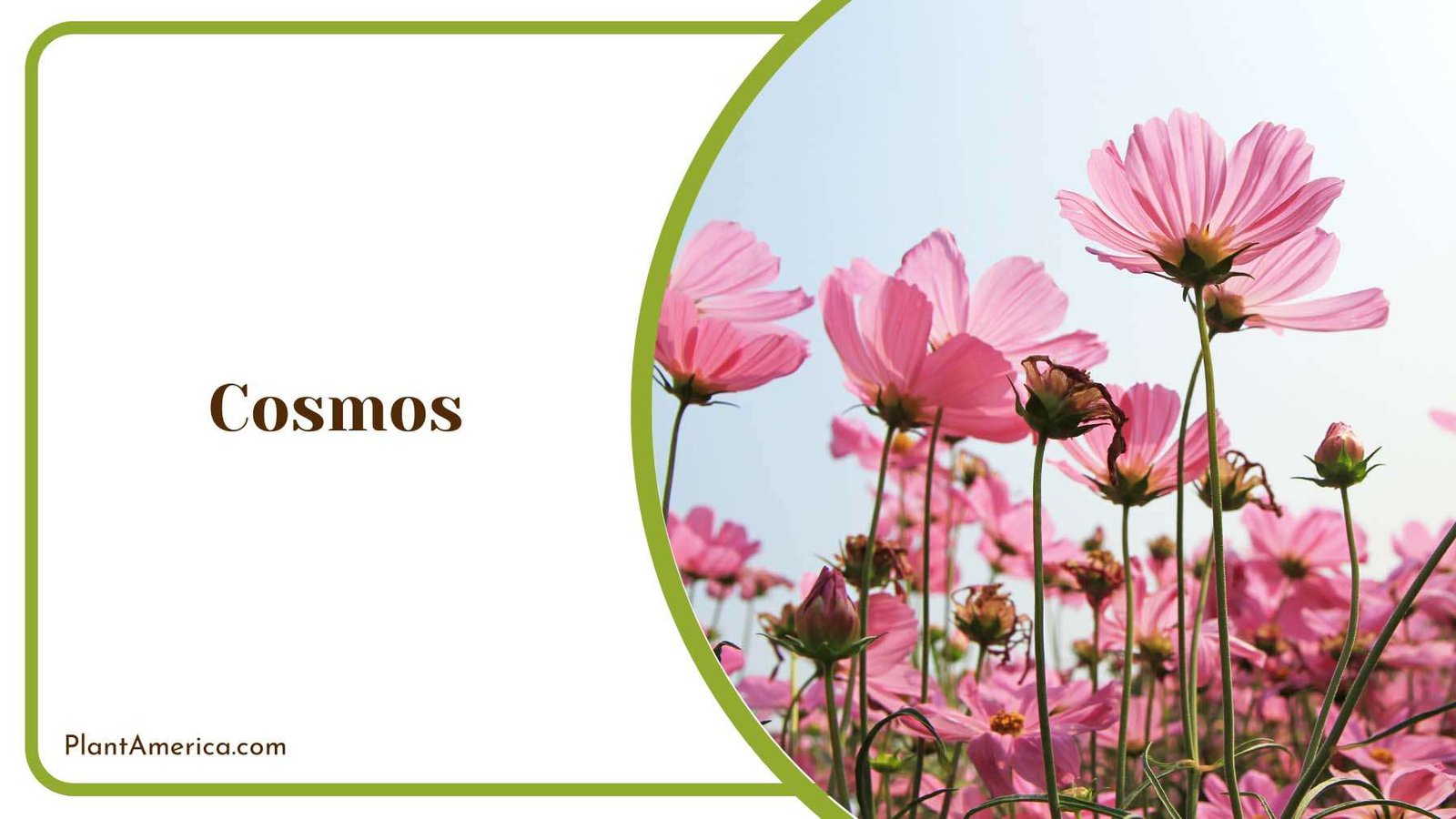
Cosmos are a favorite annual flower for their delicate-looking ruffled petals and range of colors from white to soft pinks to vibrant oranges. They bloom nonstop from mid-summer through fall and attract beneficial insects like butterflies, honey bees, and hummingbirds to the garden.
Cosmos grow well in flower beds, borders, and containers that receive full sun. They have an airy, graceful appearance that adds texture and visual interest to the landscape. Cosmos have a spreading, bushy growth habit and typically grow two to four feet tall, depending on the variety.
Cosmos are easy to care for, requiring little maintenance beyond regular watering during drought conditions. They thrive in average, well-drained soil and tolerate heat and light frosts. Cosmos seeds can be sown directly into the garden soil after the last spring frost or started indoors four to six weeks earlier and transplanted outdoors once the seedlings have two to three sets of true leaves.
6. Calendula
- Growing season: Autumn, Spring
- Leaf shape: Lanceolate, Oblong
- Specific needs: Full sunlight, Well-drained soil
- Common pest: Aphids, Slugs
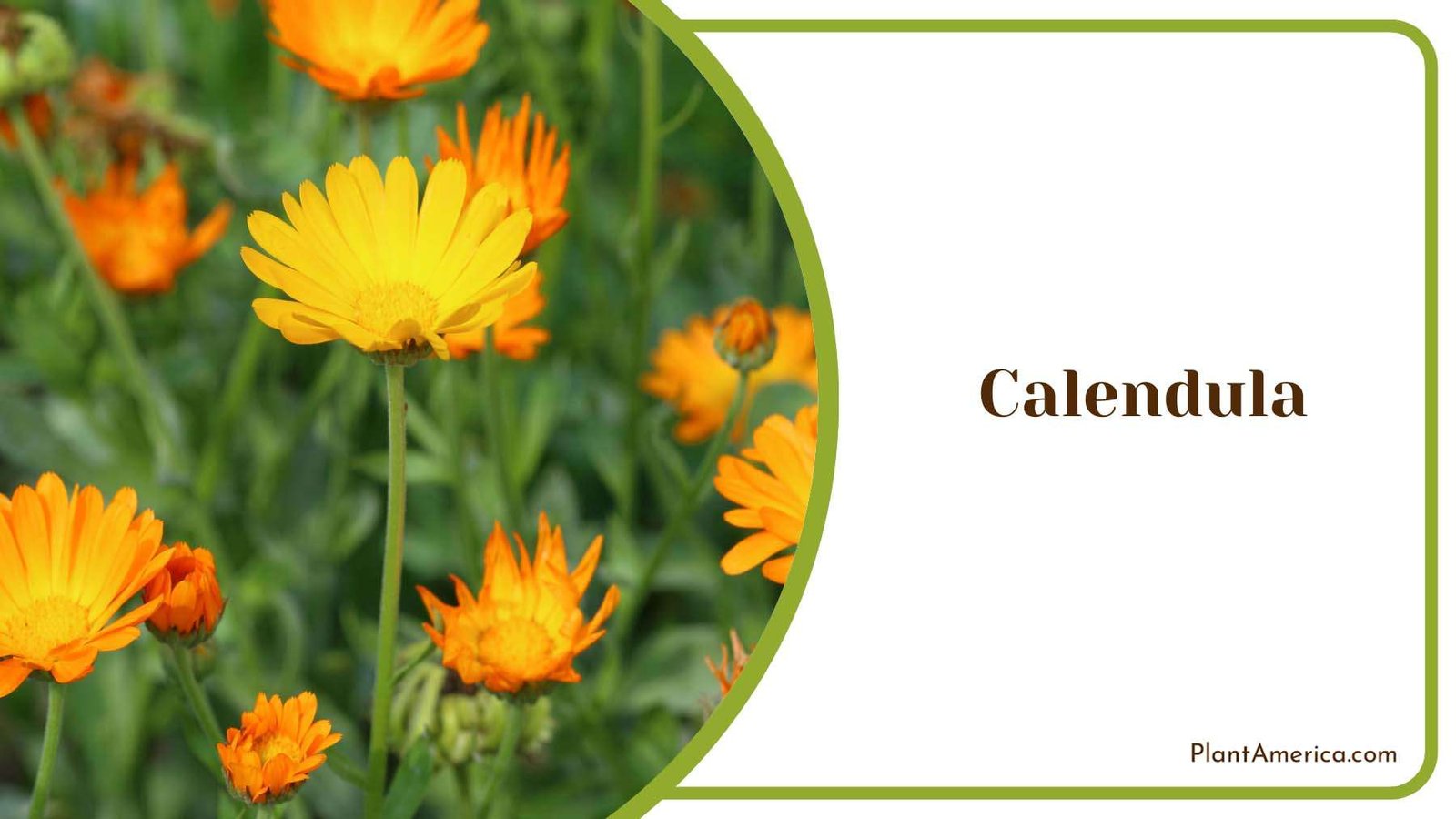
Calendula, also known as pot marigold, makes a lovely addition to sunny annual flower beds. It has cheerful daisy-like blooms in shades of bright orange and yellow. Calendula is also an easy-to-grow annual with flowers that attract pollinators like bees and hoverflies.
Calendula prefers full sun and well-drained soil. The small seeds can be planted directly in the garden in spring after the last frost. Calendula has a mounded, bushy growth habit, typically reaching one to two feet tall, depending on the variety. Deadheading spent blooms regularly will promote additional flowering throughout summer and fall.
7. Carnations
- Growing season: Summer, Spring
- Leaf shape: Simple, Narrow
- Specific needs: Full sunlight, Well drained soil
- Common pest: Aphids, Spider mites
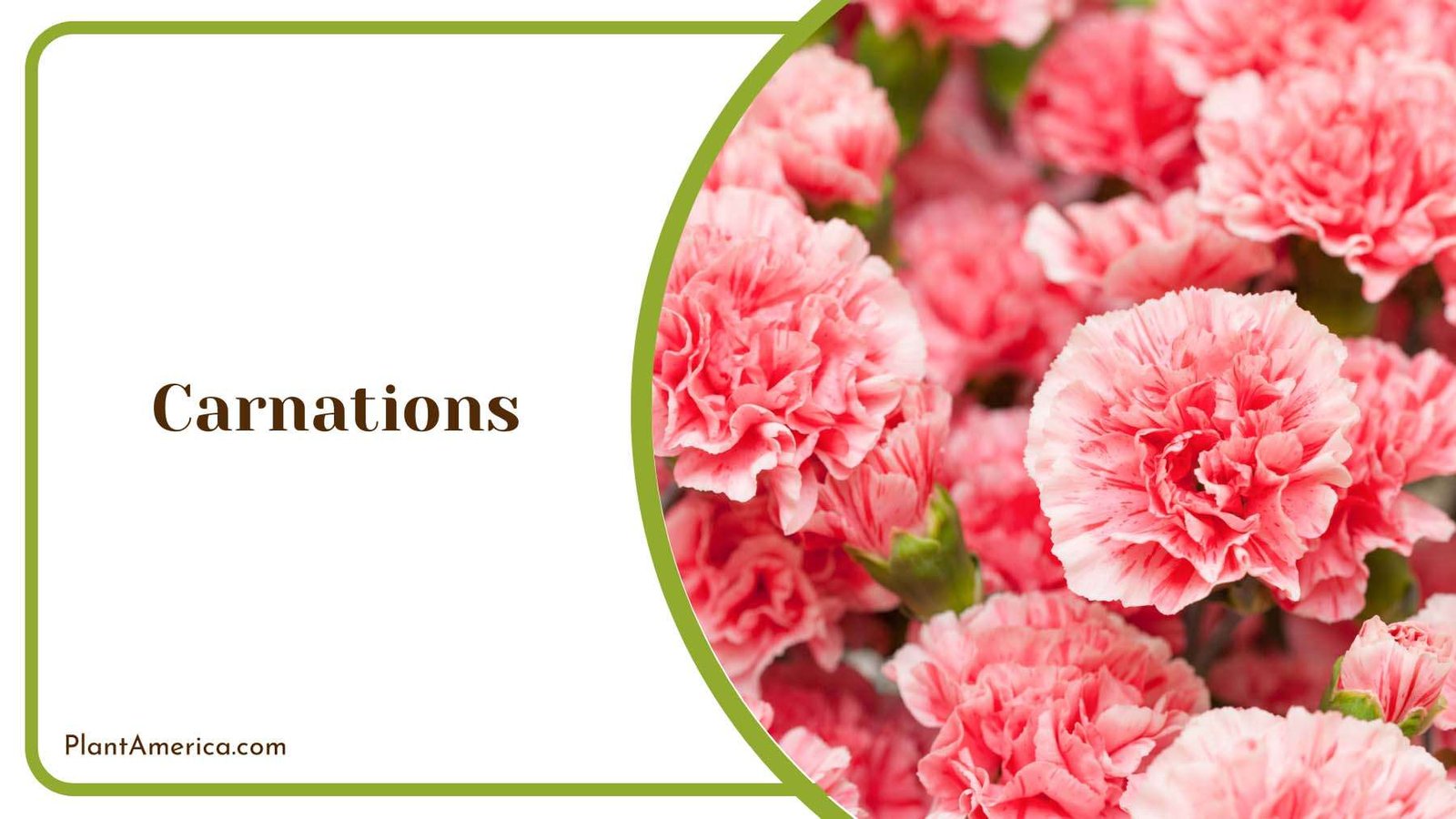
Annual carnations feature the same fragrant flowers as their perennial counterparts in various colors like pink, red, white, and yellow. They bloom repeatedly from spring through summer and thrive in hot, sunny locations with well-drained soil.
Annual carnations are grown from seeds planted directly in the garden or started indoors six to eight weeks before the last frost. They have a bushy, upright growth habit, typically reaching one to three feet tall, depending on the variety. Annual carnations offer a pleasant spicy scent and abundant funnel-shaped blooms throughout the growing season.
To extend the blooming period of annual carnations, remove faded flowers via deadheading or cutting the stem just above a leaf node or set of leaves. This encourages the production of new flowers and prevents the plant from setting seed. Providing consistent moisture is also important, especially during the spring and summer months when flowers are present. Fertilizing monthly with an all-purpose garden fertilizer will boost growth and flowering.
8. Geraniums
- Growing season: Fall, Spring
- Leaf shape: Palmate, Circular
- Specific needs: Low fertilization, Well-drained soil
- Common pest: Aphids, Spider mites
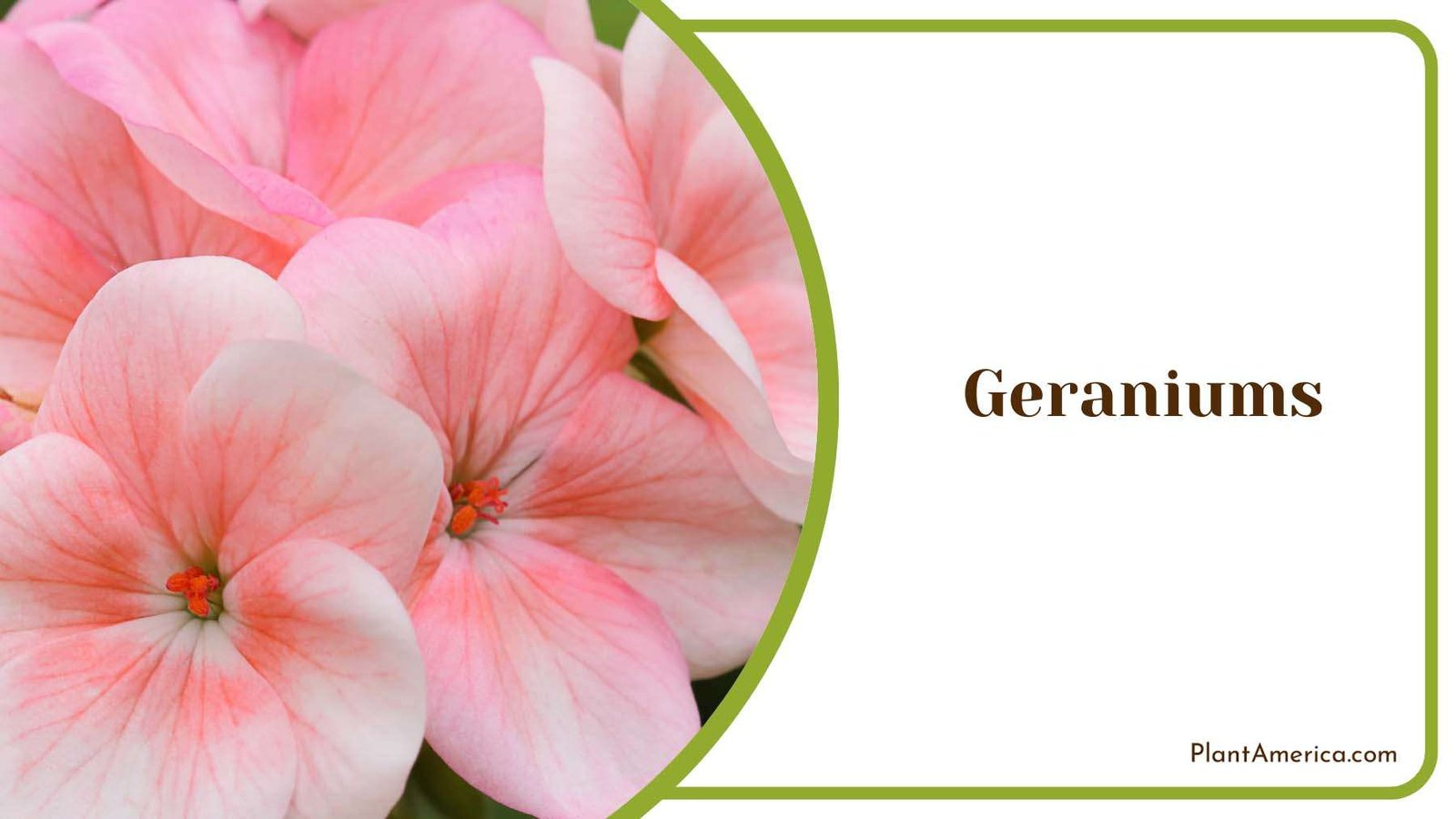
Geraniums are easy-to-grow annual flowers with vibrant colors and intriguing shapes. They come in shades of red, pink, white, purple, and salmon and feature fuzzy leaves that add visual interest. Geraniums bloom nonstop from spring through fall in sunny gardens, provided they receive regular care.
These robust plants thrive in full sun and well-drained soil. They grow well in containers as border plants and spill over the edges of raised beds. Geraniums have an upright, mounded growth habit and reach 12 to 24 inches tall, depending on the variety.
Remove any dead or dying flowers via deadheading to extend the blooming period of geraniums. This encourages the production of new blooms and prevents the plant from setting seed. Regular fertilizing and consistent moisture are also important, especially during the peak bloom times in spring and summer.
9. Celosia
- Growing season: Fall, Spring
- Leaf shape: Elliptic, Lanceolate
- Specific needs: Full sunlight, Well-drained soil
- Common pest: Root-knot nematodes
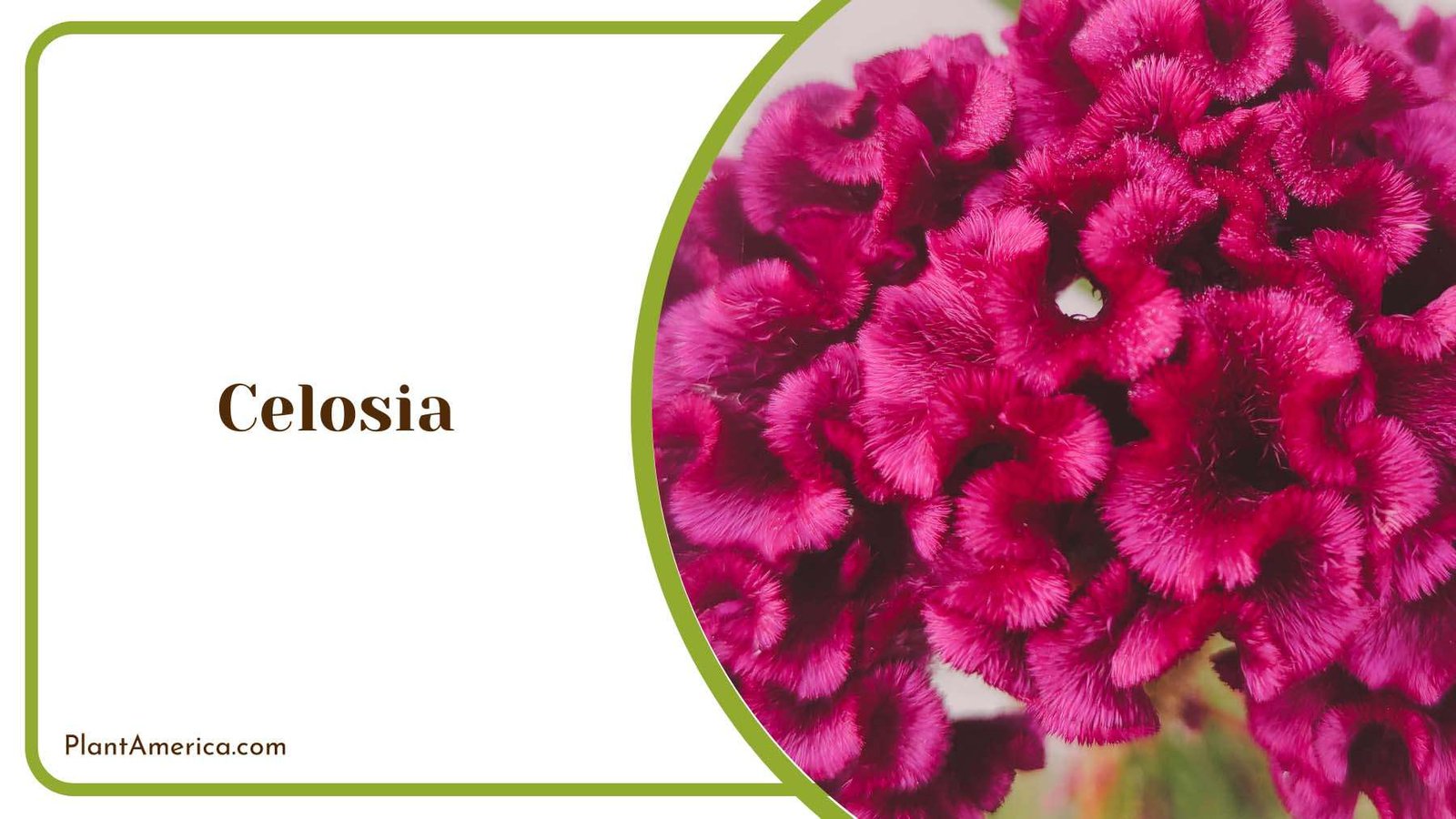
Celosia, or cockscomb, is an eye-catching annual choice for sunny gardens. It produces plumed flower heads in red, pink, orange, and yellow atop upright stems. Celosia has an unusual crinkled or feathered flower structure that adds visual interest and texture to gardens and planters. These easy-care plants thrive in the summer heat and bloom continuously through the summer and into early fall.
Celosia prefers full sun and average, well-drained soil. The seeds can be planted directly in the garden once the threat of frost has passed. Celosia grows rapidly and has an upright, tidy growth habit, usually reaching one to three feet tall, depending on the variety.
To extend the flowering period of celosia, deadheads spent flowers regularly. This involves removing the entire flower head since celosia does not remake individual flowers. Providing consistent moisture and occasional fertilizing will also promote maximum growth and bloom.
10. Snapdragon
- Growing season: Fall, Spring
- Leaf shape: Lance shaped, Simple
- Specific needs: Fertile soil, Well-drained soil
- Common pest: Aphids, Spider mites
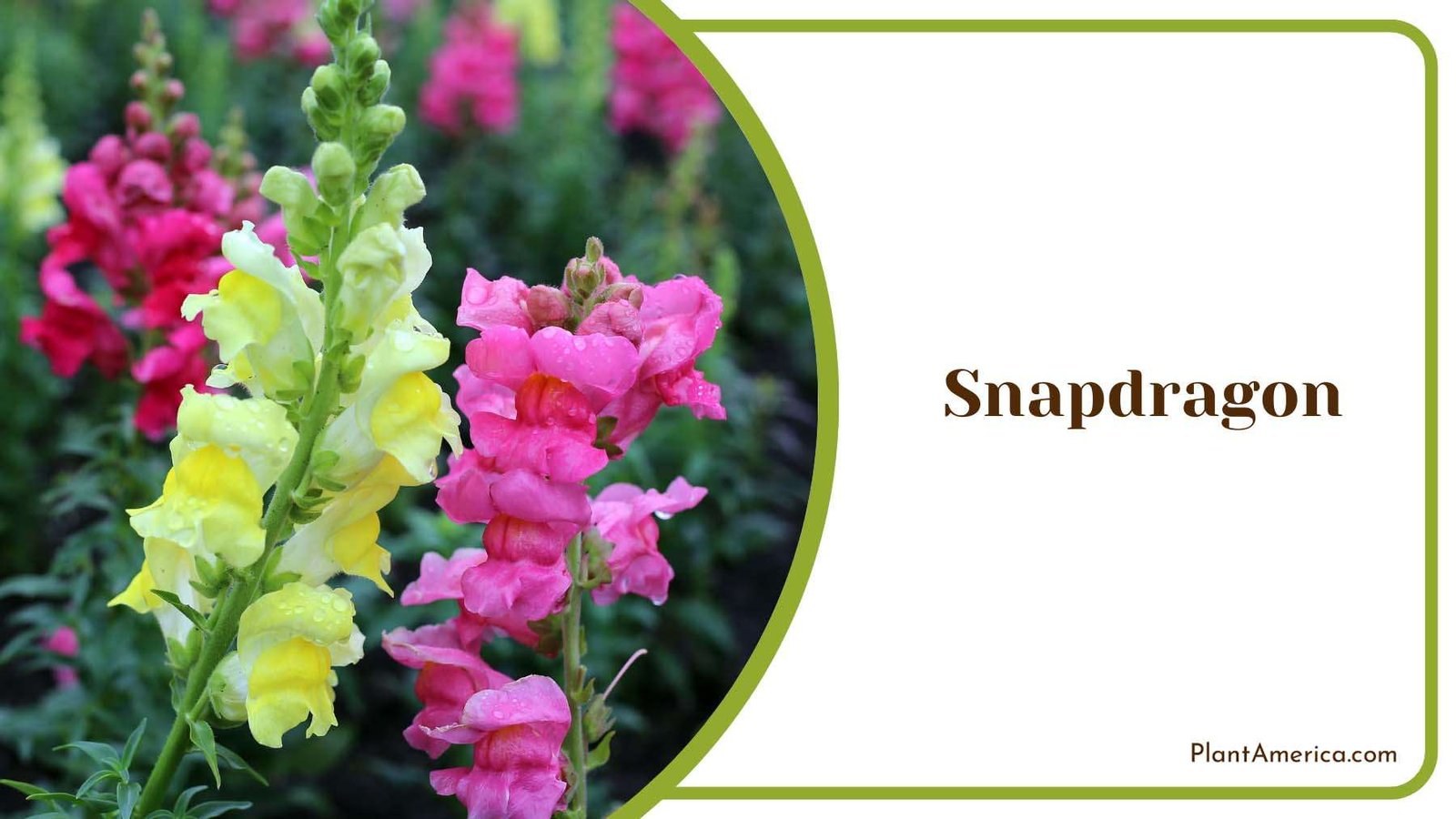
Snapdragon is a dependable annual for sunny gardens that produce colorful spiked flowers on tall stalks. Flowers come in white, yellow, orange, red, and pink shades, and the plant has an upright, narrow habit. Snapdragon thrives in full sun and hot conditions, regularly blooming from spring into fall if deadheaded.
Snapdragon prefers well-drained soil and consistent moisture. The seeds can be directly sown outdoors once the soil has warmed in spring. Depending on the variety, Snapdragon grows rapidly, reaching one to three feet tall.
To promote continuous flowering of snapdragons, deadheads spent flowers regularly. This involves removing the entire stalk once flowers have faded to encourage reblooming. Consistent watering and occasional fertilization will also boost growth and bloom production.
11. Strawflower
- Growing season: Summer
- Leaf shape: Alternate, Pointed
- Specific needs: Full sunlight, Partial shade
- Common pest: None
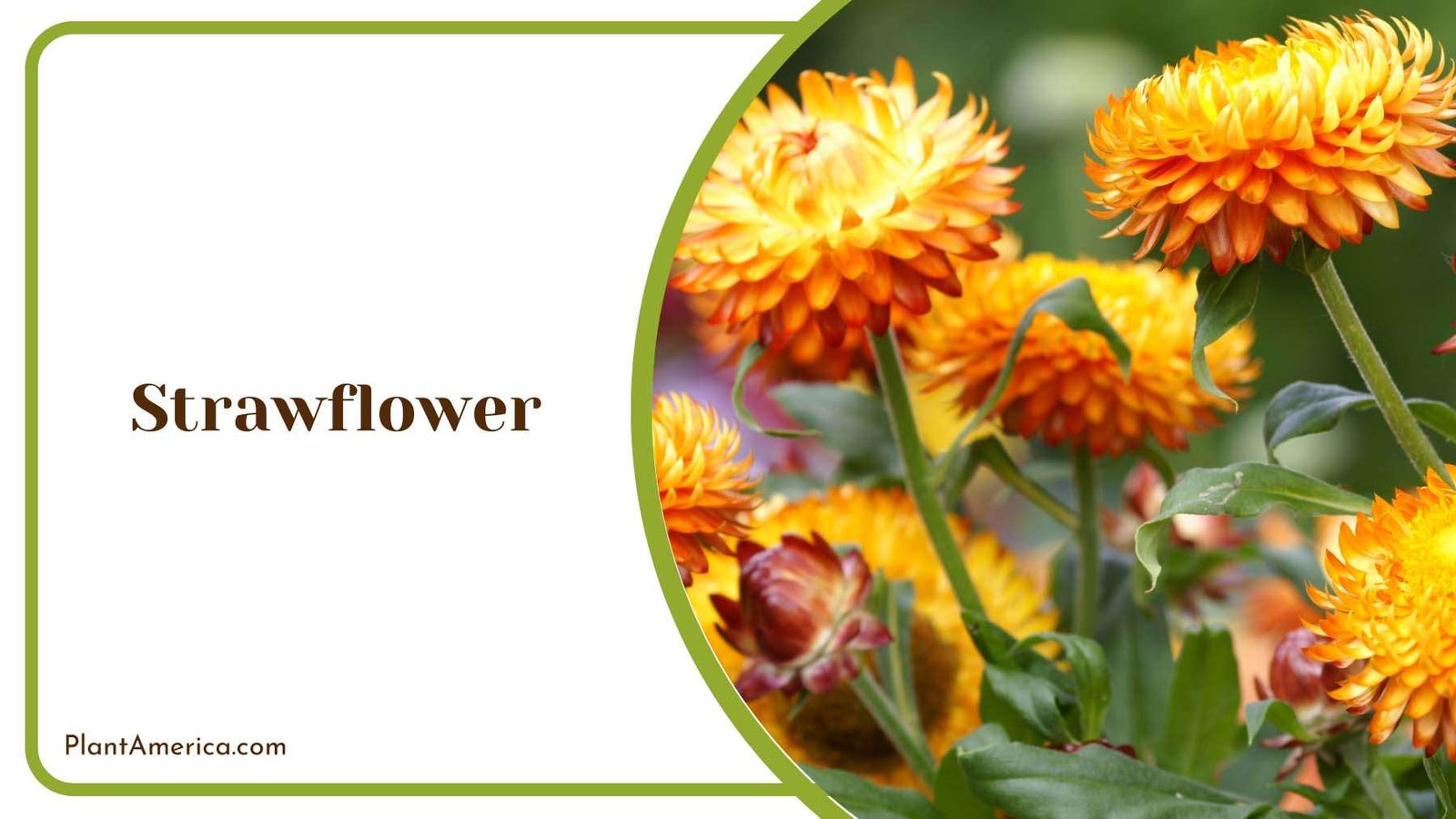
Strawflowers provide an abundance of daisy-like blooms in yellow, orange, and red colors on low, mounding plants. They begin blooming in summer and continue until frost. Strawflowers thrive in hot, sunny areas and make excellent cut flowers that last weeks. These rugged annuals are also resistant to most pests and diseases.
Strawflowers prefer full sun and average, well-drained soil. The seeds can be planted directly outdoors in spring. Strawflowers have a mounded, bushy habit, typically growing 8 to 12 inches tall and spreading one to two feet wide.
To prolong the flowering period of strawflowers, remove faded blooms via deadheading. This involves snapping off the entire seed head just above a leaf node rather than individual flowers. The resulting bare stem can then produce additional blooms. Consistent moisture and occasional fertilizing during the growing season will also boost growth and bloom production.
12. Portulaca

- Growing season: Fall, Spring
- Leaf shape: Oval, Alternate
- Specific needs: Full sunlight, Well-drained soil
- Common pest: Aphids, Spider mites
Portulaca, also known as moss or sun rose, is a heat-loving groundcover annual. It produces clusters of bright yellow, orange, red, and pink flowers and spreads to form a dense mat of foliage.
Portulaca thrives in hot, sunny conditions and requires little water once established. Its drought-tolerant nature and ability to flourish in high temperatures make it well-suited for hot, arid climates. The succulent-like foliage and colorful blooms make portulaca a good choice for pretty containers, hanging baskets, or the areas between pavers and walkways.
Portulaca prefers full sun and average to poor soil. The seeds can be planted directly into the garden soil in spring. Portulaca has a low, spreading growth habit, reaching 6 to 12 inches tall while spreading one to two feet wide.
13. Volvicella
- Growing season: Summer, Mild winter
- Leaf shape: Lanceolate, Alternate
- Specific needs: Full sunlight, Well-drained soil
- Common pest: None
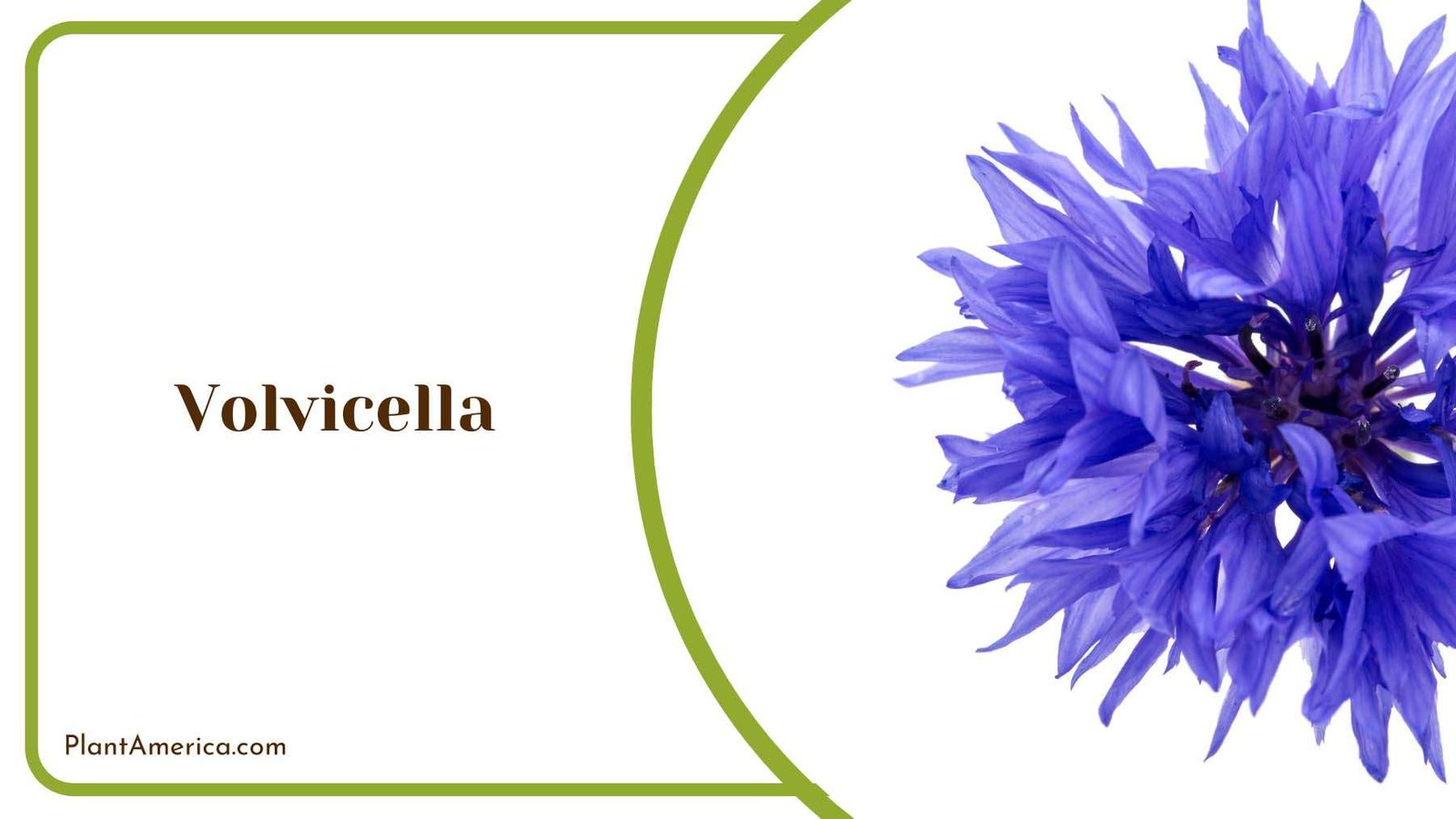
Volvicella, also commonly known as fountain grass, has fine-textured foliage and produces pink plumes resembling volcanic lava flowing from the base of the stalks. It forms a bushy clump and thrives in hot, dry areas and poor soil.
Volvicella prefers full sun and low to moderate water once established. While it is drought tolerant, occasional watering during prolonged dry spells will ensure the healthiest display of blooms and foliage. Depending on the variety, the plants grow one to three feet tall, with flower stalks reaching two to three feet tall.
Volvicella blooms all summer on reddish-purple stems, offering color and texture to the warm-weather garden landscape. The feathery pink plumes emerge and arch gracefully outward, creating an airy, fountain-like effect. Individual flowers on the inflorescence bloom from the base upward.
14. Gomphrena

- Growing season: Early Summer, Winter
- Leaf shape: Opposite, Oblong
- Specific needs: Adequate water supply, Well-drained soil
- Common pest: Aphids, Thrips
Gomphrena, commonly known as globe amaranth, is loved for its attractive pom-pom-like flowers in shades of purple, pink, and red. Gomphrena blooms nonstop all summer until frost and thrives in hot, sunny areas with low-moisture soil. The puffball flowers can be dried and used for fall wreaths and arrangements.
Gomphrena prefers full sun and average to poor, well-drained soil. Once established, it is extremely drought tolerant and can go for periods without water during the growing season. Gomphrena typically grows 8 to 24 inches tall depending on the variety, forming bushy mounds of foliage.
Deadhead spent flowers by removing the entire stem rather than individual pompoms to extend bloom time. Fertilizing monthly through the growing season will also boost growth and flowering.
Conclusion
Overall, countless colorful options exist for finding the best annuals for full sun. The flowers highlighted in this article will bring brightness, nectar for pollinators, and easy maintenance to any hot, sunny garden.
- Marigolds, zinnias, petunias, and sunflowers are tried-and-true favorites for their dependability and robust growth.
- Cosmos, calendula, and strawflowers are showstoppers with interesting petal shapes that bloom all summer.
- Gomphrena, celosia, and Snapdragon offer unusual flower forms like plumes, spikes, and textured blooms.
With so many choices of sun annuals to pick from, your sunny flower beds will surely be filled with beauty and bounty all season long. So get out there and start planting — your garden is waiting to burst into color!