

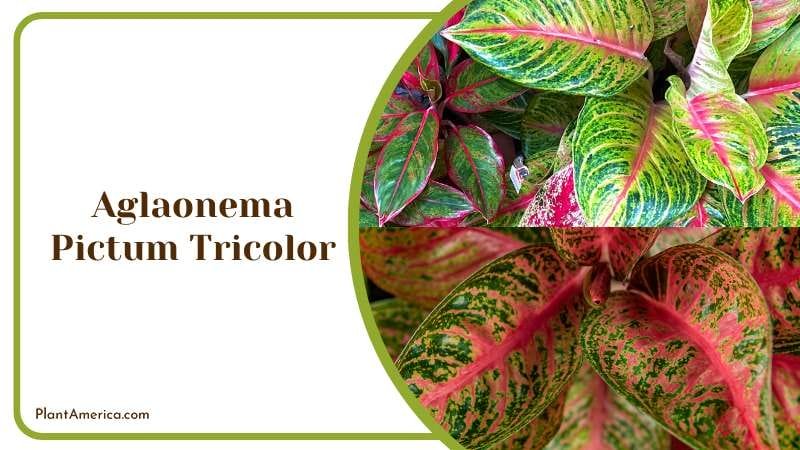
Aglaonema Pictum Tricolor from the Araceae family, is called the Chinese Evergreen Tricolor plant.
They are slow growers, subtropical shrubs, and the variegated form of the Aglaonema genus Pictum species. They are also known as camouflage plants. You can take care of these shrubs by maintaining adequate soil conditions, ensuring they are getting just the right amount of light, and giving them the required care they need.
How to Care for Aglaonema Pictum Tricolor
 Soil Requirement
Aglaonema Pictum Tricolor plant needs well-draining rich soil. They do not grow well in compact soil. Use a mix of perlite, orchid bark, and peat for better growth. As the Aglaonema Pictum Tricolor plant is subtropical, they need proper drainage. They need a lot of humidity and frequent watering.
To avoid any problem, like overwatering and root rot, take a porous potting mix. Water starts to drain quickly out of the pot from the well-drained soil as soon as you water the plant.
 Light Requirements
Aglaonema Pictum plant needs bright but indirect light. They need light to maintain beautiful variegation but do not place them into direct sunlight.

It may damage the leaves of the plant.
 Water Requirements
Aglaonema Pictum plants need moist soil to grow well. Water the plant when the topsoil of the pot is dried. Do not over or under water the plant. Overwatering may result in root rot which leads to the plant’s death.
 Temperature
Aglaonema Pictum plant grows well when the temperature is between 60 to 85 degrees Fahrenheit. It is a subtropical plant that needs to be kept warm. The plant does not grow well in winter. When the temperature falls below 50 F, the Aglaonema Pictum plant stops its growth.
Keep the temperature in the range of 60 to 64 F during winter to ensure the plant survives well.
 Humidity
Aglaonema Pictum Tricolor plants need a high level of humidity because they are subtropical plants. A high humidity level above 65 percent is good for the better growth rate of the Aglaonema Pictum Tricolor plant. If there is low humidity, keep the pot on a pebble tray filled with water.
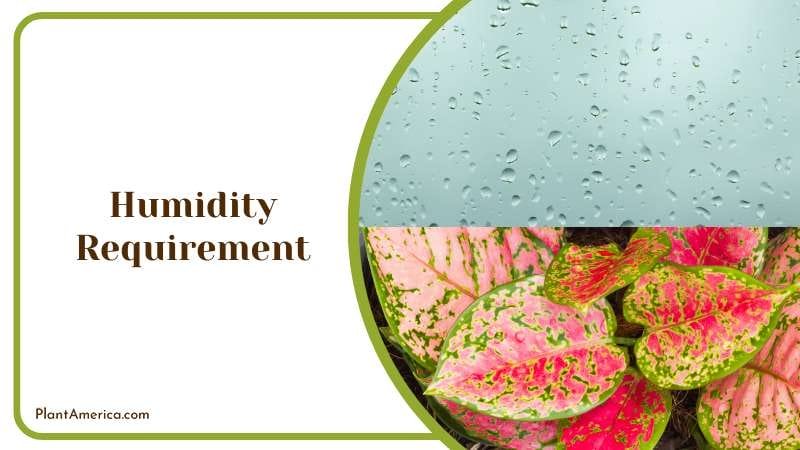
Misting the plant is also advisable to maintain the humidity level. Low humidity level makes leaves crisp and will eventually wilt.
 Fertilizer Requirement
Use diluted fertilizer for the Aglaonema Pictum Tricolor plant. Fertilize the plant every two weeks in spring and summer. You can choose from different types of fertilizers such as,
- Water-soluble
- Fast-releasing fertilizers
- Temperature-controlled slow-releasing fertilizers
- Organic fertilizers.
The slow-releasing fertilizers are given to the plant once in a season. You can add fast-acting plant fertilizer a few times to the plant. Do not give fertilizer to the plants in the autumn and winter months as they stop their growth during those seasons.
How to Propagate Aglaonema Pictum Tricolor
The Aglaonema Pictum Tricolor plant is a beautiful houseplant. They are surprisingly stunning and are easy to manage.

These can be multiplied easily too. Following is our complete propagation guide for this wonderful plant. First, let us look at its growing habits and potting requirements.
– Potting
Repot Aglaonema Pictum Tricolor every three to five years in the spring or summer season. Make sure the plant does not get root-bound.

Display these beautiful, decorative plants in the house against a plain wall, in an empty corner, or a decorated room. They are not big so they can easily be placed anywhere in your home.
The Aglaonema Pictum Tricolor plant grows a spadix that produces unisexual flowers. Flowers are green-white. They have fruits which are yellow or red berries.
There are different methods through which we can propagate Aglaonema Pictum Tricolor.
- Seeds
- Stem cuttings
- Division: root division and tissue culture
The most common and easy way to propagate Aglaonema Pictum Tricolor is either by stem cutting or division. Here’s how we do the most common propagation method:
-
Propagate By Stem cuttings
- Choose a section on your Aglaonema Pictum Tricolor plant that you want to propagate
- The section you choose must have at least one node
- The section which is ideal for propagation is the top cutting with the terminal bud
- Use sharp and clean scissors for cutting the section of the plant
- Sanitize the scissors before use
- Cut the stem of your Aglaonema Pictum Tricolor plant
- Plant your cutting in the mixing soil containing water, coco coir, Sphagnum Moss, or perlite
- After 25 to 45 days, the planted cutting will start to grow. You can see root development which will eventually turn into a new plant

-
Propagate By Division
Another method of Aglaonema Pictum Tricolor propagation is by division. The division includes tissue culture propagation, which is also called micropropagation. If you want to follow the division method, you need to get a few sections of the plant that have their root systems:
- Wait for your plant to mature before division
- The division method of propagation is done during repotting of the plant
- You need to plant each section into its pot
- Remove the plant from its pot
- Mark one or more sections that have their root systems
- Plant them in separate pots. Use small pots that have a drainage hole. Water each new plant
- Give the new plants some time to adjust
For tissue culture, sterile conditions and laboratory equipment are required. However, the successful method of propagation is the stem cutting method. Aglaonema is not an easy plant to propagate. The cuttings usually rot.
Aglaonema Pictum Tricolor seeds can be propagated. It is a small process and takes lots of time to grow.
Common Problems
– Brown leaves
Brown leaves on the Aglaonema Pictum Tricolor plant are the sign of underwatering or insufficient humidity. The plant takes water through their leaves as they grow in a humid environment. If the humidity level is low, the leaves become Crisp with brown tips. When brown spots are present, it is a sign that the Aglaonema Pictum Tricolor soil is dry.
In winter, reduce the frequency of watering Aglaonema Pictum Tricolor. The Aglaonema Pictum Tricolor plant cannot grow well underwater. If the humidity level is low, you should keep the plant on a pebble tray filled with water. Misting the plant is also a good idea to provide humidity to the plant.
– Yellow leaves
Overwatering causes yellow leaves, and the leaf falls off.
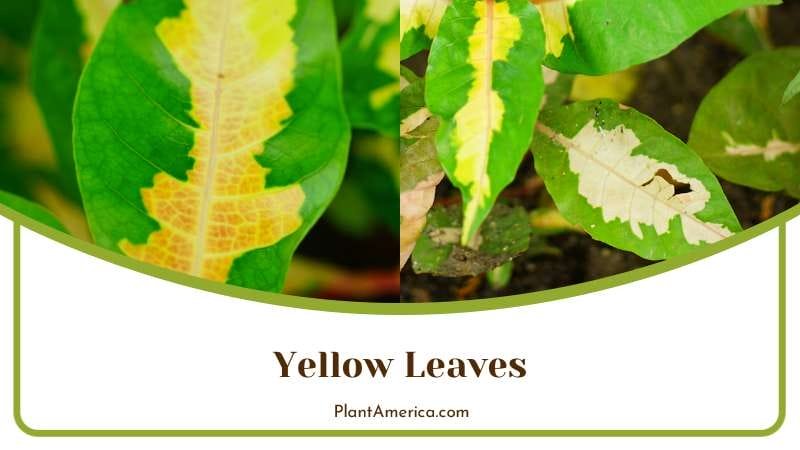
If the soil is soggy, the roots become brown and mushy, they rot.
– Drooping leaves
If you do not water the plant sufficiently or place it in bright direct sunlight, drooping or curling happens. Underwatering is another reason for drooping leaves of the Aglaonema Pictum Tricolor plant. A humid environment plays a role in the growth of the Aglaonema Pictum plant as they take up water through the air.
Aglaonema Pictum Tricolor curling leaves can be avoided if the light is managed correctly.
– Signs of Nutrient Deficiency
When the nutrient level of the plant gets deficient, some signs and symptoms are apparent. Drooping of leaves is a sign of nutrient deficiency. It is caused by the insufficient amount of light and water. The nutrient may not reach the plant if there is a low amount of water. You should also check the lighting conditions.
– Disease and Pest Resistance
Some insects and pests attack the Aglaonema Pictum Tricolor plant. They are aphids, mealybugs, and spider mites. They roam around the soil or hide under the leaves. Spider mites suck the chlorophyll from the plant, causing the leaf to discolor.
Carefully monitor the plant for insect invasion. Isolate the plant to stop the spread of pest invasion to the other plants around. Insects hate moisture. When you increase the humidity levels around your plant and keep it hydrated, you can prevent insects and pests from settling on your plant.
Some diseases cause root or stem rot. The leaves become weak, brown, or pale-looking. Trim or prune the part of the plant that is dead or diseased. To solve this problem, spray some fungicide, insecticide on the plant. Use Neem oil to get rid of insects and pests.
– The Solution
For the health and proper growth of the Aglaonema Pictum, you should:
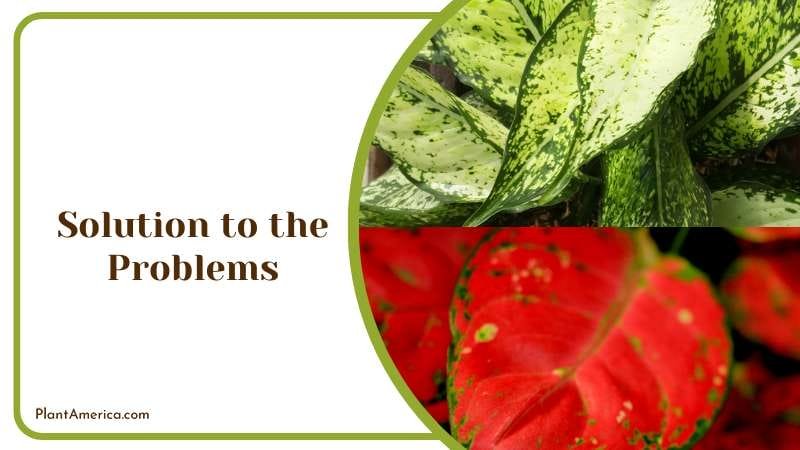
- Provide high humidity of 65-90 percent
- Use right, light, and airy potting mix
- Water the plant regularly and never let the soil completely dry out
- Use fertilizer every two weeks during the growing season