
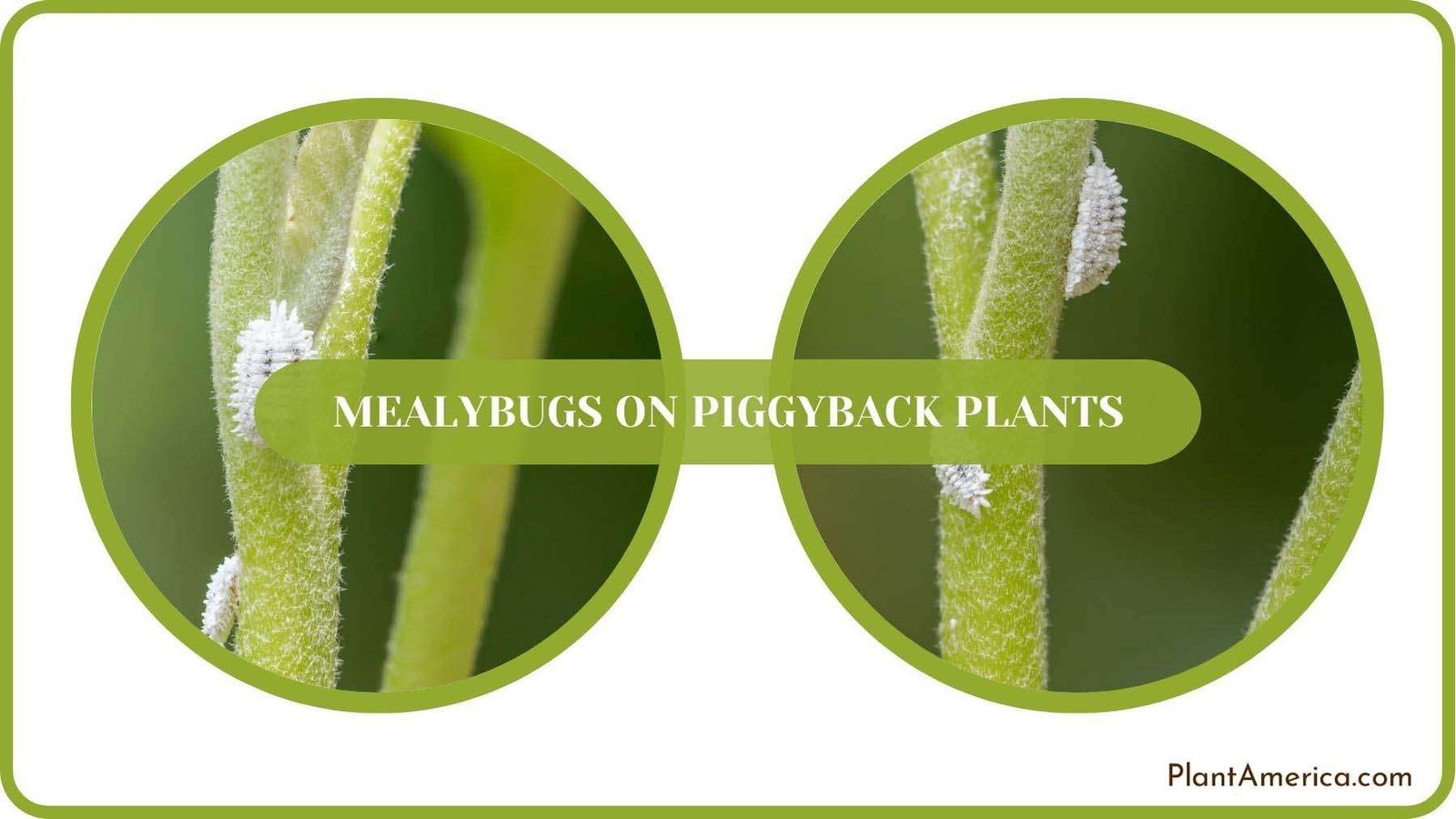
Mealybugs on piggyback plants is a nightmare for any gardener because these tiny pests sap the vigor from your cherished plants, leaving them weak and susceptible to disease.
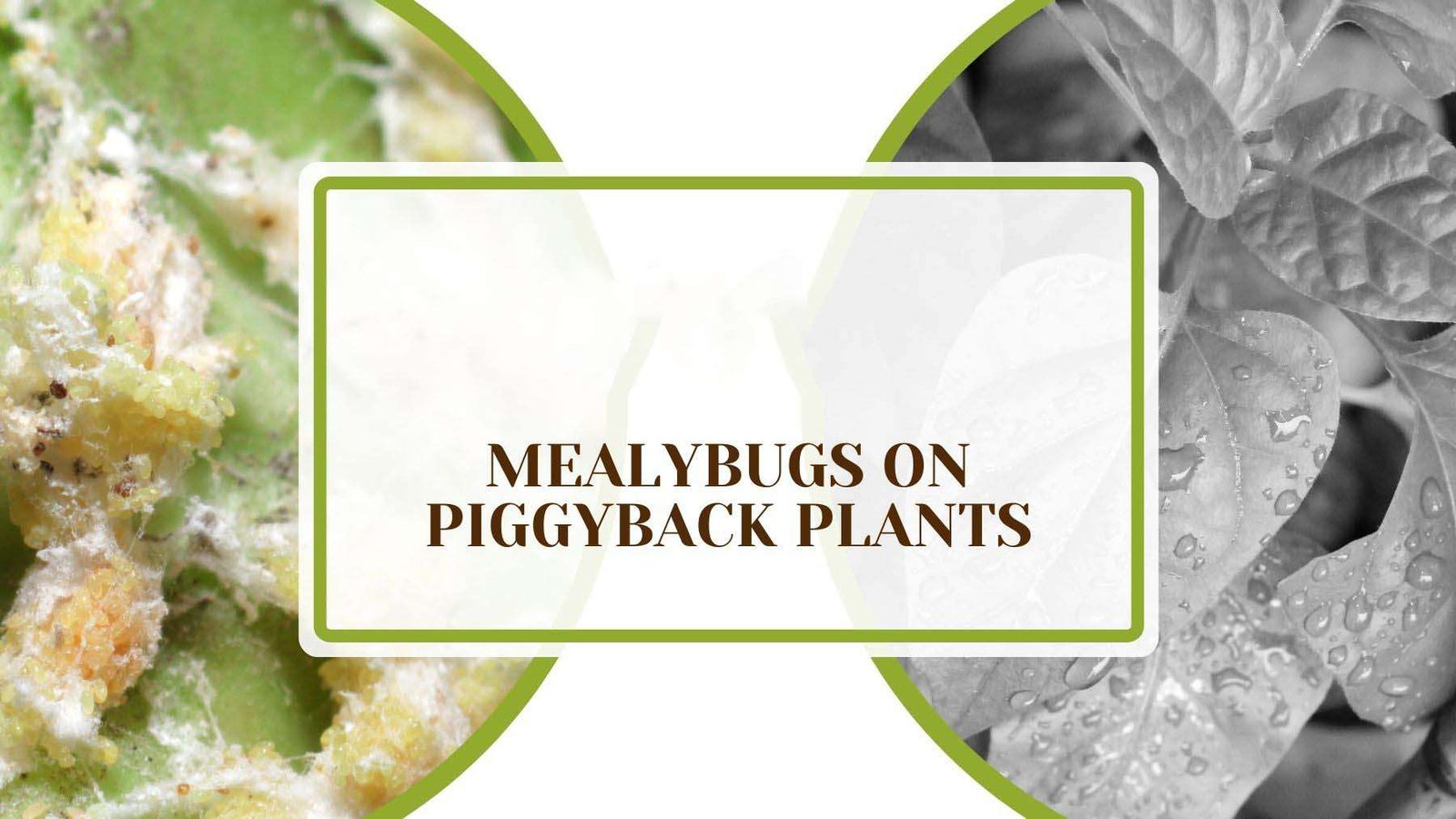
It won’t be wrong to say that it’s a war against time, and your plants’ survival is at stake. Let’s discuss some effective strategies to combat and prevent this harmful mealybug infestation.
What Causes Mealybugs on Piggyback Plants?
Mealybugs on piggyback plants are caused by a few reasons, such as dirty plants, too much water, and excess moisture. They can also hitch a ride on new plants or tools from the garden. And the indoor environment helps them grow, so indoor gardeners might have to face them more.
– The Irresistible Indoor Climate
Indoor environments often perfectly mimic the preferred living conditions of mealybugs. Mealybugs thrive in warm and humid climates- the conditions often present in homes and indoor greenhouses.
Temperatures ranging between 70-90 degrees Fahrenheit can also attract mealybugs. If the outdoor and indoor settings have temperatures within this range, your piggybacks (scientifically known as Tolmiea menziesii), and other plants will become prime targets of the bugs.
Furthermore, in their natural outdoor environment, mealybugs are controlled by predators like ladybugs and lacewings.

– Improper Maintenance
A well-maintained piggyback plant (Tolmiea menziesii) is somewhat resistant to pest attacks. But if you stop taking care, it becomes susceptible to different problems, including the mealybugs.
Think about this: if you don’t prune your plant, it might get too bushy. And all those leaves can become a cozy spot for mealybugs to hang out, breed, and spread.
Moreover, introducing a new plant to your indoor garden can also bring mealybugs from the outside. So, if you’re wondering, “Where can I buy a piggyback plant,” we suggest you thoroughly inspect your new plant regardless of the source, ensuring it’s pest-free before introducing it to your home or greenhouse.
– A Delightful Piggyback Display: The Allure of Vibrant Colors
Unfortunately, the lively piggyback plant colors can be a draw for mealybugs. These bugs like to munch on the healthiest and liveliest plants. They think these plants are like a buffet of good nutrients. Sadly, there won’t be any “Piggyback plant uses” after the mealybug infestation.
How To Get Rid of Mealybugs From a Piggyback Plant?
To get rid of mealybugs from a piggyback plant, start by applying homemade treatments like hot water dips, cinnamon powder dusting, alcohol soap wipes, or hot pepper spray. Consider commercial products like neem oil or pyrethrin-based insecticides in severe cases.
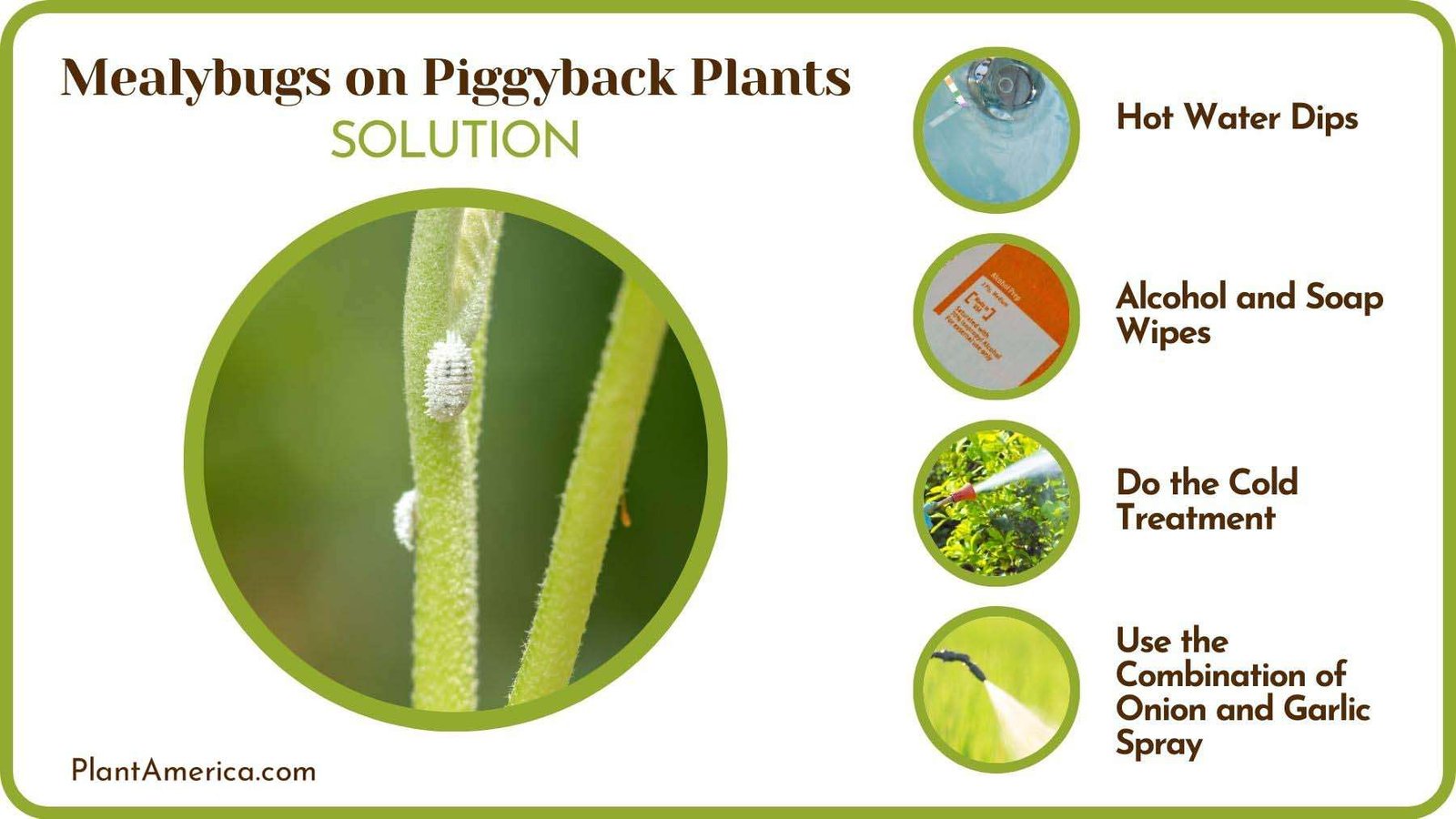
– Hot Water Dips
A hot water dip is another practical and non-toxic method to eliminate mealybugs from your plants. Quick temperature shifts can surprise the pests and make them die. But be careful not to make the water too hot and hurt the plant.
- First, get ready by making warm water. The best temp is around 120 degrees Fahrenheit (49 degrees Celsius).
- Carefully remove your piggyback plant from its pot and gently shake it to remove the loose soil from the roots. It will ensure the hot water can reach all the nooks and crannies where mealybugs may be hiding.
- Dip the entire plant into the hot water, including the root ball. This should be enough to get rid of the mealybugs without hurting your plant.
- After the dip, gently pat the plant dry and repot it in fresh, sterile soil. Remember, residual mealybugs or eggs in the old soil can re-infest your plant.
- Monitor the piggyback plant closely over the next few weeks. Repeat the hot water treatment if necessary.
– Alcohol and Soap Wipes: Manual Removal
moving on to the next effective approach to tackle mealybugs, which are using alcohol and soapy wipes. Alcohol penetrates the waxy exterior of the mealybugs, causing them to dehydrate and die. Soap, on the other hand, can suffocate the pests.
- Mix a solution comprising one part alcohol, one part liquid soap, and two parts water. The alcohol can be isopropyl (rubbing) alcohol or even regular vodka. Ideally, The soap should be mild, like a dish or castile soap.
- Dip a clean, soft cloth or a cotton swab in this solution.
- Use this cloth or swab to wipe down the leaves and stems of the plant gently. Pay extra attention to the undersides of the leaves and the leaf joints, as mealybugs tend to hide in these areas.
- After wiping the plant, let it sit for about 10 minutes. This gives the alcohol and soap ample time to do their work.
- Rinse the piggyback plant thoroughly with water to remove the soap and any dead mealybugs.
- Repeat this process every few days until you see no more signs of mealybugs.
This works well when you have a small bug problem or as a next step after using hot water dips. Remember that alcohol can cause leaf burn if the concentration is too high or the plant is exposed to direct sunlight immediately after treatment.
– Use Neem Oil Correctly
A tried-and-true method to tackle mealybugs and other pests on houseplants is using neem oil, an organic and potent pesticide extracted from the seeds of the neem tree. Safe for both plants and beneficial insects, neem oil disrupts the life cycle of mealybugs, inhibits their feeding, and reduces their ability to reproduce.
- Begin by preparing a neem oil solution. Combine two tablespoons of neem oil and 1 gallon of water. Adding 3-4 drops of dish soap can help to emulsify the oil in the water.
- Thoroughly spray your plant with the neem oil solution, ensuring that all surfaces, including the undersides of the leaves, are adequately covered.
- The neem oil should be left on the plant for a few hours to let it work its magic on the mealybugs. After this, rinse the plant with clean water to remove any residue.
- Repeat this treatment every week until you don’t see any more signs of mealybugs.
Remember that, like other oil-based sprays; neem oil can cause leaf burn if used during the day’s heat. Neem oil smells pretty strong, but don’t worry – the smell should go away in a few days.
It’s worth putting up with the scent because neem oil really helps control mealybugs. Besides, it’s perfectly safe for your garden, including those delicate piggyback plant flowers.
– Do the Cold Treatment
Just as a hot water dip can be used to dislodge mealybugs from your beloved piggyback plant, a cold treatment can work wonders too. It might surprise you, but those little pests despise the cold just as much as we do. This technique is better for tough indoor plants that can handle the cold without getting hurt.
- Isolate the infested plant to prevent the mealybugs from spreading to other plants.
- Place the plant in a sealable plastic bag and ensure it’s properly sealed.
- Put the bagged plant in your refrigerator for 24 to 48 hours. The cold temperatures should kill the mealybugs and their eggs.
- After the treatment, remove the plant from the refrigerator and the plastic bag. Rinse the plant under lukewarm water to wash off any dead mealybugs.
- Place the plant back in its usual spot and monitor it closely for any signs of surviving mealybugs. Repeat the process if necessary.
– Use the Combination of Onion and Garlic Spray
A homemade spray made from onions and garlic is a highly effective and natural way to deter mealybugs. These everyday kitchen things have strong germ-killing powers and strong smells that bugs really don’t like.
- To prepare the spray, blend two whole bulbs of garlic, four large onions, and four hot peppers in 4 cups of water.
- Strain the mixture and dilute it with enough water to make 1 gallon of solution.
- Spray the solution on the plant, ensuring that all surfaces, including the undersides of leaves, are covered.
- Repeat the application every few days until the mealybugs are gone.
As with all treatments, test the spray on a small plant section first to ensure it won’t cause damage. Also, remember that the strong smell might linger for a few days.
– Use Cinnamon Powder
Cinnamon, beloved in many kitchens for its warm, sweet spice, can double as a pest deterrent in your garden. Cinnamon has strong stuff that fights fungi and germs, which can get rid of mealybugs and keep plants safe from other pests and diseases.
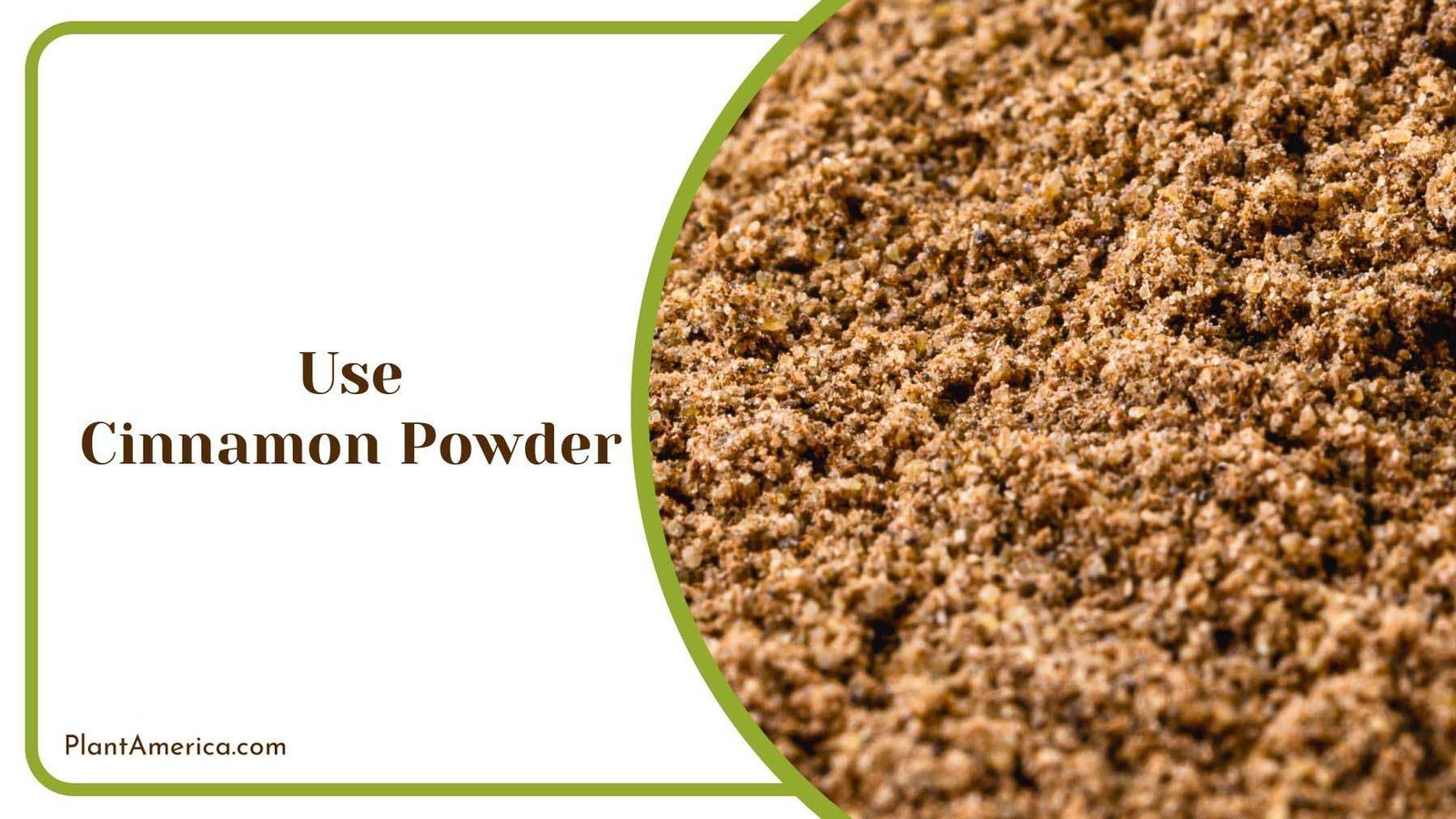
To use:
- Sprinkle a generous amount of cinnamon powder directly on the leaves and stems of your piggyback plant. Pay special attention to the undersides of the leaves and the joints where mealybugs like to hide.
- Allow the cinnamon powder to stay on the plant for a few days. It should be enough time to work its magic against the mealybugs.
- After a few days, gently rinse the plant to remove the cinnamon powder and any dead mealybugs.
- Monitor your plant closely and repeat the process if necessary.
– Hot Pepper Spray (The Most Natural Remedy)
Hot pepper spray, another fantastic homemade solution, can add a kick to your arsenal of pest control tactics. Capsaicin, which gives hot peppers their heat, irritates many pests, including mealybugs. You’ll need a handful of hot peppers to make hot pepper spray, preferably the hottest.
- Blend the peppers with a cup of water until it forms a thick paste.
- Dilute this paste in about a gallon of water, then add 2-4 drops of dish soap.
- Use a spray bottle to apply the pepper solution to the piggyback plant liberally. Be sure to cover all surfaces, especially the undersides of the leaves.
- Repeat this process every few days until the mealybugs are eradicated.
Wear gloves, a hat, and goggles when preparing and applying hot pepper spray, as capsaicin can be highly irritating.
– Go for Pyrethrin-Based Insecticides But Follow Plant Care Tips
Pyrethrins are chemicals that come from the pyrethrum plant. They’re really strong at killing insects. Here’s how to use them to stop mealybugs from harming your plants:
- Choose a pyrethrin-based insecticide that’s safe for These can be found in most garden centers or online.
- Follow the manufacturer’s instructions when applying the insecticide to your piggyback plant. Typically, you’ll spray the plant thoroughly, covering all surfaces.
- Leave the insecticide on the plant for the recommended amount of time.
- Then, rinse the plant with clean water.
- Monitor your plant closely and reapply the insecticide as directed until the mealybugs are gone.
Following these strategies, you should notice a change in the bug problem within a few days.
Conclusion
All in all, if you see mealybugs on piggyback plants and wondering how to remove them? Well, it can be a challenge, but you can get rid of them. You can handle these tiny pests well using different ways, such as:
- Identify mealybug infestations early on to prevent the pests from causing significant damage to your plants.
- Use simple, homemade solutions like hot water dips, alcohol and soap wipes, or onion and garlic spray to deter the pests.
- You can also spice things up with cinnamon powder or chill things down with a cold treatment.
- Consider using commercial solutions such as neem oil, insect-killing soap, or pyrethrin-based insecticides when dealing with severe infestations.
- It’s crucial to continue monitoring your plant even after the mealybugs seem to be gone. These bugs don’t give up quickly, and if any of them survive, a new group can start again.
Make sure to take good care of your plants, as healthy plants can fight against mealybugs. Happy bug-free gardening!