
Brown tips on bushes lack the appeal of their vibrant counterparts. Moreover, a formerly robust shrub that has now become lackluster, parched, and brown is likely facing issues, most often connected to care and temperature.
If your shrubs have undergone this transformation, continue reading to discover how to intervene and restore them to their former glory.
Why Are My Bush Leaves Turning Brown?
Your bush leaves are turning brown because of various factors contributing to this change. Extreme temperatures, whether freezing or scorching, can induce a brown tint on shrubs, while abrupt weather shifts, especially warm spells during winter, may disrupt growth, leading to browning.
Pests such as borers or diseases like boxwood blight are additional culprits in altering the color of shrubs. Water-related issues, ranging from excessive to insufficient moisture, can stress shrubs, prompting undesirable brown transformation. Overloading with fertilizer is another potential cause, as excessive amounts can elevate salt levels in the soil, essentially burning the shrubs.
The presence of brown needles or leaves doesn’t necessarily indicate imminent death — a shrub displaying browning can recover with proper care, especially if live buds and branches are still present. But, let’s first number down the causes.
– Irregular Watering
Brown leaf tips serve as indicators that your shrubs may be receiving either too little or too much water, or perhaps not at the optimal time. Understanding your shrub’s specific watering needs is essential, as there is no universal approach. Each shrub has its preferences—some thrive in drier conditions, while others prefer more moisture.
To discern your shrub’s water requirements, examine the soil: bone-dry soil signals the need for water, while damp soil indicates sufficiency. However, excessive watering can also lead to brown leaves and tips. To determine if your shrub is getting the right amount of water, observe the overall condition of its leaves.
Overwatered shrubs often exhibit limp leaves, while under-watered ones tend to feel dry or crispy. Finding the balance tailored to your shrub’s moisture needs is key to maintaining its health and vibrancy.
– Humidity Issues
Insufficient humidity levels can significantly impact outdoor shrubs in various ways. The low humidity causes accelerated evaporation of water from the soil, leading to a challenge for the shrub’s roots to absorb sufficient moisture. This struggle with water absorption can result in dehydration, ultimately manifesting in the browning of the leaves.

Transpiration, the process by which shrubs lose water through leaf moisture evaporation, is heightened in low-humidity conditions. This increased transpiration may cause the shrub to lose more water than it can replenish from the dry soil. Prolonged exposure to low humidity puts stress on outdoor shrubs, prompting them to prioritize water usage for essential functions, often some leaves turn brown.
The drying and desiccation of leaf edges and surfaces are common consequences of insufficient humidity, particularly affecting plants not well-adapted to arid conditions.
– Nutrient Issues
In cases where your plants exhibit burnt, dark green, or reddish-purple tips, it could indicate a deficiency in phosphorus. On the other hand, symptoms such as yellowing along the edges of older leaves, yellowing between veins, spotting, and curling leaves may signal a potassium deficiency, suggesting an issue with your fertilization approach. A beneficial solution is to incorporate a slow-release fertilizer during potting, but occasional supplementation with additional fertilizer may be necessary.
However, it’s crucial to exercise caution before applying fertilizer indiscriminately, as excessive use can lead to brown, burnt, or discolored foliage tips. Some fertilizers contain salts that accumulate in the soil, resulting in tip-burn over time. If you observe a white crust on the soil shrub bark, or plants’ pots, it’s advisable to refrain from fertilization for an extended period.
– Pests and Diseases
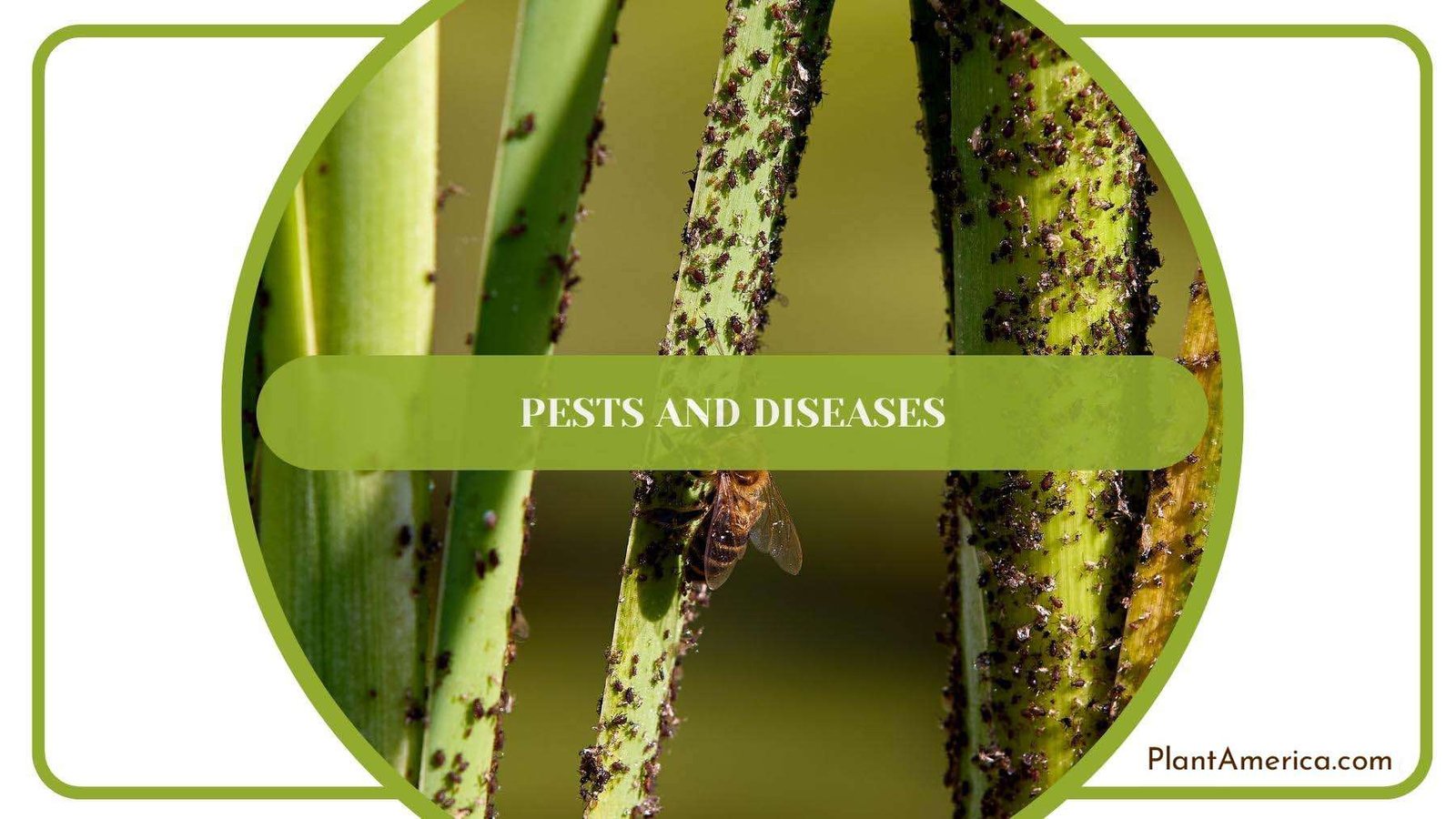
Aphids, small sap-sucking insects, induce yellowing and browning of leaves as they pierce plant tissues and feed on sap. Their feeding weakens the plant, causing leaves to curl, yellow, and eventually go brown. Spider mites create strange speckles on leaves by piercing individual plant cells, leading to cell desiccation, stippling, and discoloration.
Fungal diseases like powdery mildew and leaf spots manifest as powdery white or brown spots and lesions on leaves. As these diseases progress, affected areas can turn brown as fungi disrupt normal cell functions in plant tissues. Bacterial infections cause wilting, cankers, and leaf discoloration, turning infected leaves brown, especially at the edges, as bacteria invade plant tissues, triggering a response that results in wilting and discoloration.
Root rot, a fungal disease affecting roots, leads to foliage turning yellow and wilting, with browning occurring as fungal pathogens attack the roots, reducing their ability to absorb water and nutrients, resulting in above-ground symptoms.
– Is the Whole Plant Turning Brown?
When entire plants exhibit a brown hue, the underlying cause typically originates in the roots or trunk. This phenomenon is often attributed to inadequate planting and aftercare practices, damage caused by lawnmowers or strimmers, harm to the main stem’s bark due to activities by rabbits, grey squirrels, deer, or voles, waterlogging issues, or root diseases, notably honey fungus or Phytophthora root rot like in spider plant‘s leaves. Detecting root diseases involves inspecting the collar, where the trunk meets the ground, and examining some of the main roots beneath the bark.
What To Do About Brown Tips on Bushy Plants
Discovering brown foliage on your cherished plant can be disheartening. While you may feel responsible for the plant’s distress, pinpointing the exact cause can be a perplexing task, and your plant, although silent, might harbor its grievances. Unraveling the mystery behind the brown tips of your houseplant requires a bit of botanical detective work, but will get you closer to the solution.
– Immediate Action Steps
If your shrubs exhibit browning during extreme summer heat or harsh winter conditions, implement a gradual watering strategy in the summer and provide protection from winter elements using anti-desiccant spray.
In cases where insects or diseases are suspected culprits, closely examine the shrub for additional symptoms such as leaf drop, webbing, or visible pests. If such issues are identified, consult with an arborist for a comprehensive assessment.
If fluctuating winter temperatures have affected your shrubs, patiently observe for new growth in the spring. Ensure thorough watering to support the growth process, and prune out any remaining dead stems that did not produce new leaves.
Saturated soil around the shrubs indicates overwatering. Adjust the watering routine, allowing the soil to dry out before resuming hydration.
Shrubs that exhibit browning post-fertilization may have experienced burns due to excessive fertilizer. Counteract this by flushing the soil with a steady flow of hose water to mitigate the impact of over-fertilization.
If you’re still unsure about any of the above, you can always try some proper plant care routine!
– Improving Watering
Instead of employing a sporadic watering approach, the most effective way to hydrate a houseplant is to maintain consistency. Ensure that you add water until it flows out of the drainage holes, and subsequently, empty the saucer to prevent the pot from standing in excess moisture, which could lead to root rot and various complications.
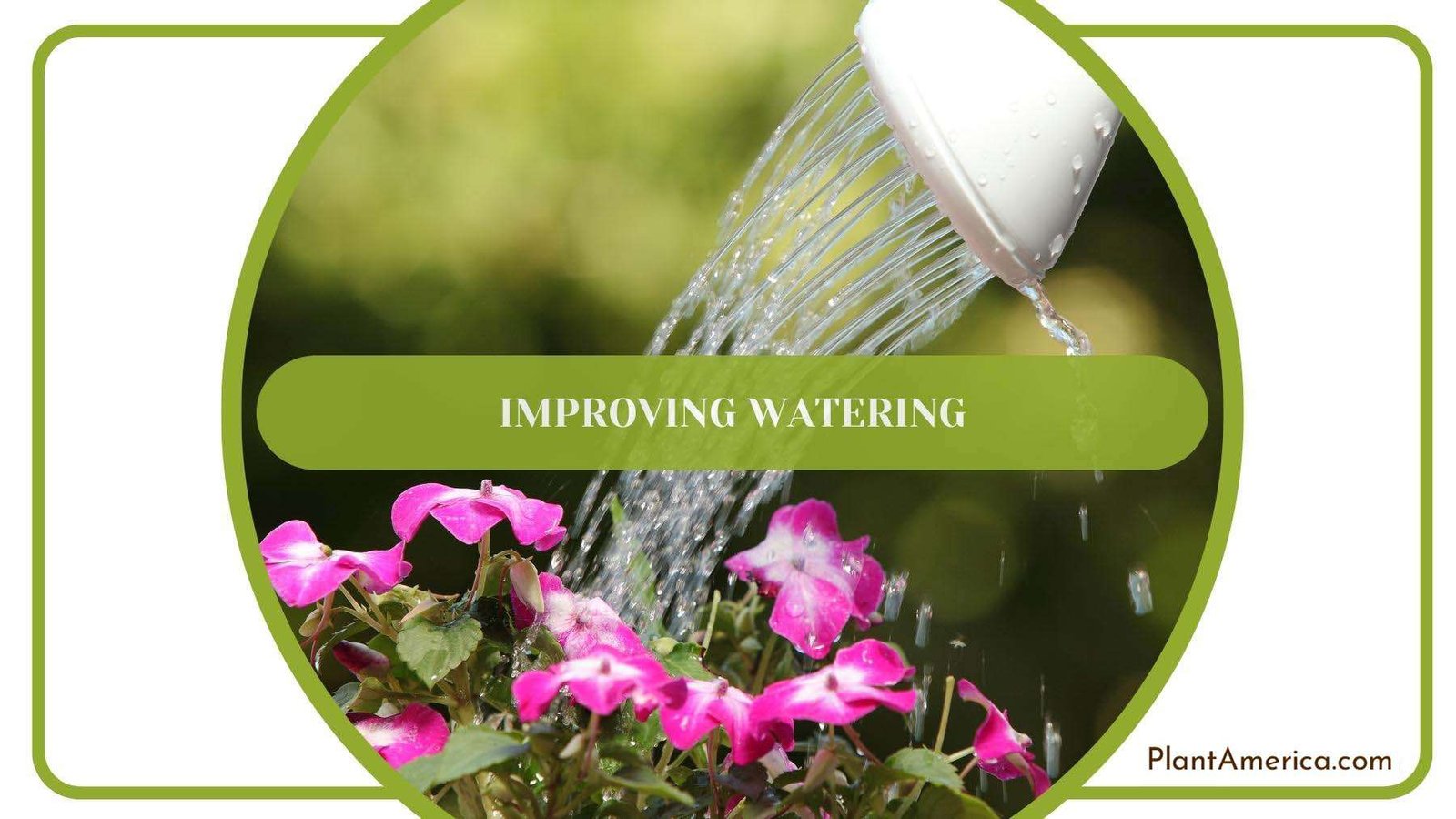
Alternatively, you can opt for bottom watering by placing the plant’s pot in a few inches of water and allowing it to soak up moisture through the drainage hole for approximately 10 minutes. Once adequately moistened, return the pot to its usual position on a saucer. This technique is particularly beneficial for those prone to overwatering, as the soil, once saturated, will no longer absorb excess water.
– Leveling up Humidity
Numerous typical bushy houseplants originate from jungle environments, so in homes with low humidity, it’s beneficial to provide them with a daily misting, particularly in the winter. Clustering houseplants can contribute to maintaining higher humidity levels.
Enhance moisture further by placing their pots on a layer of pebbles in a shallow tray. Add water to the tops of the pebbles (or the tray’s rim), and as it evaporates, it will establish a humid micro-climate, promoting optimal leaf appearance. Regularly replenish the water as necessary.
– Improving Fertilization
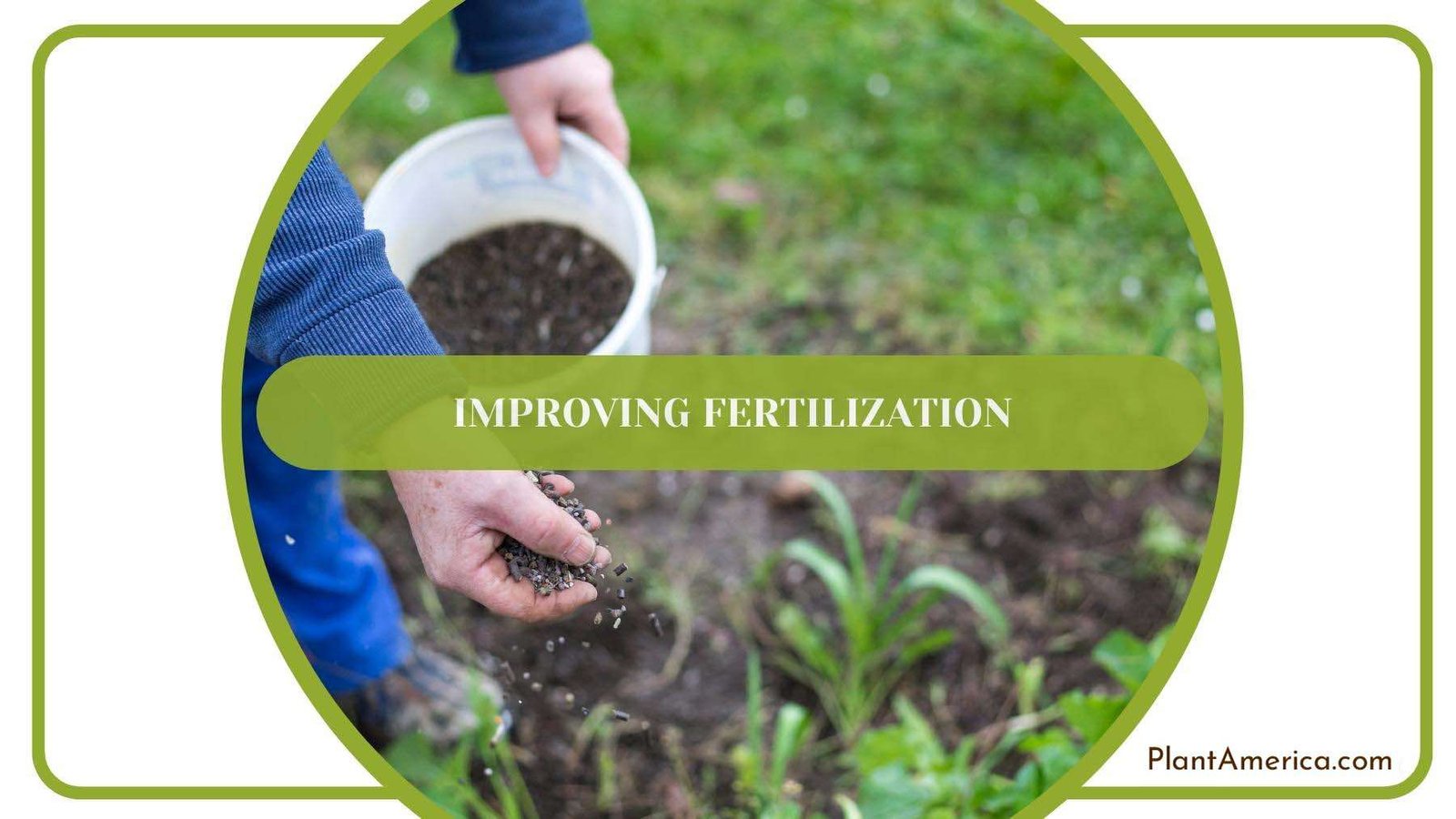
To mitigate salt buildup it’s advisable to repot with fresh soil every few years. Additionally, using softened water may contribute to brown leaf tips, so opting for distilled or filtered water can help maintain the overall health and appearance of your plants.
– Dealing With Pests and Diseases
If you identify a plant with pests or diseases, take immediate action by isolating it from other houseplants to prevent the issue from spreading.
Prune and remove the affected parts of the plant. This won’t only prevent the spread of pests and diseases but will also encourage healthier growth. Before turning to chemical treatments, explore natural remedies like neem oil, insecticidal soap, or a mixture of water and mild soap, as these options are less harmful to the plant and the environment.
Ensure that your indoor plants receive optimal growing conditions, including proper watering, adequate sunlight, and appropriate humidity levels, as healthy plants are more resilient to pests and diseases.
If dealing with pests, consider using neem oil, a natural pesticide effective against various pests. For fungal issues, apply a fungicide following product instructions carefully. Combat flying insects, like fungus gnats or fruit flies, with sticky traps to reduce their population. In severe infestations, systemic pesticides can be an option, but use them cautiously and adhere to product instructions to ensure plant and personal safety.
Conclusion
The journey to revive brown-tipped shrubs encompasses a thorough understanding of their diverse narratives. From extreme weather conditions and pest invasions to nutrient deficiencies and root diseases, the causes of browning are as varied as the shrubs themselves. The brown hue doesn’t necessarily signal the end — it can be a call for intervention and care.
- As diligent bush caretakers, the first step is to unravel the specific factors affecting your shrubs. Irregular watering, whether too much or too little, poses a common challenge, requiring a tailored approach based on each shrub’s moisture preferences.
- Low humidity can lead to transpiration issues, stressing outdoor shrubs and resulting in brown leaves. Nutrient deficiencies, signaled by specific leaf discolorations, warrant a balanced fertilization strategy.
- Pest and disease management is crucial, with aphids, spider mites, fungi, bacteria, and root rot being potential adversaries. Understanding the symptoms and employing appropriate remedies, be it natural solutions or carefully chosen chemical treatments, is key to restoring plant health.
- Optimal watering techniques, humidity adjustments, and fertilization strategies contribute to ongoing plant health. Consistency is key, whether in watering practices or providing humidity through misting and clustering. Repotting with fresh soil and selecting the right water source are essential steps in fertilization management.
- In the realm of pest and disease control for indoor plants, vigilance and prompt action are paramount. Isolation, pruning, natural remedies, and, if necessary, systemic pesticides can be deployed with caution to safeguard both plants and the environment.
By decoding the language of browning leaves, plant enthusiasts can embark on a journey of restoration, ensuring their beloved bushes flourish once more.