
Weeds with white flowers are refreshing when they pop up in the middle of our gardens. Sometimes they’re grown purposefully but most of the time by accident. But are they as harmless as they look?

Let’s explore some of the most common garden weeds that produce white flowers.
List of Garden Weeds That Produce White Flowers
1. White Clover

| Plant information |
|
| Distinguishing characteristics |
|
| Growing conditions |
|
| Associated issues |
|
If you’re looking for a pretty white flower from a vigorous plant, then this white clover from the Fabaceae family may be for you. Keep it contained in selected areas to keep this weed from taking over your yard, because they can be quite aggressive with their growth and thrive.
In the summer, white clover flowers provide food for bees and butterflies, and this is a determiner that they are beneficial flowers that can appear in your yard.
2. Hairy Bittercress

| Plant information |
|
| Distinguishing characteristics |
|
| Growing conditions |
|
| Associated issues |
|
Some homeowners welcome the presence of hairy bittercress plants due to their edibility and nutrient content. Others use broadleaf herbicides to control their aggressive spread.
Either way, the hairy bittercress plant is an interesting specimen that you might consider studying for its benefits. They grow looking pretty good, with their little white-colored flowers and green leaves with tiny hairs covered; however, they do grow in an invasive way, and you will see them shooting up.
3. Stinging Nettle
| Plant information |
|
| Distinguishing characteristics |
|
| Growing conditions |
|
| Associated issues |
|
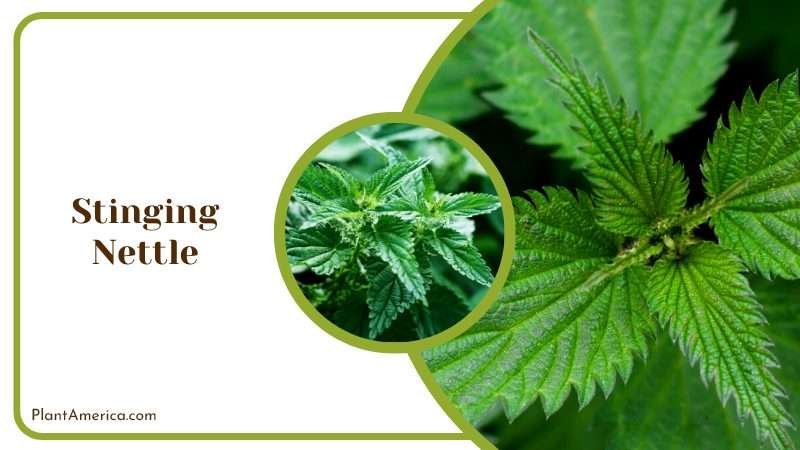
This particular plant is usually avoided due to the irritating reactions on the skin upon contact. While it does have traditional medicinal benefits, this plant is not ideal if you have active children or pets playing near them.
Mowing your lawn regularly can prevent their growth and spread, because they have strong roots that they are bound to, due to their growth. However, you must not pull it with your hands because they may cause skin irritation.
4. Common Mouse Ear Chickweed

| Plant information |
|
| Distinguishing characteristics |
|
| Growing conditions |
|
| Associated issues |
|
This common chickweed can easily compete with vegetables and other plants for nutrients, water, and space. While the ear chickweed does produce small and attractive white flowers, some homeowners may find this particular weed annoying.
As long as the soil is moist, and the growing weed is located under bright and direct light, it will grow so easily and would multiply as well. If you wish to take it off by pulling them, you can do that, or you can use tools as well to cut them off.
5. Wild Carrot
| Plant information |
|
| Distinguishing characteristics |
|
| Growing conditions |
|
| Associated issues |
|
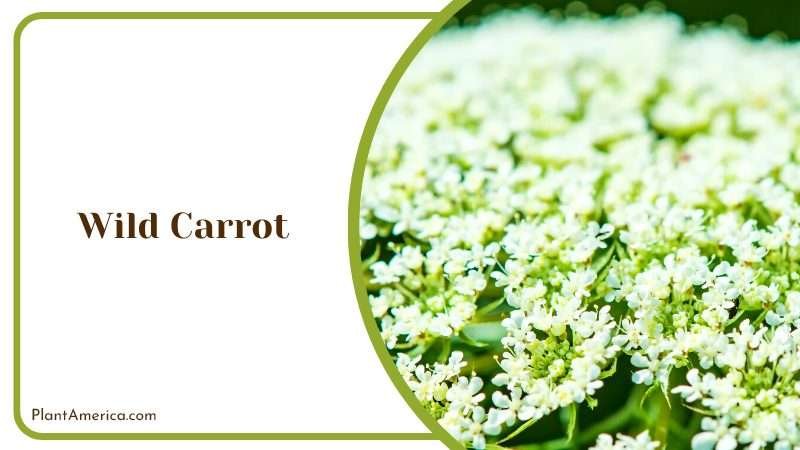
Sometimes known as Queen Anne’s Lace, this wild root vegetable can be bothersome if left alone. Despite its dainty cluster of attractive white flowers, this weed can easily take over yards and recovering grasslands.
It can be removed by hand, although herbicides are more effective. The key reason why you should remove this herb growing is that it is poisonous for people when they eat them, and even to animals when they ingest this herb.
6. Stinking Chamomile

| Plant information |
|
| Distinguishing characteristics |
|
| Growing conditions |
|
| Associated issues |
|
Every white flower on this plant is very attractive, although the plant itself can be a bit hard to control. As one of the more common weeds in North America, the stinking chamomile may be potentially toxic to animals when ingested.
On the same note, be mindful, because these flowers have the ability to spread so well and to bloom during spring. Most of the time, they are used for their medicinal usage, a sit has different healing properties, but if you would like to get rid of them, small clusters can be removed by hand, although herbicides are better when the weed population is large. Make sure to be able to identify the chamomile plant and not confuse it with similar ones.
7. Procumbent Pearlwort

| Plant information |
|
| Distinguishing characteristics |
|
| Growing conditions |
|
| Associated issues |
|
As one of the white flowering weeds, the procumbent pearlwort is found nearly in all green spaces. Each white flower that the plant produces is small, simple, and blooms in mass, and they can spread out in a swift way.
It can be difficult to remove when its population has multiplied, so herbicide use is often recommended because it would clear it out correctly and efficiently.
8. Common Daisy

| Plant information |
|
| Distinguishing characteristics |
|
| Growing conditions |
|
| Associated issues |
|
Considered one of the better flowering weeds in most gardens, the common daisy is not as unwelcome as other weed flowers would seem. On the contrary, these are quite beautiful, in terms of how they grow and the vibrancy that they add with their single or double flowers.
This probably has to do with the plant’s attractive white flower, as well as its young leaves, which are edible. However, if this plant has taken over your garden, you can get rid of it by using herbicides. There are many daisy-like plants out there so be sure not to get confused.
9. Meadow Buttercup
| Plant information |
|
| Distinguishing characteristics |
|
| Growing conditions |
|
| Associated issues |
|
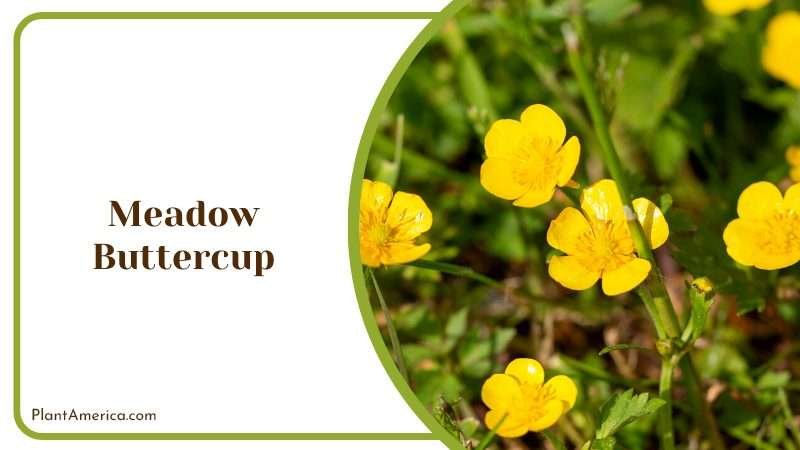
Similar to the creeping buttercup, the meadow buttercup tends to produce yellow flowers. However, some cultivars have a recessive gene that causes them to produce white blooms.
These are the types of weeds that can help with soil erosion but can easily take over open spaces, which means that getting rid of them is a necessary task to be accomplished, as they will grow strongly if they aren’t dealt with.